
Reviewed · CITY TOURS
Tokyo Private Tour: Temples, Culture & Modern City Highlights
Tokyo can feel like several cities stitched together: temple lanes in Asakusa, market stalls beside railway tracks, forested shrine paths, and giant screens in Shibuya. This private tour lets you connect those worlds with a local guide, rather than trying to piece the city together alone.
I like the custom route, which can focus on temples, food, photography, anime, shopping, or modern Tokyo. I also like the practical help with trains, restaurant ordering, photo spots, and local customs. The main catch is simple: this is a walking and public-transit tour, not a chauffeured sightseeing ride. Some tours cover 20,000 to 25,000 steps, so comfortable shoes are essential.
In This Review
- Key points to know before booking
- A private introduction to Tokyo’s many faces
- Asakusa begins with Tokyo’s old soul
- Ueno combines market energy with a quiet pond
- Choose Akihabara for pop culture and electronics
- Kappabashi turns everyday objects into souvenirs
- Imperial Palace gardens add a quiet historical pause
- Harajuku pairs youth fashion with Shinto calm
- Shibuya delivers the modern Tokyo postcard
- Shinjuku finishes with lights and odd details
- The real transport lesson is part of the tour
- Food help is useful, but lunch is your cost
- Who will get the most from this private tour
- Timing, pickup, and cancellation details
- Should you book this Tokyo tour?
- FAQ
- How much does the Tokyo private tour cost?
- How long does the experience last?
- Is the tour private?
- Which languages are available?
- Is hotel pickup included?
- Is airport pickup included?
- Is public transportation included in the price?
- Are meals and drinks included?
- Which Tokyo areas can the tour visit?
- Are entrance fees included?
- Is the tour suitable for solo visitors?
- How much walking should I expect?
- Can I cancel for a full refund?
Key points to know before booking
- A private route, not a fixed checklist: Choose from Asakusa, Ueno, Harajuku, Shibuya, Shinjuku, Akihabara, Kappabashi, and the Imperial Palace East Gardens.
- Strong guide support: Renaud, Julien, Sebastian, Jimmy, and Leeloo are among the guides named for this experience, with English, French, and Japanese available.
- Tokyo by train and on foot: Public transportation is not included, but the guide can help you understand Tokyo’s subway and rail systems.
- Excellent first-day orientation: You can learn how the city works while seeing major sights, local markets, temples, and food streets.
- Good for different interests: The route can suit families, solo visitors, photographers, history fans, anime fans, and food-focused visitors.
- Plan for a full physical day: The advertised duration is about four to seven hours, but extensive walking and train transfers may be part of the deal.
A private introduction to Tokyo’s many faces
At $99.08 per person, this tour is priced as a private experience rather than a basic group walk. The value depends heavily on your group size. One person pays a premium for personal attention, while a family or small group can spread the cost across several people and gain a guide focused only on them.
The guide does more than point out buildings. The strongest part of the experience is practical help: learning how to use the train system, finding a suitable food stop, understanding religious customs, and choosing photo locations. That can save you time for the rest of your trip.
The route is flexible, but flexibility requires a conversation before or at the start of the tour. You cannot realistically give every listed stop proper attention in four to seven hours. A sensible plan might pair Asakusa, Ueno, and Kappabashi, or combine Harajuku, Meiji Jingu, and Shibuya. Trying to cover Asakusa, Akihabara, Harajuku, Shibuya, and Shinjuku in one short session means more train rides and less time at each place.
Guides include Renaud, Julien, Sebastian, Jimmy, and Leeloo. The exact guide depends on availability, but the experience is offered in English, French, or Japanese. French-speaking visitors have a particularly useful option with Leeloo, while several English-speaking guides are praised for clear explanations and patience.
Other city tours we've reviewed in Tokyo


Asakusa begins with Tokyo’s old soul
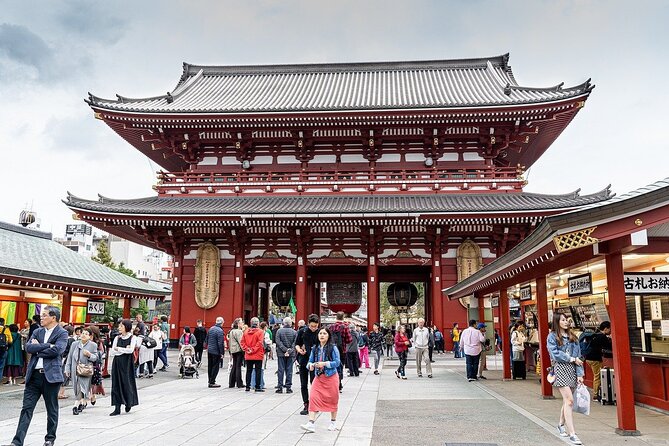
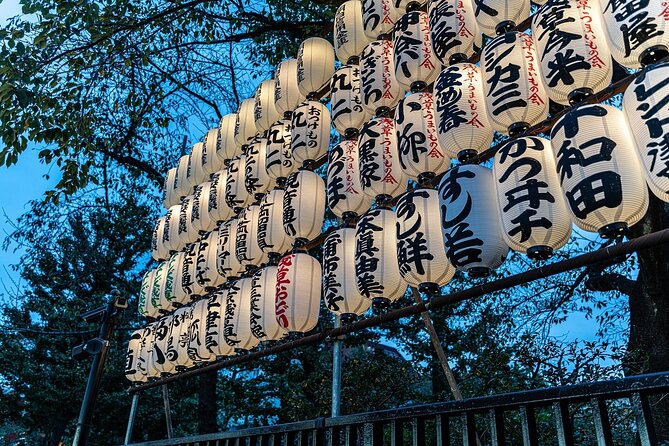
Senso-ji is the natural starting point for a first visit. Its large red lantern at Kaminarimon Gate leads into Nakamise, a shopping street lined with snacks, souvenirs, and traditional goods. The approach can be crowded, but that is part of the scene. You get a quick lesson in how a major religious site also works as a busy neighborhood attraction.
Allow about 45 minutes here. Your guide can explain the meaning of the temple grounds, how to behave at a Buddhist temple, and how Senso-ji fits into Tokyo’s past. Admission is free, which keeps the tour cost focused on guiding rather than entrance fees.
The limitation is space and pace. Senso-ji is popular, and Nakamise is not a quiet stroll. If you want detailed temple architecture or time to shop, tell your guide early so the stop does not become a quick photo visit.
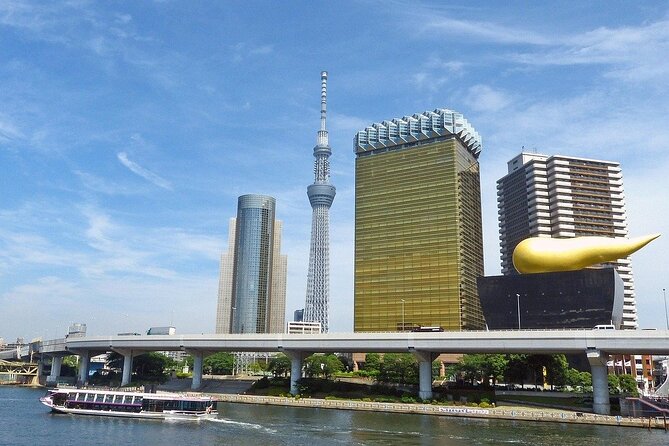
A short walk beside the Sumida River follows. This 15-minute pause provides open views, bridges, and Tokyo Skytree. It is a useful change after the tight lanes around Senso-ji, especially for photographs. It is also a good place to slow the pace before heading toward Ueno.
Ueno combines market energy with a quiet pond
Ameyoko Shopping Street gives you a very different view of Tokyo. The market runs beside the railway tracks between Ueno and Okachimachi, with seafood, spices, snacks, clothing, and small shops packed into a lively corridor.
The stop lasts about 30 minutes, so think of it as an introduction rather than a full shopping trip. You can sample a street snack, look for bargains, or ask your guide about familiar Japanese foods. Meals and drinks are not included, and some shops may accept cash only, so carry yen.
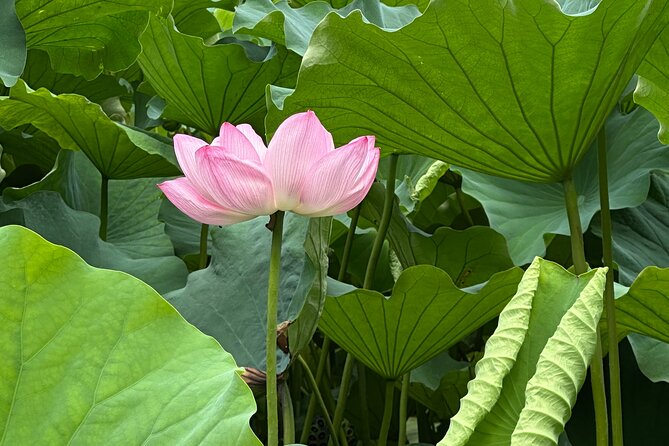
Shinobazu Pond offers a calmer half hour. Lotus plants, koi, turtles, and seasonal birds add a gentle natural pause to a city day. The pond also carries a small piece of Edo-period atmosphere, since it was once a favored meeting place for couples.
The pairing works well. Ameyoko is noisy and commercial; Shinobazu Pond is open and restful. Together they show why Ueno is worth more than a quick visit to a single museum or station.
Choose Akihabara for pop culture and electronics
Akihabara is an optional stop, and it makes sense only if it matches your interests. Known as Electric Town, the district is associated with anime shops, retro games, arcades, electronics, and Japanese pop culture.
A 30-minute visit gives you a taste of the area. You might browse a multi-level shop, look at old games, or ask the guide where to focus your limited time. The district can easily swallow an entire afternoon, so be clear if you want shopping time rather than a quick walk through.
This option is especially useful for repeat visitors who have already seen the classic temples. It also suits families with older children and anyone interested in anime or gaming. If your priority is architecture, gardens, or food, use the time elsewhere.
Kappabashi turns everyday objects into souvenirs
Between Asakusa and Ueno, Kappabashi Street is devoted to kitchenware. Shops sell Japanese knives, chopsticks, tableware, cookware, and the plastic food displays seen outside many restaurants.
The suggested stop is about 30 minutes. That is enough to see the character of the district and ask for help choosing what interests you. Knife purchases may require more time and careful comparison, so serious shoppers should say so before the route is set.
Kappabashi is a smart choice for shoppers who want something more useful than a standard souvenir. It also provides a look at the working side of Japanese food culture. As with Ameyoko, some shops may be cash only, and purchases are your responsibility.
Other private tours in Tokyo


Imperial Palace gardens add a quiet historical pause
The East Gardens of the Imperial Palace offer a contrast to Tokyo’s commercial districts. The route includes Ninomaru Garden and the remains of Edo Castle, along with historic samurai guardhouses.
Plan about 30 minutes. This is not a full palace tour, but it gives you open space and a clear connection to Japan’s former ruling center. The gardens are a good choice if you want a little history without spending the whole day indoors.
The garden stop may not satisfy you if you expect palace rooms or an extensive castle complex. It works best as part of a route that already includes Asakusa or Ueno, rather than as the sole historical focus.
Harajuku pairs youth fashion with Shinto calm
Takeshita Street is the loud, colorful side of Harajuku. Small fashion shops, cute goods, creative snacks, and pop culture fill the narrow street. A 45-minute stop lets you see the district’s distinctive style and perhaps buy a snack.
Crowds can make the street slow, and the shopping is aimed at a particular taste. You may enjoy it greatly, or find it less interesting than the surrounding shrine and park areas. Tell the guide whether you want fashion, food, photos, or simply a quick look.
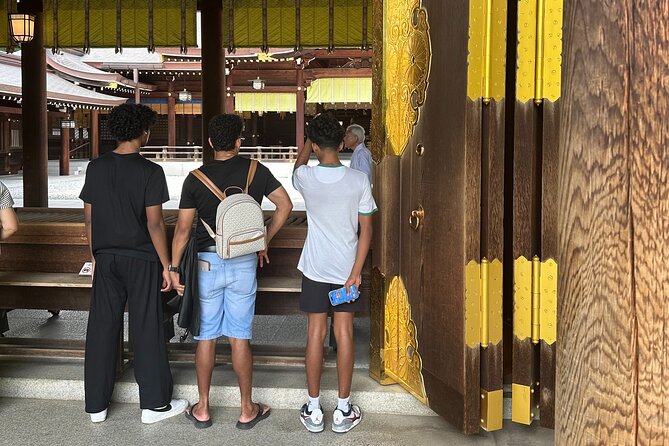
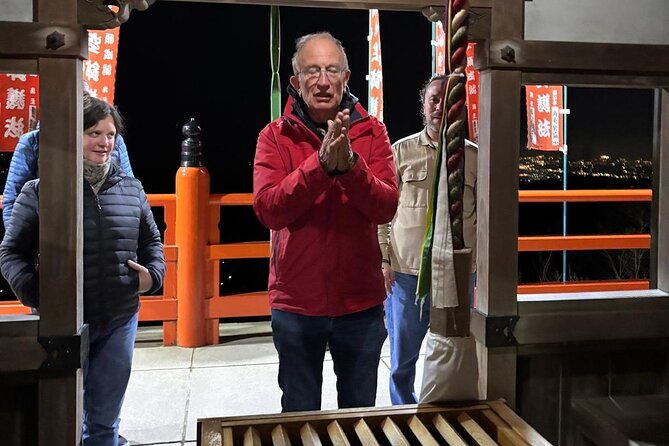
Meiji Jingu provides the counterpoint. Its large wooded grounds, towering torii gates, and shaded paths create a quiet setting close to the city’s busiest youth district. The visit lasts about 45 minutes and offers a chance to learn about Shinto practices and etiquette.
This is one of the best combinations on the menu. Takeshita Street shows present-day youth culture; Meiji Jingu connects you with a more formal religious tradition. You get both without treating Tokyo as only old or only new.
Shibuya delivers the modern Tokyo postcard
Shibuya is the tour’s big urban spectacle. Shibuya Scramble Crossing, neon signs, department stores, and nightlife create the image many people carry of modern Tokyo.
The one-hour stop gives you time to cross the famous intersection and take photos. Your guide can help you find a useful viewpoint and explain how the district fits into Tokyo’s daily rhythm. The area is free to explore, though meals, drinks, and shopping cost extra.
Shibuya is energetic, but it is not necessarily relaxing. If crowds and large commercial districts are not your thing, you may prefer more time in Ueno, Kappabashi, or the Imperial Palace gardens.
Shinjuku finishes with lights and odd details
The Shinjuku stop focuses on the Godzilla Head, the giant 3D cat billboard, and Golden Gai, a maze of tiny bars. These sights show Tokyo’s playful side and its dense nightlife culture.
Allow about an hour. The district is best treated as an evening-style city walk, even if your tour takes place earlier. Golden Gai is known for very small bars, so do not expect a broad restaurant district or a large sit-down venue. The guide can help you understand the area, but food and drinks remain separate.
This is a memorable finish for people who want neon, unusual architecture, and nightlife atmosphere. It is less useful if your main goal is temples, gardens, or traditional crafts.
The real transport lesson is part of the tour
Public transportation is not included in the $99.08 price. A Suica or Pasmo card is recommended, and you should budget separately for train or subway fares. Central Tokyo pickup is included, while airport or pickup outside central Tokyo carries an additional ¥10,000 per booking.
The train system can seem daunting at first, especially when you are changing lines or navigating a large station. Several guides, including Julien, Sebastian, and Renaud, are specifically described as helping with train connections and teaching visitors how to use the system. That instruction can be one of the tour’s best long-term benefits.
The tradeoff is time and effort. A short tour that covers several districts may involve many transfers. One six-hour outing used almost seven hours and included about 25,000 steps, while another day reached roughly 20,000 steps. Those figures are not promises, but they show the possible intensity.
Ask for a route that matches your pace. A private guide can slow down, cut a stop, or spend longer at a temple. You should still be ready for stairs, station corridors, sidewalks, and long stretches on foot.
Food help is useful, but lunch is your cost
Food is not included, yet eating can become an important part of the day. Guides have helped visitors order in restaurants, find classic food stands, and choose local sushi or street snacks.
This is valuable if you are unsure what to order or cannot read a menu. It also gives you a chance to ask about regional dishes, etiquette, and everyday eating habits rather than simply stopping at a familiar international chain.
Set aside money for meals and snacks. Since some shops accept only cash, carry enough yen for small purchases. A guide can suggest places, but the final choice and bill remain yours.
Who will get the most from this private tour
I would choose this experience for a first visit when I want a fast but human introduction to Tokyo. It is also a strong choice for repeat visitors who want a specific theme, such as anime, food, photography, temples, shopping, or nightlife.
Families can benefit from the private format because the pace and stops can change as needed. Solo visitors may appreciate having help with transport and local customs without being tied to a large group. Photographers can ask for extra time at selected locations, and the guiding team has already adapted routes around photo opportunities.
French-speaking visitors have the option of a French guide, and English and Japanese are also available. The tour is not designed for someone who wants to sit in a vehicle and watch the city pass by. It is also a poor match if you dislike public transit or extensive walking.
Timing, pickup, and cancellation details
The advertised duration is approximately four to seven hours. Hotel pickup is offered in central Tokyo, and the tour is near public transportation. Most people can participate, but the walking distances make comfortable shoes more than a minor suggestion.
This is a private activity, so only your group takes part. Entrance fees are covered for free attractions, including temples, shrines, parks, and observatories, but transportation, meals, drinks, and paid admissions are not included.
Free cancellation is available if you cancel at least 24 hours before the local start time. Changes or cancellations inside that window are not accepted for a refund.
Should you book this Tokyo tour?
Book it if you want a private local guide who can connect Tokyo’s major districts and teach you how to function in the city. The strongest value is not simply the number of sights. It is the help with trains, food ordering, cultural details, pacing, and route choices.
Before booking, decide what matters most. Ask for Asakusa and Ueno for temples and markets, Harajuku and Shibuya for modern culture, Akihabara for anime and games, or Kappabashi and food streets for shopping and eating. Keep the route realistic, wear sturdy shoes, and budget for public transit and meals.
Skip it if you want a vehicle-based tour, a slow visit to only one neighborhood, or a fully inclusive price. For an active first look at Tokyo with a flexible plan and a guide focused on your group, this is a very useful way to get your bearings fast.
FAQ
How much does the Tokyo private tour cost?
The listed price is $99.08 per person.
How long does the experience last?
The approximate duration is four to seven hours.
Is the tour private?
Yes. Only your group participates in the activity.
Which languages are available?
Guiding is available in English, French, or Japanese.
Is hotel pickup included?
Hotel pickup is included for hotels in central Tokyo.
Is airport pickup included?
No. Airport or pickup outside central Tokyo costs an additional ¥10,000 per booking.
Is public transportation included in the price?
No. You pay separately for public transportation. A Suica or Pasmo card is recommended.
Are meals and drinks included?
No. Meals and drinks are not included.
Which Tokyo areas can the tour visit?
Possible areas include Asakusa, Ueno, Harajuku, Shibuya, Shinjuku, Akihabara, the Imperial Palace East Gardens, and Kappabashi Street.
Are entrance fees included?
Entrance to free attractions such as temples, shrines, parks, and observatories is included. Paid admissions are not included.
Is the tour suitable for solo visitors?
Yes. The experience is private, and the route can be adjusted to your interests and pace.
How much walking should I expect?
The amount varies by route, but some outings have involved about 20,000 to 25,000 steps. Comfortable shoes are strongly recommended.
Can I cancel for a full refund?
Yes, if you cancel at least 24 hours before the experience start time. Cancellations or changes made less than 24 hours before the start are not refunded.
More Private Tours in Tokyo
More City Tours in Tokyo


More tours in Tokyo we've reviewed




City Tours, compared.
 ★ 4.8Tokyo: Private City Highlights Tour with Local GuideFrom $1064 - 8 hours
 ★ 4.7Tokyo: Asakusa, Skytree & Akhihabara Go-Kart City ExperienceFrom $961h 10m
 ★ 4.8Tokyo: 3-Hour Bike or E-Bike City Highlights TourFrom $453 hours
 ★ 4.8Tokyo: Sumo Morning Practice Tour at Sumida CityFrom $1162 hours
 ★ 4.5Private Haneda Airport (HND) to Central Tokyo City TransferFrom $119
 ★ 4.8Tokyo: 3-hour Guided E-Bike Tour of the City’s Hidden GemsFrom $65