
Reviewed · TOKYO FOOD TOURS
Asakusa, Tokyo’s #1 Family Food Tour
Asakusa’s best food is not all found on the main shopping street. This three-hour tour leads you through side lanes near Senso-ji, pairing local stories with five food stops, a southern Japanese lunch, and treats such as melon pan, pickles, rice crackers, and tea. The food is the hook, but the neighborhood is the real setting.
I like the small maximum of 10 people, which makes it easier to ask questions and keep a family together. I also like the mix of regional tastes, rather than a meal built around only sushi or ramen. The main caution is the price: at $221 per person, this is a costly food walk, so you should value the guide, lunch, and cultural context as much as the food itself. Hot weather can also make the three-hour outing tiring.
In This Review
- Key points to know before booking
- Why Asakusa makes such a good food tour setting
- Five stops, starting with a local view of food
- Melon pan and the sweeter side of Asakusa
- A southern Japanese lunch in the middle of Asakusa
- Kaminarimon, Hozomon, and the temple district
- What the guide adds to the afternoon
- Is $221 a fair price?
- Who will enjoy this tour most
- Practical details that affect your day
- My recommendation for booking
- FAQ
- How long does the Asakusa food tour last?
- What time does the tour begin?
- Where does the tour meet?
- Where does the tour end?
- How many food stops are included?
- What foods might I taste?
- Is the tour suitable for families?
- Can I cancel for a full refund?
Key points to know before booking
- Five food stops include lunch, dessert, and one drink.
- Melon pan gives you a taste of one of Japan’s most popular local sweet breads.
- Southern Japanese cuisine adds a regional note beyond standard Tokyo fare.
- The group is limited to 10 people, keeping the outing fairly personal.
- The route begins at Asakusa Culture Tourist Information Center and ends at the main gate of Senso-ji.
- Food choices may change with the season, restaurant schedules, holidays, weather, or other local conditions.
Why Asakusa makes such a good food tour setting
Asakusa is one of Tokyo’s easiest districts for a first taste of old-style downtown life. The area around Senso-ji mixes temple gates, souvenir shops, snack stands, narrow lanes, and everyday businesses. You get plenty of famous sights, but the tour also takes you away from the most obvious path.
That matters because Asakusa can feel simple to visit at first glance. You walk through Kaminarimon Gate, follow Nakamise Street, reach Senso-ji, and think you have seen the district. A guide adds the missing layer: why certain foods are popular, how local tastes vary across Japan, and where small food stops fit into daily life.
The tour begins at the Asakusa Culture Tourist Information Center at 11:00 a.m. This is a practical meeting point near Kaminarimon, and the short opening stop gives you an overview of the district before the eating begins. You should arrive ready to walk and snack, not expecting a single long restaurant meal.
A few more Tokyo tours and experiences worth a look

Five stops, starting with a local view of food
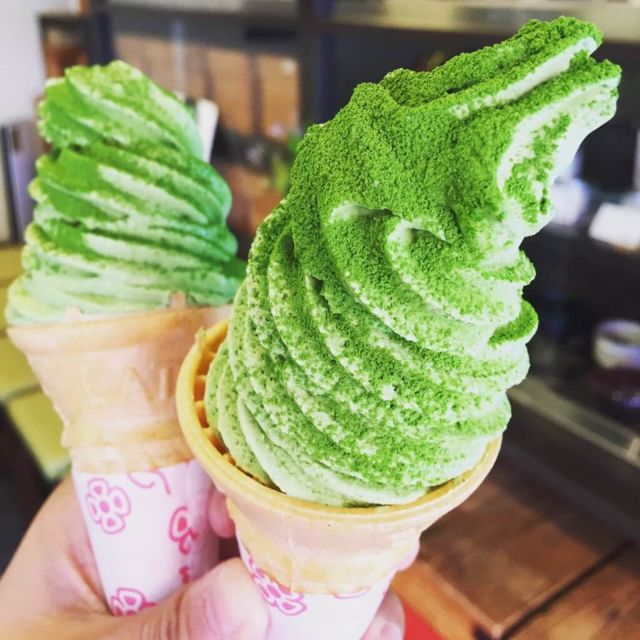
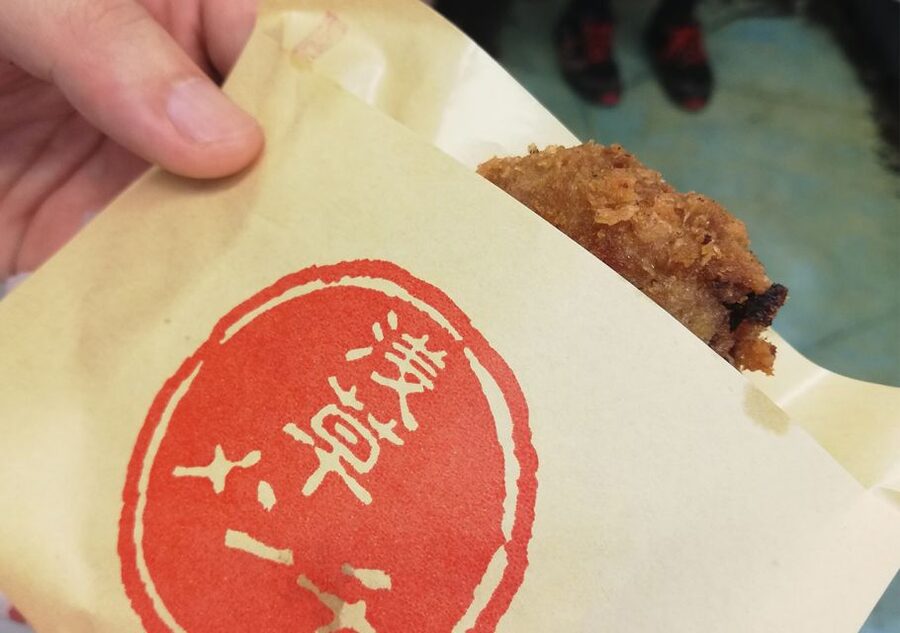
The day includes about five food stops, with tastings spread through the walk. The listed foods include Japanese plums, pickles, rice crackers, tea, ice cream, and melon bread, also commonly called melon pan. The exact selection can change with the season and the schedule of the places visited.
That changing menu is worth keeping in mind. You do not book this for a fixed tasting menu with every bite guaranteed. You book it for a guided introduction to Japanese snacks and regional flavors, with the flexibility needed in a working neighborhood.
Japanese plums and pickles may be especially useful for first-time visitors because they show flavors that do not always appear in standard tourist meals. Rice crackers offer a familiar, easy snack, while tea gives the group a quieter pause between stops. The guide also explains why some foods are more popular in Japan than others, which turns small tastings into useful cultural lessons.
For families, the range helps. One person may prefer a sweet snack, another may enjoy savory pickles, and someone else may be more interested in the stories. Still, children can be selective about unfamiliar flavors, so do not assume every tasting will please everyone.
Melon pan and the sweeter side of Asakusa
Melon pan is one of the tour’s most distinctive stops. Despite its name, this local sweet bread is not described as a melon-filled pastry. The name refers to its melon-like appearance, and it is a familiar Japanese treat that many visitors do not encounter in a standard restaurant meal.
This is a good example of what the tour does well. Instead of focusing only on internationally known Japanese dishes, it makes room for a local dessert and everyday snack culture. You get something easy to enjoy while also learning about a food that may not be on your personal Tokyo checklist.
The tour may also finish with matcha tea or ice cream. That gives the afternoon a clear sweet ending, though the exact choice is not fixed. If you are planning a major meal soon after the tour, keep in mind that five food stops plus lunch can add up.
A southern Japanese lunch in the middle of Asakusa
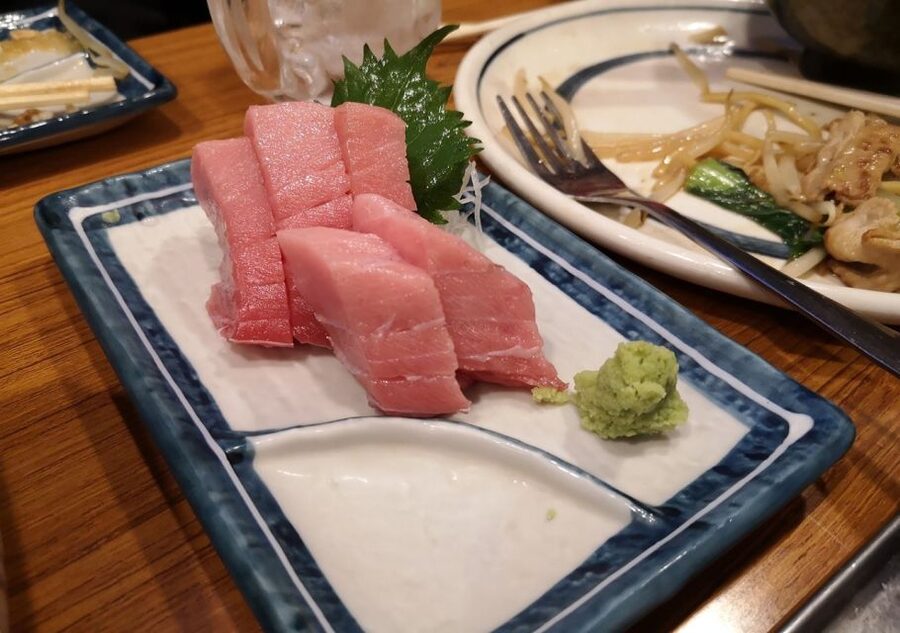
The included lunch is one of the stronger reasons to consider the $221 price. You are not only stopping for samples. The tour includes a proper meal featuring cuisine from southern Japan, giving you a taste of regional cooking while you are in Tokyo.
That regional focus is important. Japanese food is not one single style, and flavors can differ from one part of the country to another. A southern Japanese lunch helps you see Tokyo as a meeting place for food from across Japan, rather than treating the capital as a self-contained food culture.
The supplied details do not name the restaurant or specify the exact dishes, so you should expect the menu to depend on the day. That uncertainty may bother you if you need to know every ingredient in advance. On the other hand, it allows the guide and local businesses to work with current conditions.
Vegetarian and pescetarian diets are accommodated, but you should communicate your needs when booking. The available information does not promise a vegan menu or describe procedures for severe allergies, so diners with strict dietary requirements should confirm before paying.
Kaminarimon, Hozomon, and the temple district
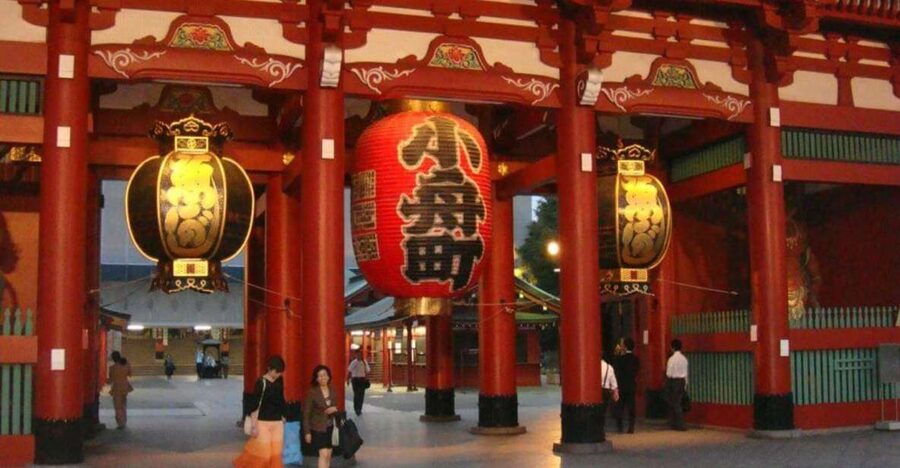
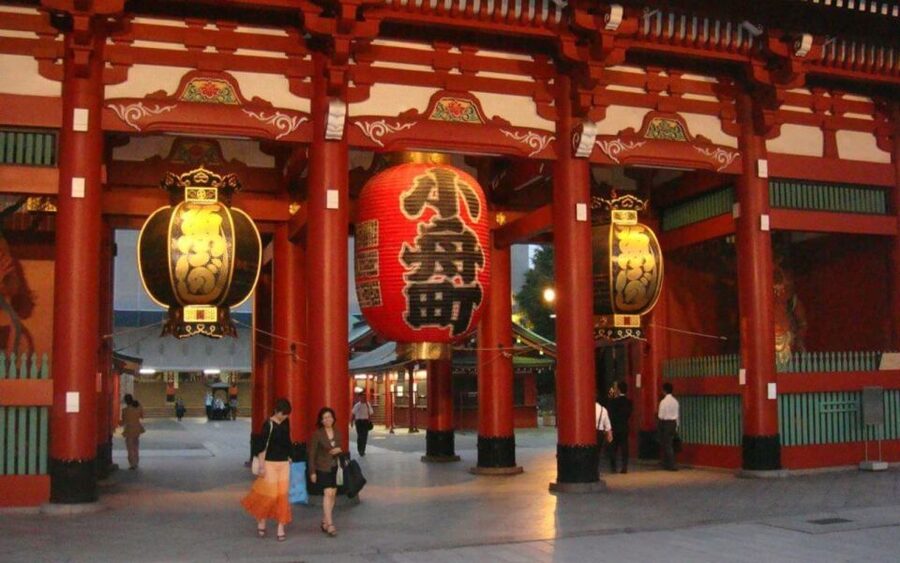
The route brings you through Asakusa’s best-known religious and cultural sights, including Kaminarimon Gate, Hozomon Gate, Senso-ji Temple, and Asakusa Shrine. These are not separate admission attractions on the tour. They function as landmarks and places where your guide explains local customs and the neighborhood’s character.
Kaminarimon is a natural orientation point. From here, you begin to understand how the district is arranged and why the temple area draws so many people. Hozomon and Senso-ji add the formal temple setting, while the side streets show you how food and ordinary city life sit alongside the major sights.
The stops at the gates and temple are brief in the schedule, so do not book this expecting a long temple lecture or a full guided visit to every structure. The main purpose is to connect the food to Asakusa’s setting. Your guide shares stories and points out details you could easily pass without context.
The route ends at the main gate of Senso-ji, near Nakamise Street. This is a useful finish because you can continue exploring the temple grounds, return to the shopping street, or make your own plans in Asakusa without needing a long ride back to the starting point.
A few more Tokyo tours and experiences worth a look

What the guide adds to the afternoon
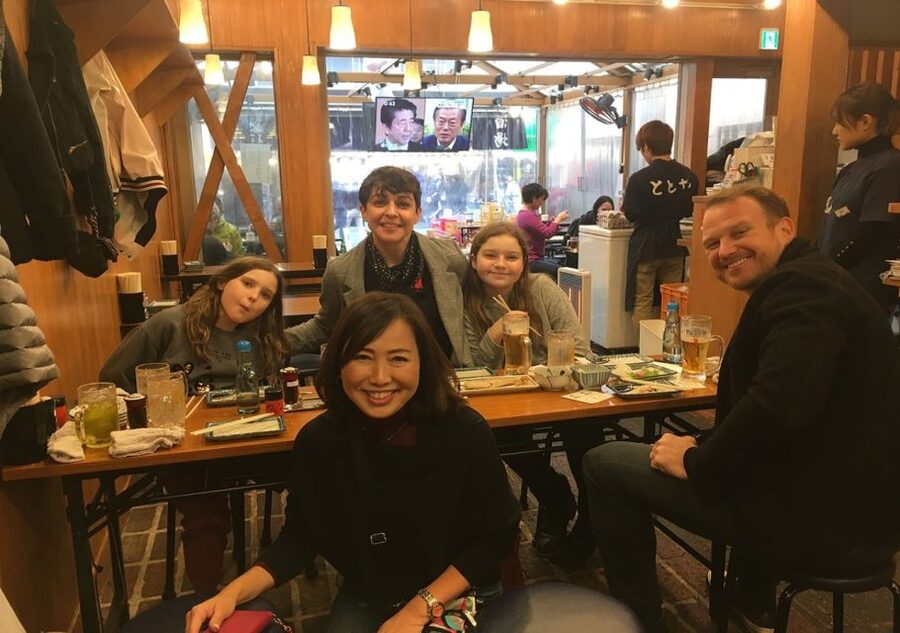
A food tour earns its keep through the person leading it. The guide helps you find the stops, explains the food, and uses the walk to make sense of the district. You are not left to decode unfamiliar snacks or guess why a narrow lane matters.
Two guides named in the available feedback are Michie and Wesley. They were described as personable, patient, and helpful, including on a day with temperatures around 35 degrees Celsius and 70 percent humidity. That detail matters if you visit Tokyo in summer. A good guide can make a hot walk much more manageable, and Michie and Wesley provided their own cooling products during that outing.
You should still plan for the heat yourself. Wear light clothing, bring water if needed, and consider a hat. The tour includes one drink, but that does not mean you should rely on that single drink for the entire three hours. The activity calls for a strong fitness level, and the route includes walking through streets and alleys rather than sitting in one place.
The small group size helps here. With no more than 10 people, the guide can keep the pace together and answer individual questions. The minimum booking requirement is two people, so this is not designed as a solo booking without another participant.
Is $221 a fair price?
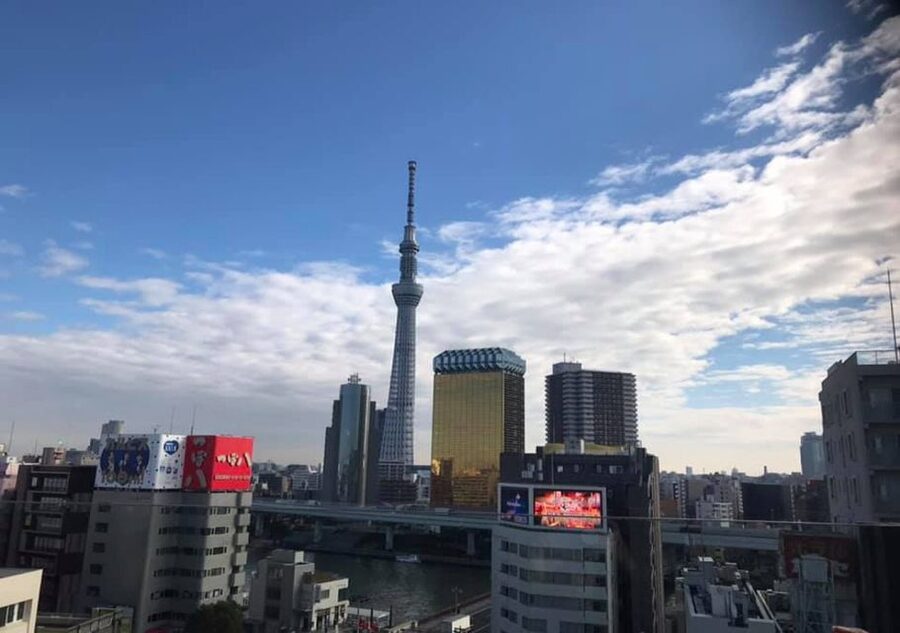
The listed price of $221 per person puts this in the premium food-tour range. The value depends on what you want from the afternoon.
You are paying for a local English-speaking guide, five food stops, lunch, dessert, one drink, and a focused walk through one of Tokyo’s most important districts. You are also paying for the time saved in locating food stops and moving through streets that might be confusing on your own.
If you simply want inexpensive Japanese snacks, the price is hard to justify. You could spend far less buying food independently. If you want someone to explain the district, introduce regional foods, manage the route, and build lunch into the outing, the cost becomes easier to understand.
The rating is 4.7 from 55 reviews, with 91 percent recommending the experience. Those numbers suggest a strong level of satisfaction, and the specific praise for Michie and Wesley points to the value of the human side of the tour. Still, a high rating does not change the basic calculation: this is best for people who want a guided cultural meal, not just a cheap lunch.
Who will enjoy this tour most
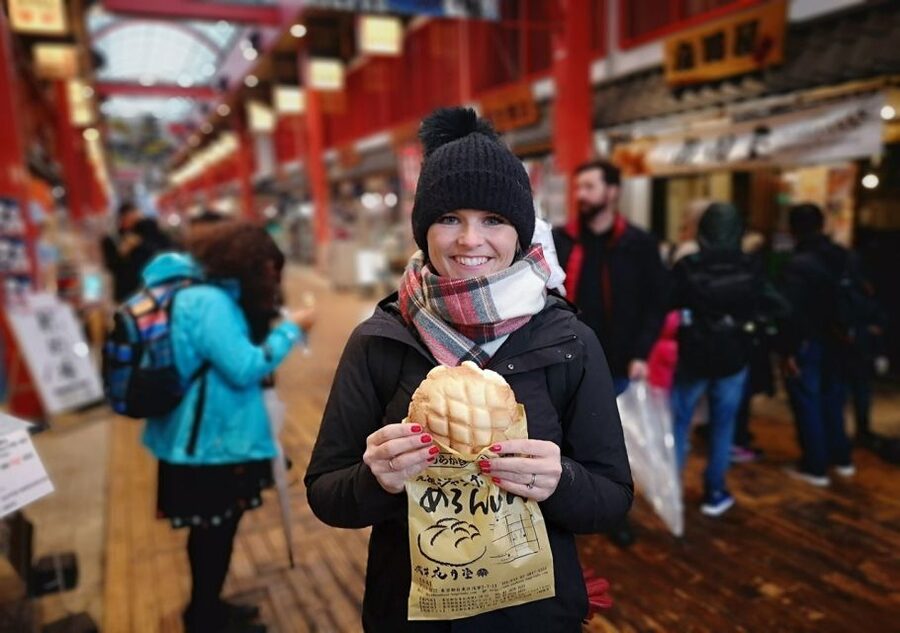
This is a good match for families who want an organized introduction to Japanese food without committing to an advanced dining experience. The route offers several small tastes, a full lunch, and familiar landmarks, so you get variety without spending an entire day on one activity.
It also suits first-time visitors who want more from Asakusa than a quick photograph at Kaminarimon. The guide can explain the area’s local life and show you streets and food stops that are easy to miss.
Food-focused couples and small groups should also like the structure. You have a set start time, a clear three-hour length, and a central ending point. Afterward, you can keep exploring Senso-ji or Nakamise Street.
This may be less suitable if you have limited mobility, dislike walking, need a fully fixed menu, or prefer to choose every dish yourself. The route requires good physical fitness, food stops can change, and the tour is not built around hotel pickup or transportation.
Practical details that affect your day
The meeting point is the Asakusa Culture Tourist Information Center at 2-chome-18-9 Kaminarimon, Taito City. The start time is 11:00 a.m., and the tour lasts about three hours. You receive a mobile ticket, and confirmation is provided when you book.
Hotel pickup and drop-off are not included. Transportation costs are also separate, but the meeting point is near public transportation. Plan your route before the morning of the tour, since arriving late could be difficult once the group moves into the neighborhood.
Children must be accompanied by an adult. A copy of passport information is required for children aged 10 and above. The experience is family-friendly, but the walking, heat, unfamiliar flavors, and three-hour schedule still make it wise to consider your child’s energy level.
Free cancellation is available if you cancel at least 24 hours before the start time. Changes made within 24 hours are not accepted, and the payment is not refunded for a late cancellation. The tour can also be moved or refunded if poor weather or an insufficient number of bookings causes cancellation.
My recommendation for booking
Book this tour if you want a guided food introduction tied to Asakusa’s temples and backstreets, and if $221 feels reasonable for lunch, tastings, and personal guidance. The small group, regional focus, and variety of snacks make it more useful than a basic snack crawl.
I would be more cautious if your main goal is low-cost eating or a guaranteed menu. The route and food can change, and the price is high for three hours. For families and first-time Tokyo visitors who want an easy cultural starting point, though, this offers a well-shaped afternoon and a practical way to understand Asakusa through what people eat.
FAQ
How long does the Asakusa food tour last?
The tour lasts approximately three hours.
What time does the tour begin?
The tour starts at 11:00 a.m.
Where does the tour meet?
You meet at the Asakusa Culture Tourist Information Center at 2-chome-18-9 Kaminarimon, Taito City, Tokyo 111-0034.
Where does the tour end?
The tour ends at the main gate of Senso-ji Temple in the Asakusa area, near Nakamise Street.
How many food stops are included?
Five food stops are included, including lunch, dessert, regional tastings, street food, and one drink.
What foods might I taste?
Possible tastings include Japanese plums, pickles, rice crackers, tea, ice cream, melon pan, and cuisine from southern Japan. The food can change with the season and local conditions.
Is the tour suitable for families?
Yes. The tour is family-friendly, but children must be accompanied by an adult. A copy of passport information is required for children aged 10 and above.
Can I cancel for a full refund?
Yes, if you cancel at least 24 hours before the experience start time. Cancellations made less than 24 hours in advance are not refunded.
More Food Experiences in Tokyo

More Tokyo Food Tours in Tokyo
More Asakusa Tours in Tokyo
More tours in Tokyo we've reviewed




Tokyo Food Tours, compared.
 ★ 5.0Tokyo: Shinjuku Food Tour (13 Dishes at 4 Local Eateries)From $86
 ★ 4.9Tokyo: Shinjuku Food Tour (15 Dishes and 4 Eateries)From $853 hours
 ★ 5.0Best of Shinjuku: Izakaya Food Tour (4 Stops, 14+ Tastings)From $92
 ★ 5.0Tokyo Night Foodie Tour in Shinjuku – Seasonal Sushi, Wagyu BeefFrom $111
 ★ 5.0Eat and Drink Like a Local: Tokyo Ueno Food Tour-Taverns&RamenFrom $95
 ★ 5.0Tokyo: Shibuya Food Tour (13 dishes and 4 Eateries)From $77