
Reviewed · SUSHI MAKING CLASSES
Ramen and Sushi Cooking Class with Sake Pairing Set in Tokyo
The most appealing part of this Tokyo cooking class is its mix of hands-on sushi making, scratch ramen broth, and sake pairing in one three-hour session. You are not just watching a chef work. You prepare food, eat what you make, and hear the stories and customs behind each dish.
I like the small maximum of eight, which gives the class a personal feel, and I like that the instructors focus on useful kitchen tips you can take home. Sato and Ryushi are named in several class accounts, while Alex, Taka, and Kaori are also praised as warm hosts. The main consideration is that the ramen appears to involve less direct preparation than the sushi, so this suits you best if you want a balanced food lesson rather than a full ramen-making workshop.
In This Review
- Key points at a glance
- What the three-hour Tokyo class is really like
- Starting with sushi, the most hands-on part
- Building ramen broth and personalizing the bowl
- Sake pairing adds a useful Japanese dining lesson
- The instructors shape the mood
- Tsukishima location and the river view
- Is $79.59 a fair Tokyo price?
- Who should book this cooking class?
- Practical details to know before you go
- The final call: book it if food is part of your Tokyo plan
- FAQ
- How long does the ramen and sushi cooking class last?
- Where does the activity meet?
- Where does the activity end?
- How many people can join the class?
- Is the class taught in English?
- What food and drinks are included?
- Is hotel pickup or drop-off included?
- Are service animals allowed?
- Can I cancel for a full refund?
Key points at a glance
- Three Japanese food skills in one class: Make sushi, prepare savory ramen broth, and taste sake chosen to go with the meal.
- A maximum of eight people: The small group allows close instruction, useful corrections, and plenty of time for questions.
- A friendly teaching team: Sato, Ryushi, Alex, Taka, and Kaori are among the instructors named in class feedback.
- A meal you help create: You eat the sushi and ramen prepared during the session, with ingredients and drinks included.
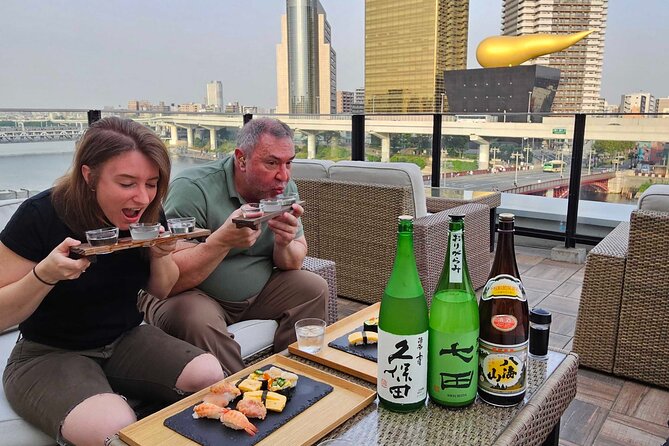
- A memorable Tsukishima setting: The class meets at HAUS Tsukishima in Chuo City, with some class accounts noting a view over the river.
- Good flexibility for a city itinerary: The activity lasts about three hours, ends where it begins, and offers free cancellation up to 24 hours before the start.
What the three-hour Tokyo class is really like
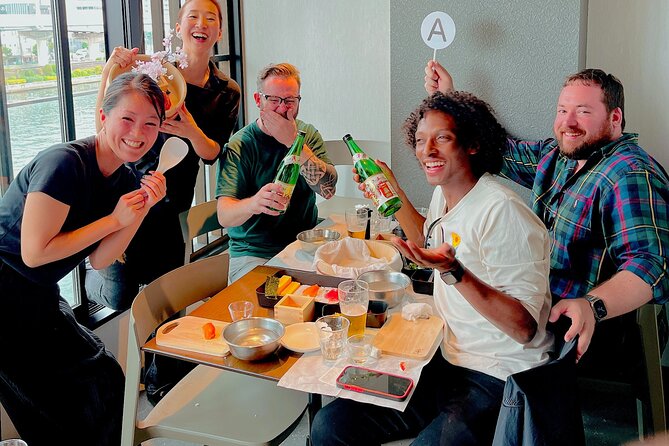
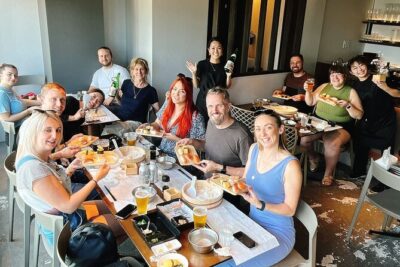
This is a food lesson with a social side, not a formal chef-school session. You meet at HAUS Tsukishima, in Tokyo’s Chuo City, and spend roughly three hours learning, cooking, tasting, and talking with the class leaders.
The group limit matters. With no more than eight people, your instructor can watch how you handle the ingredients and step in when your sushi technique needs help. That is especially useful if you have tried making sushi at home and found that videos leave out small but important details.
The class is taught in English. The instructors explain the food in plain terms while adding context about Japanese cooking and dining customs. A short quiz about sushi and ramen history and facts has also been part of the experience, adding a light break from the practical work.
The tone is relaxed rather than stiff. That makes this a good pick if you want to meet people over food, but it may feel less appealing if you are looking for a highly technical lesson with a strict professional curriculum.
A few more Tokyo tours and experiences worth a look

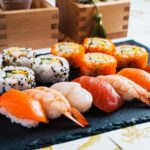
Starting with sushi, the most hands-on part
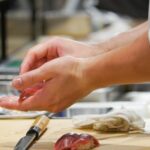
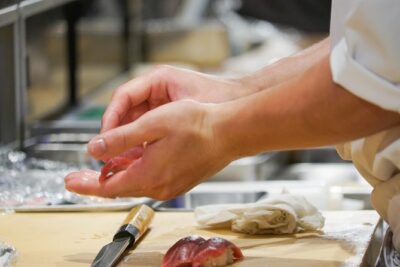
Sushi is the part of the class that seems to demand the most direct work from you. You learn how to assemble and shape it, then eat the finished pieces as part of the meal.
This is where the personal attention pays off. Sushi can look simple, but rice texture, portion size, pressure, and shape all affect the result. A video can show you the motion, but an instructor beside you can correct your hands before a roll becomes loose or overfilled.
You also get the satisfaction of eating food you made yourself. That sounds simple, but it changes the experience from a demonstration into a real activity. You are more likely to remember the steps when the reward arrives on your own plate.
The ingredients are included, and the class emphasizes professional tips for getting Japanese food right at home. You should not expect to leave with restaurant-level knife training based on the available details, but you can expect practical guidance on preparing and assembling sushi.
Several class accounts praise the quality of the ingredients and the ease of following the instructions. That combination is important for beginners. High-quality ingredients help the food taste good, while clear steps keep the lesson from turning into a frustrating struggle.
Building ramen broth and personalizing the bowl
The ramen portion adds warmth and substance to the class. You prepare a savory broth from scratch, then eat the ramen as part of the meal. One detailed account specifically praises the pork belly in the bowl, while another notes that the ramen is less hands-on than the sushi but offers room for customization.
That distinction is worth understanding before you book. If you want to spend every minute chopping, simmering, and building stock, this may not meet that exact expectation. The class presents ramen as one part of a larger Japanese food session, not as an all-day broth laboratory.
Still, the ramen gives you useful insight into how a bowl comes together. You learn that the broth is not just a liquid poured over noodles. Its flavor works with the toppings and the rest of the bowl, and small choices can change the final taste.
The meal also helps balance the class. Sushi is neat and technique-focused. Ramen is warm, filling, and more flexible. Together, they make the activity feel like a full lunch or dinner rather than a quick tasting.
You will not go away hungry. That point comes through clearly in the class descriptions, and it matters at this price. You are paying for instruction, ingredients, drinks, and a meal, not simply for a short cooking demonstration.
Sake pairing adds a useful Japanese dining lesson
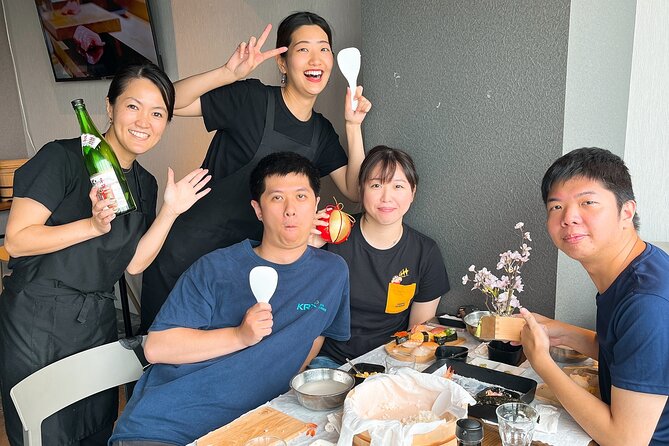
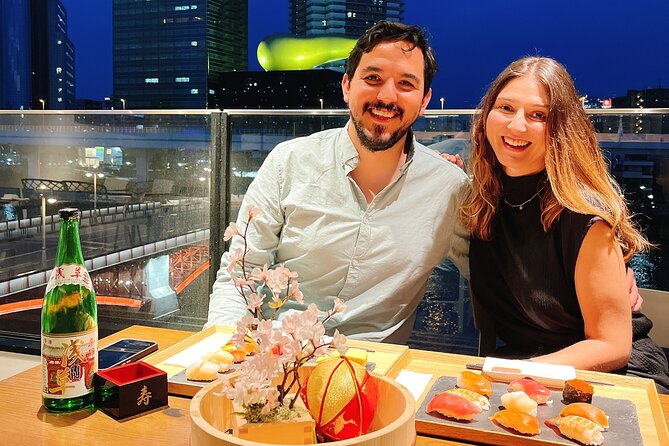
The sake is not an afterthought. The class includes sake selected to complement the sushi and ramen, giving you a simple introduction to how Japanese drinks can work with food.
You do not need to arrive with sake knowledge. The point is to taste the pairing alongside the dishes and notice how the drink changes the meal. One class account describes the sake choices as smooth and high quality, while the class details promise all drinks as part of the price.
This makes the session more interesting than a standard cooking lesson. You get a small window into Japanese dining culture, where the drink, food, season, and setting can all be considered together.
There is one practical limitation: the available details do not specify the number of sake samples, the labels, or the exact serving sizes. If you want a detailed sake seminar, confirm those points before booking. If you simply want to try sake with food in a guided setting, the pairing should be a pleasant addition.
Because sake is included, you also avoid the awkward extra-cost question that can come with tasting experiences. You know the cooking class price covers the food and drinks listed in the activity details.
The instructors shape the mood
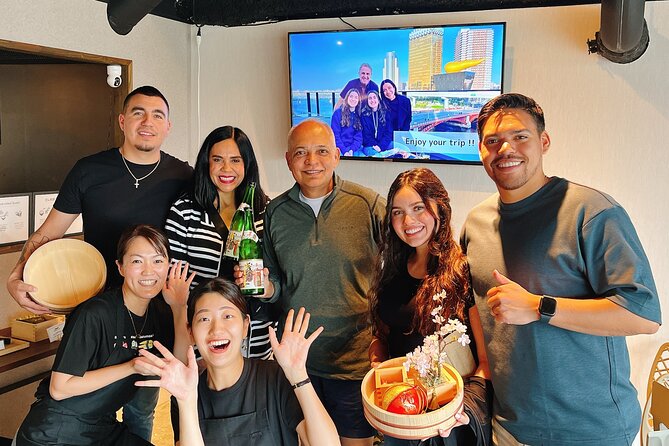
The teaching team is a major part of the appeal. Sato and Ryushi are named together in several accounts, and Alex, Taka, and Kaori are also singled out for making people feel comfortable and welcome.
That matters more than it might seem. Cooking in front of strangers can make some people tense, especially when sushi shaping is new. A patient instructor can turn a clumsy first attempt into a funny learning moment instead of an embarrassment.
The strongest praise centers on friendliness, politeness, laughter, and a warm atmosphere. You can expect the class to be social and encouraging rather than serious and formal.
The teaching style also appears suited to mixed experience levels. Beginners get close guidance, while people who have cooked Japanese food before can pick up small technique tips and cultural details.
I would not book this expecting a single guaranteed instructor unless the operator confirms the name for your date. Several instructors are associated with the class, and the available information does not promise who will lead every session.
Other cooking classes in Tokyo


Tsukishima location and the river view
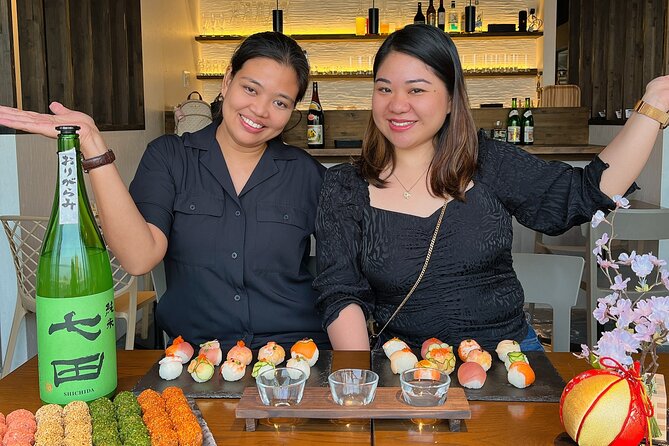
The meeting point is HAUS Tsukishima, at 2-chome 13-5 Tsukuda, Chuo City, Tokyo 104-0051. The activity ends at the same location, so you do not need to arrange a separate return transfer after eating.
Some class descriptions highlight a view over the river. That gives the session a pleasant sense of place and makes it feel removed from a basic indoor cooking studio, though the exact view may depend on the room and the day.
The location is near public transportation, but hotel pickup and drop-off are not included. You should allow time to reach Tsukishima on your own and check the address carefully before leaving your hotel.
A mobile ticket makes entry simple. Confirmation is provided at booking, so keep the ticket easy to access on your phone.
Is $79.59 a fair Tokyo price?
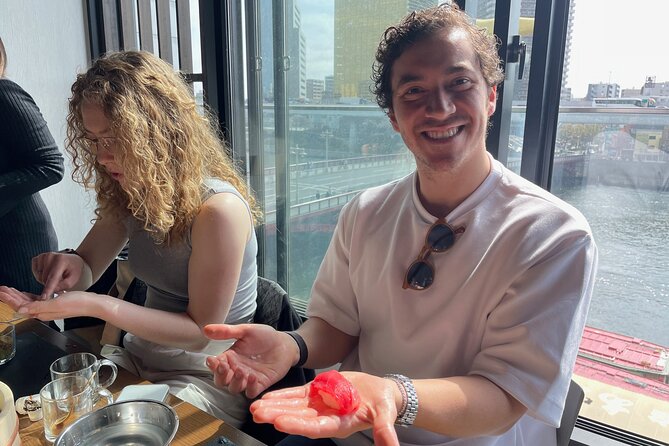
At $79.59 per person, the value depends on what you want from a food activity. You receive about three hours of instruction, all cooking ingredients, the meal you prepare, an English-speaking instructor, and all drinks, including the sake pairing.
That is a fair package for Tokyo, especially because the session combines three elements: sushi technique, ramen preparation, and sake with food. A cheaper cooking class that teaches only one dish may not offer the same amount of eating and cultural context.
The small group improves the value. A class capped at eight is less likely to leave you standing at the back while a teacher demonstrates to a crowd. You get a better chance to ask questions and receive corrections.
It is less compelling if you are mainly seeking a professional cooking course. The class is designed for visitors who want a fun, practical introduction, and the ramen section may be more guided or customizable than fully hands-on.
I also like that the activity includes the food you make. You are not paying the class fee and then needing to buy another meal right away. The portion appears generous enough to serve as a proper meal.
Who should book this cooking class?
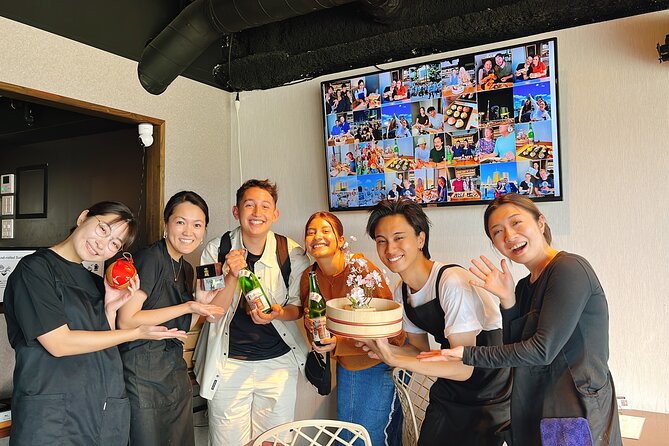
I would recommend it most strongly to:
- First-time visitors who want a structured food activity in Tokyo
- Couples, families, and siblings looking for something they can do together
- Beginners who have struggled with sushi at home
- Food lovers who want to pair sake with a meal
- People who prefer small groups to large demonstrations
- Anyone who wants a three-hour break from sightseeing without leaving Tokyo
The class is also a good choice for solo visitors. The small size and friendly tone make it easier to talk with the instructor and other people without feeling lost in a crowd.
Families should consider the sake element and the cooking format before booking. The activity is not described as a children’s class, so check age requirements if that matters for your group.
You may want a different experience if your main goal is advanced knife work, a detailed study of regional ramen styles, or a full sake education. This class is broader and more social. Its strength is the combination of accessible cooking, cultural explanation, and a satisfying meal.
Practical details to know before you go
Plan on about three hours from start to finish. The activity begins and ends at HAUS Tsukishima, and no hotel transport is provided.
The class accepts mobile tickets and is near public transportation. Service animals are allowed, but the supplied information does not list specific allergy, dietary, or accessibility arrangements beyond that. If you have food restrictions, contact the provider before booking rather than assuming substitutions are available.
The listed rating is 5 based on 291 ratings, with 100 percent recommending the activity. The repeated praise focuses on the friendly staff, easy-to-follow teaching, tasty food, small group, and relaxed mood.
Cancellation is flexible until 24 hours before the start time. Cancel at least 24 hours ahead for a full refund. Inside that window, refunds are not available and changes are not accepted.
The final call: book it if food is part of your Tokyo plan
I would book this class if you want to do more than eat sushi and ramen in Tokyo. You get to make both, learn why they work, and try sake with the finished dishes. The small group, warm instructors, river setting, and generous inclusions make the $79.59 price reasonable.
Go in with the right expectations. Sushi is the more hands-on skill, while ramen may be more guided and customizable. If that balance sounds good, this is a friendly, filling, and useful way to spend three hours in Tsukishima.
FAQ
How long does the ramen and sushi cooking class last?
The class lasts approximately three hours.
Where does the activity meet?
The meeting point is HAUS Tsukishima, Japan, 104-0051 Tokyo, Chuo City, Tsukuda, 2-chome 13-5.
Where does the activity end?
The class ends back at the meeting point.
How many people can join the class?
The maximum group size is eight people.
Is the class taught in English?
Yes. An English-speaking instructor is included.
What food and drinks are included?
The cooking ingredients, the meal you prepare, and all drinks are included. The class features sushi, ramen, and sake pairing.
Is hotel pickup or drop-off included?
No. Hotel pickup and drop-off are not included.
Are service animals allowed?
Yes. Service animals are allowed.
Can I cancel for a full refund?
Yes. You can receive a full refund if you cancel at least 24 hours before the experience start time. Cancellations or changes made less than 24 hours before the start are not refunded or accepted.
More Cooking Classes in Tokyo
More Cooking Classes in Tokyo
More Sushi Making Classes in Tokyo
More tours in Tokyo we've reviewed









Sushi Making Classes, compared.
 ★ 5.0Sushi Making Tokyo Roll and Authentic Japanese Sushi ClassFrom $59
 ★ 4.9Tokyo: Roll and Authentic Sushi Making Class in AsakusaFrom $581h 40m
 ★ 5.0Make Sushi and Create Unforgettable Memories in TokyoFrom $79
 ★ 4.9Tokyo: Sushi Making Class in a Happi Coat near a Famous SpotFrom $421h 30m
 ★ 5.0Tokyo Sushi Making Class in Tsukiji with Professional ChefFrom $49
 ★ 5.0Tokyo Night Foodie Tour in Shinjuku – Seasonal Sushi, Wagyu BeefFrom $111