
Reviewed · ASAKUSA TOURS
Japanese Food Cooking Class in Asakusa, Tokyo
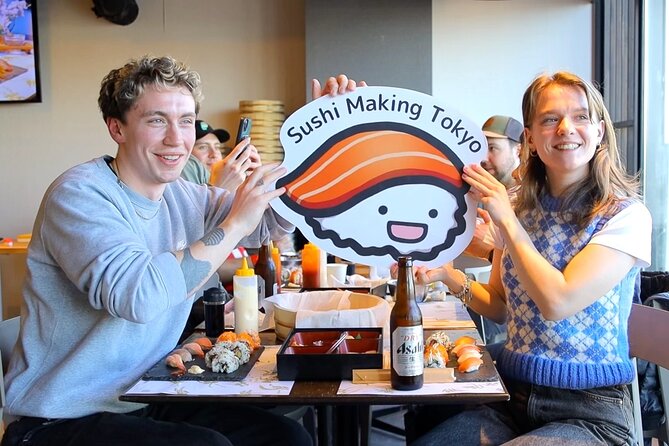
Sushi rolling and traditional matcha whisking make a smart two-part stop in Asakusa, especially if you want more than temple photos and souvenir shopping. You learn by doing, then eat what you prepare.
I like the English-speaking instruction, which keeps the class approachable for beginners, and I like the location just a few minutes from Sensoji Temple. The main consideration is the listed price of $85.87 per group of up to one person, so check the final booking details carefully if you are booking for more than one.
In This Review
- Key points at a glance
- Why this Asakusa class makes sense in a busy Tokyo schedule
- The matcha hour: a calm start with a clear purpose
- Sushi preparation: rolls, nigiri, and plenty to make
- What the food lesson can teach you
- The instructors are a major part of the value
- Price and what you actually receive
- Who will enjoy the three-hour format
- How to plan the rest of your Asakusa day
- The practical limits to keep in mind
- Should you book this sushi and matcha class?
- FAQ
- Where does the cooking class meet?
- How long does the experience last?
- Is the class taught in English?
- Do I need cooking experience?
- Are ingredients and food included?
- What is the cancellation policy?
Key points at a glance
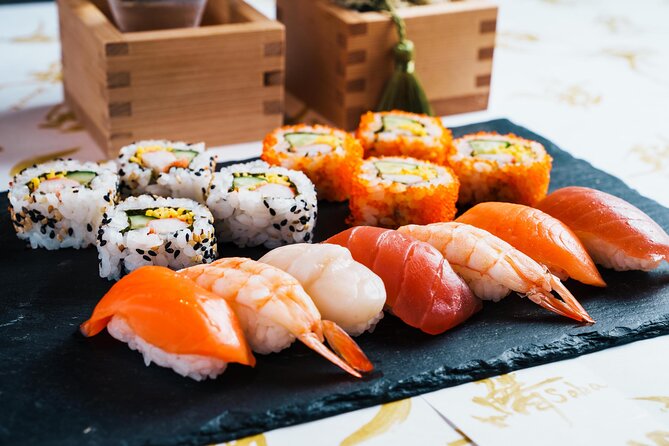
- Two Japanese skills in one class: Make sushi, then learn the traditional method for whisking matcha.
- Near Sensoji Temple: The class fits neatly into an Asakusa sightseeing day.
- Step-by-step teaching: The format suits first-time cooks, with instructors guiding each stage.
- Fresh ingredients and a meal included: You prepare food and eat it as part of the experience.
- Friendly named instructors: Jun and Kazu are specifically praised for patient, clear teaching.
- Small maximum group: The class accepts no more than 15 people, though the actual group size can vary.
Why this Asakusa class makes sense in a busy Tokyo schedule
Asakusa gives you one of Tokyo’s clearest links to older customs. Sensoji Temple, Kaminarimon Gate, Nakamise shopping street, and the nearby lanes can fill much of a morning or afternoon. Adding a cooking class gives you something active to do between sightseeing stops.
This experience lasts about three hours. The matcha session takes one hour, followed by roughly one hour and 40 minutes of sushi preparation. The remaining time likely allows for transitions, eating, and the natural pace of a hands-on class, so leave enough room around the appointment rather than squeezing it between two fixed bookings.
The meeting point is 2-chome-17-9 Kaminarimon, Taito City, near public transportation. You finish at the same place. There is no hotel pickup or drop-off, so you need to make your own way there, but that is hardly a burden in central Asakusa.
I see the location as one of the class’s best practical features. You can visit Sensoji before or after, and the cooking session gives your day a clear anchor. Just allow time to find the exact address. Asakusa is easy to reach, but its streets can feel confusing when you are navigating around temple grounds and shopping lanes.
A few more Tokyo tours and experiences worth a look

The matcha hour: a calm start with a clear purpose
The first activity is a one-hour matcha-making class. You learn how to prepare the powdered tea and whisk it in the traditional way.
The appeal here is not simply drinking a cup of green tea. Matcha preparation asks you to slow down and pay attention to the process. You get a short introduction to a familiar Japanese custom, then practice the physical motion yourself rather than watching a formal demonstration from a distance.
The class description does not provide a full tea-ceremony program, so you should not book it expecting a long, highly ceremonial performance. Think of this as a practical introduction to whisking matcha, paired with a sushi lesson. That makes it a good fit if you want cultural context without giving over half a day to a formal tea event.
The matcha portion may be especially useful at the start of a busy sightseeing day. Sushi preparation involves more movement and several steps. Matcha gives the session a quieter opening before you begin working with food.
Sushi preparation: rolls, nigiri, and plenty to make
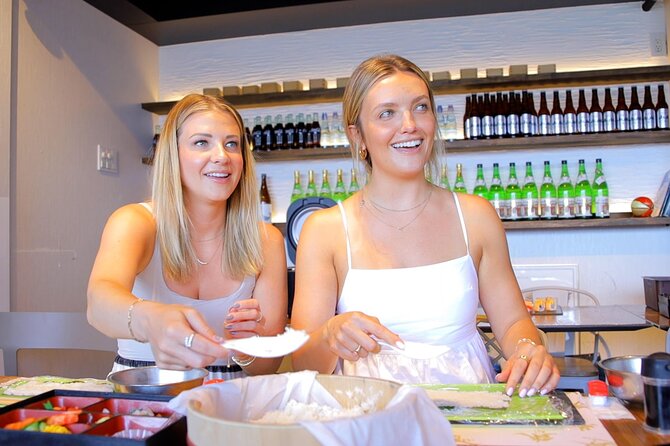
The main part of the class lasts about one hour and 40 minutes. You learn to prepare sushi with fresh ingredients, including both sushi rolls and nigiri.
That distinction matters. Rolls teach you how to arrange fillings and shape rice inside seaweed. Nigiri requires a different touch, since the rice and topping need to come together neatly by hand. You are not only assembling a snack. You get a basic look at two familiar sushi forms and the techniques behind them.
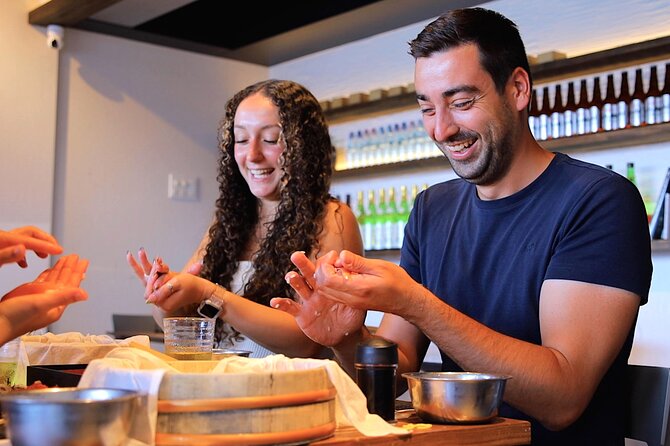
The instruction is designed for beginners. You do not need prior cooking experience, and the instructors guide you through each step in English. The strongest practical benefit is the chance to correct your technique as you go. Sushi can look simple until you try to form rice into a consistent shape, so a patient teacher is worth more than a glossy demonstration.
Jun is specifically praised for patient, clear guidance, and Kazu for giving families step-by-step help. The teaching style appears friendly and light, with room for humor. That matters when you are working with unfamiliar tools or trying to make your first tidy piece of nigiri.
You also make a substantial amount of sushi rather than one token sample. That gives you time to repeat the process and improve. It also means you should arrive ready to eat. The ingredients and the meal are included, so the food you prepare forms a central part of the experience.
What the food lesson can teach you
A short class cannot turn you into a sushi chef, and this one does not claim to do so. Its value is more practical. You begin to understand how sushi is formed, how the rice is handled, and why small changes in pressure and shape affect the finished piece.
The class also offers a useful contrast with eating at a sushi counter. In a restaurant, the finished item arrives in front of you. Here, you see the work that comes before it. That makes the final meal more satisfying, even if your rolls look less polished than the instructor’s.
Fresh ingredients are included, but the available information does not list the exact fish, fillings, or number of pieces. If you have allergies, dietary restrictions, or strong food preferences, ask the provider before booking. The class is built around sushi and a meal, so those details matter.
I would also treat the session as a shared activity rather than a private chef lesson. The maximum group size is 15 people. That is small enough for direct instruction in principle, though the experience will feel more personal when fewer people are booked. The listing price is shown for a group of up to one person, which makes the cost structure unusual. Confirm how additional participants are priced before paying.
The instructors are a major part of the value
The food itself is only half the reason to book. The teacher sets the pace, explains unfamiliar steps, and decides how much help each person gets.
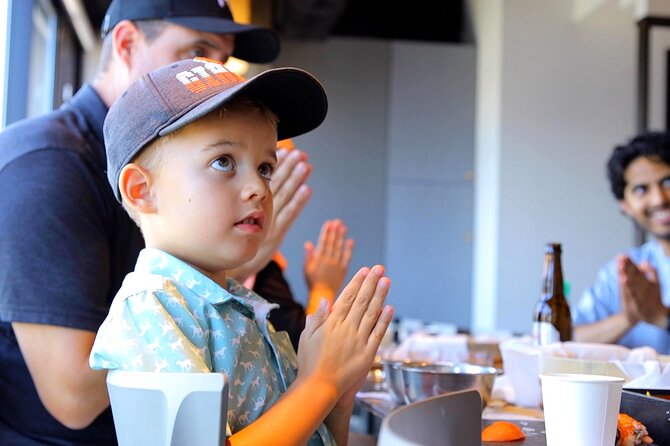
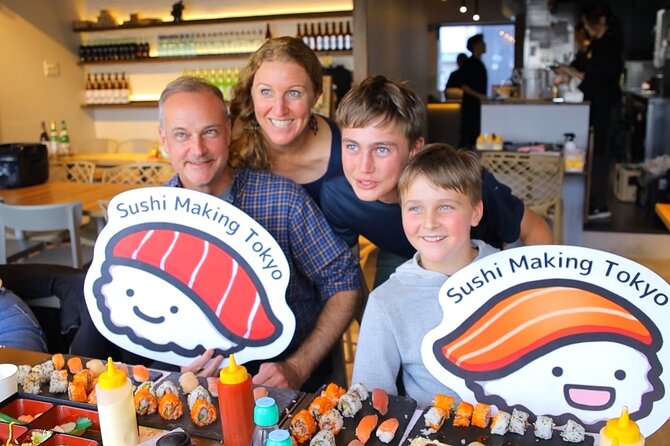
The strongest praise focuses on friendly, patient instruction. Jun is singled out for explaining sushi rolls and nigiri clearly. Kazu receives similar praise for guiding a family with children aged seven and nine through the process. The children were able to take part and eat the sushi they made, which suggests the format can work well for younger cooks who can follow instructions.
That does not mean every child will enjoy it. The experience lasts about three hours, and sushi preparation requires attention and hand coordination. Still, the welcoming tone and guided format make it more suitable for families than a formal restaurant-based lesson.
You can also expect a social atmosphere. Instructors are described as funny and approachable, and the class is open to solo participants, friends, and families. If you prefer a silent, technical workshop, the friendly group style may feel less focused. For most people, though, the relaxed approach should make mistakes easier to manage.
Other cooking classes in Tokyo
Price and what you actually receive
The listed price is $85.87 per group of up to one person. That wording deserves attention. It may mean the displayed rate is for a solo booking, but the supplied details do not explain the cost for two or more people. Since families and groups can attend, confirm the total before booking.
At that rate, value depends on how much you want from the activity. You receive an English-speaking instructor, the ingredients, the cooking session, the matcha lesson, and the meal you prepare. You do not pay separately for the food during class, and you get about three hours of structured activity in a central Tokyo neighborhood.
I would compare this with the cost of a good meal plus a separate cultural activity. The class gives you both food and participation, not just a restaurant table. It also saves you from arranging a separate matcha experience.
The price is less attractive if you only want to eat sushi or watch someone demonstrate it. Tokyo offers many ways to do that for less. This class earns its keep when you value instruction, the chance to make rolls and nigiri yourself, and the convenience of pairing matcha with sushi in Asakusa.
Who will enjoy the three-hour format
This is a good match for several kinds of visitors:
- First-time cooks: The English instruction and step-by-step format remove much of the pressure.
- Families: Children aged seven and nine have taken part successfully, though parents should judge their own children’s attention span.
- Solo visitors: The class offers a simple way to meet people through a shared activity.
- Couples and friends: Making food together gives you something to talk about and do beyond sightseeing.
- Food-focused visitors: You get a basic look at sushi preparation and then eat the results.
- Visitors staying near Asakusa: The location makes it easy to combine the class with Sensoji Temple and nearby sights.
I would be less likely to recommend it to someone seeking advanced knife skills, professional sushi training, or a long formal tea ceremony. The available details point to an accessible cultural cooking session, not specialist instruction.
How to plan the rest of your Asakusa day
Because the class begins and ends at the same meeting point, it is easy to build a compact plan around it. Visit Sensoji and Kaminarimon before the class if you want the temple area at the start of your day, or save them for afterward when you have a full stomach and a new appreciation for Japanese food customs.
Do not book a tightly timed train or airport transfer after the lesson. The advertised duration is approximate, and cooking classes naturally slow down when a group needs extra help. A flexible afternoon works better.
The venue is near public transportation, but hotel transfers are not included. Use the address rather than relying only on the business name, and arrive with enough time to locate the entrance. This is especially sensible if you are coming directly from Sensoji, where crowds and side streets can add a few minutes.
A mobile ticket is included, which means you can keep the booking on your phone. The confirmation is sent within 48 hours, subject to availability, so do not leave a time-sensitive booking until the last minute if your Tokyo schedule is fixed.
The practical limits to keep in mind
The information provided does not specify the exact menu, fish, fillings, tea grade, or equipment used. That is normal for a short introductory lesson, but it means you should ask ahead about allergies and dietary needs.
The class is open to most people, but no detailed accessibility information is provided. If you use a wheelchair, need seating accommodations, or have mobility concerns, contact the provider before booking rather than assuming the room setup.
The maximum group size is 15. That gives the class a defined limit, but it does not promise a private or semi-private lesson. If close personal instruction is important to you, ask about the expected group size for your date.
Cancellation is free up to 24 hours before the local start time. Cancel later than that and you will not receive a refund, and changes within 24 hours are not accepted. Keep that rule in mind when arranging a day around weather, jet lag, or a long-distance train.
Should you book this sushi and matcha class?
I would book this experience if you want an easy, hands-on introduction to Japanese food in a location already worth visiting. The combination works well: matcha brings a quieter cultural element, while sushi gives you a practical task and a meal at the end.
The best reasons to choose it are the patient English instruction, the chance to make both rolls and nigiri, and the convenient Asakusa address. Families have a particularly good reason to consider it, since children can take part rather than simply sit through a lecture.
Before booking, check the final price for your party, confirm any food restrictions, and leave room around the three-hour session. If you want advanced culinary training or a formal tea ceremony, choose a more specialized experience. If you want to make sushi, learn a traditional matcha technique, and enjoy a friendly class near Sensoji, this is a practical choice.
FAQ
Where does the cooking class meet?
The meeting point is 2-chome-17-9 Kaminarimon, Taito City, Tokyo 111-0034, Japan. The class ends back at the same location.
How long does the experience last?
The experience takes about three hours. The matcha-making class lasts one hour, and the sushi-making class lasts about one hour and 40 minutes.
Is the class taught in English?
Yes. An English-speaking instructor is included, and the class provides step-by-step guidance.
Do I need cooking experience?
No. The class is designed for beginners, and no previous cooking experience is required.
Are ingredients and food included?
Yes. The ingredients used in the cooking class and the meal you prepare are included. The exact menu and ingredients are not specified.
What is the cancellation policy?
You can cancel for a full refund up to 24 hours before the experience’s local start time. Cancellations or changes made less than 24 hours before the start are not accepted for a refund.
More Food Experiences in Tokyo


More Cooking Classes in Tokyo
More Asakusa Tours in Tokyo

More tours in Tokyo we've reviewed


Asakusa Tours, compared.
 ★ 4.8Tokyo: Japanese Dance Cabaret Theater Asakusa-Kaguwa TicketFrom $492 hours
 ★ 4.7Tokyo: Meiji Shrine, Asakusa, Skytree Bus Tour and CruiseFrom $12210 hours
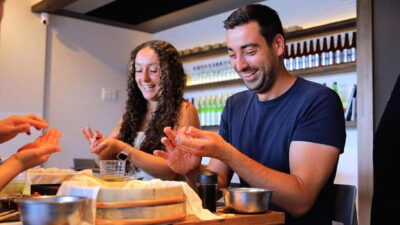 ★ 4.9Tokyo: Roll and Authentic Sushi Making Class in AsakusaFrom $581h 40m
 ★ 4.8Tokyo: Asakusa Walking Tour with Sensoji Temple VisitFrom $222 hours
 ★ 5.0Tokyo Asakusa Rickshaw TourFrom $42
 ★ 4.5Tokyo Panoramic 1 Day: Meiji Shrine, Asakusa, Odaiba and SKYTREE®From $85