
Reviewed · SUSHI MAKING CLASSES
Tokyo Sushi Making Experience & Japanese Cooking Class
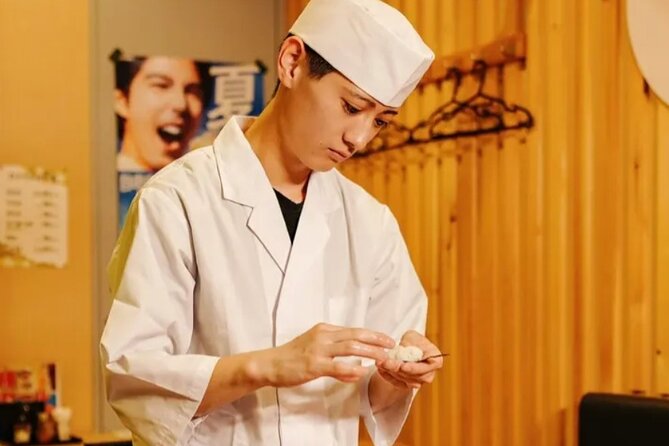
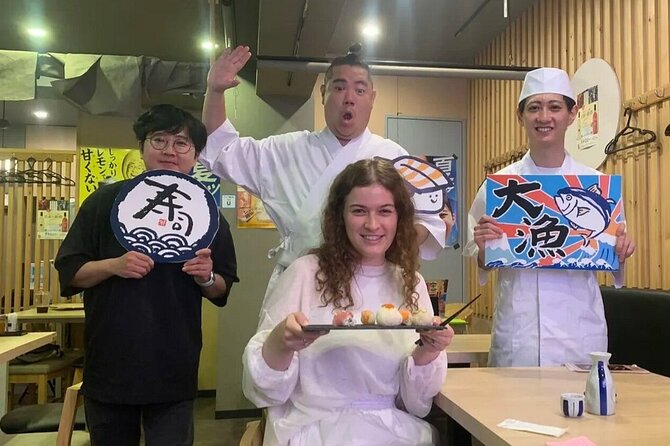
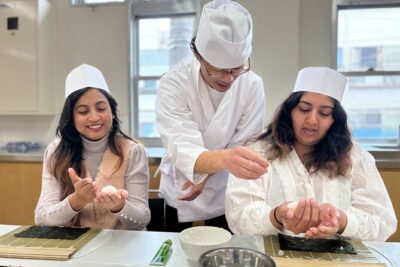
The best part of this Tokyo class is that you do not just eat sushi, you learn how maki, temari, and nigiri are made, then sit down to enjoy what you prepared. English-speaking instructors explain sushi culture, basic etiquette, and the small techniques that make each style look different.
I like the short 90-minute format, which fits neatly into a busy Tokyo day. I also like the patient, family-friendly setup: one parent specifically enjoyed the class with two children, noting that the hosts helped the kids without making the adults feel left out. The main consideration is that drinks are extra, and the maximum group size is 15, so this is a social class rather than a private lesson.
In This Review
- Key Points
- A 90-Minute Introduction to Sushi Making
- Meeting in Shinbashi at S-PLAZA Yayoi II
- Learning Maki, Temari, and Nigiri
- Tuna, Salmon, Squid, and Flying Fish Roe
- Instruction in English, Traditional Chinese, or Simplified Chinese
- What the Class Teaches Beyond the Food
- Adding Sake, Shochu, or a Soft Drink
- Is $59.46 a Fair Price?
- Who Will Get the Most From This Class?
- Timing, Confirmation, and Cancellation
- Practical Tips for a Smoother Visit
- Should You Book the Tokyo Sushi Class?
- FAQ
- Where does the sushi-making class begin?
- Where does the activity end?
- How long does the experience last?
- What sushi can I learn to make?
- What ingredients are included?
- Is instruction available in English?
- Can children join the class?
- Are drinks included?
Key Points
- Three sushi styles in one class: Depending on the session, you make maki and temari, or maki and nigiri.
- Fresh ingredients: Work with items such as tuna, salmon, squid, and flying fish roe.
- English and Chinese support: Instruction is available in English, Traditional Chinese, and Simplified Chinese.
- Family-friendly age limit: Children from age 4 can take part.
- Optional Japanese drinks: Add sake, shochu, juice, or another drink for an extra charge.
- Central meeting point: The class begins and ends in Shinbashi, near public transportation.
A 90-Minute Introduction to Sushi Making
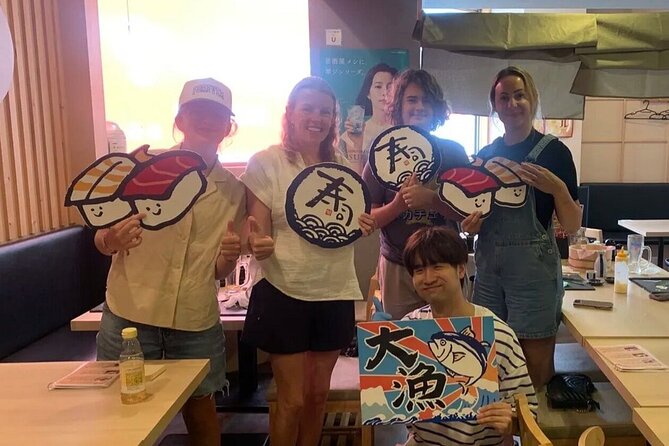
This experience is built for visitors who want a hands-on taste of Japanese food culture without giving up half a day. In about an hour and a half, you learn several sushi forms, receive help from the instructors, take photos, and eat your finished work.
That compact schedule is useful in Tokyo. You can fit the class between sightseeing stops, use it as a midday activity, or book it for a family afternoon. It is long enough to teach a few real skills, but short enough that younger children are less likely to lose interest.
The class is not presented as an advanced chef course. You are there to learn the basic shapes, understand how sushi is handled, and enjoy the process. If you hope to master professional knife work or traditional restaurant technique, this will be too brief. If you want to return home able to make a respectable roll, it offers a better fit.
A few more Tokyo tours and experiences worth a look

Meeting in Shinbashi at S-PLAZA Yayoi II
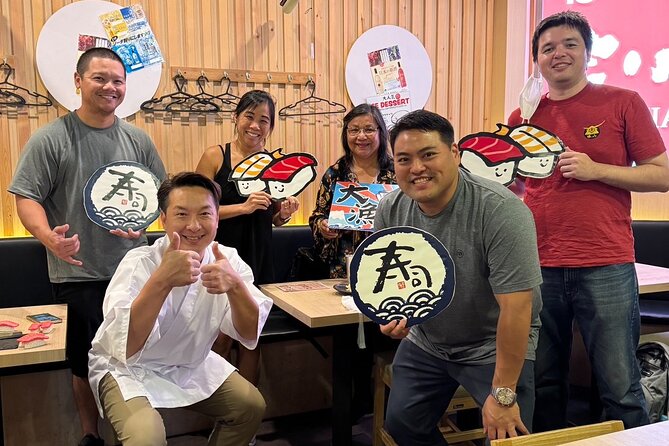
The meeting point is in Tokyo’s Minato City, at S-PLAZA Yayoi II, 2-chome 15-10 Shinbashi, Tokyo 105-0004. The activity ends at the same location, so you do not need to arrange a separate return transfer or find your way to another neighborhood afterward.
The location is near public transportation, which matters in Tokyo. Still, give yourself time to locate the building. The address is specific, and city streets can be confusing when you are watching the clock. I would save the address on your phone before leaving your hotel and arrive with enough time to settle in.
Because the meeting and ending points are the same, the class works well as a stand-alone activity. You can continue exploring Shinbashi afterward, but the experience itself does not include sightseeing stops or transportation around the city.
Learning Maki, Temari, and Nigiri
The class focuses on familiar sushi styles, but each teaches a different idea.
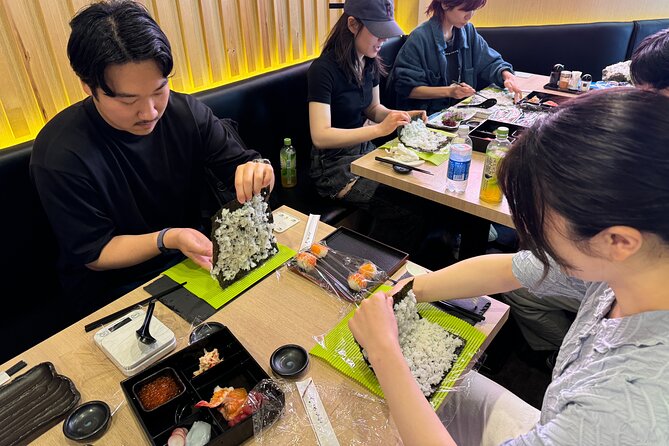
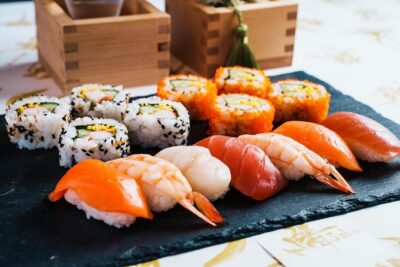
Maki sushi is rolled sushi. You work with a sheet of nori and fillings, then shape the roll so it can be cut into neat pieces. This is likely the most useful style for home cooks because the basic method can be repeated with different fillings once you understand how much rice and filling to use.
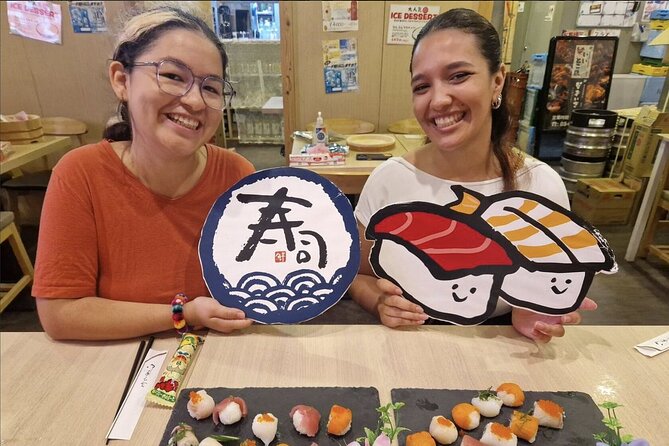
Temari sushi is rounded sushi, named for traditional Japanese handballs. Its small, compact shape gives you a chance to work on presentation without requiring the long, even roll used for maki. It is also a fun style for families because shaping the pieces feels more hands-on.
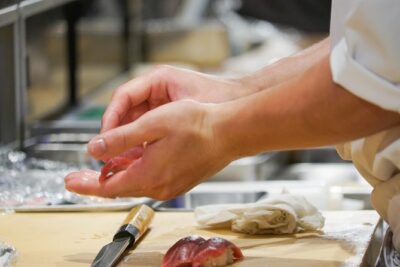
Some sessions teach maki and temari, while others teach maki and nigiri. Nigiri sushi is formed by placing a topping over a small hand-shaped portion of rice. It looks simple, but size, pressure, and balance all matter. The class gives you a practical sense of why restaurant sushi can look effortless while still requiring care.
The exact combination may depend on the selected class. Check the option shown at booking so you know which styles you will make.
Tuna, Salmon, Squid, and Flying Fish Roe
The ingredients include familiar seafood such as tuna, salmon, and squid, along with flying fish roe. This gives you a chance to work with more than one texture and color instead of making every piece the same.
That variety matters in a cooking class. Salmon is recognizable and easy to enjoy, tuna provides a classic sushi flavor, squid has a different texture, and roe adds a small burst of color and salt. The ingredients also help you see how toppings affect the final look of each sushi style.
The included food is described as snacks and sushi such as maki and temari, with seafood choices that may include tuna, salmon, squid, and other items. Do not treat the class as a large meal. You are making and eating sushi, but the main value is the lesson and the activity, not an all-you-can-eat spread.
If you have food restrictions, the supplied information does not specify allergy substitutions or dietary alternatives. Ask before booking if this is important to you.
Instruction in English, Traditional Chinese, or Simplified Chinese
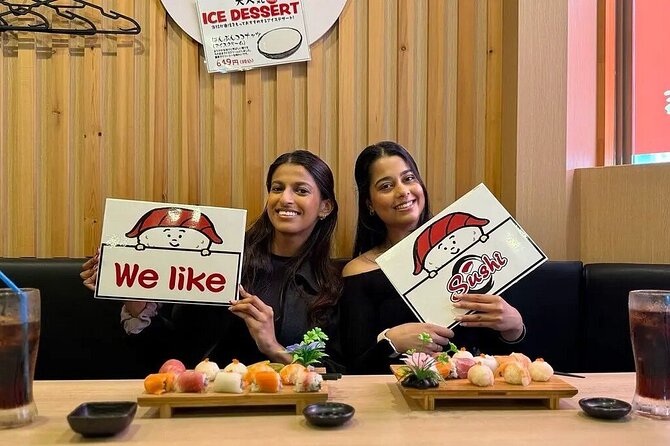
The instructors can teach in English, Traditional Chinese, or Simplified Chinese. That is a major practical benefit because sushi shaping is easier when you can ask questions at the moment your roll starts to wobble.
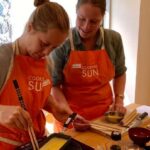
The staff also help with the sushi-making process and take commemorative photos. The photo element is a small touch, but it means you can leave with more than a full stomach. It also helps if you are traveling with children or want a record of the finished sushi before it disappears.
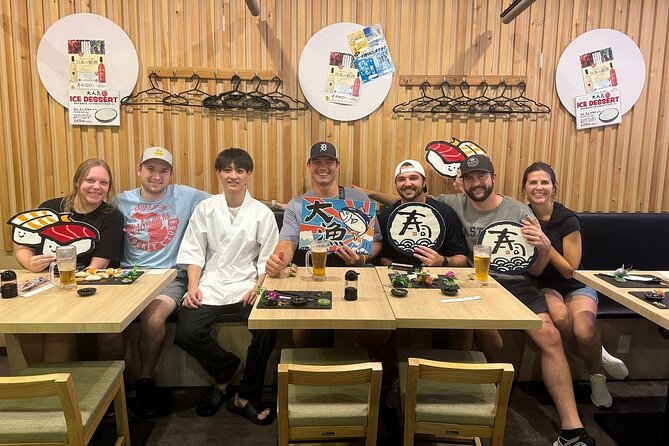
The class is limited to a maximum of 15 participants. That is small enough for assistance to be possible, though it is not the same as having a chef assigned only to you. Expect a shared, social lesson with other people at different skill levels.
One especially useful feature for families is the stated minimum age of 4. A parent who attended with two children found the hosts friendly and patient, which suggests that the teaching style is not aimed only at adults. Even so, children will need to follow food-handling instructions and stay engaged during the preparation.
Other cooking classes in Tokyo

What the Class Teaches Beyond the Food
Sushi is more than rice and toppings. The instructors explain some of its history and culture, along with etiquette connected to eating it. That context helps you understand why sushi is presented in certain ways and how to approach it at the table.
You will not receive a full academic history of Japanese cuisine in 90 minutes. The cultural material is part of a practical food lesson. That is the right balance for most visitors: enough background to give the meal meaning, without turning a quick class into a lecture.
The etiquette discussion can also improve your next sushi meal. You learn to think about how each piece is formed, handled, and eaten. After making your own sushi, you may pay more attention to the work involved when you order it at a restaurant.
Adding Sake, Shochu, or a Soft Drink
Sake and shochu are available as optional purchases, along with juice and other drinks. Bottled water is not included, and alcoholic drinks must be ordered separately.
An optional drink can make the class feel more like a Japanese meal, but it is not needed to enjoy the lesson. I would treat it as an add-on rather than part of the value calculation. The advertised price covers the class and included food, not the beverage experience.
Japan’s legal drinking age is 20. If you plan to order sake or shochu, bring valid identification that proves your age. This rule applies even if you look older, so do not assume a passport or other identification will be unnecessary.
Families can simply skip the alcohol and order juice or another available drink. Since beverages are separate, you can keep the cost under control more easily than with a package that includes drinks for everyone.
Is $59.46 a Fair Price?
At $59.46 per person, this is not the cheapest way to eat sushi in Tokyo. You can buy sushi for less. The price makes more sense when you count the instruction, ingredients, cultural explanation, staff help, and photos.
I see the value in the fact that you are doing something rather than only receiving a meal. You learn techniques that can be repeated at home, and the class provides a structured introduction without requiring you to buy equipment or bring anything.
The value is strongest for first-time visitors, families, and anyone who enjoys food activities. It is weaker for a confident home sushi maker who already knows how to shape rolls and nigiri. In that case, you may be paying mainly for the social setting and the Tokyo experience.
The 90-minute length also keeps the cost easier to justify. You are not committing a whole day or paying for a long restaurant-style cooking program. Just remember that drinks add to the total, and bottled water is not supplied.
Who Will Get the Most From This Class?
I would recommend this activity to:
- Families with children age 4 and older
- Couples who want a shared food activity
- First-time visitors curious about sushi technique
- Solo participants who enjoy meeting others in a small group
- People who want a practical Japanese souvenir in the form of a new cooking skill
It suits a broad range of ability levels because the instructors provide help during the preparation. You do not need to arrive with sushi-making experience, and you do not need to bring equipment.
It may not suit you if you want a private chef lesson, a long session focused on knife skills, or a full Japanese cooking course covering several dishes. The focus is sushi, with the class moving at a brisk pace so you can finish within 90 minutes.
Timing, Confirmation, and Cancellation
Confirmation is normally sent when you book. If you reserve within two days of the activity, confirmation may arrive within 48 hours and remains subject to availability.
The class can be canceled if the minimum number of participants is not reached. It also has a weather-related cancellation policy, even though the main activity takes place indoors. If the provider cancels, you are offered another date or experience, or a full refund.
You can cancel for a full refund up to 24 hours before the start time. Cancellations or changes made less than 24 hours in advance are not refunded or accepted. The cut-off follows Tokyo local time, so check the clock carefully if you are changing plans from another time zone.
Practical Tips for a Smoother Visit
Arrive at the Shinbashi meeting point with the address saved on your phone. The class is short, and arriving late could mean missing the first explanation or falling behind during the preparation.
Wear something comfortable and be ready to work with food. You do not need to bring supplies, but you may want your phone available for photos and directions. The staff take commemorative photos as part of the experience, so you will have a record even if your hands are busy.
If you want sake or shochu, bring identification showing that you are at least 20. If you are booking for children, remember that juice and other drinks are not automatically included either.
Finally, confirm which sushi combination your selected class teaches. Maki and temari are one possible pairing, while maki and nigiri are another. That small check helps you choose the lesson that best matches your interests.
Should You Book the Tokyo Sushi Class?
Book it if you want a friendly, hands-on introduction to sushi that fits into a busy Tokyo itinerary. The strongest points are the patient instruction, fresh ingredients, three recognizable sushi styles across the class options, and support in English or Chinese. The family-friendly age limit makes it more useful than many food activities for parents with younger children.
At $59.46, you are paying for a lesson and a shared experience, not just lunch. That is fair if you value learning, photos, and the chance to make your own sushi. Skip it if you already make sushi confidently or want a private, advanced cooking session.
For most first-time visitors, this is a practical way to connect a familiar Japanese food with the culture and technique behind it, without taking up more than an afternoon-sized slice of your schedule.
FAQ
Where does the sushi-making class begin?
The activity begins at S-PLAZA Yayoi II, 2-chome 15-10 Shinbashi, Minato City, Tokyo 105-0004, near public transportation.
Where does the activity end?
The class ends back at the same meeting point in Shinbashi.
How long does the experience last?
The sushi-making experience lasts approximately 1 hour and 30 minutes.
What sushi can I learn to make?
Depending on the selected class, you can learn to make maki and temari sushi, or maki and nigiri sushi.
What ingredients are included?
The included food may include tuna, salmon, squid, flying fish roe, and other sushi ingredients.
Is instruction available in English?
Yes. Instruction is available in English, Traditional Chinese, and Simplified Chinese.
Can children join the class?
Yes. The minimum participant age is 4 years old.
Are drinks included?
Bottled water is not included. Juice, sake, shochu, and other drinks must be ordered separately. You must be at least 20 years old and provide valid identification to order alcohol.
More Cooking Classes in Tokyo
More Cooking Classes in Tokyo
More Sushi Making Classes in Tokyo
More tours in Tokyo we've reviewed











Sushi Making Classes, compared.
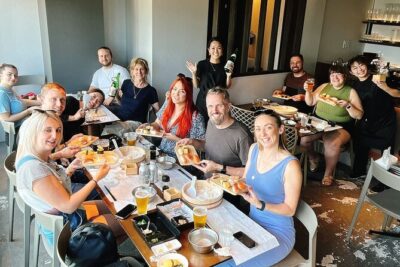 ★ 5.0Sushi Making Tokyo Roll and Authentic Japanese Sushi ClassFrom $59
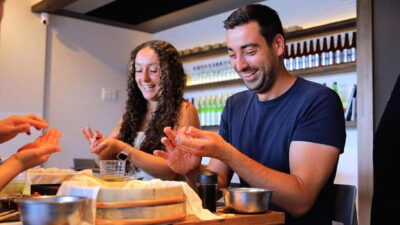 ★ 4.9Tokyo: Roll and Authentic Sushi Making Class in AsakusaFrom $581h 40m
 ★ 5.0Make Sushi and Create Unforgettable Memories in TokyoFrom $79
 ★ 4.9Tokyo: Sushi Making Class in a Happi Coat near a Famous SpotFrom $421h 30m
 ★ 5.0Tokyo Sushi Making Class in Tsukiji with Professional ChefFrom $49
 ★ 5.0Tokyo Night Foodie Tour in Shinjuku – Seasonal Sushi, Wagyu BeefFrom $111