
Reviewed · TEMPLES & MEDITATION
Sacred Morning Walk and Brunch Meiji Shrine
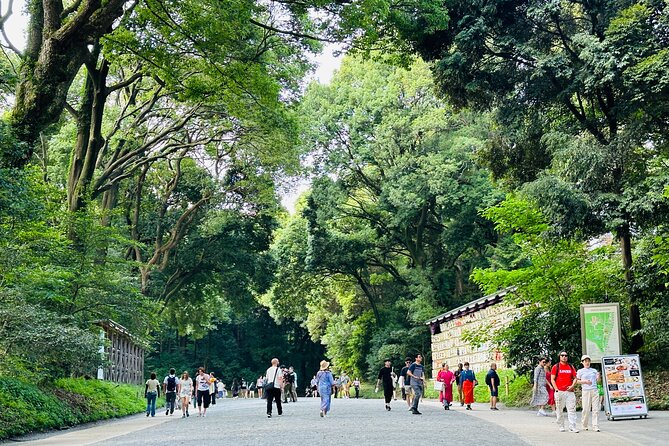
Meiji Shrine is at its best early in the day, before Tokyo’s crowds fill the paths. This 90-minute walk gives you a calm start, clear explanations of shrine customs, and a small group capped at four people.
I like the early start because it leaves the rest of your day open, and I like the optional café stop because it turns a formal cultural visit into an easy morning in Harajuku. The main drawback is that brunch costs extra, and the walk depends on good weather.
In This Review
- Key points to know before booking
- Why an early Meiji Shrine visit works so well
- Meeting your guide at Harajuku Station
- Walking through Meiji Jingu Shrine
- The cultural value of shrine etiquette
- From shrine quiet to Takeshita Street
- The optional Harajuku café stop
- Is $32.58 a fair price?
- What the high ratings tell you about the experience
- Who should book this morning walk?
- My booking verdict
- FAQ
- Where does the experience begin?
- What time does the tour start?
- How long does the activity last?
- Where does the activity end?
- How many people can join the tour?
- Is brunch included in the price?
- What places are included in the route?
- What language is the tour usually conducted in?
- Is the activity suitable for most people?
- What happens if the weather is poor?
- Can I cancel for a full refund?
Key points to know before booking
- 8:00 am start at Harajuku Station: You begin early, when Meiji Shrine offers a quieter setting.
- Maximum of four people: A small group means more time to ask your guide questions.
- One hour inside Meiji Shrine: Expect cultural context, shrine etiquette, and an explanation of the site’s history.
- Guides include Tomo and Atsushi: Tomo has led visitors through shrine customs, while Atsushi has also shared local café and Tokyo suggestions.
- Brunch is optional and not included: Plan on about JPY 1,000 to 2,000, depending on your order.
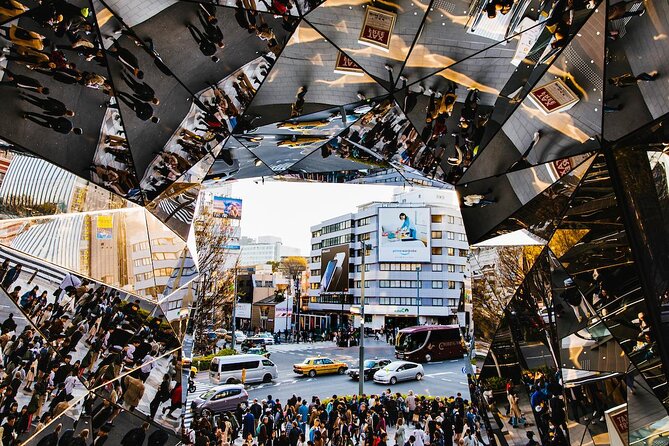
- Takeshita Street is part of the route: The experience links a peaceful shrine walk with Harajuku’s famous shopping street.
Why an early Meiji Shrine visit works so well
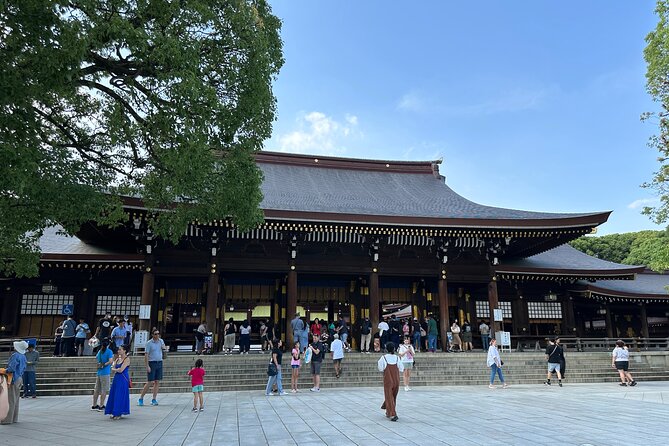
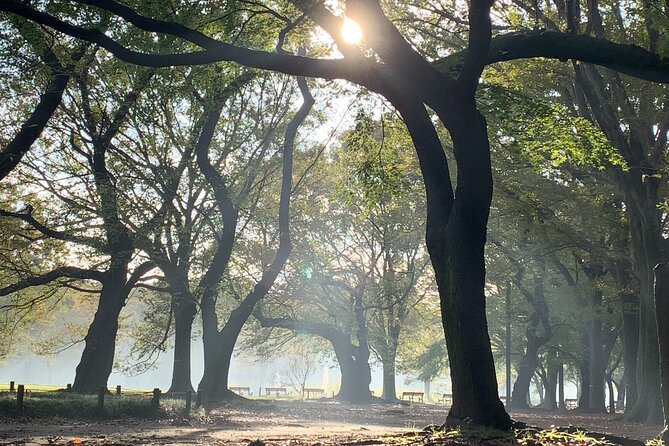
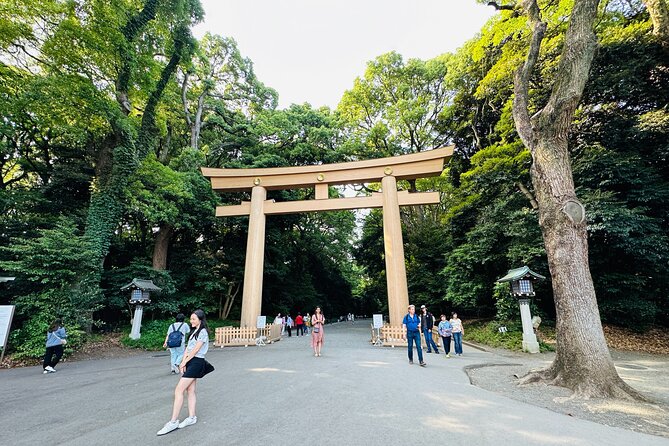
Tokyo can feel like a city turned up to full volume. Meiji Shrine gives you the opposite experience. Its broad grounds offer a quiet break in the middle of Shibuya, and the 8:00 am meeting time helps you enjoy that calm before the day gathers speed.
This is not simply a walk to a famous gate, a quick photo, and a return to the station. Your guide explains how to behave at a Japanese shrine, what the rituals mean, and why certain actions matter. Those details are easy to miss when you explore alone, especially if you are trying to follow local customs without knowing the basics.
The tour lasts about one hour and thirty minutes. That is long enough to provide substance but short enough to fit neatly before lunch, shopping, a museum visit, or a full day elsewhere in Tokyo.
The strongest feature is the size. With no more than four participants, you get a much better chance to hear the guide clearly and ask questions. This matters at a shrine, where the value comes from explanation rather than constant movement.
A few more Tokyo tours and experiences worth a look

Meeting your guide at Harajuku Station
The meeting point is Harajuku Station at 1-chōme-18 Jingūmae, Shibuya, Tokyo 150-0001. You start at 8:00 am, so plan your route the night before and allow time to reach the station without rushing.
A mobile ticket makes the booking simple. Confirmation is provided at the time of booking, and the location is close to public transportation. The tour ends back at the meeting point, which is useful if you want to continue around Harajuku after brunch or head to another part of Tokyo.
The exact guide may vary. Tomo has led the walk and explained shrine rules in a friendly, clear way. Atsushi has also guided the experience and followed the shrine visit with a local coffee stop and suggestions for other places around the city.
The usual tour language is English. One Japanese-speaking participant received the walk in Japanese when they were the only person booked that day. That is not a guaranteed feature, but it shows that the guide may adapt when the group situation allows it.
Walking through Meiji Jingu Shrine
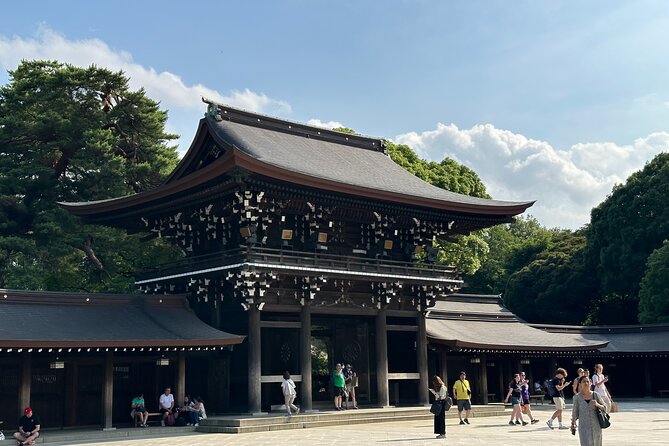
The first main stop is Meiji Jingu Shrine. The walk focuses on the shrine’s history and on proper etiquette, which gives the visit a useful structure.
You can expect your guide to explain how to approach a shrine respectfully and how to behave during the visit. Instead of treating the site as a backdrop, you learn how it functions as a place of worship and why the customs are taken seriously.
That guidance is especially valuable if this is your first shrine visit in Japan. Small actions can feel uncertain when you do not know the local expectations. A guide helps remove that awkwardness without turning the experience into a lecture.
The early timing is another advantage. Meiji Shrine is a popular Tokyo sight, and a morning walk offers a better chance to enjoy its peaceful character. The supplied information does not promise complete solitude, so you should not expect to have the grounds to yourself. Still, an 8:00 am start is designed to avoid the busiest part of the day.
The walk lasts about an hour. That makes it manageable for most people, and the activity information says most participants can take part. Wear comfortable shoes, since this is a walking experience rather than a stationary talk.
The cultural value of shrine etiquette
Many Tokyo sightseeing tours give you facts. This one aims to show you how to act. That difference is important.
Knowing the basic rules of shrine etiquette helps you feel more at ease for the rest of your Japan trip. You may visit other shrines on your own, and the guidance from this morning can help you approach those visits with more care.
The cultural explanations also give Meiji Shrine more meaning. Without context, it is easy to see only a large religious site in a busy city. With a guide, you gain a clearer sense of the traditions connected to the place and the reasons behind the rituals.
I would especially recommend this part of the experience to first-time visitors to Japan. It is also a good fit if you prefer learning through conversation rather than reading a brochure or following a large group with a flag.
The small-group format helps here. Four people is enough for a social experience, but still small enough for direct conversation. One participant joined for university research and received a Japanese-language tour because they were the only person booked. That example also points to the flexible feel of a very small group.
From shrine quiet to Takeshita Street
The second listed stop is Takeshita Street. This creates a sharp change of mood.
Meiji Shrine offers quiet, ritual, and reflection. Takeshita Street brings you into one of Harajuku’s best-known urban areas. The route lets you connect two very different sides of Tokyo in one short morning.
The supplied information does not promise a guided shopping session or a detailed street-food tour, so keep your expectations focused. Takeshita Street is part of the route, not a separate full-length excursion. The guide’s role is to take you through Meiji Shrine and Harajuku while sharing Japanese cultural knowledge.
Still, the pairing makes sense. You begin with a traditional setting and finish near one of the city’s most recognizable modern districts. It is a useful introduction to the contrasts that make Tokyo such an interesting place to explore.
After the walk, the experience includes a café brunch in Harajuku. The exact meal is not included in the price, and the cost is about JPY 1,000 to 2,000 depending on what you order.
Other walking tours we've reviewed in Tokyo



The optional Harajuku café stop
The café stop is a pleasant idea, but read the wording carefully. Brunch is at your own expense, so the advertised tour price does not cover food or drinks.
A budget of JPY 1,000 to 2,000 is a sensible amount to set aside. Your final bill depends on your order. The attraction is less about a formal meal and more about ending the cultural walk in a relaxed local café setting.
Atsushi has taken participants to a local coffee place after the shrine visit and offered suggestions for other Tokyo spots. That makes the café stop potentially useful if you want advice for the rest of your trip. Tomo, meanwhile, has been praised for explaining shrine rules and making a first morning in Tokyo feel comfortable and informative.
The café portion may suit you if you enjoy talking with a guide over a simple meal. If you need to leave immediately after the shrine, or you already have a fixed breakfast plan, remember that the food stop is not the main reason to book. The shrine walk carries most of the cultural value.
Is $32.58 a fair price?
At $32.58 per person, this is not a bargain-priced sightseeing walk in the strictest sense. You are paying for a short experience, and brunch is extra.
The value improves if you want personal attention. A group of up to four gives this the feel of a private or semi-private introduction without the cost of a fully private guide. You are also paying for cultural interpretation, not just transportation or admission to a place that is free to visit.
I would consider the price fair for a first morning in Tokyo if you want help understanding shrine etiquette and prefer a compact schedule. The early start is useful because it does not take over your day. You can continue into Harajuku, visit another district, or follow the guide’s suggestions afterward.
The value is weaker if you are already comfortable visiting Japanese shrines, do not need a guide, or want a longer food experience. In those cases, you could explore Meiji Shrine on your own and spend the money elsewhere.
There is no admission cost listed for the shrine, so the price is mainly for the guide’s time and cultural instruction. That is why the small group matters so much. With four people or fewer, the service has a personal feel that a large walking group cannot match.
What the high ratings tell you about the experience
The experience has a 5 out of 5 rating from 10 reviews, with 100 percent recommending it. The praise is consistent in a few useful ways.
Tomo receives particular credit for explaining shrine customs and showing how to follow the expected rules. That is the most important part of the tour, since etiquette can be confusing on a first visit.
Atsushi is described as friendly and helpful, with the ability to add suggestions for other places in Tokyo. If you like using a guide as a source of practical city advice, this is a real benefit.
The tone also seems welcoming for first-time tour participants. One Japanese-language review describes feeling nervous before joining, then feeling comfortable with the coordinator and the other people in the group. That suggests the experience is not designed only for seasoned tour takers.
Another review in French praised the traditional and cultural explanations, along with the warm welcome and professional organization. Across the available feedback, the repeated strengths are the guides, the explanations, and the peaceful setting.
The sample is small, so I would not treat the rating as a guarantee that every departure will feel identical. Guide style and group chemistry can vary. But the praise points to the right reason to book: personal cultural guidance in a small group.
Who should book this morning walk?
I would choose this experience for several kinds of visitors:
- First-time visitors to Tokyo who want a gentle cultural introduction.
- People arriving in Harajuku or Shibuya who want to understand shrine etiquette.
- Solo visitors who prefer conversation and guidance over exploring entirely alone.
- Couples or small groups who value a maximum of four participants.
- Anyone who wants an early activity that leaves most of the day free.
- Visitors who enjoy finishing a walk with coffee or brunch and local suggestions.
Families and older participants may also find the short duration manageable, since the activity information says most people can participate. Still, it is a walking tour, so comfortable footwear is sensible.
You should think twice if you dislike early starts. Meeting at 8:00 am is the point of the experience, not a minor detail. You should also reconsider if brunch must be included in the advertised price, since you pay separately.
The tour requires good weather. If poor weather cancels it, you are offered another date or a full refund. The activity also requires a minimum number of participants, so a cancellation is possible if that number is not reached. Free cancellation is available up to 24 hours before the start time. Changes or cancellations inside that window are not accepted and are not refundable.
Service animals are allowed, and the meeting point is near public transportation. Those details make the activity practical for many people, though the walk itself remains the central consideration.
My booking verdict
Book this if you want Meiji Shrine to be more than a quick photo stop. The guide’s explanation of etiquette, the four-person limit, and the early timing give the experience a clear purpose.
I especially like it as a first or second morning in Tokyo. You get cultural grounding, a peaceful walk, a look at Takeshita Street, and the option of a modest café meal, all before the rest of the day begins.
Skip it if you want a long food tour, a full-day cultural program, or a low-cost self-guided visit. For everyone else, $32.58 is a reasonable price for a personal introduction to one of Tokyo’s most important shrines, with brunch added according to your appetite.
FAQ
Where does the experience begin?
It begins at Harajuku Station, 1-chōme-18 Jingūmae, Shibuya, Tokyo 150-0001, Japan.
What time does the tour start?
The start time is 8:00 am.
How long does the activity last?
The experience lasts approximately 1 hour and 30 minutes. The walk through Meiji Shrine itself lasts about one hour.
Where does the activity end?
The activity ends back at the meeting point.
How many people can join the tour?
The group has a maximum of four participants.
Is brunch included in the price?
No. Brunch is not included. You should expect to pay about JPY 1,000 to 2,000, depending on your order.
What places are included in the route?
The route includes Meiji Jingu Shrine and Takeshita Street, followed by a café brunch in Harajuku.
What language is the tour usually conducted in?
The tours are usually conducted in English. A Japanese-language tour was provided when one participant was the only person booked.
Is the activity suitable for most people?
Yes. The information states that most people can participate. Service animals are also allowed, and the meeting point is near public transportation.
What happens if the weather is poor?
The activity requires good weather. If it is canceled because of poor weather, you are offered a different date or a full refund.
Can I cancel for a full refund?
Yes. You can cancel up to 24 hours before the start time for a full refund. Cancellations or changes made less than 24 hours before the start time are not accepted and are not refunded.
More Morning in Tokyo




More Walking Tours in Tokyo
More Temples & Meditation in Tokyo
More tours in Tokyo we've reviewed







Temples & Meditation, compared.
 ★ 4.7Tokyo: Meiji Shrine, Asakusa, Skytree Bus Tour and CruiseFrom $12210 hours
 ★ 4.8Tokyo: Asakusa Walking Tour with Sensoji Temple VisitFrom $222 hours
 ★ 4.6Nikko: Kegon Falls, Lake Chuzenji & Toshogu TempleFrom $8911 hours
 ★ 4.5Tokyo: Kamakura & Enoshima Day Trip including Temple TicketsFrom $589 hours - 570 minutes
 ★ 4.5Tokyo: Nikko Toshogu Shrine and Kegon Waterfall TourFrom $8410h 30m
 ★ 4.5Tokyo Panoramic 1 Day: Meiji Shrine, Asakusa, Odaiba and SKYTREE®From $85