
Reviewed · SUMO EXPERIENCES
Ryogoku: Sumo Town Guided Walking Tour with Lunch
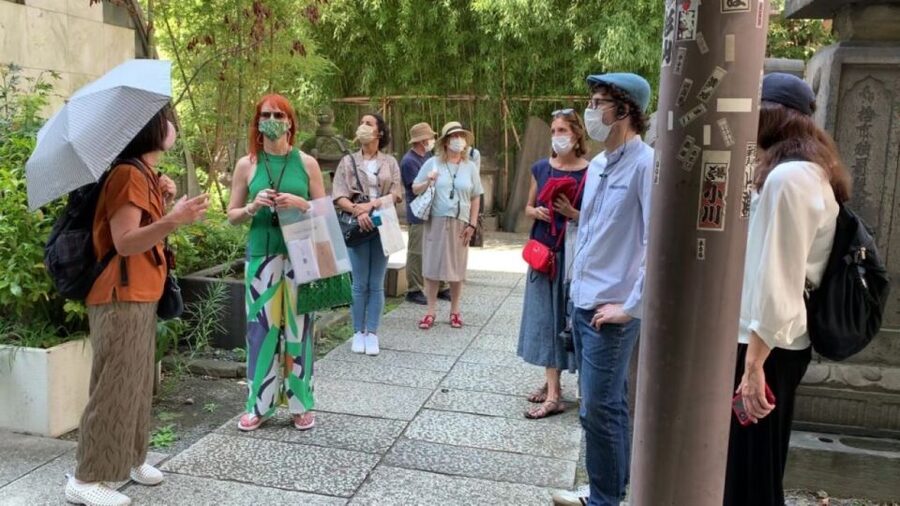
Ryogoku is where sumo becomes more than a sport. On this three-and-a-half-hour walk, you see the neighborhood where wrestlers live and train, learn how the rules and rituals took shape, and sit down to the same hearty hot pot that fuels their daily life. The meal at the end gives the whole experience a tasty point.
I like the small group of up to eight, since it leaves room for real questions about sumo careers, stable life, Shinto, and Japanese customs. I also like the guide-led context: seeing a stable from outside is one thing, but understanding why it matters makes the streets around it much more interesting.
The main limitation is clear: you do not watch a sumo bout or a training session. You may spot wrestlers in the neighborhood, as some guests did, but that depends on timing, the sumo calendar, and plain luck. The $122 price is fair for a private-feeling small group, lunch, and specialist guidance, but less appealing if you only want live action.
In This Review
- Key points to know before booking
- Why Ryogoku is the right place to learn sumo
- Hakkaku-beya and the world behind stable doors
- Ryogoku Kokugikan and the meaning of a sumo venue
- Ryogoku Edo Noren and the neighborhood’s local flavor
- Ekō-in, temples, gardens, prints, and swords
- Kasugano-beya and the limits of stable access
- Chanko-nabe lunch at Hana no Mai
- What the guides add to the walk
- Is $122 a fair price?
- Who should book this Ryogoku experience?
- Final verdict: book for context, not ringside action
- FAQ
- Where does the tour begin?
- How long does the experience last?
- What language is the tour offered in?
- How large is the group?
- Does the tour include a sumo match?
- Does the tour include sumo training?
- Which sumo stables are on the route?
- What food is served for lunch?
- What should I bring?
- Can I cancel the booking?
Key points to know before booking
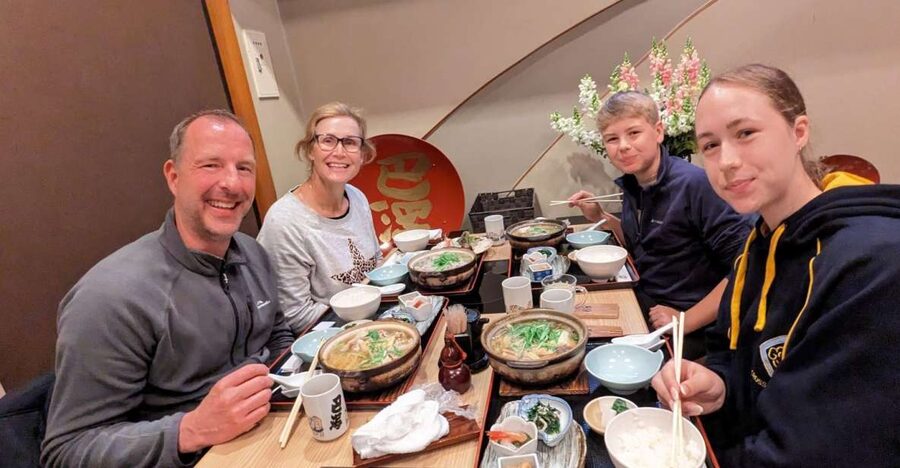
- Chanko-nabe is the centerpiece: Share a nutritious hot pot linked to wrestlers’ diets at a well-regarded Ryogoku restaurant.
- The walk explains 1,600 years of sumo: You get the sport’s origins, rituals, culture, and place in Japanese life.
- Sumo stables are viewed from outside: Hakkaku-beya and Kasugano-beya are part of the route, but stable entry and training are not included.
- The guide makes the difference: Past guides have included Jeff, Taka, Sue, Jean, and Yoko, with English commentary and room for questions.
- Ryogoku offers more than wrestling: Expect links to Shinto shrines, Buddhist temples, gardens, woodblock prints, swords, and local food.
- Plan for a walking tour: Wear comfortable shoes, and avoid this activity if you have mobility limits or food allergies.
Why Ryogoku is the right place to learn sumo
Ryogoku is not simply a convenient Tokyo neighborhood with a stadium. It is the center of sumo life in the capital, and the walk shows you how the sport fits into its surroundings.
The tour begins outside Ryogoku Station, at the Toei Oedo Line station. That is a useful meeting point because you can arrive by subway and begin on foot without a long transfer to another part of town. From there, your guide leads you through streets tied to professional sumo and explains what you are seeing along the way.
The value here is interpretation. A stable door, a sumo sign, or a wrestler walking down the street may mean little if you are seeing it alone. An expert can explain the daily structure of a stable, how wrestlers develop their careers, and why so much of the sport is tied to ceremony and discipline.
The walk also connects sumo with wider Japanese culture. You may encounter Buddhist and Shinto sites, gardens, woodblock art, swords, and traditional food. That broader frame keeps the tour from becoming a simple list of wrestling facts.
A few more Tokyo tours and experiences worth a look

Hakkaku-beya and the world behind stable doors
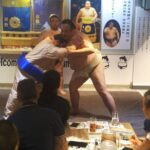
One early stop is Hakkaku-beya, a sumo stable. The visit is a guided look from outside, not a chance to enter and watch practice.
That distinction matters. Sumo stables are working homes and training centers, not standard public attractions. The tour gives you a respectful way to understand their role without promising access that is not part of the experience.
Your guide can talk about the daily lives of wrestlers, their training, their careers, and the structure of stable life. The supplied schedule allows about 15 minutes here, so this is an orientation stop rather than a long visit.
You might see wrestlers in the area, but you should treat that as an extra, not a guarantee. One participant saw two wrestlers walking near their stable, while another spotted wrestlers relaxing in a back alley and saw loincloths airing in the sun after practice. Those moments sound memorable, but the tour cannot control them.
Ryogoku Kokugikan and the meaning of a sumo venue
The route includes Ryogoku Kokugikan, Tokyo’s major sumo arena. You see it as part of the walking tour and learn how it fits into the sport, but the activity does not include admission to a tournament.
This is where a little background can change your future visit. If you later attend a grand tournament, you will already have a sense of why the arena matters, how sumo is organized, and what to watch beyond the few seconds of action inside the ring.
The guide’s explanations are especially useful for first-time viewers. Sumo can look simple at first glance, but the match is shaped by ceremony, rank, rules, technique, and long preparation. The tour is designed to give you that framework before you watch a bout in Japan or at home.
If you are visiting during a tournament period, this stop may feel even more useful, though it still does not provide a ticket. If the wrestlers are away at another tournament, as happens during the sumo calendar, you should expect a cultural and historical walk rather than live activity.
Ryogoku Edo Noren and the neighborhood’s local flavor
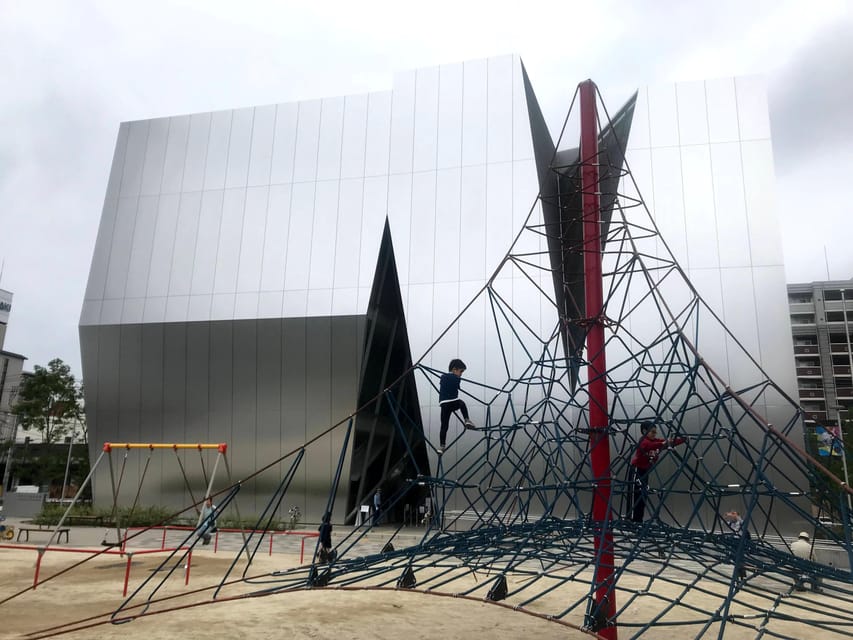
Ryogoku Edo Noren is another scheduled stop. The building offers a way to see how the area presents its Edo-era identity, and your guide uses it as part of the larger story of local food and culture.
The tour is not only about professional athletes. It shows how sumo is tied to the district’s restaurants, public spaces, historic customs, and everyday life. That makes the walk useful for anyone who wants to understand Ryogoku as a neighborhood rather than simply find the stadium.
The route also includes an additional guided walking section of about 30 minutes, along with time at the Kokugikan and Edo Noren. The exact feel of these sections depends on the guide and the day, but you should expect steady walking, commentary, and stops for questions rather than formal museum visits at every point.
Several past participants singled out the guides’ ability to adjust. Yoko kept the route moving in poor weather, while Sue was praised for choosing a varied set of sights and explaining details that are easy to miss. Those names are useful when reading the booking information, but the guide assigned to your group can vary.
Ekō-in, temples, gardens, prints, and swords
Ekō-in adds a Buddhist side to the tour. Along with Shinto references, it helps explain the religious and cultural setting around sumo.
This combination is one of the tour’s strongest features. Sumo began with religious roots and developed over roughly 1,600 years, so it makes sense to see the sport alongside temples and shrines rather than treat it as an isolated form of entertainment.
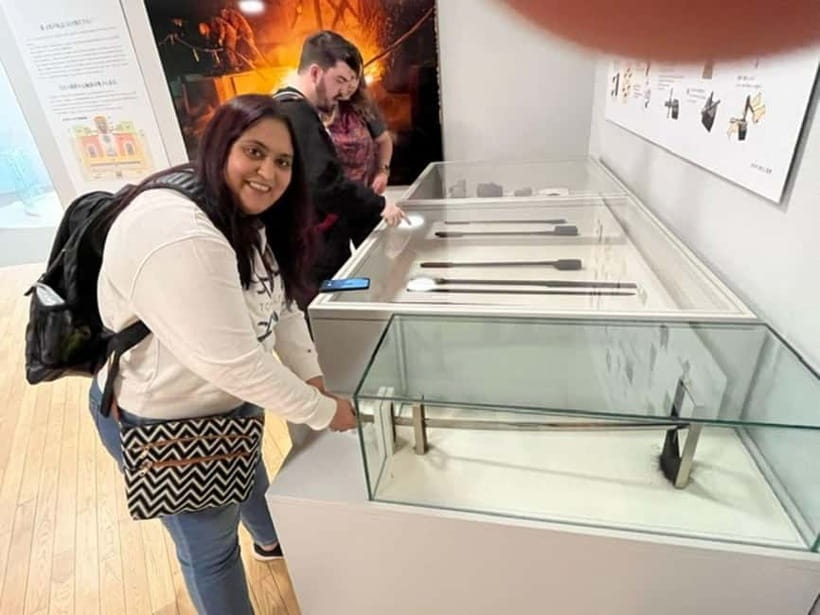
The route also covers wider cultural themes such as Japanese gardens, woodblock prints, swords, and cuisine. One past participant described the walk as including the Hokusai Museum, a Japanese garden, a Japanese sword museum, Shinto sites, Buddhist temples, the arena, and stables. The listed schedule names the main route stops, while the precise order and nearby sights can depend on the day.
You should not book this expecting lengthy indoor museum tours at each site. The strength lies in the connections your guide makes between them. A garden, a sword, a print, and a sumo ritual can all offer a different window into Japanese ideas about form, discipline, beauty, and tradition.
Other walking tours we've reviewed in Tokyo


Kasugano-beya and the limits of stable access
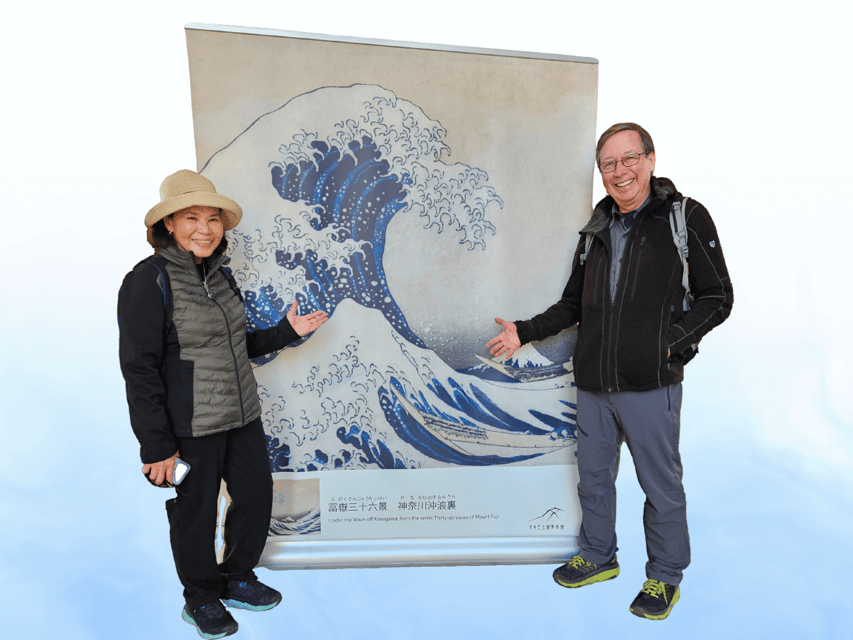
The second stable on the route is Kasugano-beya. Like Hakkaku-beya, it is viewed from outside, with the guide explaining the stable’s place in sumo life.
Having two stable stops helps you understand that Ryogoku is a working sumo district, not a stage set. At the same time, you need to keep expectations in check. There is no promise of entering either stable, seeing a practice session, or meeting a wrestler.
That was the biggest point of disappointment for at least one French participant, who had expected training to be included. The tour description is clear on this matter: it provides outside views and explanations, not stable access or a practice viewing.
I see this as a good choice for respectful cultural context, but not for anyone whose main goal is to watch wrestlers train. If live sumo is your priority, you need a separate bout or training experience.
Chanko-nabe lunch at Hana no Mai
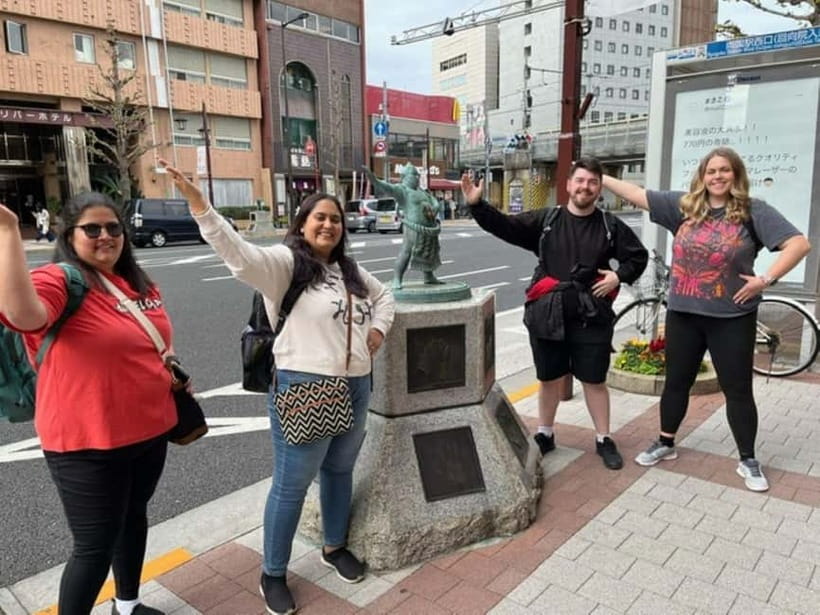
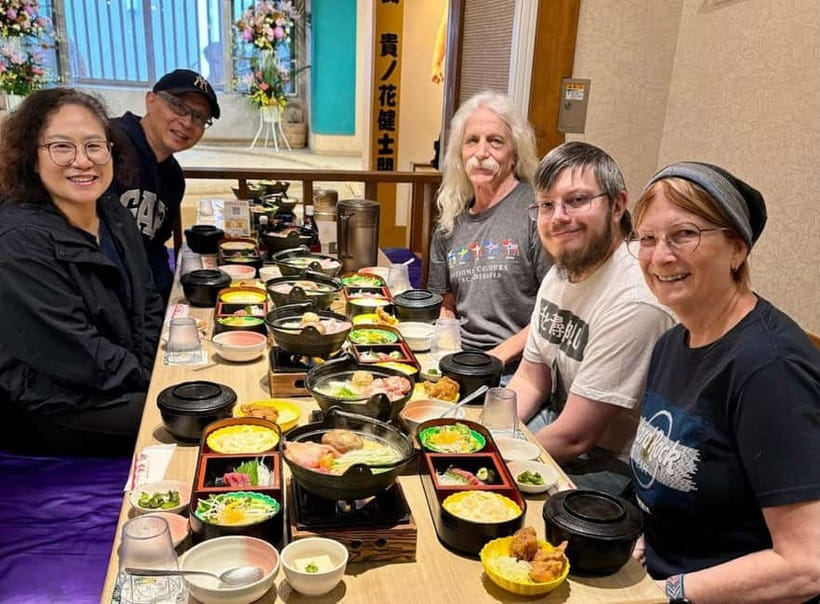
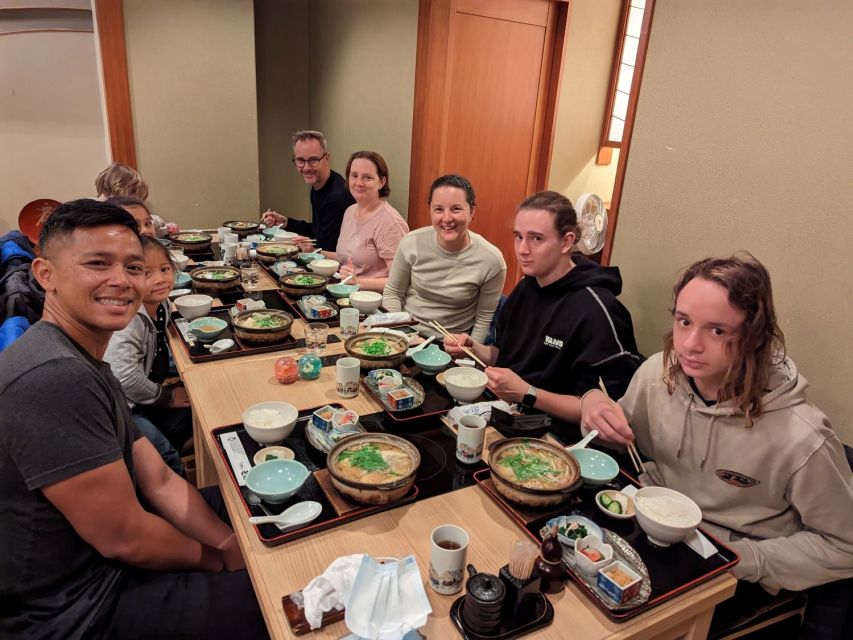
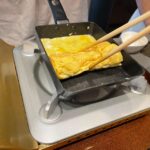
The tour finishes with lunch at Hana no Mai, an Edo-Tokyo-themed seafood pub. The meal is chanko-nabe, the hot pot closely associated with sumo wrestlers.
Chanko-nabe is practical food. It can provide a balanced meal, it is heated as it cooks, and it is prepared without the need for professional kitchen staff. The shared pot also fits the teamwork and group spirit of stable life.
For wrestlers, the food is part of a larger effort to build size and muscle. For you, it is a warm, filling Japanese meal after several hours on foot. The lunch gives the tour a clear local taste instead of ending with a final explanation outside the arena.
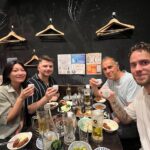
The meal received strong praise for flavor and for the feeling of being welcomed rather than processed through a standard stop. One person described it as a traditional lunch that felt like being invited by a host. Another called the chanko-nabe very tasty.
There is one practical caution. A participant found that several tour groups arrived at the restaurant together, which made the meal feel more like a tourist stop than a quiet local lunch. That does not erase the value of trying chanko-nabe, but it is worth knowing that the restaurant may be busy with organized groups.
Food allergies are listed as a reason not to take this tour. If you have an allergy, do not assume the restaurant can adjust the hot pot safely. The supplied information does not promise special menus or substitutions.
What the guides add to the walk
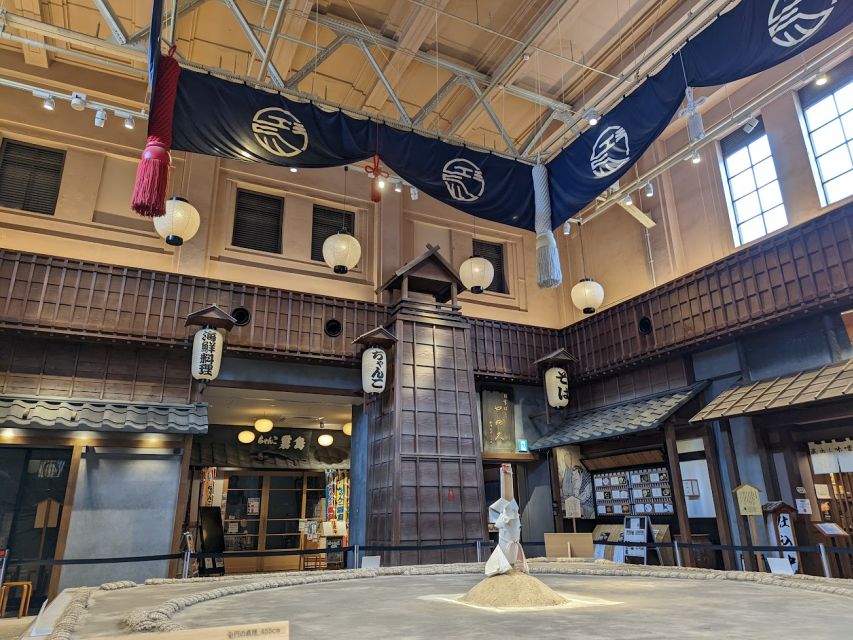
The guide is the main reason to choose this experience over a self-guided walk. The area has plenty to see, but sumo customs are not always obvious from the street.
Guides have included Jeff, Taka, Sue, Jean, and Yoko. Their styles may differ, but the strongest pattern is clear: you get English commentary, answers to sumo questions, and explanations that reach beyond match results.
Jeff received particular praise for his sumo expertise and friendly manner. Taka was described as informative and funny. Jean was praised for extensive information, while Yoko brought enthusiasm for the sport and handled difficult weather well.
You should still view these as examples, not a guaranteed guide roster. The activity is sold with an English-speaking expert guide, but the assigned person depends on the day.
The group size is limited to eight. That is small enough for personal questions and easier street movement, yet large enough to keep the price below that of a fully private tour. If you have a long list of questions about rankings, training, rituals, or food, this format should suit you better than a large coach outing.
Is $122 a fair price?
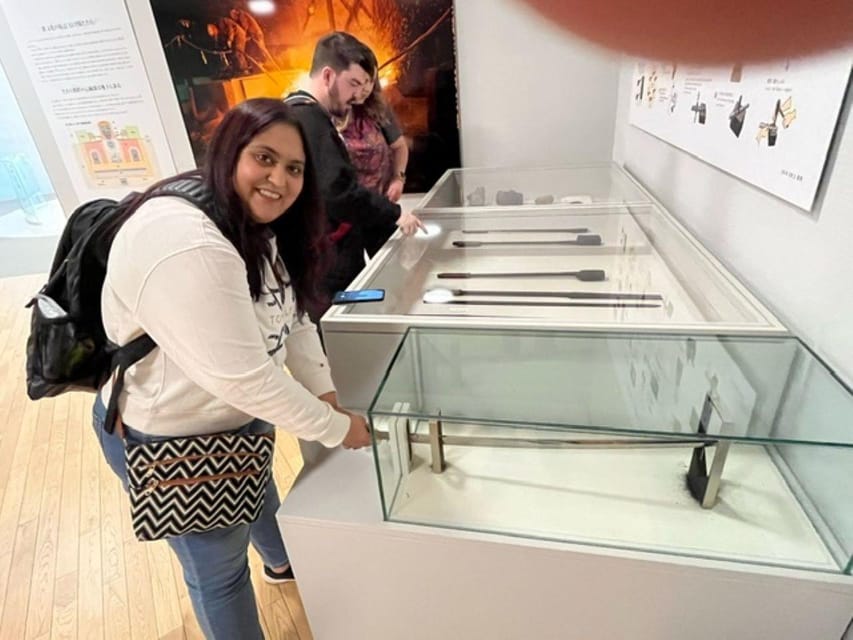
At $122 per person, this is not a cheap neighborhood walk. You are paying for three and a half hours, an English-speaking specialist, a small group, and lunch at a chanko-nabe restaurant.
The value depends on what you want. If you only want to stroll around Ryogoku and photograph the arena, you can spend much less on your own. You would, however, miss the explanations about stable life, the development of sumo, and the links to religion, art, swords, gardens, and food.
I think the price works best for first-time visitors who want a strong introduction in one compact outing. It also works well for people who have a tournament ticket but want to understand the sport before sitting in the arena.
The price is harder to justify if you expect a bout, a training session, or inside access to a stable. None of those are included. The lunch is part of the value, but the possibility of several groups eating at once may affect how special the restaurant stop feels.
The booking terms add flexibility: you can cancel up to 24 hours ahead for a full refund, and you can reserve now and pay later. Those policies are useful when your Tokyo schedule is still shifting.
Who should book this Ryogoku experience?
I would choose this tour for you if:
- You are new to sumo and want the rules, customs, and history explained in plain English.
- You want to see Ryogoku’s sumo landmarks without planning a route yourself.
- You enjoy connecting sport with temples, shrines, food, art, and local history.
- You like small groups and prefer to ask questions as you walk.
- You want to try chanko-nabe in the neighborhood most associated with sumo.
I would skip it if your only goal is live wrestling. The tour does not include bout tickets or training access, and seeing a wrestler on the street is not assured.
It may also be a poor match if you have mobility impairments, food allergies, or little interest in walking. Comfortable shoes are essential, and the 210-minute schedule includes several walking sections before lunch.
Final verdict: book for context, not ringside action
This is a strong introduction to the sumo quarter of Tokyo. Its best features are the small group, the specialist guide, and the way lunch completes the story. You learn not only how wrestlers compete, but how they live, eat, train, and fit into Japanese culture.
Book it if you want the background that makes a future sumo match more rewarding. Choose it with realistic expectations: you will see stables from outside, not enter them, and you will eat chanko-nabe, not watch a bout. For the right reader, that combination offers a useful and enjoyable half-day in Ryogoku.
FAQ
Where does the tour begin?
Meet your English-speaking guide outside Ryogoku Station, at the Toei Oedo Line Ryogoku Station area.
How long does the experience last?
The tour lasts 210 minutes, or three and a half hours.
What language is the tour offered in?
The tour is offered in English with a live English-speaking guide.
How large is the group?
The group is limited to eight participants.
Does the tour include a sumo match?
No. Watching an actual sumo bout is not included.
Does the tour include sumo training?
No. The tour visits sumo stables from the outside and explains stable life, but training access is not included.
Which sumo stables are on the route?
The route includes Hakkaku-beya and Kasugano-beya.
What food is served for lunch?
Lunch is chanko-nabe, the hot-pot dish associated with sumo wrestlers, at Hana no Mai in Ryogoku.
What should I bring?
Wear comfortable shoes for the walking sections.
Can I cancel the booking?
You can cancel up to 24 hours in advance for a full refund. You can also reserve now and pay later.
More Guided Tours in Tokyo



More Walking Tours in Tokyo
More Sumo Experiences in Tokyo

More tours in Tokyo we've reviewed




Sumo Experiences, compared.
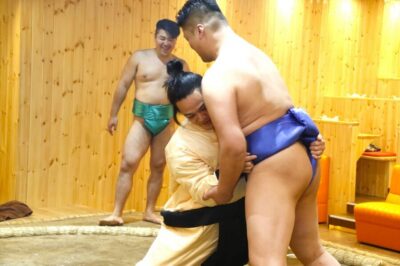 ★ 4.8Tokyo: Sumo Show Experience with Chicken Hot Pot and a PhotoFrom $1032 hours
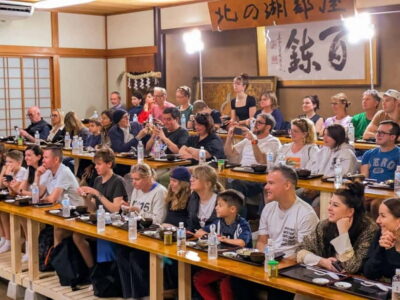 ★ 4.8Tokyo: Sumo Show and Dining ExperienceFrom $7990 minutes - 2 hours
 ★ 5.0the SUMO showFrom $89
 ★ 5.0Tokyo Shinjuku Sumo Show & Experience with PhotoFrom $79
 ★ 4.8Tokyo: Sumo Show and Experience in ShinjukuFrom $691h 30m
 ★ 4.6Tokyo: Sumo Tournament Tour with Chair Seat TicketsFrom $141