
Reviewed · DESSERT TOURS
Mochi Sweets Making Class in Tokyo
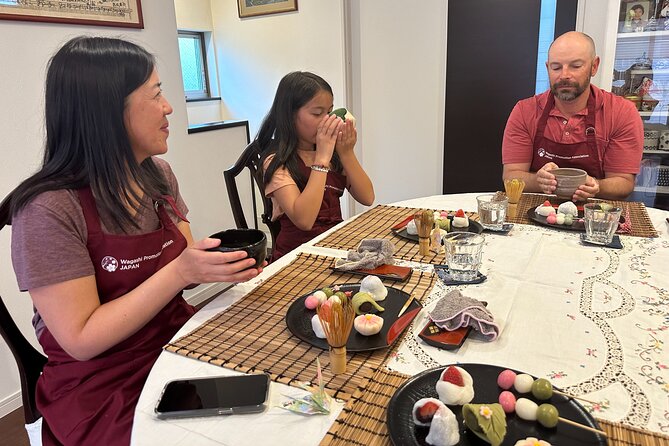
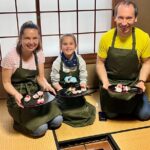
Tokyo’s best food experiences often happen away from the famous sights. In this 90-minute mochi class, Satoko welcomes you into her home in a quiet Ota City neighborhood, where you make several Japanese sweets by hand and learn why mochi matters in Japanese life. You leave with new cooking skills, a box of sweets, and a downloadable recipe you can use at home.
I especially like two things here. First, the recipes use plant-based ingredients that are generally easy to find outside Japan, so this is more than a one-time snack stop. Second, the lesson includes cultural background, green tea or hojicha, and photos and videos from the class. The main consideration is location: you need to travel to Kitaminemachi, about 15 minutes by train or car from central Tokyo, rather than meeting in a central sightseeing district.
In This Review
- Key points to know before booking
- What happens during the 90-minute mochi lesson
- Why the home setting changes the experience
- Meeting Satoko in Ota City
- The teaching style and English support
- What makes the cultural explanation worthwhile
- Food choices for vegetarians and vegans
- Photos, souvenirs, and what you take home
- Is $75.12 a fair price?
- Who should book this mochi experience?
- Should you book the mochi class?
- FAQ
- How long does the mochi-making class last?
- Where does the activity take place?
- Where does the activity end?
- What types of mochi can I make?
- Are ingredients and equipment provided?
- Is the class suitable for vegetarians and vegans?
- Is the class private?
- Are photos included, and can I take the mochi with me?
Key points to know before booking
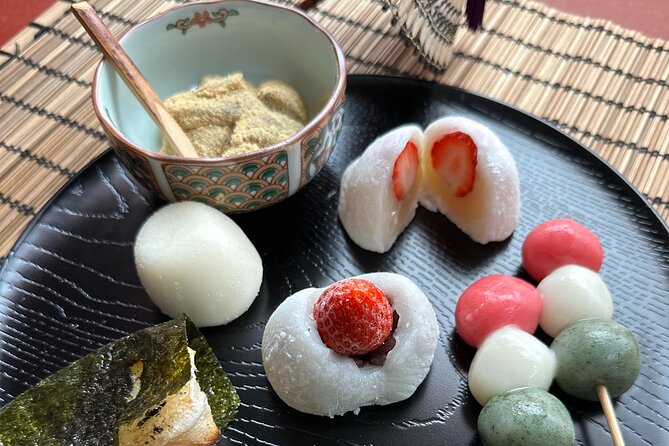
- Make several kinds of mochi: Prepare strawberry daifuku when strawberries are in season, plus dango, warabi-mochi, and isobe-mochi.
- Learn in Satoko’s private home: The setting is relaxed and personal, with step-by-step instruction rather than a large cooking-school format.
- Take recipes and sweets home: You can taste your creations with Japanese tea or pack them in the provided special box.
- Good for vegetarians: The menu uses plant-based products, with vegan options available.
- A useful family activity: Children and first-time cooks can take part, and the lesson is designed for beginners.
- Allow time for the neighborhood: Local shops, cafes, supermarkets, a shrine, and a public bath are nearby.
What happens during the 90-minute mochi lesson
The class begins with an introduction to mochi, including its place in Japanese celebrations and traditions. This matters because mochi is not simply a chewy dessert. It appears in seasonal customs, festival foods, sweets shops, and home cooking, and the different styles served in this class show how flexible it can be.
Satoko then teaches you how to make mochi from glutinous rice flour. The basic method is kept simple, which is good news if your kitchen skills are limited or you want a recipe you can repeat after returning home. You do not need to bring equipment or ingredients. An apron, hand towel, and the special tools used for wagashi making are provided.
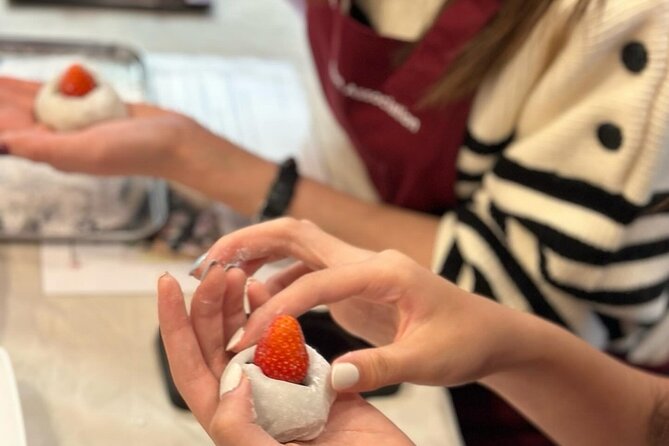
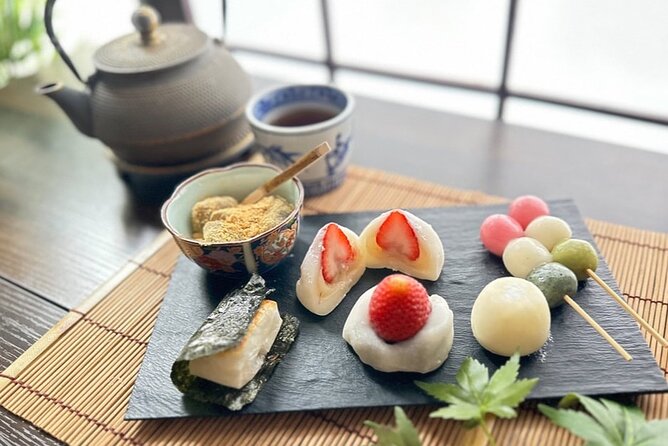
The menu gives you a useful tour of Japanese sweets rather than one narrow recipe. You may make strawberry daifuku during strawberry season. This combines soft mochi with a fruit filling, making it one of the most familiar and approachable forms of wagashi. When strawberries are out of season, other fruits such as pineapple or kiwi are used instead.
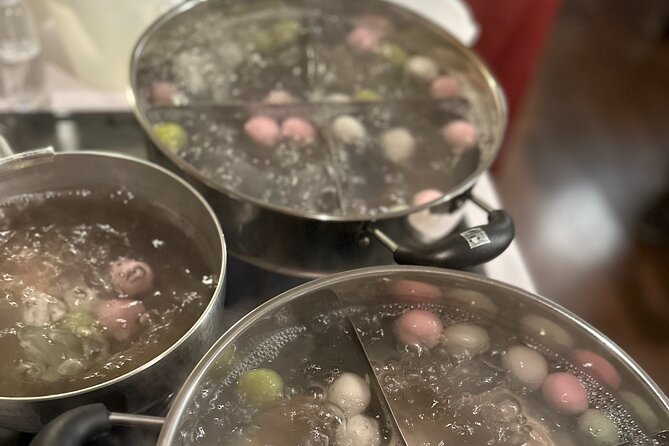
You also make several flavors of dango, the round mochi balls served on skewers. Dango has a different feel from daifuku, both in shape and presentation. The class also covers warabi-mochi and isobe-mochi, giving you sweet and savory ways to eat mochi.
A mochi ice cream recipe is available for download as well. It is not listed as the main item you prepare, but it adds another practical recipe to take home. You finish by tasting the sweets with Japanese green tea or roasted hojicha. If you prefer, you can pack them in the provided box instead of eating everything on the spot.
A few more Tokyo tours and experiences worth a look



Why the home setting changes the experience
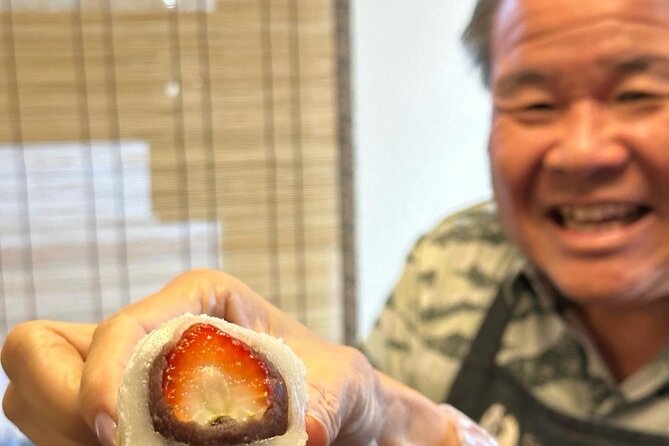
This is held in a private residence, not a busy commercial kitchen. That gives the class a more personal rhythm. You can ask questions, work at a comfortable pace, and see how a local host presents Japanese sweets in an everyday setting.
The activity is described as private, and during the off-peak season, groups of more than three can receive a private lesson without an extra charge. That is useful for families and small groups who want direct guidance rather than sharing a crowded workstation.
Solo visitors are also welcome. The class is not built only for couples or large groups, and the step-by-step format makes it suitable if you are learning the techniques for the first time.
The private-home format does come with one practical warning. Two short-haired cats live in the home and remain in the bedroom during the lesson, but the class is not recommended for anyone with a strong cat allergy. This is worth taking seriously before booking.
Meeting Satoko in Ota City
The meeting point is 20-15 Kitaminemachi, Ota City, Tokyo 145-0073. The activity ends at the same place. Public transportation is nearby, but private transportation is not included, so you need to make your own way there.
The location is part of the appeal, especially if you have already spent several days in central Tokyo. Instead of another class in a busy shopping area, you get a short change of pace in a residential neighborhood. The area has local shops, supermarkets, cafes, a shrine, and a famous public bath.
You should not treat the 15-minute travel estimate as a door-to-door guarantee. Your actual journey depends on your starting point and the train or car route you use. Still, the short trip can be worthwhile because it adds a glimpse of daily life beyond the main tourist districts.
Plan to arrive with enough time to find the address without rushing. Since the lesson is held in a home, clear meeting instructions and punctual arrival matter more than they would at a large public attraction.
The teaching style and English support
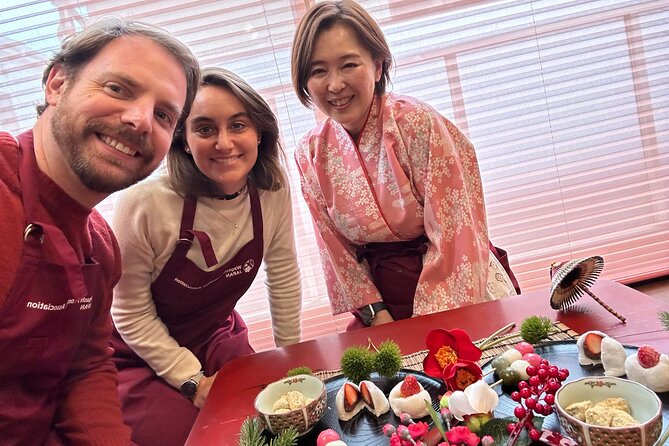
Satoko is the named instructor, and English-language communication is a major strength of the class. The lesson is explained in clear steps, with demonstrations followed by your own hands-on work.
That format helps because mochi dough can be unfamiliar. Texture matters, and a written recipe alone may not tell you when the mixture is ready or how to shape it. Watching the technique, then repeating it under guidance, gives you a better chance of making the recipes successfully later.
Satoko also brings patience and warmth to the lesson. The class includes room for conversation and laughter, but it still has a clear structure. Families have found the workshop manageable, and children can take part in the process.
You should expect an active class, not a demonstration where you sit and watch. You will handle ingredients, shape sweets, use the tools provided, and make decisions about how to present and eat the finished food.
What makes the cultural explanation worthwhile
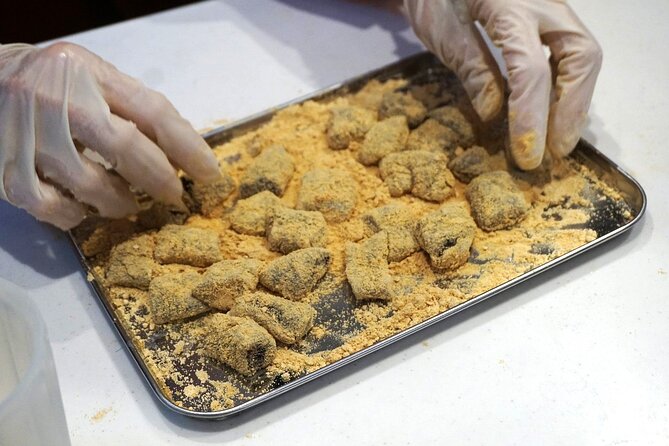
The cultural section is not just filler before the cooking begins. It explains how mochi connects with Japanese celebrations and why there are so many ways to serve it.
Dango on skewers, fruit-filled daifuku, warabi-mochi, and isobe-mochi do not all serve the same purpose or offer the same texture. Learning these differences helps you recognize mochi later in Japanese confectionery shops and supermarkets.
The lesson also introduces various ways to eat mochi. That is helpful if you have only tried one familiar version. You get a broader picture of the food, including sweet, savory, soft, chewy, and chilled possibilities.
This cultural context gives the activity more value than a standard cooking tutorial. You are not only copying a recipe. You are learning how a common Japanese food fits into celebrations, hospitality, and everyday eating.
A few more Tokyo tours and experiences worth a look


Food choices for vegetarians and vegans
The class uses plant-based products, and vegetarian participation is specifically supported. Vegan options are available, which makes this a useful choice if you need to avoid animal products.
Still, you should confirm the exact menu and ingredients when booking if you have strict dietary requirements or allergies. Seasonal fruit changes, and the class includes several preparations, so knowing the day’s ingredients in advance is sensible.
The use of familiar, accessible ingredients also improves the take-home value. You are less likely to return home with a recipe that depends on a rare Japanese ingredient or specialized piece of equipment.
Photos, souvenirs, and what you take home
You receive an apron, hand towel, cooking tools, drinking water, and a special takeaway box. Those small inclusions matter because you do not need to pack anything for the activity, and you have a clean way to transport your sweets afterward.
You can eat the finished mochi with green tea or hojicha at the end of class. Taking some with you may be better if you have a full day ahead, though the sweets are best treated as fresh food rather than a long-term souvenir.
Portrait photos and videos taken during the lesson are also available, giving you a record of the experience without needing to spend the class holding your phone. A Japanese gift is included as a souvenir as well.
The downloadable recipes are the most useful souvenir for many people. A photograph fades into your camera roll, but a recipe can bring the class back to your own kitchen.
Is $75.12 a fair price?
At $75.12 per person, this is not the cheapest food activity in Tokyo. The price makes more sense when you count the small-group setting, instructor guidance, equipment, ingredients, tea, takeaway box, photos and videos, cultural explanation, and recipes.
You are also paying for access to a private home rather than a large cooking venue. If you want a quick snack or a short demonstration, this may feel expensive. If you want a hands-on lesson that teaches several recipes and gives you something to recreate at home, the value is stronger.
Group discounts are available, and off-peak groups of more than three can receive a private lesson without an added charge. That can make the experience more appealing for families or groups traveling together.
The activity is often booked about 42 days in advance. That suggests you should reserve early, especially if your Tokyo dates are fixed. Free cancellation is available up to 24 hours before the start time. Changes or cancellations inside that window are not accepted for a refund.
Who should book this mochi experience?
I would recommend this class to first-time visitors who want a calmer activity between major Tokyo sights. It is also a strong fit for food lovers, families, vegetarians, and anyone who wants to learn a Japanese recipe rather than simply eat one.
It suits people who enjoy personal instruction and conversation. Satoko’s English, patient teaching, and clear demonstrations help make the class approachable for beginners.
This may not be the right pick if you have a severe cat allergy, dislike working in a private home, or want an activity directly beside Tokyo’s main attractions. It is also not ideal if you are looking for a long culinary course. At roughly an hour and a half, it is focused and compact.
For children, the hands-on work and sweet menu make it an appealing option. You should still consider your child’s ability to follow instructions and handle food safely, since the class involves real preparation rather than passive entertainment.
Should you book the mochi class?
Book it if you want a personal Tokyo experience with food, culture, and a useful skill. The strongest reasons are the range of mochi styles, Satoko’s direct English instruction, the relaxed home setting, and the recipes you can use after your trip.
I especially like that the class gets you outside the central city without sending you far away. You can pair it with a look around Ota City, a cafe stop, a local shrine, or a public bath.
Skip it if you need a fully central meeting point, have a serious cat allergy, or only want to taste mochi without cooking. For everyone else, the $75.12 price buys more than dessert. It gives you a friendly lesson, a small look at everyday Tokyo, and a way to keep the experience alive in your own kitchen.
FAQ
How long does the mochi-making class last?
The class lasts approximately 1 hour and 30 minutes.
Where does the activity take place?
It takes place at 20-15 Kitaminemachi, Ota City, Tokyo 145-0073, Japan, in a private residence.
Where does the activity end?
The activity ends back at the meeting point.
What types of mochi can I make?
The class covers strawberry daifuku when strawberries are in season, fruit alternatives such as pineapple or kiwi, several flavors of dango, warabi-mochi, and isobe-mochi. A mochi ice cream recipe can also be downloaded.
Are ingredients and equipment provided?
Yes. The class provides the ingredients, apron, hand towel, special wagashi-making tools, drinking water, and a special box for takeaway sweets. You do not need to bring anything.
Is the class suitable for vegetarians and vegans?
The menu uses plant-based products and is suitable for vegetarians. Vegan options are available.
Is the class private?
The activity is presented as a private activity for your group. During the off-peak season, groups of more than three receive a private lesson without an extra charge.
Are photos included, and can I take the mochi with me?
Portrait photos and videos taken during the class are available. You can taste your creations with green tea or hojicha, or place them in the provided special box to take with you.
More Workshops & Classes in Tokyo
More Dessert Tours in Tokyo
More tours in Tokyo we've reviewed









Dessert Tours, compared.
 ★ 5.0Matcha Making Class in Tokyo with Authentic Japanese Sweets SetFrom $21
 ★ 4.9Tokyo: Matcha Making Experience with Mochi Sweets in AsakusaFrom $221 hour
 ★ 5.0Make Traditional Nerikiri Sweets & Matcha experience in ShibuyaFrom $60
 ★ 5.0Private Mochi Sweets Making class near Shibuya areaFrom $79
 ★ 4.7Japanese Traditional Sweets making and Tea CeremonyFrom $181h 35m
 ★ 5.0Tokyo Local Food Tour: Noodles, Skewers, Dumplings, SweetsFrom $74