
Reviewed · VIP
Tokyo: Private Makeover Photography Studio in Luxury Kimono
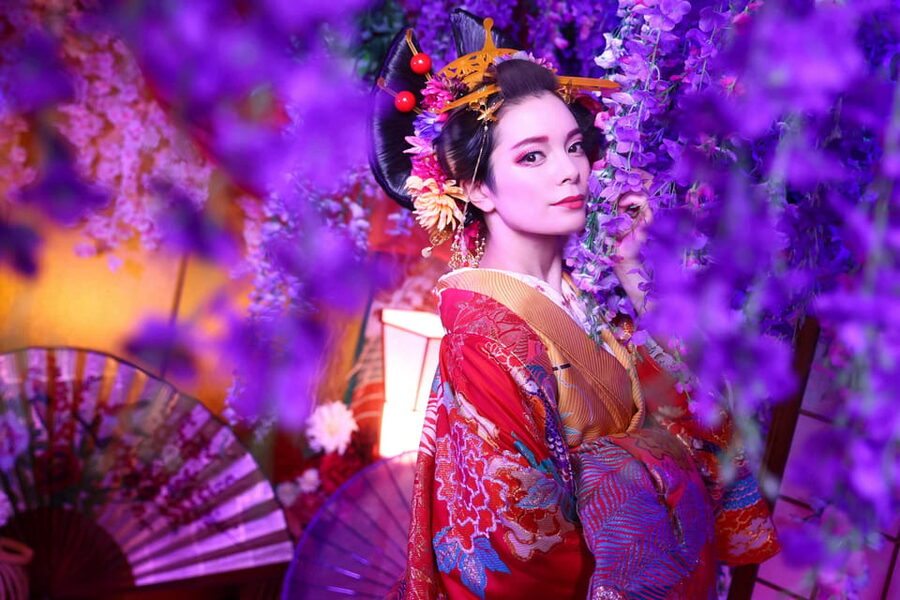
The most striking part of this Asakusa experience is the costume. You are not simply renting a kimono for a walk around town. You are dressed in a luxury oiran-style costume made for photographs, with studio hair, makeup, ornaments, props, and a photographer guiding every pose.
I like the private studio setting, which lets you change and pose without a public audience. I also like that all photo data is included, so you can print portraits or make a photo book after returning home. The main point to consider is the fixed appointment: late arrivals lose shooting time, and the session is not suitable for children under 15, pregnant women, wheelchair users, or anyone over 120 kilograms.
In This Review
- Key points at a glance
- Why this is different from ordinary kimono rental
- Finding IRODORI Photo Studio in Asakusa
- Choosing the kimono, ornaments, and props
- Hair and makeup with Yoko, Momoko, and the studio team
- Dressing in an authentic theater-style costume
- The private photo booth and pose coaching
- What you receive after the shoot
- Is $227 good value for 150 minutes?
- Who should book this Asakusa portrait session?
- Practical tips for a smooth appointment
- Should you book IRODORI Photo Studio?
- FAQ
- Where is IRODORI Photo Studio?
- How long does the activity last?
- What is included in the price?
- Are printed photographs included?
- Can I choose my kimono and hairstyle?
- How many props can each person bring?
- What languages are available?
- Who cannot take part?
Key points at a glance
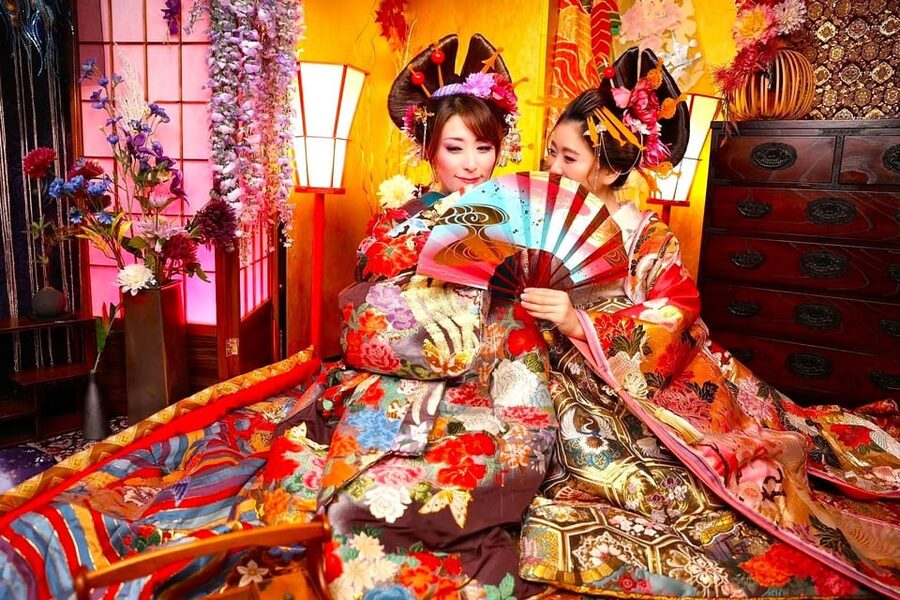
- Luxury oiran-style kimono: Wear elaborate costumes that are not offered through ordinary kimono rental shops in Asakusa.
- Private 150-minute session: The studio is reserved for your group, giving you a calm space for changing, styling, and photography.
- Hair and makeup shaped around you: Tell the staff your preferred look, hairstyle, makeup, costume, and accessories.
- Pose coaching included: The photographer guides you through different poses, useful if you have never had a studio portrait session.
- All digital images provided: You receive the full set of images taken during the session, though prints are not included.
- Easy Asakusa location: IRODORI Photo Studio is on the third floor beside the back of Richmond Hotel Premier Asakusa.
Why this is different from ordinary kimono rental
A standard kimono rental in Asakusa is built around walking the streets. You choose an outfit, have your hair arranged, and head out to visit temples, shops, and restaurants. That can be a fine way to spend a morning, but this session has a different purpose.
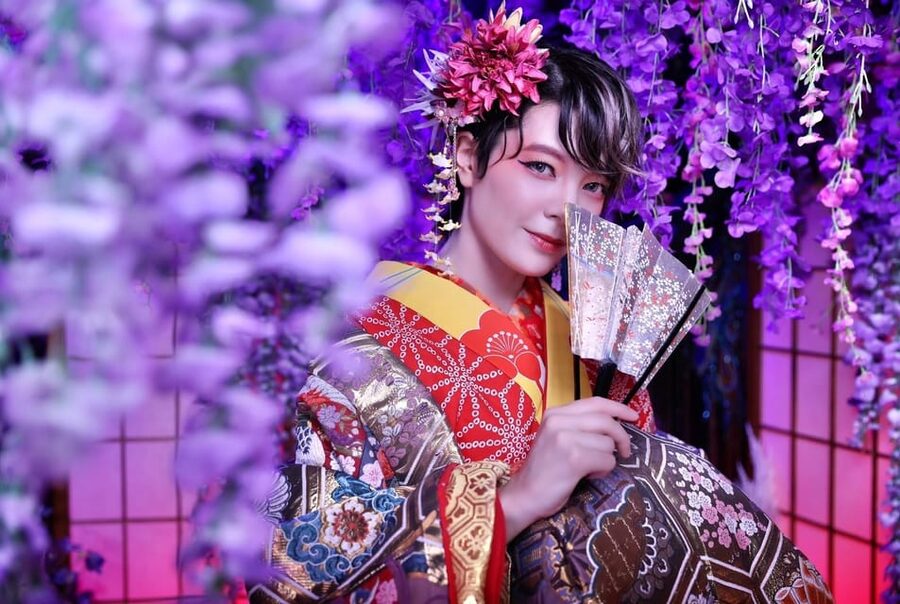
Here, the clothing is selected for dramatic studio portraits. The included oiran-style costumes are described as higher-end pieces that you cannot rent through regular town shops. The styling is also more complete, with professional hair and makeup designed to match the costume and the camera.
That distinction matters. If you want a casual souvenir photograph beside Senso-ji, a regular rental may cost less and give you more time outdoors. If you want a carefully styled portrait that feels like a special occasion, this private session offers far more control.
The experience is especially appealing for a birthday, anniversary, solo portrait, or a memorable trip with family. One parent brought a seven-year-old daughter and had a wonderful session, but the stated age rule says children under 15 are not suitable for this activity. Follow the official restriction when booking.
Other private tours in Tokyo
Finding IRODORI Photo Studio in Asakusa
The meeting point is IRODORI Photo Studio, on the third floor of the building beside the back of Richmond Hotel Premier Asakusa. The location is convenient if you are already spending time in Asakusa, and the planned flow allows you to sightsee in the neighborhood before your appointment.
The studio can be a little easy to miss if you rely only on the main hotel entrance. One person found the side door early while walking around Asakusa and was glad to know the exact access point before the appointment. I suggest arriving in the area early, locating the building, and then enjoying nearby sightseeing without watching the clock every few minutes.
You need to arrive at your reserved time. This is not a drop-in photo booth. Because another appointment may follow yours, late arrivals have their remaining time shortened. That rule is fair for a small studio, but it means you should allow extra time for finding the building.
The studio is on the third floor, and hotel pickup and drop-off are not included. Plan to make your own way there.
Choosing the kimono, ornaments, and props
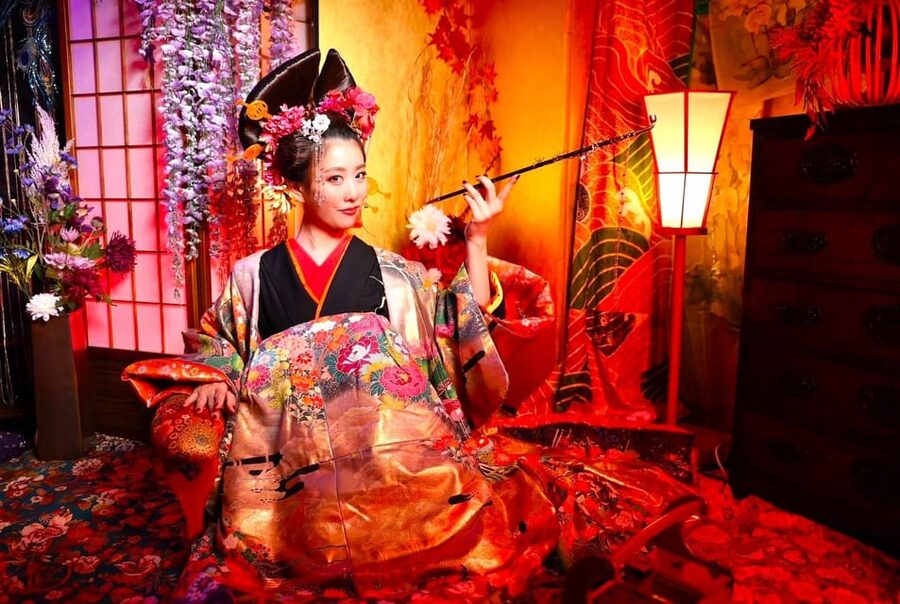
After reception, you explain what you want from the session. Tell the staff about your preferred costume, hairstyle, makeup, and overall mood. You then choose from a selection of elaborate kimonos, hair ornaments, and props.
This choice is one of the more personal parts of the appointment. You are not handed a standard outfit and sent straight to the dressing room. The staff can listen to your wishes and help shape the final appearance. The available costumes are intended for photography, so expect a more theatrical look than the understated cotton or silk kimono often worn for a daytime stroll.
Each person may bring a total of two props. That is useful if you have a meaningful item in mind, but there are clear limits. Character cosplay and goods that could create copyright problems are not allowed. Keep your choices simple and personal, and ask the studio if you are unsure about an item.
The costume selection may take some thought. Bold hair ornaments and elaborate kimono details can look wonderful under studio lighting, while a quieter choice may suit you better if you prefer a classic portrait. The staff can help you decide, but you should still arrive with a rough idea of the mood you want.
Hair and makeup with Yoko, Momoko, and the studio team
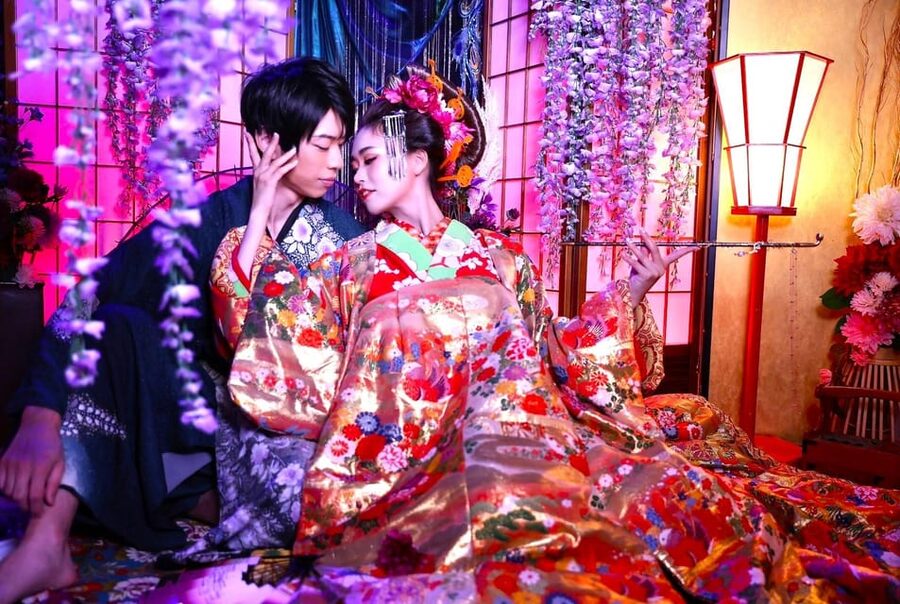
Once you have chosen the costume and accessories, the professional staff begin your hair and makeup. The process is designed around your wishes, and the staff can create a polished look to match the oiran-style clothing.
Names mentioned during recent sessions include Yoko and Momoko, along with Monika, Ginji, and another staff member named Yoko in one session. The team is described as friendly, patient, and careful, but the exact staff working on your appointment can vary. English and Japanese are available.
The makeup is more elaborate than everyday sightseeing makeup. One person specifically noted full makeup, false lashes, and an extravagant hairstyle. That gives you a sense of the finished style: this is meant to read clearly in a portrait, not simply look like a light touch-up before dinner.
A useful clothing tip is to wear a camisole if you are female, or an inner T-shirt with a wide collar if you are male. These layers make changing easier and help you feel more comfortable while being dressed. Avoid clothing that is difficult to remove or likely to disturb your hair once the styling is finished.
The hair and makeup portion also helps set the pace of the session. The 150 minutes cover reception, choosing your look, styling, dressing, photography, and image handover. You will want to be ready to cooperate with the staff rather than treating the appointment as a quick costume change.
Dressing in an authentic theater-style costume
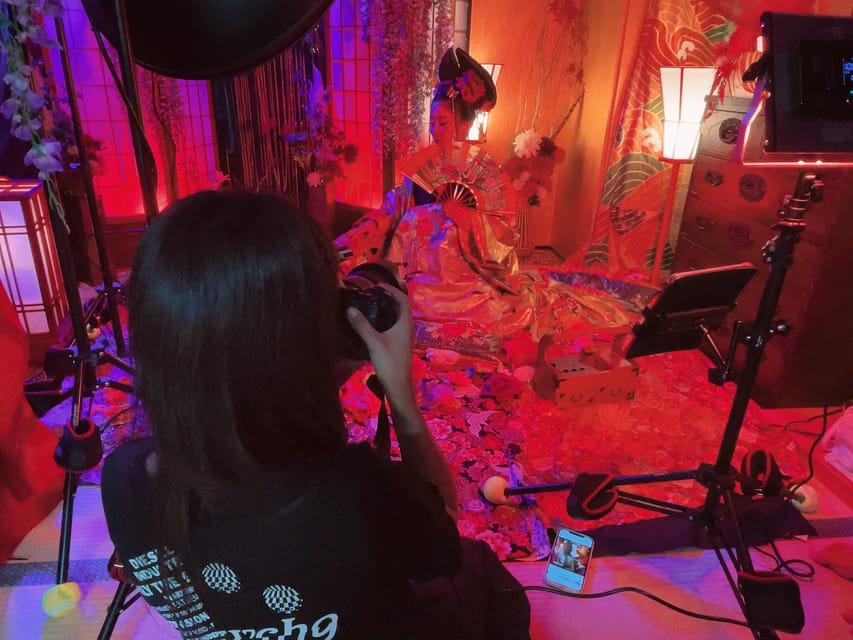
The staff dress you in the kimono after your makeup is complete. The costumes are described as authentic costumes used for theater performances, which helps explain their ornate appearance and why they are different from the outfits commonly available for street rental.
This is an important point for anyone who has never worn formal Japanese clothing. The finished costume may feel more like a stage portrait than a casual local outfit. That is part of the appeal, but it may not suit you if you want a restrained, everyday Japanese look.
The transformation is also why you should avoid planning a tight schedule immediately afterward. You may be able to continue sightseeing, but the session itself is the main event. Once you are fully dressed and styled, the photography begins, and changing back is part of the appointment’s timing.
A few more Tokyo tours and experiences worth a look



The private photo booth and pose coaching
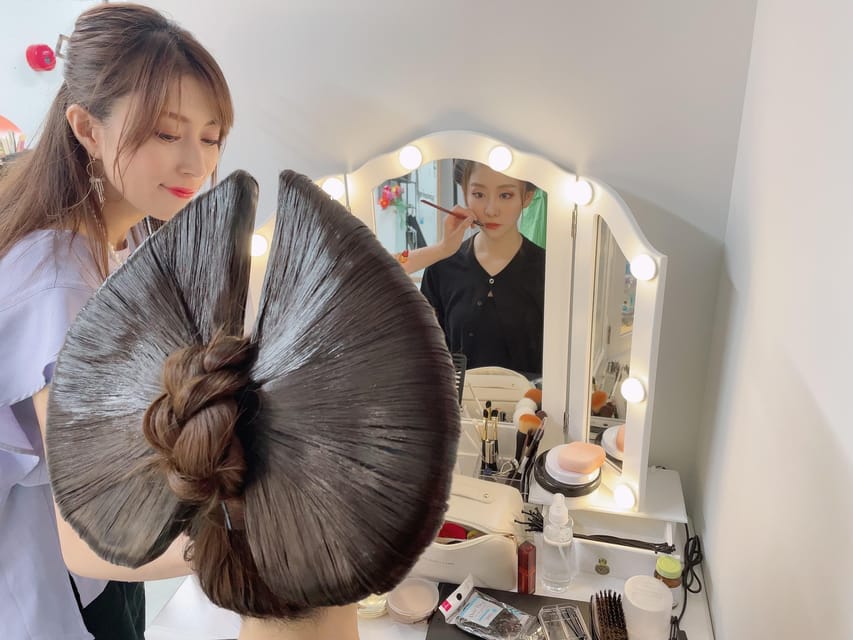
The photography takes place in a private photo studio. You pose in a special photo booth while the photographer gives advice and takes images in several styles. You do not need prior modeling experience.
This guidance is a real advantage. Many people freeze when a camera is pointed at them, especially in an elaborate costume. The photographer can show you how to position your hands, face, shoulders, and body, then adjust the session as different poses are captured.
The staff also encourage you during the shoot. That friendly coaching can make the difference between stiff passport-style pictures and portraits with some character. One person who had never done this kind of session found the pose instruction especially helpful.
The range of poses is another strong point. You are not limited to one formal position, and the finished set can include different expressions and styles. Families can also request photographs together, although the listed price is for a private group of up to one person, so check the booking details carefully if more than one person wants to be photographed.
Because the studio is private, you do not have to perform in front of strangers. That is valuable if you feel nervous about the costume or need a few minutes to settle into the role. It also makes the session a better choice for someone who wants a polished portrait without the distractions of a public street.
What you receive after the shoot
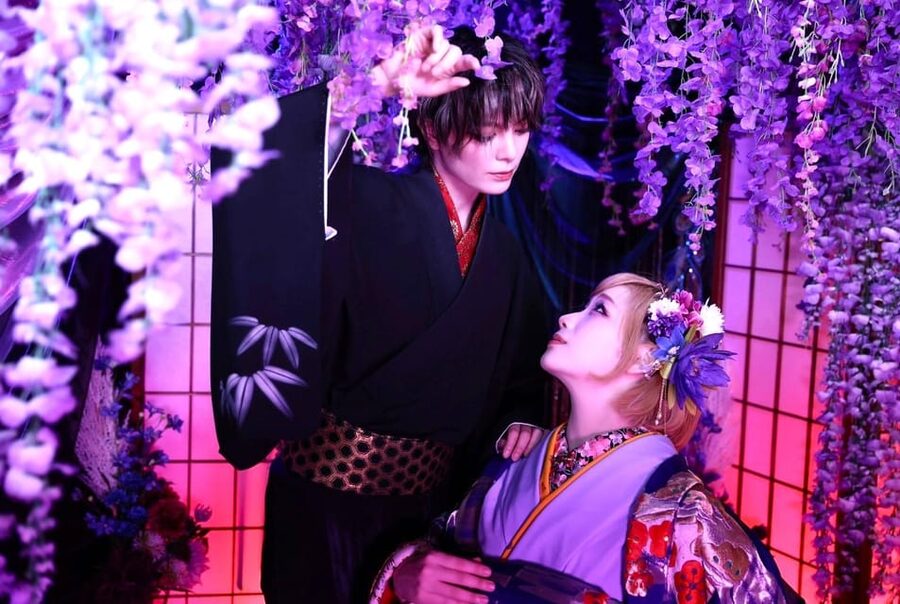
At the end of the appointment, the studio provides all image data from the photographs taken. This is included in the price. Photographic prints are not included, but you can use the digital files for printing after you return home.
That can improve the value of the session. A single studio print is a nice souvenir, but receiving the full image data gives you more choice. You can select favorites for a frame, share them with family, or order larger prints later. It also means you are not forced to decide on extra products before leaving Japan.
You should still clarify how the files are delivered if that matters to you, since the supplied details confirm delivery of all image data but do not specify the transfer method or resolution. The important point is that the digital photographs are part of the package rather than an optional add-on.
Is $227 good value for 150 minutes?
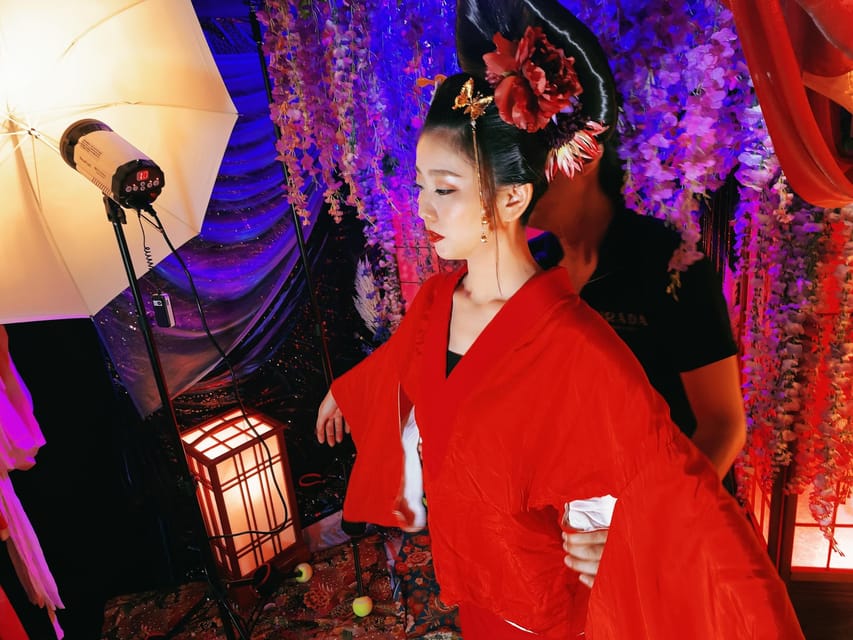
The listed price is $227 per group of up to one person. That makes this a premium solo portrait session, not a low-cost costume rental. You are paying for the private studio, professional hair and makeup, an elaborate kimono costume, dressing assistance, photography, pose coaching, and the full digital image set.
I think the value depends on what you want to take home. If your goal is simply to wear a kimono for an hour while exploring Asakusa, this is likely more than you need. A standard rental gives you outdoor time and may cost less.
If you want a finished portrait experience, the price is easier to justify. The costume is not an ordinary rental piece, the styling is handled by staff, and you do not need to pay separately for every digital image. For a birthday or once-in-a-lifetime trip, that package can make sense.
The price also buys privacy and convenience. You are not trying to manage a long kimono, hair ornaments, and makeup while walking through crowded streets. You arrive, get styled, take the portraits, and leave with the full set of images.
The unusual pricing format deserves attention. The stated rate is for a group up to one person, while one session described a couples package. If two people want to participate, confirm the correct package and cost before paying.
Who should book this Asakusa portrait session?
I would recommend it most strongly to adults and older teenagers who want a dramatic Japanese keepsake rather than a casual rental. It suits solo visitors particularly well, since the studio is private and the process is built around one person receiving full attention.
It is also a good choice for anyone who feels awkward in front of a camera. The photographer gives pose advice, and the staff help throughout the costume and styling stages. You do not need to arrive with a model’s confidence.
This also works for a special occasion. A birthday session was described as especially memorable, and couples have used the studio for a coordinated kimono shoot. Families may find it appealing too, but you must respect the stated age limit and verify the price for more than one participant.
I would think twice if you dislike heavy makeup, ornate costumes, or structured posing. The oiran style is intentionally theatrical. It is not the best match for someone seeking a plain, traditional street-kimono appearance.
The activity is not suitable for pregnant women, wheelchair users, children under 15, or people over 264 pounds, or 120 kilograms. Those restrictions should be treated as firm planning information, not minor footnotes.
Practical tips for a smooth appointment
Arrive early in Asakusa and find the side entrance before your time slot. The studio is beside the back of Richmond Hotel Premier Asakusa, on the third floor, but giving yourself a buffer prevents a rushed start.
Wear the recommended underlayer. A camisole or wide-collar inner T-shirt makes changing simpler and avoids unnecessary trouble with the costume.
Think about your desired look before you arrive. You can choose the outfit, ornaments, and props at the studio, but having a general preference for bold, elegant, cute, or dramatic styling will help the staff understand you quickly.
Bring no more than two props per person, and avoid character merchandise or cosplay items that may raise copyright concerns. The studio already has a selection of props, so you may not need to bring anything.
Keep your plans after the session flexible. The official duration is 150 minutes, and the appointment includes several stages rather than only the camera time. Hotel transportation is not included, so arrange your own route back to your accommodation or onward sightseeing.
Cancellation is free up to 24 hours in advance for a full refund. A reserve-now, pay-later option is also available, which can help if your Tokyo schedule is still changing.
Should you book IRODORI Photo Studio?
Book this if you want a polished, theatrical portrait and value the private setting, personal styling, and complete digital image set. The staff names most often associated with the sessions include Yoko and Momoko, and the available comments point to careful makeup, high-quality costumes, friendly help, and useful pose coaching.
Skip it if you mainly want to stroll around Asakusa in a simple kimono or prefer to spend $227 on several different sightseeing activities. This is a focused studio appointment, not a broad cultural tour.
For the right person, it creates a souvenir that a normal rental cannot. Arrive early, follow the clothing advice, allow the full 150 minutes, and confirm the booking price if more than one person will participate.
FAQ
Where is IRODORI Photo Studio?
The studio is on the third floor of the building next to the back of Richmond Hotel Premier Asakusa in Asakusa, Tokyo.
How long does the activity last?
The scheduled duration is 150 minutes, including styling, dressing, photography, and delivery of the image data.
What is included in the price?
The package includes professional hair and makeup, a luxury oiran-style kimono costume for photography, private studio photography, and all photo data taken during the session.
Are printed photographs included?
No. Photographic prints are not included, but all digital image data from the session is provided.
Can I choose my kimono and hairstyle?
Yes. You can tell the staff your preferred outfit, hairstyle, makeup, and overall look, then choose from the available costumes, hair ornaments, and props.
How many props can each person bring?
Each person may bring a total of two props. Character cosplay and goods that could cause copyright issues are not permitted.
What languages are available?
The activity is offered in Japanese and English.
Who cannot take part?
The activity is not suitable for children under 15, pregnant women, wheelchair users, or people weighing more than 120 kilograms, or 264 pounds.
More Photography Tours in Tokyo
More VIP Experiences in Tokyo
More Private Tours in Tokyo
More tours in Tokyo we've reviewed

VIP, compared.
 ★ 4.7Tokyo:Luxury Sumo Show Experience & Japanese cuisine & DrinkFrom $1032 hours
 ★ 4.9From Tokyo: Mt Fuji Private Day Tour In Luxury Land CruiserFrom $32910 hours - 1 day
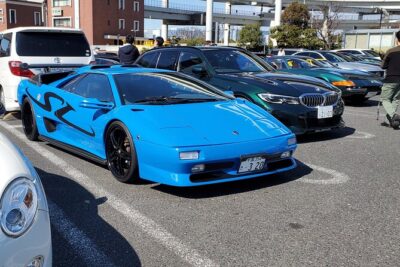 ★ 4.5Luxury van Ride to famous car meet up spot DaikokuFrom $72
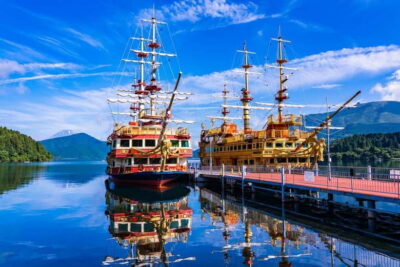 ★ 4.5Tokyo: Mt. Fuji 5th St, Gotemba & Hakone by Luxury BusFrom $9312 hours
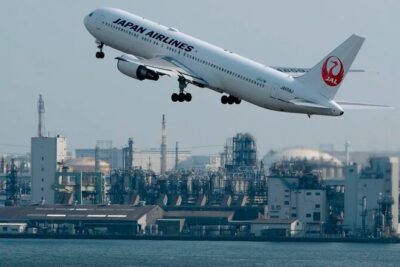 ★ 4.5Haneda Airport Private Transfer – Luxury Car & Meet & GreetFrom $86
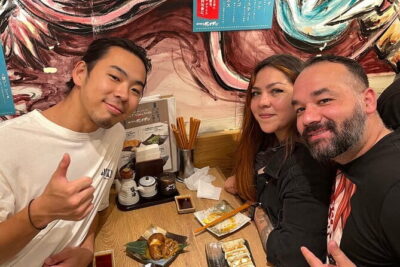 ★ 5.0Tokyo VIP Hidden Food & Bar Night – Private Local ExperienceFrom $254