
Reviewed · MT FUJI DAY TRIPS
Tokyo: Mt. Fuji Tour, Hakone Ropeway, Owakudani, Lake Ashi
The best thing about this day trip is its range: in one long sweep from Tokyo, you get a lakeside shrine, a volcanic valley, a ropeway ride, snowmelt ponds, and several chances to see Mt. Fuji. I like the efficient transport and the way the route links Hakone with the quieter Fuji Five Lakes area, places that are awkward to combine on your own.
I also like the guides, who set clear meeting times and often help with photographs. Guides named Jack, Kousei, Tom, Sato, and Andrew receive especially warm praise for keeping large groups together and explaining the stops. The tradeoff is a packed day: lunch may come late, stop times can shrink in traffic, and Fuji itself is never guaranteed.
In This Review
- Key points at a glance
- Is this the right Mt. Fuji day trip from Tokyo?
- Two hours south from Tokyo
- Hakone Shrine and the Heiwa no Torii
- The optional pirate ship across Lake Ashi
- Above Hakone on the ropeway
- Owakudani’s volcanic valley and black eggs
- Swan Lake Shore at Lake Yamanaka
- Lunch, with a late start possible
- Oshino Hakkai and the eight clear ponds
- The real cost of a packed schedule
- Fuji weather, seasonal closures, and what to pack
- Who should book this day trip?
- Should you book the Mt. Fuji and Hakone tour?
- FAQ
- How long does the tour last?
- Where does the tour start?
- How early should I arrive?
- Is the Hakone pirate ship included?
- Is the Hakone Ropeway included?
- Is lunch included?
- Is Mt. Fuji guaranteed to be visible?
- Is the tour suitable for people with mobility or respiratory issues?
Key points at a glance
- Lake Ashi begins the sightseeing: See Hakone Shrine and its red Heiwa no Torii gate, set in the water.
- The ropeway is included: Ride above Hakone’s volcanic valleys toward Owakudani without paying an extra fare.
- The pirate ship costs extra: The 25-minute cruise is optional and costs about 1,700 JPY.
- Owakudani is the unusual stop: See steaming volcanic ground and try black eggs boiled in hot spring water.
- Oshino Hakkai brings the Fuji finish: Eight clear ponds are fed by Mt. Fuji snowmelt.
- Plan for a long day: The tour lasts about 10 hours, with roughly two hours by bus each way.
Is this the right Mt. Fuji day trip from Tokyo?
At $54 per person, this is a strong value if you want a broad taste of the Hakone and Fuji areas without arranging several train, bus, boat, and cable car connections. The price includes air-conditioned transport, the guide, driver, parking, and the Hakone Ropeway fare. That last item matters, since the ropeway alone costs 1,000 JPY if it closes and a refund is requested.
You still need to budget for food and the optional pirate ship. The cruise costs around 1,700 JPY, paid locally. Add lunch, drinks, and small purchases such as Owakudani’s black eggs, and the day costs more than the headline price.
I would choose this tour for a first visit to the region, especially if you have only one free day from Tokyo. It is less suitable if you want a slow shrine visit, a long meal, or a quiet walk beside Lake Ashi. This is a sightseeing sampler, not a relaxed Hakone retreat.
The tour normally meets at Tokyo Station or Shinjuku Station, with the exact point depending on the option you book. The supplied meeting details refer to STAND T near Tokyo MODE Gakuen. Arrive at least 15 minutes early, and look for staff in yellow vests. The area can be confusing because several tour groups gather there, so do not rely on arriving at the last minute.
A few more Tokyo tours and experiences worth a look
Two hours south from Tokyo
The bus ride takes about two hours each way. That is the price of covering so much ground in one day, and traffic can make the return later than planned. I would not schedule a dinner reservation, theater show, or other fixed activity immediately after drop-off.
The vehicle is air-conditioned, and smoking is not allowed. Food is also not allowed on the bus, which makes breakfast important. One useful routine is to eat before meeting the group and carry water and snacks for stops. A past departure did not reach lunch until after 2:15 p.m., while another person noted that the first stop came around 10:30 a.m. The exact timing can shift, but the lesson is steady: do not board hungry.
The tour is shared and multilingual, with English, Chinese, Japanese, and Korean language options listed. Guide quality can vary by departure, but the strongest praise centers on clear instructions, friendly energy, and help with photos. Jack is often singled out for his English and organization. Kousei is praised for taking photos and watching out for the group. Tom and Sato are also described as warm and helpful.
Hakone Shrine and the Heiwa no Torii
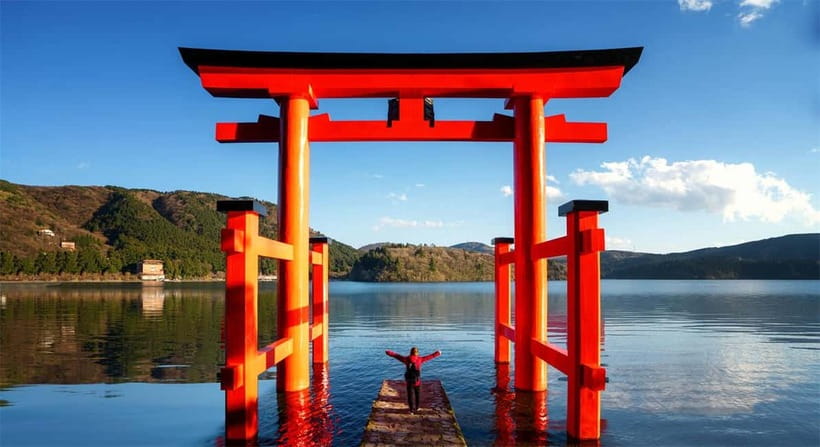
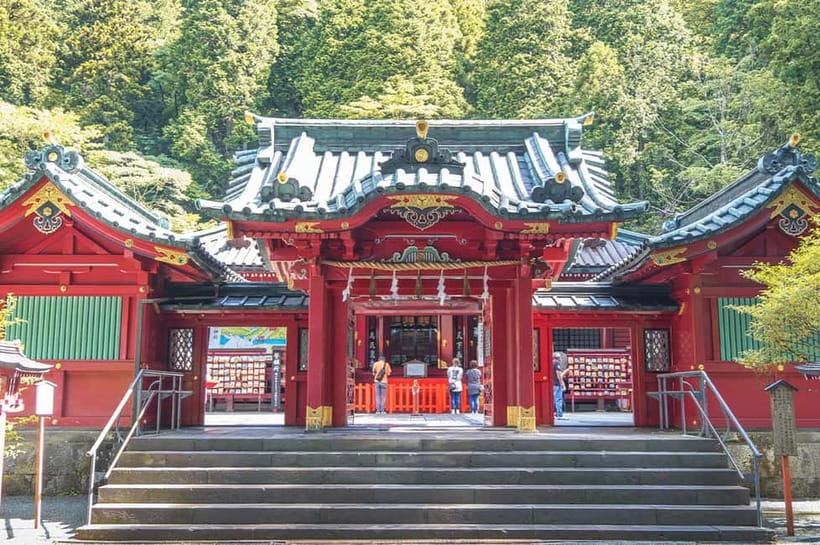
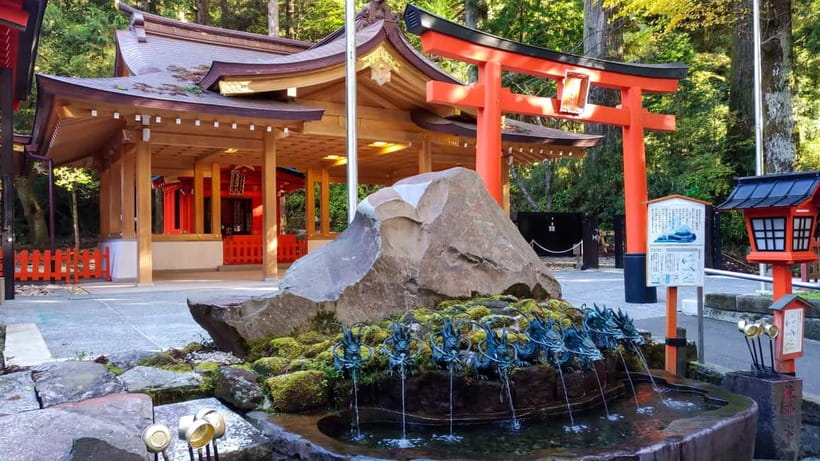
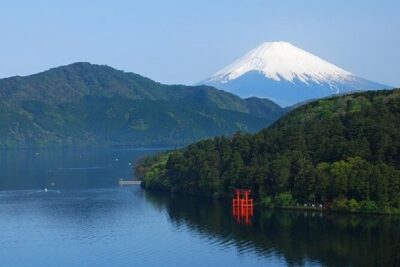
The first major stop is Hakone Shrine, founded in 757. Its forest setting and quiet religious atmosphere give the busy day a good opening. The main photo is the red Heiwa no Torii, or Peace Gate, rising from Lake Ashi.
You get about 20 minutes at the shrine, plus about 20 minutes around the gate and lake area. That is enough for a quick look and photographs, but not a full shrine visit. If the gate is open, expect people to line up for the classic picture. You may still find good views from nearby trees and the lakeshore without waiting for the front position.
There is an important seasonal restriction: the Torii gate is scheduled to be closed from December 28 through February 10, 2026. The shrine itself remains part of the stop, but you should not book this route during that period expecting the usual water-level Torii photograph.
Lake Ashi is one of the day’s most attractive settings, with wooded slopes, open water, and possible views toward Fuji. The word possible matters. Clouds can hide the mountain, even when the lake and shrine are perfectly enjoyable.
The optional pirate ship across Lake Ashi
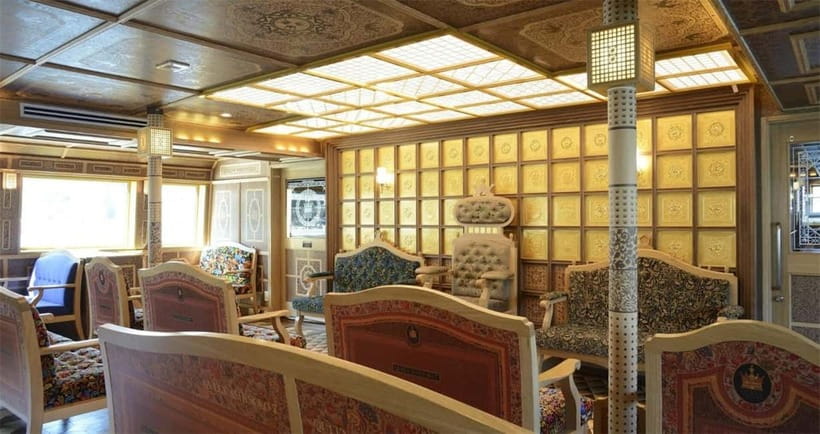
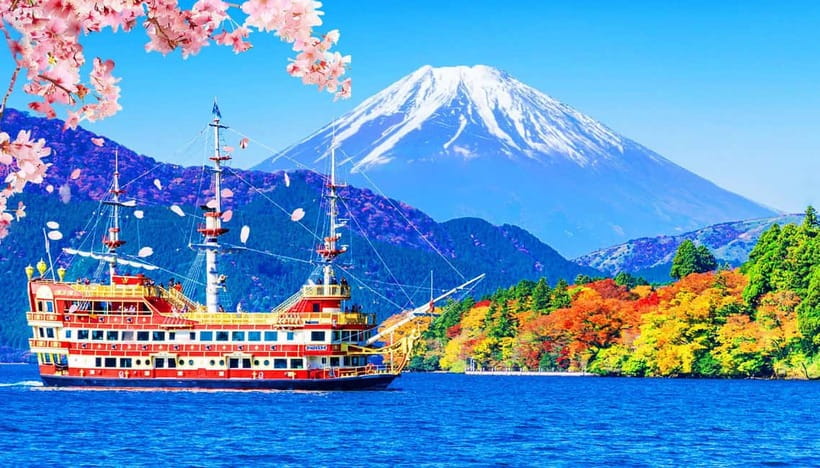
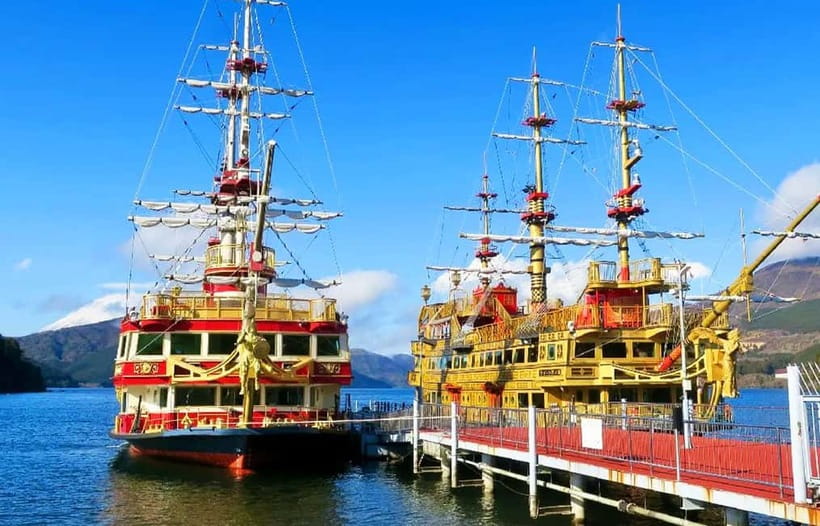
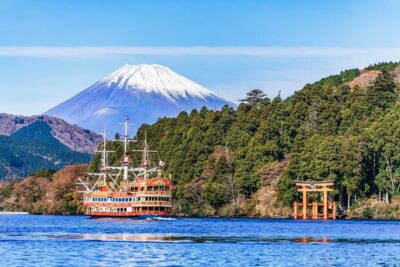
The Hakone sightseeing cruise takes about 25 minutes. The themed vessels include Royal II, Victory, and Queen Ashinoko, all styled like large pirate ships. It is a playful contrast to the solemn shrine, and the water gives you a different angle on the Torii gate, surrounding hills, and Mt. Fuji when the sky is clear.
The cruise is optional and self-paid at about 1,700 JPY. If you skip it, the group travels by vehicle toward Togendai Ropeway Station. That flexibility is useful if the boat line is long or the weather is poor.
I would pay for the cruise on a clear day if the line is reasonable. The open views from the lake are part of the appeal, and one clear-weather departure found the ship well worth the extra cost. I would think twice in thick cloud or rain, especially since one unhappy departure paid for the boat but saw almost nothing because of bad weather. Ask the guide how the timing and visibility look before committing, and keep in mind that the fare may not be refundable simply because Fuji is hidden.
Above Hakone on the ropeway
The Hakone Ropeway is included, and the ride itself lasts about 30 minutes. It is one of the tour’s best value points because you get a moving view over Hakone’s steep terrain and volcanic areas instead of seeing them only from a road.
The route brings you toward Owakudani, with views that can include Lake Ashi and Mt. Fuji. On a clear day, this is a fine place for wide photographs. On a cloudy day, the ride still provides a sense of Hakone’s height and rugged volcanic setting, but the big Fuji view may vanish.
Bad weather or maintenance can close the ropeway. If that happens, the supplied information says you can email for a 1,000 JPY per person ticket refund. The overall itinerary may also change because of weather, traffic, queues, or driver-hour limits. Japanese drivers are limited to 10 working hours in a day, so the guide may shorten or remove a later stop if delays build up.
A few more Tokyo tours and experiences worth a look

Owakudani’s volcanic valley and black eggs
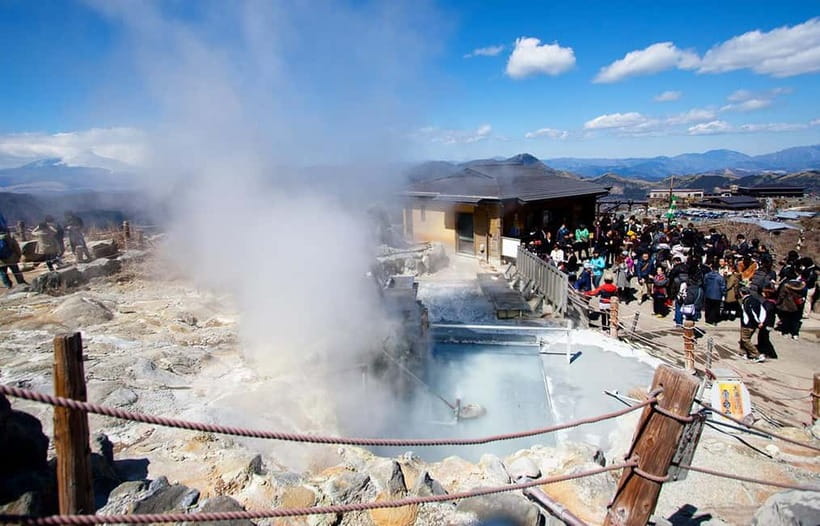
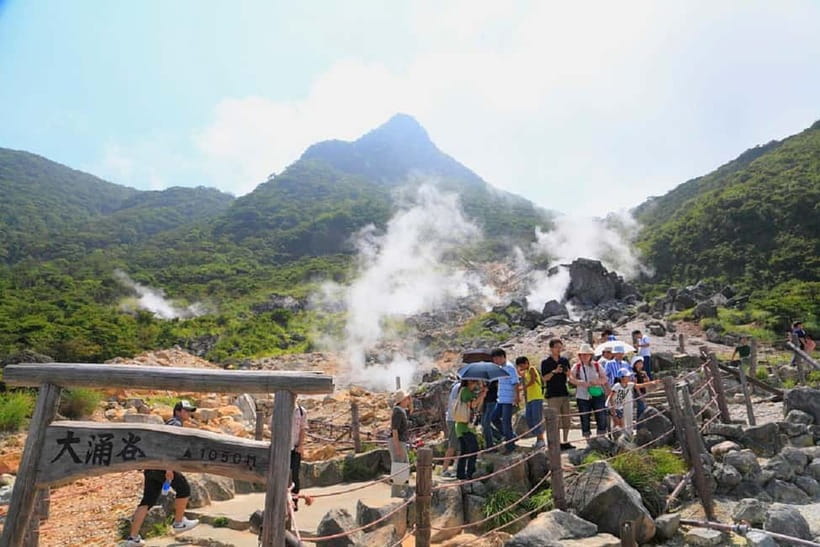
Owakudani was formed by a major eruption of Mt. Hakone about 4,000 years ago. This is the most unusual stop on the route. Rather than a polished sightseeing district, you get a place shaped by active geothermal forces, with volcanic steam and the smell of sulfur in the air.
You have about 50 minutes here. That gives you time to look around, take photos, and sample the famous black eggs. They are boiled in volcanic spring water, which darkens the shells. The eggs are a small purchase, but they are exactly the kind of local specialty that makes a quick stop memorable.
People with respiratory issues should avoid this tour, according to the activity restrictions. The volcanic air and walking conditions may be uncomfortable. Comfortable shoes are also important because the day includes several short walks, stairs, boarding areas, and outdoor viewpoints.
Owakudani can get crowded, and the facilities are built around a popular attraction rather than a long peaceful walk. Treat it as a focused stop: see the valley, buy an egg if you like, and return on time.
Swan Lake Shore at Lake Yamanaka
After Hakone, the route crosses to Lake Yamanaka, one of the Fuji Five Lakes. The stop at Swan Lake Shore lasts about 20 minutes and is mainly for photographs and free time.
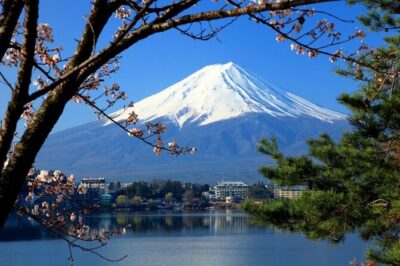
The lake is known for its swans, which can appear near the shore. With clear weather, you can frame a swan, the water, and Mt. Fuji in one picture. This is a gentler change after the volcanic valley and ropeway.
Do not expect a long lakeside visit. A departure running behind schedule skipped swan feeding and another had only a few minutes at the final stop because some people did not return on time. Stay close to the meeting point and watch the clock. On a tightly planned shared tour, one late group member can affect everyone’s time.
Lunch, with a late start possible
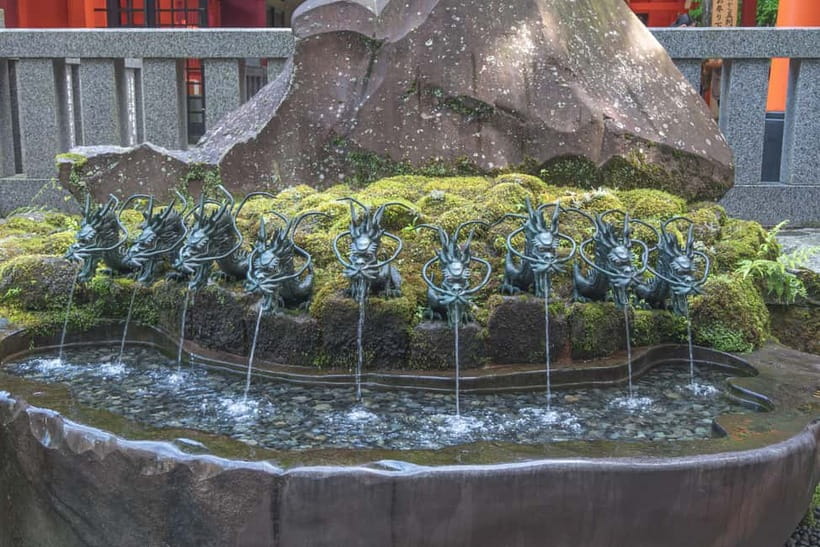
Lunch is not included in the $54 price. The itinerary allows about 40 minutes at a local restaurant, and the guide may suggest where to eat. Some people enjoyed the food and considered it good value, while another found the restaurant cold. The quality and exact menu are not fixed in the supplied details, so treat lunch as practical rather than a central feature.
The timing is more important than the setting. Since food cannot be eaten on the bus, bring breakfast or snacks. On some days, lunch has been scheduled well into the afternoon. If you need an early meal, eat before departure and carry water.
A later lunch can be worthwhile if it protects time at the main scenic stops, but it is tiring after an early start. Families, anyone with dietary needs, and people who dislike set meal stops should plan ahead.
Oshino Hakkai and the eight clear ponds
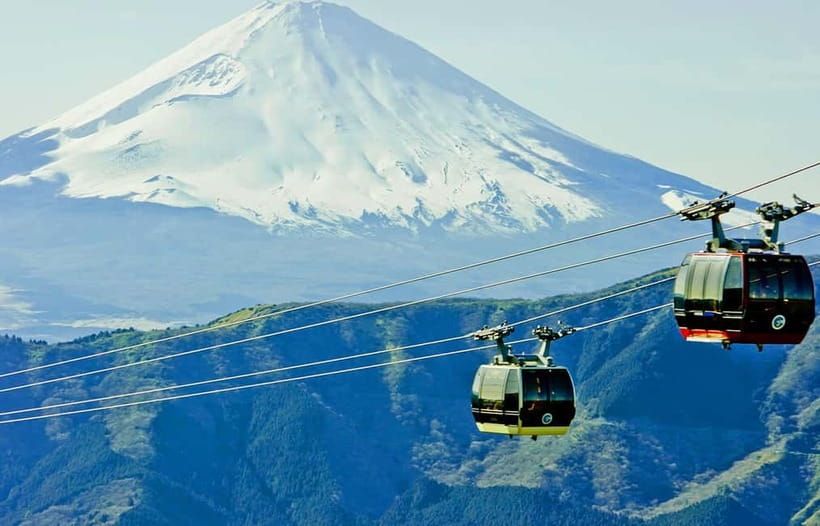
The last major sightseeing stop is Oshino Hakkai, a small scenic area formed by eight ponds fed by Mt. Fuji’s snowmelt. The water is known for its clarity, and the ponds can reflect the mountain when conditions cooperate.
You get about 40 minutes here. That is enough to photograph the ponds, walk around the compact area, and look for local snacks or drinks. The village feel is different from Hakone’s lake and Owakudani’s volcanic ground, which gives the day a useful change of pace.
This is also one of the best places to see Fuji at a more traditional distance. Again, weather controls the result. The tour cannot promise a clear mountain, and even a sunny morning can turn cloudy later. I would still value Oshino Hakkai for the ponds and water, not only for the Fuji photograph.
The real cost of a packed schedule
The tour’s strongest feature is also its main limitation. You cover a great deal in 10 hours, but each stop comes with a firm return time. The guide’s job is less about leading a long walk and more about moving a shared group through a complicated day.
That organization receives strong praise from people who appreciated clear instructions and guides who called or searched when someone was missing at the meeting point. Jack, Kousei, Tom, Sato, Andrew, and others are praised for keeping the mood positive while explaining where to go and when to return.
Large groups can make the first meeting point chaotic. Bus comfort can also be an issue, especially when assigned seating leaves little personal space. The vehicle is described as comfortable and air-conditioned in the inclusions, but one person found the bus uncomfortable. I would bring a light layer, water, and a small cushion only if you have room.
Use every free minute wisely. Take the classic photograph, then explore a few steps beyond the obvious queue. Do not spend the whole stop waiting for one perfect picture if the guide has given a firm departure time.
Fuji weather, seasonal closures, and what to pack
Mt. Fuji visibility depends on weather and is not guaranteed. Clear winter days can produce wonderful views, as several February departures did, but good conditions are luck rather than a promise. Clouds, rain, or haze can remove the mountain from every photo while the rest of the tour continues.
Bring:
- Comfortable walking shoes
- Water and snacks
- A camera or phone with spare battery
- Weather-appropriate clothing
- Breakfast eaten before the meeting point
The Torii gate closure from December 28 to February 10, 2026 is the key seasonal warning. The ropeway may also close for weather or maintenance. Traffic and peak-season queues can change the order of stops, shorten visits, or delay your return.
Free cancellation is available up to 24 hours before departure, and you can reserve now and pay later. Those policies help if your Tokyo plans are still moving, but they do not solve the weather issue on the day itself.
Who should book this day trip?
I would book it if you want to see several major sights in one outing and prefer a guide and bus to a complicated independent route. It suits first-time visitors, photographers who want many Fuji viewpoints, and anyone with only one day available outside Tokyo.
It also suits people who enjoy variety more than depth. In a single day, you see a shrine, lake, boat, cable car, volcano, swans, ponds, and village scenery. That is a lot for $54 before lunch and the optional cruise.
I would skip it if you have mobility limitations, respiratory problems, or a strong need for flexible meal times. I would also choose a slower Hakone stay if your priority is hot springs, long shrine visits, or quiet walks. The shared format means you must accept the group’s pace.
Should you book the Mt. Fuji and Hakone tour?
Yes, if you want an efficient first look at Mt. Fuji’s surrounding region and can handle an early, full day. The included ropeway and transport make the price attractive, while Lake Ashi, Owakudani, and Oshino Hakkai give you distinct experiences rather than three similar viewpoints.
Book with realistic expectations. Fuji may hide, lunch may be late, the pirate ship costs extra, and traffic may cut the final stop short. Eat breakfast, arrive early, keep your camera ready, and listen closely when guides such as Jack, Kousei, Tom, or Sato give the return time. For a broad, well-organized escape from Tokyo, this is a sensible choice.
FAQ
How long does the tour last?
The tour lasts about 10 hours, including transportation from Tokyo and the return journey. Traffic, weather, queues, and other conditions can make the day longer or cause the guide to adjust the schedule.
Where does the tour start?
There are two designated starting options, associated with Tokyo Station and Shinjuku Station. The exact meeting point may vary depending on the option booked. The supplied details refer to STAND T near Tokyo MODE Gakuen.
How early should I arrive?
Arrive at least 15 minutes before departure. Staff wearing yellow vests will be at the meeting point, and the tour sends guide and driver details the evening before. Check your inbox and spam folder.
Is the Hakone pirate ship included?
No. The pirate ship cruise is optional and costs around 1,700 JPY, paid separately. If you skip it, transportation by vehicle to the Togendai Ropeway Station is available.
Is the Hakone Ropeway included?
Yes. The Hakone Ropeway fare is included in the tour price. It may close because of bad weather or maintenance, and the supplied information says to email about a 1,000 JPY per person ticket refund if it closes.
Is lunch included?
No. Food and drinks are not included. You may bring snacks, buy food at the attractions, or eat at a restaurant suggested by the guide.
Is Mt. Fuji guaranteed to be visible?
No. Mt. Fuji visibility depends on the weather and is not guaranteed. Traffic and weather can also change the order of stops or remove some stops from the day.
Is the tour suitable for people with mobility or respiratory issues?
The activity is not suitable for people with mobility impairments or respiratory issues. Comfortable shoes are recommended for the walking portions, and Owakudani’s volcanic conditions may be uncomfortable for people with breathing problems.
More Hakone Day Trips in Tokyo
More Mt Fuji Day Trips in Tokyo
More tours in Tokyo we've reviewed



Mt Fuji Day Trips, compared.
 ★ 5.0Mt Fuji and Hakone 1-Day Bus Tour Return by Bullet TrainFrom $163
 ★ 4.0Mt Fuji & Hakone Cruise, Drum Show Bullet Train 1 Day from TokyoFrom $149
 ★ 4.4Tokyo Mt Fuji 5th St & Hakone Cruise Bus Tour w/Bullet TrainFrom $15410 hours
 ★ 4.5From Tokyo: Mount Fuji Full-Day Sightseeing TripFrom $6810 hours
 ★ 4.4Tokyo:Mt.Fuji,Kawaguchiko Oishi Park,Arakurayama Sengen ParkFrom $5410 hours
 ★ 4.2Tokyo: Mt. Fuji 5th Station & Hakone Cruise 1-Day Bus TourFrom $12911 hours