
Reviewed · UENO & YANAKA WALKS
Yanaka Historical Walking Tour in Tokyo’s Old Town
Yanaka gives you a side of Tokyo that neon districts cannot. On this 3.5-hour walk, you pass Nezu Shrine’s red torii gates, quiet residential lanes, Buddhist cemeteries, small shops, and the old-fashioned Yanaka Ginza shopping street. It is Tokyo at a slower pace, with room to notice how people live between the big sights.
I like two things here. First, the small group, capped at seven, makes it easy to ask questions and follow a guide through narrow back streets. Second, the tour mixes culture with hands-on fun: you sample local foods, then paint a ceramic lucky cat while resting in an old Japanese house cafe. The main drawback is that the food tastings are not a full lunch, so eat beforehand and expect a fair amount of walking.
In This Review
- Key points at a glance
- Why Yanaka feels unlike central Tokyo
- Starting at Nezu Shrine and its red torii gates
- Walking Yanaka’s residential lanes
- Painting a lucky cat at Cafe Neko-e-mon
- Finishing on Yanaka Ginza’s shopping street
- What the $81.26 price really buys you
- Pace, weather, and practical planning
- Who should choose this walk
- Should you book the Yanaka Historical Walking Tour?
- FAQ
- How long is the Yanaka Historical Walking Tour?
- Where does the tour begin?
- What time does the tour start?
- Where does the tour end?
- Is lunch included?
- How large is the group?
- Can I cancel for a refund?
Key points at a glance
- Nezu Shrine’s torii gates: Begin beneath a line of red arches and learn about Shinto customs in one of Tokyo’s most atmospheric shrines.
- Local Yanaka lanes: Walk beyond the main road to see traditional homes, small businesses, temples, and a quieter side of daily Tokyo life.
- Food tasting, not a full meal: Try several local snacks, but have lunch before the 1:30 pm start.
- Lucky-cat painting: Spend about an hour at Cafe Neko-e-mon, painting a maneki-neko souvenir with a dessert and drink.
- Small-group format: With no more than seven people, the pace feels personal and questions are easier to handle.
- Yanaka Ginza finish: End at a nostalgic shopping street with more street food and time to browse.
Why Yanaka feels unlike central Tokyo
Tokyo can feel like a city built for speed. Trains arrive on time, crowds move briskly, and tall buildings fill the view. Yanaka offers a welcome change. It is an old-town district where the streets are narrower, the buildings are lower, and the pace is gentler.
This walk is useful because Yanaka is easy to pass through without understanding. You could visit Yanaka Ginza alone, take a few photos, buy a snack, and leave. With a local guide, the lanes become more than a pleasant backdrop. You get context about local customs, architecture, religion, food, and ordinary routines.
The tour also gives you a look at several sides of the neighborhood. Nezu Shrine introduces Shinto practice. Yanaka’s residential lanes show everyday life. The cafe offers a creative break. Yanaka Ginza brings you into the social world of small shops and street food.
I would choose this outing after spending time in Tokyo’s busiest areas. It does not try to compete with the Imperial Palace, Senso-ji, or the city’s major museums. Instead, it helps you understand the quieter neighborhoods that make Tokyo feel like a collection of villages stitched into one huge city.
A few more Tokyo tours and experiences worth a look
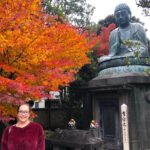
Starting at Nezu Shrine and its red torii gates
Meet your guide at 1-chome-3-7 Nezu near Nezu Station at 1:30 pm. The start is convenient by public transport, but arrive early. This tour leaves on time, and you cannot join later or receive a refund if you miss the group.
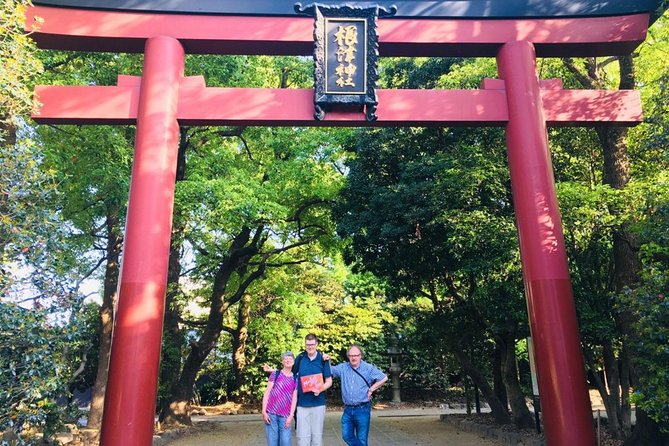
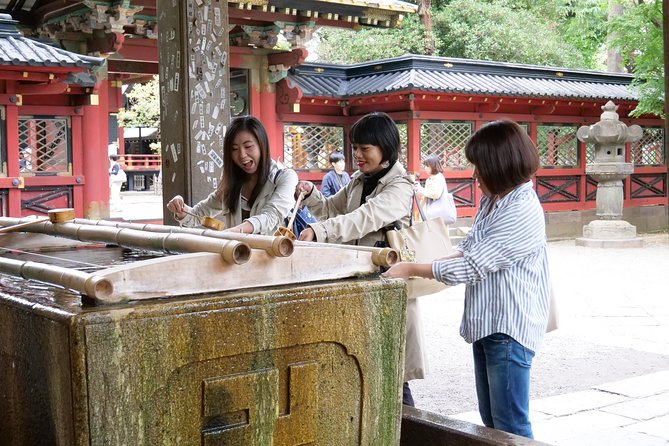
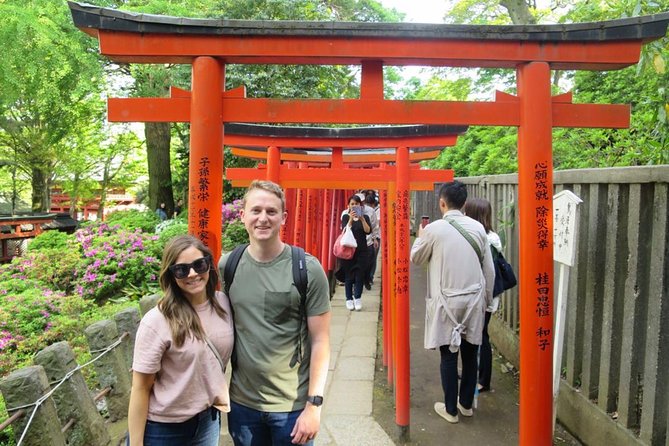
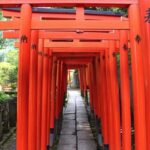
Nezu Shrine is the first stop, with about 30 minutes set aside. The shrine is known for its continuous red torii gates, which recall the famous gates at Fushimi Inari Shrine in Kyoto. You do not need to travel to Kyoto to get a taste of that visual effect.
The gates create a strong entrance into the shrine grounds. Red arches frame the path and give the place a sense of moving from an ordinary city street into a sacred setting. Your guide explains the Shinto side of Japanese culture and helps you understand what you are seeing, rather than treating the shrine as just a photo stop.
That explanation matters. Shinto shrines have customs and symbols that can be easy to miss, especially if you are unfamiliar with Japanese religious traditions. The tour gives you a chance to ask direct questions about the shrine and the way it fits into local life.
The stop is free, and the walking is manageable. Still, this is an outdoor tour, so the weather affects your comfort from the start. Tokyo summers can reach 40°C, while winter temperatures can fall as low as -5°C. Wear shoes you can walk in and dress for the forecast.
Walking Yanaka’s residential lanes
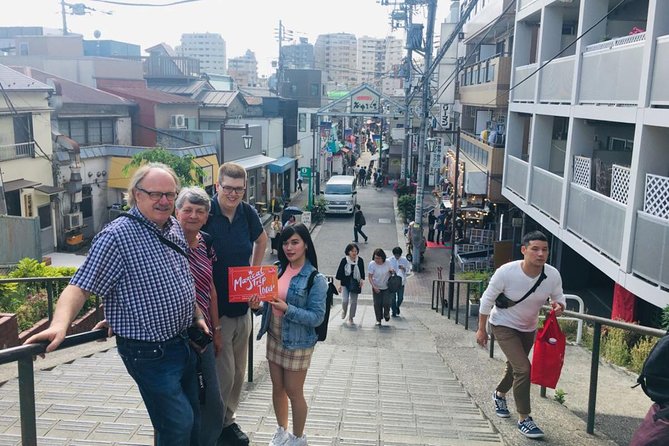
After Nezu Shrine, the route moves into Yanaka for about an hour. This is the part I would value most if I wanted to see Tokyo beyond its headline sights.
You walk through residential streets where traditional houses, modest shops, temples, and Buddhist cemeteries appear alongside modern city life. The route can include quiet back streets that are easy to overlook if you are following only a map or guidebook.
The guide’s local perspective is important here. Guides such as Aoi, Hana, Hina, Nao, Chihiro, and Kazu have led versions of this experience, and the strongest guide moments come from personal explanation rather than a memorized speech. Nao, for example, has shared family history connected with World War II. Other guides have focused on local foods, architecture, religious customs, and the habits of people in Yanaka.
You should expect conversation and questions. The small group makes this easier than a large bus tour or a crowded city walk. On some departures, the group may be as small as two people, which can make the afternoon feel close to a private tour without the private-tour price.
The route also shows why Yanaka is often called an artisan neighborhood. The area has small shops and long-running local businesses, though the exact stops can vary. You might see workspaces, traditional facades, or small stores that are more interesting because they are part of a living neighborhood rather than a staged historical display.
Food tastings are included during the walk. These samples help connect the neighborhood to everyday Japanese eating habits, but keep your expectations in check. You are not being served a complete lunch or dinner. Have a meal before the tour, then treat the tastings as a series of small discoveries.
Dietary needs require planning. Tell the operator at least one day ahead about allergies or restrictions. Requests made on the day cannot be handled, allergy-free food cannot be guaranteed, and substitutions may not always be possible. The operator will try to make up for missed items at other stops, but you should not book this as a food tour if strict dietary control is essential.
The route may also pass by the Nezu Museum. It is a passing point rather than a museum visit, so do not expect admission or time inside the galleries.
Painting a lucky cat at Cafe Neko-e-mon
Cafe Neko-e-mon provides the tour’s most unusual stop. You spend about an hour in an old Japanese house cafe, enjoying a drink and dessert while painting a ceramic lucky cat.
The lucky cat, or maneki-neko, is a familiar Japanese symbol of welcome and good fortune. Painting one gives you something more personal than a mass-produced souvenir. You can take home a small object tied to the afternoon, and the activity provides a quiet pause after the first stretch of walking.
I like the balance here. You are not expected to spend 3.5 hours listening while the guide talks. You move through the neighborhood, stop for food, then sit down and make something. Several guide pairings have made this activity a relaxed highlight, particularly for people who enjoy crafts or want a break from sightseeing.
The cafe stop is also practical. It gives your legs time to rest and brings the group together in a calm setting. The drink and dessert are included, as is the painting activity.
Do not expect a formal art class or a large studio session. The appeal is the simple experience of painting a cat in a traditional-style house while chatting with your guide. If you prefer nonstop sightseeing, this hour may feel long. If you like hands-on activities and small souvenirs, it adds real value.
Finishing on Yanaka Ginza’s shopping street
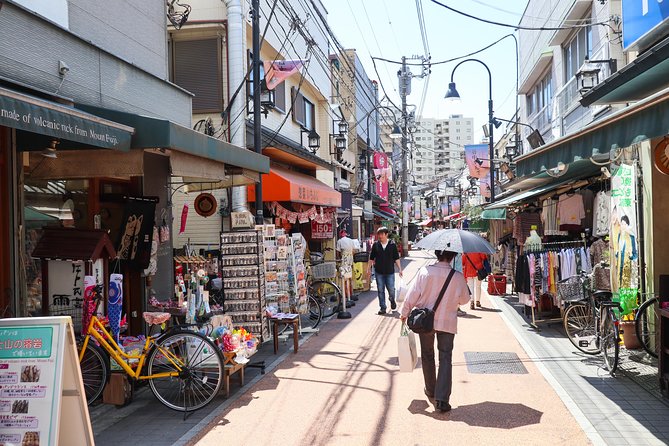
The final stop is Yanaka Ginza, reached after the cafe. Allow about 30 minutes for the shopping street, though your walk through Yanaka has already introduced the district around it.
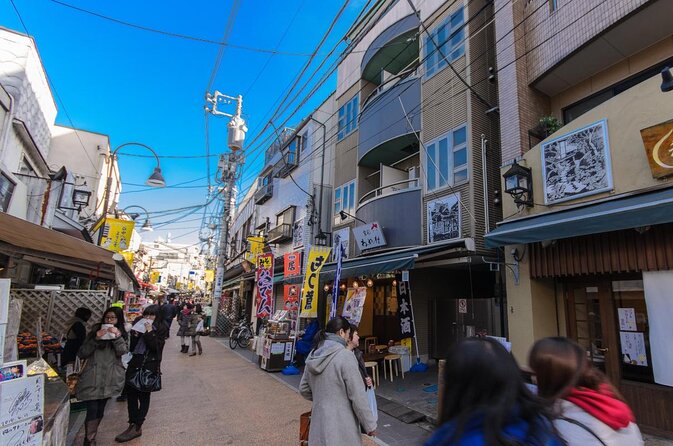
Yanaka Ginza has a nostalgic feel, with small storefronts and street foods rather than department stores and international chains. You can sample more local snacks and browse at an easy pace. The street is a good place to see how shopping can still feel social and neighborhood-based.
This is not the place to expect luxury brands or a grand market hall. Its appeal lies in the modest scale. You get a sense of local commerce, where people stop for something to eat, shop for daily needs, or greet familiar shopkeepers.
The tour ends at 7-chome-6-10 Yanaka, in Taito City. Your guide can help you find your next destination, which is useful if you are not familiar with Tokyo’s rail system. The end point also makes it easy to continue exploring Yanaka on your own, though the tour itself does not include a return transfer.
Other walking tours we've reviewed in Tokyo



What the $81.26 price really buys you
At $81.26 per person, this is not a cheap neighborhood stroll. The value depends on how much you want from the afternoon.
You are paying for 3.5 hours of a local-led route, a small group of no more than seven people, several food tastings, a cafe drink and dessert, and the lucky-cat painting activity. The cost also covers the time and effort of connecting places that are free to enter but harder to understand on your own.
Nezu Shrine and Yanaka Ginza do not require an admission ticket. If you are comfortable researching the area, navigating side streets, and choosing your own snacks, you can visit the neighborhood for much less.
I think the price works best for first-time visitors to Tokyo who want cultural context without committing to a long formal tour. It also suits people who value personal questions, local recommendations, and a guide who can adjust the conversation to the group.
The small group is a major part of the calculation. A group of seven is far more manageable on narrow streets than a large procession. It also gives you a better chance to hear explanations and ask about details that catch your eye.
Pace, weather, and practical planning
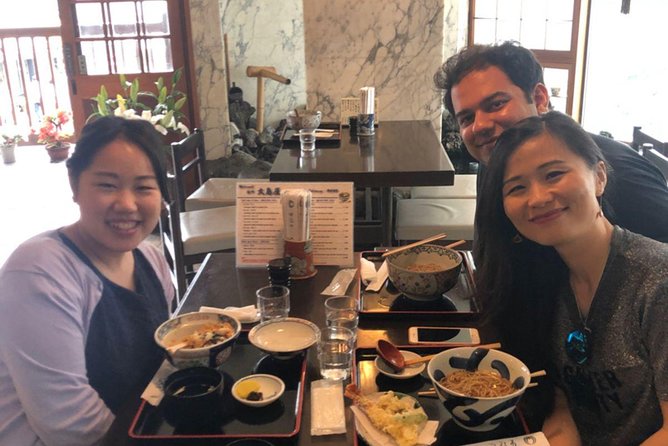
The walk is described as leisurely and suitable for most people with moderate fitness. You still spend several hours on your feet, with outdoor walking between the shrine, residential area, cafe, and shopping street. Comfortable shoes are a sensible choice.
Start with a meal. The tastings are enjoyable, but they are not enough to replace lunch. Since the tour begins at 1:30 pm, eating before you meet the guide is especially wise.
Plan around the weather. The tour requires good weather and may be canceled if conditions are poor. In that case, you can receive a full refund or choose another date. Summer heat can be severe, and winter cold can be sharp, so carry water and dress with the conditions in mind.
Mobile tickets make entry simple, but the important part is still the meeting time and place. Check the details before leaving your hotel, then arrive with enough time to locate the Nezu meeting point.
The cancellation terms are reasonable if you plan ahead. You can cancel for a full refund up to 24 hours before the start time. Cancellations or changes made inside that window are not refunded or accepted.
Who should choose this walk
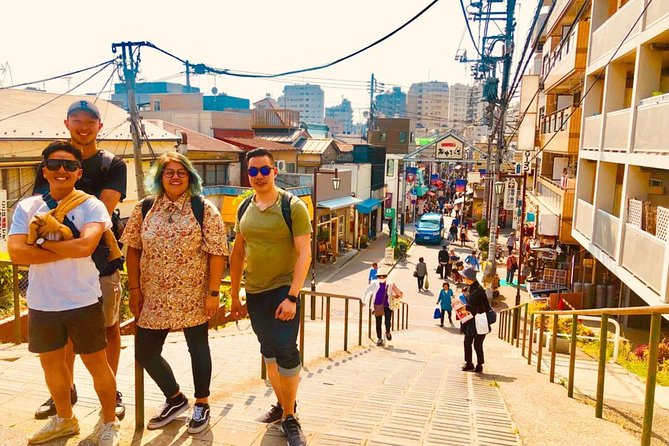
I would recommend it to you if you:
- Want a quieter side of Tokyo after seeing crowded central districts.
- Enjoy local neighborhoods more than a checklist of major monuments.
- Like learning about Shinto, Buddhist customs, food, architecture, and daily life in one outing.
- Prefer a small group where you can ask questions.
- Enjoy a simple craft activity and want a handmade souvenir.
- Have moderate fitness and are comfortable walking for several hours.
- Can eat before the tour and manage food restrictions with advance notice.
I would choose another experience if you want a full meal, major museum admission, a fast-moving schedule, or a tour focused on Tokyo’s most famous landmarks. This is also not ideal if you dislike outdoor walks in strong heat or cold.
The strongest part of the tour is its mix of local streets and personal guide contact. Guides such as Aoi, Hana, Hina, Nao, and Kazu have brought different interests and stories to the route. The exact personality of your guide will shape the afternoon, but the format gives that person room to talk with you rather than simply point out sights.
Should you book the Yanaka Historical Walking Tour?
Book it if you want Tokyo to feel more human-sized for an afternoon. The shrine, quiet lanes, food samples, lucky-cat painting, and old shopping street make a varied route, and the group limit of seven keeps it personal.
The $81.26 cost is fair for the included tastings, cafe visit, craft activity, and guide time, but it is not the right choice if you only want free sightseeing. Eat first, arrive early, prepare for the weather, and tell the operator about dietary concerns at least a day ahead. With those details handled, this is a thoughtful way to meet Yanaka on its own terms.
FAQ
How long is the Yanaka Historical Walking Tour?
The tour lasts approximately 3 hours and 30 minutes.
Where does the tour begin?
It begins at 1-chome-3-7 Nezu, Bunkyo City, Tokyo, near Nezu Station.
What time does the tour start?
The scheduled start time is 1:30 pm. You should arrive early because late arrivals who miss the group cannot join, reschedule, or receive a refund.
Where does the tour end?
The tour ends at 7-chome-6-10 Yanaka, Taito City, Tokyo. The guide can help you navigate to your next destination.
Is lunch included?
No. The tour includes food samples, but not a full lunch or dinner. You should eat before the experience.
How large is the group?
The maximum group size is seven travelers.
Can I cancel for a refund?
You can cancel up to 24 hours before the start time for a full refund. Cancellations or changes made less than 24 hours before the start time are not accepted, and poor weather may result in a different date or a full refund.
More Historical Tours in Tokyo
More Walking Tours in Tokyo
More Ueno & Yanaka Walks in Tokyo

More tours in Tokyo we've reviewed






Ueno & Yanaka Walks, compared.
 ★ 5.0Eat and Drink Like a Local: Tokyo Ueno Food Tour-Taverns&RamenFrom $95
 ★ 4.5The Old Quarter of Tokyo – Yanaka Walking TourFrom $40
 ★ 5.0Yanaka Walking Tour: Historic and Traditional District of TokyoFrom $72
 ★ 4.8Tokyo: Old Quarter Yanaka Walking TourFrom $323 hours
 ★ 5.0Tokyo: Food Tour in Ueno with 10+ Tastings of Japanese ClassicsFrom $142
 ★ 4.9Tokyo:Stroll in Old traditional culture towns~Yanaka & NezuFrom $293h 30m