
Reviewed · MT FUJI DAY TRIPS
Mt. Fuji Tours with Kawaguchi Lake Ropeway View English Speaking
Mount Fuji is the star here, but the smart part of this day trip is the number of chances you get to see it. From the Lake Kawaguchi Panoramic Ropeway to Oishi Park and Oshino Hakkai, the route gives you several angles instead of betting the whole day on one lookout. I especially like the included ropeway ride and the stop at Oshino Hakkai, where clear spring ponds offer a calmer, more traditional setting.
I also like that transportation, fuel, tolls, and the driver service are covered in the price of $81.41 per person. That removes much of the planning burden from a Tokyo day trip. The catch is the schedule: traffic, ropeway queues, and the long distance from Tokyo can leave some stops feeling short, especially on weekends and Japanese public holidays.
In This Review
- Key points to know before booking
- What this Mount Fuji day trip is really designed to do
- Lake Kawaguchi ropeway: the main scenic payoff
- Lake Kawaguchiko and the changing view of Fuji
- The matcha experience near the Konohana Museum
- Oishi Park and its seasonal color
- Oshino Hakkai, the most atmospheric stop
- How the guides shape the day
- Pickup choices, vehicles, and the long road from Tokyo
- Weather, crowds, and the Fuji visibility gamble
- Is $81.41 a fair price?
- Who should book this Mount Fuji tour?
- FAQ
- How long does the Mount Fuji tour last?
- Where does the tour depart from?
- Is the Lake Kawaguchi ropeway included?
- What happens if the ropeway is closed?
- Is Mount Fuji guaranteed to be visible?
- Are meals included?
- Can I cancel for a full refund?
- Should you book it?
Key points to know before booking
- Several Fuji viewpoints: You visit Lake Kawaguchi, Oishi Park, the ropeway lookout, and Oshino Hakkai.
- The ropeway is included: The Kachikachi Mountain Cable Car ticket is covered, subject to weather and maintenance.
- A full 10-hour day: Travel time is part of the tour, so expect an early start and a late return.
- English support varies by guide: Guides including Sawaki, Erina, Louis, Vivienne, and Wanting Feng have been praised for clear English and good communication.
- Traffic can change the rhythm: Weekends and Japanese public holidays bring heavy congestion and longer queues.
- Fuji is never guaranteed: Clouds and rain can hide the mountain, even when the itinerary runs properly.
What this Mount Fuji day trip is really designed to do
This is a practical sightseeing day, not a quiet mountain retreat. You leave Tokyo, ride toward the Fuji Five Lakes area, and move between several popular sights by vehicle. The route is built to improve your odds of seeing Mount Fuji while giving you worthwhile stops if clouds get in the way.
The tour lasts approximately 10 hours and has a maximum of 45 people. That can mean a standard coach-style experience, with a larger group and fixed timing. A small-group option is also available, with door-to-door transfer from hotels in some Tokyo districts between 7:00 and 8:30, a more comfortable vehicle, and fewer people. The small-group option includes a driver and guide, but not detailed explanations throughout the day.
I would choose the regular option if price matters most and you are comfortable meeting at a central pickup point. I would consider the small group if you value easier hotel access, a smaller vehicle, and less crowding.
A few more Tokyo tours and experiences worth a look
Lake Kawaguchi ropeway: the main scenic payoff
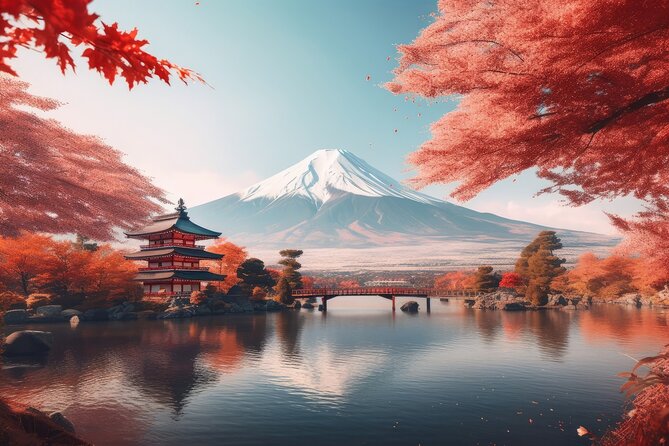
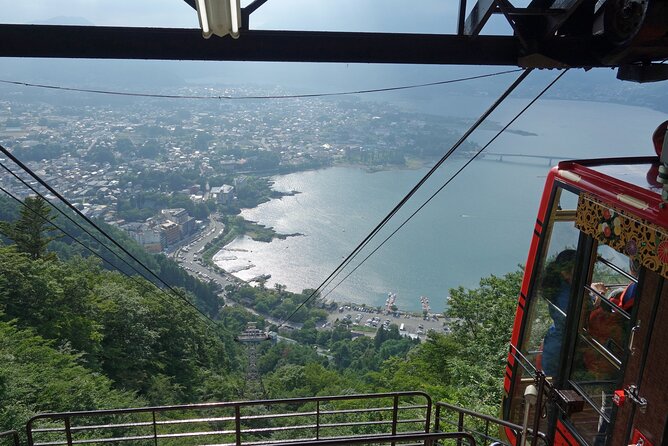
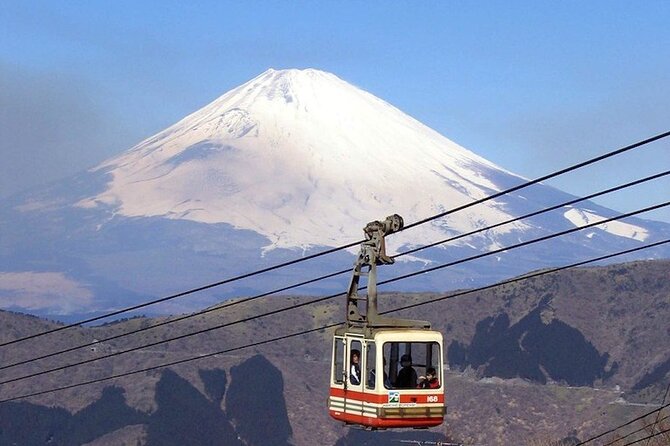
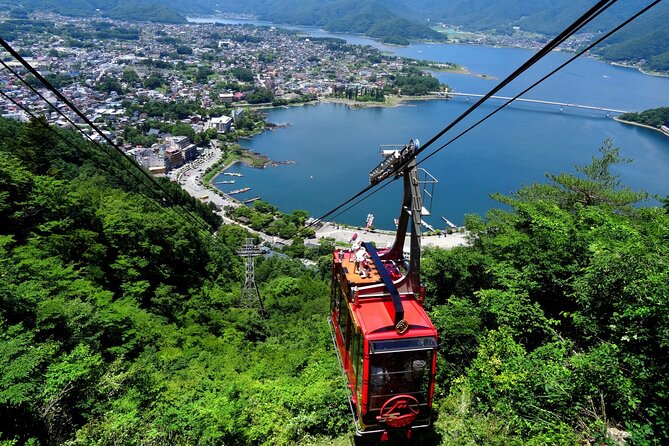
The Lake Kawaguchi Panoramic Ropeway, also called the Kachikachi Mountain Cable Car, is the centerpiece of the outing. The ride climbs to an observation area at roughly 1,000 meters, giving you broad views over Lake Kawaguchi and, on a clear day, Mount Fuji.
The ride itself is short, but the setting is powerful. Lake Kawaguchi lies at about 830 meters above sea level and covers roughly 5.7 square kilometers. From above, you get the kind of wide view that is hard to find from street level. This is the place where good weather can turn an ordinary day trip into a memorable one.
Plan to spend around 90 minutes in this part of the route, including the cable car and time at the lookout. The practical issue is crowding. On Saturdays, Sundays, and holidays, the ropeway operates longer hours, but the queues can also be longer. On weekdays, the operating hours are listed as 9:00 a.m. to 4:00 p.m., with the last descent at 4:20 p.m. Weekend and holiday hours extend to 5:00 p.m., with the last descent at 5:20 p.m.
Strong wind, lightning, or other unsafe conditions can stop the cable car. If that happens, the plan may change to a ride on the Sengoku Warrior Boat at Lake Kawaguchi, or the cable car ticket fee may be refunded. If riding the gondola is the main reason you are booking, check the maintenance dates carefully. From December 10 through December 20, the gondola is scheduled for repair and the boat is used instead.
Lake Kawaguchiko and the changing view of Fuji
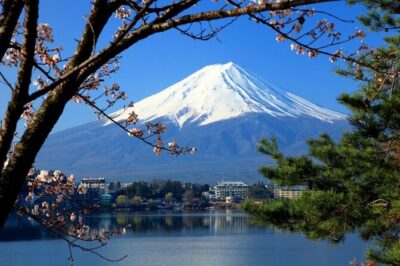
The broader Lake Kawaguchiko stop gives you time to appreciate the lake rather than simply glance at it from the ropeway. The shore offers a different perspective, with the water and surrounding hills framing Mount Fuji when the air is clear.
This is also where you feel the limits of a one-day group tour. Ninety minutes sounds generous, but it may include walking, gathering the group, waiting for the cable car, and dealing with crowds. You will not have the freedom to linger for a long lakeside walk or wait patiently for the perfect light.
Still, the variety matters. Mount Fuji can disappear from one direction and show itself from another. The route’s several viewpoints are a sensible response to the area’s changeable weather. They cannot create clear skies, but they give you more opportunities than a single fixed lookout.
The matcha experience near the Konohana Museum
The itinerary includes approximately one hour at the Lake Kawaguchi Konohana Museum area for a matcha experience. This adds a small cultural pause to a day otherwise focused on views, buses, and photo stops.
Keep your expectations measured. The tea portion may be brief, and some of the time can be connected with browsing in a shop. That does not make it worthless, but it means you should see it as a short introduction to matcha rather than a long formal tea ceremony.
Traffic can shorten this stop. If the road from Tokyo is slow, the overall time available for the matcha experience may be reduced. I would have breakfast before leaving, since lunch may not come until around 1:30 p.m. Food and drinks are not included in the basic tour price, so bring money for snacks or a meal.
The area around the museum and gardens can be pleasant even when Fuji is covered. On a cloudy day, this may become one of the more enjoyable parts of the route because it does not depend entirely on a mountain view.
Oishi Park and its seasonal color
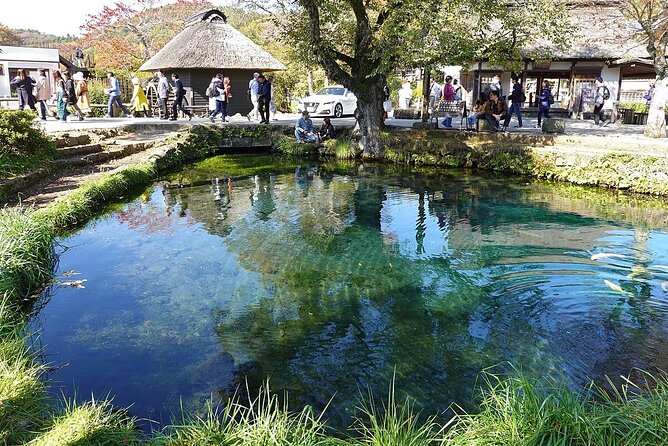
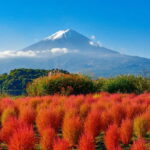
Oishi Park is a short stop of about 30 minutes on the shore of Lake Kawaguchi. Its appeal changes with the season. In summer, lavender can cover the park in purple, creating a strong foreground for photographs of Mount Fuji and the lake.
Half an hour is enough for a quick walk, photographs, and a look at the flowers. It is not enough for a slow visit or a long picnic. If the day is crowded or traffic has already delayed the route, this stop may feel especially compressed.
I like the fact that Oishi Park gives you a softer, more open break from the commercial feel of some sightseeing areas. Just remember that its best feature is seasonal. Lavender is not in bloom all year, and cloudy weather can still remove the mountain from the view.


Oshino Hakkai, the most atmospheric stop
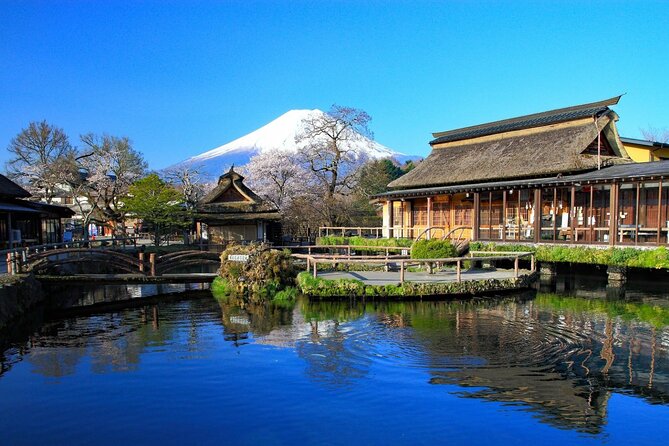
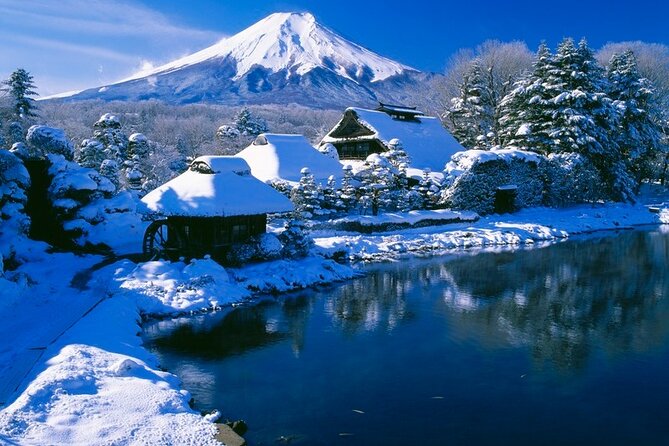
Oshino Hakkai is the final major sight and, for many people, the most rewarding stop beyond the ropeway. The name refers to eight clear spring ponds formed by snowmelt from Mount Fuji. Water, small bridges, traditional buildings, and views toward the mountain give the village a distinctly different feel from the larger lake resorts.
You have about an hour here. That is enough to walk through the village, see the ponds, take photographs, and buy snacks or souvenirs. I would use the time for the ponds and village paths first, then shop if time remains. Some parts can feel commercial, but the water and setting are genuinely appealing.
Several people have found this stop more enjoyable than the shopping-oriented portions of the day. I understand why. Oshino Hakkai gives you a sense of place rather than just another retail break. If Mount Fuji is hidden, the ponds and village still provide something to see.
How the guides shape the day
The guide can make a large difference on a long coach trip. Sawaki has been singled out for fluent English, friendly energy, clear explanations, and careful help with meeting points. He has also used simple quizzes and small treats to keep the bus ride lively. Guides such as Erina have been praised for organized timing, useful messages, and answering questions clearly.
Louis has received praise for making the sights fun while explaining the area, and Vivienne has helped keep people on schedule through direct messages. Wanting Feng has been noted for excellent English and WhatsApp communication. These details matter because a 10-hour day can feel tiring when instructions are vague.
The service is multilingual, with explanations generally offered in Japanese, English, and Chinese. That may mean announcements take longer, especially on a crowded bus. A poor speaker system can also make commentary hard to follow, so sit where you can hear clearly and keep an eye on meeting instructions.
Before departure, you should receive an email with the vehicle registration number, guide contact details, and pickup time. Save that message. Tokyo meeting points can be crowded, with several tour buses and yellow flags in the same area. Arrive early, but also check the license plate and contact the guide if you cannot find the correct vehicle.
Pickup choices, vehicles, and the long road from Tokyo
You can choose between two central Tokyo pickup points, or upgrade to hotel pickup in some Tokyo metropolitan districts through the small-group option. If you select hotel transfer, send the hotel or bed-and-breakfast address after booking so the operator can confirm that it is inside the service area.
The tour includes vehicle costs, fuel, road tolls, and highway tolls. That is important because the route covers a substantial distance, and arranging the same trip by public transportation would require several connections and careful timing. You are paying not only for admission to the ropeway but also for a full day of transport planning.
Comfort depends on the vehicle assigned. Standard group transport can feel cramped, especially after a full day of walking. The small-group option uses a more comfortable vehicle, but the exact vehicle is not guaranteed in the supplied details. Do not bring large luggage unless you arrange it in advance. One piece per person is allowed, with an extra charge of 100 yuan per additional piece or for luggage not declared at booking. A foldable stroller can be carried if you tell customer service beforehand.
Weather, crowds, and the Fuji visibility gamble
The biggest variable is not the guide or the route. It is the sky. Rain and cloud can hide Mount Fuji completely, and no sightseeing operator can fix that. The tour still offers Lake Kawaguchi, gardens, matcha, Oishi Park, and Oshino Hakkai, but the central visual reward may disappear.
Check the weather and visibility forecast before you commit, especially if your Tokyo schedule is flexible. The cancellation policy allows a full refund when you cancel at least 24 hours before the start time. Cancellations made later are not refunded. If the operator cancels because of poor weather or insufficient numbers, you can choose a different date or experience, or receive a full refund.
Traffic is the second major risk. Weekends and Japanese public holidays, sometimes called red days because they appear in red on calendars, can bring serious congestion toward Mount Fuji. Lines at the ropeway may also grow. When roads are slow, the tour may run later than planned or cut time at individual sights. If you want the most relaxed version of this trip, choose a weekday outside a Japanese holiday.
Is $81.41 a fair price?
At $81.41 per person, this is a fair price for a managed day trip if you value convenience. The ropeway admission is included, and so are the vehicle, fuel, highway, and driver costs. You also get a route that would take real effort to organize independently.
The value is weaker if you dislike fixed schedules, crowded attractions, or shopping stops. Food and drinks are extra, and the tour does not promise a private vehicle or a slow-paced visit in the standard version. A cheaper listing elsewhere may also appear on some dates, so compare the total price and included admissions before paying.
I see this as a good first visit option for someone staying in Tokyo who wants the main sights without renting a car. It is less suitable for a photographer who wants hours at one viewpoint, or for anyone who regards seeing Fuji as the only acceptable result.
Who should book this Mount Fuji tour?
I would recommend it to you if you have one free day in Tokyo, want English guidance, and prefer someone else to handle the long-distance transport. It also suits families and first-time visitors who want a broad sample of the Fuji area in one outing.
You should think twice if you are sensitive to long bus rides, need lots of personal time, or dislike commercial stops. The maximum group size is 45, and some stops may feel rushed. A clear weekday forecast, a light bag, a good breakfast, and realistic expectations will improve your day.
FAQ
How long does the Mount Fuji tour last?
The tour lasts approximately 10 hours, including travel time between Tokyo and the Mount Fuji area.
Where does the tour depart from?
You can choose from two central pickup points in Tokyo. A small-group package may include door-to-door pickup from hotels in some districts of Tokyo.
Is the Lake Kawaguchi ropeway included?
Yes. The Kachikachi Mountain Cable Car admission is included, though the ride can be suspended because of strong winds, lightning, or other unsafe conditions.
What happens if the ropeway is closed?
The itinerary may change to a ride on the Sengoku Warrior Boat at Lake Kawaguchi, or the ropeway ticket fee may be refunded.
Is Mount Fuji guaranteed to be visible?
No. Rain and clouds can obscure the mountain. The tour visits several viewpoints to improve your chances, but visibility depends on the weather.
Are meals included?
No. Food and drinks are not included, so you should eat breakfast before departure and carry money for food during the day.
Can I cancel for a full refund?
You can cancel at least 24 hours before the experience start time for a full refund. Late cancellations and late changes are not accepted for a refund. If the operator cancels because of poor weather or insufficient numbers, you will be offered another date or experience, or a full refund.
Should you book it?
Book this tour if you want an efficient first look at Mount Fuji, Lake Kawaguchi, the ropeway, Oishi Park, and Oshino Hakkai without working out the transport yourself. The best formula is a clear weekday, a small bag, an early breakfast, and a flexible attitude about timing.
Skip it if you need a slow, quiet day or if you can arrange your own trip around a precise Fuji visibility forecast. At the right price and on the right weather day, this tour offers strong value and a lot of scenery in one outing. On a rainy holiday weekend, the same route can feel like a long ride between crowded stops with the mountain missing.
More Mt Fuji Day Trips in Tokyo
More tours in Tokyo we've reviewed



Mt Fuji Day Trips, compared.
 ★ 5.0Mt Fuji and Hakone 1-Day Bus Tour Return by Bullet TrainFrom $163
 ★ 4.0Mt Fuji & Hakone Cruise, Drum Show Bullet Train 1 Day from TokyoFrom $149
 ★ 4.4Tokyo Mt Fuji 5th St & Hakone Cruise Bus Tour w/Bullet TrainFrom $15410 hours
 ★ 4.5From Tokyo: Mount Fuji Full-Day Sightseeing TripFrom $6810 hours
 ★ 4.7Tokyo: Mt. Fuji Tour, Hakone Ropeway, Owakudani, Lake AshiFrom $5410 hours
 ★ 4.4Tokyo:Mt.Fuji,Kawaguchiko Oishi Park,Arakurayama Sengen ParkFrom $5410 hours