
Reviewed · MT FUJI DAY TRIPS
Tokyo:Mt.Fuji,Kawaguchiko Oishi Park,Arakurayama Sengen Park
The great strength of this Mt. Fuji day trip is variety. In one long day, you get the classic Chureito Pagoda view, lakeside scenery, flower gardens, local food, and a restored village of thatched-roof houses. It is a lot of Japan beyond Tokyo’s city streets.
I like the way the route gives you several chances to see Fuji from different angles, and I like that Saiko Iyashi-no-Sato Nenba adds culture rather than sending you from one photo stop to another. Guides such as Koji, Omar, George, Jorge, and Eric have also earned praise for clear directions, humor, and friendly help.
The tradeoff is time. This is a 10-hour outing with several stops, so the day can feel packed. Traffic on the return to Tokyo can add stress, and cloudy weather may hide Fuji completely. You need to arrive early, keep an eye on the clock, and accept that this is a broad introduction rather than a slow visit to one place.
In This Review
- Key points to know before booking
- Why this $54 day trip can be good value
- Starting in Tokyo and settling into the bus
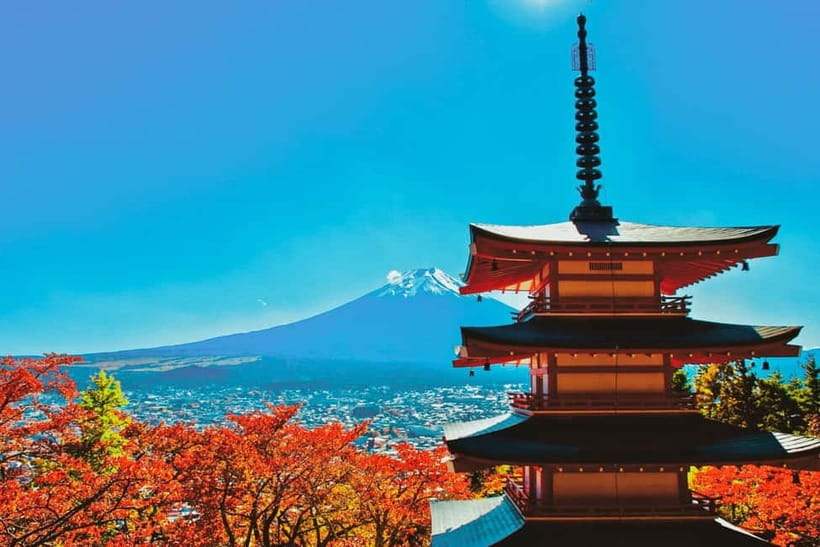
- Arakurayama Sengen Park and the famous pagoda view
- Hikawa Clock Shop and Arakura Fuji Sengen Shrine
- Lake Kawaguchi, the central pause of the day
- Kawaguchiko Craft Park and the Maple Corridor
- Oishi Park and its 350-meter Flower Road
- Saiko Iyashi-no-Sato Nenba and old village life
- The biggest variable is the weather
- Walking, pace, and practical comfort
- Who will get the most from this tour
- Should you book the Mt. Fuji day trip?
- FAQ
- How long is the Mt. Fuji day trip from Tokyo?
- What languages are available?
- Is lunch included?
- What is the main view at Arakurayama Sengen Park?
- Is entry to Saiko Iyashi-no-Sato Nenba included?
- What can I see at Oishi Park?
- Can I see cherry blossoms on this tour?
- What happens if traffic delays the bus?
- Can I cancel the booking?
Key points to know before booking
- 398 steps lead to the Chureito viewpoint: A slope option is available, but the first stop still requires some walking.
- Four strong Fuji viewpoints: Arakurayama, Lake Kawaguchi, Oishi Park, and Saiko offer different settings for photos.
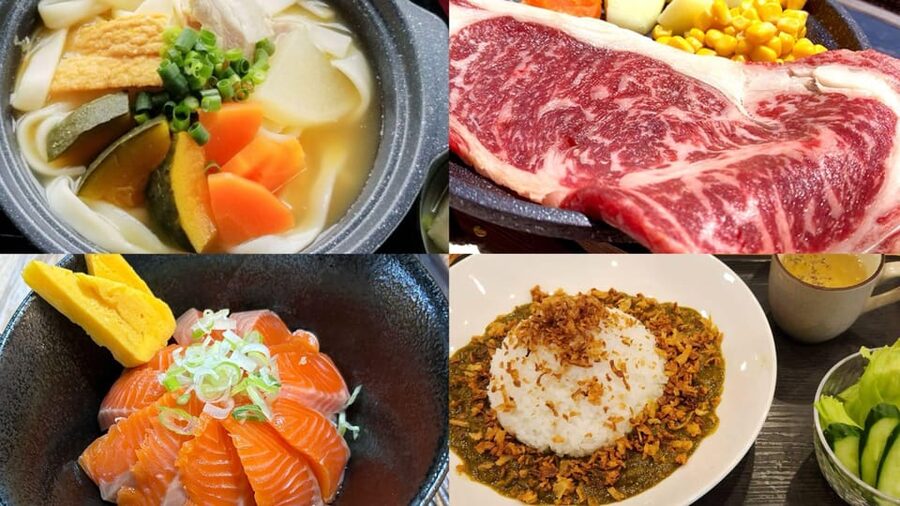
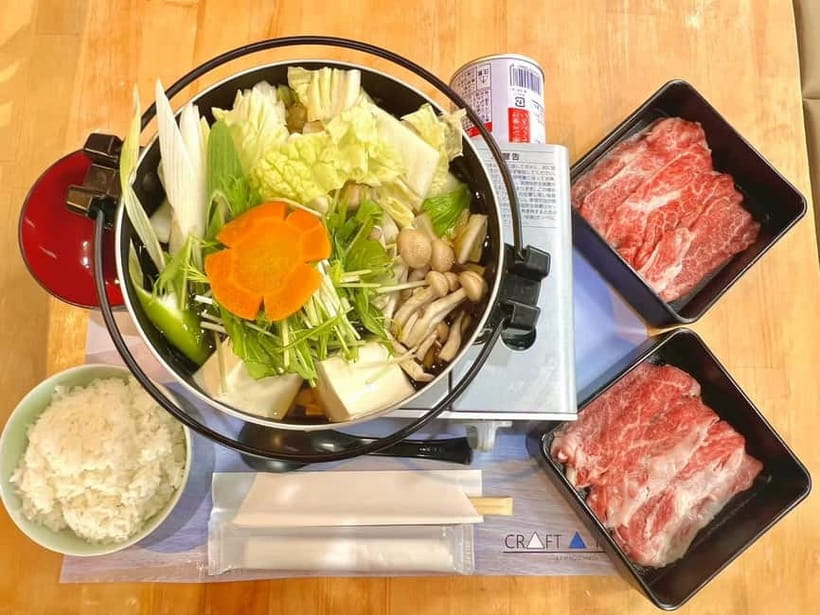
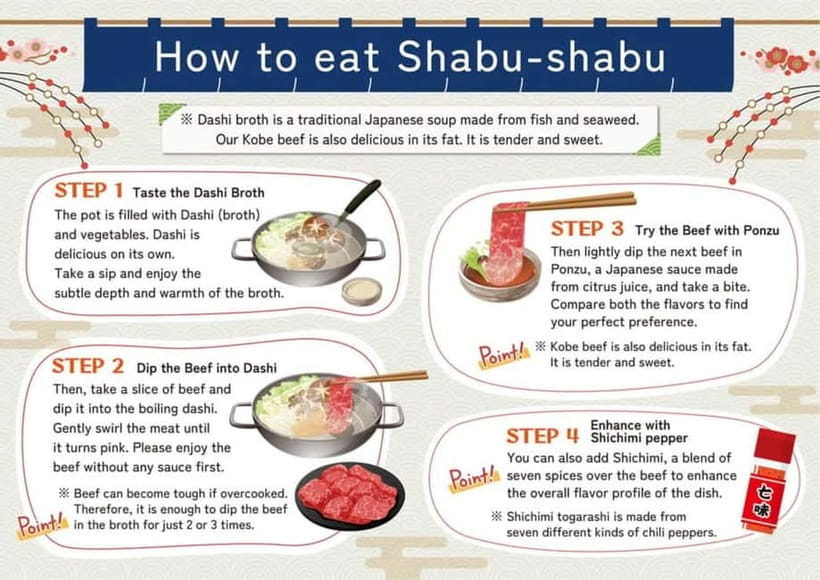
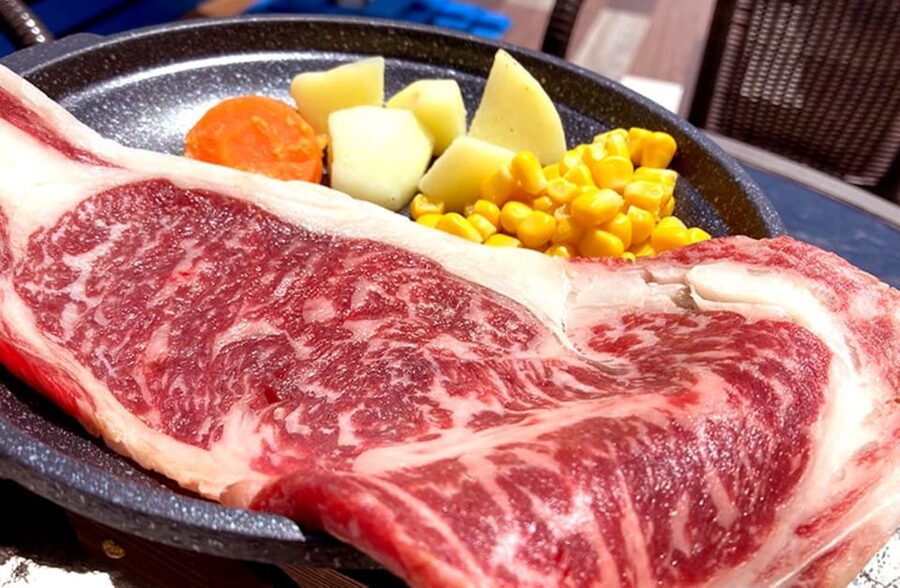
- Lunch is optional: Choose from Kobe beef shabu-shabu, Koshu wine beef steak, or local Houtou noodles when selecting a meal plan.
- Saiko’s traditional village is included: Entry to Saiko Iyashi-no-Sato Nenba is covered, with thatched houses, crafts, food, and costume photos.
- The bus saves you complicated connections: Air-conditioned transport links several rural sights that would be awkward to combine independently.
- Weather controls the headline view: Even a well-planned day cannot guarantee a clear Mt. Fuji.
Why this $54 day trip can be good value
At $54 per person, the tour offers a practical way to cover several places around Fuji without arranging regional trains, local buses, entrance tickets, and meal stops yourself. Transportation, a guide, and entry to Saiko Iyashi-no-Sato Nenba are included. Lunch costs extra unless you select an option that includes it.
The value comes from the range of stops. A cheaper transport-only plan might get you to Lake Kawaguchi, but combining Arakurayama Sengen Park, the Hikawa Clock Shop area, the lake, Oishi Park, and Saiko in one day is harder on your own. You also get help with meeting times and directions, which matters when the route includes multiple short visits.
The price does not buy a relaxed pace. You are paying for coverage. If you want long meals, extended walks, or quiet time by the lake, a private trip or overnight stay would suit you better. If you have only one free day from Tokyo and want to see several sides of the Fuji region, the calculation works well.
The tour has operated for more than 10 years, and its overall rating is 4.4 from 2,682 ratings. That points to a well-established operation, though the experience still depends on weather, road traffic, group size, and the guide assigned that day.
A few more Tokyo tours and experiences worth a look
Starting in Tokyo and settling into the bus
There are two possible starting locations. One is by the LOVE sculpture, Robert Indiana’s famous red artwork, and the other is at the KOKUYO Tokyo Shinagawa office. Your exact meeting point depends on the option booked, so check it carefully rather than assuming the departure is from Shinjuku.
Arrive at least 10 minutes before departure. The bus leaves on time, and a late arrival can create a poor start to a day with several fixed stops. The vehicle is air-conditioned, and one useful touch is numbered seating, which makes it easier to find your place.
English and Chinese guiding are available. Depending on the day, people booked in different languages may share the same vehicle, so the amount and timing of spoken information can vary. Guides praised for keeping the day clear and upbeat include Koji, Omar, George, Jorge, Eric, and several friendly female guides.
The ride from Tokyo is part of the cost in more ways than one. You avoid working out connections, but you also spend many hours on the road. Traffic can be heavy, especially on the return, and stop lengths may change if the bus is delayed.
Arakurayama Sengen Park and the famous pagoda view
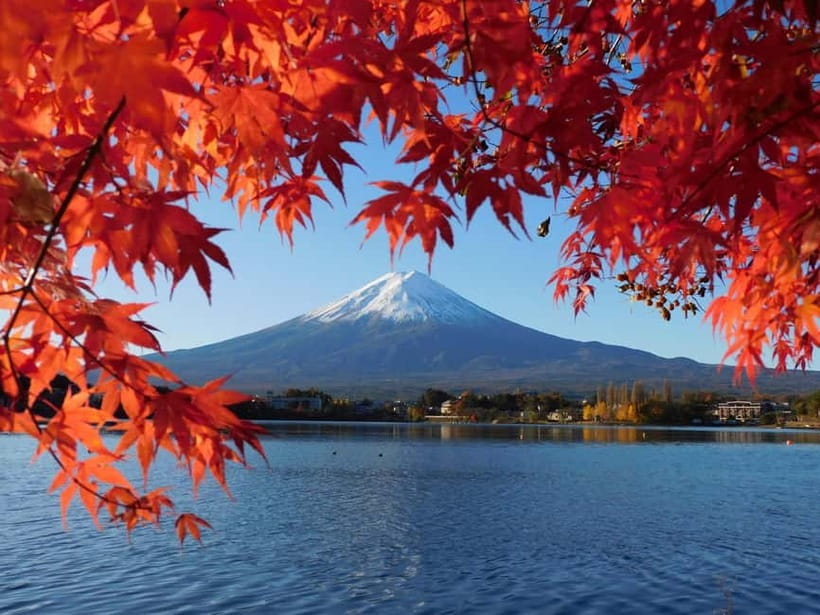
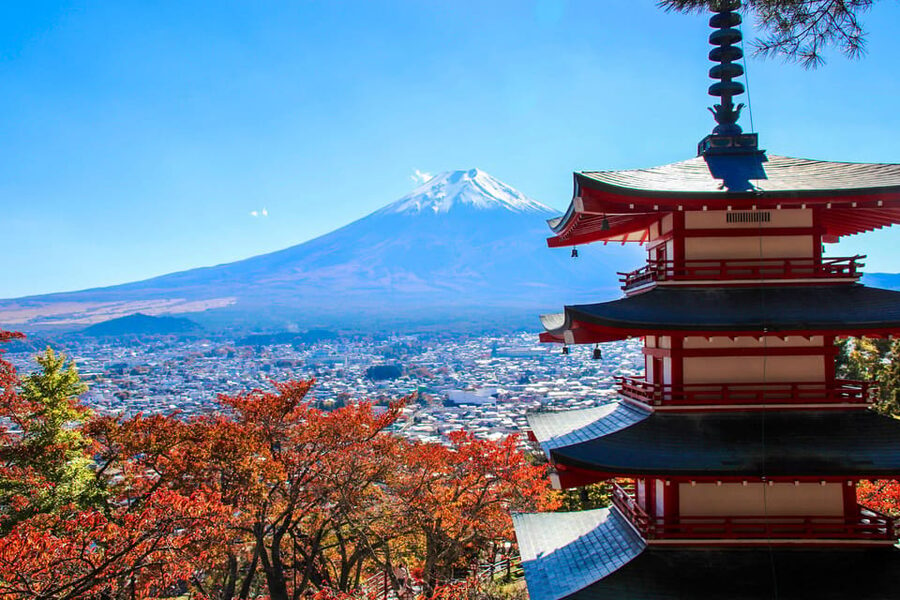
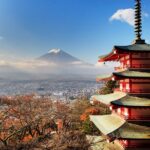
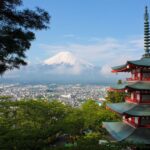
The first major stop is Arakurayama Sengen Park, home to the view many people picture when they think of Fuji in Japan: snow-capped Mt. Fuji, the red Chureito Pagoda, and seasonal trees arranged in one frame.
From the park entrance, the main route climbs 398 stone steps to the observation area. The climb is manageable for many people but should not be treated as a casual stroll. If stairs are difficult, a slope route is available, though you should still expect time on foot.
The reward is a wide view over Fujiyoshida, with Fuji rising behind the pagoda when the weather cooperates. In late March and mid-April, about 650 cherry trees bloom here, and the Cherry Blossom Festival brings extra crowds. Autumn replaces the pink blossoms with red and gold leaves, creating a strong contrast with the vermilion pagoda.
This is the stop where you most need to manage your photo time. The viewpoint is popular, and the schedule allows roughly 70 minutes for Arakurayama Sengen Park, the shrine area, and nearby sights. That is enough for the main view, but not enough for a slow wander through every corner.
Hikawa Clock Shop and Arakura Fuji Sengen Shrine
The nearby Hikawa Clock Shop area offers a different Fuji composition. Here, the view runs down a traditional-looking street toward the mountain, making it popular for photographs. The setting feels more connected to ordinary town life than the formal park viewpoint.
You also visit Arakura Fuji Sengen Shrine. This gives the route some religious and local context, rather than treating the area as a collection of scenic backdrops. Your guide can explain the spiritual meaning of the shrine and surrounding sites, then give you free time to look around.
Keep your expectations sensible. The clock shop stop is mainly a photo visit, and exact time can be affected by traffic or crowd levels. It is not a long shopping session or a full neighborhood tour.
Lake Kawaguchi, the central pause of the day
Lake Kawaguchi is where the trip slows down a little. The lake sits in Yamanashi Prefecture and offers the classic reflection view of Fuji when the water and weather line up. The two-hour period around Lake Kawaguchi is the most useful block of free time on the day.
You may have time to walk by the shore, eat, browse local goods, and take photos without immediately rushing back onto the bus. The lake also changes with the seasons. Cherry trees line parts of the shore in spring, and the nearby Maple Corridor becomes a major fall foliage stop.
This is also the area for lunch. The meal option includes several distinctly local choices:
- Kobe beef shabu-shabu made with A5-grade Japanese black Wagyu
- Koshu wine beef steak, using Wagyu raised on grapes in Yamanashi
- Houtou noodles, a regional dish served in miso broth with vegetables and chicken
Houtou is the most rooted-in-place choice. The broad noodles and warm miso broth make sense after a morning outdoors, and several people have singled it out as a satisfying meal. Vegetarian food is available according to one booking experience, but if you have strict dietary needs, confirm the option before departure. Communication with the main office about gluten-free food has not always been reliable, so do not leave that question until the morning of the tour.


Kawaguchiko Craft Park and the Maple Corridor
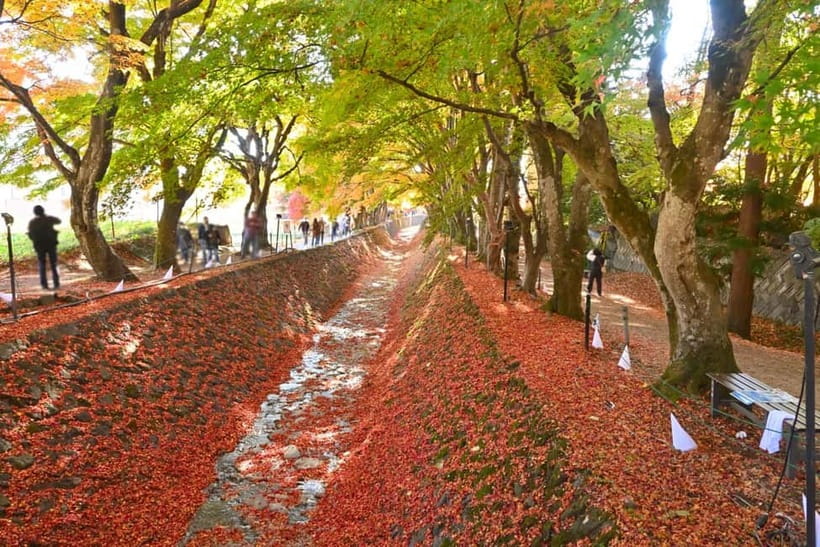
Kawaguchiko Craft Park combines restaurants, workshops, and souvenir shopping. The setting is useful for lunch because you can eat indoors or outdoors with views toward Fuji, then browse local specialties and limited-edition items.
The name can make it sound like a full craft class is guaranteed, but the activity details list workshops as an option rather than promising a particular hands-on session. Treat the stop mainly as a meal, shopping, and lakeside break unless your booking specifically includes a workshop.
The lake is only a short walk away. If you have enough free time, head toward the shore for another Fuji view. The Maple Corridor is especially attractive in autumn, while spring brings cherry blossoms along the lakeside paths.
One practical point: the supplied schedule gives no separate duration for the Craft Park, so its time appears to be part of the Lake Kawaguchi and lunch section. Your guide will control the meeting time. Do not wander too far without checking when you must return to the bus.
Oishi Park and its 350-meter Flower Road
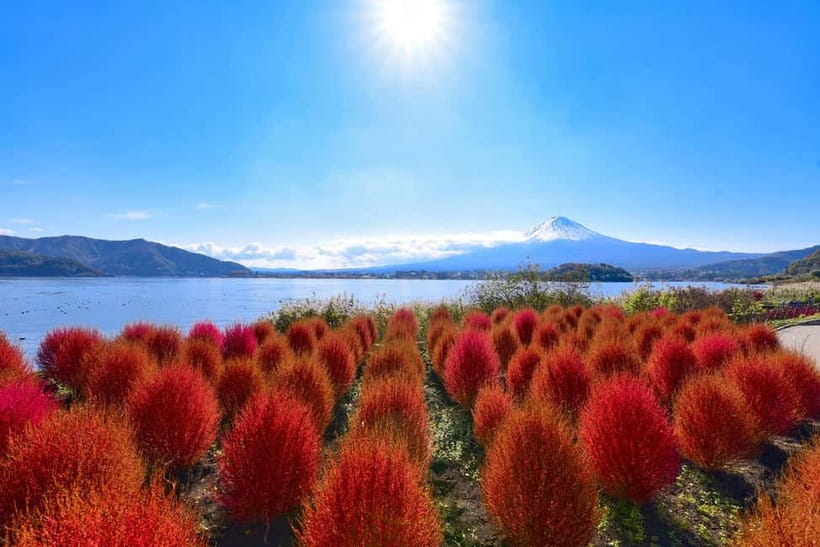
Oishi Park is one of the best scenic stops on the route. It stretches along Lake Kawaguchi and gives you an open view of Fuji across the water, with a 350-meter Flower Road adding color in season.
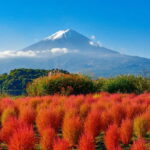
The flowers change through the year. Tulips arrive in spring, lavender fills the park in summer, and kochia turns the area red in autumn. From late June to mid-July, the Kawaguchiko Herb Festival brings fields of purple lavender and one of the area’s most recognizable seasonal views.
The scheduled visit is about 30 minutes. That is enough for photos and a short walk, but it is not enough to explore the whole park at a leisurely pace. If flowers are your main reason for booking, check the season and prepare for a quick stop.
Oishi Park is also a useful backup when the Chureito view is crowded. The composition is simpler, with lake, flowers, and mountain, but the open space gives you room to look and photograph without climbing steps.
Saiko Iyashi-no-Sato Nenba and old village life
The final major attraction is Saiko Iyashi-no-Sato Nenba, a restored village beside Lake Saiko. Around 20 thatched-roof houses now hold craft studios, food spots, and souvenir shops. The buildings recall the gassho-style villages associated with Shirakawa-go, but here the focus is on a compact cultural stop within the Fuji region.
This is the part of the day that gives the tour more substance. You can see traditional building styles, browse crafts, and enjoy a setting that feels different from the lake parks and urban street photo stops. Entry is included, so you do not need to budget an extra admission charge.
Kimono and ninja outfits are available for photos, including pictures with Fuji behind you when the mountain is visible. Seasonal details change throughout the year: cherry blossoms and carp streamers in spring, green foliage in summer, autumn leaves, and snow in winter.
The visit lasts about 50 minutes. That is enough to see the village and take a few photographs, but you may want more time if you enjoy crafts, costumes, or small local shops. Keep your walk efficient, since missing the bus would affect everyone on the route.
The biggest variable is the weather
Mt. Fuji is not a guaranteed sight, even when the forecast looks promising. Several clear days have produced views from multiple points, while rainy or cloudy days have hidden the mountain for much of the trip.
That does not make the tour worthless. Lake Kawaguchi, the village, shrines, flowers, food, and mountain towns remain worthwhile. Still, you should book this trip with realistic expectations. If seeing the iconic snow-covered summit is your sole goal, a flexible plan with a second possible Fuji day would reduce the risk.
Season also changes the character of the experience. Late March through mid-April is strong for cherry blossoms at Arakurayama, late June through mid-July suits lavender at Oishi Park, autumn works well for the Maple Corridor and Arakurayama’s leaves, and winter can bring snowy scenes at the village. Fuji’s snow cover itself is not guaranteed outside the colder months.
Walking, pace, and practical comfort
This is an active sightseeing day. The first stop includes a steep stair climb or slope route, and nearly every location involves walking between the bus and the main sight. Wear shoes you can use comfortably for steps and uneven outdoor paths.
The schedule is carefully packed, but that has two sides. You see far more than you could comfortably connect by public transport in one day, yet you will sometimes wish for another 15 minutes. Extra time at Lake Kawaguchi and Saiko Iyashi-no-Sato Nenba would be welcome for many people.
Traffic is the other concern. The return to Tokyo can take longer than planned, and the operator may shorten stop times if roads cause delays. Guides have been praised for keeping people informed and adjusting the day when possible, but no guide can control Tokyo-bound traffic.
If you need to leave the group early, tell the guide in advance on the day and complete the required departure form. The tour finishes at Shinjuku Station, though the starting point may be elsewhere.
Who will get the most from this tour
I would recommend this outing to you if you are staying in Tokyo, have one open day, and want a broad taste of the Fuji area without arranging transport. It suits first-time visitors, photographers, couples, solo bookers, and anyone who likes a mix of scenery, food, shrines, shopping, and culture.
It is also a good fit if you prefer a guide to explain the spiritual and cultural meaning of each area, then give you independent time to explore. Guides such as Omar and Koji have been praised for humor, clear instructions, and personal help, while Eric and George have also made the long day easier with useful explanations and friendly direction.
I would hesitate if you dislike group schedules or want to hike. The day is not designed for a mountain ascent, a long lakeside walk, or an unhurried village visit. People with limited stamina should plan around the steps, use the slope option, and tell the guide if they need help.
Bring water and eat properly before setting out. One person became faint after not eating enough in the sun, and the day has little spare time for a long break. A small snack can make the difference.
Should you book the Mt. Fuji day trip?
Book it if you want maximum variety for $54 and accept a long day on the road. The combination of Chureito Pagoda, Lake Kawaguchi, Oishi Park, and Saiko Iyashi-no-Sato Nenba is the real strength. You get the famous photograph, but also local food, seasonal flowers, shrines, and a traditional village.
Skip it if you need guaranteed Fuji weather, a slow pace, or a private guide. For everyone else, this is a sensible Tokyo day trip, especially when you have limited time in Japan and want more than one mountain viewpoint.
Free cancellation up to 24 hours before departure and reserve-now, pay-later booking make it easier to work around an uncertain forecast. I would choose a clear-weather day if your schedule allows, but I would still consider the tour worthwhile for the regional sights even if Fuji decides to hide.
FAQ
How long is the Mt. Fuji day trip from Tokyo?
The tour lasts 10 hours. It begins at one of two possible Tokyo meeting points, depending on the option booked, and finishes at Shinjuku Station.
What languages are available?
Live guiding is available in English and Chinese. People booked in different languages may sometimes share the same vehicle.
Is lunch included?
Lunch is included only if you select a lunch option. Choices include Kobe beef shabu-shabu, Koshu wine beef steak, and Houtou noodles.
What is the main view at Arakurayama Sengen Park?
The main viewpoint combines Mt. Fuji, Chureito Pagoda, and the surrounding town. Reaching it involves 398 stone steps, with a slope option also available.
Is entry to Saiko Iyashi-no-Sato Nenba included?
Yes. Admission to Saiko Iyashi-no-Sato Nenba is included in the tour.
What can I see at Oishi Park?
Oishi Park has views of Mt. Fuji and Lake Kawaguchi, plus a 350-meter Flower Road. Seasonal displays include tulips, lavender, and kochia.
Can I see cherry blossoms on this tour?
Cherry blossoms are most likely at Arakurayama Sengen Park from late March to mid-April and along parts of Lake Kawaguchi in spring. Exact bloom timing varies.
What happens if traffic delays the bus?
Stop times may be adjusted if traffic or another unexpected delay affects the schedule. The bus may also take longer to return to Tokyo.
Can I cancel the booking?
You can cancel up to 24 hours before the activity for a full refund. Reserve-now, pay-later booking is also available.
More Mt Fuji Day Trips in Tokyo
More tours in Tokyo we've reviewed





Mt Fuji Day Trips, compared.
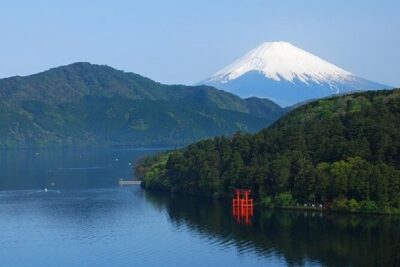
 ★ 5.0Mt Fuji and Hakone 1-Day Bus Tour Return by Bullet TrainFrom $163
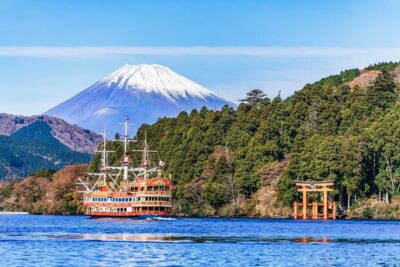
 ★ 4.0Mt Fuji & Hakone Cruise, Drum Show Bullet Train 1 Day from TokyoFrom $149
 ★ 4.4Tokyo Mt Fuji 5th St & Hakone Cruise Bus Tour w/Bullet TrainFrom $15410 hours
 ★ 4.5From Tokyo: Mount Fuji Full-Day Sightseeing TripFrom $6810 hours
 ★ 4.7Tokyo: Mt. Fuji Tour, Hakone Ropeway, Owakudani, Lake AshiFrom $5410 hours
 ★ 4.2Tokyo: Mt. Fuji 5th Station & Hakone Cruise 1-Day Bus TourFrom $12911 hours