
Reviewed · KAMAKURA & ENOSHIMA DAY TRIPS
Kamakura Walking Tour with Local Guide Including Hokokuji Temple
Kamakura packs major Japanese sights into a compact seaside city, and this private day trip takes you straight to its best-known temples and shrines. I like the small group of up to five, which makes it easier to ask questions and adjust the pace. I also like the mix of grand religious sites, a bamboo grove, shopping, and local buses and trains.
The main drawback is cost. At $146.59 per person, this is not a cheap outing, and local transportation, lunch, drinks, and admission fees are extra. Still, the guide handles the day and the public transport, which can be worthwhile if you want more than a quick, self-guided look at Kamakura.
In This Review
- Key points to know before you book
- Why Kamakura makes a good escape from Tokyo
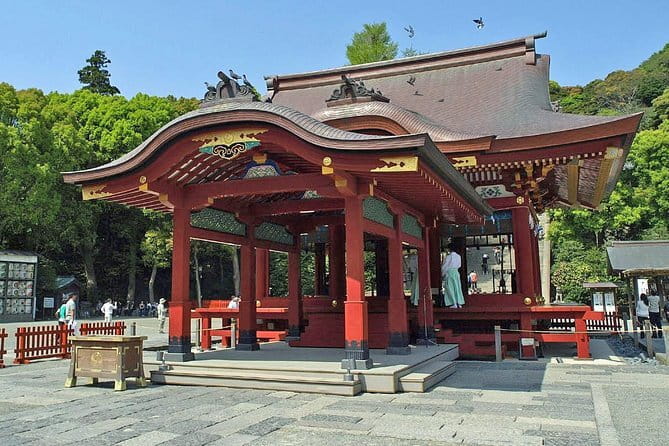
- Tsurugaoka Hachimangu: Kamakura’s central shrine
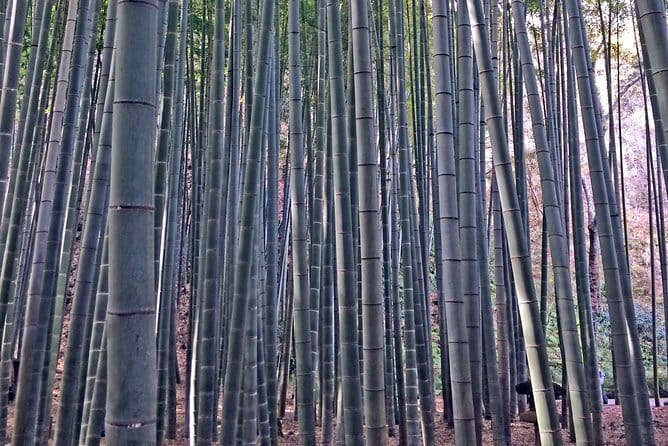
- Hokokuji Temple and its bamboo grove
- Komachi Street: two hours for food and shopping
- The Great Buddha: Kamakura’s defining monument
- Hasedera and the Eleven-Faced Kannon
- A private guide changes the experience
- What the $146.59 price really covers
- Timing, transport, and physical effort
- Who should choose this Kamakura tour?
- My advice before booking
- Should you book it?
- FAQ
- How long does the Kamakura walking tour last?
- What time does the tour begin?
- Is hotel pickup included?
- Is this a private tour?
- Are transportation costs included?
- How much are the entrance fees?
- Is lunch included?
Key points to know before you book
- Hokokuji’s bamboo grove gives the day a quiet Zen pause between larger, busier sights.
- The Great Buddha of Kamakura is a 47-foot bronze statue, with a separate ¥300 admission fee.
- A private group of no more than five allows for a more personal pace and easier conversation.
- Local transportation costs about ¥2,000 per person, paid separately for you and the guide.
- The itinerary covers five major stops, including Tsurugaoka Hachimangu, Komachi Street, and Hasedera.
- Guides named in past bookings include Take, Hiroyuki Iwai, Steve, and Kobata-san, with praise for clear explanations and friendly help.
Why Kamakura makes a good escape from Tokyo
Kamakura is close enough to visit in a day, yet it feels far removed from Tokyo’s dense streets. The city grew around Tsurugaoka Hachimangu, and its temples and shrines still give the center a strong spiritual character.
I like this tour because it does not reduce Kamakura to one photo stop. You see a Shinto shrine, Zen temple grounds, a shopping street, a major Buddhist statue, and Hasedera’s Eleven-Faced Kannon. That range helps you understand that Japanese religious sites are not all alike.
The day lasts about nine hours, but the sightseeing portions add up to only around four hours and 30 minutes. The remaining time goes to travel between Tokyo and Kamakura, plus movement within the city. That is normal for a full-day trip, but you should not expect nine straight hours of temple visits.
Pickup and drop-off are included, which simplifies the start and finish. The tour begins at 9:00 a.m. Exact pickup details should be checked when booking, since the information provided only says that hotel pickup is offered.
A few more Tokyo tours and experiences worth a look
Tsurugaoka Hachimangu: Kamakura’s central shrine
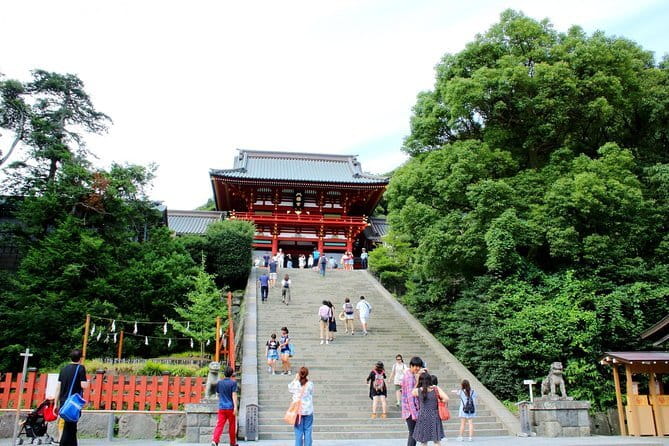
The first stop is Tsurugaoka Hachimangu, with about 30 minutes set aside for the visit. Admission is free, so this is an easy opening stop with no extra ticket to buy.
The shrine is important to Kamakura’s development. The city grew around it, and the main street leads toward this central religious site. The brightly colored buildings offer a clear change from Tokyo’s modern cityscape, while the broad approach gives the visit a sense of ceremony.
Thirty minutes is enough for a focused introduction, but not enough for a slow, detailed exploration of every corner. This is where a guide can add real value. Take, Hiroyuki Iwai, Steve, and Kobata-san are among the guides named in past bookings, and the strongest praise focused on their clear explanations of Japanese religion and Kamakura’s past.
I would pay attention to the distinction between Shinto and Buddhism here. The later stops are Buddhist temples, while Tsurugaoka Hachimangu is a Shinto shrine. Seeing both in one day is one of the tour’s better features.
Hokokuji Temple and its bamboo grove
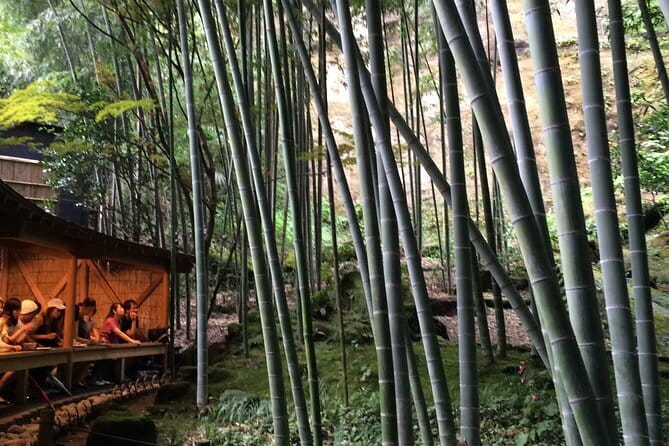
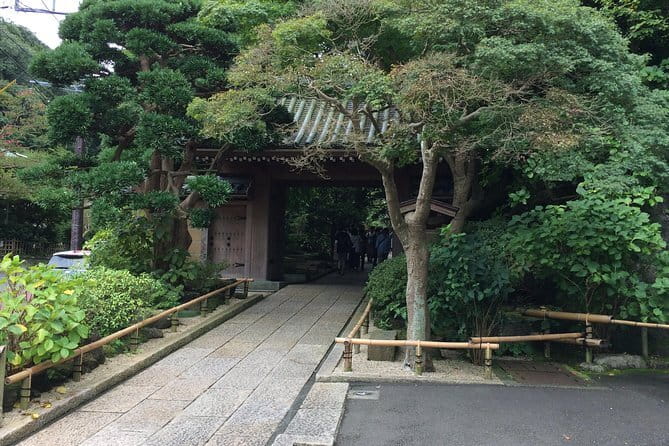
Hokokuji Temple is usually the most calming stop on the route. About an hour is allowed here, including time in the bamboo grove, and the temple charges ¥400 per person.
The grove is the reason most people come. Tall bamboo creates a narrow green corridor that feels quiet and sheltered, even though this is one of Kamakura’s best-known sights. The experience is visual rather than sprawling, so an hour gives you time to walk through the grove without rushing.
Hokokuji is a Zen sect temple, and that setting matters. After the larger shrine, the bamboo provides a slower change of pace. I like this contrast: the tour is not simply a checklist of giant monuments.
The ¥400 admission fee is modest, but it is one of several costs that sit outside the tour price. You will also need to pay for local transportation and any food or drinks. If you want to keep spending predictable, carry enough Japanese yen for the three paid sights.
Komachi Street: two hours for food and shopping
Komachi Street receives the longest stop, at two hours. Admission is free, and the time is intended for shopping, browsing, and lunch.
This is the flexible part of the day. You can use it to look for local snacks, small gifts, or casual food, though lunch is not included. Since the guide’s meal is also not included, plan to cover both your own food and the guide’s lunch if the day’s arrangement requires eating together.
Two hours gives you room to slow down after the temple visits. It also means the tour is not rushed from one religious site to the next. I would ask your guide how much of this time is planned for shopping and how much for lunch, especially if your group has children or different interests.
The tradeoff is that Komachi Street may feel less distinctive to you than the temples. If your main goal is architecture and religious art, two hours here may seem long. If you want a break, snacks, and a chance to see ordinary commercial Kamakura, it is a useful part of the schedule.
The Great Buddha: Kamakura’s defining monument
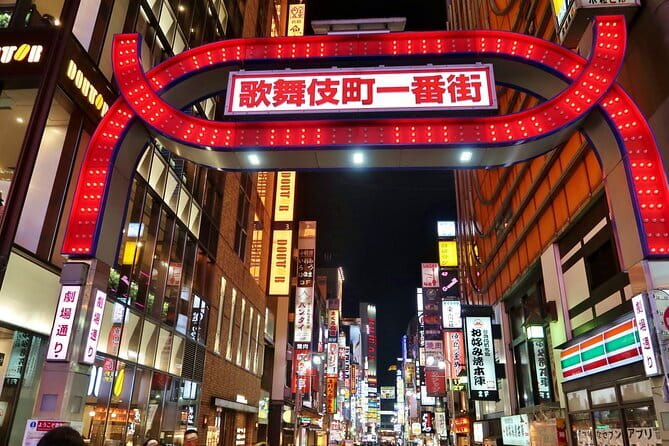
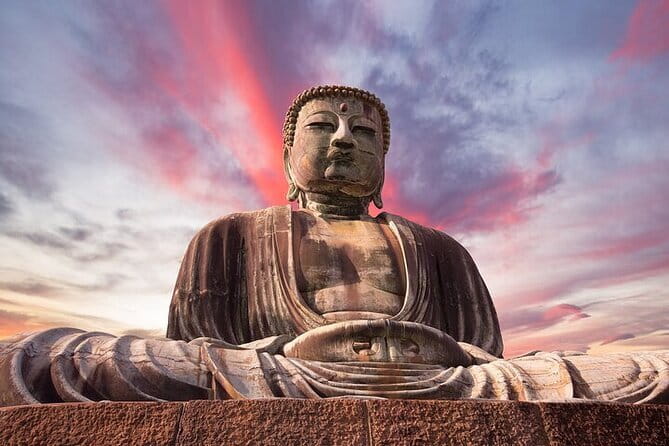
Kotoku-in is home to Kamakura’s Great Buddha, a 47-foot, or 14-meter, bronze statue. The visit lasts about 30 minutes, and admission is ¥300 per person.
The statue is the day’s most instantly recognizable sight. Its size makes an impression, but the bronze surface and calm expression reward a closer look. Thirty minutes allows time to see the statue, take photographs, and hear the basic story of the monument from your guide.
This stop is short, so do not expect a long temple visit. The tour is designed to give you the key experience rather than a full study of the grounds. If the statue is your main reason for visiting Kamakura, you may wish the schedule allowed more time. If you want to see several major sites in one day, the compact visit works well.
The separate ¥300 fee is reasonable, but remember that this is added to the ¥400 for Hokokuji and ¥400 for Hasedera. Admission for all three paid attractions comes to ¥1,100 per person, before transportation and meals.
A few more Tokyo tours and experiences worth a look

Hasedera and the Eleven-Faced Kannon
Hasedera is the final listed sightseeing stop, with about 30 minutes allocated and a ¥400 admission fee. The temple is associated with the Eleven-Faced Kannon, a major Buddhist figure and the focus of the visit.
Like the Great Buddha stop, this is an introduction rather than an exhaustive tour. Thirty minutes lets you see the main point of interest and receive context from the guide, but it leaves little room for a leisurely look around.
The order of the day creates a useful progression. You begin with a central Shinto shrine, move through a Zen temple and bamboo grove, take a break on a shopping street, then visit the Great Buddha and a Buddhist temple. I appreciate that variety because it gives you a clearer sense of how different religious traditions appear in Japan.
If Hasedera is especially important to you, tell the guide early in the day. The tour is private, so there may be more room for discussion than on a large coach trip, though the published timing remains fairly tight.
A private guide changes the experience

This is a private activity, and only your group participates. The group limit is five people, a useful size for a family, two couples, or a small circle of friends.
The guide fee is included, and the guide’s role goes beyond pointing out buildings. You will use public transportation to reach and move around Kamakura, with the guide helping you navigate. Past guide names include Take, Hiroyuki Iwai, Steve, and Kobata-san. Specific praise has focused on their organization, friendly manner, help with subway and bus connections, and explanations of Buddhism and Japanese history.
One especially useful detail is that a guide named Steve reportedly carried an educational folder for explaining Japan’s Buddhism and Kamakura. That kind of visual aid can help younger people follow the subject, and it gives families a better chance of connecting the sights instead of simply photographing them.
A private guide can also help if your group needs a gentler pace. One booking involved a family recovering from illness, and the guide was described as flexible. You should still have a moderate level of physical fitness, since the day involves walking and public transportation.
What the $146.59 price really covers
The listed price is $146.59 per person. For a private nine-hour day from Tokyo, that price may make sense if you value personal guiding and the convenience of hotel pickup and drop-off. It is less attractive if you are comfortable arranging Kamakura by yourself.
The price includes the professional guide and hotel transportation at the beginning and end. It does not include the trains or buses used during the day. The stated estimate for transportation is around ¥2,000 per person, and that applies to the customer and guide.
You also pay:
- ¥400 for Hokokuji Temple’s bamboo grove
- ¥300 for Kotoku-in and the Great Buddha
- ¥400 for Hasedera
- Lunch and drinks for yourself and the guide
That brings the listed entrance fees to ¥1,100 per person. Add the estimated local transportation, food, and drinks, and the final cost will be noticeably higher than the advertised tour price.
I see the value mainly in the guide. Kamakura is not difficult to visit independently, but fitting five major stops into one day requires planning. The guide saves you that work and gives religious and historical context. If you want maximum independence and the lowest possible cost, take the train and visit fewer sights on your own.
Timing, transport, and physical effort
The 9:00 a.m. start gives you a full day, but the schedule depends on public transportation. The tour information specifically notes that much of the remaining time is travel time, so expect movement between Tokyo and Kamakura to take a significant part of the day.
Hotel pickup and drop-off remove one major concern, but transportation between attractions is not included. You will ride with the guide and pay the additional fare. This can be a plus if you are unsure how to use local trains and buses, especially when changing between several parts of Kamakura.
The day is best for someone comfortable with a moderate amount of walking and standing. The tour is near public transportation, and the stops are spread across the city. If you need a highly relaxed schedule, ask about pacing before you book.
The private format helps. You are not trying to keep up with a large group, and the guide can answer questions as you go. Still, five stops, shopping, and transport in one day make this an active outing.
Who should choose this Kamakura tour?
I would recommend it to first-time visitors to Kamakura who want the main sights without planning every train, bus, temple, and meal. Families may also like it, especially because the small group format makes it easier to keep younger people involved.
It suits people who want context, not just photographs. The best part of the day is the range of explanations: Shinto at Tsurugaoka Hachimangu, Zen at Hokokuji, the Great Buddha, and Kannon worship at Hasedera.
It is less suited to someone who wants a slow, single-temple visit. The Great Buddha and Hasedera each receive only about 30 minutes, and the day includes a long shopping stop. It is also not the best bargain for solo visitors, since a private tour price can be easier to justify when divided among several people.
The tour has received five-star feedback across five recorded ratings, with the most consistent praise directed at the guides’ organization, friendliness, cultural explanations, and help with public transportation. Those qualities matter more here than flashy extras because Kamakura’s appeal depends on understanding what you are seeing.
My advice before booking
Confirm the pickup point, ask which guide is assigned, and budget for the extra ¥2,000 transportation estimate, ¥1,100 in admission fees, and lunch. If you have a favorite stop, mention it before the day begins, since the listed visits are fairly timed.
Free cancellation is available if you cancel at least 24 hours before the 9:00 a.m. start. Changes or cancellations inside that window are not accepted for a refund.
Should you book it?
Book this tour if you want an organized Kamakura day with a private guide, hotel pickup, public transportation help, and a broad mix of religious sites. The small group and guide-led explanations are the strongest reasons to pay more.
Skip it if keeping costs low is your top priority, or if you prefer to spend a whole morning at one temple. For everyone else, this is a well-shaped introduction to Kamakura, with the Great Buddha for scale, Hokokuji for calm, and Tsurugaoka Hachimangu and Hasedera for cultural context.
FAQ
How long does the Kamakura walking tour last?
The tour lasts approximately nine hours, including travel time between Tokyo, Kamakura, and the attractions.
What time does the tour begin?
The stated start time is 9:00 a.m.
Is hotel pickup included?
Yes. Hotel pickup and drop-off are included.
Is this a private tour?
Yes. Only your group participates, with the group limited to five people.
Are transportation costs included?
No. Transportation to and from the attractions for you and the guide costs around ¥2,000 per person.
How much are the entrance fees?
Hokokuji Temple’s bamboo grove costs ¥400, Kotoku-in and the Great Buddha cost ¥300, and Hasedera costs ¥400 per person.
Is lunch included?
No. Lunch and drinks are not included for either the customer or the guide.
More Walking Tours in Tokyo



More Temples & Meditation in Tokyo
More Kamakura & Enoshima Day Trips in Tokyo
More tours in Tokyo we've reviewed










Kamakura & Enoshima Day Trips, compared.
 ★ 4.5Tokyo: Kamakura & Enoshima Day Trip including Temple TicketsFrom $589 hours - 570 minutes
 ★ 4.5Tokyo: Mt. Fuji, Kamakura, Big Buddha, & Lake Ashi Day TripFrom $4910 - 11 hours
 ★ 4.5From Tokyo: Kamakura & Enoshima 1-Day Bus TourFrom $66
 ★ 5.0Kamakura Historical Walking Tour with the Great BuddhaFrom $98
 ★ 5.0Kamakura Private Tour: Temples, Nature, and the Great BuddhaFrom $98
 ★ 5.0Kamakura Walking Tour – The City of ShogunFrom $35