
Reviewed · DESSERT TOURS
Best of Downtown Tokyo: Nature, Coffee, & Japanese Sweets Tasting
Kiyosumi Shirakawa gives you a calmer, more local side of Tokyo without sending you far from the center. In about two hours, you’ll move from a feudal-era garden to Tokyo’s third-wave coffee scene, then finish with two Japanese sweets chosen to show old and new.
I like the small maximum of five people, which should make Daisy’s explanations and neighborhood advice feel personal. I also like the mix of nature, coffee, and food, three easy ways to get a feel for a district without spending half a day on trains.
The main catch is that the garden admission is not included, and the morning stop is built around coffee and sweets. If you avoid both, or want a major Tokyo landmark, this is not the right fit.
In This Review
- Key points at a glance
- Why Kiyosumi Shirakawa makes a smart first Tokyo outing
- An hour among ponds, stones, and birds at Kiyosumi Gardens
- Coffee culture at Allpress Espresso Tokyo Roastery
- Modern and traditional sweets near Kiyosumi-dori
- What Daisy adds to a short neighborhood walk
- How the $65.03 price measures up
- Timing, meeting point, and physical effort
- Who should choose this experience
- Should you book the Kiyosumi Shirakawa morning tour?
- FAQ
- How long does the tour last?
- What time does the tour begin?
- Where does the tour meet?
- Is garden admission included?
- How many people can join the tour?
- Can I cancel for a full refund?
Key points at a glance

- Kiyosumi Gardens first: Spend about an hour in one of Tokyo’s nine famous public gardens, with time to notice ponds, birds, fish, and other details.
- Allpress Espresso Tokyo Roastery: Taste coffee in the neighborhood associated with Japan’s third-wave coffee movement.
- Two different Japanese sweets: End with one modern and one traditional treat, giving you a quick lesson in changing food culture.
- Daisy as your guide: Her clear explanations cover the garden and the district, with help choosing a station after the tour.
- A five-person limit: The small group suits people who prefer conversation over a large walking crowd.
- A 9 a.m. start: The early timing leaves most of the day open for museums, shopping, or central Tokyo sights.
Why Kiyosumi Shirakawa makes a smart first Tokyo outing
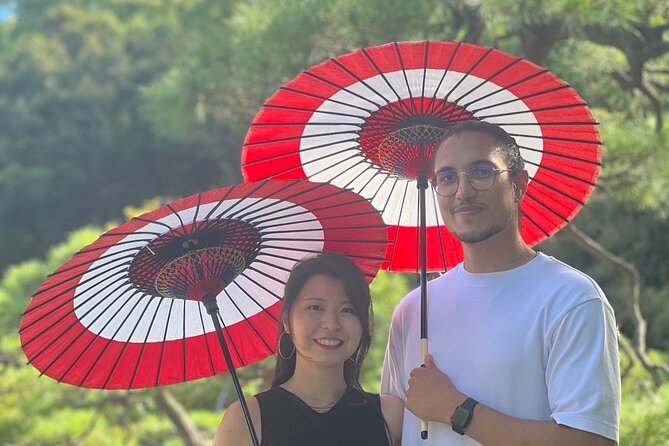
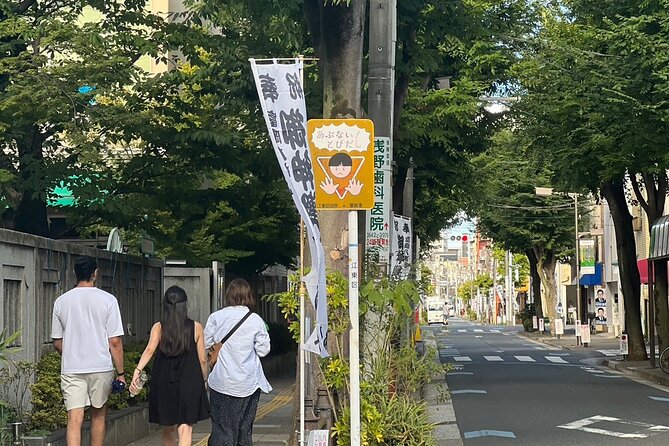
Tokyo can hit you all at once: crowded platforms, tall buildings, flashing signs, and a long list of famous places. Kiyosumi Shirakawa offers a gentler beginning. It sits in Koto City, close enough to central Tokyo attractions for easy onward plans, yet it has a slower neighborhood feel.
The area combines old and new in a way that feels natural. Traditional family-run bars and old warehouses share the district with independent coffee shops, galleries, and newer food businesses. You are not simply ticking off a famous sight. You are seeing how a Tokyo neighborhood changes while keeping some of its older character.
That makes this a useful choice for your first or second morning in the city. You get a guide to the area, a short walk, a garden visit, and food stops without committing to a full-day program. The pace is leisurely, but the experience still has a clear shape.
The tour starts at 9 a.m. and lasts about two hours. Afterward, you can continue exploring Kiyosumi Shirakawa or use the guide’s help to choose the best nearby station for your next stop.
A few more Tokyo tours and experiences worth a look

An hour among ponds, stones, and birds at Kiyosumi Gardens
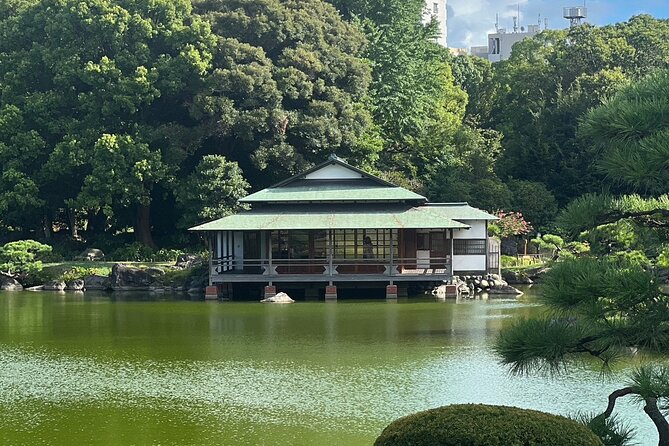
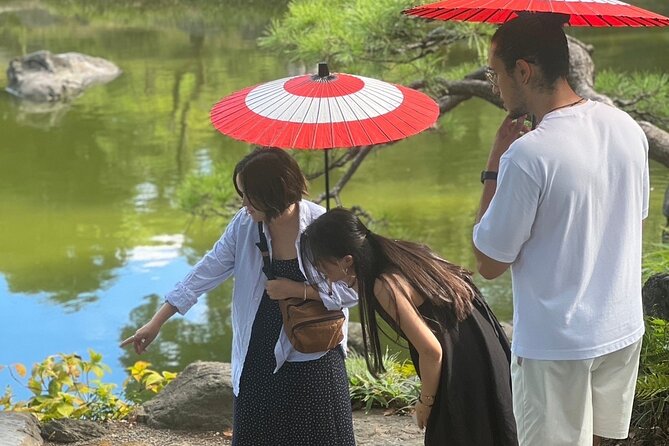
Kiyosumi Teien is the centerpiece of the morning. The garden was built by a feudal lord during the Kyoho era and later became one of Tokyo’s nine famous public gardens. That background gives the walk more meaning than a simple pause in a green space.
You will have about an hour here. Daisy explains key historic points and landmarks as you walk, helping you understand why particular parts of the garden matter. The supplied details do not promise a fixed route or a specific set of stops, so expect a guided introduction rather than a formal lecture or a long historical tour.
The garden is also where the tour feels most peaceful. A visit here gives you space to slow down and pay attention to small details. You might see birds, fish, and even a snapping turtle. Those are the kinds of encounters that can make a short garden visit feel distinct from a standard city sightseeing route.
One practical note matters: admission is not included. The information provided does not give the current entrance fee, so check the price when booking and bring enough Japanese yen or a suitable payment method if needed. This is a minor extra, but it affects the real cost of the morning.
Finding the meeting point may require care. The start address is 3-chōme-3 Kiyosumi, Koto City, Tokyo. One person had trouble after a rideshare driver failed to stop at the garden entrance, though Daisy provided directions and the garden was easy to find once oriented. I would use the exact meeting address and allow extra time, especially if you arrive by taxi.
Coffee culture at Allpress Espresso Tokyo Roastery
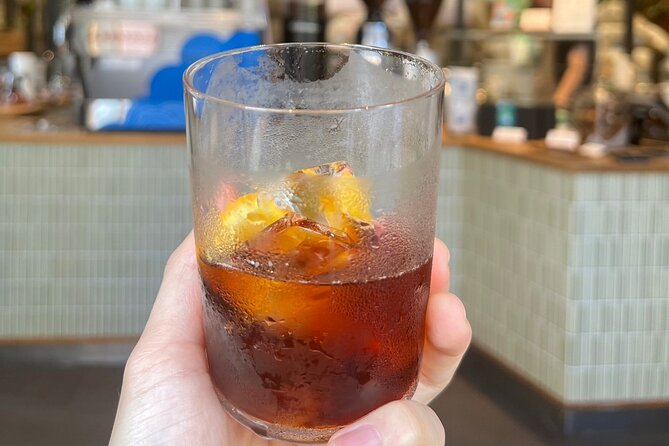
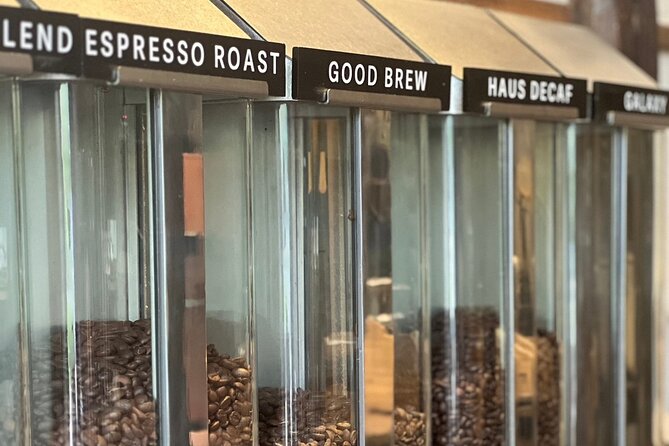
After the garden, the group spends about 30 minutes at Allpress Espresso Tokyo Roastery & Cafe. Kiyosumi Shirakawa is associated with the rise of Japan’s third-wave coffee scene, and this stop shows a more modern side of the neighborhood.
The plan is simple: enjoy freshly brewed coffee and choose a light breakfast. The experience is less about rushing through a cafe and more about noticing how coffee fits into the district’s identity. You get a break after walking, a chance to ask Daisy questions, and a taste of the independent cafe culture that has helped change Kiyosumi Shirakawa’s reputation.
The coffee stop also gives the tour a useful contrast. Kiyosumi Gardens reflects carefully arranged Japanese tradition. Allpress represents a newer urban habit, with roasting and specialty coffee at the center. Placing the two in the same morning helps you read the district as a living place rather than a set of old sights.
The details of the breakfast choices are not specified. If you have allergies, dietary restrictions, or a strong preference for a certain drink, ask before booking. The activity is specifically not recommended for people who do not like tea, coffee, and sweets, so this is not a good match for someone hoping to skip the food and drink portions.
Because admission tickets are not included, I would also set aside some money for purchases during the morning. The listed price is $65.03 per person, but the supplied details do not clearly state which food and drink items are covered. Confirm that point before you pay if keeping to a strict budget matters.
Modern and traditional sweets near Kiyosumi-dori
The final 30 minutes focus on two Japanese sweets, one modern and one traditional. The stop is connected with Futatsume-dori, also called Kiyosumi-dori, and the Futatsume-dori Origin Monument.
This ending works because it is short, specific, and easy to remember. Rather than giving you a broad lecture on Japanese food, Daisy presents two distinct examples. The contrast should help you notice how Japanese sweets can range from familiar contemporary treats to foods tied to older customs.
The exact sweets are not named in the supplied information. That uncertainty is part of the small surprise built into the tour, but it also means you cannot assess the selections in advance. If you have food allergies or avoid particular ingredients, ask the provider for details before booking.
The wording describes a sweet or savory Japanese treat of your choice, while the final stop refers to two distinct Japanese sweets. I would treat the exact food arrangement as something to confirm at booking. The central idea is clear: you finish by tasting both a modern and a traditional option.
What Daisy adds to a short neighborhood walk
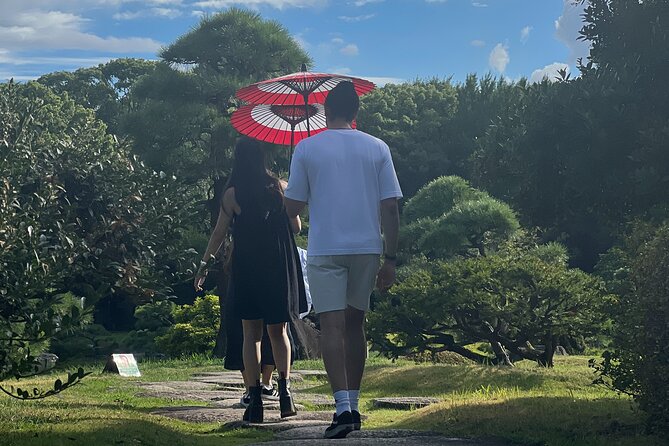
A two-hour neighborhood tour can easily become a string of stops with little connection between them. Daisy’s role is important because the garden, coffee shop, and sweets are more useful when someone explains how they fit together.
The information from the experience describes her explanations as clear, informative, and interesting. That comes through most strongly at Kiyosumi Gardens, where she points out historic features and helps you notice wildlife such as birds, fish, and a snapping turtle. She also gives practical help at the end, including advice on which nearby station is best for your next destination.
That last detail is more useful than it sounds. Kiyosumi Shirakawa has multiple stations, and Tokyo’s rail network can feel confusing when you are still learning the city. A quick route suggestion can save you from checking several maps while standing on a busy platform.
The group limit is five people. I would choose this format if you like asking questions, prefer a quiet walking pace, or want a guide who can adjust explanations to the people present. It is less suitable if you enjoy a large social group or want a fixed, highly structured sightseeing production.
A few more Tokyo tours and experiences worth a look




How the $65.03 price measures up
At $65.03 per person, this is not the cheapest way to spend two hours in Tokyo. You could walk through a neighborhood on your own, pay for garden entry, and buy coffee and sweets for less.
The price makes more sense if you value context and local orientation. You are paying for Daisy’s time, a planned route, a small group, and help connecting three different parts of Kiyosumi Shirakawa. For a first visit, that can be worthwhile. You do not need to research the garden, locate the coffee shop, decide which food stops matter, or work out the best station afterward.
The five-person maximum also affects value. A large group would make the $65 price harder to justify for such a short activity. With only a few people, you have a better chance to ask about Tokyo, Koto City, local food, and onward travel.
Still, keep the extra costs in mind. Kiyosumi Gardens admission is not included, and the exact coverage of coffee, breakfast, and sweets is not fully stated. Ask for a clear breakdown before booking so you can compare the total cost with a self-guided morning.
The tour is booked, on average, 24 days ahead. That does not guarantee that every date fills, but it suggests you should reserve early if your Tokyo schedule is tight, especially because the group is capped at five.
Timing, meeting point, and physical effort
The meeting point is at 3-chōme-3 Kiyosumi, Koto City, Tokyo 135-0024, Japan, with a 9 a.m. start. The endpoint is near 麺屋 宮本 in Shirakawa, Koto City. Daisy can help you decide which local station best connects with your next destination.
The route lasts roughly two hours and includes about an hour in the garden, 30 minutes at the coffee shop, and 30 minutes for the final stop. Since it is a walking activity, you should have a moderate level of physical fitness. The information does not state the total walking distance, the number of stairs, or seating arrangements, so ask directly if those details are important for you.
I would wear comfortable shoes and arrive with enough time to find the starting point. The taxi issue described above is a useful warning: do not assume a driver will leave you at the correct garden entrance. Use the exact address and contact the guide if you need directions.
After the tour, you are well placed to continue at your own pace. The guide’s station advice is especially helpful if you plan to move on to another Tokyo district rather than stay in Kiyosumi Shirakawa.
Who should choose this experience
I would recommend this tour to you if you want a soft landing in Tokyo. It suits first-time visitors who need a calm introduction, repeat visitors who have already seen the major sights, and anyone who prefers ordinary neighborhood texture over a packed landmark schedule.
It is also a good fit if you enjoy food as part of sightseeing. The morning has three different pleasures: a formal garden, specialty coffee, and Japanese sweets. The combination keeps the pace varied without feeling hurried.
The small group should appeal to solo visitors, couples, and friends who like direct contact with a guide. Daisy’s help with transport adds practical value for anyone still getting used to Tokyo’s stations.
I would skip it if you want a full breakfast, a long food tour, or detailed coverage of several major attractions. Two hours passes quickly, and the tour stays within one district. I would also skip it if you dislike coffee, tea, or sweets, since those tastes are central to the experience.
Should you book the Kiyosumi Shirakawa morning tour?
Book it if you want a relaxed, local-feeling start to Tokyo and are happy to pay for a guide rather than plan every detail yourself. The garden is the strongest reason to go, while the coffee and sweets give the morning a pleasant food-and-culture finish.
Before booking, confirm what food and drink costs are included, check the garden admission fee, and allow extra time to find the meeting point. With free cancellation up to 24 hours before the 9 a.m. start, you have some flexibility, but changes or cancellations inside that window are not accepted.
For visitors who want quiet streets, a small group, and a useful introduction to one of Tokyo’s less familiar districts, this is a good buy. For major sights, nightlife, or an intensive culinary tour, spend your $65 elsewhere.
FAQ
How long does the tour last?
The experience lasts approximately two hours.
What time does the tour begin?
The tour starts at 9 a.m.
Where does the tour meet?
The meeting point is 3-chōme-3 Kiyosumi, Koto City, Tokyo 135-0024, Japan.
Is garden admission included?
No. Admission to Kiyosumi Gardens is not included in the tour price.
How many people can join the tour?
The maximum group size is five people.
Can I cancel for a full refund?
Yes. You can cancel at least 24 hours before the experience start time for a full refund. Cancellations or changes made less than 24 hours before the start are not accepted.
More Dessert Tours in Tokyo
More Coffee Experiences in Tokyo
More tours in Tokyo we've reviewed








Dessert Tours, compared.
 ★ 5.0Matcha Making Class in Tokyo with Authentic Japanese Sweets SetFrom $21
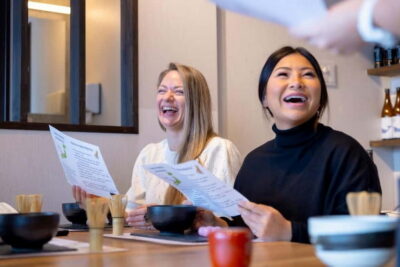 ★ 4.9Tokyo: Matcha Making Experience with Mochi Sweets in AsakusaFrom $221 hour
 ★ 5.0Make Traditional Nerikiri Sweets & Matcha experience in ShibuyaFrom $60
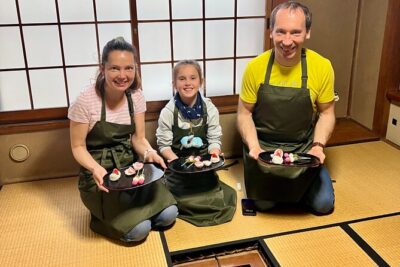 ★ 5.0Private Mochi Sweets Making class near Shibuya areaFrom $79
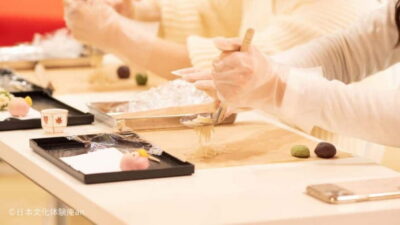 ★ 4.7Japanese Traditional Sweets making and Tea CeremonyFrom $181h 35m
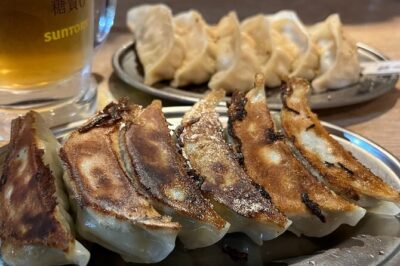 ★ 5.0Tokyo Local Food Tour: Noodles, Skewers, Dumplings, SweetsFrom $74