
Reviewed · SHIBUYA TOURS
Tokyo: E-scooter Experience in Shibuya with Iconic Photos
Tokyo looks different from an e-scooter. Instead of watching Shibuya’s famous crossing from the pavement, you move through the city under its neon glow, then trade the bright crowds for the quiet gate of Meiji Shrine and the tree-lined streets of Meijijingu Gaien. That change of mood is the real appeal.
I like the beginner-friendly introduction, especially for anyone nervous about riding. I also like the small maximum group of seven, since the guide can watch the pace and pause for photos. The main catch is that this is a moving photo tour, not a deep visit to each landmark. Stops are short, and poor weather can cancel the ride.
In This Review
- Key points at a glance
- Starting near Mita, then heading toward Shibuya
- Shibuya Crossing gives you the big-city opening
- Meiji Shrine brings a quieter pause
- Meijijingu Gaien adds trees and seasonal color
- The guide support is a major part of the value
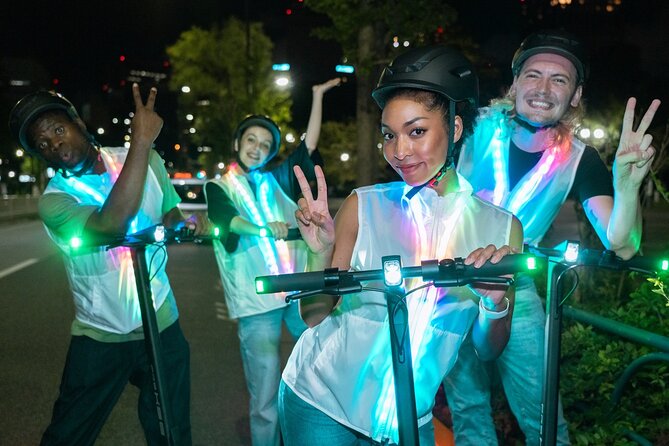
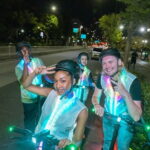
- The glowing vest makes the photos more memorable
- Is $52.02 a fair price for two hours?
- Who will enjoy this ride most?
- Timing, weather, and what to plan before riding
- Should you book the Shibuya e-scooter experience?
- FAQ
- Where does the e-scooter tour begin?
- Where does the tour end?
- How long does the experience last?
- How fast can the e-scooters go?
- Is the tour suitable for first-time e-scooter riders?
- How many people can join the tour?
- Are photos included?
- Are food and drinks included?
- What landmarks are included?
- What happens if the weather is poor?
Key points at a glance
- Three very different Tokyo settings: Shibuya Crossing, Meiji Shrine, and the ginkgo-lined streets of Meijijingu Gaien.
- A practical choice for first-time riders: You receive a quick tutorial and time to practice before setting off.
- Speed is limited to 20 km/h: That keeps the ride manageable while still giving you a sense of motion through the city.
- Photos are part of the package: The guide takes pictures during the tour and sends them to you afterward.
- A small group keeps the ride personal: No more than seven people can join.
- Allow for weather changes: The tour requires good weather and offers a new date or full refund if conditions force a cancellation.
Starting near Mita, then heading toward Shibuya
The meeting point is NEON NEON TOKYO at 4-chōme-1-4 Mita, Minato City, Tokyo 108-0073. The activity returns to this same point, which makes the end of the ride simple. The meeting area is near public transportation, but you should still check your route carefully before leaving your hotel, since Tokyo’s rail stations can have several exits and large underground passages.
You receive a mobile ticket, and confirmation arrives when you book. The advertised ride lasts about two hours, including the orientation and photo stops. That is a useful length for a first e-scooter outing: long enough to see several parts of the city, but short enough that you are not committed to riding all day.
The guide begins with a safety explanation and a quick tutorial. One useful detail comes from the experience itself: first-time riders are given a chance to practice before joining the route. If you feel tense at the start, use that time. Get comfortable with starting, slowing, and steering before the group moves into busier streets.
The scooters reach up to 20 km/h. That is not a racing speed, and it should not be treated like one. The limit gives you a way to cover more ground than walking while keeping the ride approachable for people who have never used an e-scooter.
A few more Tokyo tours and experiences worth a look


Shibuya Crossing gives you the big-city opening
Shibuya Crossing is the tour’s headline stop. You visit the area, take a picture with the crossing as a background, and get a quick look at one of Tokyo’s most recognizable city scenes.
The value here is visual rather than historical. The crossing shows Tokyo at its most concentrated: people moving in several directions, tall buildings rising around the intersection, and large signs competing for your attention. On a scooter, you also experience the surrounding streets as part of the scene instead of viewing the crossing from one fixed sidewalk.
The listed stop lasts about five minutes. That tells you how to set your expectations. You will have time for a photo and a short look, but not a long pause to explore every angle or visit nearby shops. If Shibuya is your main reason for booking, consider spending extra time in the district before or after the tour.
The photo element matters here. The guide is not simply leading you past the crossing. Photos are taken during the ride and sent to you at the end, so you can enjoy the view without constantly holding up your phone. The glowing safety vest also adds a playful visual touch, especially in the city’s brighter streets.
The schedule may also allow a little flexibility. One participant praised the guides for slowing down when needed and stopping for Tokyo Tower photos. That does not promise a Tokyo Tower stop on every departure, but it suggests that the guides may respond to the group and nearby photo opportunities when time and route conditions permit.
Meiji Shrine brings a quieter pause
The route then changes character at Meiji Shrine. Here, the photo stop focuses on the shrine gate and the solemn atmosphere around it. The contrast with Shibuya is the point. A few minutes earlier, you were surrounded by signs, traffic, and crowds. At the shrine, the visual focus becomes wood, open space, and the formal entrance gate.
This is a brief outside visit, not a full shrine tour. The stop is listed at about five minutes, so do not expect time for a detailed walk through the grounds or a long explanation of Shinto customs. Still, even a short pause gives the ride a better sense of Tokyo’s range.
I find this kind of contrast useful on a short city tour. A route made only of bright streets can feel repetitive. Meiji Shrine breaks up the ride and gives you a quieter setting for photos. The gate also creates a strong background without requiring a long detour.
You should treat the shrine area with care. The tour description emphasizes its solemn mood, so this is not the place for noisy joking or rushed posing. Listen to the guide’s directions and keep the photo stop respectful.
Meijijingu Gaien adds trees and seasonal color
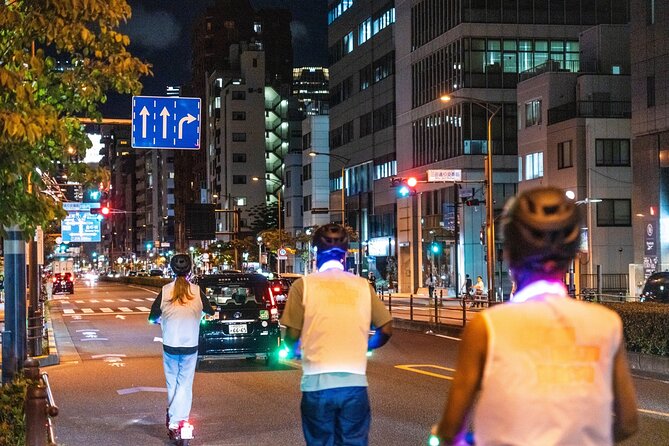
The third named stop is Meijijingu Gaien, a broad, tree-lined area where the guide pauses for photos. The avenue is especially scenic in fall, when the ginkgo trees turn yellow. This part of the route gives you a different kind of Tokyo image: less neon, more open road and ordered rows of trees.
The seasonal timing matters. The ginkgo color is not guaranteed, and the tour does not promise a particular fall date. If you happen to ride during the yellow-leaf season, the setting can provide some of the strongest photos of the day. At other times, the tree-lined street still offers a welcome change from the dense city blocks.
Again, the stop is short. You get a photo background and a quick look rather than a long nature walk. The scooter is useful here because it links this area with Shibuya and the shrine without asking you to make the full connection on foot.
For photographers, this is a good reason to keep expectations realistic and flexible. The guide takes photos as part of the tour, but you may still want to bring your phone for personal shots. Avoid stopping on your own unless the guide says it is safe and suitable.
The guide support is a major part of the value
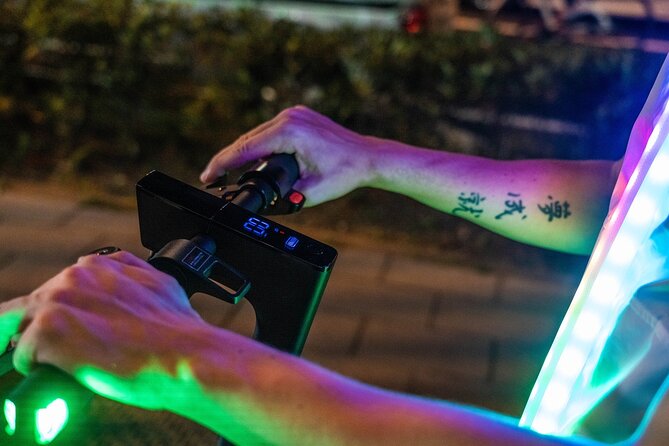
The scooter rental is only one part of what you pay for. The two-hour local guide, practice session, group supervision, and included photos make up much of the tour’s practical value.
The strongest praise concerns guide support. The guides have been described as friendly, attentive, and willing to slow down when someone needs more time. They also keep checking that everyone can keep up while taking pictures. That is exactly what you want on a group ride, where one nervous or inexperienced rider can otherwise feel pressured.
No guide names are provided, so I cannot tell you who will lead your departure. What you can expect is a guide-led format rather than an independent scooter rental. That distinction matters. You are not simply collecting a scooter and navigating Tokyo alone. Someone is setting the pace, helping with the initial practice, and organizing the photo stops.
The maximum group size is seven. That is small enough for the guide to notice problems, but it is still a group ride. You will need to follow the route and keep moving when the group leaves a stop. If you prefer to wander at your own pace or spend half an hour at one landmark, this format may feel too structured.
Other photography tours in Tokyo




The glowing vest makes the photos more memorable
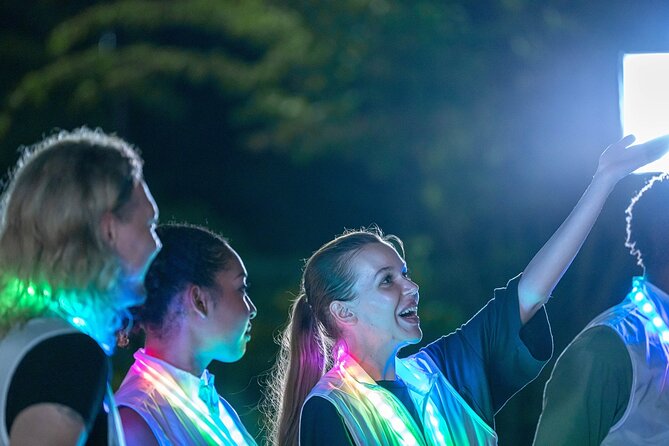
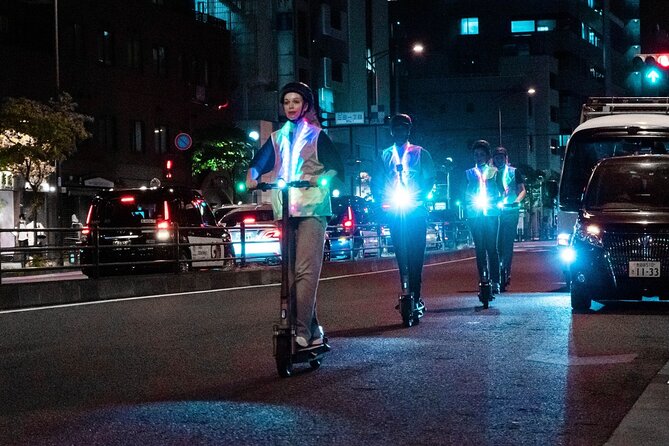
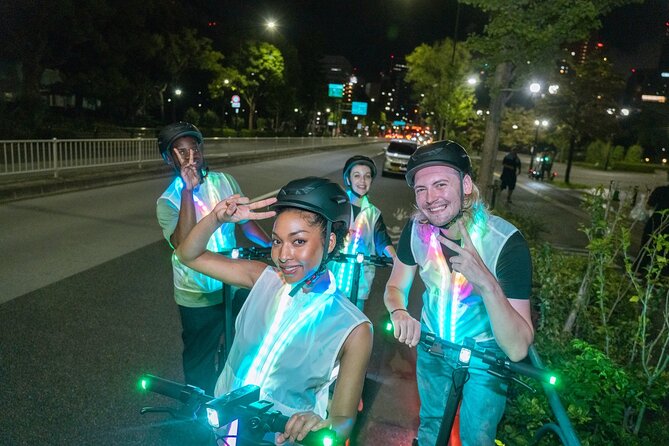
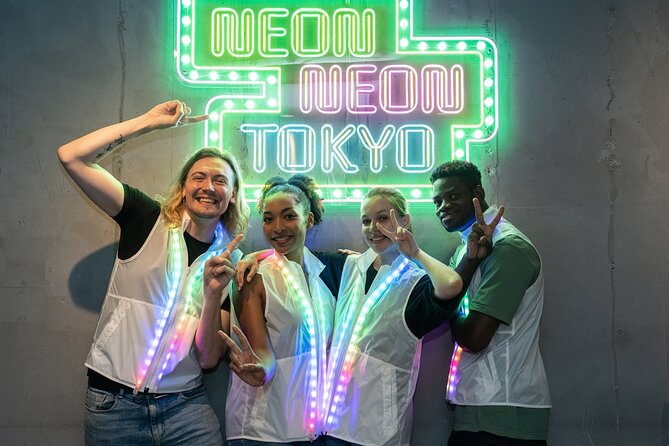
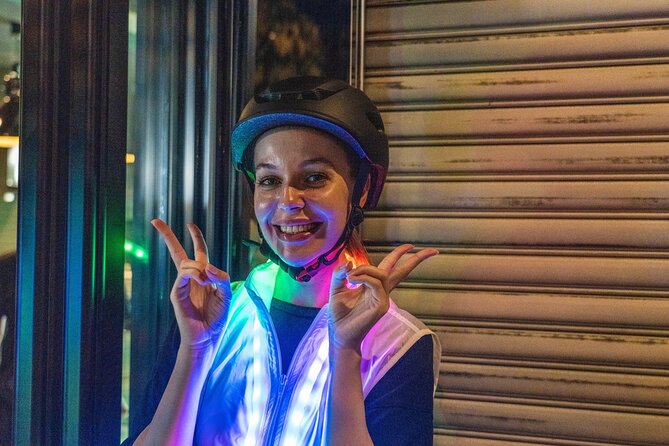
The safety vest serves two jobs. It provides a visible safety feature and becomes part of the tour’s look in photos. The glowing design fits the Shibuya setting, where bright signs and city lights are part of the visual appeal.
That detail may sound minor, but it helps distinguish this ride from an ordinary scooter rental. Your pictures will show more than a standard sightseeing pose. They will capture the activity itself, with you on the scooter and the illuminated vest adding a clear sense of occasion.
The included photos are sent at the end of the tour. The information does not specify how many photos you receive or the delivery method, so do not book this expecting a guaranteed professional photo package with a fixed number of edited images. Think of it as a useful record of the outing, with the guide helping capture moments while you ride.
The photo stops also mean you do not need to spend the whole ride trying to frame yourself. Keep your phone secure and focus on riding. You can take personal pictures during the approved stops, while the guide handles the group shots.
Is $52.02 a fair price for two hours?
At $52.02 per person, this is not the cheapest way to see Shibuya. Walking through the district costs nothing, and public transportation is inexpensive. The price makes more sense if you value the combination of scooter rental, instruction, guide support, and photos.
I would compare it with a self-guided rental rather than with a standard walking tour. A rental might give you more freedom, but it would not include a guide setting the pace, a practice session, or photos taken along the way. The small group also adds practical value for a first ride.
The tour is less compelling if you already ride scooters confidently and mainly want extended time at Shibuya Crossing or Meiji Shrine. The short stops limit independent exploration, and food and drinks are not included. You are paying for a compact, guided route with a recreational feel, not a full-day sightseeing program.
For a special Tokyo evening or a first visit, the price can be reasonable. The ride gives you movement, variety, and a set of memorable photo backgrounds in one booking. For a strict budget, you may prefer to explore these districts on foot and spend the money elsewhere.
Who will enjoy this ride most?
This tour suits you if you want to see several Tokyo settings without committing to a long walking day. It is also a good fit if you are curious about e-scooters but want an instructor nearby before riding in a city environment.
The experience appears suitable for most people, and the operator allows a maximum of seven participants. Still, you should be comfortable following a guide and riding at the group’s pace. The information does not provide detailed age, height, weight, or mobility requirements, so contact the provider if you need those specifics before booking.
First-time riders may get the most from the experience because the orientation reduces the barrier to trying a scooter. The feedback also points to guides who are willing to slow down and check that everyone can keep up. That support is especially useful if you are unsure of your balance or reaction speed.
It may be less suitable for someone seeking a detailed cultural tour. Meiji Shrine and Gaien are included as short photo stops, not extended visits. You also should not choose it as your only Shibuya sightseeing if you want lots of shopping, food, or time inside attractions.
Timing, weather, and what to plan before riding
The listed duration is approximately two hours, and the route returns to the starting point. Since the tour depends on good weather, leave some flexibility in your Tokyo schedule if possible. If poor weather causes cancellation, you are offered another date or a full refund.
The cancellation rule is straightforward but strict near departure. You can cancel for a full refund up to 24 hours in advance. Inside that 24-hour window, cancellations and changes are not accepted for a refund.
Food and drinks are not included. With only short stops listed, you may want to eat before or after the ride rather than expect a meal break during it. The meeting point is near public transportation, which helps, but allow enough time to find NEON NEON TOKYO and complete the check-in before the tutorial begins.
Wear clothing that lets you move comfortably and keep your belongings secure. The provided information does not list a specific clothing requirement, so I would keep it simple and practical. Bring a phone for your own photos, but do not let it distract you while the scooter is moving.
Should you book the Shibuya e-scooter experience?
Book it if you want a short, social ride with a clear route, a supportive guide, and photos from several very different parts of Tokyo. The quick practice session, limited speed, and group size make it a sensible introduction to e-scooters, while the glowing vest adds a fun touch to the pictures.
Skip it if you want long visits at the landmarks, a food-focused outing, or complete control over your route. The five-minute stops are enough for a snapshot and a quick impression, not for serious sightseeing.
For the right reader, the best feature is the mix of city energy and quieter scenery. You get Shibuya’s famous crossing, the formal gate of Meiji Shrine, and the trees of Meijijingu Gaien in one two-hour loop. At $52.02, that is a fair trade if guided riding and ready-made photos matter more to you than a low-cost walk.
FAQ
Where does the e-scooter tour begin?
The tour begins at NEON NEON TOKYO, 4-chōme-1-4 Mita, Minato City, Tokyo 108-0073, Japan.
Where does the tour end?
The activity ends back at the meeting point.
How long does the experience last?
The tour lasts approximately two hours.
How fast can the e-scooters go?
The e-scooters can reach speeds of up to 20 km/h.
Is the tour suitable for first-time e-scooter riders?
Yes. The tour includes a quick tutorial and time to practice before riding. The information also says most people can participate.
How many people can join the tour?
The maximum group size is seven participants.
Are photos included?
Yes. Photos are taken during the tour and sent to you at the end.
Are food and drinks included?
No. Food and drinks are not included in the price.
What landmarks are included?
The route includes Shibuya Crossing, the gate of Meiji Shrine, and the tree-lined streets of Meijijingu Gaien.
What happens if the weather is poor?
The experience requires good weather. If it is canceled because of poor conditions, you can choose another date or receive a full refund.
More Scooter Rentals in Tokyo
More Photography Tours in Tokyo
More Shibuya Tours in Tokyo



More tours in Tokyo we've reviewed










Shibuya Tours, compared.
 ★ 5.0Official Street Go-Kart in ShibuyaFrom $76
 ★ 4.9Tokyo: Street Kart Experience in ShibuyaFrom $741 hour
 ★ 5.0Shibuya Meltdown Nightlife Tour: All-You-Can-Drink Bar HoppingFrom $106
 ★ 5.0Shibuya Official Street Go-Kart in Shibuya AnnexFrom $69
 ★ 5.0Tokyo: Shibuya Food Tour (13 dishes and 4 Eateries)From $77
 ★ 5.0Best of Shibuya Food TourFrom $217