
Reviewed · ASAKUSA TOURS
Guided Tour of Walking and Photography in Asakusa in kimono
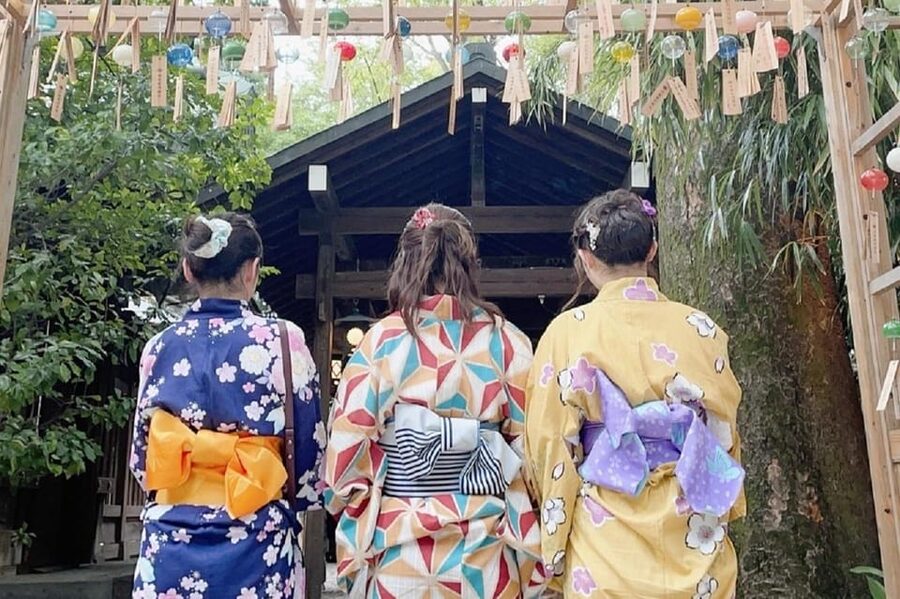
Asakusa is at its best when you see it in a kimono. The outfit fits the old Tokyo setting around Kaminarimon Gate, Nakamise Street, and Senso-ji Temple, while a guide helps you move through the area without wasting time on poor photo angles.
I especially like two things here: you do not need to arrange a separate photographer, since the guide takes pictures with your camera, and the guide helps with the cultural side of choosing and wearing a kimono. The main point to consider is time. About one hour goes to dressing, hair, and fitting, leaving roughly three hours for sightseeing.
In This Review
- Key points to know before booking
- Why Asakusa works so well for a kimono walk
- The one-hour kimono fitting at the start
- Kaminarimon Gate and the first photographs
- Nakamise Street, shopping, and the walk to Senso-ji
- Senso-ji Temple and the classic Asakusa frame
- Returning to Kaminarimon for extra photo time
- Sumida River Terrace and the Tokyo Skytree backdrop
- Returning the kimono and the next-day option
- Emiko, guide support, and the small-group format
- What the $116 price really buys
- Who will enjoy this Asakusa experience most
- Should you book it?
- FAQ
- Where does the kimono walking tour meet?
- How long does the whole activity last?
- Is the kimono rental included in the price?
- Can the guide take photographs for me?
- What languages are available?
- Can I return the kimono the next day?
Key points to know before booking
- Kimono fitting takes about one hour: You select your outfit, choose a hairstyle, and have everything adjusted before heading outside.
- The guide knows the photo angles: Expect help placing yourself with Kaminarimon, Senso-ji, Tokyo Skytree, and seasonal cherry blossoms.
- Emiko receives especially warm praise: Her help with dressing, family needs, photos, food suggestions, and shopping is a repeated strength in the feedback.
- The group is limited to seven people: This is small enough for personal help with clothing and pictures.
- The route stays in central Asakusa: You visit the district’s best-known sights on foot, then walk to Sumida River Terrace.
- Optional extras cost more: Hair variations and kimono upgrades are not included in the standard price, and food, transport, and entrance fees are separate.
Why Asakusa works so well for a kimono walk
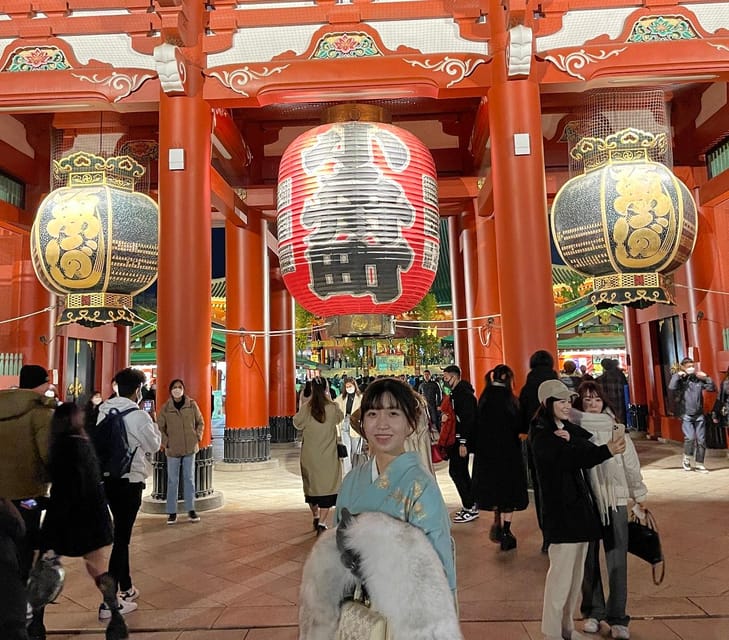
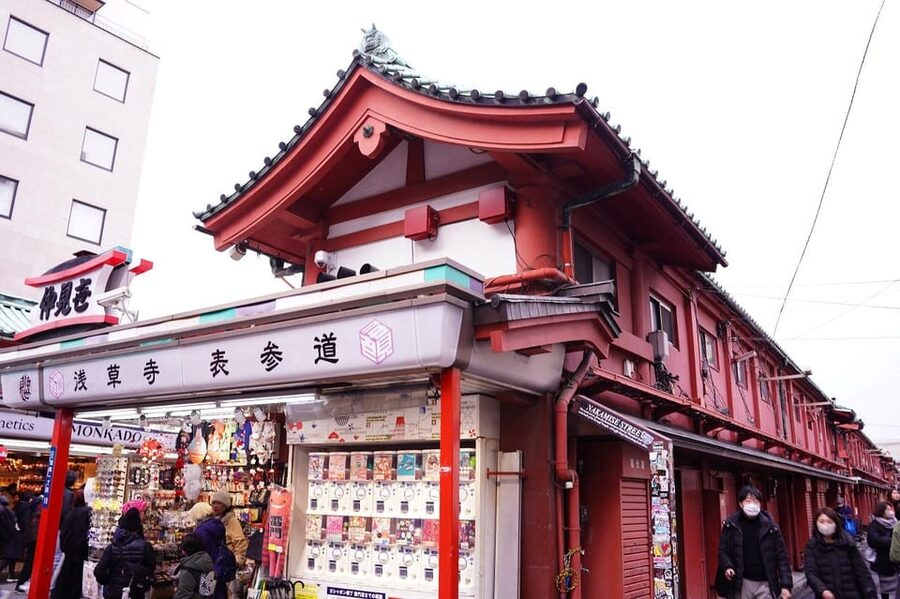
Asakusa gives you the Tokyo most visitors picture before arriving in Japan. The district has the enormous red Kaminarimon lantern, a long approach lined with souvenir shops, temple roofs, a five-story pagoda, and views toward Tokyo Skytree.
A kimono looks natural here rather than staged. You can pose beside old temple gates, walk beneath traditional shop awnings, and frame the modern Skytree behind a classic outfit. That contrast gives the photographs a clear sense of place.
This is not mainly a museum tour or a long historical lecture. It is a guided photo walk with cultural help built in. You spend time learning how to wear the clothing, then use Asakusa as your backdrop.
The price is $116 per person. That is not a budget stroll, but it covers the standard kimono fee, an English-speaking guide, and the guide’s help during dressing and sightseeing. It also saves you from finding a kimono shop, working out the best photo locations, and asking strangers to take pictures.
You should still budget for extras. Optional kimono choices and additional hair styling cost more, while food, drinks, transport, and entrance fees are not included. The core tour is best value for someone who wants the full experience and good personal photos, not for someone who only wants to rent clothing for a quick walk.
A few more Tokyo tours and experiences worth a look


The one-hour kimono fitting at the start
Meet at Exit 1 of Asakusa Station on the Ginza Line. Look for the guide holding a sign or light with the company’s orange LightSpeedStar logo. Be on time. The operator does not refund no-shows or late arrivals, and the meeting point is specific.
From the station, you walk about five minutes to the kimono shop. This first section is more important than it may sound. A kimono is not simply a coat you put on over ordinary clothes. The fit, layers, belt, sleeves, and hairstyle all affect how comfortable and convincing the final photographs look.
You select a kimono and discuss the options with the guide. The guide has qualifications in kimono dressing and domestic travel itinerary management, so you receive help with both the clothing and the route. The cultural advice is useful here, especially if you have never worn a kimono before.
Hair styling is included in the basic fitting process according to the activity details, but some hairstyle choices and other variations require an extra fee. Ask about those costs before you choose. The standard kimono fee is included, but the word standard matters.
Allow the full hour. It is not wise to plan another activity immediately after the tour begins. A child can also take part, and one family reported that their two-year-old daughter enjoyed the experience and received helpful attention from Emiko. Still, young children may need extra patience during fitting and walking.
Once dressed, you return to the street with the guide. This is when the tour changes from preparation to sightseeing.
Kaminarimon Gate and the first photographs
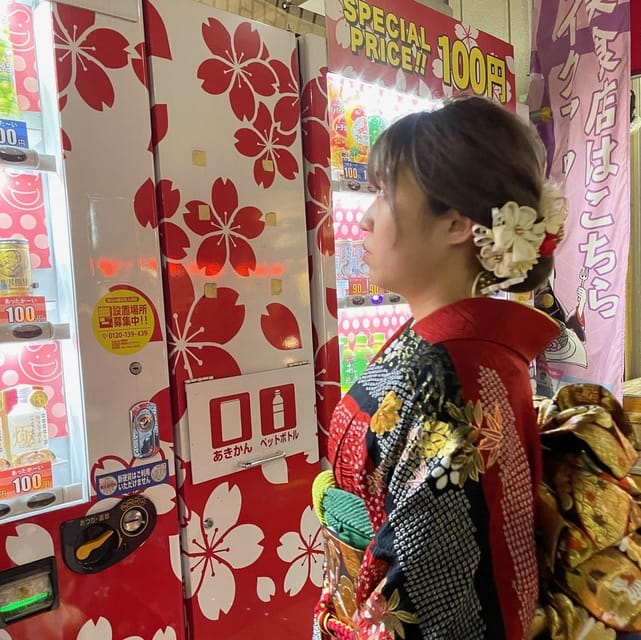
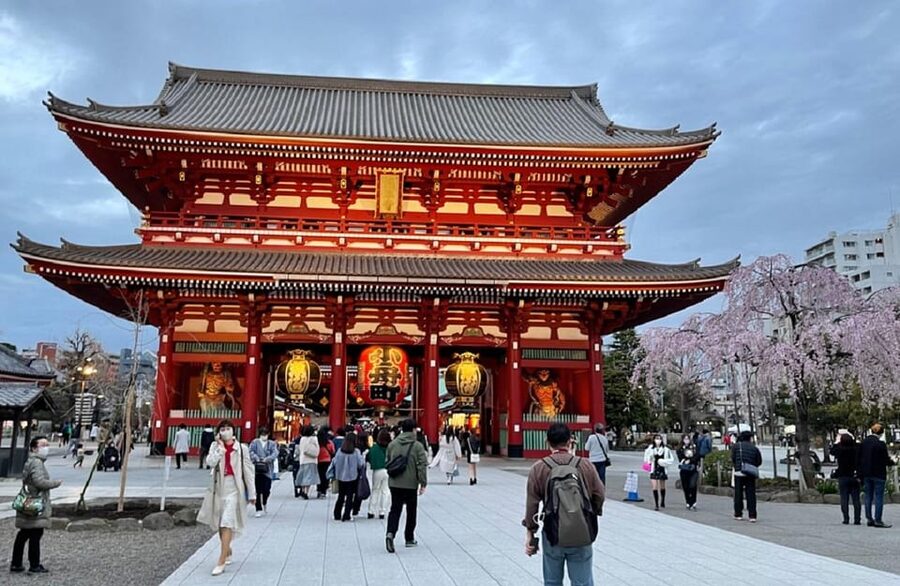
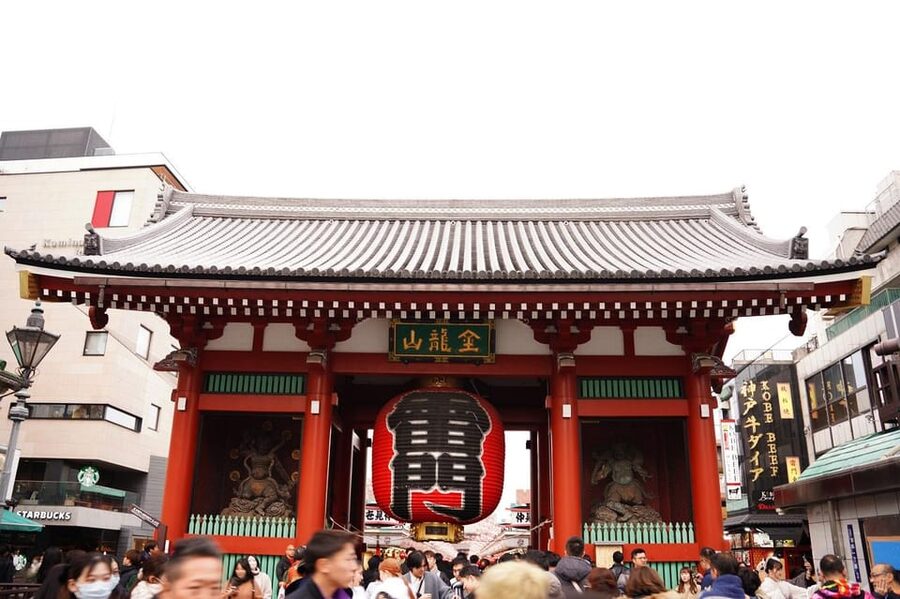
Kaminarimon is the main entrance to Senso-ji. Its huge red lantern makes an obvious first photo, and the gate gives you an immediate Asakusa setting without a long walk from the shop.
The planned stop here is fairly short at first, around ten minutes. That makes sense. The gate is a busy public landmark, and the guide’s job is to help you find a useful angle quickly rather than keep you posing in one place.
Your guide can take pictures using your camera. This is a real advantage for couples, families, and solo visitors. You do not have to hand a phone to a stranger or settle for a string of arm’s-length selfies.
Photography quality will still depend on your camera, the light, and how crowded the area is. The guide knows where to take the picture, but this is not presented as a professional studio session with edited images. Bring a charged phone or camera and enough storage.
The guide also helps you pose in a way that works with the kimono. Small details matter: showing the sleeves, keeping the belt visible, and choosing a background that does not swallow the outfit. You are paying partly for this practical direction.
Nakamise Street, shopping, and the walk to Senso-ji
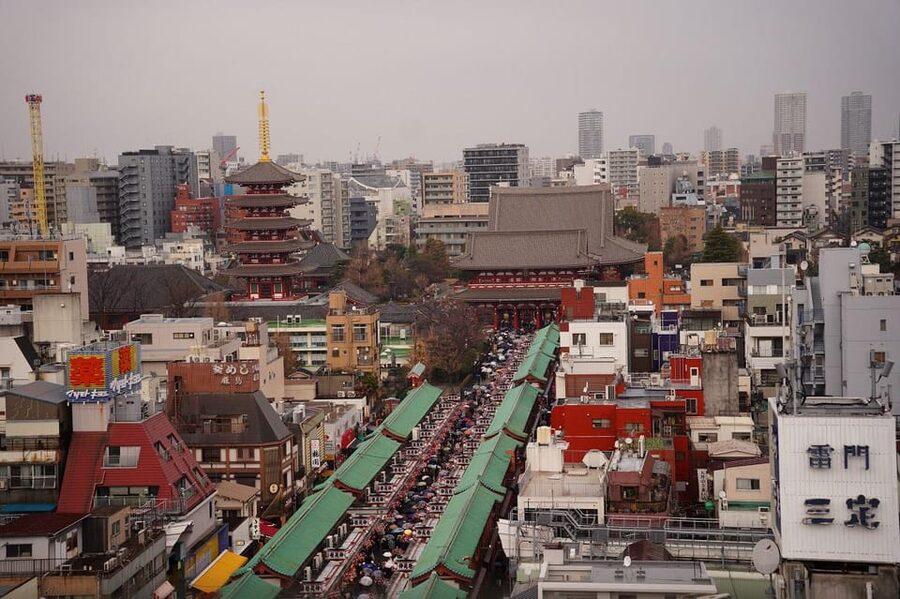
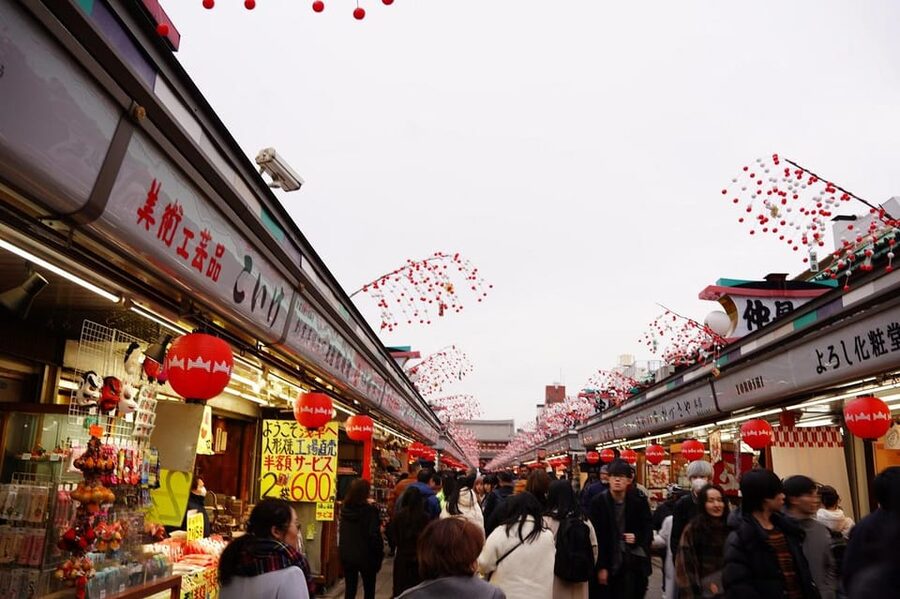
From Kaminarimon, you continue along Nakamise Shopping Street. This is one of Japan’s oldest shopping streets, with long-established businesses and shops aimed at visitors.
The walk is listed at about fifteen minutes, though you should expect your pace to depend on crowds and how much shopping you do. This is a sightseeing and shopping stop, not a fast passage to the temple.
Nakamise is a good place to look for traditional-style souvenirs and small gifts. The guide can help with shopping, and Emiko has also helped people choose places to eat. That kind of local advice can be useful when the street offers many choices and you want something beyond the first sign you see.
There is a trade-off. Nakamise is a popular commercial street, so it may feel more tourist-oriented than the quieter corners of Asakusa. If you want a calm photography session, this is not the best section. If you enjoy browsing and want to combine photos with shopping, it earns its place on the route.
Walking in a kimono also changes your pace. Shorter steps are more comfortable, and crowded pavement requires care. The route is manageable, but you are not dressed for a hurried city march.
Senso-ji Temple and the classic Asakusa frame
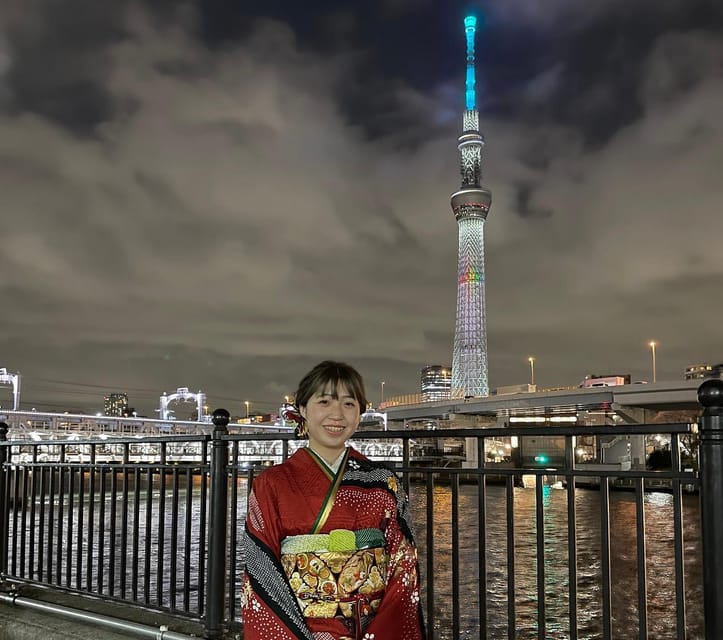
Senso-ji is more than a photo background. Its history reaches back more than 1,000 years, and you can stop to offer prayers during the visit.
The temple area includes major visual markers of Asakusa, including the five-story pagoda. The pagoda is a familiar feature in paintings and pictures of the district, and it gives your photographs a strong traditional shape.
The planned temple visit lasts about twenty-five minutes. That is enough for a guided look, a walk through the main area, and time to pray, but it is not a detailed temple study. If you want to examine every building or spend quiet time at the grounds, you may feel rushed.
One particularly useful photo opportunity is the combination of cherry blossoms, Senso-ji, and Tokyo Skytree in one frame. This is seasonal, so the blossoms cannot be guaranteed on every date. When the timing works, the image brings old and new Tokyo together in a single shot.
Treat the temple as a place of worship, not only as a set for photographs. Your guide can help you understand the setting from a Japanese cultural point of view, which makes the visit more respectful and more meaningful.
Other walking tours we've reviewed in Tokyo



Returning to Kaminarimon for extra photo time
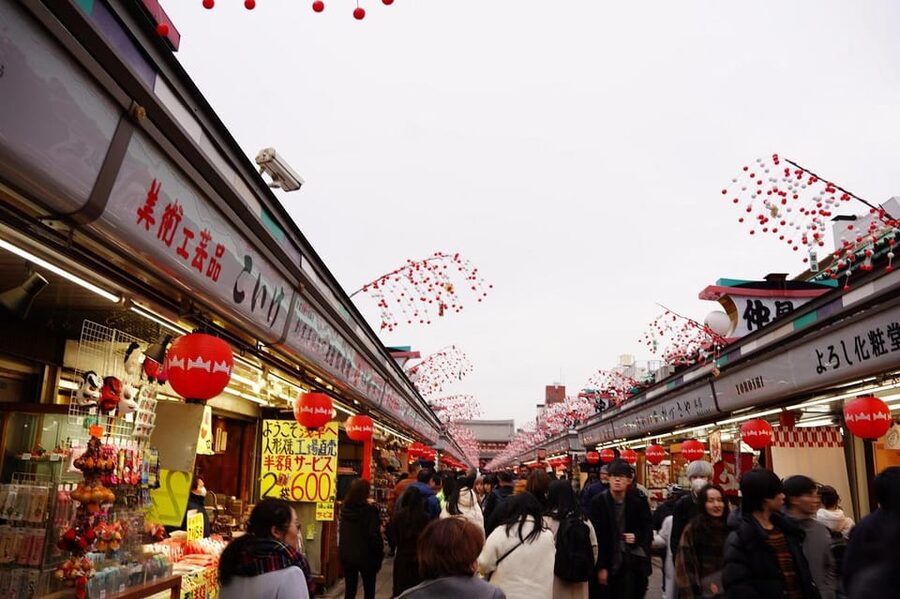
After the temple, the group returns toward Kaminarimon for about thirty minutes of free time and sightseeing. This second visit gives you more flexibility than the first short stop.
You might use it for additional pictures, a closer look at the gate, or a final purchase along the approach. The guide can suggest positions that differ from the first set of photographs, which is useful if you want several images rather than one standard portrait.
The timing also gives you room to adjust after seeing your first photos. You may discover that you prefer a different pose, a wider view, or a picture with more of the temple approach visible.
Because the route is small-group, with no more than seven participants, you should receive more help than on a large bus tour. Still, this is a shared tour. You will not have the entire guide’s attention for every minute, particularly if several people want photographs at the same stop.
Sumida River Terrace and the Tokyo Skytree backdrop
The final major sightseeing stop is Sumida River Terrace, on the left bank downstream from Shirahige Bridge. The walk takes about five minutes from the Asakusa area, followed by roughly thirty minutes at the terrace.
This is where the photographs shift from temple architecture to open river views. The guide positions you with Tokyo Skytree behind you, and cherry blossoms may add a second seasonal layer.
The terrace gives the kimono a different setting. At Senso-ji, the outfit blends with gates, lanterns, and temple roofs. Beside the river, it contrasts with the broad view and the modern tower. That variety is one of the strongest reasons to choose a guided photography walk instead of staying around the kimono shop.
Again, cherry blossoms depend on the season. The activity description highlights them, but you should not book on the assumption that they will be in bloom. The Skytree and river setting remain the more dependable parts of this stop.
The thirty-minute visit is long enough for several photographs without making the tour feel like a full-day photo session. Afterward, you walk about five minutes back to the shop.
Returning the kimono and the next-day option
At the end of the route, you return to the kimono shop and hand back the outfit. The scheduled experience ends after this return, with the full activity lasting four hours.
There is also an option to return the kimono the next day. If you choose it, you can continue sightseeing in the outfit after the guided portion. The guide can suggest places to visit, but the standard tour’s main route and group guidance finish when the official activity ends.
This option may appeal to someone who wants more time for personal photographs or an unhurried afternoon in Asakusa. Check the exact conditions when booking, including any additional fee and return timing, since next-day return is an option rather than part of the standard package.
Emiko, guide support, and the small-group format
Emiko is the guide named most often in the feedback, and her strengths are practical. She has helped with dress fitting, choosing the best kimono, taking photos and videos, recommending food, explaining cultural points, and assisting with souvenir shopping.
Those details matter because the experience has several moving parts. You are not only walking from one sight to another. You are choosing clothing, managing sleeves and footwear, posing for pictures, and deciding what to buy along the way.
The tour offers live guiding in English, Chinese, and Japanese. The group limit is seven people, which should make it easier to ask questions and request a photo. The experience is also listed as wheelchair accessible, though the supplied details do not explain the exact route conditions or how the kimono fitting is adapted. If that matters to you, contact the company before booking.
The overall rating is 4.3 from five reviews, with four five-star ratings and one one-star rating. The positive feedback centers strongly on Emiko’s kindness and help. The low rating records a serious scheduling problem: one participant said the guide forgot the tour and arrived after a forty-five-minute wait.
That report is not something to ignore. The operator says the guide will contact you about seven days before the date regarding the kimono, and you can contact the company through WhatsApp. Confirm the meeting details when that message arrives, and keep the orange company logo and Exit 1 instructions handy on the day.
What the $116 price really buys
At $116 per person, this is a mid-priced cultural activity rather than a cheap rental. The standard kimono fee and qualified guide are included, along with four hours of assistance and photography.
I see the value in the bundled help. A self-guided rental can cost less, but you would need to arrange the shop, select the outfit, find the best backgrounds, ask someone to take your pictures, and plan the route yourself. Here, those tasks are combined.
The price is easier to justify for solo visitors, couples, families, or anyone who wants pictures with the whole group included. It is less compelling if you already have a photographer, speak Japanese comfortably, or only want to wear a kimono for a short period.
Plan for extra spending on optional kimono choices, hairstyles, food, drinks, transport, and any entrance fees. The listed route focuses on outdoor sights, but the operator does not include all possible costs beyond the standard kimono fee.
Cancellation is free up to twenty-four hours before the start time, and you can reserve now and pay later. That helps if your Tokyo schedule is still changing. Late arrivals and no-shows are not refunded, so flexibility ends at the meeting point.
Who will enjoy this Asakusa experience most
I would recommend this tour to:
- Solo visitors who want good personal photographs
- Couples looking for coordinated portraits in a classic Tokyo setting
- Families who want a shared cultural activity, including families with young children
- First-time visitors who want help with kimono customs and Asakusa’s main sights
- People who prefer a small group to a large organized tour
- Anyone who wants a guide to combine clothing, sightseeing, shopping, and photography
I would think twice if you dislike posing, want a long temple visit, or prefer to explore at your own pace. The one-hour fitting leaves less time for the district than a simple walking tour, and the itinerary follows a set route.
Season also affects the experience. Cherry blossoms can make the Senso-ji and Skytree photographs especially appealing, but they are not guaranteed. The temple, gate, Nakamise Street, pagoda, and river views give you plenty to photograph outside blossom season.
Should you book it?
Book this if your priority is the complete kimono experience, not just the clothing rental. The strongest reasons are the qualified dressing help, the small group, the guide’s photo assistance, and the chance to combine traditional Asakusa with Tokyo Skytree.
Emiko’s personal help is a major attraction when she is leading your departure, especially for families and first-time kimono wearers. Confirm your guide and kimono details before the date, since the experience depends heavily on good communication and punctual meeting arrangements.
Skip it if you want a low-cost, independent stroll or a detailed temple tour. For everyone else, $116 buys a well-organized half-day with a clear visual payoff: you get to walk through one of Tokyo’s oldest districts dressed for the setting, and you leave with photographs that include both Senso-ji and modern Tokyo.
FAQ
Where does the kimono walking tour meet?
Meet at Exit 1 of Asakusa Station on the Ginza Line. The guide will hold a light with the LightSpeedStar company logo, which is orange.
How long does the whole activity last?
The activity lasts four hours, including kimono fitting, sightseeing, photography, the walk to Sumida River Terrace, and returning the kimono to the shop.
Is the kimono rental included in the price?
The fixed standard kimono fee is included. Optional kimono choices and some hairstyle variations cost extra.
Can the guide take photographs for me?
Yes. The guide will take pictures with your camera or phone during the tour.
What languages are available?
Live guiding is available in English, Chinese, and Japanese.
Can I return the kimono the next day?
A next-day return option is available. If you choose it, you can continue sightseeing in the kimono, and the guide can advise you where to go.
More Guided Tours in Tokyo

More Walking Tours in Tokyo
More Asakusa Tours in Tokyo
More tours in Tokyo we've reviewed









Asakusa Tours, compared.
 ★ 4.8Tokyo: Japanese Dance Cabaret Theater Asakusa-Kaguwa TicketFrom $492 hours
 ★ 4.7Tokyo: Meiji Shrine, Asakusa, Skytree Bus Tour and CruiseFrom $12210 hours
 ★ 4.9Tokyo: Roll and Authentic Sushi Making Class in AsakusaFrom $581h 40m
 ★ 4.8Tokyo: Asakusa Walking Tour with Sensoji Temple VisitFrom $222 hours
 ★ 5.0Tokyo Asakusa Rickshaw TourFrom $42
 ★ 4.5Tokyo Panoramic 1 Day: Meiji Shrine, Asakusa, Odaiba and SKYTREE®From $85