
Reviewed · MT FUJI DAY TRIPS
Mount Fuji and Hakone Private day trip from Tokyo
The best thing about this private day trip is the freedom to connect Mt. Fuji and Hakone in one long outing without juggling trains, buses, and timed connections. You leave from your Tokyo hotel with an English-speaking chauffeur, then adjust the day as you go. Drivers John and Ali have been especially helpful with timing and custom stops.
I like the easy hotel pickup and the private vehicle, particularly if you are a family or a group of up to four. I also like the mix of scenery: clear spring ponds, a classic pagoda view, a volcanic valley, a ropeway ride, and a lakeside shrine. The tradeoff is that this is mainly a driver-led tour, not a walking tour with a dedicated guide, and admission fees are extra.
In This Review
- Key points at a glance
- One day, two very different sides of Mount Fuji
- Oshino Hakkai and its eight clear springs
- Chureito Pagoda and the climb at Arakurayama
- Lake Kawaguchiko, the Fuji Five Lakes gateway
- Owakudani Valley and Hakone’s volcanic ground
- The Hakone Ropeway and the cost of the aerial ride
- Hakone Shrine and the red Gate of Peace
- Why the private car changes the day
- Who gets the most value from this Fuji and Hakone trip
- Practical details before you reserve
- Should you book this private day trip?
- FAQ
- How long does the Mount Fuji and Hakone private trip last?
- Is hotel pickup in Tokyo offered?
- How many people can join the private tour?
- Is an English-speaking driver included?
- Are entrance fees included in the price?
- Which places are included in the planned route?
- Can the itinerary be customized?
Key points at a glance
- See seven major stops in about 10 hours, including Oshino Hakkai, Chureito Pagoda, Lake Kawaguchiko, Owakudani, and Hakone Shrine.
- Travel privately from your Tokyo hotel in an air-conditioned vehicle with fuel, parking, and tolls covered.
- Shape the route around your interests, with drivers such as John and Ali helping adjust the plan.
- Combine the Fuji Five Lakes area with Hakone, two destinations that are awkward to cover independently in one day.
- Pay attraction fees separately, including the Hakone Ropeway, so budget for extras beyond the group price.
- Expect driving commentary rather than a full walking guide, making this best for independent-minded visitors who want transport and flexibility.
One day, two very different sides of Mount Fuji
This outing brings together the rural Fuji area and the volcanic mountains of Hakone. That is its main appeal. In the morning, you can see spring-fed ponds and old-style village scenery near Fuji, then spend the afternoon around Lake Ashi, Owakudani, and Hakone Shrine.
The route covers a lot of ground. A 10-hour day sounds generous, but Tokyo traffic and the distance to the Fuji region can eat into your time. You should think of this as a broad introduction rather than a slow, detailed visit to every place.
Your chauffeur picks you up at your Tokyo hotel and drives the full route. Bottled water, fuel, parking, and toll fees are included. Since the tour is private, you do not have to wait for other people who want different stops or longer photo breaks.
That flexibility has real value. If you care most about Fuji views, you can spend more time around Oshino Hakkai, Arakurayama Sengen Park, or Lake Kawaguchiko. If Hakone interests you more, you can give extra attention to Owakudani, the ropeway, and the shrine area.
A few more Tokyo tours and experiences worth a look

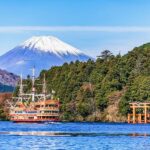
Oshino Hakkai and its eight clear springs
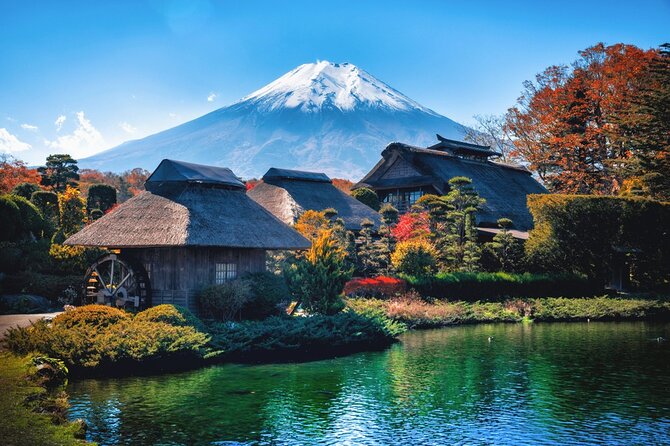
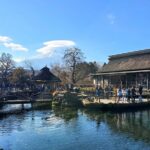
Oshino Hakkai is a good first stop because it feels very different from Tokyo. The village sits between Lake Kawaguchiko and Lake Yamanakako in the Fuji Five Lakes area. Its eight ponds are fed by clear mountain springs, giving the place a calm, water-focused character.
You can expect roughly two hours here. The ponds are the main attraction, but the surrounding traditional atmosphere helps make the stop more than a quick photo break. This is a useful place to slow down at the start of the day and get your first close look at the Fuji region.
The attraction itself has no admission fee listed, but you should still keep some time for walking between the ponds and village areas. A private car is useful here because public transport connections between the Fuji sights can take planning, especially when you are trying to reach Hakone later the same day.
Oshino Hakkai is a strong choice for families and for anyone who prefers small-scale scenery to large urban attractions. If your priority is a clear Mount Fuji photograph, conditions matter. Fuji may be hidden by cloud, so avoid judging the entire day by one view.
Chureito Pagoda and the climb at Arakurayama
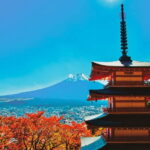
The stop at Arakura Fuji Sengen Shrine is the classic Fuji photograph. The five-story Chureito Pagoda sits on a hillside above Fujiyoshida City, with Mount Fuji behind it when the weather cooperates.
You have about an hour here. The pagoda itself is free, but the setting requires a climb up the hillside. The tour information does not specify the number of steps or the walking difficulty, so plan for uphill movement rather than a car-side viewpoint.
I would put this near the top of your priority list if you want the well-known pagoda and Fuji composition. It also gives you a different view from Oshino Hakkai: instead of water and village details, you get a broad city-and-mountain outlook.
The timing can feel short if you want a relaxed walk, photos, and time at the shrine. Tell your chauffeur early if this is a must-see. A private itinerary gives you a better chance of protecting this stop instead of rushing through it to meet a fixed group schedule.
Lake Kawaguchiko, the Fuji Five Lakes gateway
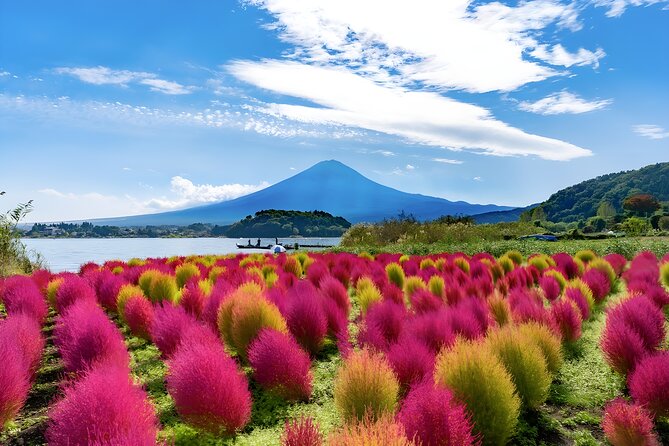
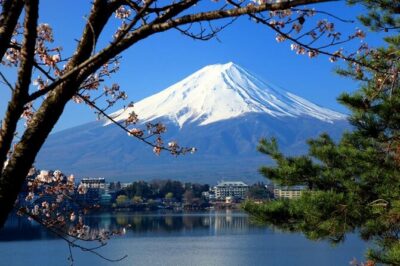
Lake Kawaguchiko is scheduled for about 90 minutes. It is the most visited of the Fuji Five Lakes and serves as a main gateway to the mountain area. The lake is also the second largest by surface area in the group and relatively shallow, with a depth of about 14.6 meters.
This stop gives you time to enjoy the open lake setting and look for Mount Fuji from another angle. You may find the mood here more spacious than at the pagoda or village. The exact stop along the lake can vary because the day is flexible.
The private car matters at Kawaguchiko. Rather than spending your limited day working out bus connections, you can arrive, take in the view, and continue toward Hakone. You should still tell the driver what kind of stop you want, since 90 minutes can pass quickly if you are hoping for a long lakeside walk.
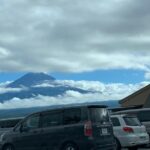
The Fuji views are weather-dependent throughout the day. If the mountain is covered, the lake remains a worthwhile scenic stop, but you should keep expectations realistic. The tour can take you to good viewpoints, but it cannot control visibility.
Owakudani Valley and Hakone’s volcanic ground
Owakudani changes the tone of the day. This famous Hakone viewpoint sits in an area shaped by volcanic activity, and you can see steaming ground and dramatic mountain scenery from close by.
The planned visit lasts about 90 minutes. That is enough to look around and experience the unusual setting without turning the stop into a long hike. The volcanic character makes Owakudani one of the more distinctive parts of the route.
You may find the area more striking than beautiful in the usual sense. It is a place of steam, exposed rock, and strong natural forces. If you enjoy geology or unusual scenery, make sure it remains on your route.
Conditions and access can affect how much you can do on the day, but the provided tour details do not promise a particular walking route or activity beyond visiting the valley. Ask your chauffeur what is practical when you arrive, and keep a little flexibility in the schedule.
A few more Tokyo tours and experiences worth a look

The Hakone Ropeway and the cost of the aerial ride
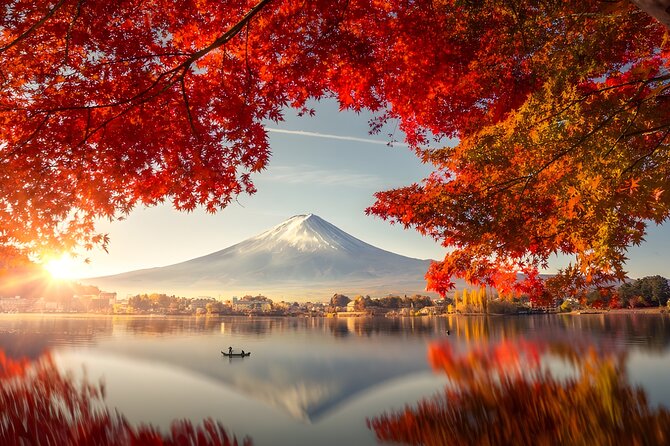
The Hakone Ropeway is planned for about an hour. The aerial cable car links Sounzan with Togendai on Lake Ashi, crossing the Hakone mountains and offering views toward Owakudani, the surrounding peaks, and, on a clear day, Mount Fuji.
This is the main paid attraction in the itinerary. Admission is not included, so you pay on-site. That arrangement lets you decide if the ride is worth adding, but you need to carry extra money beyond the tour price.
The ropeway is a natural companion to Owakudani. You get the volcanic viewpoint from the ground, then see Hakone from above. Still, a one-hour slot leaves little room for delays, queues, or a long ride in both directions. Confirm with your chauffeur which section or boarding point fits the day’s route.
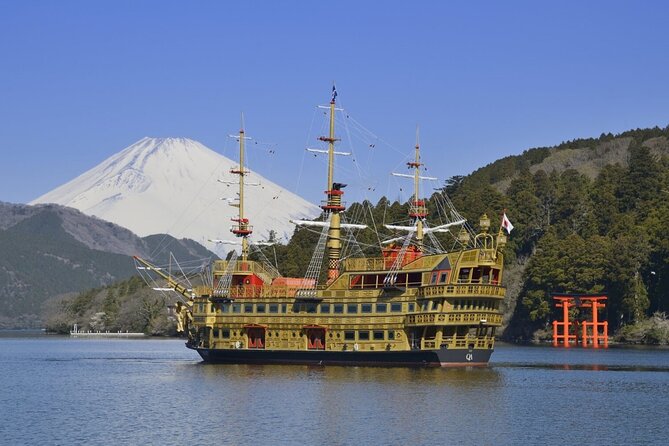
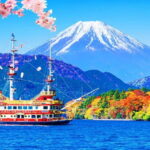
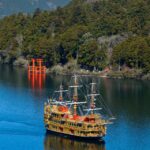
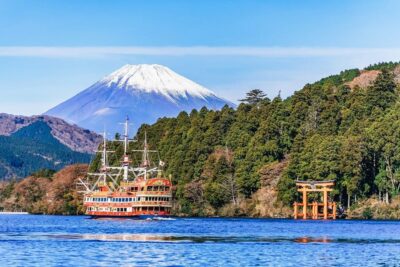
The tour overview also identifies a pirate ship cruise on Lake Ashi as a popular possible highlight. The detailed stop list instead gives the ropeway, Hakone Shrine, and Heiwa no Torii as the main Hakone activities. If the cruise matters to you, ask about it before setting off, since the flexible plan does not mean every attraction can fit into one day.
Hakone Shrine and the red Gate of Peace
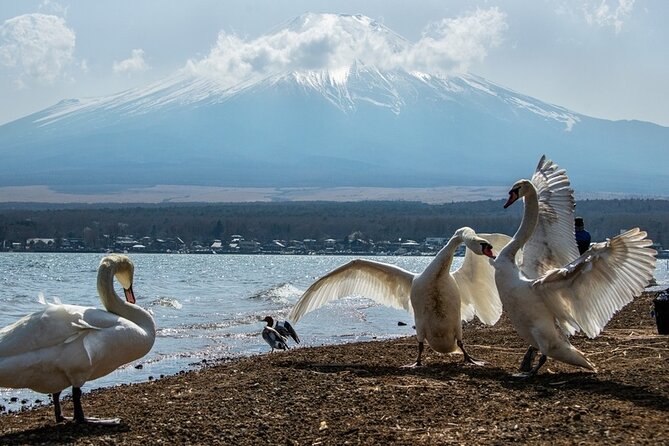
Hakone Shrine is set near Lake Ashi at the foot of Mount Hakone. Ancient cedar trees and forest paths give the shrine a quieter feel after the open volcanic area and ropeway.
About an hour is assigned to the shrine itself. Admission is free, making it an easy addition to the day. You can walk through the wooded setting, take in the shrine buildings, and enjoy a change of pace from the vehicle and major viewpoints.
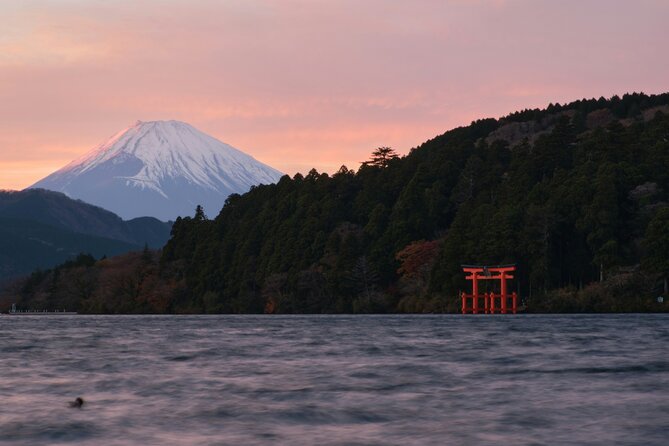
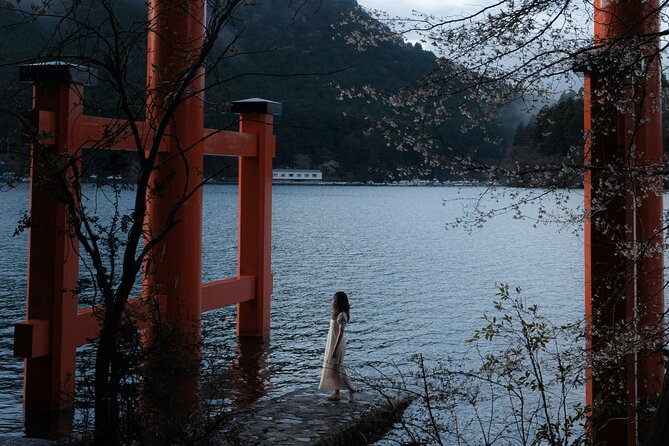
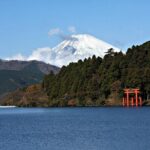
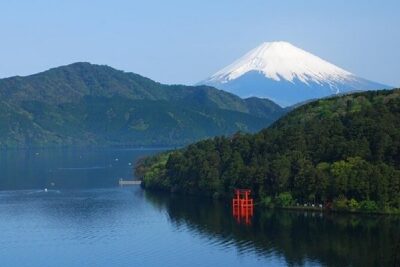
The nearby Heiwa no Torii, or Gate of Peace, is the famous red torii standing partly in the water along Lake Ashi. The itinerary allows up to two hours for this area, which is generous compared with several other stops. That time matters because the torii is a popular image and you may need patience for photographs.
The shrine and torii are close in theme but offer different experiences. The shrine gives you forest, cedar trees, and a traditional religious setting. The torii gives you the lakefront view. If you prefer quiet walking to another transport ride, this may be your favorite part of Hakone.
Why the private car changes the day
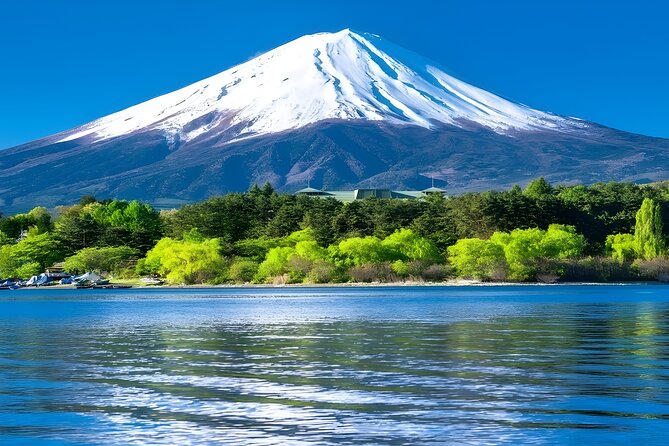
Covering Fuji and Hakone independently in one day requires careful planning. You would need to coordinate regional trains, local buses, and attraction hours, then handle changes if a connection runs late. A private vehicle removes much of that work.
The group price is $392.47 for up to four people. Split four ways, that is about $98 per person before attraction fees. For two people, the per-person cost is much higher, but you are paying for a private vehicle, hotel pickup, an English-speaking chauffeur, and a flexible route rather than a seat on a fixed bus.
Fuel, parking, and tolls are included. The Hakone Ropeway and other admission fees are not. Ask about the day’s paid options before departure so the final cost does not surprise you.
The drivers are a major part of the experience. John is described as punctual, safe, funny, and good at offering options. Ali is specifically noted for helping customize the route in a way that saved time and money. Those details point to the kind of service you should expect: practical help from the person driving you, not a formal lecture at every stop.
There is no walking guide included. Most information is given while you are in the car between destinations. If you want detailed shrine history, extended interpretation of the volcanic area, or a guided walk, this may feel light. If your main need is a safe ride and help fitting the sights together, the format works well.
Who gets the most value from this Fuji and Hakone trip
I would recommend this tour most strongly to a small group that wants a simple way to see a lot in one day. Families benefit from the private vehicle, especially because the schedule can adjust around children. A private group also avoids the social compromise of a large coach tour.
It suits first-time visitors who feel unsure about navigating Japan outside Tokyo. The driver can help with the route, keep an eye on time, and make changes when needed. You will still need to walk at some stops, including the hillside area around Chureito Pagoda.
Couples and friends can also get good value if they care about convenience and scenic variety. The price is harder to justify for a solo visitor or anyone happy to use public transport and move at a slower pace.
I would not choose it if your main goal is an in-depth guided tour. The day gives you places and transportation, but the sightseeing is largely self-directed once you step out of the car. I would also avoid packing too many extra requests into the schedule. The listed route already covers a great deal of ground.
Practical details before you reserve
The tour lasts about 10 hours and pickup is offered from your Tokyo hotel. The activity is private, so only your group participates. Confirmation is provided at booking, and the tour is near public transportation.
Most people can take part, but the route includes walking at shrine, lake, village, and hillside stops. The tour information does not give detailed mobility guidance, so ask the provider before booking if someone in your group has limited mobility.
Bring comfortable shoes, water beyond the supplied bottle if you prefer to drink often, and some money for admission fees. Weather can change the quality of Fuji views, so treat the day as a chance to see the region rather than a guarantee of a perfect mountain photograph.
Free cancellation is available if you cancel at least 24 hours before the start time. Changes or cancellations inside that window are not accepted for a refund.
Should you book this private day trip?
Book it if you want maximum convenience and route control for a small group. The strongest reasons are hotel pickup, a private air-conditioned vehicle, an English-speaking chauffeur, and the chance to connect Fuji and Hakone without managing a complicated transport plan.
The experience is especially good for families, couples, and first-time visitors who want a broad scenic day. John and Ali are named examples of drivers who have helped shape the schedule, and that practical flexibility is the tour’s real strength.
Skip it if you want a slow visit to one area, a dedicated walking guide, or a fixed all-inclusive price. Admission costs are extra, and the 10-hour route can feel full. For the right group, though, this is a sensible way to see several of Japan’s most recognizable mountain, lake, shrine, and volcanic sights in one carefully managed day.
FAQ
How long does the Mount Fuji and Hakone private trip last?
The tour lasts approximately 10 hours.
Is hotel pickup in Tokyo offered?
Yes. Pickup from your Tokyo hotel is offered.
How many people can join the private tour?
The price covers one private group of up to four people.
Is an English-speaking driver included?
Yes. An English-speaking chauffeur is included. The tour does not include a separate walking guide, and most information is given in the vehicle between destinations.
Are entrance fees included in the price?
No. Admission fees are not included and must be paid by you on-site. The Hakone Ropeway is specifically listed as an attraction with an extra admission charge.
Which places are included in the planned route?
The planned stops are Oshino Hakkai, Arakura Fuji Sengen Shrine and Chureito Pagoda, Lake Kawaguchiko, Owakudani Valley, the Hakone Ropeway, Hakone Shrine, and Heiwa no Torii.
Can the itinerary be customized?
Yes. The itinerary is flexible, and the driver can help tailor stops to your interests. The tour overview also identifies a Lake Ashi pirate ship cruise as a possible highlight, so ask about adding it before the day begins.
More Private Tours in Tokyo


More Hakone Day Trips in Tokyo
More Mt Fuji Day Trips in Tokyo
More tours in Tokyo we've reviewed









Mt Fuji Day Trips, compared.
 ★ 5.0Mt Fuji and Hakone 1-Day Bus Tour Return by Bullet TrainFrom $163
 ★ 4.0Mt Fuji & Hakone Cruise, Drum Show Bullet Train 1 Day from TokyoFrom $149
 ★ 4.4Tokyo Mt Fuji 5th St & Hakone Cruise Bus Tour w/Bullet TrainFrom $15410 hours
 ★ 4.5From Tokyo: Mount Fuji Full-Day Sightseeing TripFrom $6810 hours
 ★ 4.7Tokyo: Mt. Fuji Tour, Hakone Ropeway, Owakudani, Lake AshiFrom $5410 hours
 ★ 4.4Tokyo:Mt.Fuji,Kawaguchiko Oishi Park,Arakurayama Sengen ParkFrom $5410 hours