
Reviewed · HISTORICAL TOURS
Tokyo to Kawagoe: Private Historical Day Trip
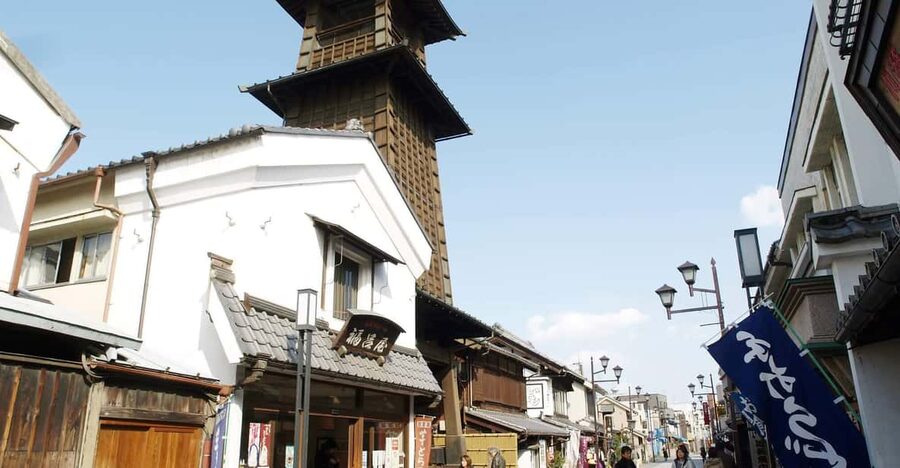
Kawagoe gives you old Japan without taking you far from Tokyo. In less than an hour, you can trade Tokyo’s towers for Kurazukuri Street, a bell tower, castle-town walls, and wooden buildings with charcoal-colored roofs. I especially like the chance to see a room from Edo Castle at Kita-in Temple and the freedom to shape the day around your interests.
I also like that this is a private walking tour, not a fixed group outing. Guides from past bookings, including Lauren and Leon, were praised for being kind, flexible, and attentive. The catch is simple: at $264 per person, you are paying for personal guidance, while transport, food, and attraction tickets come separately. If you prefer a packed sightseeing schedule, six hours of walking and browsing shops may feel slow.
In This Review
- Key points to know before booking
- Why Kawagoe makes a useful break from Tokyo
- Starting in Tokyo and reaching Little Edo
- Kita-in Temple and the Edo Castle connection
- Toki no Kane, the bell tower of Kawagoe
- Kurazukuri Street and the castle-town streets
- Hikawa Shrine and a quieter side of town
- Festival traditions and the Festival Museum
- Penny Candy Lane and Kawagoe’s sweet potato culture
- Eating local food without guessing
- What the private format is really worth
- Walking, weather, and practical comfort
- Who should book the Kawagoe day trip?
- FAQ
- How long does the Tokyo to Kawagoe experience last?
- Is the tour private?
- What languages are available?
- What attractions can I visit in Kawagoe?
- Is transportation included in the price?
- Are food and drinks included?
- Are attraction tickets included?
- Can the tour be adapted to my interests?
- Is the experience wheelchair accessible?
- What happens if it rains?
Key points to know before booking
- Kawagoe’s Edo-era setting: See traditional wooden buildings, a famous bell tower, castle remains, and old streets north of Tokyo.
- A private, flexible format: Your host can adjust the day to your interests, from temples and museums to sweets, crafts, and local food.
- Kita-in Temple’s unusual link to Tokyo: One room here once formed part of Edo Castle.
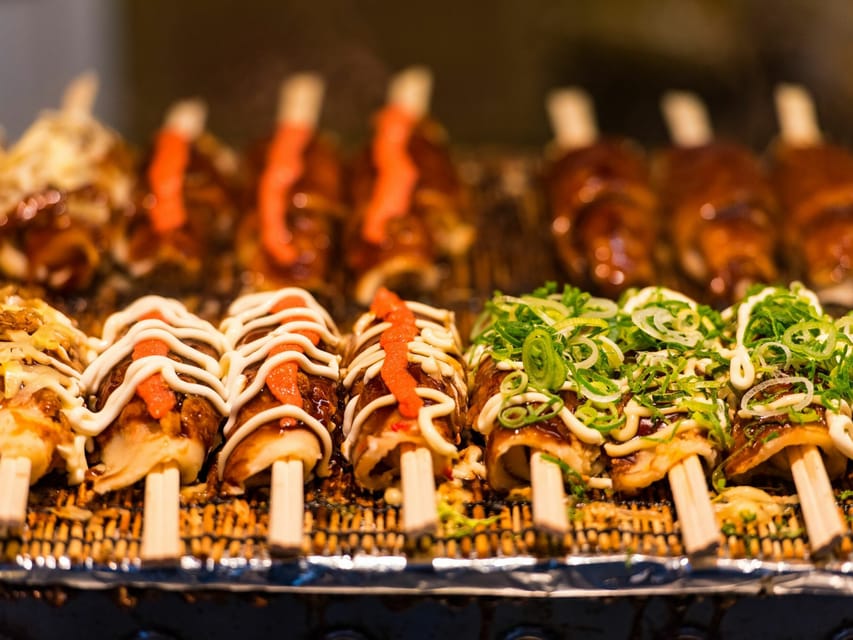
- Local food and shopping: Try eel and sweet potato treats, then browse Penny Candy Lane and Kurazukuri Street.
- Six hours with extra costs: Transport, meals, and admission fees are not included, so budget beyond the tour price.
- Good for independent-minded visitors: The experience suits people who want conversation and local direction rather than a rigid checklist.
Why Kawagoe makes a useful break from Tokyo
Tokyo can fill every hour with neon streets, department stores, shrines, and train rides. Kawagoe offers a different rhythm. The town is known as Little Edo, a reference to the old Tokyo of the feudal period, and its historic center preserves the look of a castle town in a way modern Tokyo cannot.
You will not find an untouched old town here. Modern streets and daily life continue around the historic buildings. That is part of the appeal. You can see old wooden shopfronts, then step into a working store selling sweets, crafts, or souvenirs.
This tour is built around that contrast. You are not simply looking at monuments from a distance. You can ask your host why a place matters, stop for a snack, change the pace, or spend longer in a shop that catches your eye.
The six-hour length gives you enough time for several major sights, but it is still a half-day style outing rather than an all-day historical survey. The experience is conducted in English or Japanese, and the private format means you can focus on the parts of Kawagoe that fit your group.
Other private tours in Tokyo



Starting in Tokyo and reaching Little Edo
The meeting point is by the main door of the tourist center near the South East Exit of JR Shinjuku Station. This is useful if you are staying in or around central Tokyo, but Shinjuku is a large station complex. Give yourself time to locate the correct exit and meeting point.
Transportation costs are not included. The description says you meet your host in Tokyo and travel to Kawagoe, but you should confirm the exact route and fare before setting off. The tour price covers your host and walking experience, not the train or other transport.
That separate transport cost is worth considering when you compare this with a standard group excursion. A private host can be excellent value for a couple or family that wants help making sense of the town. For one person, the $264 price is a much larger commitment once transport, meals, and admissions are added.
Your host is matched to your interests and requests. You might ask to give extra time to temple architecture, local food, shopping, or the town’s festival traditions. The more specific you are before the day, the easier it will be to use the six hours well.
Kita-in Temple and the Edo Castle connection
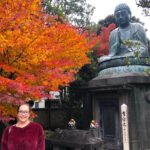
Kita-in Temple is one of the most memorable stops because of its direct link to Tokyo’s past. A room at the temple once formed part of Edo Castle, the seat of the shogun in old Tokyo.
That detail gives the visit more weight than a quick look at a temple gate. You are seeing part of a building tied to the political center of Japan’s feudal era, now preserved in Kawagoe. Ask your host to explain what you are looking at and how the room came to be here.
The temple is also useful for visitors who want a quieter pause during a walking day. Kawagoe’s shopping streets can pull you along at a quick pace, while a temple visit gives the schedule a more reflective turn.
The exact time spent at Kita-in will depend on your interests and the day’s route. Since entrance tickets are not included, check any admission costs before you go. If your priority is shopping rather than religious sites, you may prefer a shorter temple visit and more time in the old commercial district.
Toki no Kane, the bell tower of Kawagoe
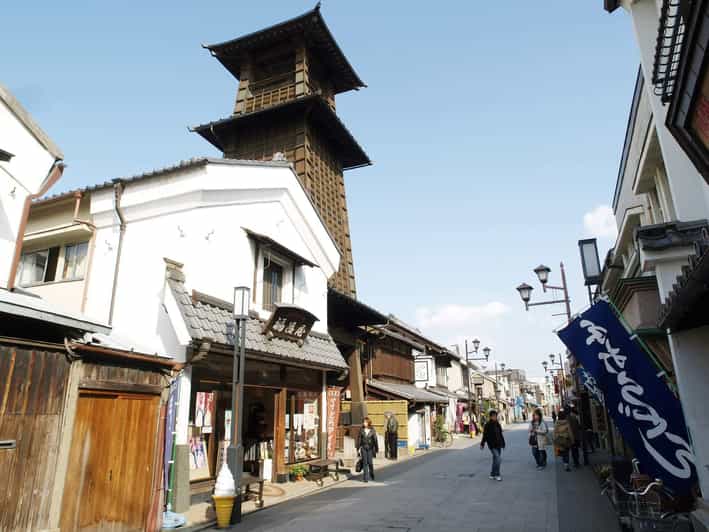
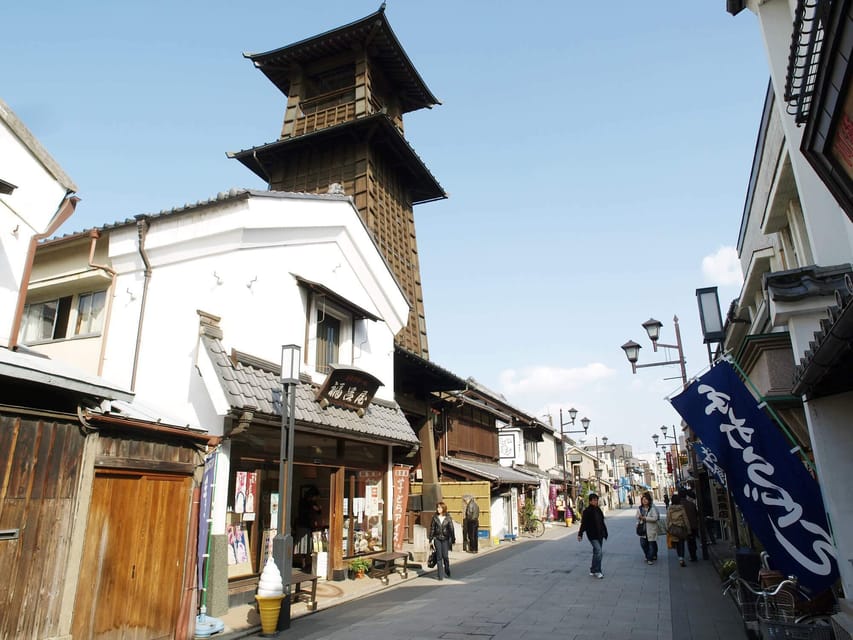
Toki no Kane is one of Kawagoe’s best-known landmarks. The wooden bell tower rises above the old streets and has become a local symbol.
It is not a huge complex, so do not expect a long indoor attraction. Its value is in the setting and the way it helps you picture the old town. Your host can point out the surrounding streets and explain how the bell marked time for the community.
This is a good place to slow down and look closely at the details of the traditional buildings around you. The old facades were designed for shops and storage, and their dark tiled roofs give this part of Kawagoe its distinctive character.
The tower works especially well as part of a walking route rather than as a single destination. You see it, photograph it, and then continue into the streets where the town’s old style becomes easier to understand.
Kurazukuri Street and the castle-town streets
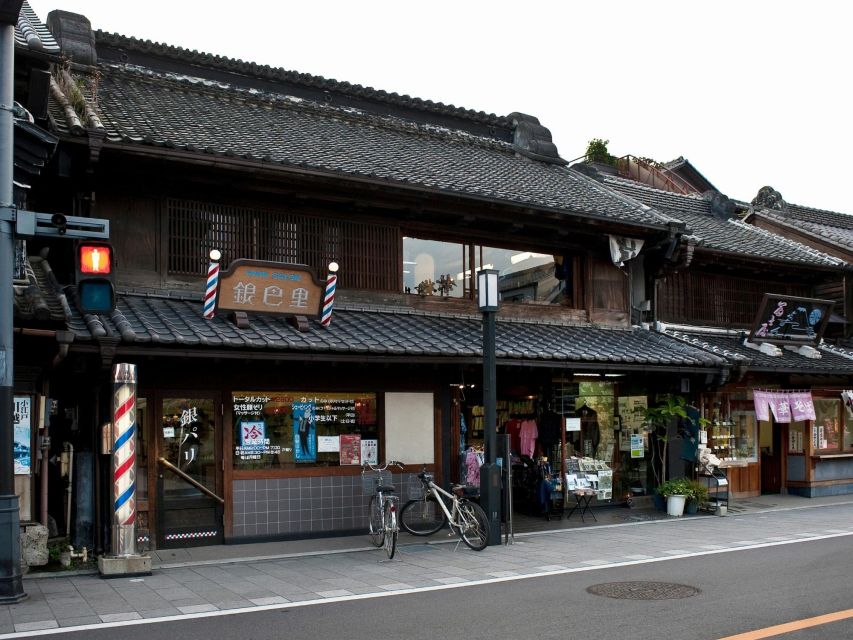
Kurazukuri Street is where Kawagoe’s old commercial character comes through most clearly. Traditional buildings with charcoal-colored tile roofs line the route, offering a glimpse of how merchants’ districts once looked.
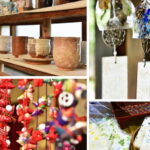
Many of these buildings now house shops. That makes the street more than a museum display. You can browse for local crafts and souvenirs, step inside stores, and see how the old structures have been put to modern use.
This is also where the tour’s relaxed pace can help. A large group often has to keep moving, but a private host can let you stop when something interests you. You might spend more time looking at craftwork, or move on quickly if shopping is not your main goal.
There is a possible downside. If you expect grand architecture at every turn, Kawagoe may feel modest. The pleasure comes from the combined effect of the streets, buildings, shops, and stories, not from one overwhelming monument.
One past booking described the day as mostly walking with brief stops in shops. That is useful advice. Choose this experience because you like strolling through an old district and pausing along the way, not because you want a tightly timed series of major attractions.
Other historical tours in Tokyo
Hikawa Shrine and a quieter side of town
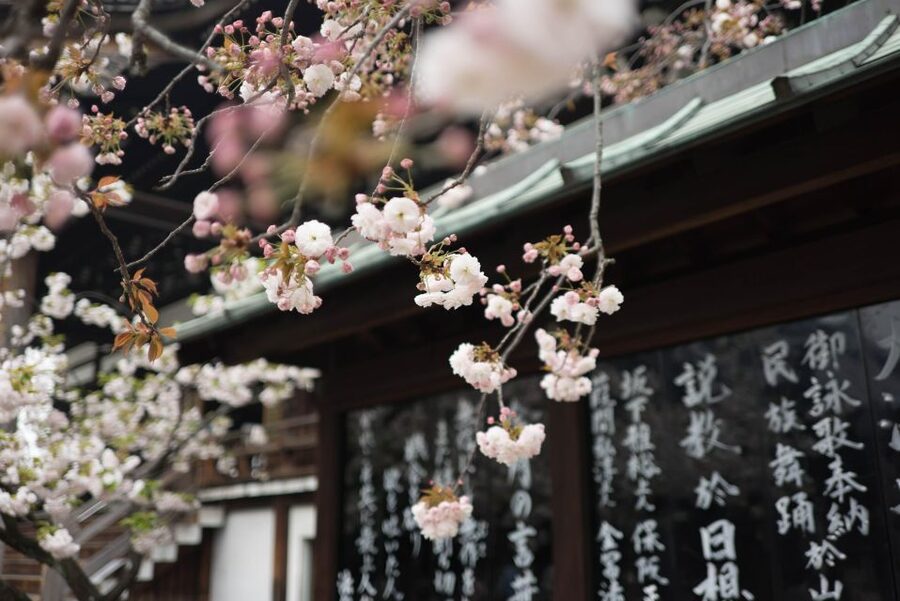
Hikawa Shrine is another important stop, and one of the highlights for visitors who want a taste of local religious life. The shrine offers a change from the merchant streets and gives your host a chance to explain customs, architecture, and the role of shrines in Japanese culture.
The visit may be fairly brief, depending on the route and your requests. One past participant considered a shrine visit the best part of the day, which tells you something about the experience: the smaller, more personal moments may matter more than simply collecting landmarks.
If shrines interest you, say so when you are matched with your host. The itinerary is designed to respond to your preferences, so this is the kind of stop that can receive more attention if it suits you.
As with other attractions, admission details are not included in the price. Confirm the day’s planned stops and any entrance fees before leaving Tokyo.
Festival traditions and the Festival Museum
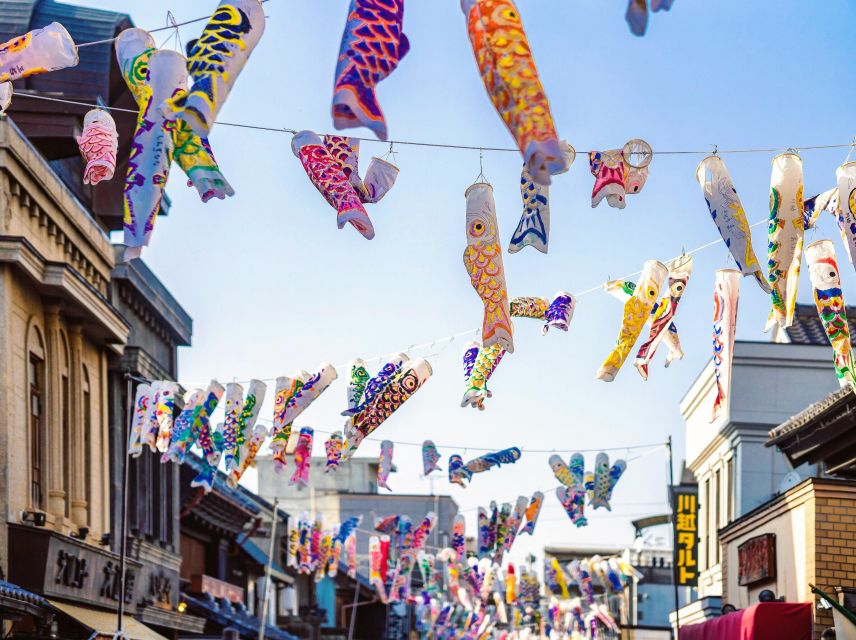
Kawagoe’s annual festival celebrates the arrival of summer with large floats moving through the streets. If your visit does not coincide with the festival, the Festival Museum offers a way to see what the event is about.
The museum is especially useful because a festival is hard to explain with words alone. Large floats, local participation, and the scale of the celebration help show how older customs remain part of town life.
Do not expect the museum to replace the live event. A museum can show the objects and explain the tradition, but it cannot reproduce the noise and movement of floats in the streets. Still, it is a worthwhile choice if festivals interest you or if you want more context than the old buildings alone can provide.
Ask your host how much time the museum deserves for your group. If you are traveling with teenagers, the visual material may offer a welcome break from temples and architecture. If your group prefers food and shopping, you may choose to keep this stop short.
Penny Candy Lane and Kawagoe’s sweet potato culture
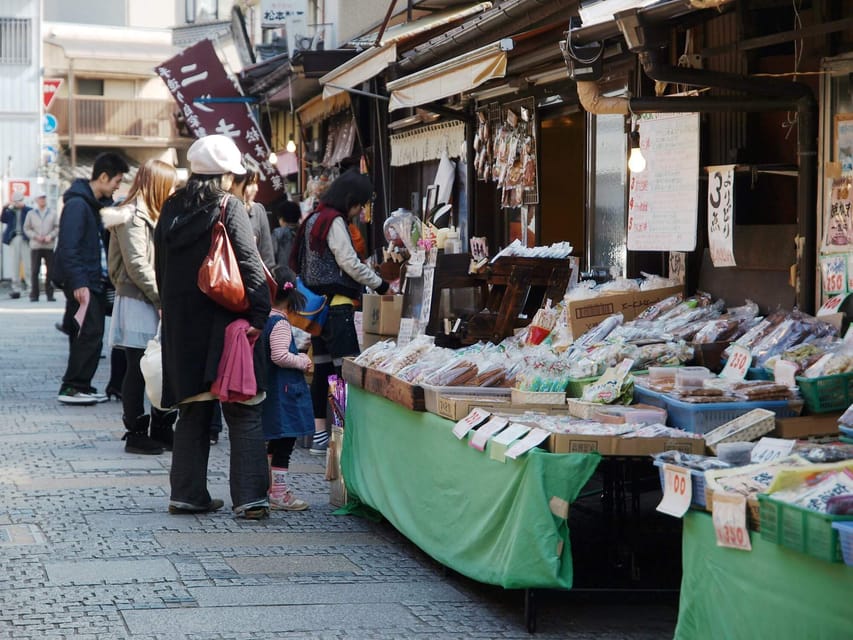
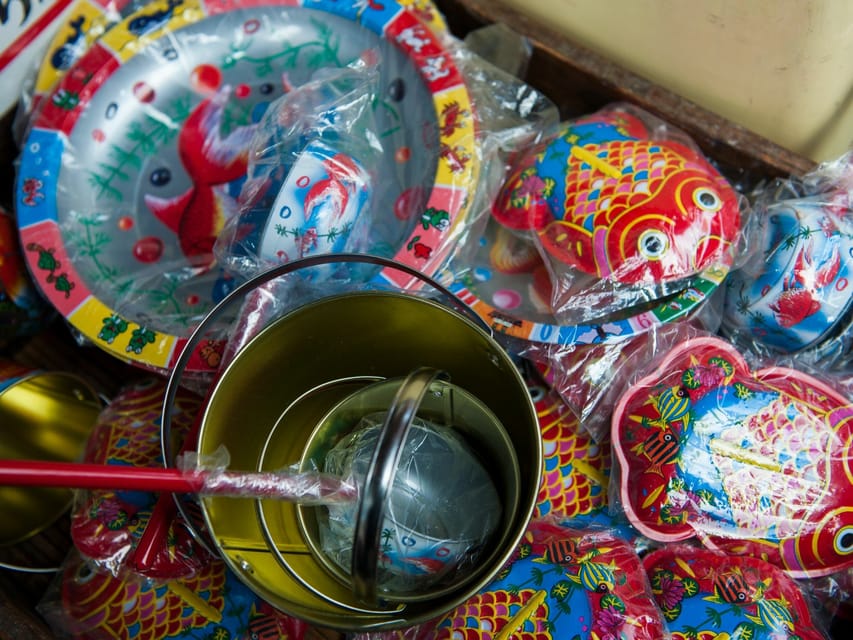
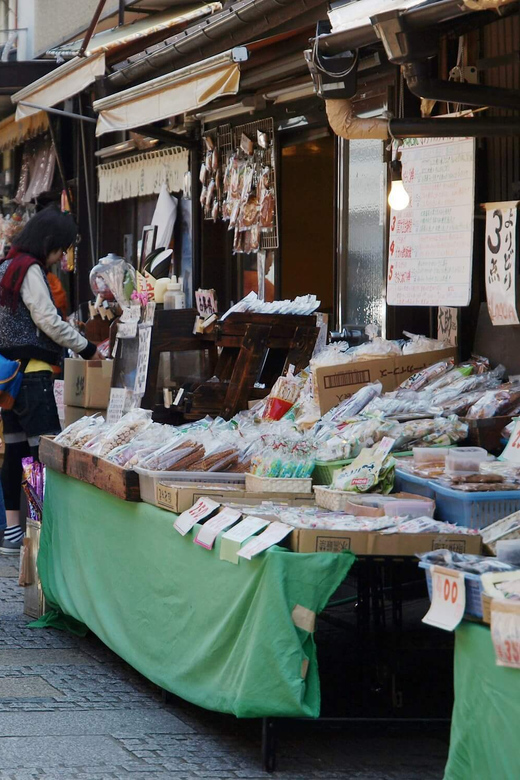
Penny Candy Lane brings a lighter touch to the day. This rustic street is associated with old-fashioned sweets and gives you an easy place to browse unusual treats.
Kawagoe is known for sweet potato-based foods, and the tour includes the chance to try quirky versions of these local favorites. You may find that some appeal more as souvenirs or curiosities than as serious meals.
Your host can also help you handle local specialties, including boiled eel. Food is not included, so you pay for anything you sample. That is a drawback for anyone who prefers an all-inclusive tour, but it gives you control over what you eat and how much you spend.
I would keep some room in your budget for small purchases. The old streets are designed for browsing, and local sweets or crafts can be more meaningful souvenirs than generic Tokyo merchandise.
Eating local food without guessing
The food stops are not presented as a formal tasting menu. Instead, your host can show you how to eat local dishes and point you toward specialties that fit your taste.
Boiled eel may be unfamiliar to some visitors, while sweet potato treats are an easier introduction to Kawagoe’s food culture. If you have dietary restrictions, tell your host in advance, though the available information does not promise specific alternatives.
This informal food guidance is one of the better reasons to choose a private experience. You can ask what a dish is, how it is normally eaten, and whether it fits your preferences before buying it.
Keep expectations realistic. The tour fee does not cover food or drinks, and no fixed tasting list is provided. You are paying for help navigating the choices, not for a meal included in the ticket.
What the private format is really worth
The biggest strength here is personal attention. You are not locked into a standard route or expected to keep up with strangers. A host can adapt the day to your requests, which is especially useful if your group has mixed interests.
Families may appreciate the flexibility. One past booking with teenagers was described as a perfect day with plenty of stories and a personalized route. Children and teenagers may respond better to sweets, festival displays, and unusual food than to a long lecture about temple history.
Solo visitors and couples can also benefit from the format, especially if they want to ask questions or learn about daily life in Kawagoe. Guides from past bookings, including Lauren and Leon, were praised for being thoughtful, kind, and accommodating.
The value depends heavily on how much you use the host. If you simply follow along, take a few photographs, and browse shops, $264 per person may feel high. If you arrive with clear interests and use the guide to shape the day, explain customs, and make the town easier to understand, the cost becomes easier to justify.
The overall rating is 4.5 from 14 reviews, a solid result but not a guarantee that every group will have the same experience. Your guide match and your own expectations will matter a great deal.
Walking, weather, and practical comfort
This is a walking experience and takes place in all weather. Wear comfortable shoes and bring protection from rain or sun, depending on the forecast. The available information confirms wheelchair accessibility, but the exact route and access at individual attractions should still be checked when booking.
Six hours is long enough to feel substantial, especially with transport before and after the walking portion. Plan for pauses, water, and a pace that suits your group.
The experience is private, so you can discuss breaks with your host. That flexibility helps, but it does not turn the tour into a vehicle-based sightseeing day. If walking is difficult for your group, ask how the route can be adjusted before you confirm.
Free cancellation is available up to 24 hours in advance, and you can reserve now and pay later. Those policies are helpful if your Tokyo plans are still shifting, but they do not remove the need to budget for separate transport, food, and attraction tickets.
Who should book the Kawagoe day trip?
Book this experience if you want an easy change of pace from Tokyo, enjoy old streets, and prefer conversation over a fixed script. It is especially well suited to families, couples, and small private groups with clear interests.
It is also a good choice if you have already seen many of Tokyo’s central sights and want a town with a different historical feel. Kita-in Temple, the Edo Castle room, Toki no Kane, Hikawa Shrine, and the Festival Museum give the day several distinct themes.
Think twice if you have very limited time in Japan and want the most dramatic sights near Tokyo. One past booking felt that other destinations might offer a more exciting day, and that is a fair warning. Kawagoe’s appeal is subtle: old buildings, local food, shrine visits, and the pleasure of walking through a place with a strong sense of the past.
For me, the decision comes down to pace. If you like to wander, stop for sweets, ask questions, and let a local guide adjust the route, this private tour can make Kawagoe much easier to appreciate. If you want nonstop attractions or a low-cost outing, take the train independently and explore at your own speed.
FAQ
How long does the Tokyo to Kawagoe experience last?
The experience lasts six hours with a host.
Is the tour private?
Yes. It is a private group experience with a personalized itinerary.
What languages are available?
The tour is available in English and Japanese.
What attractions can I visit in Kawagoe?
The experience can include Kita-in Temple, Toki no Kane bell tower, Hikawa Shrine, the Festival Museum, Penny Candy Lane, and Kurazukuri Street.
Is transportation included in the price?
No. Transportation costs are not included.
Are food and drinks included?
No. You pay separately for food and drinks, including local specialties such as eel and sweet potato treats.
Are attraction tickets included?
No. Tickets to attractions are not included.
Can the tour be adapted to my interests?
Yes. The activity can be personalized to meet your preferences, and your host is matched to your interests and requests.
Is the experience wheelchair accessible?
Yes. The activity is listed as wheelchair accessible.
What happens if it rains?
The activity takes place in all weather, so you should prepare for the forecast and wear suitable clothing and footwear.
More 1-Day Tours in Tokyo

More Historical Tours in Tokyo
More Private Tours in Tokyo

More tours in Tokyo we've reviewed





Historical Tours, compared.
 ★ 5.0Tokyo: Imperial Palace and Shogun Historical Walking TourFrom $22
 ★ 4.9Tokyo: Imperial Palace Japanese History Walking TourFrom $32
 ★ 5.0Tokyo: Shinjuku Historical Walking Tour & Secret BackstreetsFrom $25
 ★ 5.0Yanaka Walking Tour: Historic and Traditional District of TokyoFrom $72
 ★ 4.5Mt. Fuji Heritage Tour: Traditional Villages, Lakes & ShrineFrom $5010 hours
 ★ 4.9From Tokyo: Nikko World Heritage Site Private Full-Day TripFrom $4831 day