
Reviewed · TOKYO FOOD TOURS
Shinjuku Golden Gai Food Tour
Shinjuku Golden Gai is best understood after dark, when its narrow lanes fill with tiny bars, smoky yakitori counters, ramen shops, and karaoke rooms. This three-hour walk takes you through Omoide Yokocho, Kabukicho, and Golden Gai, so you get both food and a useful first look at one of Tokyo’s most talked-about night districts.
I like the small group size, capped at 10, and the fact that four food stops are included rather than just one sit-down meal. I also like the local stories, especially around bars that have survived since the 1950s and the customs of Japanese food and drinking. The main drawback is the price: at $217 per person, you are paying for guidance and access, not a large fine-dining meal, and the quality or seating at each stop can vary.
In This Review
- Key points to know before booking
- Why this Shinjuku evening works
- Starting at Tajimaya Coffee
- Omoide Yokocho and Shinjuku’s older side
- Kabukicho after sunset
- Four food stops, from yakitori to ramen
- What the guide adds to the meal
- Hanazono Shrine and the walk toward Golden Gai
- Golden Gai, tiny bars, and the included drinks
- Karaoke after the scheduled tour
- Is $217 a fair price?
- Who should book this evening?
- Should you book the Golden Gai food tour?
- FAQ
- How long does the Shinjuku Golden Gai Food Tour last?
- Where does the tour start?
- Where does the tour end?
- What food and drinks are included?
- Is the tour suitable for vegetarians?
- Can I cancel for a refund?
Key points to know before booking
- Four food stops in three hours: Expect a mix that can include yakitori, ramen, sushi, and other local or seasonal dishes.
- Golden Gai is the finale: The tour ends at Araku Bar, with an included drink and the option to keep exploring.
- Two drinks are included: You get two drinks during the experience, though some stops may be focused more on food than lingering over drinks.
- Small, social group: The maximum group size is 10, which helps in tight lanes and makes conversation with the guide easier.
- Guides shape the evening: Guides such as Sandra, Ray, Wesley, Alex, Yoshi, and Tommy have been praised for adding history, humor, food explanations, and karaoke spirit.
- Come hungry and wear sensible shoes: This is a walking meal across several stops, not a single restaurant reservation.
Why this Shinjuku evening works
The smart idea here is to use food as your way into Shinjuku. You are not simply eating four dishes and going home. You are moving through places that can feel confusing on a first visit, with a guide explaining what you are seeing and helping you enter small venues that may be hard to choose on your own.
The route begins at 5 pm, a useful time for catching the shift from daytime Shinjuku to its nighttime personality. The schedule gives you about three hours, enough for a proper meal and a walk through several districts without turning the evening into a rushed march.
I would book this early in your Tokyo stay if you want help getting your bearings. Several people who enjoyed the experience felt it opened up corners of Shinjuku they would not have found alone. Afterward, you can return to the spots that suited you, now with a better sense of the area.
A few more Tokyo tours and experiences worth a look
Starting at Tajimaya Coffee
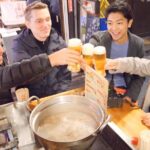
The meeting point is Tajimaya Coffee at 1-chōme 26, Nishishinjuku, in the Shinjuku Suisan Building. The guide meets you there, checks the group, and sets the tone for the evening.
Because Shinjuku has several large stations and a maze of exits, allow extra time to find the starting point. One guide waited when a group had trouble locating the meeting place, but you should not rely on that. Save the mobile ticket and meeting details before leaving your hotel, and plan to arrive early.
The experience is near public transportation, but the walk itself requires a moderate level of fitness. There are several stops, narrow streets, and likely periods of standing. Comfortable shoes matter more here than smart evening clothes.
Omoide Yokocho and Shinjuku’s older side
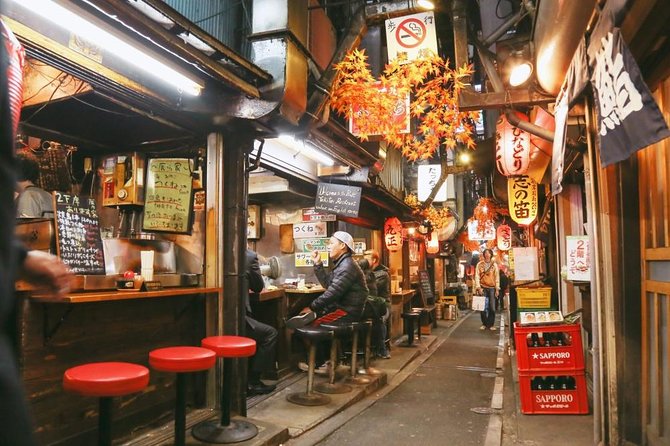
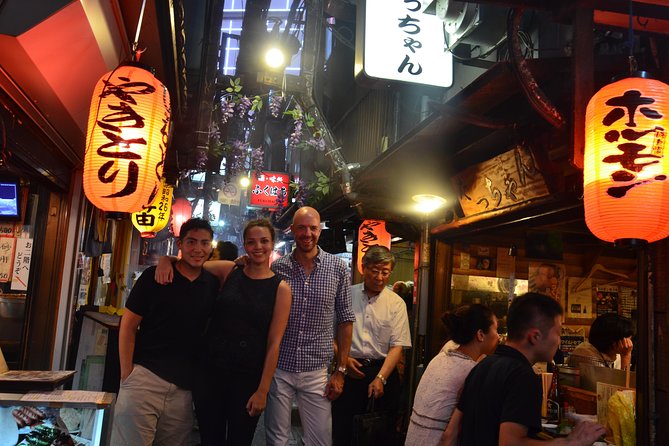
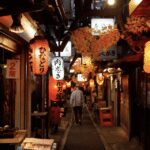
From the meeting point, the group heads toward Omoide Yokocho, often translated as Memory Lane. Its tight passageways and small eating places offer a sharp contrast to the grand station complexes and tall buildings nearby.
The area is associated with bars and food counters that have remained largely unchanged since the 1950s. That detail gives the walk a sense of continuity. You can see how a small, informal drinking district sits right beside one of the world’s busiest urban centers.
This is a short stop in the stated schedule, but the value is not measured in minutes. Your guide can explain how the area developed and point out details that are easy to miss while walking alone. You may also dine alongside local customers, which adds a more everyday feel than a restaurant chosen mainly for sightseeing.
Do not expect a long meal here. The route moves on to other food stops, so think of Omoide Yokocho as the opening scene and cultural context rather than the main course.
Kabukicho after sunset
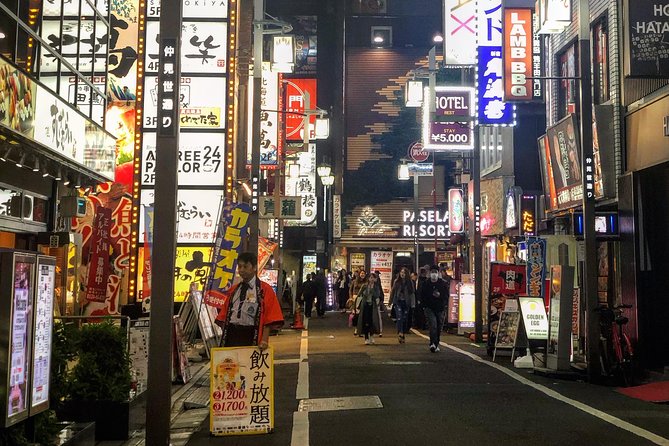
Next comes Kabukicho, Tokyo’s famous entertainment district. The tour explains why this area became one of Japan’s best-known nightlife zones and how its bars, restaurants, and adult entertainment businesses fit into the wider character of Shinjuku.
The supplied description calls Kabukicho the largest and safest Red Light District in Asia. That wording is part of the tour’s presentation, but the practical point is simpler: you are walking through a busy entertainment area where the streets can feel intense, especially at night. A guide helps you understand the setting without having to make sense of it alone.
This part of the tour also gives you a chance to try food. The exact stops can change because of restaurant schedules, holidays, weather, and other conditions. Substitutions are made when needed, so the evening is not locked to one fixed menu.
That flexibility is useful, but it also means you should not book expecting one exact sushi counter or ramen shop. The food can include local and seasonal dishes, and the route may feature yakitori, ramen, sushi, or similar Japanese specialties.
Four food stops, from yakitori to ramen
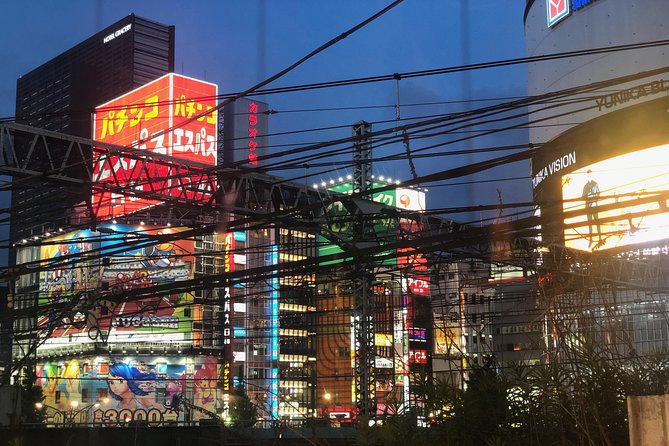
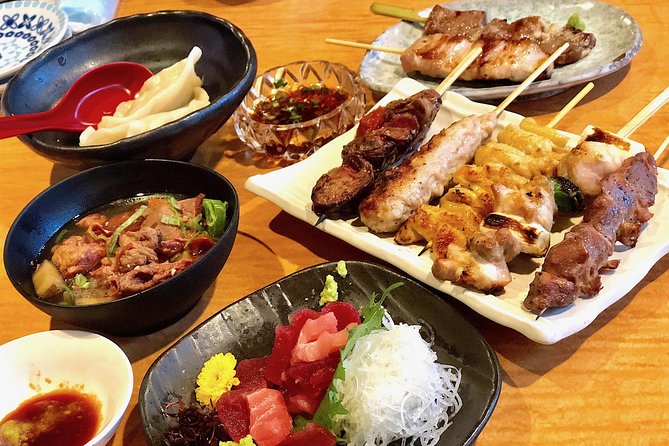
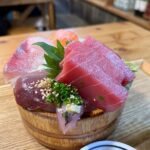
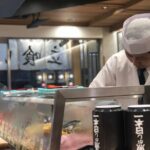
The core of the experience is the sequence of four food stops. You might try yakitori, ramen, sushi, and additional seasonal dishes. This gives you a broader taste of Japanese casual dining than a single restaurant meal.
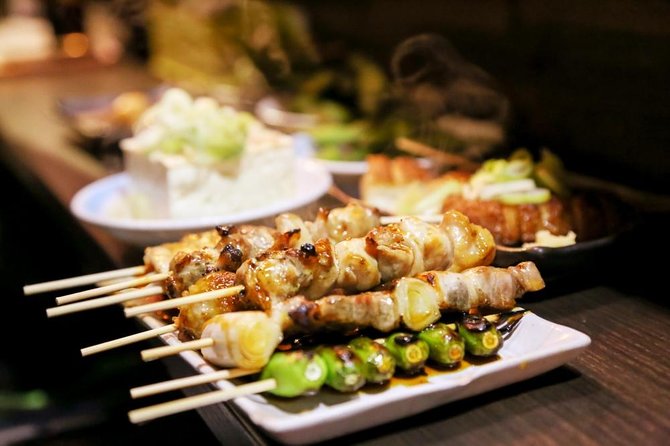
Yakitori is a natural fit for the district. These grilled skewers are easy to share and suit the small counter-style places common in Shinjuku. They can also be a useful introduction to different chicken cuts and Japanese drinking-house etiquette, provided your guide explains what is being served.
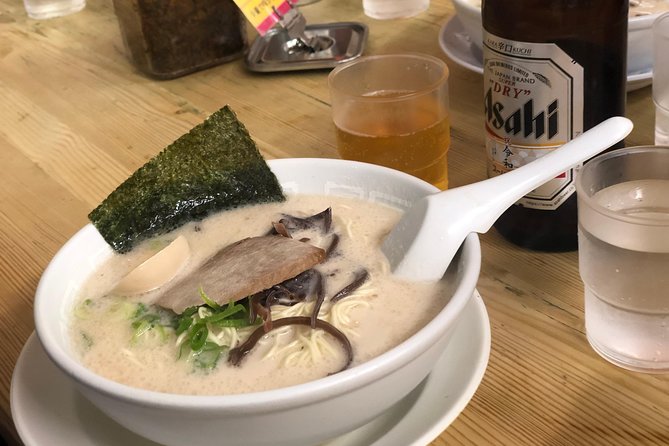
Ramen provides the most dependable anchor in the meal. It is filling, familiar, and distinctly tied to Japan’s everyday food culture. Several people especially enjoyed the ramen, with one calling it the best of the trip. The experience does not promise a specific ramen style, so ask your guide what you are eating and why that shop was chosen.
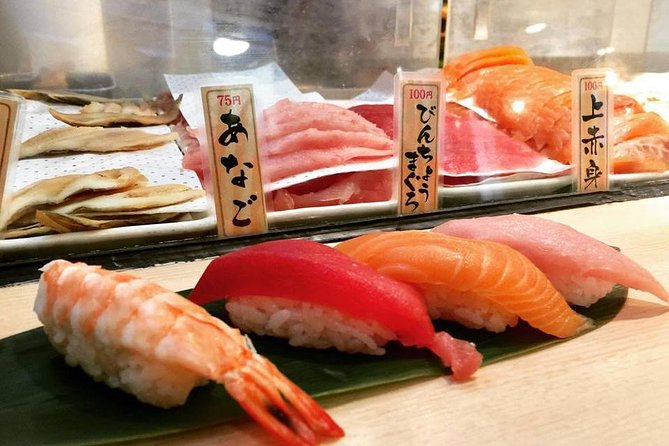
Sushi may be included as another stop. The quality is not guaranteed to match a high-end sushi restaurant. One particularly negative account found the sushi disappointing and felt the food explanations were too thin. That is an important warning for serious food enthusiasts: this is a sampling tour, not a carefully staged tasting menu.
The amount of food appears generous. I would eat lightly beforehand, since the evening can include substantial portions across several stops. If you are hoping for long pauses between dishes, the pace may feel quick. If you want to sample several foods in one night, the format works well.
A few more Tokyo tours and experiences worth a look

What the guide adds to the meal
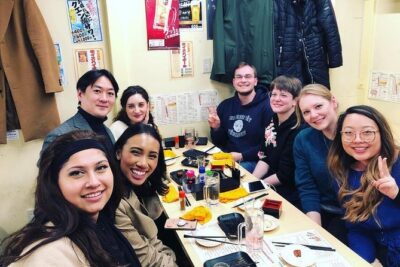
The guide can make or break this experience. Strong guides have included Sandra, Ray, Wesley, Alex, Yoshi, Tommy, Giulia, Daniel, Masahiro, Osmar, and others. The most praised guides do more than lead the group from door to door. They explain Japanese customs, add local history, answer questions, and keep everyone involved.
Sandra has been singled out for arranging suitable food for a gluten-free vegetarian participant, while the stated policy describes the tour as friendly to vegetarians and pescetarians. Tell the provider about dietary needs before you book, and repeat them to the guide at the start. Flexibility is possible, but it should not be treated as a promise of a fully customized menu.
Ray has been praised for explaining etiquette and keeping the route flowing. Wesley is known for mixing cultural background with humor. Tommy brings a strong karaoke personality, and guides such as Alex and Osmar have been appreciated for bringing a group together.
The guide’s nationality and personal background can vary. Most importantly, do not assume every guide has lived in Shinjuku for years or can offer expert commentary on every cultural topic. The guide quality appears strongest when the person has prepared carefully and explains the food at each stop.
Hanazono Shrine and the walk toward Golden Gai
Hanazono Shrine is part of the route before the final stop in Golden Gai. This gives the evening a quiet pause between the entertainment streets and the tiny nightlife lanes.
A shrine visit also helps show that Shinjuku is not only neon signs and bars. The district has religious spaces, local traditions, and older neighborhoods tucked among major roads and commercial buildings. The stop may be brief, but it broadens the story of the area.
The exact timing can change as the group moves between food stops. Keep an eye on the guide, especially in crowded streets, and avoid wandering off for photographs. This is a walking tour through compact, busy areas, not a leisurely photo walk.
Golden Gai, tiny bars, and the included drinks
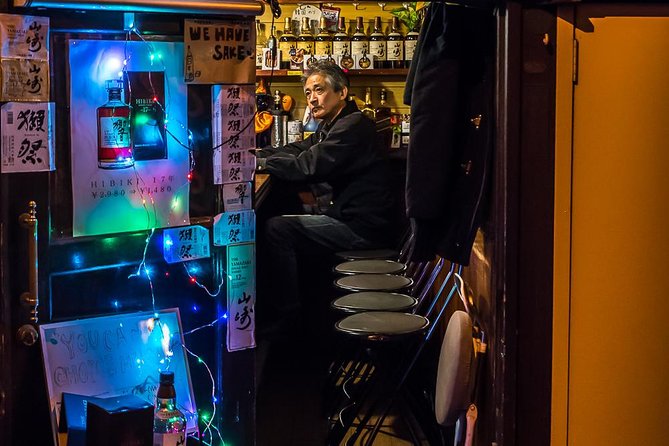
Golden Gai is the evening’s headline destination. More than 200 small pubs, stalls, and karaoke bars occupy a dense patch of narrow lanes. Many venues are tiny, sometimes with only a handful of seats, which is part of the area’s unusual character.
The guide leads you through this compact nightlife district and finishes at Araku Bar. One included drink is specifically associated with the Golden Gai portion, and two drinks are included in the overall experience. Depending on the evening’s flow, you may have more food than time for drinks. One person enjoyed the tour but wished there had been more opportunity to sit and drink along the way.
The small bars can be intimate rather than comfortable. A four-star account described standing room only at the final venue and frustration when some restaurants could not take the whole group. Seating is the biggest practical concern for a tour at this price. Golden Gai’s narrow rooms cannot easily absorb a group of 10, particularly on a busy night.
Still, this is the part many people find hardest to arrange alone. A guide gives you a starting point, explains the setting, and removes some of the worry about choosing a bar at random. You can continue exploring independently after the formal tour ends, but the included drink and the short stay at Araku Bar are the guaranteed closing elements.
Karaoke after the scheduled tour
An optional karaoke after-party is available. Karaoke has been a memorable addition for some groups, with Tommy and Osmar receiving particular praise for making the experience lively and social.
This is not included in the core tour details, so treat it as an add-on rather than part of the guaranteed three-hour schedule. If you prefer a quiet finish, you can end at Golden Gai and continue on your own or head back to your hotel.
Is $217 a fair price?
At $217 per person, this is expensive for four casual food stops and two drinks. You can eat ramen, yakitori, and sushi in Tokyo for far less if you are comfortable choosing places yourself.
The price makes more sense if you value the guide, the organization, cultural background, and the chance to enter unfamiliar parts of Shinjuku with a small group. You are also paying for convenience. There is no need to research restaurants, decode menus, or guess which narrow bar will welcome a first-time visitor.
For food lovers who judge a tour mainly by ingredient quality, this may not be the best deal. One account felt the meal lacked substance and suggested spending the same money on a high-end sushi or kaiseki meal. That criticism is fair. The experience is about range and place, not luxury dining.
I see it as a good value for a first evening in Shinjuku, particularly if you want food, local context, and nightlife in one package. I would not choose it as my main splurge meal in Tokyo.
Who should book this evening?
This tour suits first-time visitors who want an easy introduction to Shinjuku at night. It is also a good match for solo visitors and couples who like meeting a small group over shared food.
You will get the most from it if you enjoy casual Japanese dishes, compact bars, urban history, and a little nightlife. The tour is less suitable if you want a quiet dinner, guaranteed seating, precise restaurant choices, or a refined culinary tasting.
Vegetarians and pescetarians may be accommodated, but contact the provider before booking. Adults must be at least 20 years old, and the experience requires moderate physical fitness.
Free cancellation is available up to 24 hours before the 5 pm start. Poor weather or failure to meet the minimum group size can lead to a different date, another experience, or a full refund.
Should you book the Golden Gai food tour?
Book it if you want help making sense of Shinjuku’s night districts and you like sampling several foods instead of settling into one restaurant. The strongest part is the combination of local storytelling, four food stops, and Golden Gai access, especially with a guide such as Sandra, Ray, Wesley, Alex, or Tommy.
Skip it if $217 feels too steep for casual food or if restaurant quality is your main concern. For the best chance of enjoying it, book near the beginning of your Tokyo stay, arrive early at Tajimaya Coffee, come hungry, and treat the menu as flexible. That way, you are paying for a guided night in Shinjuku, not simply for four plates.
FAQ
How long does the Shinjuku Golden Gai Food Tour last?
The tour lasts approximately three hours and begins at 5 pm.
Where does the tour start?
The meeting point is Tajimaya Coffee at 1-chōme 26, Nishishinjuku, Shinjuku City, Tokyo, in the Shinjuku Suisan Building.
Where does the tour end?
The tour ends at Araku Bar in the Golden Gai area of Kabukicho.
What food and drinks are included?
The experience includes four food stops and two drinks. Dishes can include yakitori, ramen, sushi, and other local or seasonal foods.
Is the tour suitable for vegetarians?
The tour is described as suitable for vegetarians and pescetarians. Dietary needs should be shared before booking, since food stops can change.
Can I cancel for a refund?
You can cancel at least 24 hours before the local start time for a full refund. Cancellations or changes made less than 24 hours before the start are not accepted for a refund.
More Food Experiences in Tokyo


More Tokyo Food Tours in Tokyo
More Shinjuku Tours in Tokyo

More tours in Tokyo we've reviewed




Tokyo Food Tours, compared.
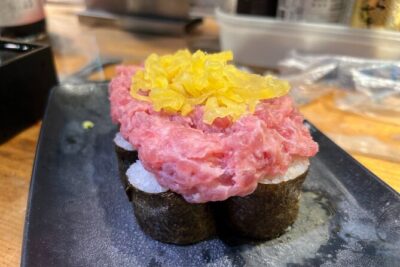 ★ 5.0Tokyo: Shinjuku Food Tour (13 Dishes at 4 Local Eateries)From $86
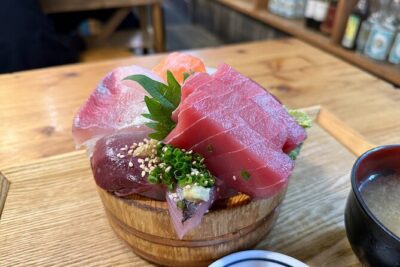 ★ 4.9Tokyo: Shinjuku Food Tour (15 Dishes and 4 Eateries)From $853 hours
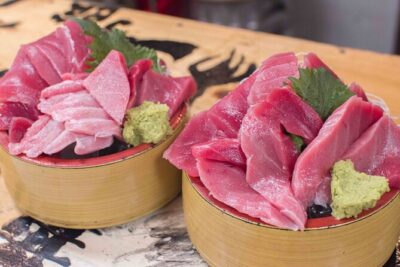 ★ 5.0Best of Shinjuku: Izakaya Food Tour (4 Stops, 14+ Tastings)From $92
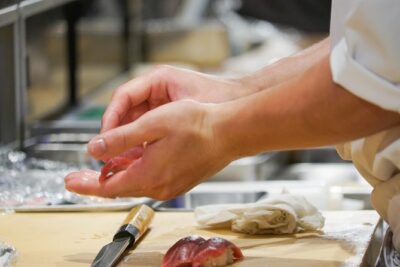 ★ 5.0Tokyo Night Foodie Tour in Shinjuku – Seasonal Sushi, Wagyu BeefFrom $111
 ★ 5.0Eat and Drink Like a Local: Tokyo Ueno Food Tour-Taverns&RamenFrom $95
 ★ 5.0Tokyo: Shibuya Food Tour (13 dishes and 4 Eateries)From $77