
Reviewed · NIKKO DAY TRIPS
Nikko Full-Day Private Tour with Government-Licensed Guide
Nikko gives you Japan in bold strokes: ornate Tokugawa shrines, mountain water, old bridges, and quiet forest paths. This private tour lets you choose three or four sights with a guide such as Yumi, Yoshii, Yoko, or Ichiro, rather than follow a fixed group route. I like the one-to-one planning and the chance to pair major sights with a quieter stop such as Kanmangafuchi Abyss. I also like having someone handle Nikko’s buses and explain details that are easy to miss. The catch is simple: transportation, admission, and lunch cost extra, and six hours passes quickly.
- Three or four sights in six hours: You choose the mix instead of trying to see every stop.
- Tokugawa history and mountain scenery: Toshogu Shrine can be combined with Kegon Falls and Lake Chuzenji.
- Licensed English-speaking guides: Yumi, Yoshii, Yoko, Ichiro, and others have been praised for planning, timing, and clear explanations.
- Public transport is part of the day: Bring cash for buses or taxis, and allow extra time during busy periods.
- Quiet alternatives are available: Kanmangafuchi Abyss, Tamozawa Imperial Villa, and Senjogahara offer a break from the busiest shrine paths.
- A private format suits families: The pace can change for questions, weather, interests, or slower walkers.
In This Review
- Why a private day helps in Nikko
- Toshogu Shrine and the Tokugawa story
- Rinnoji, Taiyuin, and Futarasan
- Kegon Falls and Lake Chuzenji
- Senjogahara and Nikko’s open country
- Kanmangafuchi Abyss and Shinkyo Bridge
- Tamozawa Villa and the quieter historic choices
- What the six-hour schedule really means
- Price, transport, and the real value
- Who should book this Nikko tour
- Should you book it?
- FAQ
- Where do I meet the guide?
- How long does the tour last?
- How many attractions can I visit?
- Is transportation included?
- Are admission tickets and lunch included?
- Can I cancel for a full refund?
Why a private day helps in Nikko
Nikko is easy to underestimate. On a map, its temples, waterfalls, lake, and mountain roads seem close together. In practice, the area covers a broad stretch, and the best plan depends on the weather, traffic, and your interests.
This experience begins when you make your own way to Nikko and meet your guide at the station or another agreed point within the designated area. The tour itself is primarily on foot, with public buses or taxis used when needed. That arrangement keeps the price below a private vehicle tour, but it also means you need to pay attention to transport costs and schedules.
The private setup is the main reason to book. You can spend more time on Buddhist sculpture if that interests you, or cut short the shrine visit and head into the mountains. Families with teenagers can ask for a faster, more varied day. Visitors collecting goshuin, the calligraphic temple and shrine stamps, can ask the guide to point out useful stops.
The guides receive especially strong praise for communication before the day. Yumi, Yoko, Yoshii, Ichiro, and Mato are all noted for helping shape plans in advance. Yuki has been praised for adjusting a full schedule after a delayed train, while other guides have helped with restaurant bookings, taxis, and bus decisions.
That personal help matters most if this is your first visit to Japan. You still need to reach Nikko yourself, but the guide can help you understand the route from Tokyo and then make sense of the local connections.
Toshogu Shrine and the Tokugawa story
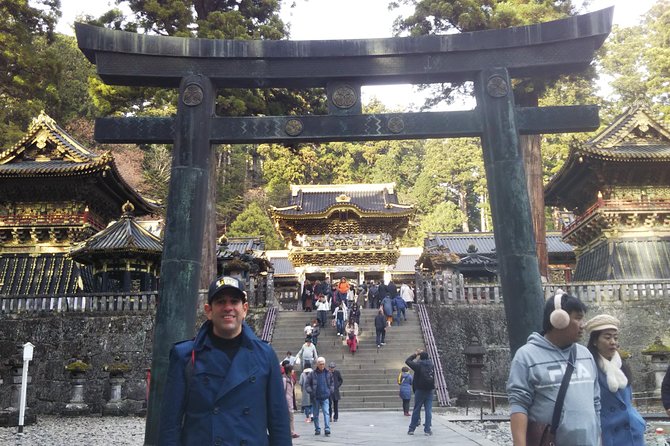
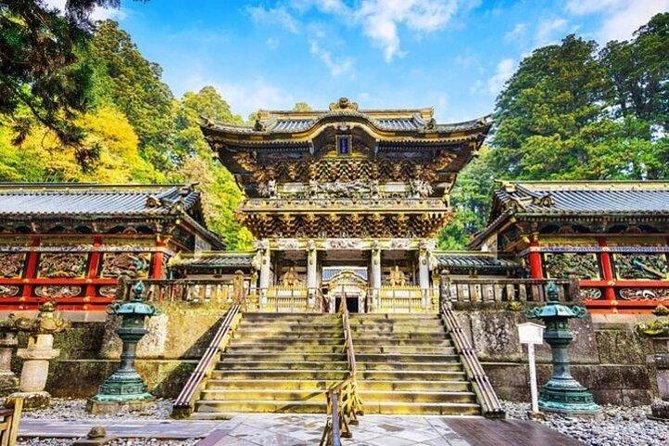
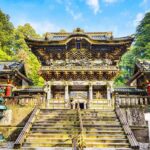
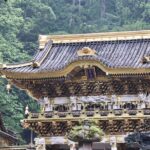
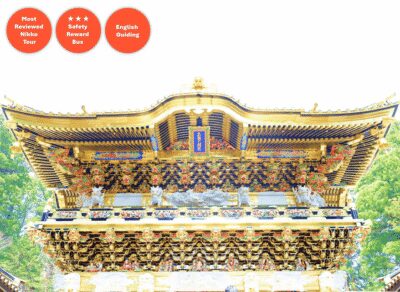
For most people, Nikko Toshogu is the essential stop. This lavish shrine complex honors Tokugawa Ieyasu, founder of the shogunate that ruled Japan for more than two centuries. Its buildings are packed with carved details, painted decoration, gates, lanterns, and symbolic animals.
A guide adds value here because the visual overload can blur together. You may notice the famous sleeping cat or the three wise monkeys, but a good explanation helps connect the carvings to the shrine’s purpose and to the political power of the Tokugawa family.
The stated visit time is 30 minutes, though that is a brisk look rather than a full exploration. Admission is not included. If Toshogu is your main reason for coming to Nikko, tell the guide before the day so the schedule does not squeeze the shrine into a rushed stop.
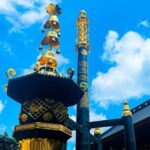
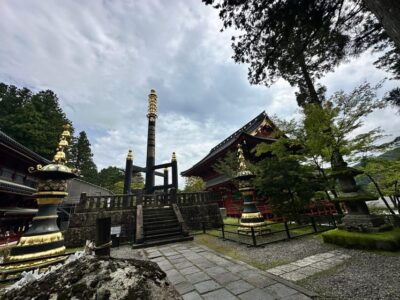
Toshogu sits among other important religious sites, including Futarasan Shrine and Rinnoji Temple. The area is UNESCO listed, but the real pleasure is moving between Shinto and Buddhist spaces within the same sacred district. Futarasan is older and less ornate than Toshogu, while Rinnoji traces its origins to Shodo Shonin, the monk associated with bringing Buddhism to Nikko in the eighth century.
A few more Nikko tours and experiences worth a look
Rinnoji, Taiyuin, and Futarasan
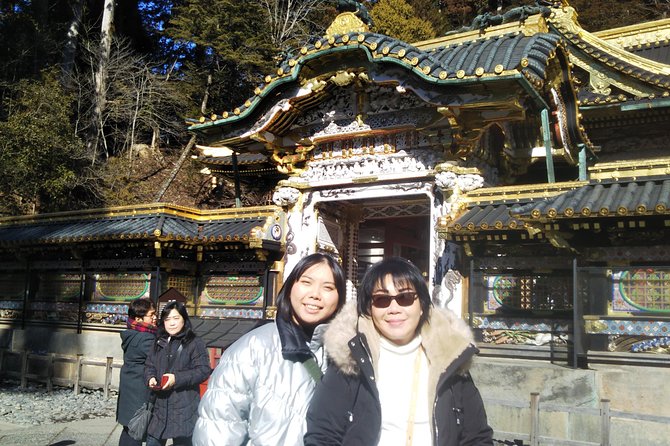
Rinnoji’s Sanbutsudo, or Three Buddha Hall, is Nikko’s key Buddhist building. The planned visit lasts about 30 minutes, and admission is extra. It works well for you if you want religious context rather than only grand architecture.
Taiyuin is the mausoleum of Tokugawa Iemitsu, Ieyasu’s grandson and the third Tokugawa shogun. Its design recalls Toshogu, but the atmosphere can feel more restrained. The 30-minute stop gives you time to see the layout and discuss how the two mausoleums relate.
Futarasan Shrine offers another 30-minute option. Founded in 782, it is much older than Toshogu and is linked to the mountain worship that shaped Nikko. The shrine’s setting helps explain why this area became sacred long before the Tokugawa rulers added their monumental buildings.
You probably cannot give all three sites the attention they deserve and still reach the high mountain stops in one six-hour session. I would choose the shrine cluster for a culture-heavy day, then add one nature stop if timing permits.
Kegon Falls and Lake Chuzenji
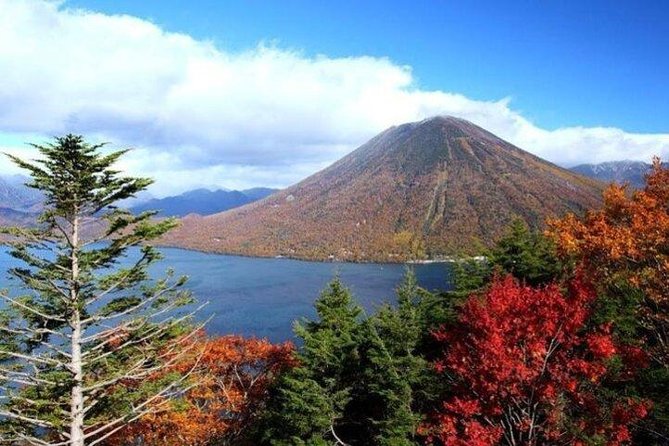
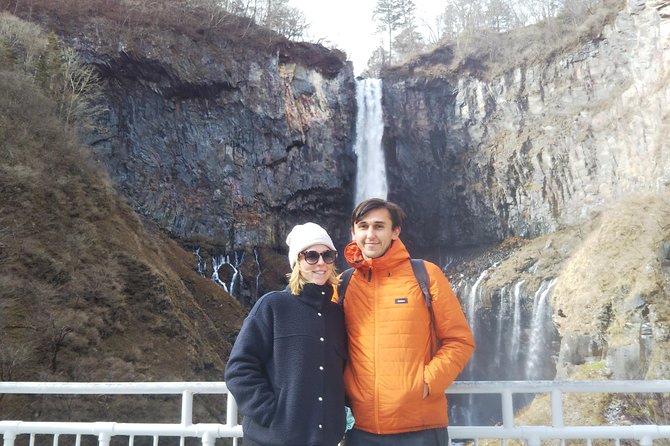
Kegon Falls is Nikko’s best-known waterfall, dropping 97 metres from Lake Chuzenji. The water plunges in a single dramatic fall, and the view changes with season and weather. The listed stop is only 15 minutes, and the lift admission is extra.
That short time is enough for a quick viewpoint visit, not a leisurely mountain outing. Ask about the lift and cost before committing, especially if you are trying to keep the day within budget.
Lake Chuzenji is the source of the falls and the largest lake in Tochigi Prefecture. Its shoreline is framed by about 25 kilometres of mountain scenery. In the late nineteenth and early twentieth centuries, foreign residents used the area as a summer resort, and French and British villas remain part of its story.
The lake and waterfall make a natural pair. You can see the water before its drop, then watch it thunder below. The weakness is travel time: reaching the upper area by bus or taxi takes time from the shrine district, and traffic can slow the route.
A guide who knows the bus system can make a real difference here. Yuki was specifically praised for fitting in planned sights after a delayed train, and several guides have been credited with timing buses closely enough to cover a surprising amount in six hours. Still, do not treat a packed schedule as guaranteed. Weather and road conditions can change the day.
Senjogahara and Nikko’s open country
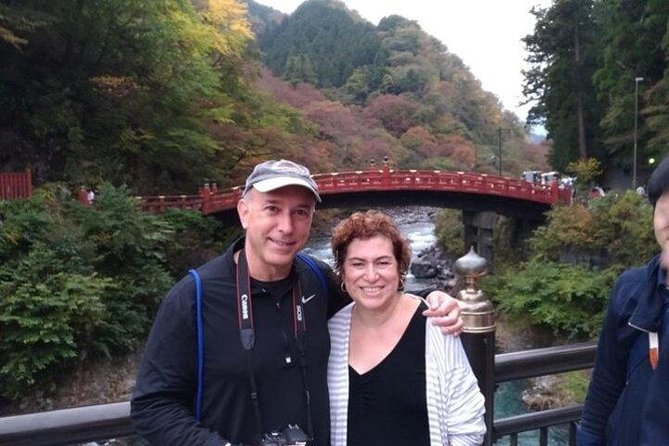
Senjogahara Field gives you a different view of Nikko. The name means battlefield and refers to a local legend in which the gods of Mount Nantai and Mount Akagi fought over nearby lakes. The field itself is tied to broad mountain scenery and open nature rather than elaborate buildings.
The listed visit is 15 minutes, so this is more of a quick scenic stop than a long walk. If you want a fuller nature day, discuss the amount of walking in advance. The tour is described as a walking experience, but some stops require public transport or taxis.
Senjogahara is a good choice for you if shrine interiors are not your only priority. It breaks up the carved wood and stone with open views and a quieter setting. The tradeoff is that it makes the itinerary more dependent on road travel and weather.
Kanmangafuchi Abyss and Shinkyo Bridge
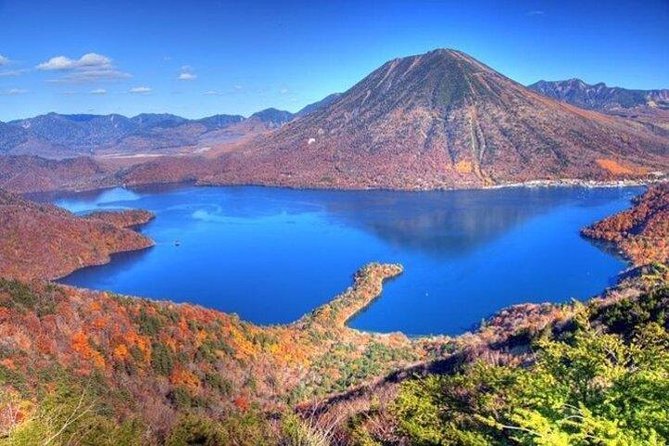
Kanmangafuchi Abyss is a short gorge near central Nikko, formed by an eruption of Mount Nantai. A riverside path follows the gorge for only a few hundred metres. It is a pleasant choice when you want nature without traveling as far as Lake Chuzenji.
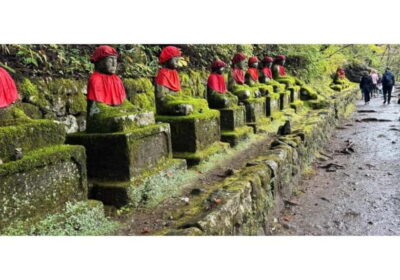
The site is free, and the planned stop lasts about 30 minutes. Its appeal comes from the sound of the river, the wooded path, and the famous line of stone Jizo figures along the route. The setting is quieter than the main shrine approach, though the tour information does not promise solitude.
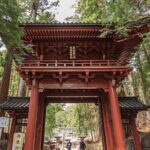
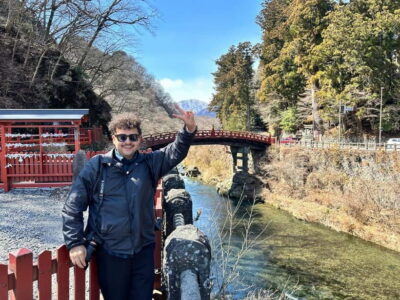
Shinkyo Bridge marks the entrance to Nikko’s shrines and temples and belongs technically to Futarasan Shrine. It is free to view and is counted among Japan’s three finest bridges. The stop is listed at 30 minutes, but you may need less unless you want photographs or an explanation of its religious role.
Because Shinkyo sits near the shrine district, it is an efficient addition to a culture-focused plan. Kanmangafuchi is also relatively close to central Nikko, making the two useful choices when you want scenery without committing to the mountain route.
Other guided tours in Nikko
Tamozawa Villa and the quieter historic choices
Nikko Tamozawa Imperial Villa is one of the more distinctive options. Built in 1899, it combines Edo-period design with early modern Meiji architecture across 106 rooms. The villa was assembled partly with sections from a Tokyo residence, giving the building an unusual blend of styles.
The planned visit lasts 30 minutes, with admission extra. That is enough for a first look, though you may want more time if you enjoy rooms, gardens, and architectural details. The villa suits you if you want to see how Japan’s imperial household used traditional forms while adapting to a modern era.
The Nikko Botanical Garden is maintained by the University of Tokyo and operates as a branch of its Koishikawa Botanical Garden. It offers a quieter, plant-focused stop, with admission extra and 30 minutes suggested.
Kirifuri Waterfall is a 75-metre, two-tiered fall northeast of the main shrine area. The stop lasts about 15 minutes and admission is not included. It is a useful alternative to Kegon Falls if you want a shorter trip away from the central district.
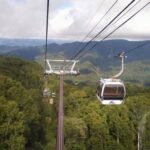
Akechidaira Observation Area sits near the top of the Irohazaka road. From its plateau and ropeway area, you can look over the winding road and mountains. The listed stop is 15 minutes, with the ropeway and any related costs separate. This is a fine weather-dependent choice, but not one to force into a rainy or congested day.
The Kanaya Hotel History House, open for public visits, recalls the predecessor to Nikko’s celebrated Kanaya Hotel. Its 15-minute stop is best for visitors interested in local hospitality and foreign connections rather than another shrine.
What the six-hour schedule really means
The experience offers a choice of three or four places from a long list. That flexibility is useful, but it can also put too much pressure on you. One traveler found it stressful to keep deciding where to go and felt the service should offer sample routes.
I agree with the practical point. Before meeting your guide, choose a broad priority:
- Culture first: Toshogu, Rinnoji, Taiyuin, and Futarasan.
- Nature first: Kegon Falls, Lake Chuzenji, Senjogahara, or Kirifuri Falls.
- A balanced day: Toshogu, Shinkyo Bridge, Kegon Falls, and Lake Chuzenji.
- A quieter historic day: Toshogu, Tamozawa Villa, Kanmangafuchi, and Futarasan.
These are planning ideas, not fixed promises. Your guide may adjust the route for weather, traffic, opening conditions, or your pace. You should also accept that three well-explained sites can be better than four rushed ones.
Price, transport, and the real value
At $155.86 per person, this is not a budget sightseeing day, especially for one person or a couple. It becomes more appealing for a family or small group because the experience is private and group discounts may be available.
The fee covers a licensed local English-speaking guide and the custom tour. It does not cover buses, taxis, entrance tickets, lunch, or personal expenses. The basic plan is on foot, and private transportation is not included.
Bring Japanese yen. A useful cash reserve is around ¥10,000 per person for a busy day with buses, possible taxis, admission fees, and small purchases, though your actual total depends on the route and group size. Ask your guide for a cost estimate before settling on mountain stops.
The value comes from time saved and better context. A guide can explain which shrine buildings matter, point out special goshuin opportunities, help arrange a taxi in heavy rain, and keep a family moving between buses and sights. If you are already confident with Nikko’s transport and only want photographs, the price may be harder to justify.
Who should book this Nikko tour
I would recommend it most strongly to first-time visitors coming from Tokyo for one day. The route from Tokyo can feel complicated, and the local bus system becomes less intimidating when someone has already thought through the connections.
It also suits families, older couples, and anyone with a very specific interest. Teenagers may respond better to a guide who can connect shrine stories to people and events rather than deliver a long lecture. Goshuin collectors, architecture fans, and visitors who want both temples and nature can all shape the day around those aims.
You should be comfortable walking, standing, and using public transport. The tour is private, and most people can participate, but it is not a private-car excursion. If you need a fully accessible route or cannot manage buses and walking, ask for exact arrangements before booking.
Confirmation arrives at booking. Service animals are allowed, and the meeting arrangement is on foot within the designated Nikko area. The general cancellation rule allows a full refund if you cancel at least 24 hours before the start time. Changes or cancellations inside that window are not accepted.
Should you book it?
Book this tour if you have one day in Nikko and want a person to shape the route, explain the shrines, and manage the practical details. The strongest guides, including Yumi, Yoshii, Yoko, Yuki, and Ichiro, are praised for advance planning, patience, local transport skills, and personal explanations.
Skip it if you prefer an entirely self-guided day, need a private vehicle included, or dislike deciding among several options. My advice is to arrive with two priorities, a shrine, a waterfall, a garden, or a quiet walk, and let the guide build the final route around them. That gives you the freedom this tour promises without making every decision on the spot.
FAQ
Where do I meet the guide?
You make your own way to Nikko and meet the guide at Nikko Station or another agreed point within the designated Nikko area. The included meeting and pickup service is on foot.
How long does the tour last?
The tour lasts approximately six hours.
How many attractions can I visit?
The experience includes a customizable route covering three or four attractions from the available site list.
Is transportation included?
No. The basic tour is on foot, and you pay separately for public transportation or taxis. Private transportation is also not included.
Are admission tickets and lunch included?
No. Entrance fees, lunch, transportation, and personal expenses are separate. Guide entry fees are covered only for sights included in the stated tour options.
Can I cancel for a full refund?
Yes, if you cancel at least 24 hours before the experience start time. Cancellations or changes made less than 24 hours beforehand are not accepted for a refund.
More Private Tours in Nikko

More Guided Tours in Nikko
More Nikko Day Trips in Nikko
More tours in Nikko we've reviewed
Nikko Day Trips, compared.
 ★ 4.6Nikko: Kegon Falls, Lake Chuzenji & Toshogu TempleFrom $8911 hours
 ★ 4.5Tokyo: Nikko Toshogu Shrine and Kegon Waterfall TourFrom $8410h 30m
 ★ 4.9From Tokyo: Nikko World Heritage Site Private Full-Day TripFrom $4831 day
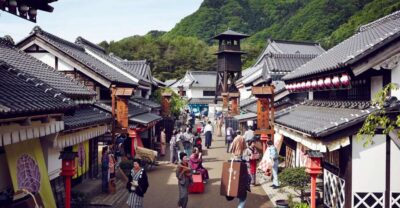 ★ 4.3Nikko: Edo Wonderland Edomura Cultural Theme Park TicketFrom $351 day
 ★ 4.8Tokyo: Nikko World Heritage Private Day Trip Hotel Pick-upFrom $39011 hours - 1 day
From Tokyo: Nikko World Heritage Sight Full Day Private TourFrom $36210 hours
★ 4.8Tokyo: Nikko World Heritage Private Day Trip Hotel Pick-upFrom $39011 hours - 1 day
From Tokyo: Nikko World Heritage Sight Full Day Private TourFrom $36210 hours