
Reviewed · AKIHABARA & ANIME TOURS
Tokyo Station Historical Walking Tour with Food and Anime
Tokyo Station is more than a place to catch a train. It is a city within the city, with a grand red-brick facade, busy platforms, food streets, shops, anime goods, and layers of history that are easy to miss when you are rushing to your next connection. This two-hour walking tour gives the station a story and a shape.
I like two things here. First, you begin outside, where the Marunouchi facade makes the station’s design and history easier to understand. Second, you move inside for the practical pleasures of food, shopping, anime, and railway life instead of looking at the building from only one angle.
The main consideration is that the tour does not include personal expenses or admission costs. Your $39.02 covers the English-speaking guide and photos, but you should bring extra money if you want food, souvenirs, or other purchases inside the station.
In This Review
- Key points about this Tokyo Station walk
- Why Tokyo Station deserves a guided walk
- Meeting at Marunouchi North Gate
- Fifteen minutes with the red-brick station facade
- Inside the station: history beside daily Tokyo life
- Railway platforms and Shinkansen access
- Anime, food, and shopping without leaving the station
- How much value do you get for $39.02?
- The guide and the pace of the walk
- Who will enjoy this experience most?
- Practical details before you book
- Should you book the Tokyo Station historical walk?
- FAQ
- How long does the Tokyo Station walking tour last?
- Where does the tour begin?
- Where does the tour finish?
- Is the tour conducted in English?
- What is included in the tour price?
- Are food and shopping purchases included?
- Does the tour include access to railway platforms and Shinkansen areas?
- How many people can join the tour?
- Can I cancel for a full refund?
Key points about this Tokyo Station walk
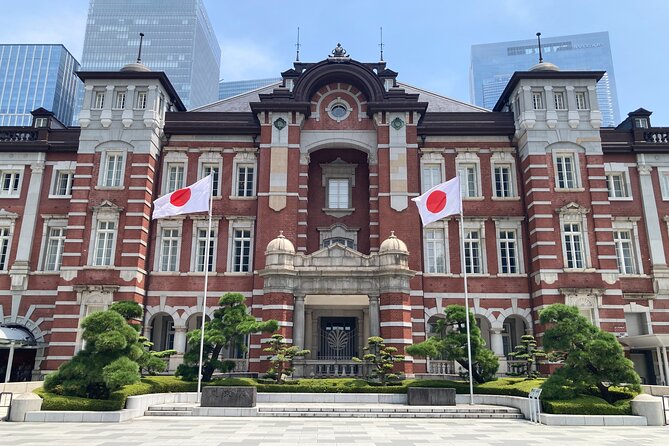
- A station with a story: Start at Marunouchi Ekimae Hiroba and learn how Tokyo Station was made and structured.
- Red-brick architecture: See the historic exterior before entering the station’s enormous interior.
- Food and shopping: Explore areas offering Japanese traditional items, modern goods, anime products, and street food.
- Railway access: The route includes the railway platforms and Shinkansen areas.
- Small group size: A maximum of 10 people keeps the walk more personal and manageable.
- Simple planning: Meet at the JR EAST Travel Service Center by the Marunouchi North Gate, and finish at the same place.
Why Tokyo Station deserves a guided walk
Most people use Tokyo Station with one goal: find the right train before the signs and crowds win. That is perfectly sensible. It is also a shame, because the station is one of Tokyo’s most interesting public spaces.
More than one million people use the station each day, according to the tour description. That figure helps explain the scale of the place. Tokyo Station is not simply a grand entrance with platforms behind it. It is a working transport center, a shopping district, a food stop, and a historic landmark packed into one address.
I like this tour because it treats the station as a destination rather than a transfer point. A guide can point out how the exterior fits together, explain the building’s role in Tokyo, and then show you how the inside works. You get both the old Tokyo and the very practical modern Tokyo of train travel, quick meals, gifts, and pop culture.
The route also has a useful balance. You are not spending two hours staring at architectural details. You are not spending the whole time shopping, either. The walk moves from the building’s history to the station’s everyday life.
A few more Tokyo tours and experiences worth a look



Meeting at Marunouchi North Gate
The tour begins at the JR EAST Travel Service Center Tokyo Station, beside the Marunouchi North Gate. The listed address is 1-chōme-9-1 Marunouchi, Chiyoda City, Tokyo 100-0005.
This is an important detail in Tokyo Station. The station has many exits and several major sections, so arriving at the wrong side can cost you time. Give yourself enough time to locate the Marunouchi North Gate and the JR EAST Travel Service Center. Your mobile ticket should be ready on your phone.
The meeting point is near public transportation, which is hardly surprising in Tokyo Station, but the size of the station still matters. If you are arriving by train, check the signs carefully and avoid wandering into a shopping corridor before you have found the guide.
The group is capped at 10 people. That is a useful limit in a station this large. A smaller group makes it easier to stay together, hear explanations, and ask quick questions without turning the walk into a moving crowd.
Fifteen minutes with the red-brick station facade
The first stop is Tokyo Station Marunouchi Ekimae Hiroba, the plaza in front of the historic station building. You spend about 15 minutes here, with no admission ticket required.
This opening stop gives you room to look up. Inside the station, it is easy to focus on signs, platforms, departure boards, and the person in front of you. Outside, the red-brick facade becomes a building rather than a backdrop.
The guide explains the station’s history, design, and structure from this viewpoint. That matters because the exterior sets up the rest of the walk. Once you understand the building’s formal front and its role in the city, the interior makes more sense.
The 15-minute timing is short, but that is probably a strength. You get the architectural introduction without spending half the tour in one plaza. If you want a long photography session, you may need to take extra pictures before or after the official walk.
Inside the station: history beside daily Tokyo life
The second part lasts about one hour and 45 minutes. You enter Tokyo Station to look at anime goods, street food, shopping areas, and more of the station’s history.
This is where the experience becomes more useful than a standard exterior photo stop. Tokyo Station’s interior can feel confusing even when you know where you are going. A guide helps connect the practical sections, so you can see how food, retail, rail travel, and local culture share the same space.
The tour description specifically includes Japanese traditional items, modern items, anime items, and food. That mix is useful for shoppers who want more than the usual souvenir street. You might find a traditional local product beside a modern gift, then turn a corner and see merchandise tied to Japanese animation.
The wording does not promise a set meal or included tasting. Treat the food portion as an introduction to places and choices inside the station. If something catches your eye, you pay for it yourself. This gives you freedom, but it also means the final cost depends on your appetite and shopping habits.
Railway platforms and Shinkansen access
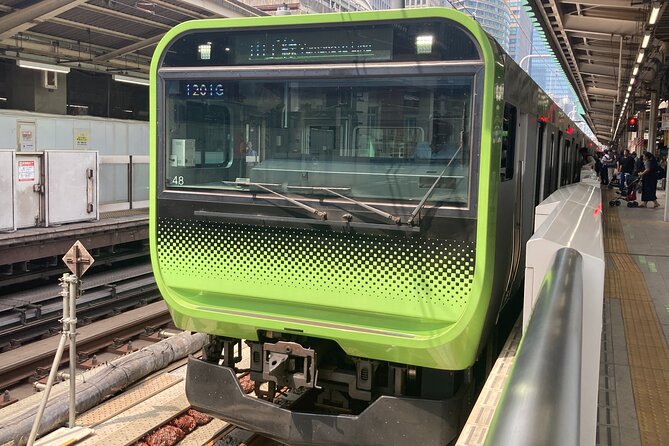
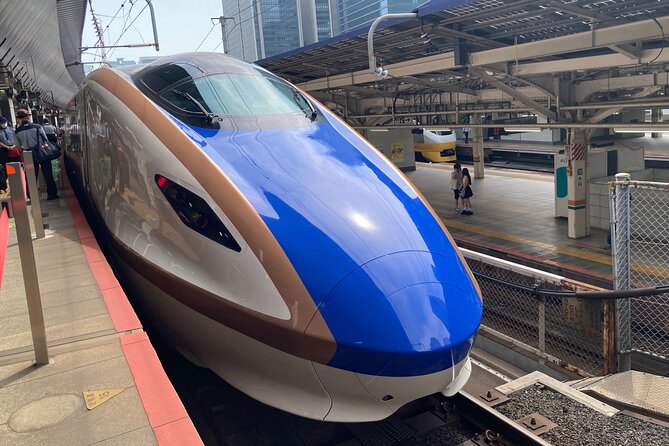
The route includes railway platforms and Shinkansen areas. This is one of the tour’s strongest practical features, especially if you plan to use Tokyo Station for a bullet train journey during your trip.
The station is famous for its trains, but simply finding a platform does not tell you much about how the system fits together. Seeing the railway areas with an English-speaking guide can help you understand the difference between the station’s public spaces, ordinary train platforms, and Shinkansen sections.
The supplied details do not say that a train ride is included. They say you will enter the railway platforms and Shinkansen areas, and that admission is not included. You should therefore think of this as a guided look at the station, not a rail excursion.
This part may be especially valuable for first-time visitors who feel unsure about Tokyo’s transport system. It is also useful for anyone with a short connection who wants to understand the station before returning later on their own.
Other walking tours we've reviewed in Tokyo



Anime, food, and shopping without leaving the station
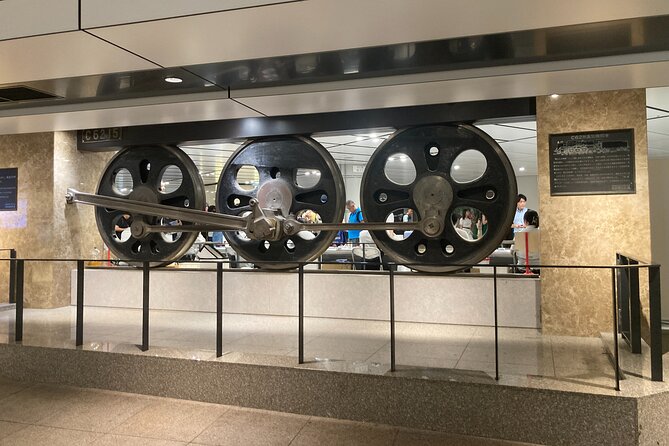
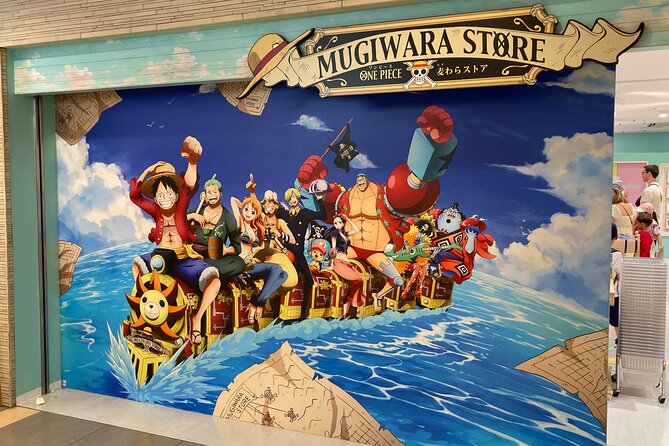
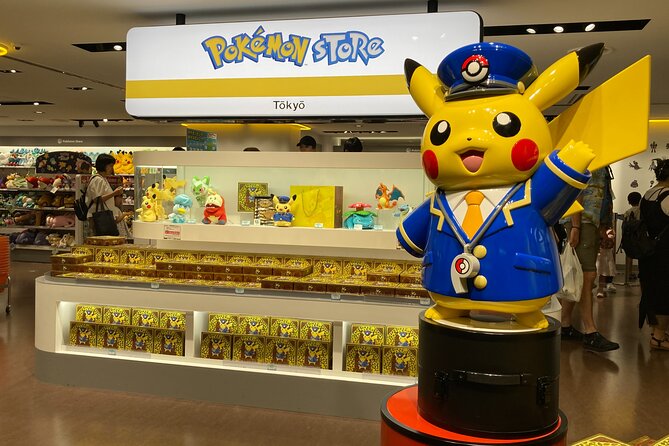
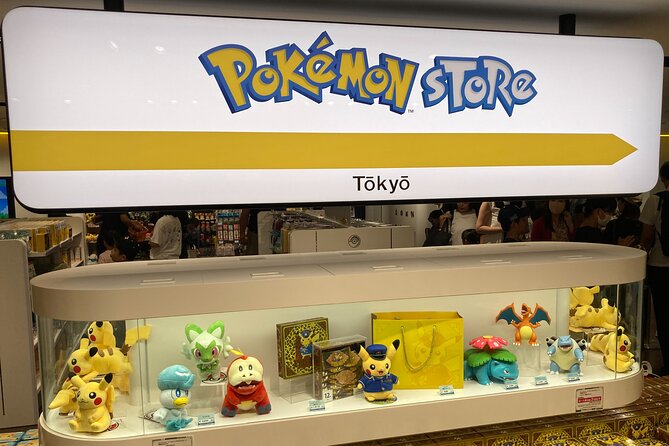
Tokyo Station’s commercial side is a major part of the experience. You can browse anime products, food, traditional Japanese goods, and modern items in the station’s shopping streets.
I like that the tour includes this side of Tokyo rather than treating shopping as an afterthought. A station shop can tell you plenty about local habits: what people buy before a journey, what makes a good gift, and how food is packaged for travel.
The anime component gives the tour a different tone from a purely historical walk. You get a glimpse of modern Japanese popular culture in the same place where you are learning about an older transport landmark. That contrast is part of the appeal.
Keep your expectations in check. The tour does not list a specific anime store, food item, or shopping brand. The exact stops may depend on the guide’s route and what is open. You will get orientation and suggestions, not a guaranteed shopping list.
How much value do you get for $39.02?
At $39.02 per person, this is reasonably priced for a two-hour guided walk in central Tokyo, especially with a maximum of 10 participants. The value comes from the guide’s explanations and the time saved making sense of a very large station.
You are not paying for a meal, transport, or a major attraction ticket. That keeps the base price clear, but you should budget separately for anything you eat or buy. The listed price is best understood as an orientation and history fee, not an all-inclusive food tour.
For a first visit to Tokyo, I see good value in the combination of topics. You get architecture, history, shopping, anime, food, and transport in one compact experience. A specialist history tour might offer more detail about the building, while a food tour might include more tastings. This walk sits between those two options.
It also makes sense for people with limited time. If Tokyo Station is already part of your itinerary, the tour lets you turn a necessary train stop into a planned activity. If you have no reason to visit the station, you may prefer a neighborhood walk with more outdoor streets and temples.
The guide and the pace of the walk
The experience includes an English-speaking guide and photos. The available tour information associates the guide with Inok, so you may see that name connected with the experience when booking or meeting up.
A guide matters here because the station’s story is not always obvious from signs. The value is in knowing what to notice: the exterior structure, the station’s organization, the shopping streets, and the connection between historic Tokyo and present-day rail travel.
Two hours is long enough to cover the main themes but short enough to fit into a busy day. You should expect a steady walking pace through a large public building. Wear comfortable shoes, keep your phone charged, and avoid carrying more luggage than you can manage easily.
The station is an active transport hub, not a quiet museum. Trains run, commuters move quickly, and some areas may feel crowded. That energy is part of the setting, but it can make it harder to hear or stay close to the group at times.
Who will enjoy this experience most?
I would recommend this tour to first-time visitors who want a clear introduction to Tokyo Station. It is also a smart choice for anyone who plans to take a Shinkansen and wants to become familiar with the station before departure day.
Families and anime fans may appreciate the mix of subjects. The route offers enough variety to keep a two-hour walk from becoming a lecture about architecture. Shoppers can also use the tour to identify areas worth returning to later.
This is less suited to you if you want a full meal, a long list of tastings, or a focused anime shopping tour. The food and anime elements are included as parts of a broader station experience, not as the sole purpose.
It may also be less appealing if you dislike large transport centers. Tokyo Station is busy by design. The tour helps you understand it, but it cannot turn a major railway hub into a quiet backstreet.
Practical details before you book
Confirmation is provided when you book, and the ticket is mobile. You do not need to plan around a paper ticket, but you should have your phone available at the meeting point.
The activity ends back at the starting place. That makes planning easier if you have a train, lunch reservation, or another tour afterward, though I would still allow extra time. Tokyo Station is large, and reaching a particular platform or exit can take longer than expected.
Personal expenses are not included. Admission costs are also not included, so read the booking details carefully if you plan to buy food, anime goods, traditional items, or anything else during the walk.
You can cancel for a full refund if you do so at least 24 hours before the start time. Changes or cancellations made less than 24 hours before the start time are not accepted for a refund, and the cut-off uses Tokyo local time.
Should you book the Tokyo Station historical walk?
Book it if you want to understand one of Tokyo’s biggest transport centers while also seeing its food, shopping, anime, and Shinkansen sides. The small group, English-speaking guide, clear meeting point, and two-hour length make it a practical first look.
I would skip it if your priority is a dedicated food tour, a long architectural study, or an included shopping budget. For most first-time visitors, though, $39.02 is a fair price for turning a confusing station into a place you can actually enjoy.
FAQ
How long does the Tokyo Station walking tour last?
The tour lasts approximately two hours.
Where does the tour begin?
It begins at the JR EAST Travel Service Center Tokyo Station, located by the Marunouchi North Gate at 1-chōme-9-1 Marunouchi, Chiyoda City, Tokyo 100-0005, Japan.
Where does the tour finish?
The activity ends back at the meeting point.
Is the tour conducted in English?
Yes. An English-speaking guide is included.
What is included in the tour price?
The price includes the English-speaking guide and photos.
Are food and shopping purchases included?
No. Personal expenses are not included, so you pay separately for food, anime items, traditional goods, modern items, and other purchases.
Does the tour include access to railway platforms and Shinkansen areas?
Yes. The route includes railway platforms and Shinkansen areas. Admission costs are not included.
How many people can join the tour?
The activity has a maximum of 10 travelers.
Can I cancel for a full refund?
Yes. You can receive a full refund if you cancel at least 24 hours before the experience start time. Changes or cancellations made less than 24 hours before the start time are not accepted for a refund.
More Food Experiences in Tokyo




More Walking Tours in Tokyo
More Akihabara & Anime Tours in Tokyo


More tours in Tokyo we've reviewed








Akihabara & Anime Tours, compared.
 ★ 5.0Official Street Go-Kart Tour – AkihabaraFrom $61
 ★ 5.0Tokyo Go Kart: Asakusa, Skytree, and Akihabara **IDP MUST**From $99
 ★ 4.7Tokyo: Asakusa, Skytree & Akhihabara Go-Kart City ExperienceFrom $961h 10m
 ★ 4.5Tokyo Studio Ghibli Museum and Ghibli Film Appreciation TourFrom $193
 ★ 5.0Akihabara Anime & Game Adventure Walking Tour (Group or Private)From $90
 ★ 5.0Tokyo: Gameboy Mod Workshop at AkihabaraFrom $3602 hours