

Reviewed · HAKONE DAY TRIPS
Hike Japan Heritage Hakone Hachiri (Half Day)
Hakone’s old Tokaido highway is far more than a pleasant woodland walk. It was once the road linking Edo, now Tokyo, with Kyoto, and this half-day route lets you follow part of it on cobbled paths and forest trails before reaching Lake Ashi.
I like the small maximum of six people, which gives guides such as Akihiro and Aki room to explain the road’s past and local customs. I also like the well-judged bus ride that skips the steepest section, leaving you with the best-preserved trail and a stop for amasake at a 400-year-old teahouse.
The main drawback is that the $114.95 price does not include the shared taxi to the trailhead or the short bus ride to the teahouse. You also need moderate fitness, and the route depends on good weather, so this is not a casual sightseeing outing you can treat as completely weatherproof.
In This Review
- Key points to know before you book
- Why this old Tokaido walk is worth your morning
- Meeting at Hakone-Yumoto at 9 a.m.
- Walking from Hakone-Yumoto toward Hatajuku
- Hatajuku and the smart bus shortcut
- A 400-year-old teahouse and a cup of amasake
- Continuing through the forest toward Lake Ashi
- Lake Ashi and the final view
- What the $114.95 price really covers
- Who will enjoy this half-day hike
- Timing, weather, and cancellation concerns
- Should you book the Hakone Hachiri hike?
- FAQ
- How long does the Hike Japan Heritage Hakone Hachiri tour last?
- Where does the tour start and finish?
- Is transportation included in the tour price?
- How difficult is the hike?
- Is Mount Fuji guaranteed at Lake Ashi?
- What happens if bad weather cancels the tour?
Key points to know before you book
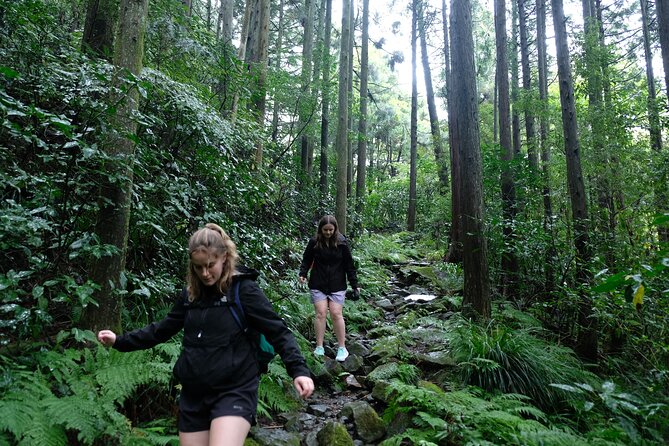
- A historic road with real walking time: Expect about two to three hours on foot, including cobbles, woodland paths, and uphill sections.
- A small group of six or fewer: The format suits you if you want time for questions and a more personal guide.
- Hatajuku adds a local craft stop: You pass through Hakone’s traditional woodcraft village after about an hour.
- The steepest section is skipped by bus: You still get the best walking sections without tackling the route’s hardest climb.
- Amasake is part of the experience: The drink is served at a teahouse with about 400 years of history.
- The finish is useful: You end at Lake Ashi around 1 p.m., with buses or a ferry available for your next stop.
Why this old Tokaido walk is worth your morning
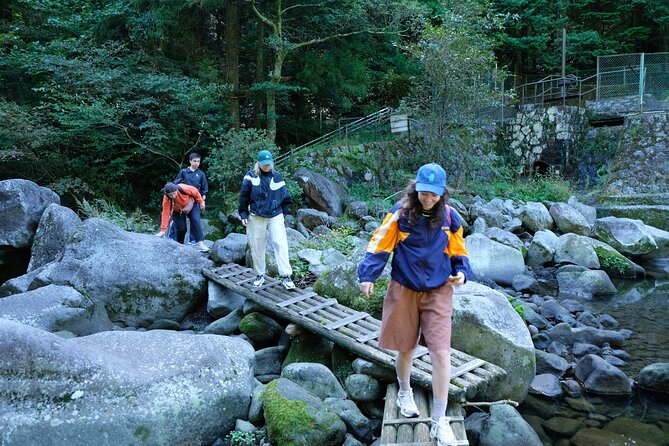
I like tours that give a place a clear shape. This one connects the station, the old road, a craft village, a traditional teahouse, the checkpoint, and Lake Ashi in one sensible half-day outing.
The Tokaido was the major route between Tokyo and Kyoto during Japan’s Edo period. Hakone mattered greatly because it was a difficult mountain crossing and a controlled point on the road. As you walk, the guide helps explain why this section was important, rather than leaving you to admire stones without knowing what they meant.
The route also avoids the polished feel of a standard resort visit. Parts of Hakone can be busy, especially around the lake and transport hubs. On this walk, you spend much of your time in the woods, where the setting is quieter and more basic.
That said, you should book this for the walking and local context, not for a long list of attractions. The tour lasts about four hours, and the walking portion takes roughly two to three hours. You will not see every part of Hakone, but you will understand one important route through it.
A few more Hakone tours and experiences worth a look
Meeting at Hakone-Yumoto at 9 a.m.
The tour starts at Hakone-Yumoto Station at 9 a.m. This is a practical meeting point because it is one of the main transport hubs in Hakone, and the experience finishes at Motohakone beside Lake Ashi.
Transportation to the trailhead is not included. The group shares a taxi, costing 2,000 yen in total to be divided among the participants. That means your actual out-of-pocket cost depends on the group size, so bring yen and expect this additional charge.
The trail is not described as beginning directly outside the station. That shared taxi is part of the setup, not an optional luxury, so allow time to meet the guide and organize the ride. The small group limit, six people, should make this fairly easy.
Wear shoes suited to uneven ground. The route includes old cobbles and forest trails, and a moderate level of fitness is required. You do not need to conquer the entire steep section because the bus removes that part, but this is still an active morning with walking on natural and historic surfaces.
Walking from Hakone-Yumoto toward Hatajuku
The first major stretch takes you along the old highway toward Hatajuku. After about an hour, you reach this traditional woodcraft village, known for Hakone’s local wood-carving art.
Hatajuku gives the walk a useful change of pace. The forest shows you the road as a physical route, while the village shows how local skill and trade grew around the mountain crossing. You get a better sense of Hakone as a lived-in place, not simply a stop for hot springs and lake views.
The route uses both cobblestones and forest paths. The cobbles are one of the key reasons to choose this walk, but they also require attention. They are not a smooth promenade, and wet conditions could make old stones less forgiving. Good weather is required, and that matters here for both comfort and footing.
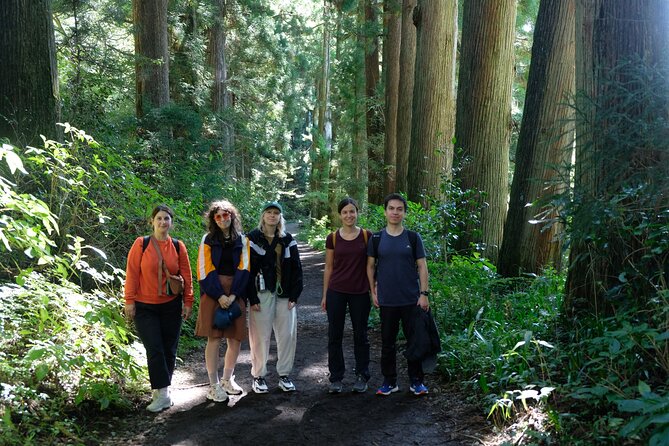
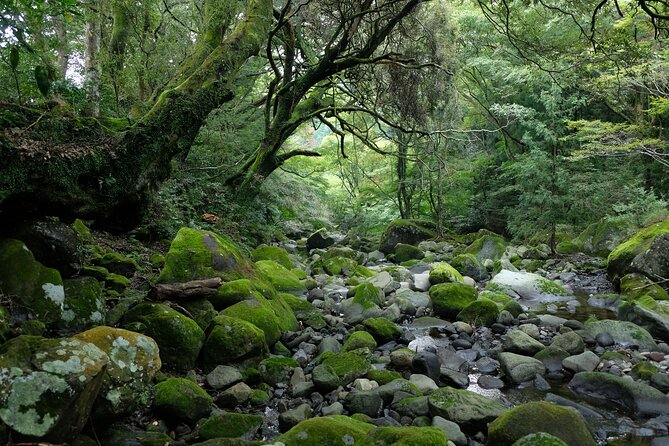
The wooded part is a strong feature for anyone who wants a quieter side of Hakone. The route is described as one of the more primitive sections of Hachiri, with stretches where you may have the forest largely to yourself. That gives the morning a calm rhythm, though it also means you should not expect cafés or frequent facilities along every part of the trail.
Hatajuku and the smart bus shortcut
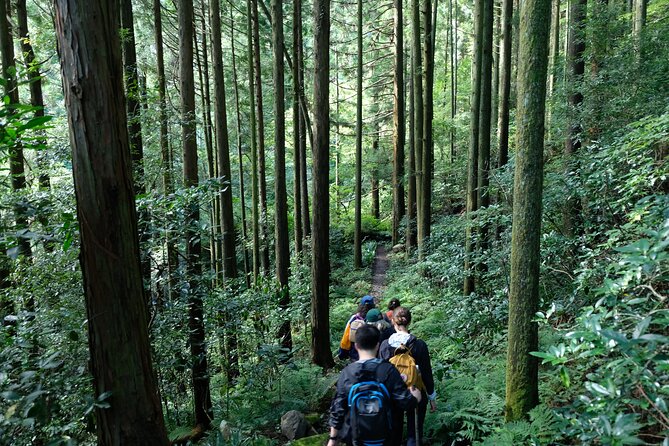
After exploring the village, you take a bus to skip the steepest portion of the old road. I consider this a sensible design choice rather than a compromise.
A tour that forced every participant up the hardest climb could become tiring before the most interesting stops. Here, you walk the sections with the best-preserved cobbles and forest character, then use local transport to avoid the most punishing grade. You still get a proper hike, but the route remains manageable within four hours.
The bus costs less than 400 yen and is not included in the tour price. Keep a little cash ready, since these small costs are easy to overlook when comparing the headline price.
This arrangement is especially useful if you want some exercise but do not want a full-day mountain hike. It also makes the tour suitable for people with moderate fitness rather than only strong hikers. Still, the word moderate matters. You should be comfortable walking for several hours over uneven ground and handling some incline before and after the bus ride.
A 400-year-old teahouse and a cup of amasake
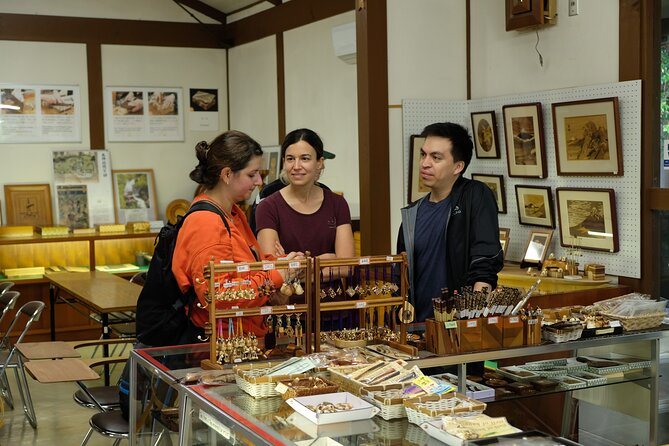
The bus brings you to the area of the Hakone Amazake Tea House. The stop lasts about 30 minutes, and amasake is included as part of the experience, although the general transport costs are separate.
Amasake is a traditional sweet rice drink. Here, the drink is not just a quick refreshment. The teahouse has a history of about 400 years, making it a fitting pause on an old road used by people crossing Hakone long before modern buses and sightseeing boats.
This is one of the tour’s most appealing details because it connects the drink, the building, and the road. You are not simply stopping for a beverage at a random café. The pause gives your legs a rest and lets the guide explain the place in context.
Some of the most positive feedback about this walk points to the teahouse stop, including traditional snacks and barley tea on one outing. The exact refreshments beyond the amasake are not guaranteed by the tour details, so you should count on the amasake rather than a full meal.
Thirty minutes is enough for a rest, but not enough for a leisurely lunch. Eat beforehand or plan a proper meal after reaching Lake Ashi. This is a cultural break, not a restaurant visit.
Other historical tours in Hakone
Continuing through the forest toward Lake Ashi
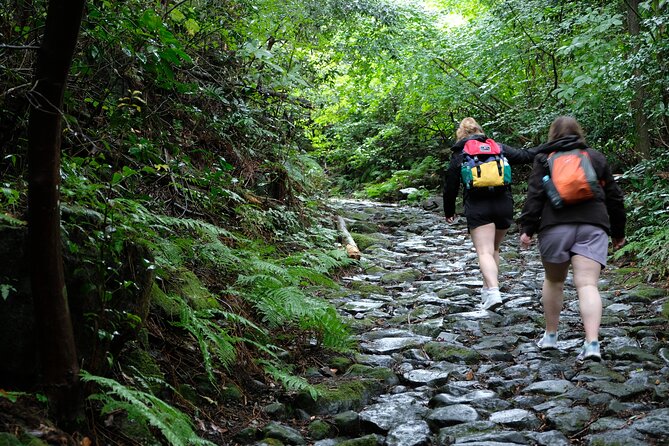
After the teahouse, the walk continues toward Lake Ashi. This is the point where the route feels most like a forest-bathing outing, with the trees and old road taking priority over shops and formal attractions.
I like the contrast in this section. You begin near a station, pass through a craft village, pause at an old teahouse, and then continue through woodland toward one of Hakone’s best-known sights. The experience moves between daily life, transport history, and nature without trying to pack in too many unrelated stops.
The guide is important here. A path through the woods can be pleasant on its own, but the walk becomes more worthwhile when you understand how it fitted into the larger Tokaido route. Akihiro is from the area and has been praised for explaining the Edo-era road in clear English. Aki has also led the walk, giving historical context and stopping to explain local details.
Guide assignments can change, so do not book on the assumption that one particular person is guaranteed. What you can expect is a certified National Mountain Guide and a small group format. The guide’s role combines route management, local explanation, and pacing.
Lake Ashi and the final view
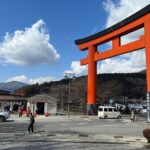
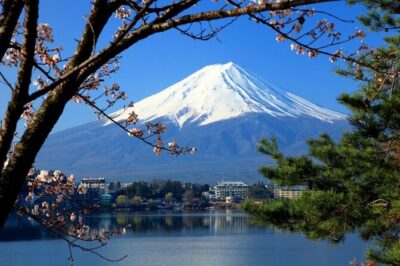
The route ends at Lake Ashi, known locally as Lake Ashinoko, after roughly one hour at the destination stop. If the weather cooperates, you may see Mount Fuji across the water.
That view is a bonus, not a promise. Hakone weather can hide the mountain, so you should judge the tour by the trail, teahouse, and historical setting rather than booking solely for a Fuji photograph. On a clear day, though, the lake and mountain create a fitting finish to the walk.
The last stop is the Hakone Checkpoint, where the guide explains Hakone’s role in controlling movement along the old Tokaido. This is more than a scenic endpoint. It helps you connect the quiet path you have just walked with the political and travel system that once governed movement between Japan’s major cities.
The tour ends in Motohakone at around 1 p.m. From there, you can take a bus toward Odawara, Hakone-Yumoto, or your Hakone hotel. You can also continue by ferry, including the well-known pirate ship service on Lake Ashi. That makes the end of the tour easy to combine with another Hakone activity.
What the $114.95 price really covers
At $114.95 per person, this is not the cheapest way to walk in Hakone. You are paying for a certified National Mountain Guide, a planned route, historical interpretation, a small group, and the coordination of several elements that would take more effort to arrange alone.
The value is strongest if you care about context. You could walk parts of the old Tokaido independently, but you might miss why the cobbles matter, what made Hatajuku important, and how the checkpoint fits into Japan’s road system. A good guide turns a scenic walk into a readable piece of history.
The price is less compelling if you only want a short nature stroll or a guaranteed Fuji view. The tour does not include the shared taxi or the bus, and the amasake stop is modest rather than a full meal. Add the extra transport charges when planning your budget.
Group discounts are available, and the small maximum of six may appeal if you dislike large walking groups. The tour is often booked well ahead, around 59 days in advance on average, so leaving it until the last moment may not work during a popular Hakone visit.
Who will enjoy this half-day hike
I would recommend this experience to you if you like walking with a story attached. It suits couples, families with older children, and active visitors who want a structured morning without giving up the rest of the day.
A 16-year-old joined the walk with a parent and had a strong experience, which suggests the route can work well for families with teenagers who are comfortable hiking. The small group also helps if you want to ask questions rather than listen to a long speech from the back of a crowd.
You will probably enjoy it less if you want a completely flat route, a long lunch, or a tour built around shopping and transport conveniences. The cobbles and forest trails require care, and weather can affect the experience.
The tour also works well for history-minded visitors. Akihiro’s English has been described as excellent, and his local connection adds useful detail. Aki has also been praised for making the old road understandable and for adding small food and tea breaks along the way.
Timing, weather, and cancellation concerns
The 9 a.m. start and 1 p.m. finish give you a useful afternoon at Lake Ashi. You can continue by bus or ferry, visit another Hakone sight, or return toward Odawara and Hakone-Yumoto.
Good weather is required. If poor weather cancels the tour, you are offered another date or a full refund. If you cancel for another reason or ask to change the booking, the payment is non-refundable and cannot be amended, so check the forecast and your plans before booking.
You receive confirmation at booking, and the meeting point is near public transportation. A mobile ticket is available, which makes the basic check-in simple, but you still need to handle the extra local transport payments yourself.
Should you book the Hakone Hachiri hike?
Book it if you want Hakone’s old road, forest, and local history in one compact morning. The best reasons are the preserved cobbled trail, the small group, the Hatajuku woodcraft village, and the traditional teahouse with its amasake stop.
Skip it if your priority is a guaranteed Mount Fuji photograph, a gentle paved walk, or the lowest possible cost. The weather may hide Fuji, the trail is uneven, and the extra transport fees raise the real price.
For the right person, this is a thoughtful way to reach Lake Ashi. You get exercise without taking on the steepest climb, a guide who can explain the route, and an afternoon left for the rest of Hakone.
FAQ
How long does the Hike Japan Heritage Hakone Hachiri tour last?
The tour lasts approximately four hours, beginning at 9 a.m. and finishing around 1 p.m. You walk for about two to three hours, with time for the village, teahouse, checkpoint, and Lake Ashi.
Where does the tour start and finish?
The tour starts at Hakone-Yumoto Station. It finishes in Motohakone at Lake Ashi, where you can take a bus toward Odawara, Hakone-Yumoto, or Hakone hotels, or continue by ferry.
Is transportation included in the tour price?
Transportation is not fully included. A shared taxi to the trailhead costs 2,000 yen to be divided among the group, and the bus to the teahouse costs less than 400 yen.
How difficult is the hike?
You need a moderate level of physical fitness. The route includes cobbled paths, forest trails, and some steep sections, but the steepest part is skipped by bus.
Is Mount Fuji guaranteed at Lake Ashi?
No. You may see Mount Fuji across Lake Ashi if weather conditions are clear, but the view depends on the weather.
What happens if bad weather cancels the tour?
If poor weather causes the experience to be canceled, you are offered a different date or a full refund. Personal cancellations and booking changes are non-refundable.
More Hiking & Trekking Tours in Hakone


More Historical Tours in Hakone
More Hakone Day Trips in Hakone

More tours in Hakone we've reviewed


Hakone Day Trips, compared.
 ★ 5.0Mt Fuji and Hakone 1-Day Bus Tour Return by Bullet TrainFrom $163
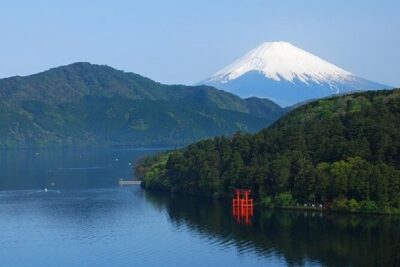 ★ 4.0Mt Fuji & Hakone Cruise, Drum Show Bullet Train 1 Day from TokyoFrom $149
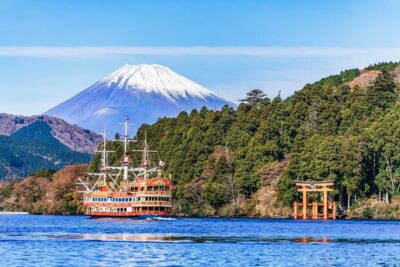 ★ 4.4Tokyo Mt Fuji 5th St & Hakone Cruise Bus Tour w/Bullet TrainFrom $15410 hours
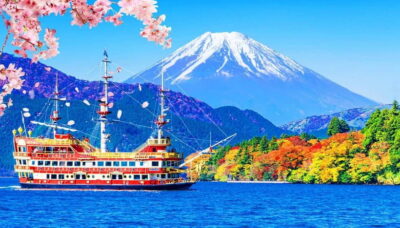 ★ 4.7Tokyo: Mt. Fuji Tour, Hakone Ropeway, Owakudani, Lake AshiFrom $5410 hours
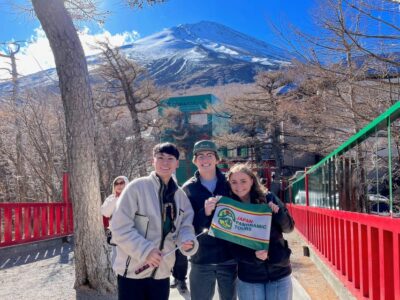 ★ 4.2Tokyo: Mt. Fuji 5th Station & Hakone Cruise 1-Day Bus TourFrom $12911 hours
 ★ 5.0Private Tour to Mt. Fuji and Hakone (Fully Licenced Operator)From $497