
Reviewed · TSUKIJI MARKET TOURS
Tokyo Tsukiji Food & Culture Private Tour Licensed Guide
Tokyo’s fish markets are only the beginning of this private food tour. In six hours, you can combine Toyosu and Tsukiji with Asakusa, Kappabashi, Ueno’s Ameyoko, or quieter neighborhoods such as Yanaka Ginza. Your guide helps turn a large city into a series of manageable, tasty stops.
I like the freedom to choose your own route, and I like the practical help with trains, food customs, and ordering. Guides including Kenji Kasama, Fumiko, Michio Akutsu, and Katsu have tailored days closely to their guests. The main drawback is cost: at $141 per person, food, transport, and entrance fees are extra, so the final bill can rise.
In This Review
- Key points at a glance
- What this six-hour Tokyo tour really offers
- Toyosu Market: Tokyo’s modern fish center
- Outer Tsukiji: the better stop for grazing
- Asakusa and its street-food appeal
- Kappabashi Street, where cooks go shopping
- Ameyoko and Ueno for a lively local mix
- Tsukishima Monja Street and Yanaka Ginza
- The guide is the real reason to book
- Transport, walking, and the true cost
- Weather, families, and accessibility
- How I would choose the route
- Should you book this private food tour?
- FAQ
- How long is the tour?
- Which places can I choose?
- Where does the guide meet me?
- Is transportation included?
- Are food and drinks included?
- Which languages are available?
- Is this a private tour?
- Is the tour wheelchair accessible?
Key points at a glance
- Choose three or four Tokyo stops: The six-hour option gives you room to combine markets with shopping streets or kitchenware stores.
- Start from your hotel or station: Your guide meets you in the Tokyo 23 wards and sets off with you on foot.
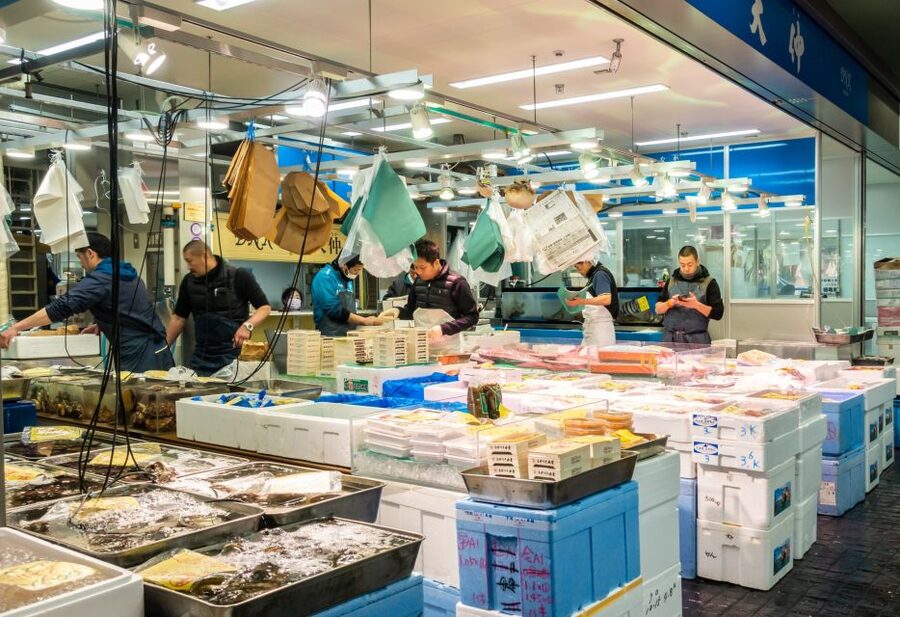
- See both fish-market worlds: Toyosu is the modern wholesale market, while outer Tsukiji is better for browsing, snacking, and small food shops.
- Get practical rail help: Guides can lead you through public transportation and explain how to buy a train card.
- Food is purchased separately: Tastings, meals, drinks, transport, and entrance fees are not included.
- A genuinely private format: The itinerary can be adjusted for families, food interests, shopping requests, and changes during the day.
What this six-hour Tokyo tour really offers
This is not a fixed bus ride with a guide reciting facts from a microphone. It is a private walking day that uses trains, taxis, and your own preferences to connect several Tokyo districts.
The six-hour option allows three to four sites. That sounds generous, but Tokyo is spread out, and each transfer takes time. If you choose Toyosu, Tsukiji, Asakusa, and Kappabashi, expect a full day of movement. If you want slower market browsing and more food stops, three sites may be the wiser choice.
The four-hour version covers two to three locations. It suits you if you have limited time or want to focus on one part of the city. The six-hour tour gives you more value if you need help navigating Tokyo and want a broad introduction rather than a single-market visit.
Your guide meets you in your hotel lobby or at a train station you request, arriving about 10 minutes before pickup. The tour is conducted in English or Japanese, and the group is private. That matters in food markets, where a guide can adjust the pace instead of trying to keep a large group together.
A few more Tokyo tours and experiences worth a look

Toyosu Market: Tokyo’s modern fish center
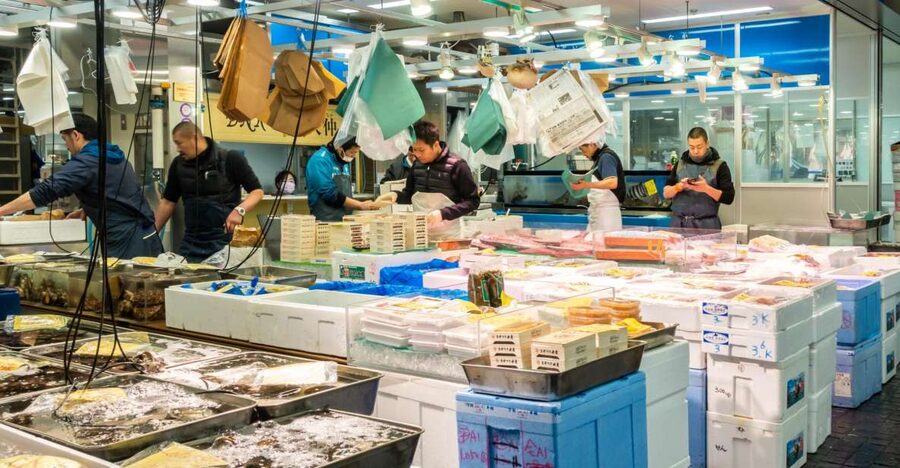
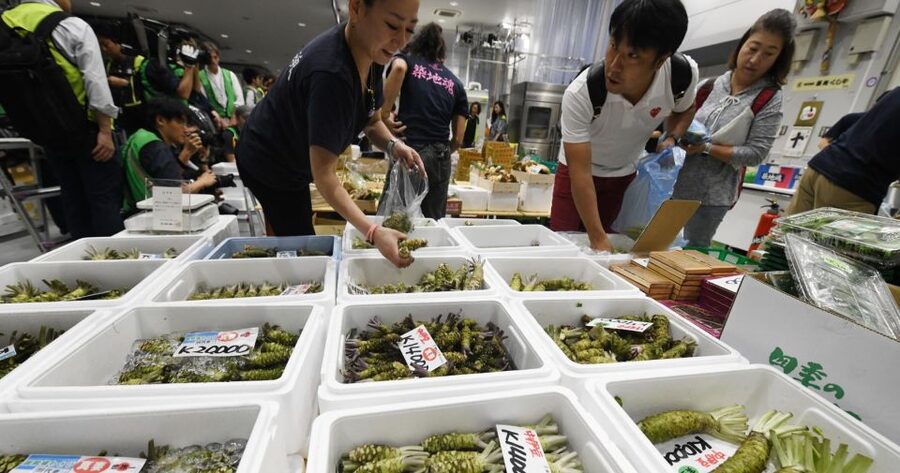
Toyosu is Tokyo’s newer wholesale market and gives you a look at the city’s modern seafood trade. It is a different experience from old Tsukiji, with a more planned and organized setting.
A guide can explain how Toyosu fits into Tokyo’s food system and help you understand what you are seeing. Without that context, a market visit can become a walk through unfamiliar corridors and signs. With a guide, the details of Japanese food culture become easier to follow.
Toyosu is a good pick if you are interested in the working side of Tokyo’s seafood industry. It is less about wandering through tiny stalls and more about seeing a major market facility. You should also remember that this is not a free food tour. Anything you eat or drink costs extra, and the tour does not include entrance charges if any apply.
One practical point is timing. The tour description does not promise a specific market schedule or guarantee particular vendors. Contact your guide after booking and confirm which parts of Toyosu will be open and how much time you will spend there.
Outer Tsukiji: the better stop for grazing
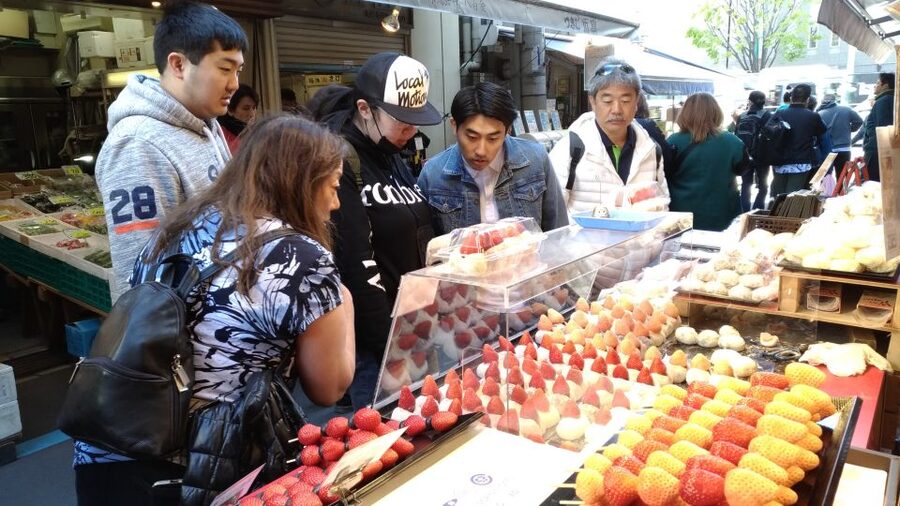
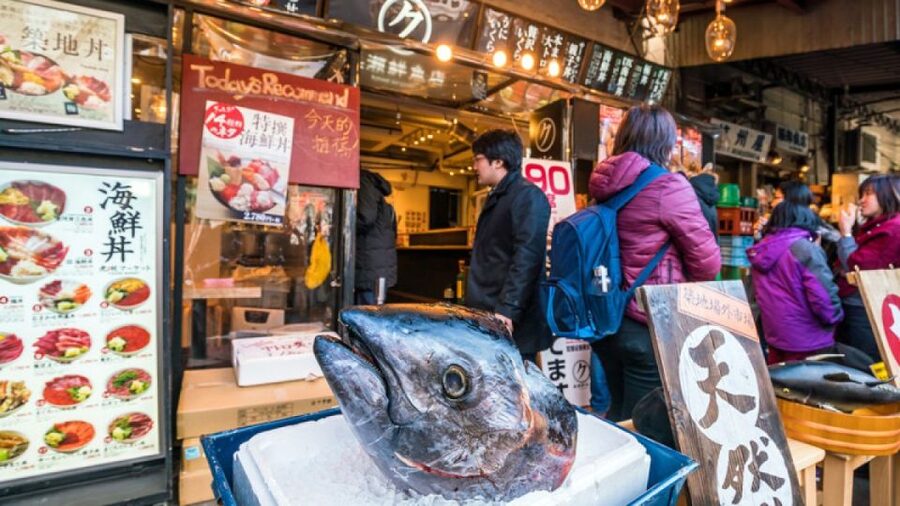
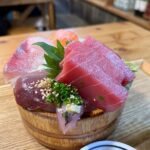
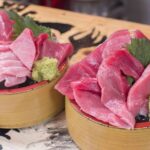
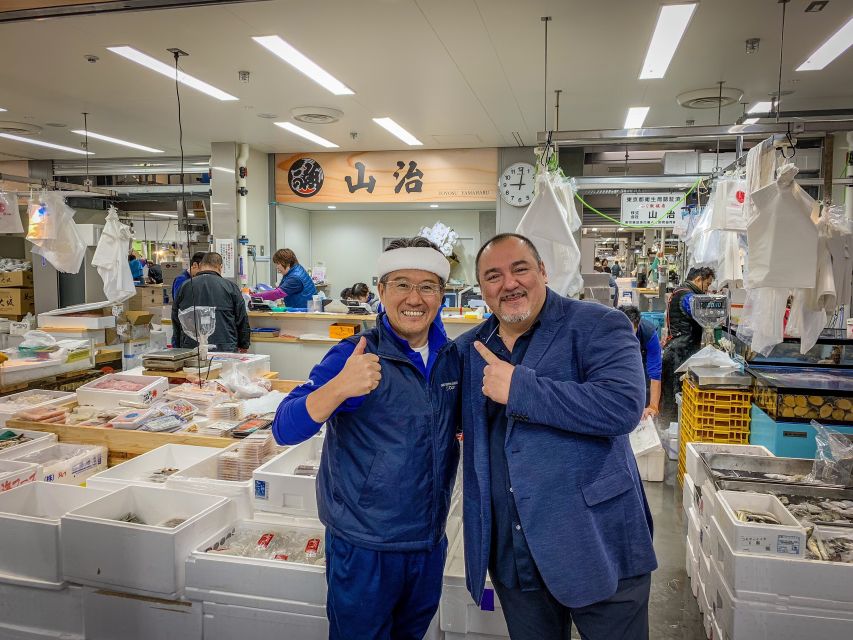
Outer Tsukiji is where this tour’s food angle becomes most immediate. Small shops and food counters make it a natural place to browse, ask questions, and buy fresh foods in modest portions.
You might find seafood, prepared foods, Japanese ingredients, snacks, and other market products. The exact food available depends on the day and the shops open when you visit, so you should not expect a set tasting menu.
A guide is especially useful here. The lanes can be crowded, the food choices may be unfamiliar, and buying the right item can be tricky if you do not read Japanese. Yoshii, for example, was praised for patiently guiding guests through both outer Tsukiji and Toyosu.
You can also ask your guide to explain food etiquette and everyday Japanese behavior. Ilze’s experience with Katsu included plenty of information and tasting, with a focus on Japanese cuisine and manners. That kind of instruction is one reason this tour offers more than simply following a market map.
Budget for your own food. The $141 price covers the guide and private tour, not sushi, snacks, lunch, or drinks. For some people, that is a fair arrangement because you choose exactly what you want. For others, an included tasting tour may offer clearer cost control.
Asakusa and its street-food appeal
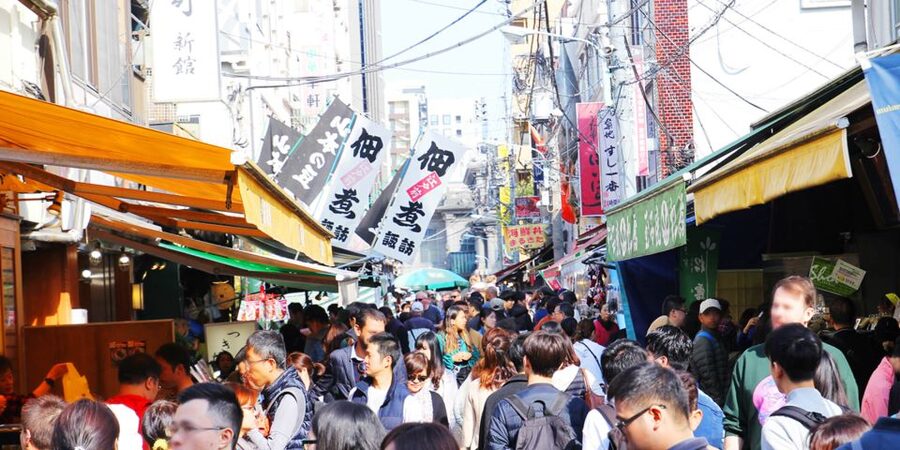
Asakusa gives the tour a broader cultural frame. Its shopping street is known for authentic Tokyo street food, making it a useful contrast to the fish markets.
Here, the guide can connect what you eat with Japanese customs and local history. The activity is designed around learning through food, so you can ask why a dish is eaten in a certain way, how to behave at a food counter, or what makes a particular snack local.
Asakusa can be a good choice for first-time visitors who want a recognizable Tokyo atmosphere without spending the whole day at seafood markets. It also works well for families because the shopping street offers more variety than a specialized fish market.
The tradeoff is pace. Asakusa, Toyosu, and Tsukiji are not next door to one another. Add Kappabashi or Ueno, and much of your day will include transfers. I would choose Asakusa with one market if you want time to eat and look around rather than race through four districts.
Kappabashi Street, where cooks go shopping
Kappabashi is Tokyo’s kitchenware district, and it changes the focus from eating food to understanding how it is prepared and served.
You can browse shops filled with cooking tools, tableware, knives, restaurant supplies, and the famous plastic food samples used outside Japanese restaurants. The fake food displays are a fun draw even if you have no intention of opening a restaurant.
This stop suits you if you enjoy practical souvenirs. A guide can help explain what an item is used for and may make shopping less awkward. If you are looking for a particular kitchen tool, tell your guide before the tour so the route can match your interests.
Kappabashi is less useful if your main goal is immediate tasting. It is a shopping and food-culture stop, not a market meal. Pair it with Tsukiji or Asakusa, and you get a more rounded day.
A few more Tokyo tours and experiences worth a look

Ameyoko and Ueno for a lively local mix
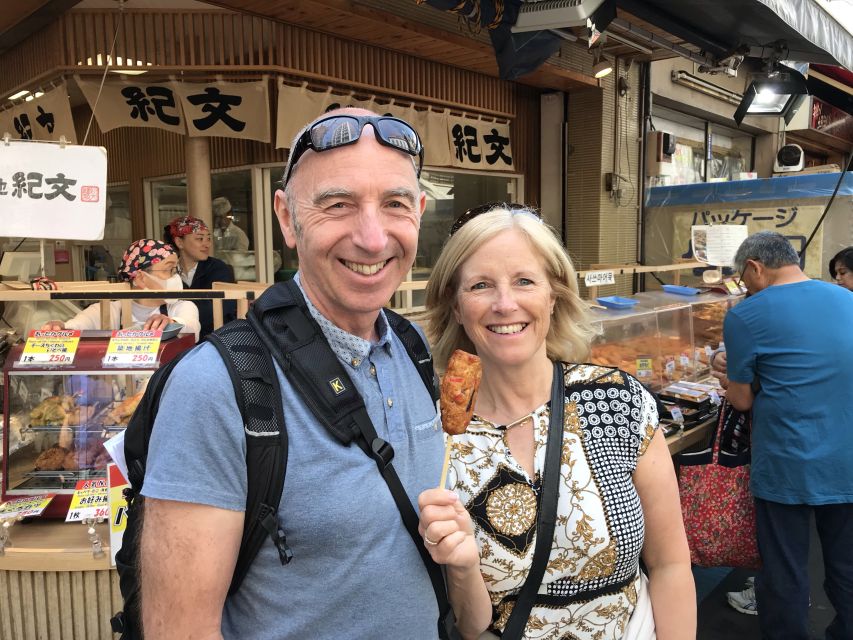
The activity also allows visits to Ueno’s Ameyoko. This area is known for food and shopping, giving you another way to see everyday Tokyo commerce.
Ameyoko can work well when you want variety. You might find food stalls, market-style shops, and products that feel less polished than those in a department store. The tour information does not promise specific shops or dishes, so think of it as a flexible neighborhood stop rather than a set attraction.
Ueno also gives your guide room to adjust the day. If weather, crowds, or your energy level make one market less appealing, your guide may be able to shape the route around another nearby interest. Any change remains subject to time and transport.
Tsukishima Monja Street and Yanaka Ginza
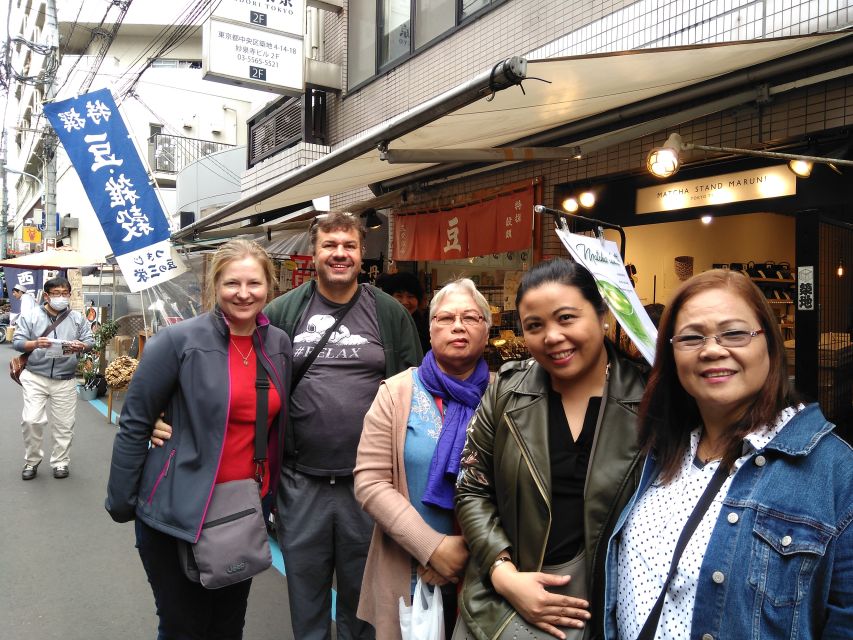
Tsukishima’s Monja Street is included among the possible choices. Monjayaki is a Tokyo specialty cooked on a hot plate, and this district is the natural place to learn about it. Food and drinks are not included, so you pay for any meal yourself.
This stop is most useful if you want a focused local food experience rather than general market browsing. Ask your guide how the dish is prepared and what local customs apply. The provided information does not identify a particular restaurant, so your guide will determine the suitable stop based on your requests and the day’s conditions.
Yanaka Ginza offers another change of pace. The shopping street is known for fried croquettes and a more neighborhood-oriented feel. It may suit you if you want smaller-scale Tokyo away from the major market names.
Yanaka Ginza is also a smart choice for a repeat visitor who has already seen central Tokyo’s headline sights. You should not expect a large attraction or a formal museum visit here. Its value is in the street atmosphere, food shops, and local browsing.
The guide is the real reason to book
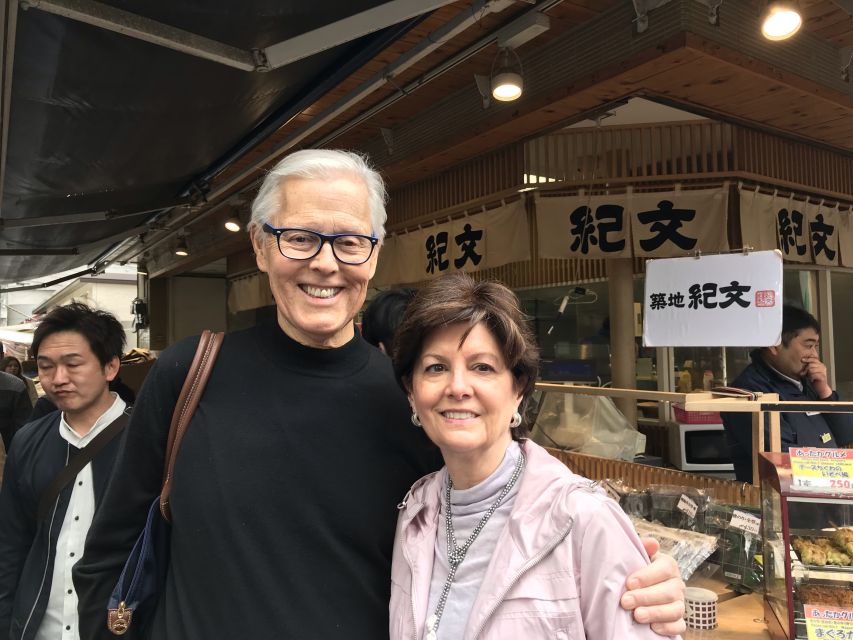
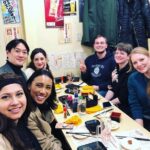
The strongest part of this experience is not any single market. It is having one person connect the stops and adjust the day to you.
Kenji Kasama received especially strong praise for building an itinerary around specific requests and patiently leading guests through public transportation. Naomi helped guests buy a train card during a rainy, cold day and added an art museum visit that became the highlight of the outing. These examples show the benefit of a private guide: the day can respond to your interests instead of following a rigid script.
Guides have also helped with restaurant choices. Michio Akutsu recommended sushi for one family and took another guest to an excellent steak restaurant. He was also praised for patience with a family that included teenagers and a younger child.
Show was described as attentive and organized, even sharing his fan with a child during hot weather. Yasuho Suzuki was praised for being professional, friendly, punctual, informative, polite, and safe. These details matter because six hours in Tokyo can be tiring, especially in summer or rain.
Guide availability is not guaranteed at the instant you book. The tour is confirmed only after a guide accepts it, and the local partner generally contacts you within seven days. If no guide has accepted, updates continue while they search until 24 hours before the start. Keep this in mind if your schedule is tight.
Transport, walking, and the true cost
You will walk, but this is not a walking-only tour. Public transportation or private taxis are used between districts, and you pay those costs separately.
The guide can show you how to use the railway system, buy a train card, and make transfers. That help has real value if Tokyo’s rail network feels intimidating. It also means the day is not all-inclusive. Add fares, taxis if chosen, meals, snacks, drinks, and any entrance fees to the $141 per-person price.
For a private six-hour guide, the price can make sense for couples, families, or small groups that want personal attention. It is less compelling if you only want to eat at Tsukiji and are comfortable finding the market yourself. In that case, a shorter guided option or a self-guided visit may leave more money for food.
The cost is easier to justify when you use the guide for several things at once: route planning, translation, etiquette, shopping advice, and transportation help. Ask your guide before the day begins how many stops are realistic and how much time will be left for eating.
Weather, families, and accessibility
The tour runs rain or shine. Bring suitable clothing and shoes, especially if you plan to visit markets and several neighborhoods. A rainy day can make transfers and outdoor walking less pleasant, but a private guide can adjust the pace and route.
The experience is wheelchair accessible, but you should discuss your exact needs with the local partner before the tour. Tokyo stations and market areas can involve long routes, transfers, and crowded spaces, so advance planning is sensible.
Families can benefit from the flexible format. Michio was praised for accommodating a family with two children, while other guides have adjusted plans around comfort and weather. Still, six hours with multiple transfers may be too much for very young children unless you select fewer sites.
This tour also suits solo visitors who want company and help with language. The private format lets you ask questions freely and avoid the pressure of keeping up with strangers.
How I would choose the route
If this is your first Tokyo visit, I would request outer Tsukiji, Asakusa, and Kappabashi. You get food browsing, street snacks, cultural context, and useful shopping in one day.
If seafood is your main interest, choose Toyosu and Tsukiji first. Add one other stop only if you are comfortable with a brisk schedule.
If you have already seen the major sights, ask for Yanaka Ginza and Tsukishima Monja Street. These choices put more weight on local food and neighborhood character.
If kitchen tools or Japanese cooking interest you, make Kappabashi a priority. If you want a flexible market day, combine Ameyoko with one fish market rather than trying to cover every possible district.
Send your preferred sites and food interests after booking. The itinerary is customizable, but the guide needs that information to plan well.
Should you book this private food tour?
Book it if you want a personal introduction to Tokyo’s food culture, need help with trains or Japanese shopping, and value an adjustable day. The strongest practical benefit is having a licensed local guide who can explain what you are seeing, help you choose food, and change plans when your group needs it.
Think twice if you want an inexpensive food crawl with tastings included. The $141 fee is only the starting cost, and you pay separately for meals, transport, and entrance fees.
For most first-time visitors, I would choose the six-hour option but limit the plan to three major stops. That gives you time to eat, ask questions, and notice the small details that make Tokyo’s markets and shopping streets worth visiting.
FAQ
How long is the tour?
The available options are four hours or six hours. The six-hour option can cover three to four sites, while the four-hour option can cover two to three sites.
Which places can I choose?
Possible stops include Toyosu Market, Tsukiji Old Fish Market, Kappabashi Street, Tsukishima’s Monja Street, and Yanaka Ginza. The activity also describes possible visits to Asakusa and Ueno’s Ameyoko.
Where does the guide meet me?
The guide can meet you in your hotel lobby in the 23 wards of Tokyo or at a train station you request. The guide waits there about 10 minutes before the scheduled pickup.
Is transportation included?
No. The tour uses public transportation or private taxis, and you pay those transportation costs separately.
Are food and drinks included?
No. You pay separately for all food and drinks purchased during the tour.
Which languages are available?
The live guide service is available in English and Japanese.
Is this a private tour?
Yes. The experience is arranged for a private group rather than a shared group.
Is the tour wheelchair accessible?
Yes, the activity is listed as wheelchair accessible. Contact the local partner before the tour to discuss your specific requirements and route.
More Guided Tours in Tokyo

More Food Experiences in Tokyo
More Tsukiji Market Tours in Tokyo
More tours in Tokyo we've reviewed

Tsukiji Market Tours, compared.
 ★ 5.0Tokyo Tsukiji Fish Market Food and Culture Walking TourFrom $99
 ★ 5.0Tokyo: Tsukiji Fish Market Food and Walking tourFrom $30
 ★ 4.9Tokyo: Tsukiji Fish Market Guided Walking TourFrom $222 hours
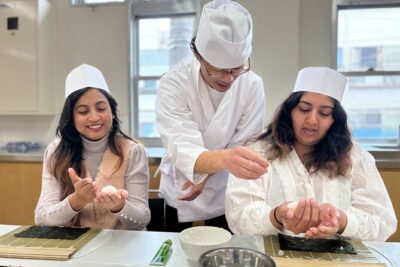 ★ 5.0Tokyo Sushi Making Class in Tsukiji with Professional ChefFrom $49
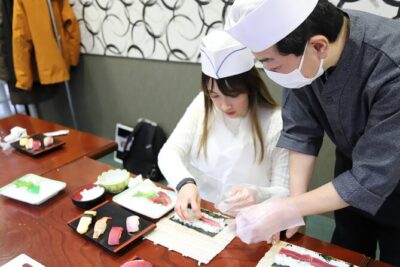 ★ 5.0Tsukiji Fish Market Guided Tour and Sushi Making with Pro ChefFrom $104
★ 4.7Tokyo: Tsukiji Fish Market Food and Culture Walking TourFrom $963 hours
★ 5.0Tsukiji Fish Market Guided Tour and Sushi Making with Pro ChefFrom $104
★ 4.7Tokyo: Tsukiji Fish Market Food and Culture Walking TourFrom $963 hours