
Reviewed · TOKYO FOOD TOURS
Shimbashi Night Food Tour
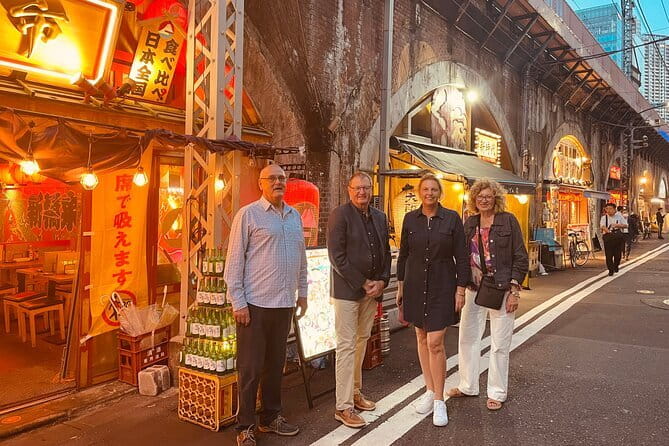
Shimbashi is where Tokyo’s after-work food culture feels most natural, and this private evening puts you in the middle of it. You’ll start at Sato, a small izakaya serving carefully selected seafood and seasonal dishes, then finish with a customizable bowl of ramen. I like the local restaurant choices and the chance to ask a guide such as Mutsuko, Keita, or Tetsu about food and Japanese customs as the night unfolds.
I also like that the price includes the tasting meal, an all-you-can-drink set, ramen, and central Tokyo transportation. The main caution is practical: smoking is allowed inside the restaurant, so this is not a good match if cigarette smoke bothers you. The menu also has a small point of uncertainty, since the tour description calls it seven courses while the included meal is described as six dishes.
In This Review
- Key points at a glance
- Why Shimbashi makes a good food-tour setting
- Starting with Sato’s carefully chosen seafood
- Making sense of sake, beer, and other drinks
- Choosing your ramen finale in Shimbashi
- Guides who shape the evening
- What the $185.68 price really covers
- Important practical details before booking
- Who will enjoy this night most
- Should you book the Shimbashi Night Food Tour?
- FAQ
- What time does the Shimbashi Night Food Tour start?
- How long does the experience last?
- Is hotel pickup available?
- What food is included?
- Are drinks included?
- Can I request dietary adjustments?
- Is smoking allowed during the tour?
Key points at a glance
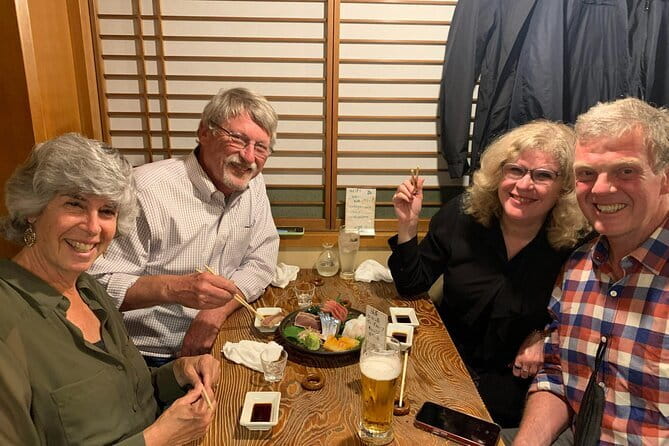
- Sato’s seafood-led izakaya menu: Expect carefully chosen ingredients such as bluefin tuna and lightly vinegared mackerel.
- Drinks are part of the meal: The included set covers sake, beer, and other drinks, with whisky also mentioned during the evening.
- Ramen is chosen to suit you: Pork, seafood, soy sauce, salt, vegetable, and other styles may be available.
- A private evening with a local guide: Only your group participates, and guides have included Mutsuko, Keita, Kaori, Keita Mizuki, Hide, Ferdinand, and Tetsu.
- Central Tokyo pickup is available: Hotel pickup and drop-off apply to central Tokyo, with transport to and from Shimbashi included.
- The atmosphere is genuinely local: You’ll spend the evening in the kind of after-work food setting many visitors would not find easily alone.
Why Shimbashi makes a good food-tour setting
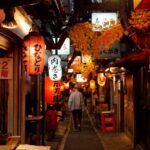
Shimbashi is a practical choice for an evening food tour because its identity is tied to office workers finishing the day over small plates and drinks. The tour’s idea is simple: eat like a Tokyo salaryman, moving from a traditional izakaya meal to ramen, a familiar late-night finish.
That gives the evening a useful sense of place. You are not just sampling unrelated dishes in a polished dining room. You are following a local pattern: shared food, drinks, conversation, and one final bowl of noodles.
I especially like this format for a first evening in Tokyo. You do not need to guess which restaurant welcomes visitors, decode every menu, or work out how to order a drink in a small local setting. Your guide handles the route and explains what is in front of you.
The experience lasts about four hours, though hotel pickup and drop-off add time. The listed start time is 6:00 pm. Since this is a private activity, the pace and conversation should feel more personal than on a large group food walk, although the exact number of stops can vary from the details provided.
A few more Tokyo tours and experiences worth a look
Starting with Sato’s carefully chosen seafood
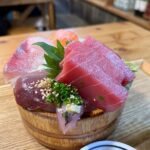
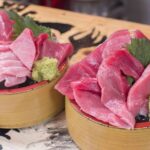
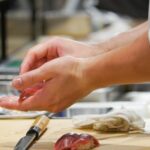
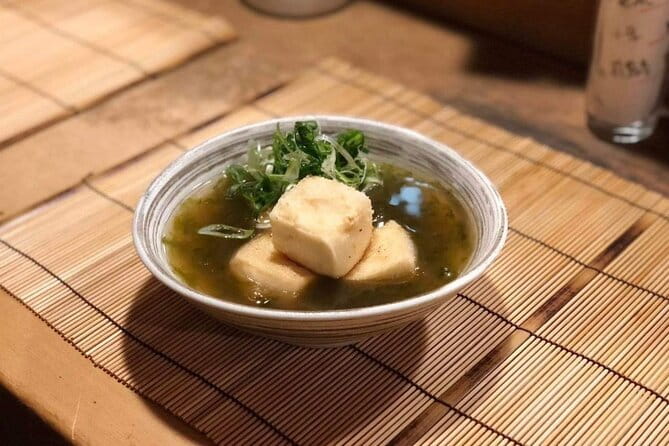
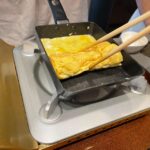
The first main stop is Sato, a small Japanese izakaya. The restaurant’s approach favors quality over sheer quantity, both in the food and in the drinks. That matters in an izakaya, where a meal is usually built from several small dishes rather than one large entrée.
The food description gives you a clear idea of what makes this stop special. The tuna is bluefin, and the mackerel is fresh enough to eat raw before being lightly vinegared. Those details suggest a meal focused on the character of the ingredients rather than heavy sauces or elaborate presentation.
Seasonings are selected with the same care. You should expect your guide to explain how the dishes are prepared and why certain ingredients or regional flavors are used. The guide’s help is most valuable here, since a few small plates can carry cultural meaning that is easy to miss when you are ordering on your own.
The tour description refers to a seven-course tasting menu, while the included section says six dishes and an all-you-can-drink set. I would treat this as a tasting meal of several courses rather than book it expecting a precise count. If the number of dishes matters to you, confirm it before paying, especially because the cancellation terms do not allow changes or refunds.
The menu is not designed as an unlimited buffet. Other food outside the set menu costs extra, and the included meal is the food package you should plan around. That is useful to know if you have a large appetite or prefer to order freely.
Making sense of sake, beer, and other drinks
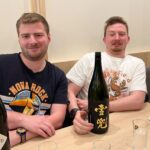
Drinks are a major part of the value here. The included package covers alcoholic beverages, with sake and beer specifically named, and the experience also mentions whisky. Instead of paying separately for every glass, you receive an all-you-can-drink set alongside the izakaya dishes.
This arrangement suits people who want to try several Japanese drinks without making every choice a price calculation. It also gives your guide a natural opening to explain sake and drinking customs. You can ask about the style of sake, how it is served, or which drink works best with a particular dish.
Still, the drink package is not automatically a benefit for everyone. If you do not drink alcohol, the $185.68 price may feel high unless you place strong value on the guide, the private format, and the food. The supplied details identify alcoholic drinks as included, but do not promise a separate nonalcoholic package or a reduced price.
Pace matters, too. An all-you-can-drink evening can become tiring when combined with several dishes and ramen. I would treat the package as a chance to sample rather than a challenge to consume as much as possible. Your guide can help keep the night comfortable.
Choosing your ramen finale in Shimbashi
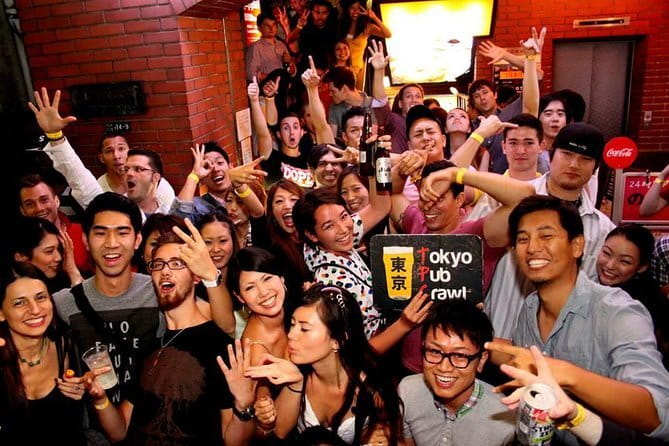
After Sato, your guide takes you to a ramen shop. The key advantage is choice. Depending on the shop and your preference, options can include pork, seafood, soy sauce, salt, vegetable, or other ramen styles.
That flexibility makes the final stop work for different tastes. A deep pork broth may suit you after a long day, while a salt or vegetable bowl can feel lighter after an izakaya meal. The provided details do not identify one fixed ramen shop or guarantee every listed style every night, so think of the selection as a preference-based finish rather than a set signature bowl.
One bowl of ramen is included with the tour. Additional food is not included, so any extra toppings, side dishes, or additional bowls would need to be paid for separately if available.
The ramen stop also completes the evening in a very Japanese way. Ramen after drinks is a familiar end to an office-worker night, and it gives the tour a stronger local rhythm than stopping after the first restaurant. Some people may find the meal substantial, but the progression from small izakaya plates to noodles is part of the experience’s appeal.
Guides who shape the evening
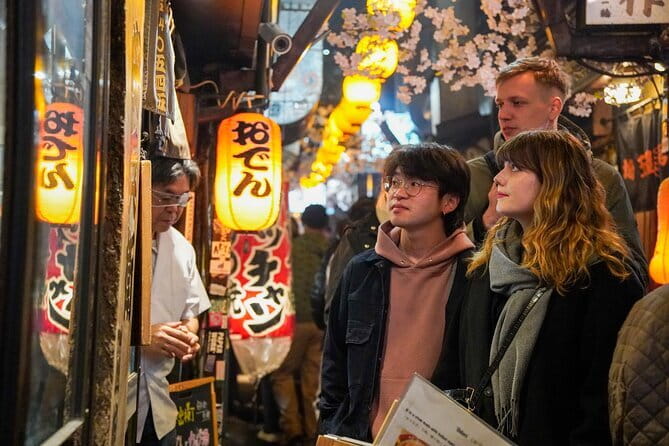
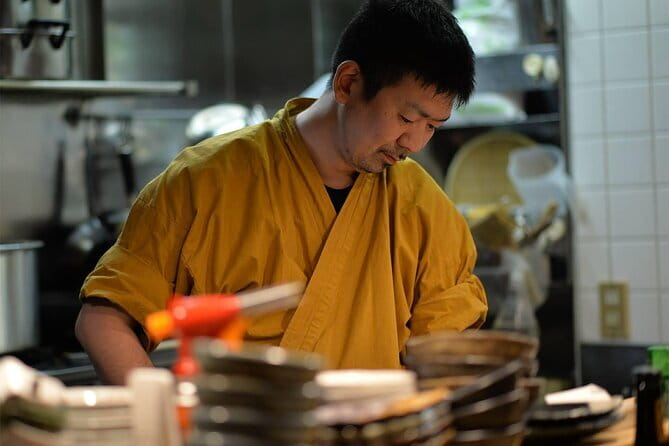
The guide can make or break a food tour, and this experience has several named guides connected with it. Mutsuko has led evenings praised for clear information and access to restaurants that are difficult to locate alone. Keita, including Keita Mizuki, has been described as friendly, engaging, and able to explain Japanese culture in fluent English.
Kaori has also led a lighthearted, informative evening, while Hide guided a night that included izakaya food, Japanese drinks, and ramen. Tetsu has been singled out for making the setting comfortable and introducing food experiences that are easy to miss without local help.
Ferdinand has guided groups through several different restaurants and added historical facts about the Shimbashi area. One evening included a local standing bar, though you should not assume that every booking follows that exact route, since the official plan centers on Sato and ramen.
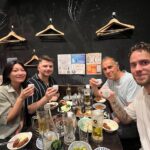
Because this is a private activity, your group gets the guide’s attention. That is useful if you have questions about ingredients, drinking manners, or Japanese food customs. It also means the quality of the evening depends heavily on the guide assigned to your booking.
A few more Tokyo tours and experiences worth a look


What the $185.68 price really covers
At $185.68 per person, this is not a cheap dinner. The right comparison is not simply the cost of a bowl of ramen or a meal at an izakaya. You are paying for a private guide, the tasting menu, an all-you-can-drink package, ramen, and central Tokyo transportation.
The price makes more sense if you value access and explanation. Small izakayas can be hard to locate, and menus may not be easy to interpret. A guide who knows how the restaurant works can remove that uncertainty and help you understand what you are eating.
The included transportation adds convenience. Pickup and drop-off are offered for central Tokyo hotels, and round-trip transport to Shimbashi is included. However, the transfer time is added to the stated tour duration, so allow more than four hours if you are planning another reservation afterward.
For a private group that wants an organized night with alcohol and several food stops, the package can be fair value. For a solo diner who is comfortable choosing restaurants and does not drink, it is harder to justify. I would book it for the access, guidance, and ease, not because it is the least expensive way to eat in Tokyo.
Important practical details before booking
The tour starts at 6:00 pm and is near public transportation. Most people can participate, but the restaurant setting is the key concern. Smoking is allowed inside, and the experience is specifically not recommended for anyone who dislikes cigarette smoke.
Dietary needs such as vegetarian, vegan, and gluten-free requirements should be written in the special requests at booking. That does not guarantee every dish can be adapted, so you should give clear details in advance rather than wait until the meal begins.
The activity is private, meaning only your group takes part. That is a strong advantage for families, couples, or friends who want to ask plenty of questions without slowing down a larger group.
Pickup and drop-off are limited to central Tokyo. If your hotel is outside that area, you may need to make your own way to the meeting point. The listed start time is fixed at 6:00 pm, so keep your afternoon plans realistic.
The experience is non-refundable and cannot be changed for any reason after booking. Check the date, pickup location, dietary requirements, and smoking concern carefully before confirming.
Who will enjoy this night most
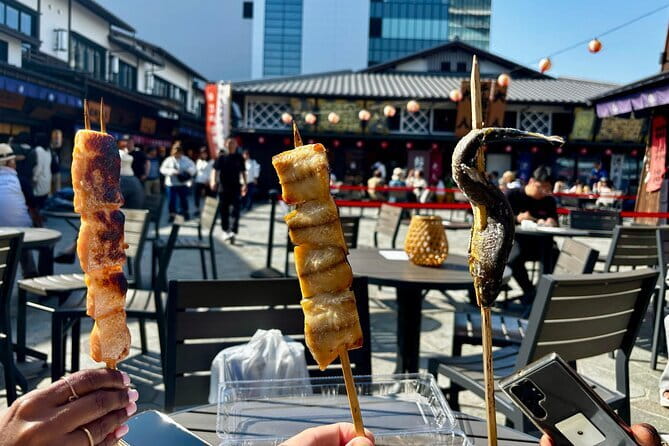
I would recommend this tour to you if you want a structured introduction to Tokyo’s after-work food culture. It is especially useful if you are visiting Japan for the first time, feel unsure about small restaurants, or want a guide who can explain both food and customs.
It also suits people who enjoy tasting many things rather than ordering one large dish. The seafood at Sato, drinks, and ramen create a varied meal, and the private guide gives you room to ask questions along the way.
Families with older children may appreciate the private format, but the alcohol-centered structure is better suited to adults. The tour is also a good fit for couples and small groups who want an evening built around conversation and food rather than sightseeing landmarks.
I would be cautious if you dislike smoke, avoid alcohol, need a strictly controlled diet, or want a precisely fixed menu. The difference between six and seven described dishes is minor for most people, but it shows why you should confirm details if you need exact arrangements.
Should you book the Shimbashi Night Food Tour?
Book it if you want help finding small local restaurants, enjoy Japanese drinks, and like the idea of ending dinner with ramen. The strongest reasons are the private guide, the included transport, and the chance to experience an izakaya without having to figure out the setting alone.
Skip it if smoking indoors is a dealbreaker or if you are looking for a low-cost dinner. At $185.68, the value depends on using the guide and drink package, not just counting the food.
For the right person, this is a lively, personal way to spend an evening in Shimbashi. Just confirm the menu count, share dietary needs early, and leave room in your schedule for pickup and drop-off.
FAQ
What time does the Shimbashi Night Food Tour start?
The tour starts at 6:00 pm.
How long does the experience last?
The tour itself lasts approximately four hours. Hotel pickup and drop-off are added to the remaining duration, so the full evening may take longer.
Is hotel pickup available?
Yes. Pickup and drop-off are offered for hotels in central Tokyo, and round-trip transportation to Shimbashi is included.
What food is included?
The package includes an izakaya course meal and one bowl of ramen. The izakaya meal is described as six dishes in the included section, while the overview calls it a seven-course tasting menu, so confirm the exact number before booking.
Are drinks included?
Yes. Alcoholic beverages are included in an all-you-can-drink set. Sake and beer are named, and whisky is also mentioned as a drink sampled during the evening.
Can I request dietary adjustments?
You can provide dietary requirements such as vegetarian, vegan, or gluten-free needs in the special requests when booking. Other food outside the set menu is not included.
Is smoking allowed during the tour?
Yes. Smoking is allowed inside the restaurant, and the experience is not recommended for people who do not like cigarette smoke.
More Food Experiences in Tokyo

More Night Tours in Tokyo
More Tokyo Food Tours in Tokyo
More tours in Tokyo we've reviewed




Tokyo Food Tours, compared.
 ★ 5.0Tokyo: Shinjuku Food Tour (13 Dishes at 4 Local Eateries)From $86
 ★ 4.9Tokyo: Shinjuku Food Tour (15 Dishes and 4 Eateries)From $853 hours
 ★ 5.0Best of Shinjuku: Izakaya Food Tour (4 Stops, 14+ Tastings)From $92
 ★ 5.0Tokyo Night Foodie Tour in Shinjuku – Seasonal Sushi, Wagyu BeefFrom $111
 ★ 5.0Eat and Drink Like a Local: Tokyo Ueno Food Tour-Taverns&RamenFrom $95
 ★ 5.0Tokyo: Shibuya Food Tour (13 dishes and 4 Eateries)From $77