
Reviewed · TOKYO FOOD TOURS
Tokyo Vegan Food Tour
Tokyo’s plant-based food scene gets much easier to understand when you taste it street by street. This three-hour tour moves from Shibuya to Ebisu, pairing familiar Japanese favorites with vegan versions, from several styles of ramen to fried karaage and sweet sandwiches.
I like the small group of six, which gives you room to ask about ingredients, hidden animal products, and where to eat later. I also like the practical advice from guides such as Bunga and Brian, including tips for convenience stores and a useful list of vegan places for the rest of your trip.
The main consideration is price: at $99 per person, this is not a cheap meal. You are paying for several tastings, a drink, a guide, and help navigating Japan’s sometimes tricky food customs, but diners with a large appetite may still find the cost easier to justify than those seeking only one meal.
In This Review
- Key points at a glance
- Why this tour helps you eat vegan in Tokyo
- Starting beside Hachiko in Shibuya
- Small bowls of ramen with four possible styles
- Gyoza and karaage with a plant-based twist
- Fruit sandwiches and butter with anko
- What the food teaches you about Japan
- How much food do you receive?
- Is $99 a fair price?
- Group size, pace, and practical planning
- Who will get the most from this food walk?
- Should you book the Tokyo Vegan Food Tour?
- FAQ
- Where does the Tokyo Vegan Food Tour begin?
- Where does the tour finish?
- How long does the tour last?
- Is all the food vegan?
- What foods are included?
- Is a drink included?
- Do I need to bring cash?
Key points at a glance
- Five kinds of Japanese food: Sample savory and sweet dishes, including ramen, gyoza, karaage, fruit sandwiches, and butter with anko.
- Several ramen choices: Try small bowls in spicy miso, miso, shoyu, or shio styles.
- Shibuya to Ebisu route: Begin near the Hachiko statue and finish in Ebisu, with a possible train ride along the way.
- Useful vegan guidance: Learn how to find plant-based food in Tokyo and read food choices with more confidence.
- English-speaking small group: The tour is limited to six people, with guides including Bunga and Brian.
- A filling three hours: The tastings can add up to enough food that you may want to rethink dinner plans.
Why this tour helps you eat vegan in Tokyo
Japan can be a rewarding country for vegan dining, but it is not always simple to identify what is safe. Meat, fish stock, bonito flakes, dairy, and egg can appear in dishes that look vegetable-based. A bowl of noodles or a dumpling may seem harmless until you ask what went into the broth or filling.
That is where this tour earns its keep. You do not just receive a plate of food. You learn how Japanese dishes are adapted for a plant-based diet and how to approach later meals with more confidence. The guides explain local ingredients and cooking methods while pointing out practical ways to find suitable food around Tokyo.
I especially like the convenience-store stop. It may sound less exciting than a restaurant, but it is one of the most useful parts for a visitor. Convenience stores are everywhere in Japan, and knowing how to identify suitable snacks, drinks, or packaged meals can save you when you need something quick.
The tour is conducted in English, and the small group size matters. With no more than six participants, you should have a better chance to ask specific questions about your own diet. That personal attention was important for one family whose daughter was worried about finding food in Japan.
A few more Tokyo tours and experiences worth a look
Starting beside Hachiko in Shibuya
Your meeting point is Shibu Hachi Box, across from the Hachiko statue outside Shibuya Station. This is a practical location, but Shibuya can be confusing if you have never used the station. Give yourself extra time to find the correct exit and the statue before the scheduled start.
From there, the tour takes you through Shibuya and Ebisu. These neighborhoods offer a good setting for a food walk because you get both Tokyo’s famous city energy and a range of everyday eating options. The tour ends in Ebisu, so you are not returned to the starting point. Plan your next activity from Ebisu rather than Shibuya.
The route may include a train ride, so bring cash. The activity information specifically warns you to carry money in case the group hops on the train. Your tour price covers the included tastings and one beverage, but it does not cover this possible transport cost.
The exact order of stops is not fixed in the information available, and food venues can change. That is worth knowing if you are expecting a tightly scripted restaurant itinerary. The strength here is the range of foods and neighborhood movement, not a guaranteed list of named restaurants.
Small bowls of ramen with four possible styles

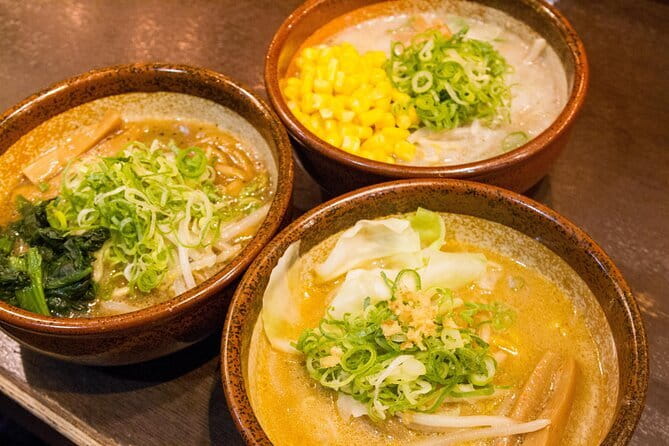
Ramen is likely to be the most substantial savory part of the tour. You receive mini bowls rather than a full restaurant serving, allowing you to sample different flavors without filling up immediately. Choices include spicy miso, miso, shoyu, and shio.
These styles give you a useful introduction to how the same basic noodle dish can change with its seasoning. Miso brings a hearty fermented flavor. Spicy miso adds heat. Shoyu offers a soy-sauce profile, while shio is generally associated with a lighter salt-based style.
The important point for vegan diners is not simply that the broth contains no animal products. You also get to see how a familiar Japanese food is rebuilt with plant-based ingredients while keeping its character. Your guide can explain the local ingredients and methods used at the stop.
You should expect tasting portions, not four full bowls. That is good news because the tour continues with several other foods. If you have strong preferences about spice, tell your guide early. The available options make this stop flexible, but the information does not specify how many bowls each person receives or whether every style is served on every departure.
Gyoza and karaage with a plant-based twist
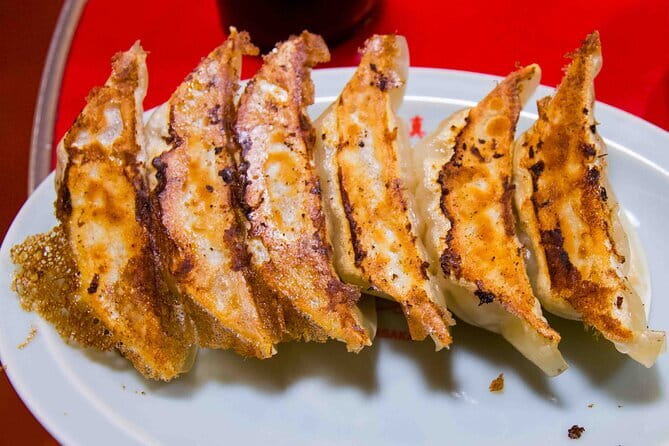
Vegan gyoza gives you a chance to compare a classic Japanese dumpling with its plant-based filling. The appeal is in the combination of a crisp underside, a soft wrapper, and a savory interior. Your guide also discusses the ingredients and preparation, which helps you understand more than simply what the dumpling tastes like.
Next comes vegan karaage, a plant-based version of Japanese fried chicken. Crunch is the key attraction here. It is the kind of food that can reassure someone who worries that vegan meals will feel too worthy or too plain.
These dishes also show why a food tour can be more useful than a simple vegan restaurant reservation. You sample versions of foods you are likely to encounter across Japan, then learn where similar options may be found later. The tour is especially helpful at the start of your holiday, when you are still learning how Japanese menus work.
The limitation is that the food is presented as tasting portions across several stops. If you want a full sit-down meal with time to linger, this is not the same experience. Think of it as a guided eating route with plenty of samples rather than one long restaurant visit.
Fruit sandwiches and butter with anko
The sweet portion brings two unusual Japanese sandwich styles. Fruit sandwiches use fresh seasonal fruit, while the butter and anko sandwich pairs butter with sweet red bean paste.
Fruit sandwiches can surprise first-time visitors because they look like ordinary soft bread sandwiches but function more like a light dessert. Seasonal fruit gives the tasting a fresh note after the savory dishes. Since the fruit changes with the season, the exact flavor you receive may vary.
The butter and anko combination is more intense and traditionally minded. Anko is sweet bean paste, a common Japanese filling in desserts and snacks. Paired with butter, it gives you a richer bite and a clear example of how Japanese sweets can balance salt, fat, and sweetness.
I like that the menu does not stop at the usual savory choices. A vegan food tour that only offers ramen and mock meat would miss a major part of Japanese eating culture. These sandwiches add texture and a distinctly Japanese style of sweet snack.
If you prefer savory food, the sweet dishes may be the least essential part for you. Still, they help make the three-hour route feel like a full food experience rather than a search for substitutions.
A few more Tokyo tours and experiences worth a look




What the food teaches you about Japan
The tour explains the place of veganism in Japan, along with local ingredients and cooking techniques. That cultural context is useful because plant-based eating in Japan does not always fit neatly into Western categories.
You may hear about the difference between a dish that is fully vegan and one that is simply free of meat. Fish stock and other animal ingredients can matter even when a meal contains no visible meat. The guide’s role is to help you ask better questions and understand what you are ordering.
This is also where the tour becomes more than a meal. You get a working vocabulary for future dining and a clearer idea of how restaurants adapt Japanese favorites for vegan customers. One guide, Bunga, was praised for practical advice on vegetarian and vegan food, while Brian was noted for adjusting to dietary preferences and sharing a list of additional vegan options.
That follow-up information can have real value. Tokyo is large, and finding suitable food repeatedly can take time. A list of places to try later may save you from relying on the same restaurant near your hotel every night.
How much food do you receive?
The tour includes five types of Japanese food, covering savory and sweet items, plus one beverage. The listed tastings include ramen, gyoza, karaage, fruit sandwiches, and butter with anko. The portions are designed for sampling, but the overall amount can be surprisingly filling.
I would avoid scheduling an important dinner immediately afterward. One participant said the food was abundant enough to cancel dinner plans. That does not mean every person will have the same appetite, but it gives you a useful warning: this is not a light nibble between meals.
The beverage is included, though the available information does not specify the exact drink. If you have particular beverage needs, ask before booking or at the start of the tour.
Because all food on the tour is vegan, you do not need to negotiate separate tasting rules once the tour begins. That can make the experience more relaxed for strict vegans. The activity information does not give details about allergies, so anyone with a serious allergy should contact the provider before reserving.
Is $99 a fair price?
At $99 per person, the tour costs more than buying one vegan meal independently. The value depends on how much you would use the guidance.
You are paying for three hours, five food categories, one beverage, an English-speaking guide, neighborhood walking, cultural explanation, and help finding future dining options. You may also taste foods at several places that you would not have located on your own. The small group limit of six adds a more personal feel than a large bus-style food outing.
The food alone does not automatically make $99 a bargain. If you are already comfortable reading Japanese menus, know Tokyo well, and only want a single bowl of vegan ramen, you may prefer to spend the money at a restaurant.
For a first visit, the calculation changes. A worried vegetarian or vegan can use the tour to learn how to eat safely and confidently for the rest of the trip. The practical advice may prevent costly trial and error, especially if you are unsure about broths, sauces, and packaged food.
The strongest value comes when you book it early in your stay. You can use the guide’s tips, venue list, and convenience-store advice for the remaining days. Booking it near the end would still provide a tasty afternoon, but you would lose much of the longer-term benefit.
Group size, pace, and practical planning

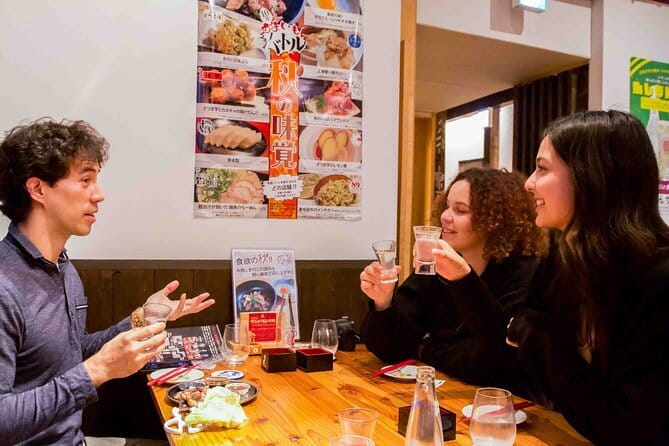
The group is limited to six participants, and the guide speaks English. This setup should suit you if you prefer to ask questions rather than simply follow a guide from stop to stop.
The tour lasts three hours, but the pace includes walking, eating, explanations, and possibly a train ride. Wear comfortable shoes and avoid arriving hungry enough to rush the first stop. You want room for the later sweets.
The route starts in Shibuya and ends in Ebisu. That simple detail affects your planning. If you have a timed attraction or reservation immediately afterward, allow extra time beyond the stated three hours. The information does not promise an exact finishing time or a fixed stop sequence.
Bring cash because train fare may be needed. The tour price does not include transportation. You should also arrive at Shibuya Station with enough time to locate Shibu Hachi Box across from Hachiko.
Free cancellation is available up to 24 hours before the tour for a full refund, and you can reserve now and pay later. Those terms help if your Tokyo schedule is still changing, though you should still check the available start times before committing.
Who will get the most from this food walk?
This tour is a strong match for strict vegans, vegetarians, and anyone traveling with a plant-based family member. It gives you a safe starting point and practical tools for eating later.
It also suits food-focused visitors who want to try Japanese classics rather than eat only at restaurants designed around international vegan cuisine. Ramen, gyoza, karaage, and anko all connect you with familiar Japanese flavors in plant-based form.
I would also recommend it to first-time Tokyo visitors who feel nervous about ordering food. The guide can help you understand ingredients and point you toward options you might otherwise miss.
It may be less suitable for someone who wants a quiet, private meal or a full portion of every dish. The group is small, but it is still a shared tour. The route includes movement between stops, and the food comes as a series of tastings.
Should you book the Tokyo Vegan Food Tour?
Book this tour if you want more than a meal. You will taste a broad selection of Japanese vegan food, learn how to spot suitable choices, and leave with advice that can shape the rest of your Tokyo visit.
The best reason to go is the combination of food and confidence. Guides such as Bunga and Brian bring practical help to a subject that can otherwise feel confusing. The ramen choices, crisp gyoza, vegan karaage, seasonal fruit sandwiches, and anko sweets give you plenty to eat, not just a token sample.
Skip it if $99 feels too high for a three-hour tasting route, or if you already know Tokyo’s vegan dining scene well. For most first-time vegan visitors, though, booking near the start of your trip makes the price easier to justify. You get a satisfying introduction in Shibuya and Ebisu, plus advice you can keep using after the tour ends.
FAQ
Where does the Tokyo Vegan Food Tour begin?
It begins at Shibu Hachi Box, across from the Hachiko statue outside Shibuya Station.
Where does the tour finish?
The tour starts in Shibuya and ends in Ebisu.
How long does the tour last?
The tour lasts three hours. Starting times depend on availability.
Is all the food vegan?
Yes. All food served on the tour is vegan.
What foods are included?
The tour includes five types of Japanese food, both savory and sweet. The listed dishes include mini bowls of ramen, vegan gyoza, vegan karaage, fruit sandwiches, and butter with anko.
Is a drink included?
Yes. One beverage is included.
Do I need to bring cash?
Yes. Bring cash because the group may use the train, and transportation is not included.
More Food Experiences in Tokyo
More Tokyo Food Tours in Tokyo
More tours in Tokyo we've reviewed









Tokyo Food Tours, compared.
 ★ 5.0Tokyo: Shinjuku Food Tour (13 Dishes at 4 Local Eateries)From $86
 ★ 4.9Tokyo: Shinjuku Food Tour (15 Dishes and 4 Eateries)From $853 hours
 ★ 5.0Best of Shinjuku: Izakaya Food Tour (4 Stops, 14+ Tastings)From $92
 ★ 5.0Tokyo Night Foodie Tour in Shinjuku – Seasonal Sushi, Wagyu BeefFrom $111
 ★ 5.0Eat and Drink Like a Local: Tokyo Ueno Food Tour-Taverns&RamenFrom $95
 ★ 5.0Tokyo: Shibuya Food Tour (13 dishes and 4 Eateries)From $77