
Reviewed · VEGAN & VEGETARIAN
Vegan / Vegatarian Ramen Tour
Tokyo ramen is no longer off-limits if you avoid meat and dairy. On this two-hour outing, you sample four mini vegan bowls at two separate ramen shops, one in Shibuya and one in Shinjuku, with a train ride between them. It is a clever way to taste several styles without committing to four full meals.
I like the small group size, capped at six, and the food variety. You try Hokkaido-style ramen and tsukemen, a dipping-noodle style, while guides such as Brian, Sahori, and Bunga add background on broth, noodles, and toppings. The main consideration is value: at $91.05 per person, the bowls are small, and your ¥170 public transportation fare is extra.
In This Review
- Key points at a glance
- Four vegan bowls, two Tokyo neighborhoods
- Starting beneath the Shibuya Crossing lights
- Learning what changes from bowl to bowl
- The train ride from Shibuya to Shinjuku
- A second pair of bowls in Shinjuku
- Is $91.05 a fair price?
- What the guides add to the meal
- Who will enjoy this ramen tasting?
- Practical details that affect your day
- Should you book the Vegan and Vegetarian Ramen Tour?
- FAQ
- How many ramen bowls are included?
- Is the ramen vegan?
- Is a drink included?
- Where does the tour start?
- Where does the tour end?
- How long does the experience last?
- Is public transportation included?
- What is the maximum group size?
Key points at a glance
- Four different mini bowls: The price includes two small bowls at each of two ramen shops.
- Two major Tokyo neighborhoods: You begin in Shibuya and finish near Yoyogi in the Shinjuku area.
- A train ride connects the meals: Public transportation is not included, and the listed fare is ¥170 per person.
- Vegan, with gluten-free availability: Gluten-free ramen can also be provided.
- Guides add food context: Brian, Sahori, and Bunga are noted for explaining ramen traditions and helping with train tickets.
- A genuinely small group: The maximum is six people, making questions and food discussion easier.
Four vegan bowls, two Tokyo neighborhoods
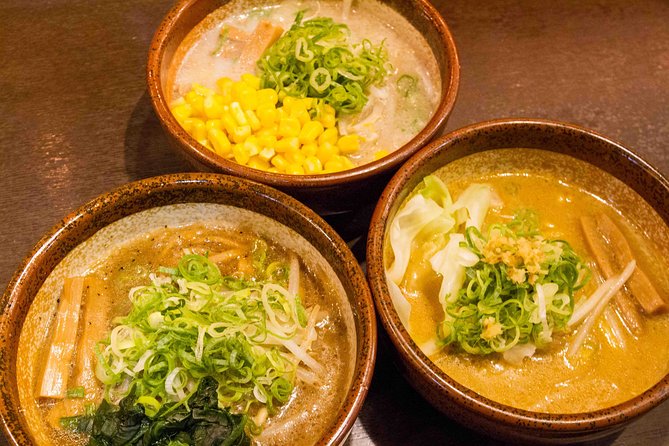
The idea here is simple: do not settle for one bowl. You visit two ramen shops and taste two mini portions at each. That lets you compare broth, noodles, toppings, and serving styles without the heavy commitment of a standard ramen lunch.
The small portions are important. You receive lunch, but this is a tasting meal rather than four restaurant-size bowls. I see that as a strength for anyone who wants variety, though it may feel light if you arrive very hungry.
The tour is aimed at vegan and vegetarian eaters, and gluten-free ramen is also available. If you have strict dietary needs, confirm the exact arrangement when booking, since the supplied information does not list every ingredient or explain how gluten-free preparation is handled.
A few more Tokyo tours and experiences worth a look
Starting beneath the Shibuya Crossing lights
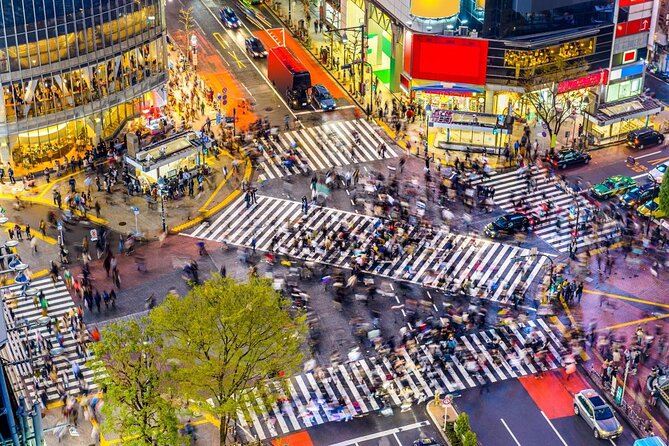
Meet at SHIBU HACHI BOX, at 2-chōme-1-1 Dōgenzaka in Shibuya, for an 11:00 a.m. start. The location puts you close to Shibuya Crossing, one of Tokyo’s most famous sights.
The itinerary allows about five minutes at the crossing. That is enough for a quick look at the waves of people moving through the intersection, but not a long photo session or neighborhood tour. Think of it as a sharp opening scene before the food takes over.
Shibuya is a useful starting point because it gives the outing an immediate sense of place. You are not meeting in an anonymous food court. You begin in one of Tokyo’s best-known districts, then head into a more focused exploration of ramen.
The meeting point is near public transportation, but Tokyo station areas can be confusing. Arrive with extra time, especially if this is your first morning in the city. The tour starts promptly at 11:00 a.m., and finding a small meeting point around Shibuya’s many signs and exits can take longer than expected.
Learning what changes from bowl to bowl
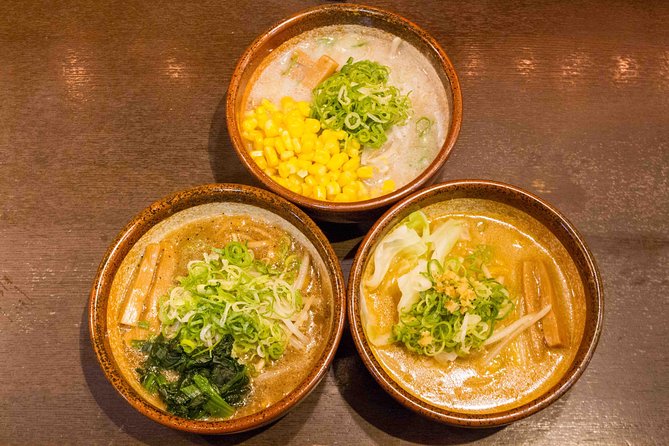
At the first ramen shop, you receive two mini vegan bowls. The stated styles include Hokkaido ramen and tsukemen, so you get a clear contrast rather than four near-identical servings.
Hokkaido ramen gives the guide a chance to explain a regional approach to the dish. The precise broth and topping combinations are not specified, so you should not book expecting a particular flavor profile. What you can count on is a guided comparison of the elements that make ramen different from one bowl to the next.
Tsukemen changes the eating method. Instead of noodles sitting in broth, the noodles are dipped into a separate sauce or soup. Even in a vegan format, that difference matters. It makes you pay attention to noodle texture and the strength of the dipping liquid rather than simply drinking from a bowl.
The guides’ explanations are a major part of the experience. Brian is described as friendly and helpful, with discussion covering the background of broth, noodles, and toppings. Sahori is noted for explaining ramen history in an engaging way. This context gives the tasting more purpose: you are not just counting bowls, you are learning what to notice.
The train ride from Shibuya to Shinjuku
Between the two ramen shops, you ride the train. The listed public transportation cost is ¥170 per person, paid separately from the tour price.
That short transfer is a practical part of the outing, not wasted time. It shows you how a Tokyo food plan works in real life, with different neighborhoods linked by an efficient rail network. Bunga, one of the named guides, has helped with purchasing train tickets, which can be useful if you are still getting used to Tokyo’s ticket machines.
Still, keep the extra fare and station navigation in mind. The tour price does not cover this transport, and the supplied details do not specify the train line or exact travel time. Your guide leads the transfer, but you should have a mobile ticket and a little patience for the station portion.
The train also creates a natural break between the two tastings. After two small bowls in Shibuya, you have time to reset before the second shop. Since the complete experience lasts about two hours, the schedule is compact, with little room for long pauses.
A second pair of bowls in Shinjuku
The second ramen shop is close to Zenrosai Hall, also called Space Zero, in Yoyogi, Shibuya, Tokyo 151-0053. The tour ends there after your final two mini bowls.
The end point is useful if you plan to continue sightseeing around Shinjuku or Yoyogi. It is not a return to the original Shibuya meeting point, so plan your next activity from the finish rather than assuming you will be escorted back.
At this second shop, you complete the four-bowl tasting. The information does not identify the shop names, its seating setup, or the exact ramen served there. That lack of detail makes it hard to compare the two restaurants in advance, but it also keeps the focus on the guide-led food experience instead of a fixed restaurant menu.
You receive one drink during the tour. The type is not specified, so do not assume it will be a particular Japanese beverage or a refill. It is a modest inclusion, but welcome alongside several small servings.





Is $91.05 a fair price?
The listed price is $91.05 per person. For that amount, you get four mini ramen bowls, one drink, the guide, the neighborhood-to-neighborhood route, and a small-group setting. You also pay ¥170 for public transportation.
The value depends on what you want from a food tour. If your goal is simply to eat the largest possible lunch, this will not be a bargain. Four mini bowls are not the same as four full meals, and one detailed assessment of the experience found the amount of food and overall content thin for the price.
If your goal is to find vegan ramen in two parts of Tokyo and understand the differences between styles, the calculation looks better. The guide solves a real problem: locating suitable ramen shops and arranging a tasting across two neighborhoods can take time, especially if you cannot read every menu or need vegan and gluten-free choices.
The six-person limit also matters. You are not paying for a large coach excursion. You have a better chance to ask about ingredients, regional styles, and eating methods, and the guide can help with the train transfer. The price is easier to justify for diners who value access and explanation more than quantity.
I would compare this outing with the cost of sourcing four vegan ramen tastings on your own. You would still pay for the food and trains, and you would need to research the shops, understand the ordering system, and find suitable dishes. The tour fee covers that planning and personal guidance, but it does not remove the need to decide if four small portions are enough for you.
What the guides add to the meal
The strongest part of the experience is the human element. Brian is described as friendly and kind, with a clear focus on the details of ramen. Sahori brings information about the dish’s history, while Bunga has helped with train tickets and made the transfer easier.
Because the group is so small, the guide can respond to your questions rather than deliver only a set speech. You can ask about broth, noodle types, toppings, or the difference between ramen and tsukemen. That makes the outing useful for a first visit to Japan, when a little food vocabulary can improve the rest of your meals.
The guides are also important for vegan diners. A ramen shop may offer a meat-free bowl, but you still need to know what is in the broth and toppings. The tour is designed around vegan ramen, so the food choices are handled as part of the plan rather than left to guesswork.
Do not expect a full cooking class or a long restaurant-by-restaurant lecture. The tour lasts about two hours and includes a train ride, four tastings, and a neighborhood stop. The instruction is practical and tied to what you are eating.
Who will enjoy this ramen tasting?
This outing fits you well if you are vegan or vegetarian and want a focused introduction to Tokyo food. It is also a good match if you are curious about ramen but do not want one enormous bowl at every stop.
I would especially consider it for:
- First-time Tokyo visitors who want an organized food activity early in the trip.
- Vegan diners who prefer a planned menu rather than searching for suitable broth.
- Gluten-free diners, provided you confirm the available arrangements before departure.
- Food-focused couples or friends who enjoy comparing several small portions.
- Solo visitors who like meeting other food-minded people in a group capped at six.
- People who enjoy explanation, not just eating.
It may not suit you if you want a large lunch, a long walking tour, or a cheap way to fill an afternoon. The crossing stop is brief, the route is tightly timed, and much of the value rests on the guide’s explanations and the chance to visit two selected shops.
Practical details that affect your day
The experience starts at 11:00 a.m. and lasts roughly two hours. It begins at SHIBU HACHI BOX in Shibuya and ends near Zenrosai Hall in Yoyogi, not at the starting point.
A mobile ticket is provided, and confirmation arrives when you book. The meeting area is near public transportation, but Shibuya is busy and spread across several station exits, so arriving early is wise.
The maximum group size is six, and most people can participate. The supplied information does not list specific accessibility details, so contact the provider if you need assistance beyond general participation.
Tokyo Ramen Tours allows free cancellation up to 24 hours before the local start time for a full refund. Cancellations or changes made within 24 hours are not accepted for a refund. The tour is often booked well in advance, with an average lead time of 78 days, so a popular date may require planning.
Should you book the Vegan and Vegetarian Ramen Tour?
Book it if you want a guided vegan ramen introduction, a small group, and four different tastings across Shibuya and Shinjuku. The named guides bring warmth and useful food knowledge, and the train connection gives the outing a local, practical feel.
Think twice if quantity is your main concern. At $91.05, plus ¥170 for transport, the cost is high for mini bowls and one drink. For the right eater, the fee pays for access, planning, and guidance. For someone who only wants a full bowl of ramen, ordering one independently will likely make more sense.
FAQ
How many ramen bowls are included?
The tour includes four mini bowls of ramen, with two bowls served at each of two ramen shops.
Is the ramen vegan?
Yes. The experience is built around vegan ramen. Gluten-free ramen is also available.
Is a drink included?
Yes. One drink is included in the price, though the specific drink is not stated.
Where does the tour start?
It starts at SHIBU HACHI BOX, 2-chōme-1-1 Dōgenzaka, Shibuya, Tokyo 150-0043, Japan.
Where does the tour end?
It ends at the second ramen shop near Zenrosai Hall, also known as Space Zero, in Yoyogi, Shibuya, Tokyo.
How long does the experience last?
The tour lasts approximately two hours and begins at 11:00 a.m.
Is public transportation included?
No. The train ride between the two ramen shops is part of the route, but public transportation costs ¥170 per person and are not included.
What is the maximum group size?
The tour has a maximum of six participants.
More Food Experiences in Tokyo


More tours in Tokyo we've reviewed











Vegan & Vegetarian, compared.
 ★ 5.0Vegan Friendly Sushi & Okonomiyaki Shibuya Night Foodie TourFrom $110
 ★ 5.0Ramen & Dumpling Cooking in Tokyo with Chef/Vegan possibleFrom $102
 ★ 5.0Ramen Making from Scratch with Tokyo Mom(Vegan Option Available)From $120
 ★ 4.8Tokyo: 2-Hour Vegan and Vegetarian Ramen Guided Walking TourFrom $962 hours
 ★ 4.7Shibuya Tokyo: Sushi Making Class (Vegan/Vegetarian/Halal)From $581h 30m
 ★ 5.0Tokyo Vegan Food TourFrom $101