
Reviewed · TOKYO FOOD TOURS
Retro Shibuya Food Tour
Shibuya’s famous crossing is only the opening act. This three-hour evening walk takes you past Hachiko, Center-gai, Nonbeiyokocho, and Shibuya’s side streets before settling into small local eateries, standing bars, and an iconic ramen shop. The food is the draw, but the real treat is seeing where people go after leaving the main tourist lanes.
I like the small group of no more than 10 people, which should make it easier to hear your guide and fit into compact Japanese bars. I also like that three drinks are included, with choices such as beer, local sake, and other beverages, along with savory dishes and dessert. The main drawback is the $221 price, which is high for a three-hour food walk, especially if you do not drink alcohol or eat a broad range of Japanese foods.
In This Review
- Key points at a glance
- Why this Shibuya food walk feels different
- Starting at Shibuya Station at 4:00 pm
- Hachiko and Shibuya Crossing in small doses
- Center-gai, Don Quijote, and the turn into side streets
- Small bars, old noodle shops, and an izakaya stop
- What you actually receive for $221
- Food restrictions and the limits for vegans
- Who gets the most from this evening
- The route ends beneath Tokyu Department Store
- Weather, changes, and cancellation terms
- Is the Retro Shibuya Food Tour worth booking?
- FAQ
- How long is the Retro Shibuya Food Tour?
- What time does the tour start?
- Where does the tour meet?
- Where does the tour end?
- Are drinks and food included?
- Is the tour suitable for dietary restrictions?
Key points at a glance
- Three hours in Shibuya after dark: The 4:00 pm start lets you watch the district shift from daytime shopping to evening dining.
- Food beyond the main strips: Expect back alleys, standing-only bars, old noodle shops, and an izakaya rather than a standard restaurant crawl.
- Three drinks included: Beer, local sake, and other beverages are part of the package, along with food tastings and dessert.
- Showa-era context: Your English-speaking guide connects today’s Shibuya to its earlier neighborhood life.
- Compact group size: The tour accepts a maximum of 10 people, useful in narrow bars and small eateries.
- Best for flexible eaters: Vegetarian, pescetarian, and gluten-free guests can be accommodated, but the experience is not recommended for vegans.
Why this Shibuya food walk feels different
Shibuya is easy to experience badly. You can spend an evening circling the crossing, taking photos, and eating in familiar chain restaurants. This tour gives you a reason to turn away from the bright signs and follow your guide into places that are difficult to locate on your own.
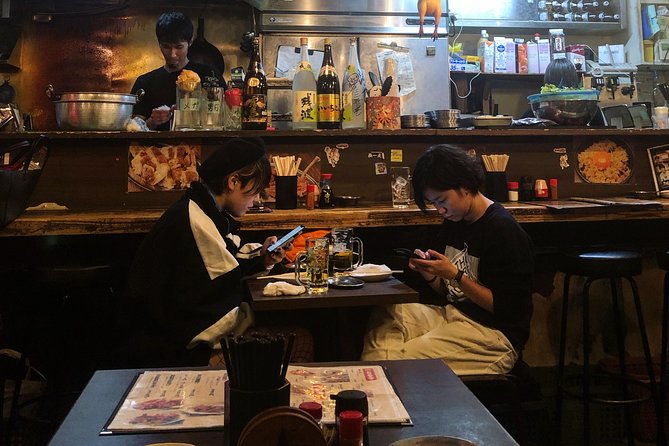
The route focuses on local food and drink in compact settings. That may mean standing at a bar, squeezing into a small noodle shop, or sharing dishes at an izakaya. I like this format because it gives you a taste of how eating out in Tokyo can work when space is limited and the meal is spread across several stops.
The guide also adds useful context. Shibuya is not only a shopping district and nightlife center. The tour discusses the area’s development from the Showa era, a period that began in 1926 and lasted until 1989, helping you see the district as an older neighborhood that changed over time.
The experience is led in English, and named guides connected with the tour include Josh, Jacob, and Sharon. Josh and Jacob are noted for sharing historical details alongside food recommendations, while Sharon is described as accommodating and informative. Guide assignments can change, so book this for the route and format rather than a guaranteed individual guide.
A few more Tokyo tours and experiences worth a look

Starting at Shibuya Station at 4:00 pm
The meeting point is near Shibuya Station at 2 Chome-24, Shibuya. This is a practical place to begin, but Shibuya Station is large and confusing, so give yourself extra time to get oriented. A mobile ticket is provided, and the tour is close to public transportation.
The 4:00 pm start is well chosen. You get some daylight for the opening walk, then the tour naturally moves into the evening food scene. Since restaurants and bars may have changing schedules, public holidays, weather limits, or other unexpected closures, the exact stops can be replaced when needed.
That flexibility is worth understanding before you book. You are buying a guided food experience in a busy city, not a fixed museum-style program. The route names the main Shibuya sights, but the food venues can change.
Hachiko and Shibuya Crossing in small doses
The first sightseeing stops are Hachiko Statue and Shibuya Crossing. Each is listed for only a few minutes, so do not expect a long lecture or a dedicated photo session. These quick pauses help establish where you are before the food portion begins.
Hachiko is one of Tokyo’s best-known meeting points, and the guide uses it to discuss Japanese culture and local life. The crossing then gives you a sense of Shibuya’s public face: crowded, highly visible, and built for constant movement.
I appreciate that these stops are brief. If you have already visited Hachiko or crossed the intersection, you will not lose much time repeating them. The value lies in the commentary and in using the landmarks as orientation points before heading into less obvious streets.
Center-gai, Don Quijote, and the turn into side streets
The walk continues through Shibuya Center-gai, then past MEGA Don Quijote, Shibuya Mark City, and Shibuya 109. These are useful reference points for first-time visitors because they place the tour in the middle of Shibuya’s shopping and nightlife zone.
MEGA Don Quijote is also presented as a possible stop for souvenir ideas. You are not given a dedicated shopping session, but you may get a quick look at one of the city’s famous discount stores while moving toward the food venues.
The important part comes when the route leaves the main roads. Your guide leads you toward back streets and smaller passageways, including Nonbeiyokocho. This shift is where the tour earns its place beside a normal Shibuya sightseeing walk. Instead of simply telling you that local places exist, the guide takes you to them.
You should expect a fair amount of walking. The tour lasts about three hours, and a moderate level of physical fitness is recommended. Comfortable shoes are a sensible choice, particularly if you plan to continue exploring Shibuya afterward.
Small bars, old noodle shops, and an izakaya stop
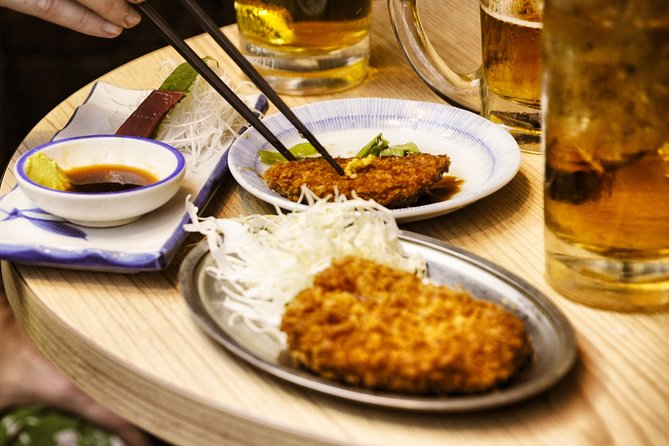
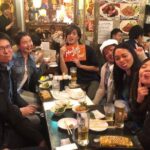
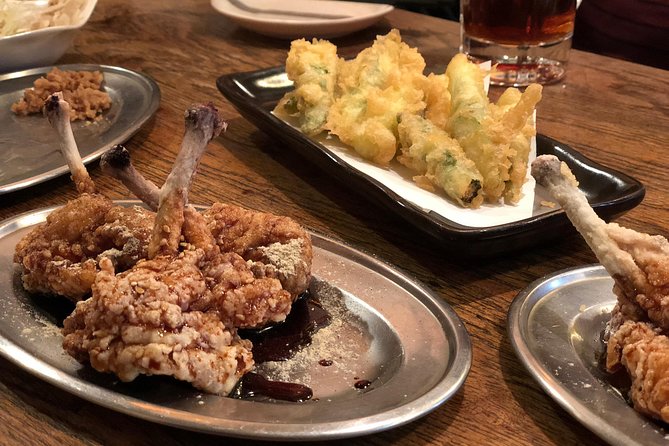
The food stops are the heart of the experience. You may visit standing-only bars, decades-old noodle shops, and a tucked-away izakaya, or Japanese pub. These venues are likely to feel very different from a large restaurant designed for international visitors.
Standing bars can be fun because they are efficient and social, but they are not ideal for every person. You may have little room, limited seating, and a faster pace than at a standard restaurant. If you need a regular chair for the whole tour, ask about this before booking.
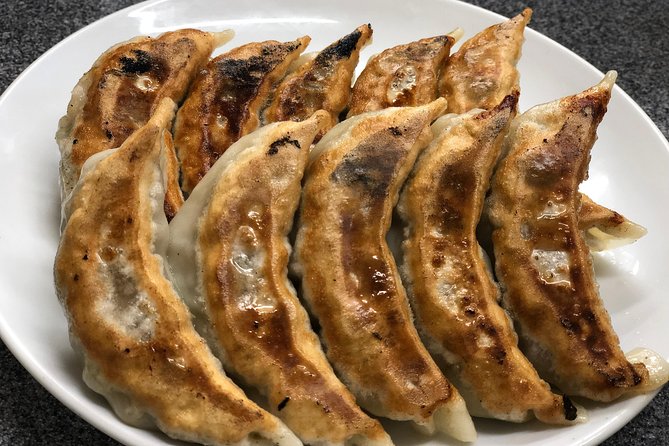
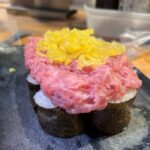
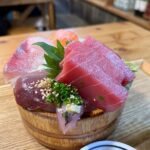
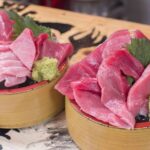
The izakaya stop gives you a chance to try several dishes rather than commit to one large meal. The tour includes local and seasonal foods, so the exact menu depends on what is available. That is a plus for curious eaters, but it also means you should not book expecting a specific dish at every stop.
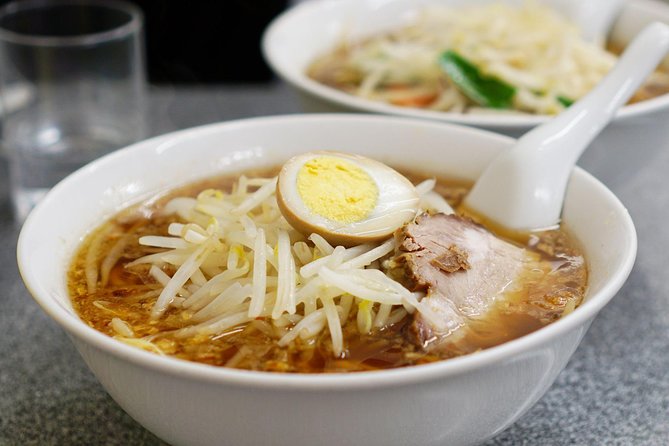
An iconic ramen shop is part of the advertised food experience. Ramen is a useful inclusion because it shows a familiar Japanese staple in its everyday setting. Still, the tour is not simply a ramen tasting. You will sample a range of foods and drinks across several places, with dessert included toward the end.
A few more Tokyo tours and experiences worth a look


What you actually receive for $221
At $221 per person, this is a premium food walk. The cost covers a local English-speaking guide, local food tastings, dessert, and three complimentary drinks. It also buys the convenience of finding small venues that could be hard to locate, ordering with help, and moving through a busy neighborhood without planning every stop yourself.
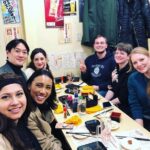
The value depends on how you travel. If you would otherwise spend an evening eating at several restaurants, buying three drinks, and paying for a guide, the price becomes easier to justify. The small group also matters. A maximum of 10 people is far more manageable than a large coach-style food tour, especially in narrow bars.
The price is harder to defend if you are mainly looking for a full dinner. Three hours of tastings may leave you satisfied, but the format is spread across several stops rather than built around one substantial meal. You are paying for access, guidance, local context, and a planned route as much as for the food itself.
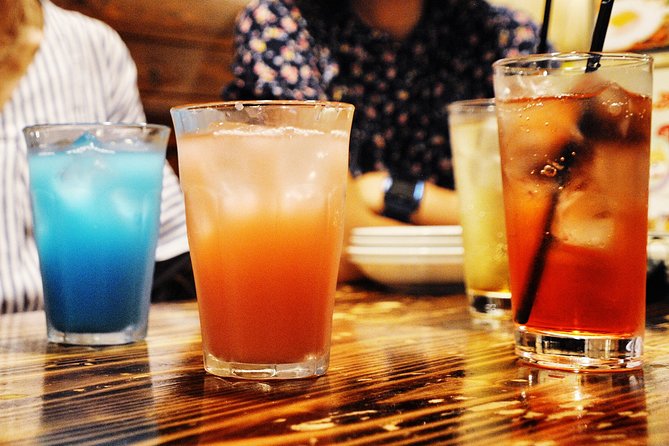
Alcohol is included, with beer, local sake, and other beverages listed. Additional food and drinks cost extra. If you do not drink, ask what nonalcoholic choices are available, since the tour includes three beverages but does not promise that every drink will be alcoholic or nonalcoholic.
Food restrictions and the limits for vegans
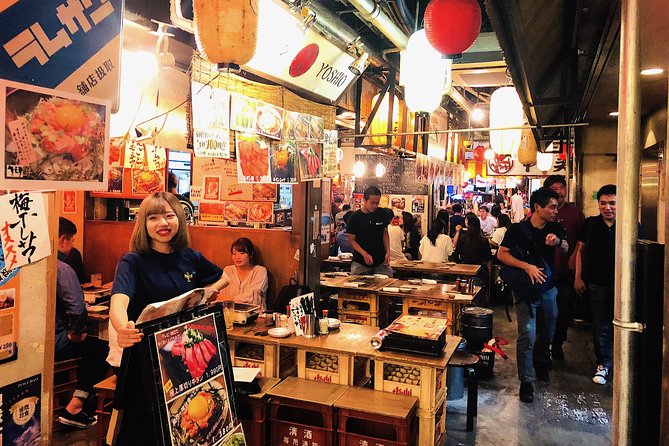
The experience is described as suitable for vegetarian, pescetarian, and gluten-free diets. You should still provide your dietary needs when booking and remind the guide at the start, since the venues and available dishes can vary.
It is not recommended for vegans. That warning matters because Japanese dishes can include fish stock, meat-based broths, eggs, or other animal products even when a dish appears vegetable-based. A vegan visitor may find the number of safe choices too limited for a food tour built around shared local tastings.
The tour is for adults aged 20 and above only. That fits the inclusion of alcoholic drinks and limits the experience to an adult evening outing.
Who gets the most from this evening
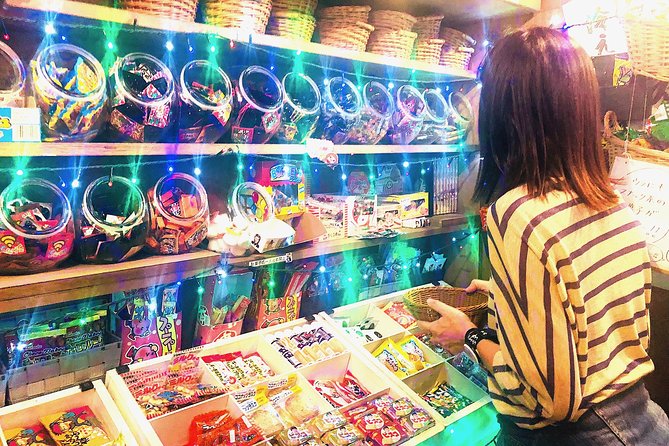
I would choose this tour for a first or second visit to Tokyo, especially if you want help getting beyond the obvious Shibuya attractions. It suits solo visitors, couples, and small groups who enjoy trying several foods without spending time researching each restaurant.
Solo visitors should email the provider before booking, as special arrangements may be needed. The small group is a good setting for meeting others, but you should not assume a private tour.
This is also a good match if you enjoy stories with your meal. The guides connect the food stops to Shibuya’s past and present, and the named guides Josh, Jacob, and Sharon have each been associated with clear local explanations and friendly service.
I would be more cautious if you dislike alcohol, have strict dietary restrictions, need a slow seated meal, or want to know the exact menu in advance. The route and stops can change, and some venues may be compact or standing-only.
The route ends beneath Tokyu Department Store
The official end point is Tokyu Department Store Honten, at 2-chome-24-1 Dogenzaka, Shibuya. More precisely, the tour ends on the basement level under the station.
That is a useful finish for an evening in Shibuya. You are left near transport links, shops, and many other dining choices. It also means the tour does not return you to your hotel, so plan your own ride or train afterward.
Hotel pickup and drop-off are not included, and neither are transportation costs. Since the tour is a walking experience, you should arrive at the meeting point independently and keep your plans flexible at the end.
Weather, changes, and cancellation terms
The experience requires good weather. If poor weather forces a cancellation, you can receive a different date or a full refund. The same applies if the minimum number of participants is not reached.
You can cancel for a full refund up to 24 hours before the 4:00 pm start time. Cancellations or changes made less than 24 hours ahead are not refunded or accepted, and the cut-off follows Tokyo local time.
These terms are reasonable for a small food tour, but they make it important to check the forecast and your schedule before the final day. Restaurant holidays, weather, and other unexpected issues can also lead to substitute stops during the tour.
Is the Retro Shibuya Food Tour worth booking?
Book it if you want a guided evening of small local eateries, three drinks, seasonal dishes, dessert, and Showa-era stories in a group capped at 10 people. The best reason to choose it is not the famous crossing. It is the chance to move from Shibuya’s obvious sights into standing bars, older noodle shops, and back lanes with someone who can explain what you are seeing.
The $221 price calls for realistic expectations. This is not a cheap dinner and it is not a private food pilgrimage. It is a compact, guided introduction to Shibuya’s everyday eating culture, with the added benefit of not having to search for the venues yourself.
I would book it for an adventurous omnivore who values local context and a well-planned route. I would skip it if you need vegan food, a guaranteed menu, or a long seated dinner. For the right eater, it offers a useful first look at the Shibuya that sits just beyond the crossing.
FAQ
How long is the Retro Shibuya Food Tour?
The experience lasts approximately three hours.
What time does the tour start?
The tour starts at 4:00 pm.
Where does the tour meet?
The meeting point is at Shibuya Station, 2 Chome-24, Shibuya, Tokyo 150-0002, Japan.
Where does the tour end?
The tour ends at Tokyu Department Store Honten, 2-chome-24-1 Dogenzaka, Shibuya. The end point is on the basement level under the station.
Are drinks and food included?
Yes. The tour includes three complimentary drinks, local food tastings, and dessert. Additional drinks or food are not included.
Is the tour suitable for dietary restrictions?
The experience is described as vegetarian, pescetarian, and gluten-free friendly. It is not recommended for vegans.
More Food Experiences in Tokyo

More Tokyo Food Tours in Tokyo
More Shibuya Tours in Tokyo
More tours in Tokyo we've reviewed



Tokyo Food Tours, compared.
 ★ 5.0Tokyo: Shinjuku Food Tour (13 Dishes at 4 Local Eateries)From $86
 ★ 4.9Tokyo: Shinjuku Food Tour (15 Dishes and 4 Eateries)From $853 hours
 ★ 5.0Best of Shinjuku: Izakaya Food Tour (4 Stops, 14+ Tastings)From $92
 ★ 5.0Tokyo Night Foodie Tour in Shinjuku – Seasonal Sushi, Wagyu BeefFrom $111
 ★ 5.0Eat and Drink Like a Local: Tokyo Ueno Food Tour-Taverns&RamenFrom $95
 ★ 5.0Tokyo: Shibuya Food Tour (13 dishes and 4 Eateries)From $77