
Reviewed · TOKYO FOOD TOURS
Tokyo Night Cooking Class: 5 Home-Cooked Japanese Dishes
Tokyo’s best food lesson may be the one that ends with dinner. This three-hour evening class takes you from a meeting point near Iriya to ingredient shopping, hands-on cooking, and a table filled with five Japanese small plates. You learn food made for home drinking nights, not just restaurant showpieces.
I like the practical recipes, including sushi rolls, teriyaki chicken, Japanese omelette, chicken balls with shiso, and eggplant with miso sauce. I also like the relaxed social setup, with three drinks included and guides such as Alice and Fuji explaining each step. The main caution is dietary: this class is not suitable for vegans or people eating gluten-free, and allergy-free cooking cannot be guaranteed.
In This Review
- Key points to know before booking
- From Iriya meeting point to Japanese home cooking
- Shopping for ingredients before the cooking starts
- Five dishes, not just one cooking demonstration
- Cooking, sipping, and eating at the same table
- What makes the experience useful after Tokyo
- Price and practical value at $79.28
- Food restrictions, children, and mobility concerns
- Who should book this evening class?
- FAQ
- Where does the Tokyo cooking class begin?
- What time does the class start?
- How long does the cooking experience last?
- How many people can join the class?
- Are drinks included?
- Can vegetarians, vegans, and people with food allergies join?
- Should you book this Tokyo cooking class?
Key points to know before booking
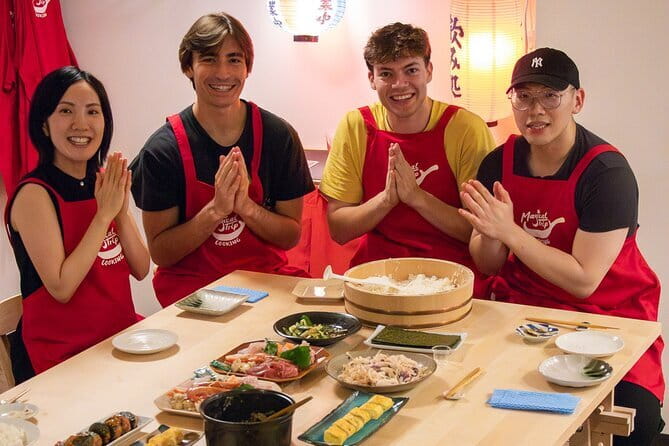
- Five dishes in one evening: You cook a full izakaya-style spread instead of focusing on a single recipe.
- A short supermarket stop: Choosing ingredients gives you a useful look at everyday Japanese shopping.
- Three drinks included: You receive three cans of alcoholic or soft drinks, with sake and beer among the possible choices.
- Small group format: The maximum is seven people, so the class should feel more personal than a large demonstration.
- Family-friendly with limits: Children from age six may attend, but knife and hot-stove work is reserved for ages 12 and over with parental supervision.
- Useful recipes for home: The dishes use ingredients you can find at home, making the lesson more than a one-night meal.
From Iriya meeting point to Japanese home cooking
The class begins at 5:30 pm outside the FamilyMart Iriya store in Taito City. The address is 2-chome 1-10 Shitaya, Tokyo 110-0004. You return to this same meeting point at the end, and the location is near public transportation.
Arrive early. This is a group activity, and the class starts on time. If you miss the group, you cannot join later, reschedule, or receive a refund. That rule is strict, but it matters more here than on a flexible sightseeing stop because the cooking, shopping, and meal are linked together.
The setting near Iriya also puts you away from the most obvious central Tokyo food zones. That is useful if you want an evening built around ordinary neighborhood life rather than a restaurant district designed for short visits. You are not simply shown a finished plate. You take part in the steps that lead to it.
The class lasts about three hours. That gives you enough time to prepare several dishes, eat what you make, try drinks, and ask questions without turning the evening into a rushed kitchen drill.
A few more Tokyo tours and experiences worth a look
Shopping for ingredients before the cooking starts
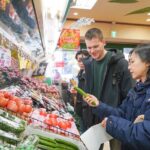
One of the more unusual parts of this experience is the shopping stop. You help choose ingredients before cooking, which makes the meal easier to understand. Instead of seeing miso, shiso, eggplant, or other items only after they have been prepared, you get a sense of what goes into a typical Japanese home meal.
This is also a useful feature for anyone hoping to repeat the recipes. The class focuses on ingredients that can be found at home, rather than relying only on rare products or specialized restaurant equipment. You may not leave with a formal recipe book, but the practical value is clear: you see what to buy and how the ingredients fit together.
The shopping portion may be especially helpful if Japanese supermarkets feel confusing. Packaging and labels can be hard to read, and a local guide can explain what you are choosing. Keep in mind that the exact shopping route and ingredients can vary, since the menu must work for the group and the available kitchen.
Five dishes, not just one cooking demonstration
The heart of the evening is a five-dish meal inspired by izakaya food. An izakaya is a Japanese drinking spot where small plates are ordered to share with beer, sake, or other drinks. The class brings that idea into a home-style setting.
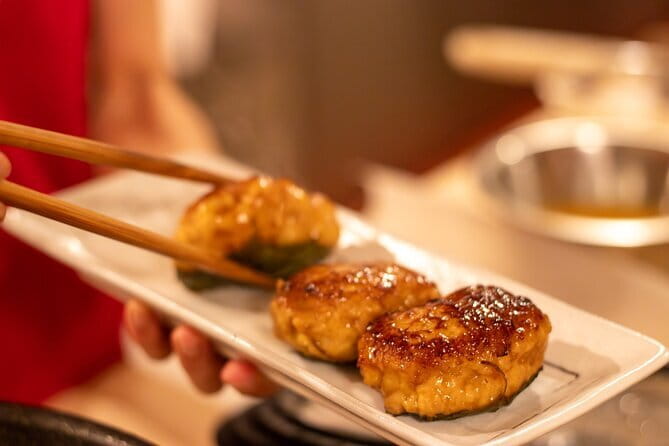
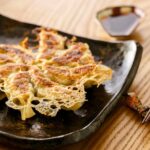
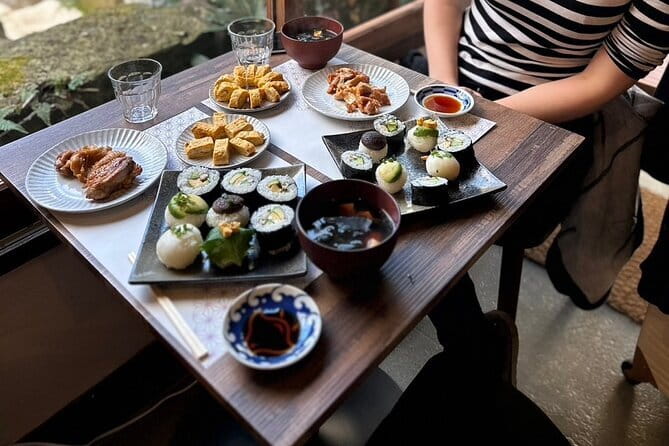
The dishes listed for the class include hand-rolled sushi, chicken balls with shiso leaves, eggplant with miso sauce, teriyaki chicken, and Japanese omelette. The precise combination may change based on dietary needs and the cooking plan, but the goal is a broad spread of flavors and techniques.
Hand-rolled sushi gives you a fun, hands-on start. It is less formal than restaurant sushi and fits the casual izakaya mood. You learn how to assemble and roll it yourself, which makes this part accessible even if your sushi experience is limited.
Chicken balls with shiso leaves introduce a distinctly Japanese herb flavor. Shiso has a fresh, slightly sharp taste that can be new to many people. It is the sort of ingredient that gives the class a local character without making the dish impossible to recreate.
Eggplant with miso sauce shows how a simple vegetable can become a satisfying small plate. Miso adds salt and depth, while eggplant takes on a soft texture during cooking. This is a good dish for understanding how Japanese cooking can build flavor without a long ingredient list.
Teriyaki chicken is familiar to many diners outside Japan, but preparing it from the start helps you understand the balance of sweet and savory flavors. It is also one of the easiest recipes to take home and make for friends.
Japanese omelette adds a different cooking skill and rounds out the meal. An omelette may sound basic, but timing and texture matter. The instructor guides you through the process, so beginners have a clear task rather than being left to guess.
The class is designed for all cooking levels. You do not need to arrive with Japanese cooking experience, and the recipes are meant to be useful beyond the evening. At the same time, experienced cooks may find the value in the ingredient choices, small techniques, and explanations from the guide.
Cooking, sipping, and eating at the same table
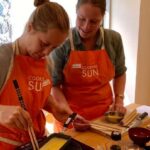
This is not a lesson where you cook and then watch someone else take away the food. You eat the dishes you prepare, turning the class into a complete dinner.
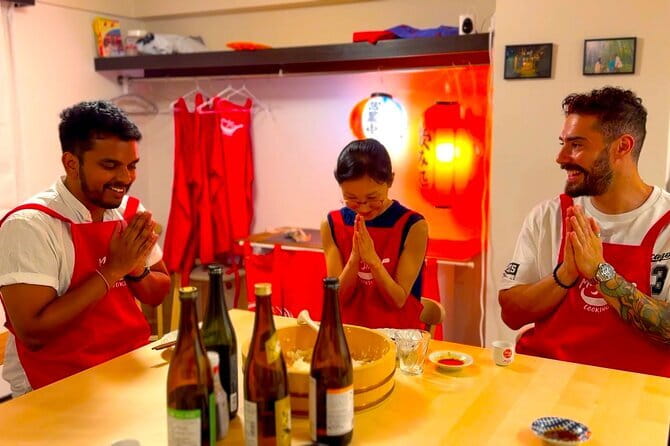
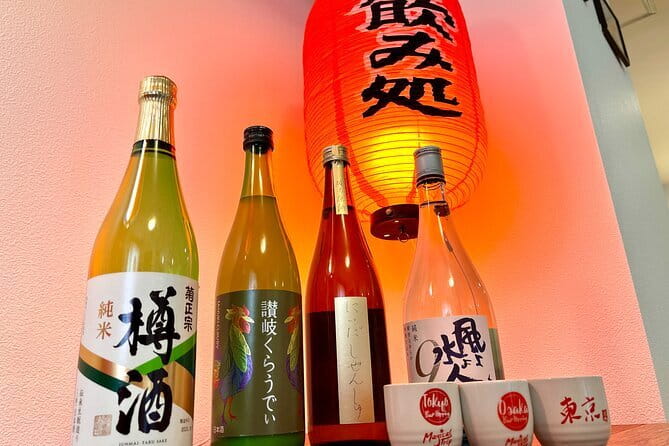
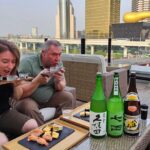
Three cans of alcoholic or soft drinks are included. Depending on availability and your age, these can include Japanese beer, sake, or nonalcoholic drinks. The class specifically presents the meal as food for a Japanese nomikai, or home drinking gathering, so the drinks are part of the experience rather than an afterthought.
Alcohol is available only to people aged 20 and over, as required by Japanese law. If you do not drink, the included soft drinks let you take part without paying for something you cannot use. Additional food and drinks are not included, so budget separately if you want more after the three provided cans.
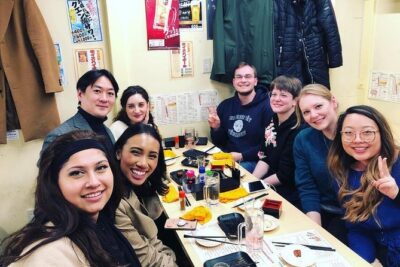
I like this format for couples, friends, and solo visitors. Cooking gives you something to do right away, which makes conversation easier than sitting silently at a table with strangers. The maximum group size is seven, though the class may include other participants, so expect a shared activity rather than a private lesson.
The guides are an important part of the evening. Alice is specifically praised for making a family’s night enjoyable, while Fuji is noted for explaining each step clearly. Since guide assignments can vary, you should not book expecting one particular person, but the available feedback points to a warm, capable teaching style.
What makes the experience useful after Tokyo
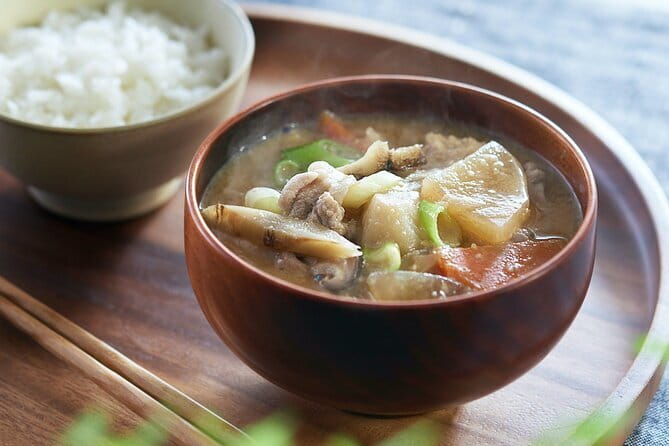
A good cooking class gives you more than a meal. This one aims to send you home with recipes for casual gatherings. Teriyaki chicken, Japanese omelette, eggplant with miso, sushi rolls, and chicken dishes can all work at a home party, and none requires you to recreate a restaurant kitchen.
The class also shows how Japanese meals are often built from several modest plates. Instead of one large centerpiece, you prepare different tastes and textures. That gives you a better feel for izakaya dining than a single sushi-making lesson would.
The included photos are another small benefit. You receive tour photos, which can preserve the evening and may help you remember how the dishes were arranged. Do not confuse this with a take-home culinary kit or a formal professional course. The strongest value is the live guidance and the chance to practice.
The class has received a perfect five-star rating from 70 submitted ratings, with full recommendation from those assessments. That does not remove the need to check the food restrictions, but it supports the idea that the main strengths are the hosts, the fun pace, and the easy-to-repeat recipes.
Other cooking classes in Tokyo

Price and practical value at $79.28
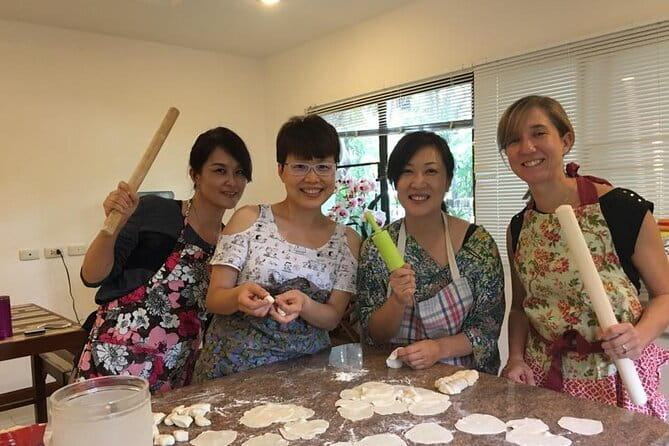
At $79.28 per person, this is not the cheapest dinner in Tokyo. You are paying for more than ingredients, though: a three-hour hosted activity, shopping, instruction, dinner, three drinks, photos, and a small group capped at seven.
The value works best if you want an activity, not simply a meal. Five dishes and dinner can make the price reasonable compared with booking separate food tastings, especially because the evening includes direct cooking time and a guide. If you only want to eat Japanese food, a local izakaya will cost less and offer a wider menu.
The shopping experience strengthens the value for home cooks. You are not only tasting Japanese food, you are learning what to buy and how to use it. That makes the class a good choice during the middle of a Tokyo trip, when you want a slower evening and a break from moving between major sights.
The class is also a practical rainy-day or hot-weather option. In summer, Tokyo can be very hot and humid, so bring water and wear a hat for the outdoor portion. Once the cooking begins, the activity is centered indoors, but the walk and shopping stop still require attention to the weather.
Food restrictions, children, and mobility concerns
Vegetarians are welcome, and the organizers can arrange the ingredients and cooking process for a vegetarian participant. You should still explain your needs at booking and confirm what can be changed.
This class is not available for vegans or people following a gluten-free diet. Allergy-free food cannot be guaranteed because the dishes are prepared in kitchens that do not belong to the activity provider. Substitutions may not always be possible, so anyone with a serious allergy should treat this as a major limitation.
The menu is also reduced if you cannot eat certain core ingredients. If you do not eat meat and eggs, the five dishes become three. If you eat meat but not eggs, the menu becomes four dishes. That may still be worthwhile, but the price should be considered in light of the smaller meal.
Children age six and older may join. Knife work and cooking with heat are allowed only for ages 12 and above, under a parent or guardian’s supervision. A kids’ playroom is available, which gives families some flexibility, but younger children may not take part in every cooking step.
The activity is not recommended for people with mobility issues. If walking is difficult, a private tour is recommended instead. The exact amount of walking is not stated, but the meeting, shopping, and cooking format means you should be comfortable moving between locations and standing during kitchen work.
Who should book this evening class?
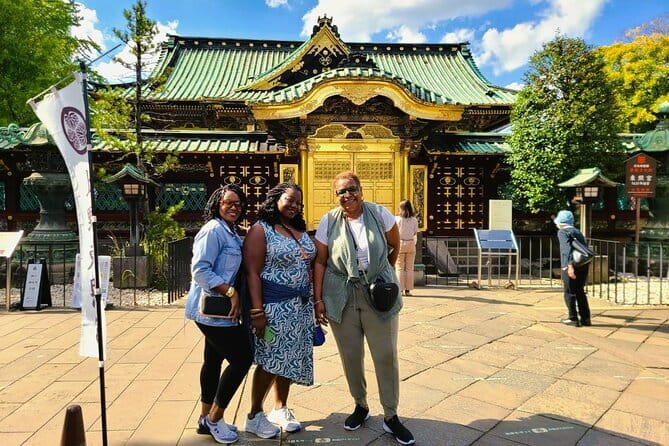
I would choose this class for you if you want to meet people through a shared activity, enjoy casual Japanese food, and like the idea of making dinner instead of only ordering it. It is especially well suited to couples, families with older children, friends, and solo visitors who want a social evening.
It also fits home cooks who want recipes they can repeat. The class does not depend on advanced technique, and the guides explain the steps as you go. Fuji’s clear instruction and Alice’s friendly hosting are good examples of the personal touch you can expect from the teaching team.
I would look elsewhere if you need a private class, strict allergy control, vegan or gluten-free food, or a menu built around avoiding meat and eggs. It is also a poor fit if you dislike group activities, cannot arrive on time, or want a quiet restaurant dinner without any kitchen work.
Free cancellation is available if you cancel at least 24 hours before the 5:30 pm start time. Changes or cancellations inside that window are not accepted, so make your plans carefully.
FAQ
Where does the Tokyo cooking class begin?
The class meets outside the FamilyMart Iriya store at 2-chome 1-10 Shitaya, Taito City, Tokyo 110-0004. It is near public transportation.
What time does the class start?
The start time is 5:30 pm. You should arrive early because late arrivals cannot join the group, reschedule, or receive a refund.
How long does the cooking experience last?
The activity lasts about three hours and ends back at the original meeting point.
How many people can join the class?
The maximum group size is seven people. Other participants may join, so this is not automatically a private cooking lesson.
Are drinks included?
Yes. Three cans of alcoholic or soft drinks are included. Alcoholic drinks, including sake, are available only to people aged 20 and over.
Can vegetarians, vegans, and people with food allergies join?
Vegetarians are welcome, with ingredients and cooking steps arranged as needed. The class is not available for vegans or people following a gluten-free diet, and allergy-free cooking cannot be guaranteed. If you cannot eat meat and eggs, the menu is reduced to three dishes. If you cannot eat eggs but can eat meat, it is reduced to four.
Should you book this Tokyo cooking class?
Book it if you want a friendly, hands-on evening with five Japanese home-style dishes, a short shopping stop, dinner, and three drinks included. The small group, practical recipes, and guides such as Alice and Fuji give the class a personal feel, while the izakaya theme makes it more distinctive than a basic sushi lesson.
Skip it if your diet is strict, mobility is limited, or you want a private experience. For everyone else, $79.28 buys a full evening rather than just a meal, and you leave with cooking ideas you can use long after your Tokyo visit.
More Night Tours in Tokyo


More Cooking Classes in Tokyo
More Tokyo Food Tours in Tokyo

More tours in Tokyo we've reviewed







Tokyo Food Tours, compared.
 ★ 5.0Tokyo: Shinjuku Food Tour (13 Dishes at 4 Local Eateries)From $86
 ★ 4.9Tokyo: Shinjuku Food Tour (15 Dishes and 4 Eateries)From $853 hours
 ★ 5.0Best of Shinjuku: Izakaya Food Tour (4 Stops, 14+ Tastings)From $92
 ★ 5.0Tokyo Night Foodie Tour in Shinjuku – Seasonal Sushi, Wagyu BeefFrom $111
 ★ 5.0Eat and Drink Like a Local: Tokyo Ueno Food Tour-Taverns&RamenFrom $95
 ★ 5.0Tokyo: Shibuya Food Tour (13 dishes and 4 Eateries)From $77