
Reviewed · JDM & CAR CULTURE
Tokyo: Daikoku JDM Car Meet & Night Car Culture Tour
Daikoku Parking Area is not simply a place to look at cars. It is a long night drive through Tokyo and Yokohama, with expressway views, car shops, rest stops, and a chance to see Japanese, European, and American machines gathered in one place. The main event is Daikoku PA, but the road there is part of the experience.
I especially like the small-group format and the guides’ genuine enthusiasm. Michael, Mori, Kareem, and Sasa are all praised for making the ride feel like a conversation with a serious car fan rather than a scripted sightseeing loop. I also like the choice of vehicles, from a JDM Legend car to a Performance Van or Premium Sports Sedan. The main consideration is simple: the cars you see depend on the night, weather, and police activity, so this is not a guaranteed parade of famous models.
In This Review
- Key points before you book
- Why this Tokyo car tour feels different
- From Shibuya to the expressway
- A PIT Autobacs in Koto
- Tatsumi Parking Area and the Tokyo expressway culture
- Arriving at Daikoku Parking Area
- The return route through Yokohama and central Tokyo
- Choosing the right vehicle and group size
- What the price gives you
- Weather, timing, and realistic expectations
- Who will enjoy this most
- Should you book the Daikoku night tour?
- FAQ
- Where does the tour start and finish?
- How long does the experience last?
- What places are included?
- Can I choose the vehicle?
- Is the tour suitable for families?
- Can I request a specific car at Daikoku?
- What is the cancellation policy?
Key points before you book
- Daikoku is the main attraction: Spend about an hour at one of the Tokyo area’s best-known car gathering places.
- The drive is part of the tour: Cross Rainbow Bridge, pass Tokyo Tower, see Tokyo Skytree, and follow the Wangan and C1 expressways.
- A PIT Autobacs adds variety: Browse a major Japanese automotive store with parts, accessories, and car-related goods.
- Saturday usually offers the best chance of a large meet: Weekday outings can still be rewarding, but the size and mix of cars changes.
- Small groups keep the ride personal: The maximum is 10 people, with private and family-friendly options available.
- Expect a real car scene, not a movie set: You may see remarkable cars, but the atmosphere can also be quiet and relaxed.
Why this Tokyo car tour feels different
Many Tokyo tours keep you in the city center, moving between temples, shopping streets, and observation decks. This one takes you onto the expressways after dark, where the city is viewed through a car window and the route itself becomes part of the story.
You meet in Shibuya, close to the well-known Dōgenzaka area, then settle into the selected vehicle. The choices include a JDM Legend car, a Performance Van, or a Premium Sports Sedan. The exact vehicle matters more here than it would on a standard sightseeing tour. You are not only being transported. You are spending several hours around people who care about engines, design, tuning, racing culture, and the cars that make Japan’s roads distinctive.
The guides are a major part of the value. Michael is often praised for his easy conversation, engineering background, and ability to explain both cars and daily life in Tokyo. Mori is known for strong JDM knowledge and a warm style. Kareem and Sasa also lead outings, bringing their own interests and energy to the evening.
That personal element helps if you want to ask questions. You can talk about Nissan Skylines, Mazda RX-7s, Japanese performance history, European cars in Japan, or the difference between social media images and the real car scene. If you are not deeply into cars, the guide can also point out city sights and explain what you are seeing along the route.
A few more Tokyo tours and experiences worth a look
From Shibuya to the expressway
The pickup point is at 2-chōme-29-8 Dōgenzaka Center Building in Shibuya, Tokyo 150-0043. It is near public transportation, but give yourself extra time. Traffic can make even a short trip across central Tokyo slow, especially after work.
The route begins with city views around Roppongi Hills Mori Tower. This is one of Tokyo’s most recognizable high-rise districts, packed with major companies, upscale shops, and restaurants. You may not stop there, but seeing it from the road helps set the scene before the tour moves away from central Tokyo.
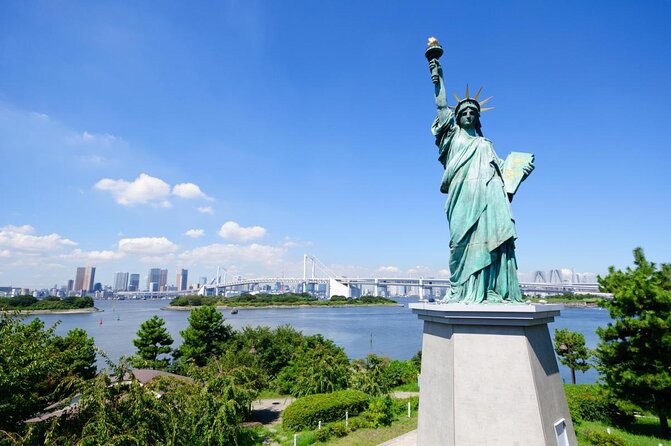
The first major visual moment is Rainbow Bridge. At night, the bridge gives you a broad view over Tokyo Bay and Odaiba, the man-made island with shopping, residences, leisure attractions, and the unusual Fuji TV building. The viewpoint is different from what you get on foot or by train because you are crossing the bridge as part of a moving road journey.
I like this part because it gives the tour some balance. You are not spending the full evening staring at parked cars. You are also seeing Tokyo as a working city of highways, tunnels, bridges, ports, and illuminated towers.
A PIT Autobacs in Koto
The first scheduled stop is A PIT Autobacs in Koto. The timing allows roughly 25 minutes for the ride there and about 25 minutes at the store, for a total of around 50 minutes.
A PIT Autobacs is the flagship branch of a major Japanese automotive retailer. It is a practical stop, not a museum. You can browse car accessories, parts, merchandise, and other items connected to Japanese car culture. The store may also have interesting cars on display or nearby, giving you an early look at the sort of machines you may encounter later at Daikoku.
This stop works especially well if you enjoy car shopping, design, or the everyday side of the scene. It shows that Japanese car culture is not limited to rare sports cars at a nighttime meet. It also includes the shops, products, maintenance interests, and customization choices that support the hobby.
The drawback is time. About 25 minutes is enough for a look around, but not for a slow, detailed shopping trip. If you are hoping to buy several items, keep an eye on the clock. This is one stop within a longer route, not the main destination.
Tatsumi Parking Area and the Tokyo expressway culture
After A PIT Autobacs, the group makes a quick hop to Tatsumi No. 1 Parking Area near Hakozaki. The planned timing is about 10 minutes on the road and 15 minutes at the rest area.
Tatsumi is a smaller gathering point than Daikoku. Car fans use it as a place to stop while making loops on the highway, and its importance comes partly from that connection to Tokyo’s expressway culture. You may see interesting vehicles, but the number and type can vary greatly.
The short stop is useful because it gives you a second reference point. Daikoku can feel large and famous, while Tatsumi shows a more casual side of people stopping, looking at cars, and continuing their drive. If the weather is poor, the group may stay only briefly.
The route toward Daikoku includes views of Tokyo Skytree along the Furukawa Line. The tower is one of the tallest structures in the world, and seeing it from the moving car gives you another angle on the city. The tour also passes through tunnels beneath Haneda Airport runways. If timing and conditions are right, you might see aircraft taxiing above as you enter the tunnels.
These moments do not replace the car meet, but they make the outing feel like a proper night ride rather than a simple transfer between parking areas.
Arriving at Daikoku Parking Area
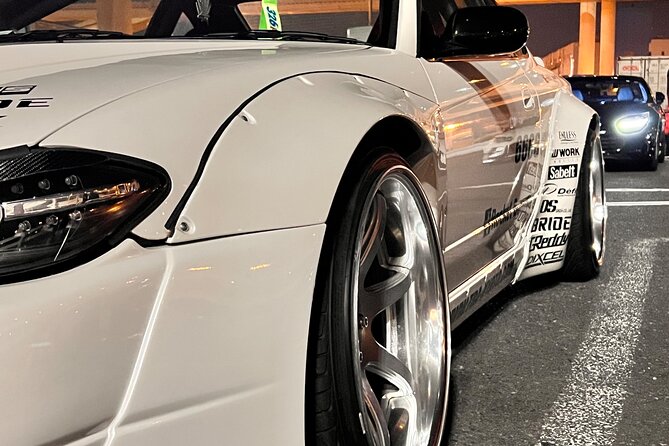
The trip from the earlier stops to Daikoku includes about 40 minutes of conversation-filled driving and roughly 60 minutes at the parking area. You reach it via the Wangan Highway, the long expressway linking Tokyo and the Yokohama area.
The approach is part of the fun. Just before Daikoku, you can see Yokohama Bay Bridge, the Yokohama skyline, and the port. Cruise ships may also be visible, since Yokohama is a major cruise stop.
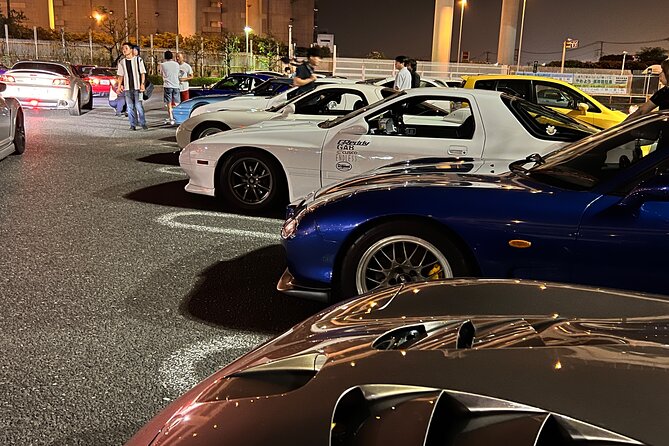
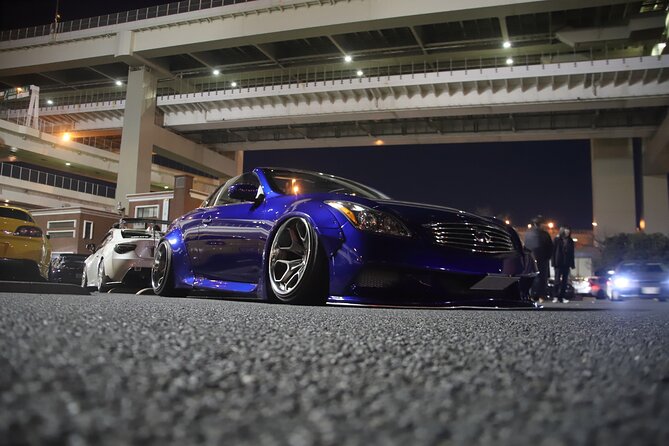
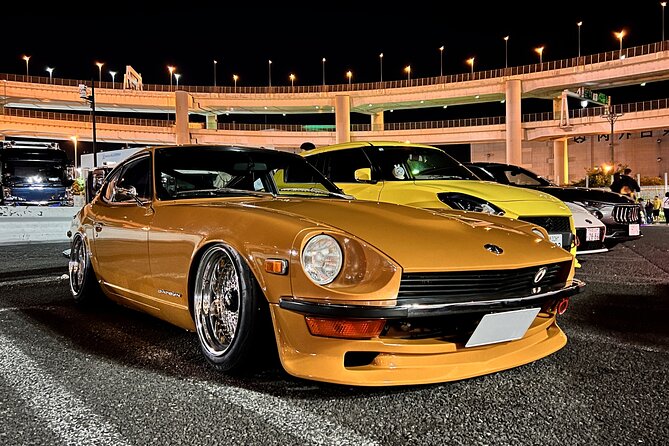
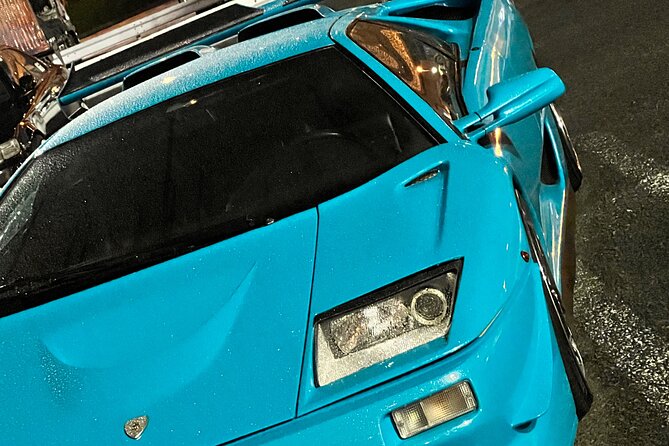
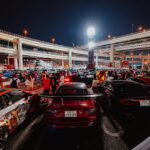
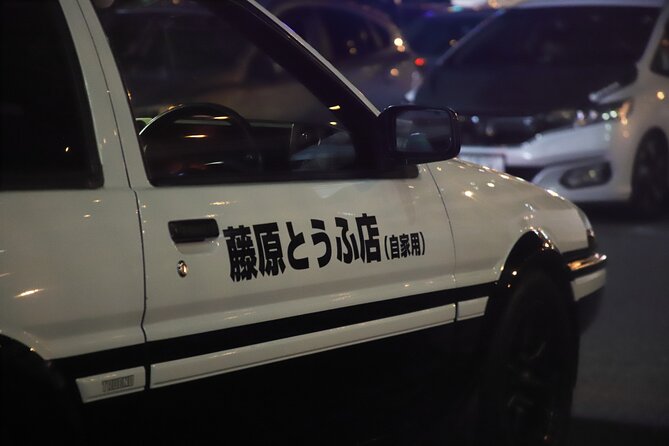
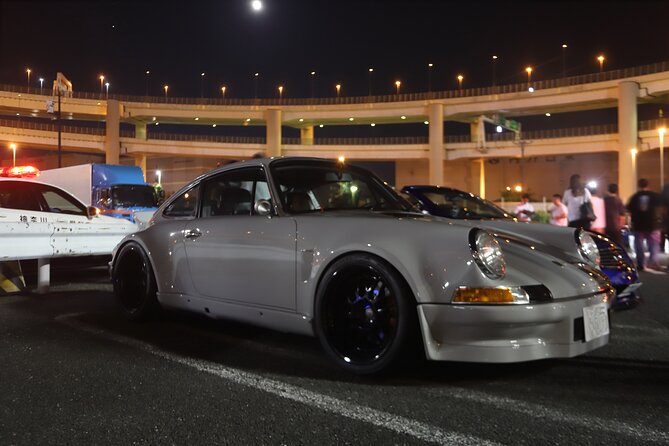
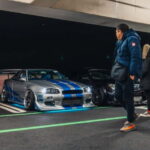
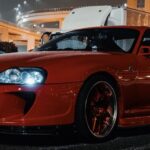
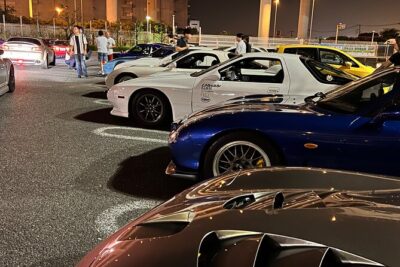
At Daikoku, the car mix can include classic Japanese models, modern performance cars, luxury vehicles, highly modified builds, European cars, and occasional American cars. You might see a machine you recognize from Japanese performance culture, but specific models cannot be promised. The meet changes from night to night.
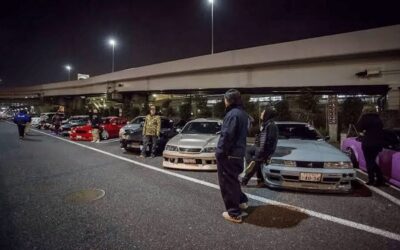
Saturday is generally the strongest choice if your schedule allows it. Several outings have found a large weekend crowd, sometimes with more than 100 cars present. Tuesday, Wednesday, and Sunday can still produce a good mix, but the atmosphere may be quieter.
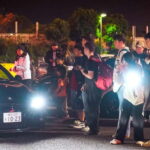
The scene is also less theatrical than films and social media suggest. You may see stunning cars, but you may just as often find owners chatting, checking out other vehicles, and enjoying a relaxed stop. That is not a flaw. It is useful to know before you book, because the real appeal is seeing a genuine local car gathering, not watching a staged show.
There is also a practical uncertainty. Police may close the parking area, particularly when a large gathering gets out of hand. If that happens, the changing plan can become part of the night, with another stop or viewing opportunity used instead. Still, a closure means you should not treat entry to Daikoku as guaranteed.
A few more Tokyo tours and experiences worth a look


The return route through Yokohama and central Tokyo
The return drive offers more than a ride back to Shibuya. You get views of Yokohama’s Minatomirai area, the city skyline, and Yokohama Port. The nighttime setting makes the port and high-rises feel quite different from the daytime tourist view.
Crossing Rainbow Bridge again from the Odaiba side gives you one of the best road-level views of Tokyo. The tour also passes Tokyo Tower from the C1 Loop expressway, another memorable sight that is difficult to experience in quite the same way from a train.
The listed return segment takes about 45 minutes, though the full experience is advertised at approximately 3 to 4 hours. Traffic, weather, stops, and the night’s car activity can affect the exact timing. The activity ends back at the Shibuya meeting point.
I would not book this mainly as a sightseeing transfer. You can see Tokyo Tower, Skytree, Rainbow Bridge, and Yokohama, but the views arrive quickly through the car windows. The value lies in combining those sights with the car culture route.
Choosing the right vehicle and group size
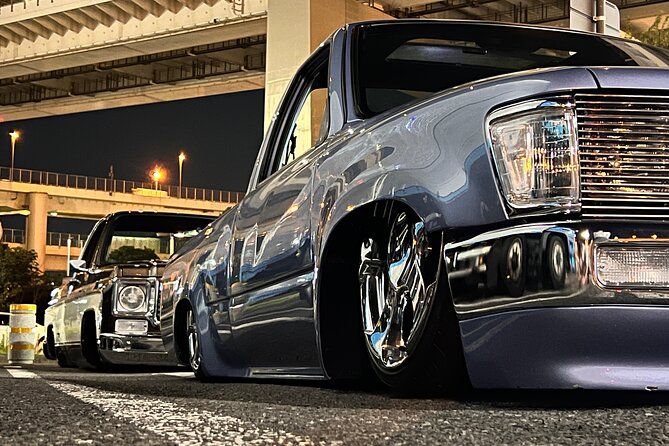
The vehicle choice can shape your experience. A sports sedan offers a comfortable ride with performance character. The Performance Van is the sensible option for groups of four or five, and the operator specifically asks groups of that size to book it. The JDM Legend option is likely to appeal most strongly to someone who wants the car itself to be part of the attraction.
The operation uses two luxury vans with comfortable room for five and a maximum capacity of six. For larger bookings, or when vehicle space requires it, a group or pair may be split during the driving portions. The overall maximum is 10 people.
That is worth checking before you pay, particularly if your main reason for booking is to ride together. Small-group tours usually feel more personal, but vehicle limits still apply.
Families can take part. A booster seat is available, and small foldable strollers may fit in the sedan or van depending on size. Most people can participate, but the RX-7 has tighter rear-seat limits. Rear seating is best for people under 170 centimeters and of slim build, with the front seat more suitable for someone under about 185 centimeters.
The guide language preference can be accommodated when possible, but it is not guaranteed. If that matters to you, ask before booking.
What the price gives you
At $99.49 per person, the tour is not the cheapest way to look at cars in Tokyo. You are paying for a 3 to 4 hour guided drive, vehicle, fuel, highway route, guide, and access to several car-related locations rather than one fixed site.
I think the price is fair for a car enthusiast who would otherwise struggle to reach Daikoku. The parking area is not a normal central Tokyo attraction, and the route involves multiple expressways and distant stops. The guide also adds value by explaining the cars and the culture around them.
The calculation is less favorable if you are only mildly curious and mainly want a guaranteed collection of famous models. A quiet night, rain, a police closure, or ordinary meet activity can make the main stop less dramatic. Food, drinks, and souvenirs are not included, so plan for those separately.
The strongest value comes when you treat the tour as an evening of conversation, road views, and changing car culture. You are buying access and context, not a fixed display.
Weather, timing, and realistic expectations
Good weather is required, and poor weather can lead to a new date or a full refund. Conditions also affect how long you want to stay outside at Tatsumi or Daikoku.
The time of year and day of the week matter. Saturday night usually gives you the best chance of a busy meet. Weekdays may be calmer, though several outings have still found plenty to see. If your schedule only allows Tuesday or Wednesday, I would not rule it out. Just expect more variation.
Try to arrive early at the Shibuya meeting point. After-work traffic can cause delays, and missing the departure would be an expensive mistake. Mobile tickets and booking confirmation make the check-in process straightforward, but the meeting address is specific, so confirm it before setting out.
The cancellation terms are strict inside 24 hours. You can cancel at least 24 hours before the start time for a full refund. Cancellations or changes made within 24 hours are not refunded or accepted.
Who will enjoy this most
This is an easy choice for a serious JDM fan, especially if you are interested in Skylines, RX-7s, Japanese tuning, highway culture, or the difference between a real local meet and an online fantasy version of one.
It also suits parents traveling with car-loving teenagers, adult children, or a partner who wants a different view of Tokyo. The guide-led format gives non-experts a way into the subject, although someone with no interest in cars may find the long drive and parking-area discussions slow.
I would choose the private option for a family or a group of friends who want to shape the conversation. A shared small group is better value if you enjoy meeting other car fans.
Should you book the Daikoku night tour?
Book it if you want a road-based view of Tokyo, direct conversation with a car specialist, and a realistic chance to see Japanese car culture away from the usual sightseeing circuit. The mix of A PIT Autobacs, Tatsumi, Daikoku, Rainbow Bridge, Yokohama, and Tokyo Tower makes the evening varied.
Skip it if you need specific cars, a guaranteed large meet, or a polished show with constant action. The scene can be quiet, weather can interfere, and Daikoku may close.
For the best odds, choose a Saturday, arrive early in Shibuya, pick your vehicle carefully, and keep your expectations grounded. If that sounds right, MisiuJDMX offers one of the more personal ways to spend an evening around Tokyo’s car culture.
FAQ
Where does the tour start and finish?
The tour starts at Japan, 150-0043 Tokyo, Shibuya, Dōgenzaka, 2-chōme-29-8 Dōgenzaka Center Building. It ends back at the same meeting point in Shibuya.
How long does the experience last?
The tour lasts approximately 3 to 4 hours. The timing can vary with traffic, weather, stops, and conditions at the car meets.
What places are included?
The representative route includes A PIT Autobacs, Tatsumi No. 1 Parking Area, and Daikoku Parking Area. Some days, Tatsumi or Autobacs may be replaced by Umihotaru or Gaienmae, but every experience visits Daikoku.
Can I choose the vehicle?
Yes. Available choices include a JDM Legend car, Performance Van, or Premium Sports Sedan, based on the selection you book.
Is the tour suitable for families?
Yes. Family-friendly options are available, a booster seat is provided, and small foldable strollers may fit in the sedan or van depending on their size.
Can I request a specific car at Daikoku?
No specific car sightings can be guaranteed. The vehicles present change with the day, weather, and other conditions.
What is the cancellation policy?
You can cancel at least 24 hours before the experience start time for a full refund. Cancellations or changes made less than 24 hours before the start time are not refunded or accepted. If poor weather cancels the tour, you will be offered another date or a full refund.
More Evening Experiences in Tokyo
More Night Tours in Tokyo
More JDM & Car Culture in Tokyo
More tours in Tokyo we've reviewed











JDM & Car Culture, compared.
 ★ 4.7FAST&FURIOUS EXPERIENCE Tokyo Car Club membershipFrom $138
 ★ 4.8GT-R35 800hp Club Membership – secret underground car meetFrom $205
 ★ 4.8Tokyo: Fast & Furious Tokyo Drift 3 Experience (Kaila Yu SP)From $157
 ★ 4.8Tokyo: Daikoku JDM Car Meet & Night Car Culture TourFrom $984 hours
 ★ 4.8Secret Car Meet: R34 Skyline Car Club MembershipFrom $236
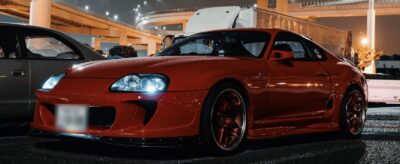 ★ 4.7Tokyo Drift: Daikoku PA Supreme Car Experience 大黒PAFrom $583 hours