
Reviewed · JDM & CAR CULTURE
Tokyo: Daikoku JDM Car Meet & Night Car Culture Tour
Tokyo’s Daikoku car scene is not a movie set. It is a real meeting place where tuned Japanese cars, European exotics, American models, and ordinary enthusiasts share the same rest stop. This four-hour evening tour gives you a practical way to reach it, with a guide who can explain what you are seeing instead of leaving you to wander around confused.
I like two things here. First, the route makes the drive part of the experience, with Rainbow Bridge, Tokyo Tower, Tokyo Skytree, Haneda, and the city lights passing by the windows. Second, the guides, including Michael, Mori, Jason, Karim, and Julian, bring real car knowledge and keep the evening friendly and safe. The main catch is simple: the cars cannot be guaranteed, and Daikoku Parking Area can close without notice.
In This Review
- Key points to know before you book
- What the Daikoku tour really offers
- Starting in Shibuya and heading onto Tokyo’s fast roads
- Rainbow Bridge gives the tour its postcard moment
- APIT Autobacs is the easiest stop to enjoy
- Tatsumi First PA shows the everyday side of the scene
- Daikoku Parking Area is the reason to go
- The ride matters more than you might expect
- Your guide can make or break the night
- When to book for the best car activity
- Is $98 a fair price?
- Who should book this night out?
- FAQ
- How long does the Daikoku JDM car tour last?
- Where does the tour start?
- Is Daikoku Parking Area always open?
- How long do you spend at Daikoku Parking Area?
- Are specific cars guaranteed?
- Which other places can the tour visit?
- What vehicles are used?
- Is food included?
- What should I bring, and who cannot join?
- Should you book the Daikoku tour?
Key points to know before you book
- Daikoku PA is the main event: You usually get about an hour at Japan’s best-known car-meet location.
- APIT Autobacs is more than a shop: Allow about 25 minutes for tuning parts, car goods, memorabilia, and display vehicles.
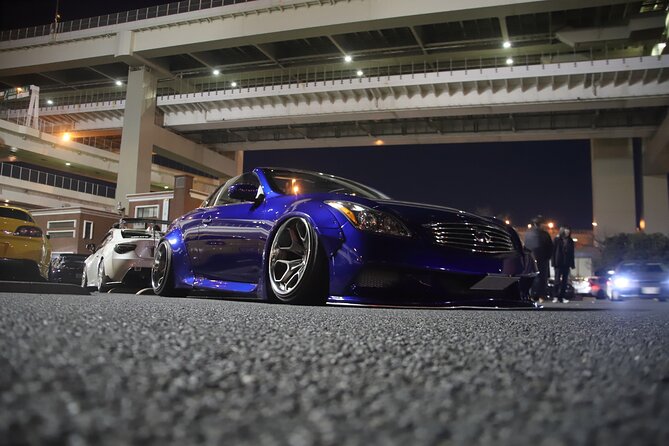
- Night brings the best atmosphere: Rainbow Bridge and Tokyo’s illuminated skyline add a strong visual bonus.
- The tour is flexible by design: Weekend timing, traffic, weather, and meet activity can change the route.
- Vehicles vary: You may ride in a van, sedan, Nissan Skyline, RX-7, Lexus LS, or another selected JDM, European, or luxury vehicle.
- This is a legal car culture tour: Expect conversation, parked cars, and respectful driving, not street racing or drifting.
What the Daikoku tour really offers
The tour is aimed at people who have seen Tokyo car culture in Tokyo Drift, Initial D, Wangan Midnight, racing games, or Japanese tuning magazines. It also works for curious visitors who simply want an evening away from temples, shopping streets, and observation decks.
The difference is that you are not only being driven to a car park. You are given context along the way. Guides explain the cars, the roads, the city, and the culture around the meets. Several guides have received especially strong praise for their warmth and clear explanations, with Michael often singled out for his broad understanding of Japanese car culture and Mori for his relaxed, informative style.
The atmosphere is enthusiastic but not lawless. The tour does not promise tire smoke, illegal racing, or staged rev battles. Cars arrive, park, and get admired. That may sound less dramatic than a film, but it is closer to the real thing and far more appropriate in Japan.
A few more Tokyo tours and experiences worth a look


Starting in Shibuya and heading onto Tokyo’s fast roads
The usual starting area is around Dogenzaka in Shibuya, near 2-chome-29-8 Dogenzaka, though your exact meeting point depends on the option you book. From there, you settle into the selected vehicle and head toward the expressway network.
This opening drive is part sightseeing and part orientation. You may pass Roppongi Hills, Tokyo Skytree, Haneda Airport, and other city sights as the route loops through Tokyo and Yokohama. At night, the roads become a moving view of the city rather than a series of formal sightseeing stops.
The roads are also important to the car culture. The tour uses famous urban routes, including the C1 loop according to one detailed account, but it does so responsibly. You are not signing up for a race or a high-speed driving demonstration. Guides describe the setting and keep the vehicle under control, which is exactly what you should expect from a professional experience in Japan.
Rainbow Bridge gives the tour its postcard moment
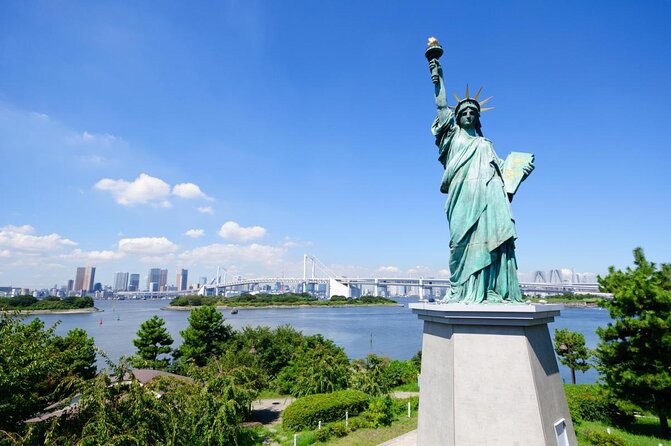
Rainbow Bridge is passed in both directions on the stated route, and it is one of the best visual parts of the evening. From the vehicle, you can see Tokyo’s lights spread around the water and across the skyline.
This is not a long photo stop, so keep your camera ready. The value lies in the combination: you are riding through the city at night, then heading toward a car meet outside the usual sightseeing circuit. For many people, that contrast is what makes the outing feel special.
The bridge also helps break up the car-focused schedule. If you are traveling with someone who is not a serious enthusiast, the skyline views and city drive give them something to enjoy too.
APIT Autobacs is the easiest stop to enjoy
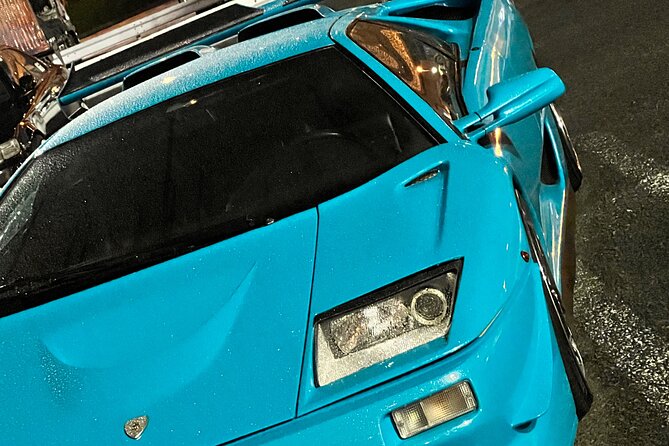
The first main stop is usually APIT Autobacs in Shinonome, with about 25 minutes to look around. It is a large automotive store filled with tuning parts, accessories, merchandise, memorabilia, and car-related displays.
You do not need to be building a Nissan Skyline to enjoy this stop. The shop provides a clear look at how car culture is sold and shared in Japan. You might find branded goods, parts you would not normally see at home, and display cars that are as interesting as the merchandise.
Twenty-five minutes is enough for a quick browse, but it may feel short if you want to examine every shelf. Bring a payment card and some restraint. One person described the store as so tempting that it was easy to spend too much money there. Food, drinks, and souvenirs are not included in the tour price, and purchases at APIT are your responsibility.
Tatsumi First PA shows the everyday side of the scene
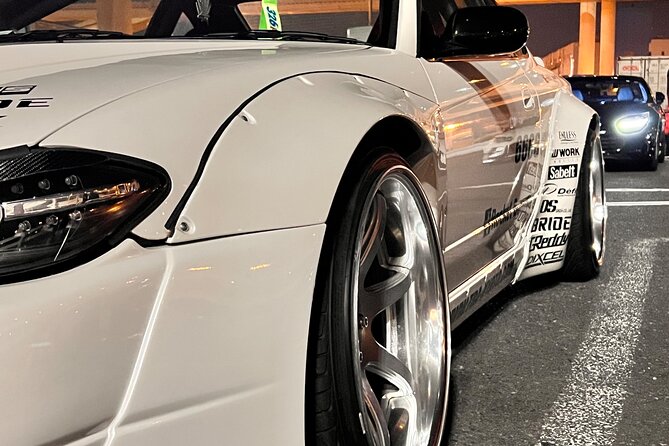
Tatsumi First Parking Area is scheduled for about 15 minutes. It is a shorter stop than Daikoku, but it can be useful because it shows another type of meeting place.
The atmosphere depends heavily on the day, time, and weather. You might find a handful of interesting cars, or a stronger gathering. The short visit also means you should treat it as a quick look rather than the main attraction.
The route can change, especially on weekends. The other possible car-related locations include Tatsumi, Umiharu, Autobacs, and Gaienmae, with at least three stops generally included and Daikoku part of the plan. If you have a particular location in mind, contact the provider before booking rather than assuming it will appear on the route.
A few more Tokyo tours and experiences worth a look


Daikoku Parking Area is the reason to go
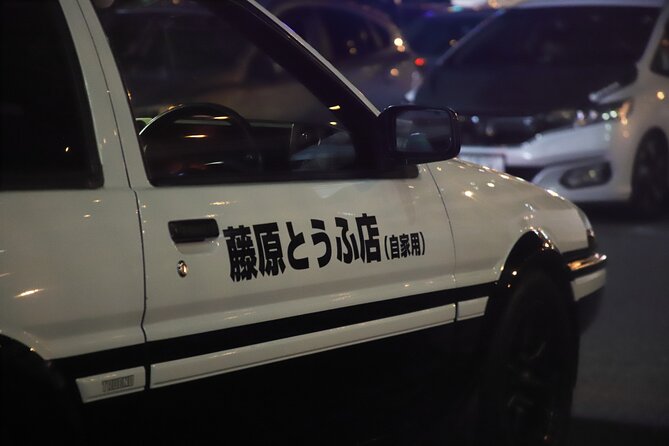
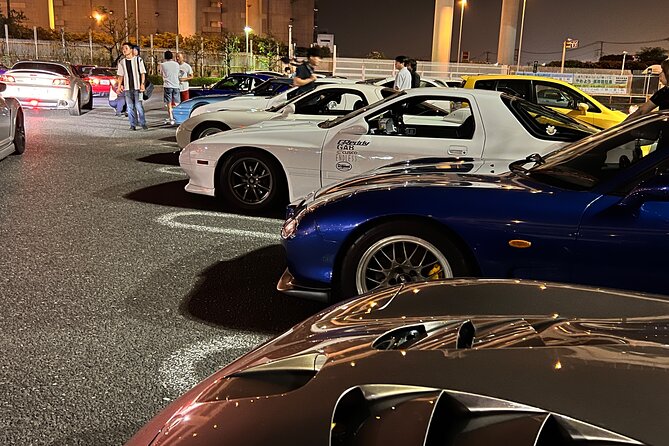
Daikoku PA is the centerpiece, with about one hour set aside when it is open. The parking area is a public rest stop, not a private car show, so the cars present are never fixed in advance.
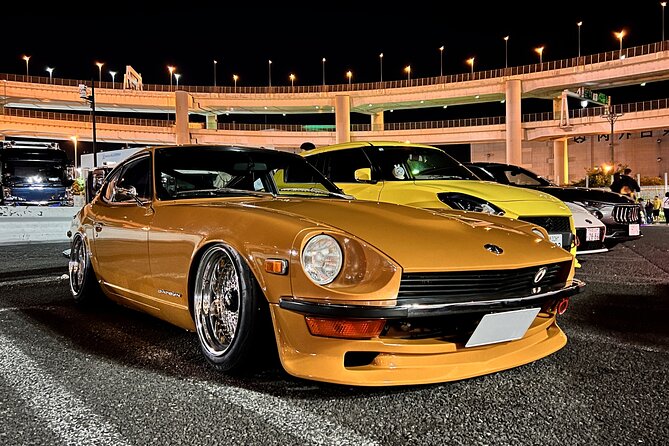
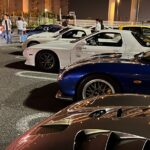
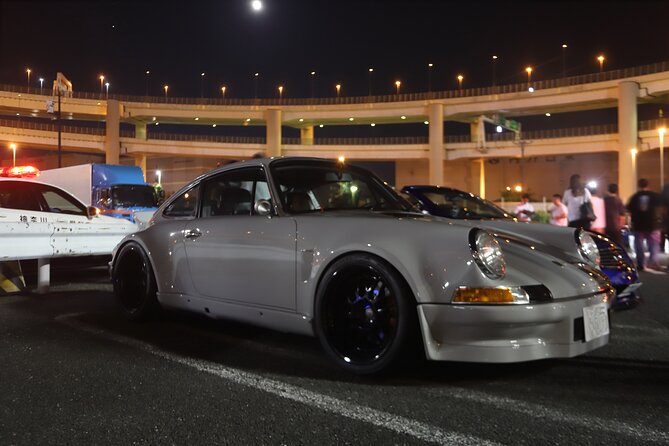
That uncertainty is part of the appeal. You may see generations of Nissan GT-Rs, older Skylines, tuned Japanese cars, German models, Ferraris, Lamborghinis, or something far less expected. One evening included an LFA arriving just before departure. Another included a busy Friday night with the lot nearly full.
You might also arrive during a quiet spell. There is no guarantee about the number, type, or quality of cars. The tour gives you access and local guidance, but it cannot control who comes to the parking area. If you need a guaranteed lineup of specific models, this is the wrong format.
When the scene is active, though, the setting can feel like a giant open-air car show. The key difference is that the cars belong to their owners, and the meet is a public community space. Look, take photos respectfully, and follow the guide’s instructions. Do not touch vehicles, block traffic, or treat the area as a stage for your own video.
Daikoku may close without notice. If that happens, the host adjusts the route and uses other locations or nearby roads to keep the evening worthwhile. This is a useful safeguard, but it cannot fully replace the main stop if Daikoku was your only reason for booking.
The ride matters more than you might expect
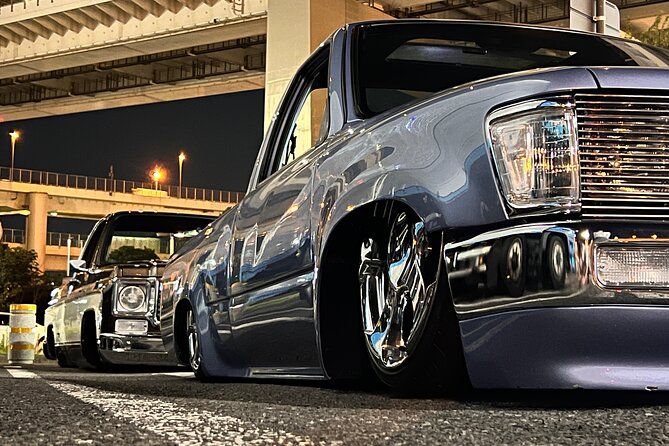
The vehicle depends on availability, group size, and the option selected. Possible rides include spacious vans, sedans, luxury cars, customized vehicles, and factory performance models. Past outings have included a Nissan Skyline, an RX-7, and a Lexus LS.
A sporty car can make the drive feel more personal, especially if you are a devoted JDM fan. One account described the RX-7 as a highlight, while another praised riding in a Skyline. But a van may be the better choice for a family or group that values space and easy conversation.
Do not book on the assumption that you will get a particular model unless the booking option clearly guarantees it. The vehicle may change, and a van group may be split between two vans if there are too many people or seats are limited.
The transport receives a 92 percent perfect score, and safety comes up repeatedly in the available feedback. Guides are described as careful drivers who still make the roads feel fun. That balance matters. You get the pleasure of being on Tokyo’s expressways without being pushed into reckless driving.
Your guide can make or break the night
The strongest part of the experience is the human side. The guides are car enthusiasts, and the lead host has more than 25 years of auto-industry experience with Japanese, European, and American brands.
Michael is a strong choice for detailed car and city explanations. Mori is often appreciated for his calm manner and ability to explain both Tokyo and the car scene. Jason has driven guests in an RX-7 and is praised for clear explanations and a safe driving style. Karim is noted for friendly conversation, good local context, and careful driving. Julian has been described as organized and generous with time at the stops.
Your assigned guide may be someone else, but English is the default language. Japanese, Polish, Italian, and German are also available when the appropriate guide is working. If you have specific language needs, ask before the tour date.
The small-group limit is 10 people. That is large enough to meet fellow car fans but small enough for direct conversation. If you are traveling with family, keep in mind that the experience is not suitable for children under five or wheelchair users. Children aged five to seven who need a booster seat require advance contact with the provider.
When to book for the best car activity
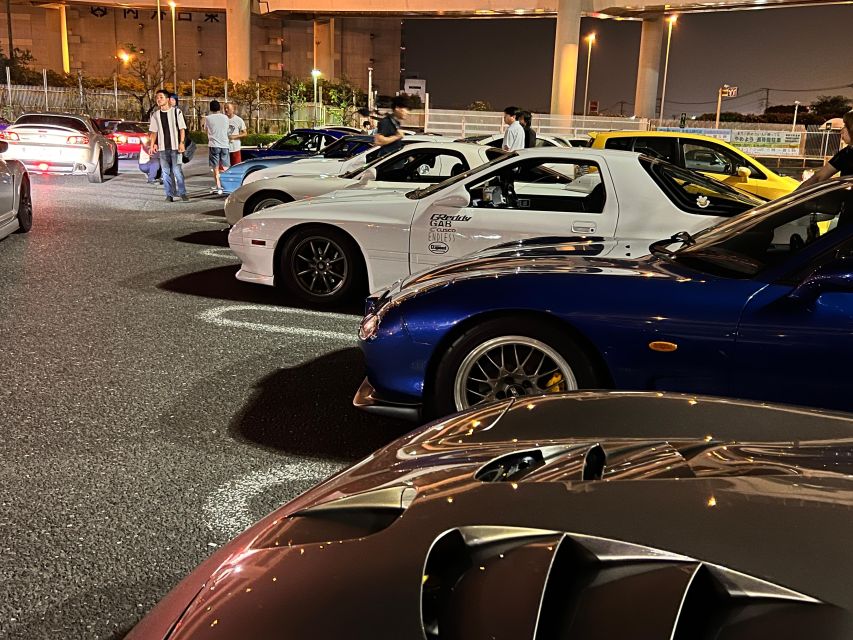
Friday and Saturday nights are a sensible choice if your priority is seeing a busy meet, although nothing is promised. One Friday evening had a nearly full Daikoku lot, and a Saturday outing was described as especially active.
Weekday tours can still work well. A Tuesday night produced a strong selection of tuned cars, and timing can matter as much as the day. The operator adjusts routes based on traffic and conditions, and the illustrated schedule applies to weekdays rather than every departure.
Night is the natural choice for the full effect. Tokyo’s bridges, towers, and expressways look better after dark, and the car-meet atmosphere generally suits an evening route. Daytime departures may be available, but they may not provide the same lighting or gathering activity.
Heavy rain can lead to cancellation for safety and enjoyment. Tours normally operate in most weather, so bring your passport or ID and dress for the conditions. The vehicle is not a place for smoking, alcohol, food, or drinks.
Is $98 a fair price?
At $98 per person, the tour is reasonably priced for four hours of transport, a small group, a specialist guide, city views, and access to several locations that are awkward to reach without a car.
You are not paying only for admission. Daikoku is a public rest stop, so the real value is the transport, timing, local knowledge, and route planning. Reaching Daikoku independently can be difficult, and simply arriving there does not explain the cars, the roads, or the etiquette.
The value is strongest if you are interested in Japanese cars, tuning, or automotive history. It is also a good gift for a teenager or adult who has grown up with racing games and JDM culture. One family found that even an eight-year-old enjoyed the evening, while a less dedicated car fan appreciated the Tokyo information and unusual change from standard sightseeing.
The value is weaker if you want a guaranteed supercar lineup, a long shopping session, or a chance to drive. You are a passenger, not a participant behind the wheel. The tour is about seeing, hearing, and discussing the scene.
Free cancellation is available up to 24 hours before departure, and you can reserve now and pay later. The meeting point and drop-off details vary by option, so check them carefully before setting your evening plans.
Who should book this night out?
Book it if you have a real interest in JDM cars, Japanese tuning, automotive design, or the roads featured in games and films. You do not need to identify every engine or know every Skyline generation. Curiosity is enough, especially because the guides explain what you are seeing.
It is also a smart choice for a car fan who has already done the major Tokyo sights. The drive adds a different view of the city, and the evening works well as a birthday surprise or a shared activity for parents and children old enough to take part.
Think twice if you dislike riding in a group, want a fixed itinerary, or need guaranteed accessibility. The schedule can shift because of traffic, weather, weekend conditions, or a closed parking area. The tour is best approached with flexible expectations and a camera ready for surprises.
FAQ
How long does the Daikoku JDM car tour last?
The tour lasts four hours. Starting times vary, so check availability for the date you want.
Where does the tour start?
One stated starting location is near 2-chome-29-8 Dogenzaka in Shibuya, at Toeido Building. The exact meeting point may vary by booking option.
Is Daikoku Parking Area always open?
No. Daikoku is a public rest stop and can close without notice. If it closes, the host changes the route and uses other suitable locations.
How long do you spend at Daikoku Parking Area?
The planned visit is about one hour when the parking area is open.
Are specific cars guaranteed?
No. The number and type of cars are not guaranteed. The meet is impromptu, so the selection depends on who arrives that day.
Which other places can the tour visit?
The route can include APIT Autobacs, Tatsumi First Parking Area, Umiharu, Gaienmae, and other city sights. The exact selection depends on the weekday or weekend schedule, traffic, and weather.
What vehicles are used?
Vehicles may include vans, sedans, JDM cars, European cars, luxury vehicles, customized cars, and factory performance models. The vehicle depends on availability and group size.
Is food included?
No. Food, drinks, and souvenirs are not included. Food and drinks are also not allowed inside the vehicle.
What should I bring, and who cannot join?
Bring a passport or ID card. The tour is not suitable for children under five or wheelchair users. Contact the provider before the date if a child aged five to seven needs a booster seat.
Should you book the Daikoku tour?
I would book this if the idea of seeing Tokyo through its car culture appeals to you. The combination of Rainbow Bridge at night, APIT Autobacs, a moving tour of the expressways, and an hour at Daikoku gives you more than a simple parking-lot visit.
Just keep the promise realistic. You may see spectacular cars, or you may arrive during a quieter period. You will not get illegal drifting or a movie-style street race. What you get is safer and more authentic: a guided look at a passionate community, with skilled hosts such as Michael, Mori, Jason, Karim, and Julian helping you understand the scene.
More Evening Experiences in Tokyo
More Night Tours in Tokyo
More JDM & Car Culture in Tokyo
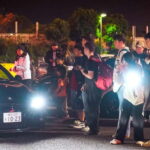
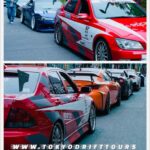
More tours in Tokyo we've reviewed











JDM & Car Culture, compared.
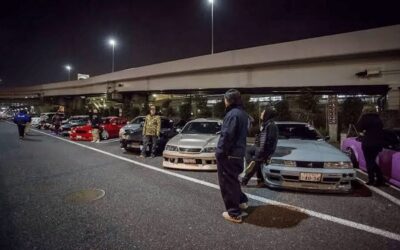 ★ 4.7FAST&FURIOUS EXPERIENCE Tokyo Car Club membershipFrom $138
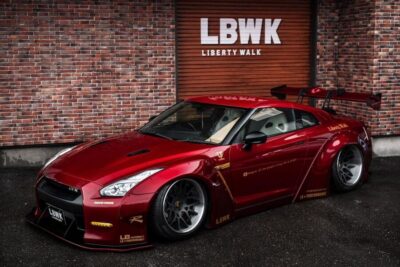 ★ 4.8GT-R35 800hp Club Membership – secret underground car meetFrom $205
 ★ 4.8Tokyo: Fast & Furious Tokyo Drift 3 Experience (Kaila Yu SP)From $157
 ★ 4.8Secret Car Meet: R34 Skyline Car Club MembershipFrom $236
 ★ 4.7Tokyo Drift: Daikoku PA Supreme Car Experience 大黒PAFrom $583 hours
 ★ 4.9Tokyo: Legendary JDM CAR Daikoku Underground MeetupFrom $824 hours