
Reviewed · PRIVATE
Tokyo Private Tour
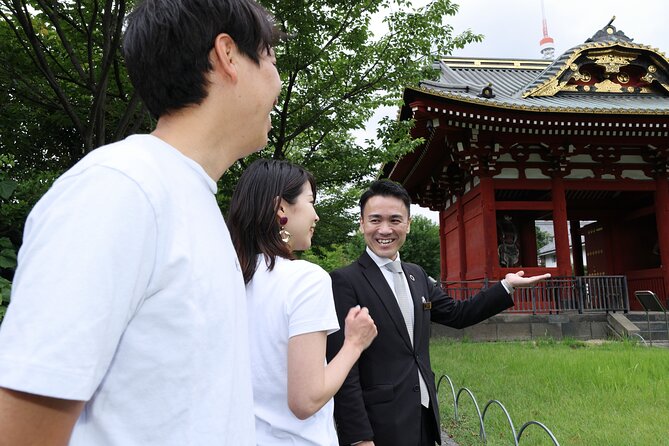
Tokyo is easiest to grasp when someone else handles the long jumps between neighborhoods. This private eight-hour tour takes you from Tsukiji and Ginza to Asakusa, Harajuku, and Shibuya, with a guide who can explain what you are seeing instead of leaving you to decode the city alone.
I like the private vehicle and hotel pickup, especially for families, older visitors, and anyone facing Tokyo’s summer heat. I also like the flexible guiding. Guides such as Riley, Tomoya, Soya, and Moe have adjusted routes, arranged restaurant bookings, added requested stops, and helped families with children and wheelchair needs.
The tradeoff is pace. Eleven stops in about eight hours means some visits are short, and Tokyo traffic can eat into sightseeing time. At $743.26 for a group of up to nine, the value improves sharply with a full group, but a couple may find trains and a self-guided plan cheaper.
In This Review
- Key points to know before booking
- Why this private Tokyo tour works for a first full day
- Tsukiji Outer Market and Hama Rikyu Gardens
- Ginza and the Imperial Palace
- Akihabara for electronics, anime, and games
- Senso-ji and the old side of Tokyo
- Omotesando, Harajuku, and Meiji Jingu
- Shibuya Crossing and the city at full speed
- Daikanyama and Nakameguro at a calmer pace
- Guides, comfort, and the private format
- Is $743.26 a good value?
- Who should book this Tokyo day tour?
- My recommendation
- FAQ
- How long does the Tokyo private tour last?
- How many people can join the private tour?
- Is hotel pickup available?
- Is transportation included?
- Does the vehicle have Wi-Fi?
- Are bottled water and snacks provided?
- Is lunch included?
- Is dinner included?
- Is admission to Hama Rikyu Gardens included?
- Can I cancel for a full refund?
Key points to know before booking
- Tsukiji still works as a food stop: The old wholesale market moved to Toyosu, but Tsukiji’s outer market remains full of restaurants and small shops.
- You cover a huge area: The route links Ginza, the Imperial Palace, Akihabara, Asakusa, Harajuku, Shibuya, and quieter Daikanyama.
- Your guide can shape the day: Previous guests worked with guides including Riley, Tomoya, Soya, Richie, Udi, Ryu, Aimi, Gen, Yosuke, Natsuno, and Moe.
- The vehicle changes the experience: Air conditioning, bottled water, snacks, Wi-Fi, and private transport make a hot or tiring day easier.
- The price is per group: Up to nine people can share the $743.26 cost, making this more attractive for families and larger parties.
- You get an overview, not a deep visit: Most stops last 15 to 60 minutes, so plan a second visit if one neighborhood catches your fancy.
Why this private Tokyo tour works for a first full day
Tokyo can feel like several cities stitched together. Tsukiji, Ginza, Akihabara, Asakusa, Harajuku, Shibuya, and Daikanyama each have their own pace and personality, yet they are spread across a large urban area.
This tour gives you a useful first look without asking you to master several train lines on your first morning. You ride in an air-conditioned vehicle, get hotel pickup, and have one guide focused on your group. That matters when someone in your party is tired, when the weather turns unpleasant, or when you want to stop for a particular meal or shop.
The format is especially useful for a family group. One family arranged wheelchair support for an older member, while another included people ranging from age six to 77. A guide named Tomoya also handled a restaurant reservation and a hedgehog cafe request. Those details show what private touring can do well: solve small problems before they become the day’s main story.
The tour is not a slow, scholarly examination of Tokyo. It is a broad first sweep. You see famous districts, get short explanations of Japanese customs and history, and can ask questions along the way.
Other private tours in Tokyo

Tsukiji Outer Market and Hama Rikyu Gardens
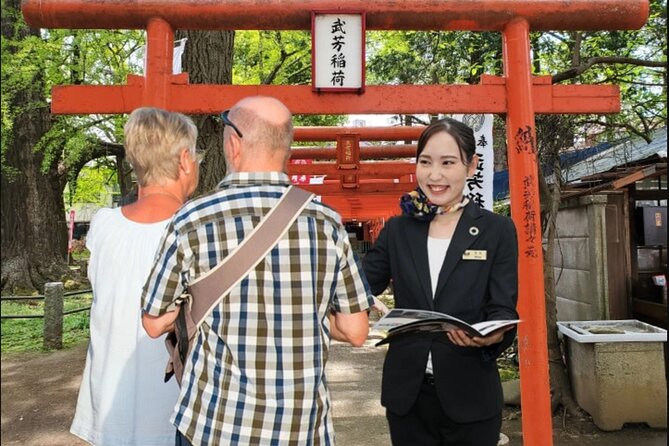
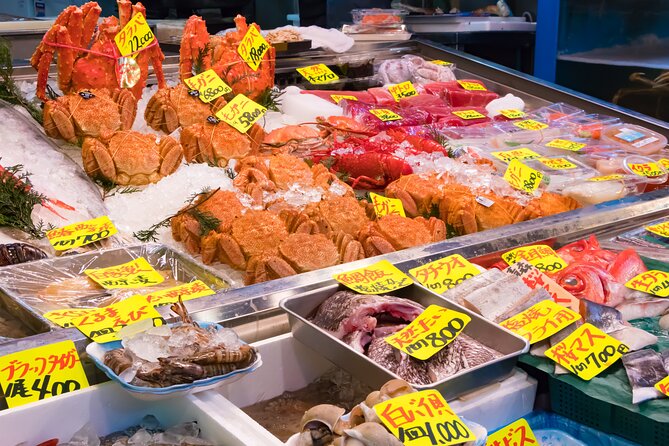
The day begins at Tsukiji Jogai Market, the outer market that remains after the main Tsukiji wholesale operation moved to Toyosu in 2018. You have about 40 minutes here, with no admission charge.
This is a good place to start because the market offers food shops, restaurants, and small stores selling interesting Japanese goods. You can look around without needing to enter a formal attraction. The short stop is enough for a first taste, but not enough for a leisurely food crawl, so keep your expectations in check.
Lunch is not included. If eating at Tsukiji is important to you, tell your guide early. The supplied experience details confirm that guides have helped arrange meals, but the tour does not promise a specific restaurant or meal.
Next comes Hama Rikyu Gardens, with about 40 minutes scheduled. The garden began as a feudal lord’s Tokyo residence and duck-hunting grounds between the 17th and 19th centuries, then changed use over time.
I like this pairing. Tsukiji gives you commerce and food, while Hama Rikyu offers a quieter setting and a look at Tokyo’s older courtly and feudal world. Admission is not included, so budget for the entrance fee. Forty minutes will let you enjoy the garden, but it will not cover every path.
Ginza and the Imperial Palace
Ginza receives about an hour, making it one of the longer stops. The district is known for boutiques, galleries, Japanese crafts, restaurants, and striking modern buildings.
You can use this time for photos, window-shopping, or a meal plan. Ginza is polished and expensive in places, so it is more useful for architecture, design, and atmosphere than for bargain hunting. If your interests lean toward traditional crafts, the district’s specialist shops may be more rewarding than its luxury labels.
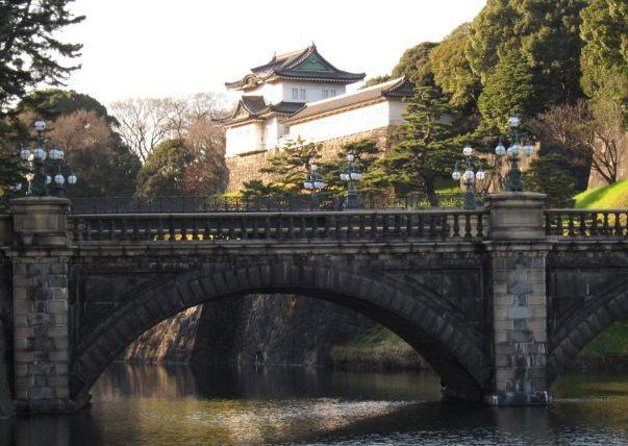
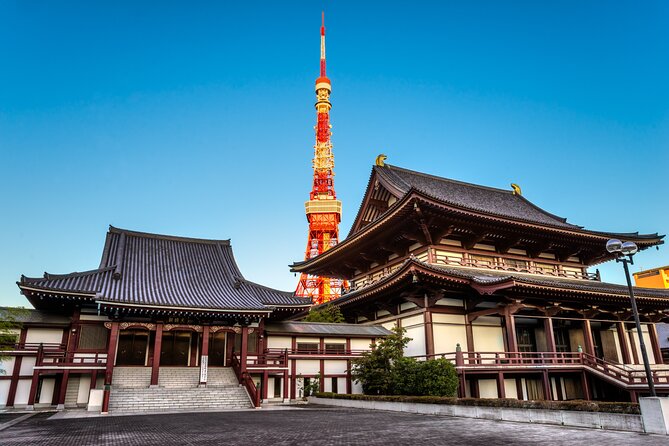
The Imperial Palace follows, with about 30 minutes. The grounds were once the castle of the Tokugawa shogun family, who ruled from 1603 to 1868. The site became the Imperial Palace after political power returned to Emperor Meiji.
Do not expect a long palace interior visit from this itinerary. The scheduled time is brief and the palace grounds have limited public access in many areas. This is mainly a chance to see the setting, hear the political background, and connect Tokyo’s modern center with its earlier eras.
The route also passes the National Diet building, Japan’s parliament. It was completed in 1936 and is one of the few Tokyo buildings to survive the 1945 air raids. Since the schedule lists it as a passing stop rather than a timed visit, you should treat it as an exterior sight.
Akihabara for electronics, anime, and games
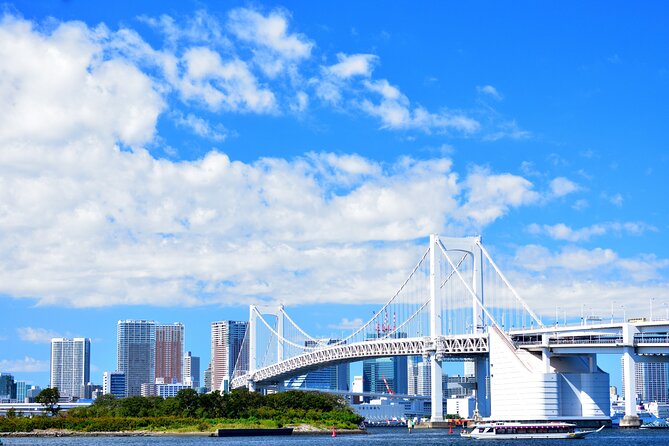
Akihabara gets about an hour, enough time to sample its famous electronics and pop-culture scene.
The district ranges from tiny shops focused on individual electronic parts to large retailers. It is also a center for gaming and anime culture. You can browse, take photos, and ask your guide for help understanding the district’s modern identity.
This stop works best if someone in your group already has an interest in games, anime, electronics, or unusual retail. If not, an hour may feel long compared with the short photo stops elsewhere. A private tour gives you a chance to say so and ask for more time in another neighborhood, although the exact flexibility depends on the day and traffic.
The route’s strength is contrast. You move from the old market and palace district into one of Tokyo’s most recognizable modern subcultures. That kind of comparison is more useful than seeing a string of similar temples and shopping streets.
Senso-ji and the old side of Tokyo

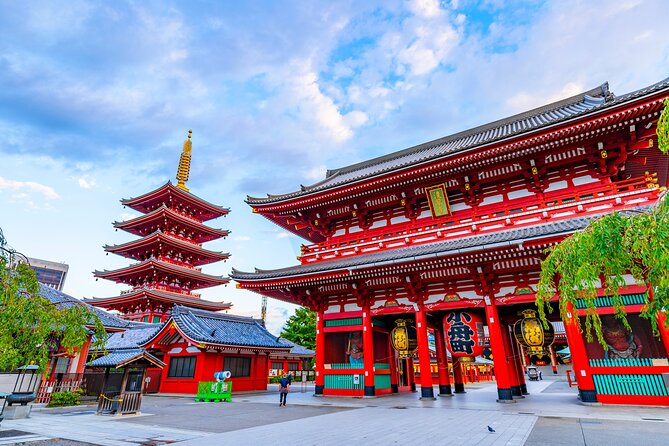
Senso-ji Temple in Asakusa gets a full hour. It is Tokyo’s oldest temple, connected with a story from 628, when two fishermen found a small statue of Kannon.
This is one of the itinerary’s essential stops. Senso-ji gives you a strong sense of traditional religious architecture, pilgrimage, and public temple life. You have enough time to walk through the temple area and take in the setting, though crowds and foot traffic can affect how much ground you cover.
The one-hour visit is a better fit than the 15-minute stop at Shibuya Crossing. You are not merely pulling over for a photo. You have room to look, listen to your guide, and ask about customs.
As with the Imperial Palace, the value depends on your guide’s explanations. Guides including Richie and Tomoya were praised for explaining Japanese history and culture in clear English. The private setup lets you stop and ask what a ritual means rather than simply moving with a large group.
Omotesando, Harajuku, and Meiji Jingu
Omotesando gets 30 minutes. This broad shopping area is known for major fashion brands, boutiques, and buildings designed by leading architects.
It is a quick taste of Tokyo’s design-conscious side. You will not have time for serious shopping unless you already know exactly where you want to go. The stop is better for seeing the contrast between sleek architecture and nearby Harajuku’s youth fashion.
Harajuku also receives 30 minutes. Here you get a look at unusual clothing, playful building design, and youth culture. The district has a very different feel from Ginza’s polished retail streets and Akihabara’s electronics and anime shops.
If you are traveling with children or young adults, Harajuku may become one of the day’s most engaging stops. One guide, Aimi, noticed a guest’s interest in Japanese dishes and redirected the shopping time toward stores that suited her. That is a good example of why you should tell your guide what catches your eye instead of sticking rigidly to the printed route.
Meiji Jingu Shrine follows with another 30 minutes. Its wooded setting offers a pause from crowded streets and commercial districts. You might see a traditional Japanese wedding ceremony on a Saturday or Sunday, though that cannot be guaranteed.
The short time is enough for an introduction and a quiet walk, but you should not expect to explore every approach to the shrine. Pairing Meiji Jingu with Harajuku makes sense: one shows modern youth culture, the other offers a calmer religious setting nearby.
Shibuya Crossing and the city at full speed
The stop at Shibuya Crossing lasts only 15 minutes. This is a photo and orientation stop, not a full neighborhood visit.
The crossing is famous for its large waves of pedestrians moving in several directions at once. The comparison with Times Square is understandable, but the scene has its own Tokyo rhythm. You can step out, watch the crossing, and take pictures before returning to the vehicle.
If you want to visit Shibuya Sky, the famous observation experience was included in one family’s customized day, but it is not part of the stated standard itinerary. Do not assume admission or reserved access is included. Ask before booking if a particular Shibuya attraction matters to you.
This is the clearest example of the tour’s fast pace. Fifteen minutes gives you a memorable look, but not time for shopping, cafes, or a long walk. If Shibuya is a priority, request more time and accept that another stop may need to be shortened.
Daikanyama and Nakameguro at a calmer pace
The final neighborhood is Daikanyama, with about 30 minutes. Daikanyama and nearby Nakameguro are known for boutiques and cafes, with a less hectic feel than Tokyo’s more famous districts.
I like ending here because it gives the day a softer finish. After temples, large shopping areas, and major intersections, these neighborhoods offer a more relaxed look at urban Tokyo. You can browse, have a short coffee stop if timing allows, or simply see how locals use a quieter part of the city.
Thirty minutes is still brief. Think of this as an introduction rather than a full afternoon in Daikanyama or Nakameguro. If you prefer cafes, small shops, and residential streets to major sights, tell your guide before the itinerary is finalized.
Guides, comfort, and the private format
The guide is the heart of this experience. The company uses multiple guides, so you are not guaranteed a particular person, but named guides in the supplied material include Riley, Tomoya, Soya, Richie, Udi, Ryu, Aimi, Gen, Yosuke, Natsuno, and Moe.
English communication was repeatedly important to the experience. Riley was described as especially clear and accommodating, while Ryu was noted for good English and help with photo locations. Moe contacted a group before the tour, planned around its must-see list, included children in conversation, arranged a restaurant for an unexpected larger party, and provided small handmade thank-you bags.
Those personal touches are not guaranteed for every booking, but they show the range of service possible. Contact before the day with your interests, walking limits, food needs, ages, and any must-see location. One guide contacted a group the day before to build the route around its priorities. Early communication can make the difference between a standard sightseeing loop and a day that fits your group.
The vehicle includes air conditioning, bottled water, snacks, and Wi-Fi. These are practical benefits, not decoration. Tokyo can be hot, and several stops involve outdoor walking. The car also gives older family members a place to rest between districts.
Hotel pickup is offered, which removes the need to find a meeting point early in the morning. The experience is private, so only your group participates. Most people can take part, and one group received wheelchair assistance, but you should confirm mobility needs when booking rather than assume every vehicle setup is identical.
Is $743.26 a good value?
The listed price is $743.26 per group of up to nine people. That works out to roughly $82.59 per person for nine people, about $185.82 each for four, and $371.63 each for two.
The math favors families and groups of friends. For a larger party, you are paying for a private vehicle, a guide, hotel pickup, Wi-Fi, water, snacks, and the ability to avoid navigating Tokyo’s train network. For two people, the same price is harder to justify unless comfort, limited time, or customized service matters more than saving money.
Lunch and dinner are not included. Hama Rikyu admission is also not included, and the stated itinerary does not include admission to paid attractions such as observation decks or cafes. Ask about any extra stop before the day begins.
The tour is booked an average of 59 days ahead, so popular dates may fill early. Confirmation is sent within 48 hours of booking, subject to availability. Free cancellation is available up to 24 hours before the start time, but late cancellations and changes are not accepted.
Who should book this Tokyo day tour?
I would choose this for a first visit when you want to see many districts in one day without learning the rail system immediately. It is also a strong fit for families with children, mixed-age groups, older people, and anyone who values a cool, private vehicle between outdoor stops.
It suits cruise passengers and people with only a few days in Tokyo. One group used the tour before a cruise, while another booked an extra day after enjoying the first outing. If you have a long Tokyo stay and enjoy independent travel, you may prefer trains and longer visits in fewer neighborhoods.
The biggest question is pace. You will see a lot, but most stops are introductions. Tell the company your top three priorities and ask what can be cut. Shibuya, Harajuku, and Akihabara may need more time for shoppers and pop-culture fans, while Senso-ji and Meiji Jingu deserve more time if temples matter most.
My recommendation
Book this tour if you want a comfortable, private overview of Tokyo and have a group large enough to share the cost. The flexible guides, hotel pickup, air-conditioned vehicle, and broad route solve real problems, especially on a first day or in hot weather.
Skip it if your main goal is low-cost travel, slow neighborhood wandering, or long visits inside individual attractions. For everyone else, send your guide a clear wish list before pickup, protect time for lunch, and treat the itinerary as a smart first look rather than the final word on Tokyo.
FAQ
How long does the Tokyo private tour last?
The experience lasts approximately eight hours.
How many people can join the private tour?
The price covers one private group of up to nine people.
Is hotel pickup available?
Yes. Hotel pickup is offered for the experience.
Is transportation included?
Yes. Private transportation in an air-conditioned vehicle is included.
Does the vehicle have Wi-Fi?
Yes. Wi-Fi on board is included.
Are bottled water and snacks provided?
Yes. Bottled water and snacks are included.
Is lunch included?
No. Lunch is not included.
Is dinner included?
No. Dinner is not included.
Is admission to Hama Rikyu Gardens included?
No. The itinerary lists admission to Hama Rikyu Gardens as not included.
Can I cancel for a full refund?
Yes, if you cancel at least 24 hours before the experience start time. Cancellations or changes made less than 24 hours before the start time are not accepted for a refund.
More Private Tours in Tokyo

More tours in Tokyo we've reviewed

Private, compared.
 ★ 5.0Tokyo 6hr Private Tour with Government-Licensed GuideFrom $155
 ★ 5.0Private Tour to Mt. Fuji and Hakone (Fully Licenced Operator)From $497
 ★ 5.0Tokyo Customized Private Tour (Must See Places in 1 Day)From $145
 ★ 4.9Mount Fuji Full-Day Private Tour from Tokyo (Customizable)From $393
 ★ 4.8Tokyo: Private City Highlights Tour with Local GuideFrom $1064 - 8 hours
 ★ 5.0Private Custom Tour: Tokyo in a DayFrom $159