
Reviewed · NIGHT TOURS
Tokyo After 5: Authentic Japanese Food & Drink Night Tour
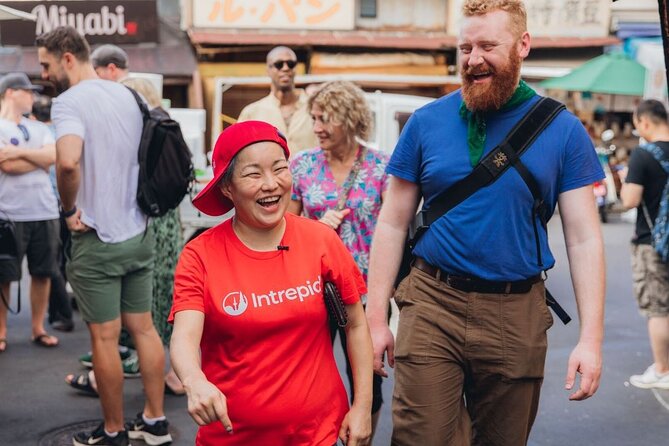
Tokyo After 5 is most interesting when you are standing over a hot grill, scraping up monjayaki with a tiny spatula, then sharing yakitori and a drink in a narrow Yurakucho eatery. This is a small-group evening walk through Ginza, Tsukishima, and Yurakucho, with public transport and menu help included.
I like the chance to eat in local-run places that can feel hard to approach alone. I also like the practical subway help, especially with guides such as Yuko, Mizuki, and Shohei receiving warm praise for their friendly manner and smooth handling of the evening.
The main thing to understand is that this may feel more like two substantial eating stops plus a wagashi tasting than three full eateries. Food portions and guide commentary can vary, so you should book it for access and atmosphere, not as an all-you-can-eat dinner.
In This Review
- Key points before you book
- What this Tokyo night tour is really like
- Mitsukoshi Ginza and the first taste of wagashi
- A short Ginza walk, with one important warning
- Tsukishima Monja Street and the soft pancake surprise
- Local conversation and the value of an English-speaking guide
- Yurakucho Yakitori Alley after dark
- Is $122.33 a fair price?
- Who will enjoy this experience most?
- Timing, walking, and practical details
- Should you book Tokyo After 5?
- FAQ
- Where does the Tokyo After 5 tour begin?
- Where does the tour end?
- How long does the experience last?
- Are drinks included?
- Can vegetarians, vegans, or people avoiding gluten join?
- What is the minimum age?
Key points before you book
- Cook monjayaki at the table: Tsukishima’s local pancake is a soft, savory cabbage dish rather than the firm pancake many people expect.
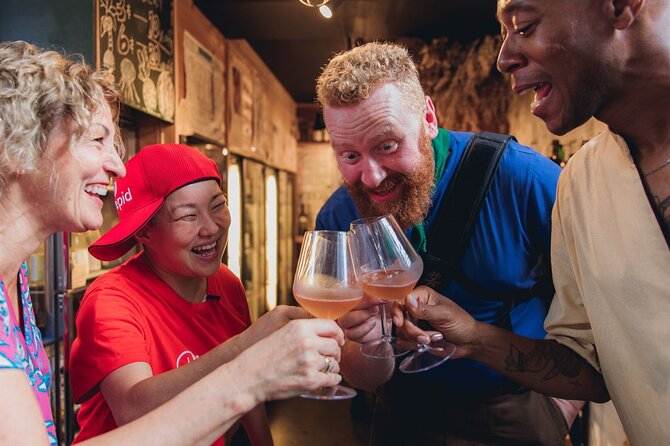
- Finish in Yurakucho Yakitori Alley: Expect grilled skewers, a casual bar setting, and one included beer, sake, or soft drink.
- Start with Ginza sweets and city sights: Wagashi comes early, with time to walk past places such as Itoya stationery store.
- Only eight people maximum: The small group makes menu translation and subway guidance easier.
- Two drinks are included: Additional drinks cost extra, and anyone under 20 receives non-alcoholic drinks.
- Plan for real walking: Comfortable shoes matter, and the route includes subway stations, stairs, and a long walk to the first main food stop.
What this Tokyo night tour is really like
This 3-hour-30-minute experience begins after 5 pm, when Ginza’s department stores and office districts shift into their evening rhythm. You meet outside Mitsukoshi Ginza, beside the well-known Lion statue facing Chuo Street.
Arrive early. The group is expected to leave on time, and a late arrival could mean trying to catch up in a crowded district. The maximum group size is eight, which is small enough for a personal feel without making the cost as high as a private tour.
The route links three very different parts of Tokyo. Ginza gives you polished department stores and bright city streets. Tsukishima offers a more local food tradition centered on monjayaki. Yurakucho finishes the night with small bars, grilled meat, and after-work drinking culture.
That variety is the real appeal. You are not simply seated in one restaurant for three hours. You move through the city and see how Tokyo eats in different settings.
A few more Tokyo tours and experiences worth a look

Mitsukoshi Ginza and the first taste of wagashi
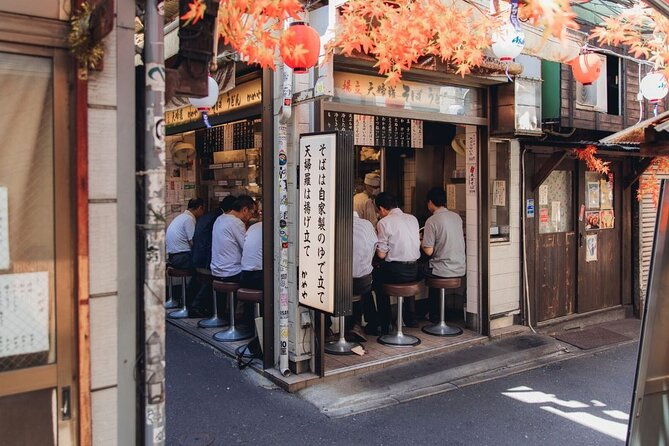
The meeting point is easy to identify: the Lion statue outside Mitsukoshi Ginza at 4-chōme-6-16 Ginza. This is a practical place to meet because Ginza Station is close, and the department store gives you a clear landmark in a busy part of town.
The first food is wagashi, a traditional Japanese sweet. It is usually presented as a small tasting or sample, and the experience may involve buying the sweets in the department store food hall for you to take along.
This is a pleasant introduction to Japanese confectionery, but you should keep your expectations in check. Wagashi is not a full course, and this stop may feel more like a food orientation than a restaurant visit. One account described a department-store stop and a look at small plants grown under artificial light, while other tours may spend more time at Itoya or in the Ginza streets.
That variation matters. If you are hoping to eat immediately, the first part can feel slow. If you enjoy Japanese packaging, sweets, department stores, and small city details, it gives you a gentle start before the main meal.
A short Ginza walk, with one important warning
After wagashi, you walk through Ginza for about 15 minutes. The district is known for luxury shopping, polished storefronts, illuminated streets, and department-store food halls. The guide may point out Itoya, the famous stationery shop, which is worth a look even if you have no plan to buy anything.
This part is less about sightseeing landmarks and more about getting your bearings in central Tokyo after dark. A guide can point out places you might otherwise pass without noticing, then explain how the neighborhood changes after office hours.
The drawback is pace. A few people found the walking too fast, and one account described the guide moving ahead while the group tried to stay together. Keep close to the guide, particularly when crossing streets or entering a station.
The tour involves a moderate amount of walking, plus stairs in the subway system. Wear shoes that can handle several hours on your feet. This is not a good choice if you want to spend the whole evening seated.
Tsukishima Monja Street and the soft pancake surprise
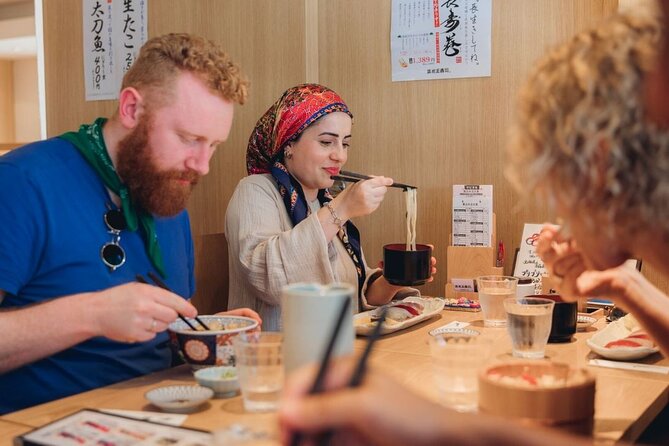
The first serious food stop is Tsukishima Monja Street, reached by subway. Two subway tickets are included, so you do not need to sort out every fare while following the group.
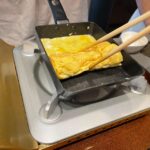
Tsukishima is strongly linked with monjayaki, a Tokyo specialty made on a hot griddle. The mixture commonly includes cabbage and other ingredients, then cooks into a loose, soft dish with browned bits around the edges. It is eaten directly from the grill with a small spatula.
This is the tour’s most hands-on moment. You watch the chef or guide arrange the ingredients, hear the mixture sizzle, and help cook it at the table. The process is part of the meal. Do not expect a neat, firm pancake like okonomiyaki. Monjayaki is wetter and more difficult to serve, but that is precisely what makes it interesting.
The meal can include seafood such as shrimp and mussels, though the exact ingredients are not guaranteed. One practical point is worth noting: cabbage forms much of the dish. If you dislike cabbage or prefer meat-heavy food, this stop may not be your favorite.
Portions have also felt modest for some people. The monjayaki helps take the edge off hunger, but it may not fill you by itself. The later yakitori stop is important because the evening’s food is spread across several tastes rather than presented as one large dinner.
Local conversation and the value of an English-speaking guide
The guide’s role is especially useful at the monjayaki restaurant. Menus and cooking methods can be confusing when you are seeing the dish for the first time, and the guide can explain what you are eating and help with basic communication.
The strongest experiences appear to depend heavily on the guide. Yuko received particular praise for helping with Tokyo’s subway system, explaining new foods, and keeping the transfers smooth. Mizuki was described as courteous, funny, and well informed about the dishes. Shohei was also singled out for making the evening enjoyable.
That does not mean every departure will have the same quality. Some people found their guide difficult to understand or too quiet, while others felt the cultural explanation was excellent. The provider uses English-speaking guides, but speaking ability and presentation style can differ.
For this reason, I would not book the tour mainly for a formal food lecture. Book it for practical translation, access to local places, and the chance to ask questions along the way.
A few more Tokyo tours and experiences worth a look

Yurakucho Yakitori Alley after dark
The final major stop is Yurakucho Sanchoku Inshokugai, also called Yurakucho Farm to Table Dining Alley. This is a group of small drinking and eating spots near the railway area, with a more casual feel than Ginza.
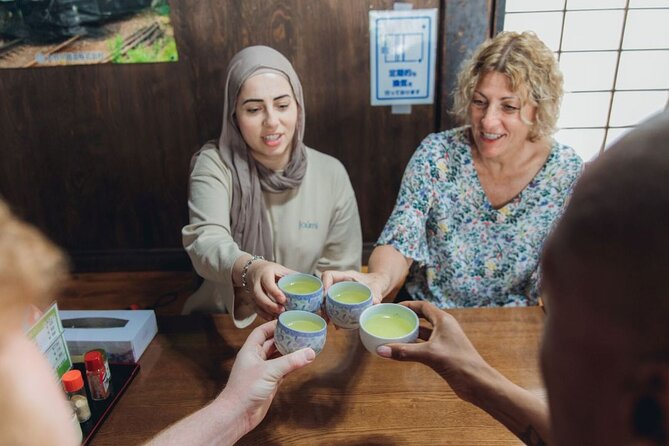
Here you receive yakitori, grilled skewers served with tare sauce, plus one of the included drinks. You may choose beer, sake, or a soft drink, depending on your age and preference. The sauce is part of the pleasure, and individual shops may use their own version.
This is where the tour feels most like an ordinary Tokyo evening. Office workers stop for a quick drink, the seating is close, and the setting is informal. You are not being shown a polished restaurant designed for visitors. The restaurants are locally owned and run, which gives the stop a stronger connection to everyday dining.
The food choice deserves a note of caution. Yakitori does not always mean familiar pieces of chicken. Some people received cartilage and found the texture unexpected. Another person felt the grilled meat was underdone for their taste. If you are particular about doneness or do not want organ meats, cartilage, or less familiar cuts, ask the guide what is being served before you order extra.
The two included drinks help with the value, but additional alcohol is not included. You can stay in the bar after the official tour ends, which is a useful option if the group is getting along and you want to continue the evening.
Is $122.33 a fair price?
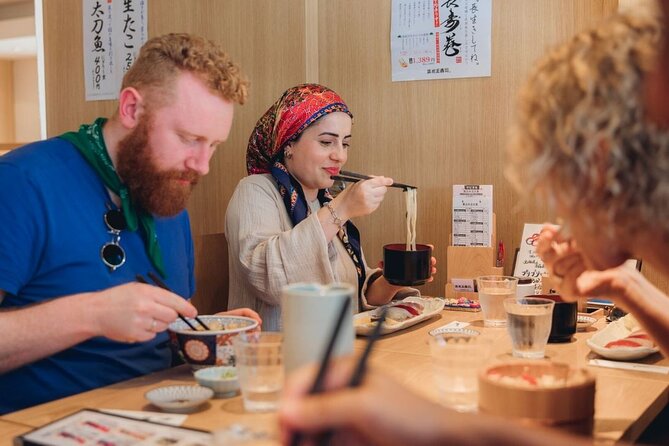
At $122.33 per person, this is not a cheap dinner. You are paying for more than the food: a guide, two subway tickets, two drinks, menu assistance, and a small-group route through three parts of Tokyo.
The value is strongest if you are new to Tokyo and want a confident first evening. Ginza, Tsukishima, and Yurakucho are easy to connect on a map but less simple when you are trying to find a small local restaurant, order unfamiliar food, and navigate subway stations after dark.
The value is weaker if your main goal is a large meal. Wagashi may be a small sample, monjayaki portions may be limited, and yakitori choices may vary. You could spend less by visiting Yurakucho or Tsukishima on your own, though you would give up the translation, route planning, and social ease of a guided group.
I see this as a city introduction with food, not a premium tasting menu. You are paying for access and confidence. Come hungry, but do not assume the price buys a full three-course dinner.
Who will enjoy this experience most?
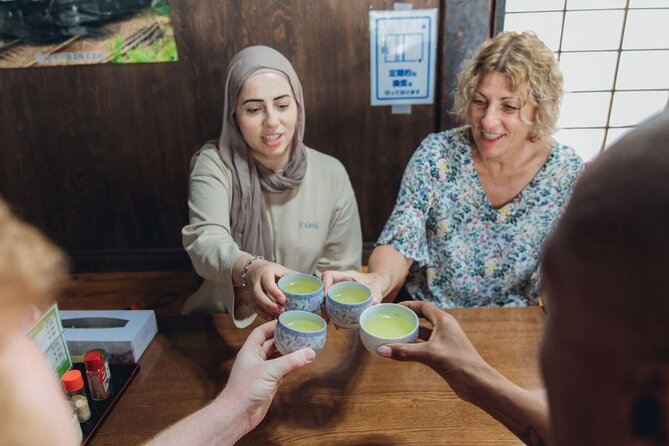
I would recommend it to first-time Tokyo visitors who want to understand local eating customs without spending an evening decoding menus. It also suits solo visitors and couples who like meeting a few other people while moving through the city.
You will probably enjoy it if you:
- Like trying foods you might not order alone
- Want an English-speaking guide for menus and public transport
- Prefer small local bars to formal restaurants
- Enjoy cooking part of your meal
- Are comfortable walking and using stairs
- Want useful food and sightseeing suggestions for the rest of your stay
I would be cautious if you are vegetarian, vegan, or gluten-free. The establishments cannot cater to those requirements, and those options are not available on this experience.
It is also not ideal for picky eaters. Monjayaki often centers on cabbage and may include seafood. Yakitori can include less familiar chicken parts. If you want complete control over every ingredient, an independent meal will suit you better.
The minimum age is 12. The legal drinking age in Tokyo is 20, so anyone under 20 receives soft drinks rather than beer or sake.
Timing, walking, and practical details
The tour lasts about three and a half hours. The listed stops suggest roughly 15 minutes at Mitsukoshi, 15 minutes in Ginza, 90 minutes around Tsukishima Monja Street, and 75 minutes in Yurakucho. Subway transfers and walking fit between those sections.
The route ends near Ginza Station at 4-chōme-1-2 Ginza. That is helpful if you plan to return to your hotel by train or continue exploring central Tokyo.
A mobile ticket is provided, and confirmation arrives when you book. The experience requires good weather. You can cancel for a full refund up to 24 hours before the start time, but late cancellations and changes are not accepted.
Bring a light appetite rather than skipping food all day. Since the first wagashi stop can be small and the route includes walking before monjayaki, you may be uncomfortable if you arrive extremely hungry. A small snack beforehand is sensible, especially for families or anyone who needs regular meals.
Should you book Tokyo After 5?
Book this tour if you want a guided introduction to Tokyo’s evening food culture, especially monjayaki and informal yakitori bars. The best parts are the hands-on grill cooking, the local-run venues, the two included drinks, and the help of a strong guide such as Yuko or Mizuki.
Think twice if you expect three full restaurants, generous portions, or a carefully controlled menu. The experience can include only two substantial eateries, the wagashi stop may be a small department-store tasting, and guide quality can shape the evening.
For a first night in Tokyo, I think the route makes good sense. You get food, city orientation, subway practice, and a relaxed place to continue drinking afterward. Just arrive ready for an exploratory evening rather than a formal culinary feast.
FAQ
Where does the Tokyo After 5 tour begin?
The meeting point is in front of the Lion statue at Mitsukoshi Ginza, 4-chōme-6-16 Ginza, Chuo City, Tokyo.
Where does the tour end?
The tour ends near Tokyo Metro Ginza Station at 4-chōme-1-2 Ginza, Chuo City, Tokyo.
How long does the experience last?
The tour lasts approximately 3 hours and 30 minutes.
Are drinks included?
Yes. Two local drinks are included, such as sake, beer, or a soft drink. Additional drinks are available for purchase.
Can vegetarians, vegans, or people avoiding gluten join?
The visited establishments cannot provide vegetarian, vegan, or gluten-free options, so this tour is not suitable for those dietary requirements.
What is the minimum age?
The minimum age is 12. The legal drinking age in Tokyo is 20, and anyone under 20 will receive non-alcoholic drinks.
More Evening Experiences in Tokyo
More Food Experiences in Tokyo
More Night Tours in Tokyo
More tours in Tokyo we've reviewed




Night Tours, compared.
 ★ 5.0Tokyo Night Foodie Tour in Shinjuku – Seasonal Sushi, Wagyu BeefFrom $111
 ★ 4.8Tokyo: Daikoku JDM Car Meet & Night Car Culture TourFrom $984 hours
 ★ 4.6Tokyo: Samurai Entertainment Night Show in Kanda ShrineFrom $412 - 3 hours
 ★ 4.5The Dark Side of Tokyo – Night Walking Tour Shinjuku KabukichoFrom $25
 ★ 4.8Tokyo: Night Foodie Tour in ShinjukuFrom $1273 hours
★ 5.0Tokyo: Daikoku JDM Car Meet & Night Car Culture TourFrom $99
★ 4.8Tokyo: Night Foodie Tour in ShinjukuFrom $1273 hours
★ 5.0Tokyo: Daikoku JDM Car Meet & Night Car Culture TourFrom $99