
Reviewed · SHIBUYA TOURS
Tokyo: Harajuku Meiji Shrine to Shibuya Crossing Guided Tour
Tokyo’s old and new sides meet neatly on this two-hour walk from Meiji Jingu to Shibuya Crossing. You begin beneath the trees of Japan’s most visited shrine for New Year’s prayers, then shift to Harajuku fashion, Japanese crepes, and the famous scramble crossing.
I like the clear route and the small group, which keeps the guide close enough for questions. I also like the practical shrine lesson, including how to visit properly and the chance to draw an omikuji fortune. The main drawback is the tight schedule: two hours gives you a useful introduction, not a slow, detailed look at every stop.
In This Review
- Key points at a glance
- From Harajuku Station to Meiji Jingu
- What you learn inside Meiji Jingu
- From quiet shrine paths to Takeshita Street
- Walking toward Shibuya Crossing
- Hachiko and the story behind the statue
- The guide makes or breaks this short walk
- Is $78 good value for two hours?
- Pace, group size, and what to wear
- Who should book this Tokyo experience?
- Booking flexibility and useful planning details
- Should you book the Harajuku to Shibuya walk?
- FAQ
- Where does the tour meet?
- How long does the tour last?
- What language is the tour offered in?
- How large is the group?
- What places does the tour visit?
- Is the shrine fortune included?
- Is food included on the tour?
- Can I cancel for a full refund?
Key points at a glance
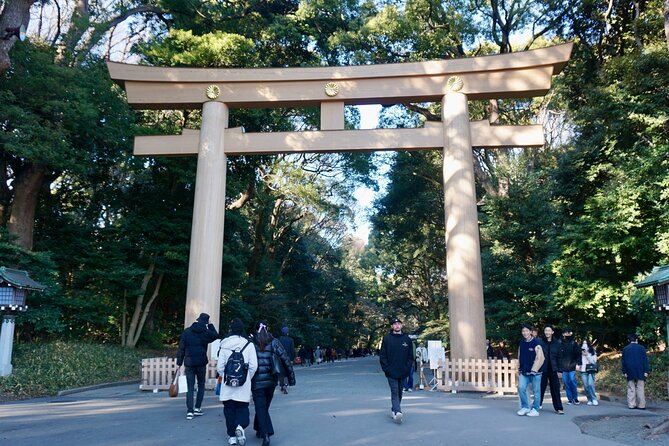
- Meiji Jingu sets the tone: Start with shrine customs, history, and a peaceful walk through the grounds.
- An English-speaking local guide leads the way: Guides named Shigure-san and Masahito have been praised for warmth, clear explanations, and helpful answers.
- Takeshita Street adds a sweet break: Try a Japanese-style crepe during your look at Harajuku’s youthful shopping street.
- Shibuya Crossing supplies the finale: Take group photographs beside one of Tokyo’s most recognizable city scenes.
- Hachiko adds a human story: Hear the sad tale behind the loyal dog statue near Shibuya Station.
- Small groups make a difference: With no more than 10 people, the walk should feel more personal than a large coach tour.
From Harajuku Station to Meiji Jingu
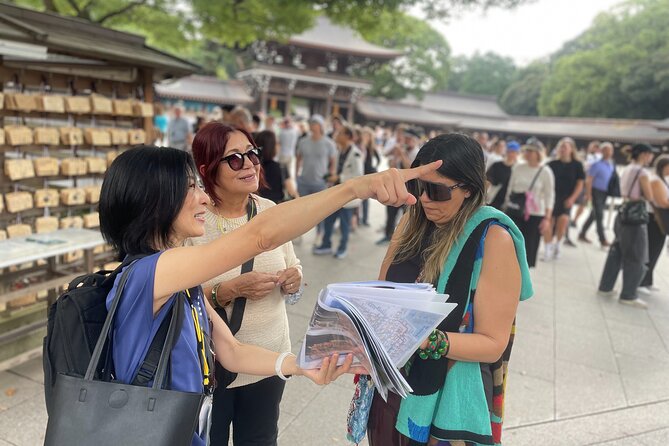
Your meeting point is the west exit of JR Harajuku Station. Look for a guide holding a sign marked gotcha. This is a useful detail because Harajuku Station has several exits and the area fills quickly with people, especially around the shopping streets.
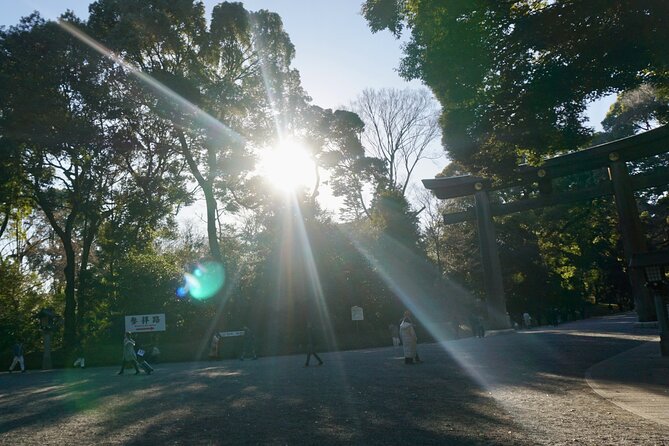
From there, the tour moves into Meiji Jingu, the Shinto shrine dedicated to Emperor Meiji and Empress Shoken. The supplied tour details focus on the shrine’s importance during Hatsumode, the first shrine visit of the New Year, when it is said to receive more visitors than any other shrine in Japan.
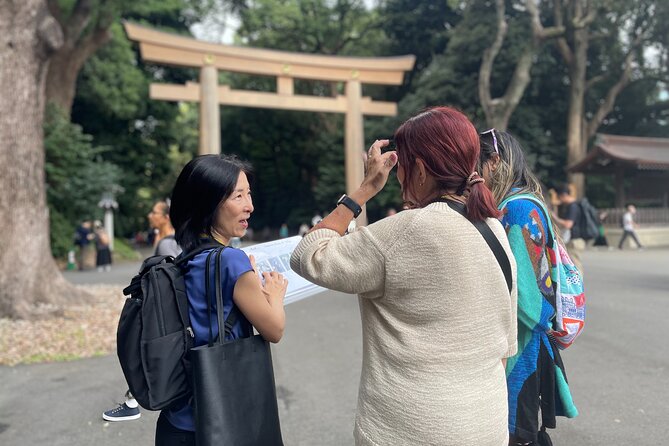
You are not simply being led through a gate for a quick photograph. The guide explains the shrine’s origins and the basic way to behave there. That matters in Japan, where a short explanation can turn an unfamiliar ritual into something you understand and take part in with confidence.
A few more Tokyo tours and experiences worth a look


What you learn inside Meiji Jingu
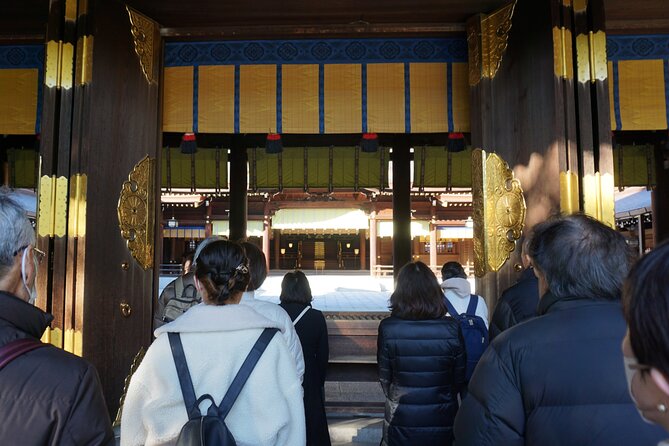
Meiji Jingu is valued for its quiet setting as much as for the shrine buildings. The tour description points to the sense of natural energy in the grounds, giving you a break from the traffic and signs of central Tokyo.
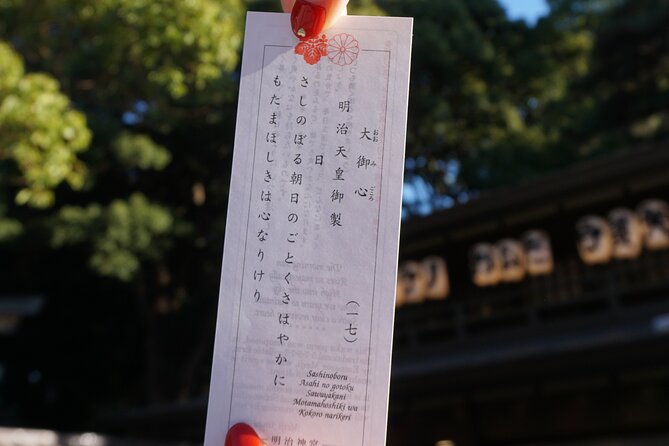
The guide explains how to visit the shrine, including the customs connected with making a wish. One specific highlight is drawing an omikuji fortune paper, with the fee included in the tour price. This gives you a small cultural activity rather than another passive stop.
The exact amount of time spent inside the shrine grounds is not stated, so you should expect a guided overview rather than a long, unhurried exploration. If you want to study every building, read all the signs, or spend time alone in the wooded setting, you may need to return on your own.
That is not a flaw so much as a question of purpose. For a first visit, I like having someone explain what you are seeing. For repeat visitors or shrine fans, the pace may feel brisk.
From quiet shrine paths to Takeshita Street
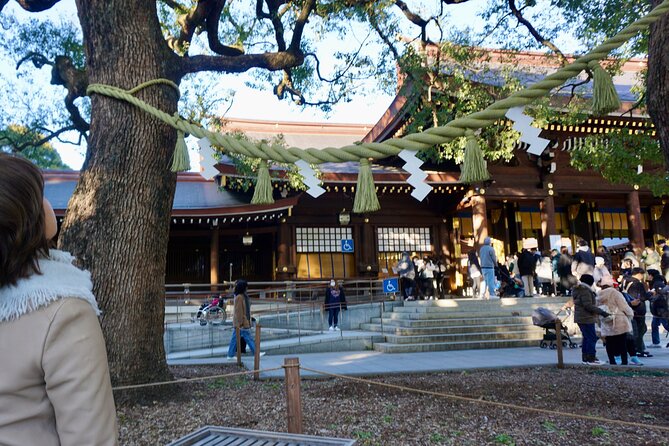
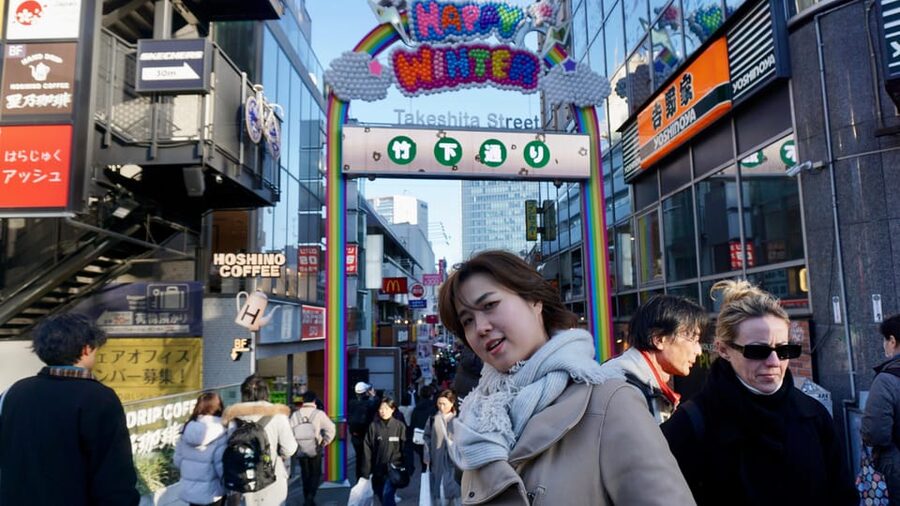
The change after Meiji Jingu is part of the appeal. You go from a calm religious site to Takeshita Street, Harajuku’s famous pedestrian shopping lane. The contrast makes the neighborhood easier to understand. Harajuku is not one single mood. It shifts from worship and ceremony to youth fashion, snacks, and colorful storefronts within a short walk.
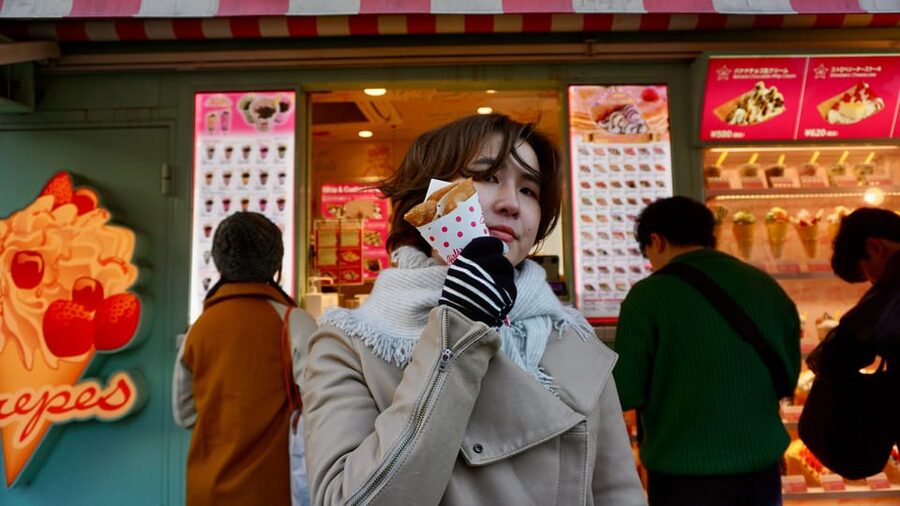
The tour includes a Japanese-style crepe. This is one of Harajuku’s signature treats, and it gives the walking route a simple, tasty pause. Expect the food stop to be a sample rather than a full meal. The price of the crepe is not separately stated, so check the current booking details if that matters to your budget.
Takeshita Street can be crowded, and the tour does not promise time for extended shopping. You will get a look at the street and its famous food culture, but you should not book this experience mainly as a shopping tour.
I see the crepe as a smart addition. It keeps the walk from becoming a string of explanations and landmarks, and it gives you a direct taste of the neighborhood’s style.
Walking toward Shibuya Crossing
The route continues toward Shibuya, ending at the famous crossing. The tour is designed to connect nearby parts of western Tokyo, so you see a clear progression: shrine, Harajuku street life, then the huge city movement of Shibuya.
The crossing is best understood from more than one angle. At street level, you can join the waves of pedestrians moving in different directions. The tour also finishes from a scenic vantage point overlooking the crossing, giving you a chance to take in the full pattern of people and traffic from above or at a raised viewpoint.
The exact vantage point is not named, so do not book this expecting a particular café, rooftop, or observation deck. What is promised is a scenic view of the crossing and group photographs against the city backdrop.
The photo stop is especially useful if you are visiting Tokyo for the first time and want a few organized pictures. In a group of up to 10, the guide can help gather everyone for photographs more easily than you might manage alone.
Hachiko and the story behind the statue
Near Shibuya Station, the group visits the Hachiko statue. The guide explains the sad story of the dog remembered for his loyalty. Hachiko is more than a meeting point. The statue carries an emotional story that gives this busy station area a human touch.
This stop also helps you get your bearings in Shibuya. The neighborhood can feel confusing at first, with large signs, many station exits, and streams of people moving through the area. A guide who points out the statue and the crossing can make later independent exploring easier.
The tour ends after the farewell and the crossing viewpoint. It does not include a longer Shibuya food tour, shopping session, or evening entertainment. Think of it as a well-shaped introduction that leaves you free to continue your day nearby.
A few more Tokyo tours and experiences worth a look

The guide makes or breaks this short walk
At two hours, the guide is the heart of the experience. There is not enough time for long independent wandering, so the quality of the explanations matters more than the number of stops.
The advertised language is English, and the tour uses a live guide rather than an audio recording. The guide explains Meiji Jingu’s origins, shrine customs, and the story of Hachiko, while also answering questions along the way.
Shigure-san has been praised for being attentive and for teaching Japanese culture. Masahito has been described as friendly, well informed, and especially good at making the shrine visit enjoyable. You should not assume a particular guide will lead your departure, but these names give you an idea of the personal approach associated with the experience.
The strongest pattern in the feedback is friendly, detailed guidance at a comfortable pace. One booking specifically praised the amount of information and the balance of the walking speed. Another focused on learning customs and making a wish at Meiji Jingu.
That combination suits you if you want context without signing up for a long lecture. It also works well for first-time visitors who are unsure how to approach a Shinto shrine.
Is $78 good value for two hours?
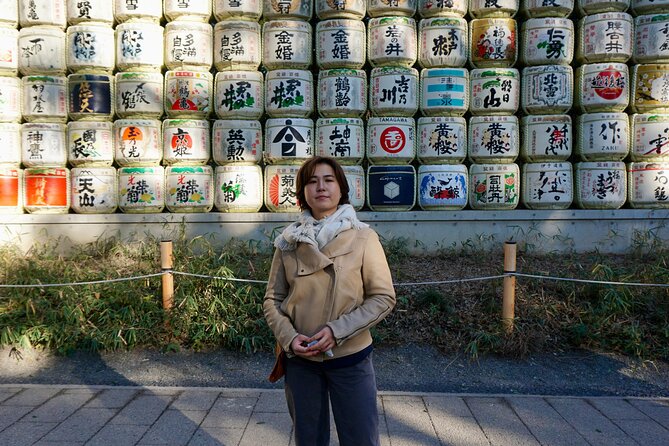
At $78 per person, this is not the cheapest way to walk through Harajuku and Shibuya. You can visit Meiji Jingu and see the crossing without paying for a tour. You can also buy a crepe on your own.
The value comes from the guide, the small group, the shrine explanation, the included omikuji fee, and the simple route planning. You are paying to understand the customs and connect the stops, not just to be taken from one famous place to another.
The small-group limit of 10 is important here. A large group could make shrine explanations hard to hear and group photographs awkward. With fewer people, you have a better chance to ask about Japanese customs, get help with the route, and keep the walk moving.
I would consider the price reasonable for a visitor who wants a guided introduction and has limited time. I would think twice if you already know Shinto customs, prefer to explore independently, or mainly want a snack and a photograph at Shibuya Crossing.
The included fortune paper is a modest extra, not a major financial benefit. The real value is the guide’s local explanation and the efficient combination of three very different Tokyo scenes.
Pace, group size, and what to wear
The tour lasts two hours, so plan for steady walking. The route includes a shrine area, a shopping street, and the approach to Shibuya Crossing. Comfortable shoes are the practical choice.
Starting times vary, and you need to check availability for the date you want. The meeting point is fixed at the JR Harajuku Station west exit, with the guide holding the gotcha sign.
A group of up to 10 is small enough for questions but still large enough that the experience may not feel private. If you prefer a completely personal itinerary, this is not a private tour.
The pace has been described as well judged, but the short duration limits flexibility. You may have little spare time for shopping, lingering over the shrine grounds, or stopping whenever you see an interesting shop. Tell the guide early if you have a specific question or request, since the route moves through several districts in a short period.
Who should book this Tokyo experience?
I would recommend this walk to first-time Tokyo visitors, especially those staying near Harajuku or Shibuya. It gives you a useful orientation to two major districts and explains a shrine visit that can otherwise feel mysterious.
It is also a good fit for solo visitors and couples who like meeting a few other people without joining a huge group. Families with older children may appreciate the mix of a quiet shrine, a sweet treat, a famous story, and city photographs.
The tour is less suitable if you want deep time at Meiji Jingu, serious shopping on Takeshita Street, or a food-focused experience. It is also not the right choice if you want a full-day tour covering several parts of Tokyo.
The best way to use it is as a first-day introduction. After the walk, you can return to Harajuku for shopping, continue exploring Shibuya, or revisit the shrine at your own pace.
Booking flexibility and useful planning details
You can cancel up to 24 hours before the start for a full refund, and the reserve-now, pay-later option lets you keep your plans flexible. Starting times depend on availability, so check before building the rest of your Tokyo day around the tour.
The tour is operated by gotcha Corporation and is offered in English. The omikuji fortune paper is included, while the crepe is described as part of the experience but its precise payment arrangement is not specified in the supplied details.
The rating is 5 out of 5 from seven submitted ratings, with positive comments centered on guide warmth, cultural explanations, and the comfortable pace. That is a small sample, so I would treat it as encouraging rather than proof that every departure will feel identical.
Should you book the Harajuku to Shibuya walk?
Book it if you want a short, friendly cultural orientation with clear stops and a live English-speaking guide. The strongest reasons are the Meiji Jingu customs lesson, the small group, and the efficient finish at Hachiko and Shibuya Crossing.
Skip it if you prefer to set your own pace or already have a detailed plan for Harajuku and Shibuya. Two hours goes quickly, and the $78 price is mainly paying for guidance rather than admission to major attractions.
For most first-time visitors with a free morning or afternoon, this is a sensible way to connect Tokyo’s traditional and modern sides without wasting time finding the route yourself.
FAQ
Where does the tour meet?
The meeting point is the west exit of JR Harajuku Station. Your guide waits there with a signboard marked gotcha.
How long does the tour last?
The experience lasts two hours.
What language is the tour offered in?
The tour has a live English-speaking guide.
How large is the group?
The tour is limited to 10 participants.
What places does the tour visit?
The route includes Meiji Jingu, Takeshita Street in Harajuku, Shibuya Crossing, and the Hachiko statue.
Is the shrine fortune included?
Yes. The omikuji fortune paper fee is included.
Is food included on the tour?
The experience includes eating a Japanese-style crepe at Takeshita Street. The supplied details do not specify the separate payment arrangement for the crepe.
Can I cancel for a full refund?
Yes. You can cancel up to 24 hours in advance for a full refund.
More Guided Tours in Tokyo


More Temples & Meditation in Tokyo
More Shibuya Tours in Tokyo



More tours in Tokyo we've reviewed











Shibuya Tours, compared.
 ★ 5.0Official Street Go-Kart in ShibuyaFrom $76
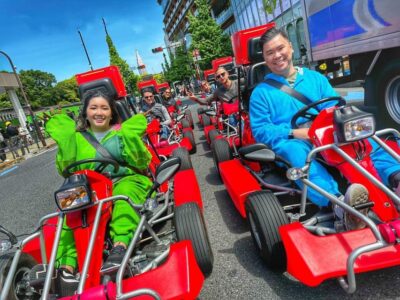 ★ 4.9Tokyo: Street Kart Experience in ShibuyaFrom $741 hour
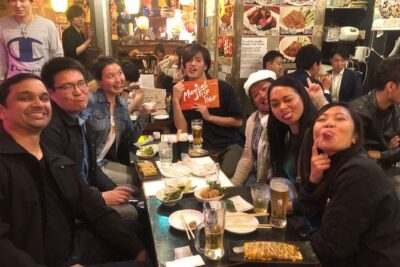 ★ 5.0Shibuya Meltdown Nightlife Tour: All-You-Can-Drink Bar HoppingFrom $106
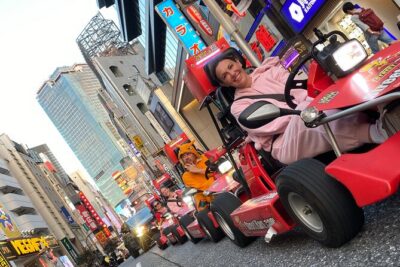 ★ 5.0Shibuya Official Street Go-Kart in Shibuya AnnexFrom $69
 ★ 5.0Tokyo: Shibuya Food Tour (13 dishes and 4 Eateries)From $77
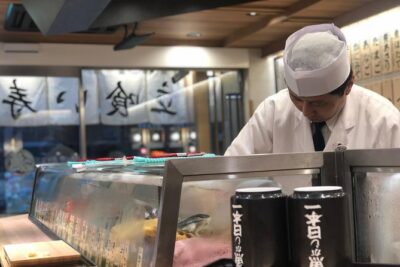 ★ 5.0Best of Shibuya Food TourFrom $217