
Reviewed · HAKONE DAY TRIPS
Guided Self Drive Up to 4 JDM Car Tour to Hakone and Daikoku PA
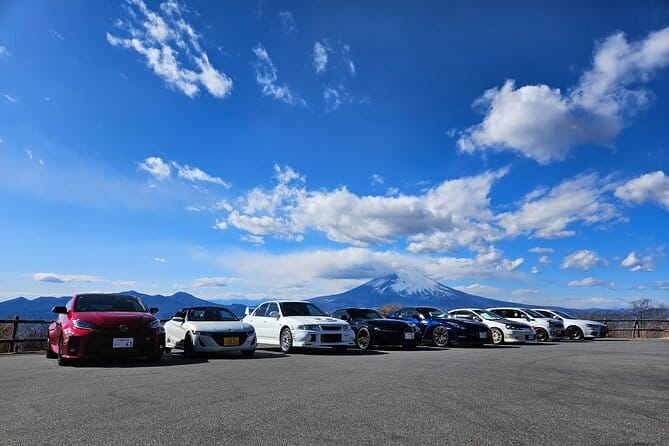
The best part of this 11-hour JDM driving day is the car rotation system. Instead of renting one sports car and sticking with it, you may drive two to four cars from a remarkable Japanese fleet, then finish at Daikoku PA, the famous meeting place for Japan’s car scene. The route runs from Noborito through Hakone’s mountain roads and back to Yokohama.
I like the mix of serious driving and good sightseeing. You get winding touge roads, views toward Mount Fuji, and a stop at Lake Ashi, but you also get time to compare very different cars. I also like the careful setup: an English-speaking guide leads in a pace car, walkie-talkies keep the group together, and fuel, tolls, and rental insurance are included.
The main drawback is the price, listed as $768.80 per person, along with a possible insurance excess of up to JPY 350,000. The tour also continues in rain, and the exact cars and route are not guaranteed, so you should book this for the driving format and overall day, not one specific model.
In This Review
- Key points before you book
- Why the car rotation system matters
- Starting at Noborito at 9:00 a.m.
- Anest Iwata Turnpike Hakone begins the drive
- Lake Ashinoko Skyline and Mount Fuji views
- Hakone Skyline keeps the wheels turning
- Tsubaki Line finishes the mountain section
- Daikoku PA brings the car culture into focus
- What the guide and driving rules add
- Is $768.80 a fair price?
- Who will enjoy this most?
- FAQ
- Where does the tour start?
- How long does the experience last?
- How many cars can I drive?
- Can a non-driving companion join?
- What documents must I bring?
- What happens if the weather is bad?
- Should you book the Hakone and Daikoku drive?
Key points before you book
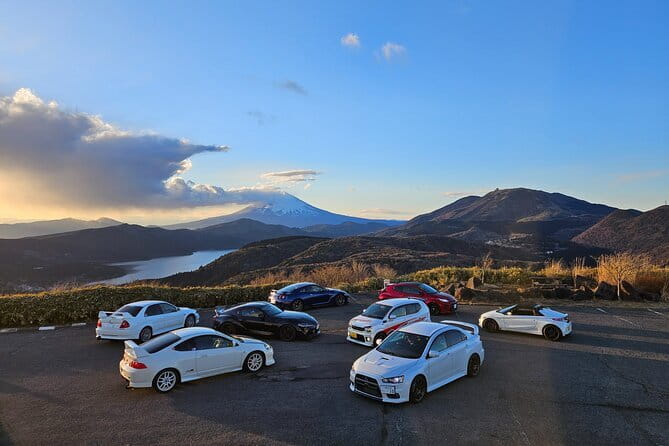
- Drive up to four JDM cars: The fleet can include an R35 GT-R, R32 GT-R, FD3S RX-7, GR Supra, GR Yaris, Lancer Evolution 6, Integra Type R, Honda S660, and Alto Works.
- Hakone provides the main event: You’ll tackle the Turnpike, Lake Ashinoko Skyline, Hakone Skyline, and Tsubaki Line under a guided pace.
- Daikoku PA is the finale: The day ends at a major car meet, where the cars present can change from day to day.
- Josh leads the drive: The English-speaking guide provides route advice and instructions through a walkie-talkie system.
- Manual driving experience matters: Some cars use manual transmissions, so you need to be comfortable shifting before booking.
- Bring original documents: You must carry your passport, local driving license, and a 1949 Geneva Convention International Driving Permit.
Why the car rotation system matters
Many Japanese car tours give you one car for a set route. That can still be fun, but it leaves you wondering how another model would feel on the same road. This tour takes a different approach by sharing the fleet among the group and changing cars during the day.
The exact rotation is chosen by the operator. You can request a preferred car, but availability on the day decides what you actually drive. The promise is at least two and as many as four cars, which gives you a useful comparison between different styles of Japanese performance car.
An R35 GT-R and an R32 GT-R represent very different points in Nissan’s GT-R story. The RX-7 brings a rotary-engine identity, while a GR Yaris offers a smaller, modern approach to performance. The Integra Type R, S660, Alto Works, Evo 6, and GR Supra add still more variety.
That variety is the real value for a car enthusiast. You are not simply taking photos beside several legends. You get time behind the wheel, under the rules of a controlled group drive. The tradeoff is that you should not expect unlimited time in one car or a private test session with your first choice.
The tour allows up to one non-driving companion. The supplied information describes the price as per car, with one driver and one non-driving companion allowed, while the headline price is shown as $768.80 per person. Because those details do not match perfectly, I would confirm the final booking charge and companion arrangement before payment.
A few more Yokohama tours and experiences worth a look
Starting at Noborito at 9:00 a.m.
The meeting point is Noborito Station in Kawasaki, at 3435 Noborito, Tama Ward. Pickup is arranged from the station at about 8:45 a.m., with the tour itself beginning around 9:00 a.m. Noborito is about 16 minutes from Shinjuku Station, making this a practical start for people staying in central Tokyo.
You need to arrive ready to drive, not simply ready to sit in a car. Bring your original passport, local driving license, and an International Driving Permit issued under the 1949 Geneva Convention. Copies are not enough, and failing to show the required documents can mean being refused participation without a refund.
You also need a valid Visa, MasterCard, or American Express card for the accident authorization form. The insurance includes an excess of up to JPY 350,000, so this is not a no-risk rental. Alcohol is forbidden before and during the tour, a sensible rule for a long day on public roads.
The group is limited to a maximum of four people. That small size should make car changes and route instructions easier to manage, though it also means the precise rotation will depend on who is booked and which vehicles are ready.
Anest Iwata Turnpike Hakone begins the drive
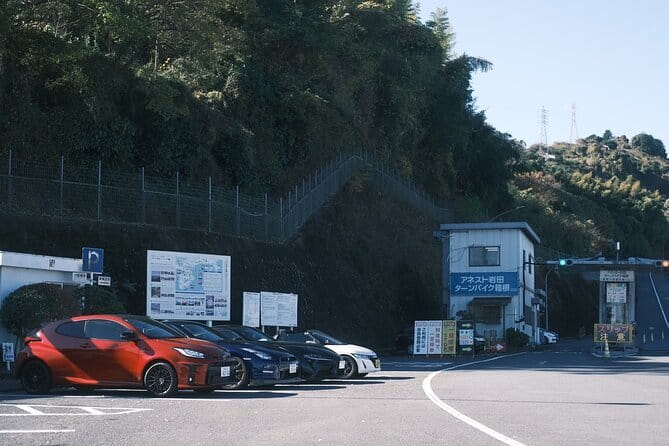
The first major road is the Anest Iwata Turnpike Hakone. This is the point where the day changes from a car pickup into a proper mountain drive. The road climbs through a series of bends toward the Turnpike Skylounge, where you get a 30-minute break.
The stop gives you time to settle into the car and take in the surrounding views. On a clear day, Hakone can offer broad views across the mountains and, from suitable points, toward Mount Fuji. Visibility is weather-dependent, so you should think of the scenery as a bonus rather than a promise.
For a first-time visitor to Japan’s famous touge roads, the guide-led format is useful. You are not left to work out the route, road rules, or meeting points by yourself. Josh leads from the front and gives instructions over the walkie-talkie, helping the group stay together.
The rules also limit what this tour is. You may not overtake the guide or other participants unless instructed. This is a leisure-focused sports car drive, not a race. You must follow Japanese traffic laws, and the group’s pace is set by the guide and road conditions.
Lake Ashinoko Skyline and Mount Fuji views
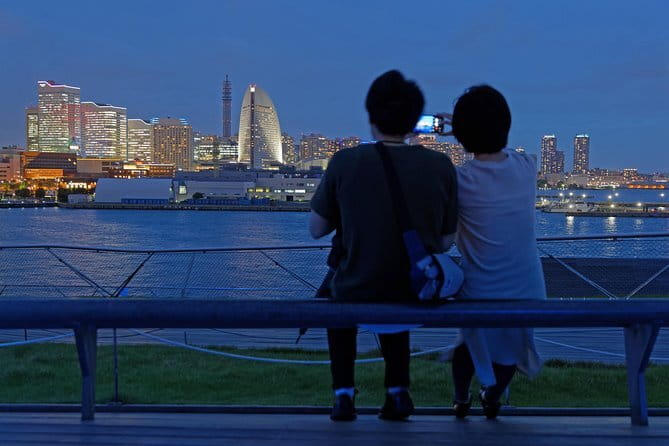
Next comes the Lake Ashinoko Skyline, often regarded as one of the best mountain routes in the area. The drive lasts about 45 minutes and includes a short stop at Mikuni Parking for a view toward Mount Fuji.
This is one of the strongest parts of the route because it combines driving with a clear sense of place. You are not only moving from one car meet to another. You are driving through Hakone’s high roads, with Lake Ashi and the surrounding peaks forming the setting for the day.
Mikuni Parking is a practical photo stop, but do not expect a long sightseeing visit. The itinerary allows a brief pause, not a full walk around the lake or a museum visit. If you want an extended Hakone sightseeing day, this tour is too focused on cars and roads.
The road itself is the attraction. Curves, elevation changes, and changing weather make each car feel different. A light, compact car may feel more playful, while a larger performance car can feel more planted and powerful. You should still drive within the guide’s pace and the legal speed limits.
Hakone Skyline keeps the wheels turning
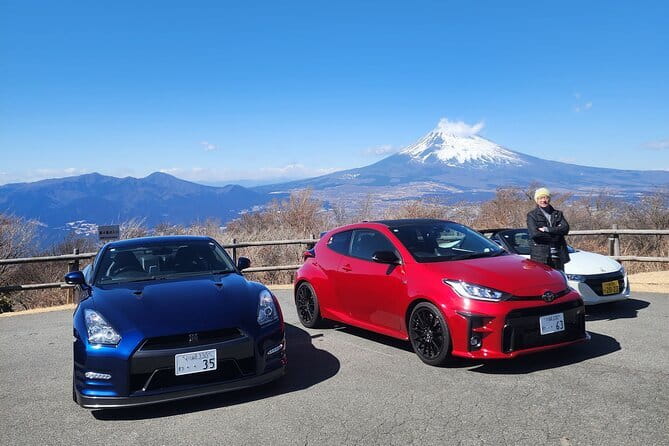
After the Ashinoko road, the group continues along the Hakone Skyline for about 15 minutes. This is a shorter section, but it adds another stretch of mountain driving rather than sending you straight to the next stop.
The value here is rhythm. The day moves through several well-known roads, and each one gives you another chance to experience a different car. The short length also helps keep the schedule moving, which matters on a tour that must cover Hakone and Daikoku PA in one day.
You should not read the 15-minute duration as a full sightseeing stop. There is no separate admission activity described here. It is driving time, and the scenery is best enjoyed from the passenger seat or through brief pauses arranged by the guide.
A few more Yokohama tours and experiences worth a look

Tsubaki Line finishes the mountain section
The final mountain road is the Tsubaki Line, with about 45 minutes allocated to the drive. By this point, you should have a feel for the group procedure, radio instructions, and the car you are driving.
This section is likely to appeal most to people who came for the roads rather than just the vehicles. The route gives you another set of bends and changes in elevation before the group leaves the Hakone area.
A full day of mountain driving can be tiring. You need to remain alert, respect the group pace, and be ready to switch cars when instructed. The schedule does not include lunch, so plan for that gap. The supplied details do not specify a particular lunch stop, and food is not included in the price.
Weather also matters here. The tour continues in rain, but snow or extreme conditions such as a typhoon can lead to cancellation. If the operator cancels for poor weather, you can arrange another date or receive a full refund.
Daikoku PA brings the car culture into focus
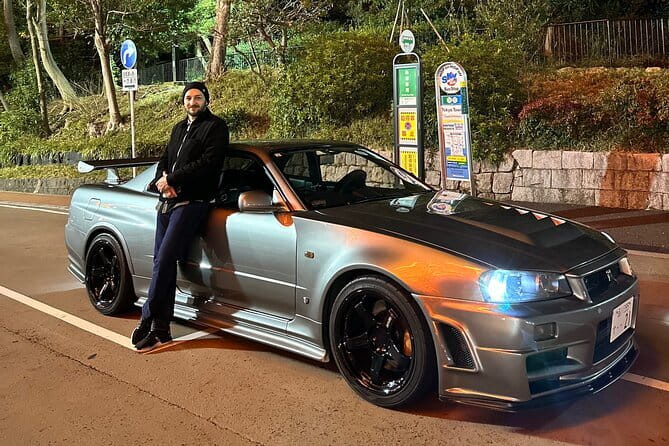
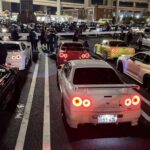
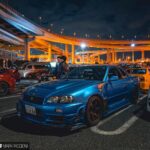
The final stop is Daikoku Parking Area, with about one hour to look around. Daikoku is known for its large car gatherings and is an ideal finish for a day built around Japanese performance cars.
The appeal is that the scene changes from one day to the next. You may see a different mix of tuned cars, sports cars, and enthusiast builds each time. The tour puts you there in one of the fleet’s JDM cars, which makes the arrival part of the experience rather than a separate taxi visit.
You should keep your expectations flexible. Daikoku is a working parking area, not a permanent auto show with a fixed display. The cars present depend on the day, timing, and local activity. The one-hour stop gives you time to look around and take photos, but not to count on a particular model appearing.
This final stop also helps explain why the tour is more than a rental. A standard car rental might let you drive Hakone independently, but it would not provide the same group arrival, radio-guided route, or planned finish at a major enthusiast meeting point.
What the guide and driving rules add
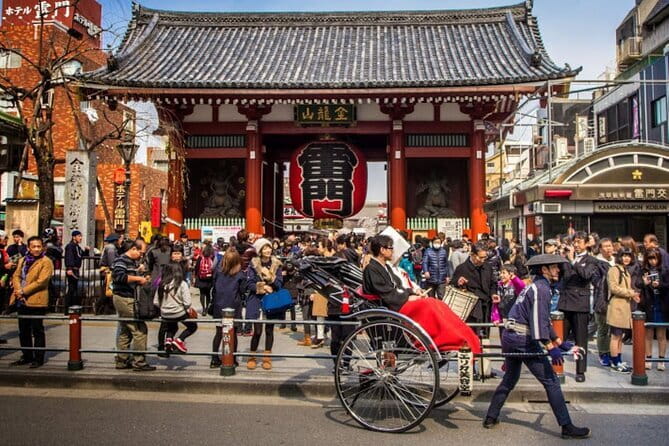
Josh is identified as one of the guides, and the available comments describe him as friendly, experienced, and clear with route instructions. His role matters because driving unfamiliar roads in another country can make even an experienced driver cautious.
The pace car system gives you a lead to follow. Walkie-talkies let the guide provide instructions during the route, and you are expected to follow them. This reduces the chance of getting lost, but it also means the day is structured rather than free-form.
You cannot treat the roads as a private circuit. Overtaking is restricted, racing is forbidden, and Japanese traffic laws apply throughout. If you want timed runs or open performance testing, you should choose a track experience instead.
You also need manual-transmission skills for some of the cars. The fleet includes models that may be available with different transmission layouts, but the information specifically says you must already be familiar with driving a manual vehicle. This is not the place to learn clutch control for the first time.
Is $768.80 a fair price?
At $768.80 per person, this is an expensive day. Yet the cost includes the car rental, fuel, tolls, and rental insurance, and you may drive up to four vehicles. For someone who would otherwise rent several specialist cars, pay highway tolls, buy fuel, and arrange a route to Hakone and Daikoku, the package can make sense.
The price is harder to justify if you only want a short ride in one particular model. Your requested car is not guaranteed, and the exact route can change. You are paying for access to the fleet, the guided organization, the mountain route, and the chance to finish at Daikoku.
The insurance excess deserves attention. Up to JPY 350,000 may be charged in an accident, and a credit card authorization is required. Read the rental terms carefully and make sure you understand what the included insurance does and does not cover.
I would also clarify the per-person and per-car wording before booking. One section gives a per-person price, while another says each car can take one driver and one non-driving companion. That may reflect how the booking platform displays the charge, but you should get the exact total in writing.
Who will enjoy this most?
This tour suits a confident driver who already enjoys manual sports cars and wants a guided way to experience famous Japanese roads. It is also a strong choice for someone who wants several cars in one day rather than a single rental.
You should book it if the following points match your plans:
- You want Hakone mountain roads and Daikoku PA in one long day.
- You are comfortable driving manual vehicles.
- You can accept a car rotation chosen by the operator.
- You want guidance, radio communication, and a small group rather than independent navigation.
- You are willing to follow a controlled pace and obey public-road rules.
- You have the required original documents.
It may not suit you if you want a relaxed Hakone sightseeing day, a guaranteed R35 GT-R or RX-7, a race-style drive, or a low-cost car meet visit. The schedule is built around driving, with no included lunch and only brief sightseeing pauses.
FAQ
Where does the tour start?
The tour starts at Noborito Station in Kawasaki. Pickup is scheduled from the station at about 8:45 a.m., with a 9:00 a.m. start.
How long does the experience last?
The tour lasts approximately 11 hours. It is expected to finish at Noborito Station around 8:00 p.m.
How many cars can I drive?
The car rotation system allows you to drive at least two and up to four JDM cars during the day. Specific cars depend on availability, though you may request a preferred model.
Can a non-driving companion join?
Up to one non-driving companion is allowed per car. The additional information states that each car can accommodate one driver and one non-driving companion.
What documents must I bring?
You must bring your original passport, local driving license, and an International Driving Permit under the 1949 Geneva Convention. You must also bring a valid Visa, MasterCard, or American Express credit card for the authorization form.
What happens if the weather is bad?
The tour continues in rain. If snow or extreme weather such as a typhoon is forecast, the operator may cancel and offer a different date or a full refund.
Should you book the Hakone and Daikoku drive?
I would book this if driving several Japanese performance cars on famous Hakone roads is the main purpose of your Japan trip. The combination of a rotating fleet, a small group, an English-speaking guide, and a Daikoku PA finish is unusual, and the day gives you far more than a quick passenger ride.
Go in with realistic expectations. Your favorite car may not be available, the route can change, the pace is controlled, and the insurance excess is substantial. Confirm the final price structure, bring every original document, and make sure manual driving feels natural to you.
For a dedicated JDM enthusiast, this is a strong bucket-list choice. For everyone else, the high price and long driving focus make it a specialist experience rather than an all-purpose Hakone tour.
More Guided Tours in Yokohama
More JDM & Car Culture in Yokohama
More Hakone Day Trips in Yokohama
More tours in Yokohama we've reviewed
Hakone Day Trips, compared.
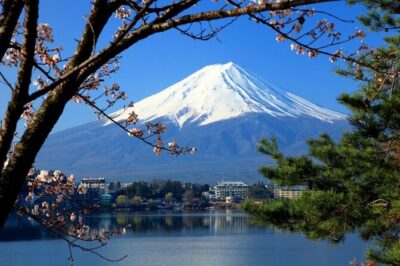 ★ 5.0Mt Fuji and Hakone 1-Day Bus Tour Return by Bullet TrainFrom $163
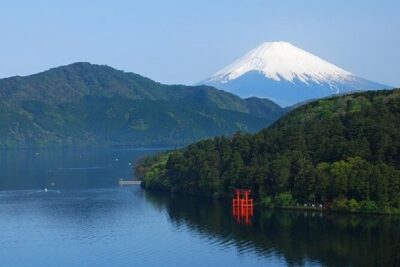 ★ 4.0Mt Fuji & Hakone Cruise, Drum Show Bullet Train 1 Day from TokyoFrom $149
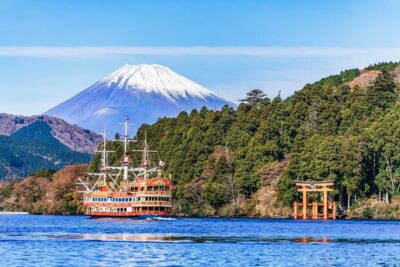 ★ 4.4Tokyo Mt Fuji 5th St & Hakone Cruise Bus Tour w/Bullet TrainFrom $15410 hours
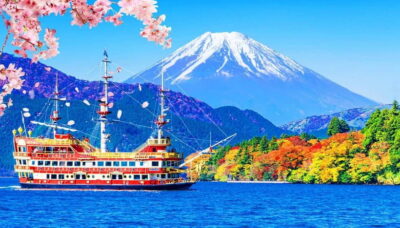 ★ 4.7Tokyo: Mt. Fuji Tour, Hakone Ropeway, Owakudani, Lake AshiFrom $5410 hours
 ★ 4.2Tokyo: Mt. Fuji 5th Station & Hakone Cruise 1-Day Bus TourFrom $12911 hours
 ★ 5.0Private Tour to Mt. Fuji and Hakone (Fully Licenced Operator)From $497