
Reviewed · GUIDED
Private Tour with a Local Guide – Learn about daily life in Japan
This private walk gives you a quick, human introduction to Tokyo, starting with the quiet grounds of Meiji Jingu Shrine and ending amid the organized rush of Shibuya Crossing. Guide Jero adds the local view, from shrine customs to Japanese street fashion, while also helping with photos at the city’s famous sights.
I like the private format, since your group can ask questions and set a pace that suits you. I also like the route itself: it links old Tokyo, Harajuku’s youth culture, independent shops on Cat Street, and modern Shibuya without making you plan every turn yourself.
The main tradeoff is time. At two to three hours, this is an orientation walk rather than a full exploration of Harajuku and Shibuya. Food and drinks cost extra, and the popular streets can feel crowded, especially around Takeshita Street and the crossing.
In This Review
- Key points to know before booking
- Why this route works for a first look at Tokyo
- Meeting Jero at Meiji Jingu
- Takeshita Street and Harajuku’s youthful style
- Harajuku beyond the main shopping street
- Cat Street’s quieter change of pace
- Arriving at Shibuya Crossing
- What the private format adds
- Is $88.68 per person good value?
- Who should book this walk?
- Booking details that matter
- Should you book this Tokyo tour?
- FAQ
- Where does the private Tokyo walking tour start?
- Where does the tour finish?
- How long does the tour last?
- Is this a private tour?
- Can I choose the start time?
- Is food included in the price?
- Is the tour conducted in English?
- Can I cancel for a full refund?
Key points to know before booking
- A private route from shrine grounds to city lights: See Meiji Jingu, Takeshita Street, Harajuku, Cat Street, and Shibuya Crossing in one outing.
- Guide Jero sets a friendly, flexible tone: His role goes beyond directions, with help for photos and explanations of daily life, pop culture, and local customs.
- Choose a start time that fits your day: This is useful if you are working around jet lag, meals, or another Tokyo booking.
- A good first-day orientation: The route gives you a practical sense of how Harajuku and Shibuya connect.
- Street food is suggested, not included: You can ask where to stop, but you pay for anything you eat or drink.
- The experience is genuinely private: Only your own group participates, with group discounts available.
Why this route works for a first look at Tokyo
Tokyo can be hard to read on your first day. One block may feel hushed and wooded, while the next is packed with clothing stores, giant signs, and young shoppers. This tour puts that contrast front and center.
The route is especially useful if you want more than a list of famous names. Meiji Jingu explains one part of Japanese life, while Harajuku and Shibuya show how the capital’s younger, more experimental side expresses itself. I like that progression because it gives you a basic map of the city and a better sense of how different Tokyo neighborhoods feel.
You also finish at Shibuya Station, a useful transport point for continuing your day. From there, you can make your own plans without needing to return to the starting point.
The activity has a 5.0 rating from 22 ratings, with a 100 percent recommendation score. That is a small sample, but it matches the strongest theme in the written feedback: Jero’s warm manner, clear explanations, and ability to show places people might miss on their own.
Other guided tours in Tokyo

Meeting Jero at Meiji Jingu
The tour starts at Café Mori no Terrace, at 1-1 Yoyogikamizonochō in Shibuya. From there, you walk toward Meiji Jingu Shrine, one of Tokyo’s best-known Shinto sites.
This is a smart place to begin. The shrine offers a calmer setting before the tour moves into Harajuku’s shopping streets. Your guide explains the shrine’s cultural role and the customs connected with visiting it, so you are not simply passing through a photogenic gate without knowing what it means.
Meiji Jingu is also a good place to ask basic questions about Japan. You might want to know how to behave at a shrine, what the wooden plaques are for, or how Shinto differs from other religious traditions in Japan. The tour description specifically promises cultural and historical explanations as you walk toward the main building.
The pace here should suit most people, since the tour is a walking activity and most travelers can participate. Still, wear comfortable shoes. Even a short urban walk can feel longer when you are stopping for photos, listening, and moving through several districts.
One pleasant extra is the photography help. The guide includes solo pictures and group pictures at famous landmarks. That matters on a private walk, since you do not have to rely on hurried selfies or ask passing strangers to frame the shot.
Takeshita Street and Harajuku’s youthful style
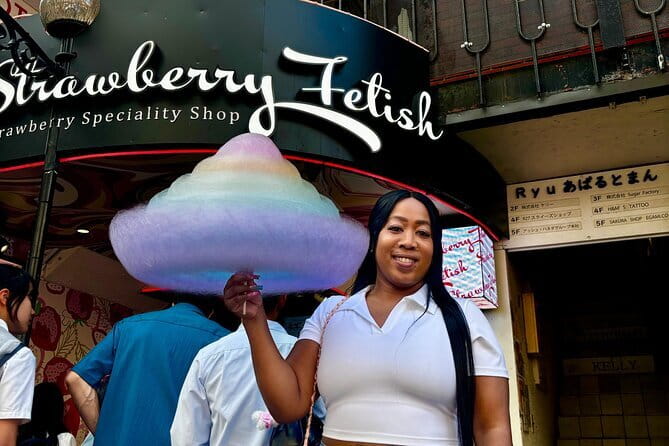
After Meiji Jingu, the route moves to Takeshita Street, the famous colorful shopping street in Harajuku. This is where the mood changes quickly. Expect a strong concentration of shops, fashion, youth culture, and snack stops.
The value of having Jero here is context. You can walk down Takeshita Street by yourself, but it is harder to understand what you are seeing beyond the bright signs and unusual clothing. A local guide can point out elements of Japanese pop culture and explain how Harajuku became associated with bold personal style.
The street is not a quiet place for slow window shopping. It is a major sightseeing stop, so you should expect crowds and a busy pace. If you dislike packed shopping streets, this portion may be your least favorite. If you enjoy people-watching and unusual retail districts, it is likely to be one of the tour’s most entertaining sections.
Food is another reason to ask questions here. Your guide can suggest Japanese street food stops, but the cost is not included. That arrangement keeps the tour price simple, though you should bring extra money if trying snacks is part of your plan.
I would treat this stop as a chance to sample a little, not as a full food tour. The experience is built around walking and local insight, with food as an optional break.
Harajuku beyond the main shopping street
The route then continues through Harajuku’s street-style areas, where fashion is the main subject. The description presents Harajuku as a place where every street can feel like a runway, with different colors, styles, and youth trends appearing side by side.
This is a useful distinction. Takeshita Street gives you the famous, concentrated version of Harajuku. The surrounding streets offer a broader look at the district’s style culture. You may find a mix of independent fashion, creative displays, and smaller streets that are easy to skip if you follow only the most obvious sightseeing path.
The tour does not promise a shopping allowance or specific stores, so you should not book it expecting a guided retail session. Its strength is interpretation. Jero can help explain what makes Harajuku important to Japanese pop culture and how its style differs from the more polished commercial areas nearby.
I especially like this part for visitors who want to understand daily life rather than simply collect landmark photos. Tokyo’s culture often appears in small details: how people dress, where they gather, and how older customs share space with new trends.
Cat Street’s quieter change of pace
The walk continues to Cat Street, between Harajuku and Shibuya. The stated visit is 20 minutes, and admission is free.
Cat Street is known for independent boutiques, vintage shops, and fashionable cafés. Compared with the main roads nearby, it offers a more relaxed pedestrian route. That contrast makes it a good bridge between Harajuku and Shibuya.
I would not expect 20 minutes to cover every shop or café. Instead, use this stop to see another side of the area. Takeshita Street is famous for its concentrated energy, while Cat Street gives you more room to notice smaller businesses and a less intense street scene.
The free admission is obvious but still useful: there are no attraction tickets to budget for on this route. Your extra spending is mainly food, drinks, or anything you choose to buy along the way.
Cat Street also helps the tour feel less like a checklist. You are not simply moving from one major sight to another. You are walking through the urban links between districts, seeing how the character shifts from one street to the next.
Other private tours in Tokyo


Arriving at Shibuya Crossing
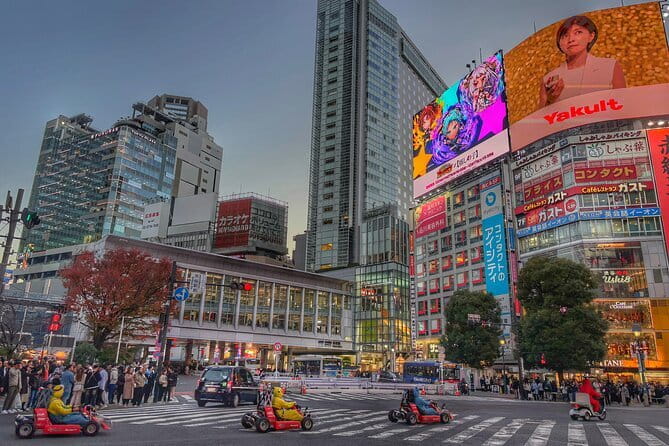
The final major stop is Shibuya Crossing, Tokyo’s famous intersection. Here, you join the flow of pedestrians and see the city operating at full speed.
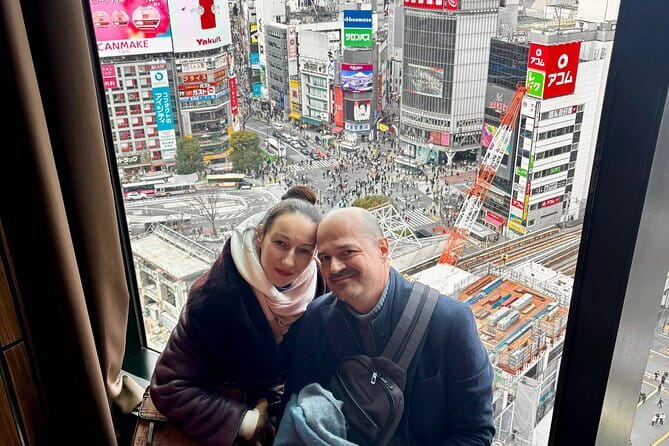
The crossing is worth visiting because it is both a landmark and a small lesson in Tokyo’s public rhythm. People move in many directions, yet the process feels organized. Your guide can help you understand where to stand, how to cross, and where to take photographs without turning the stop into a confusing scramble.
The crossing can be crowded, and it is not a peaceful end to the walk. If you prefer quiet sights, this may feel like a lot after Harajuku. If you want the classic Tokyo experience, it delivers the city’s scale and motion in one memorable moment.
The tour ends at Shibuya Station, at 2 Chome-24 in Shibuya. This is convenient because you can continue shopping, sightseeing, dining, or taking public transportation from a major station rather than retracing the route.
What the private format adds
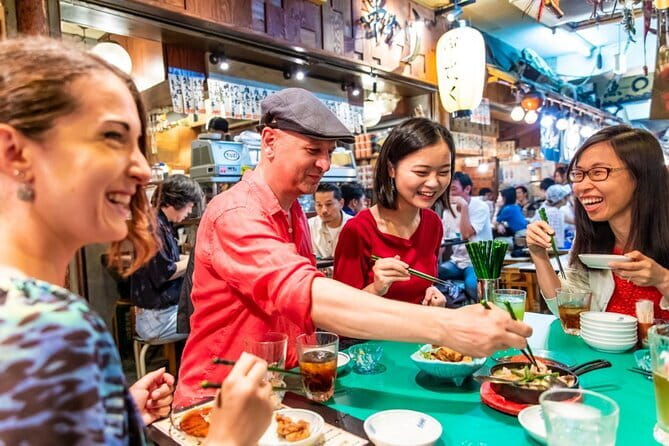
A private tour changes the experience more than the short duration might suggest. You are not trying to hear a guide over a large group, and you can ask about things that catch your eye. The group can also keep its own rhythm within the available time.
That matters in Tokyo, where stops often raise practical questions. You may want to know if a shrine custom is appropriate, what a street-food item is, why a fashion trend is popular, or which part of the route deserves more time. With only your group present, those questions fit naturally into the walk.
Jero is the named guide connected with the strongest praise in the supplied feedback. The comments describe him as kind, flexible, and able to show corners people would not have found alone. One person said they could have continued with him for several more hours, which suggests the tour’s appeal lies as much in the guide’s company and local perspective as in the route.
That does not mean every group should expect a longer tour. The scheduled experience remains about two to three hours. If you want extra time, ask before booking or during the tour, but do not assume it is included.
Is $88.68 per person good value?

At $88.68 per person, this is not the cheapest way to walk through Harajuku and Shibuya. You can reach the same districts on your own without paying a guide, and the major outdoor sights do not require admission.
The value comes from the private attention. You are paying for an English-speaking guide, local explanations, help with photographs, a flexible start time, and a route that joins several different parts of Tokyo. For a couple, family, or small group that wants personal help during its first hours in the city, the price can make sense.
Group discounts may improve the cost for larger bookings. Since food and drinks are excluded, plan for those separately. There is no indication that shopping purchases or special attraction tickets are part of the price.
I would consider this a good value if you want to get your bearings quickly and care about culture, daily life, and pop trends. I would consider it less useful if you already know Harajuku and Shibuya well or prefer to spend several hours inside shops at your own pace.
Who should book this walk?
I would recommend it to first-time Tokyo visitors, especially those who want a compact introduction before exploring alone. It also suits people who like asking questions, want help with photos, or prefer not to manage every train transfer and turn by themselves.
Families may appreciate the private setup, since the group does not need to match a larger party’s pace. Couples and friends can also make better use of the photo service than they could with a standard group walk.
The tour is a strong fit for anyone curious about the contrast between shrine culture and modern Japanese pop culture. It is less suitable if you have limited mobility and are not comfortable with a walking route, since the activity is built around moving between several neighborhoods.
You should also consider the timing. Two to three hours gives you a useful introduction, but not a detailed study of every district. Think of it as a well-guided first chapter, followed by your own time in Shibuya or Harajuku.
Booking details that matter
Confirmation is provided at booking, and the meeting point is near public transportation. The activity is private, so only your group participates. You can choose a start time that fits your schedule, which is helpful when planning around another Tokyo activity.
Free cancellation is available if you cancel at least 24 hours before the local start time. Cancellations made inside that window are not refunded, and late changes are not accepted.
The tour ends at Shibuya Station rather than returning to the café. That is a practical finish, but make sure everyone in your group knows the plan before setting off.
Should you book this Tokyo tour?
Book it if you want personal guidance through Tokyo’s cultural contrasts rather than a list of sights. The route is compact, the private format is useful, and Jero’s friendly approach appears to be a major part of the experience.
Skip it if you already know these neighborhoods, want a dedicated food tour, or prefer to explore without a set route. For a first visit, though, the combination of Meiji Jingu, Harajuku, Cat Street, and Shibuya Crossing gives you a solid introduction in a manageable two to three hours.
FAQ
Where does the private Tokyo walking tour start?
The tour starts at Café Mori no Terrace, located at 1-1 Yoyogikamizonochō, Shibuya, Tokyo 151-0052, Japan.
Where does the tour finish?
The tour finishes at Shibuya Station, at 2 Chome-24, Shibuya, Tokyo 150-0002, Japan.
How long does the tour last?
The experience lasts approximately two to three hours.
Is this a private tour?
Yes. Only your group participates in the activity.
Can I choose the start time?
Yes. The tour allows you to choose a start time that suits your schedule.
Is food included in the price?
No. Food and drinks are not included. Your guide can suggest Japanese street food stops, but you pay for those purchases yourself.
Is the tour conducted in English?
Yes. An English-speaking walking tour guide is included.
Can I cancel for a full refund?
Yes, if you cancel at least 24 hours before the experience start time. Cancellations made less than 24 hours in advance are not refunded.
More Private Tours in Tokyo
More Guided Tours in Tokyo

More tours in Tokyo we've reviewed




Guided, compared.
 ★ 5.0Tokyo 6hr Private Tour with Government-Licensed GuideFrom $155
 ★ 4.9Tokyo: Shinjuku Local Bar and Izakaya Guided Walking TourFrom $343 hours
 ★ 4.8Tokyo: Private City Highlights Tour with Local GuideFrom $1064 - 8 hours
 ★ 4.9Tokyo: Tsukiji Fish Market Guided Walking TourFrom $222 hours
 ★ 5.0Tokyo 4hr Private Tour with Government-Licensed GuideFrom $109
 ★ 5.0Tokyo Guided Small-Group Biking TourFrom $106