

Reviewed · AKIHABARA & ANIME TOURS
Ramen Making from Scratch +Akihabara Tour –Tokyo Cooking Class
Akihabara is best known for anime, electronics, and game shops, but this experience takes you beyond the neon signs and into Japanese food culture. You’ll tour the district, shop for ingredients, then make ramen noodles, broth, and chashu pork from scratch in a central Tokyo kitchen.
I like the useful supermarket stop, where you learn what Japanese seasonings and ingredients look like before cooking. I also like the small maximum of 12 people, plus the downloadable photos that give you a record of the day. The main drawback is clear: vegan and vegetarian options are not available, so this class suits meat-eaters.
In This Review
- Key points to know before booking
- Why this Tokyo ramen class is more than a meal
- Starting at Akihabara Station at 11:00 a.m.
- The supermarket stop and Japanese ingredients
- The train ride to the cooking studio
- Making ramen from flour to finished bowl
- What Jiro-style ramen means for this class
- Group size, guides, and the feel of the lesson
- Is the $123.55 price good value?
- Who should book this experience?
- Timing, cancellation, and useful planning advice
- Final verdict: book it if you want to make your lunch
- FAQ
- Where does the ramen experience start?
- What time does the activity begin?
- How long does the experience last?
- What food do you make?
- Are vegetarian or vegan options available?
- How many people can join the class?
Key points to know before booking
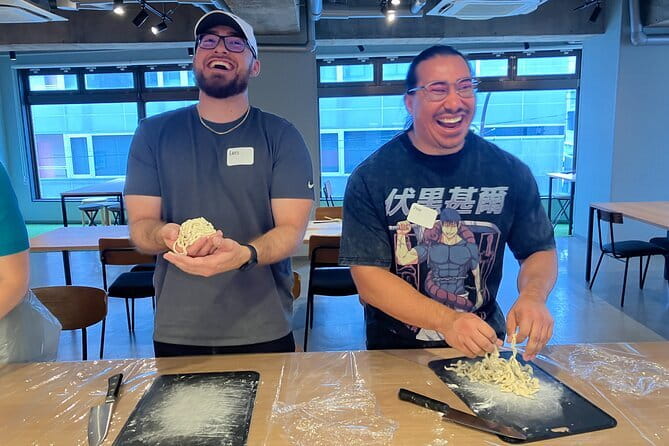
- Start in Akihabara at 11:00 a.m. with a 20-minute walk through Tokyo’s famous electronics and pop-culture district.
- Shop in a Japanese supermarket for about 20 minutes and learn how local ingredients are used.
- Make Jiro-style ramen by hand, including fresh noodles, broth, chashu pork, and toppings.
- Travel by train to the kitchen studio, with the ride taking about 15 to 30 minutes.
- Eat the ramen you prepare, with lunch included in the experience.
- Keep the group personal, with no more than 12 participants and English-speaking instruction.
Why this Tokyo ramen class is more than a meal
Many Tokyo food experiences end when the bowl reaches your table. This one asks you to work for it, in the best possible way. You begin by seeing ingredients in a real supermarket, then use them in a kitchen studio under the direction of an English-speaking instructor.
That order matters. You do not simply memorize a recipe in a classroom. You first see the products in the setting where local shoppers buy them. For anyone who has wandered through a Japanese supermarket and wondered what half the bottles, packets, and vegetables were for, this is a practical introduction.
The cooking itself takes about 90 minutes. You prepare fresh noodles, flavorful broth, and toppings, then put them together as a bowl of Jiro-style ramen. The class also covers chashu pork, an important part of the dish described in the cooking plan.
The full experience lasts roughly three and a half hours. That makes it a substantial half-day activity rather than a quick cooking demonstration. You get a neighborhood walk, a food-shopping lesson, a train ride, a hands-on class, and lunch in one booking.
A few more Tokyo tours and experiences worth a look



Starting at Akihabara Station at 11:00 a.m.
Your meeting point is Akihabara Station at 1 Chome Sotokanda, in Chiyoda City. The start time is 11:00 a.m., so you should plan to arrive early and give yourself room to find the meeting point inside this large transport area.
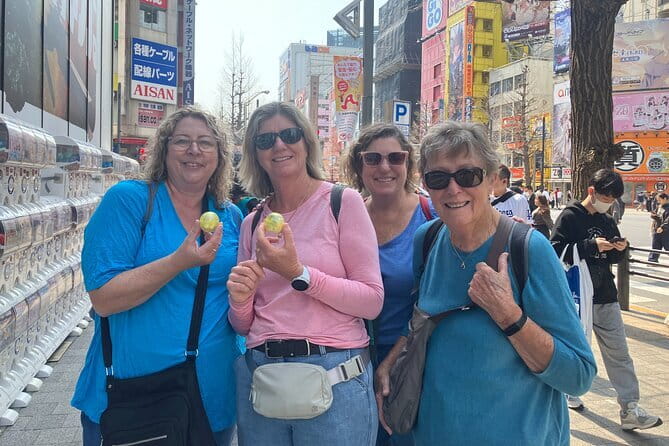
The first walking section takes about 20 minutes. Akihabara is famous for electronics, anime, manga, gadgets, and Japanese pop culture, so this opening provides a quick look at a very specific side of Tokyo. It is not a long sightseeing tour, and you should not book it expecting a full history of the district.
Still, it is a useful way to get your bearings. Guides Saori and Bunga are named in the experience details, and one participant specifically found Saori helpful when the many parts of Tokyo felt overwhelming. That is a good clue about the role of the guide here: you get orientation and local context before leaving the neighborhood for the cooking studio.
The walk also helps break up the day. You are not asked to sit in a kitchen from the first minute. Instead, you begin outdoors, see the district, and then shift toward a very practical food task.
The supermarket stop and Japanese ingredients
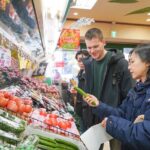
The supermarket visit lasts about 20 minutes. You use this time to pick up fresh ingredients for the ramen and learn how Japanese foods and seasonings are used in cooking.
This is one of the strongest parts of the experience for anyone who wants skills to take home. A restaurant meal shows you the finished product. A supermarket shows you the building blocks, including the labels, packaged goods, seasonings, and ingredients that can be difficult to identify without help.
The stop is short, so expect an introduction rather than a detailed food tour. You may not have time to study every aisle or compare many brands. The value comes from having a guide point out what matters for the recipe and explain how the ingredients fit into Japanese cooking.
I would especially recommend paying attention to the seasonings. The experience is designed to help you understand local ingredients, not just collect them for this one bowl. That makes the supermarket section useful if you hope to recreate ramen at home after your Tokyo visit.
There is also a practical advantage for first-time visitors. Japanese food packaging can be difficult to read, even when you know what kind of product you want. Seeing the ingredients with a guide gives you a better chance of recognizing them later.
The train ride to the cooking studio
After the supermarket, you take a train to a modern kitchen studio. The ride takes about 15 to 30 minutes, depending on the route and conditions.
This transfer is part of the overall timing, so keep the day flexible. The experience begins and ends in different locations, and hotel pickup and drop-off are not included. You should be prepared to continue your sightseeing from the kitchen studio after lunch rather than returning to Akihabara.
The train ride also gives the experience a more everyday Tokyo rhythm. You are moving through the city as residents do, rather than spending the whole activity in a tourist district. Since the exact end location is not specified here, check the final meeting information carefully before booking and avoid scheduling a tight appointment immediately afterward.
Making ramen from flour to finished bowl

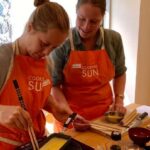
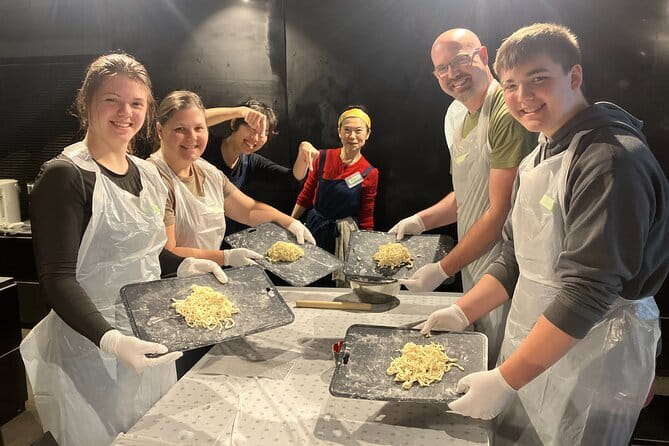
The central cooking class lasts about 90 minutes. This is the part most people will be waiting for, and it is genuinely hands-on. You make the noodles, prepare the broth, cook the chashu pork, and bring the components together.
The phrase from scratch is important. You are not just adding toppings to premade noodles or watching an instructor prepare the dish. The class gives you practice with several separate parts of ramen, so you can see how the final bowl comes together.
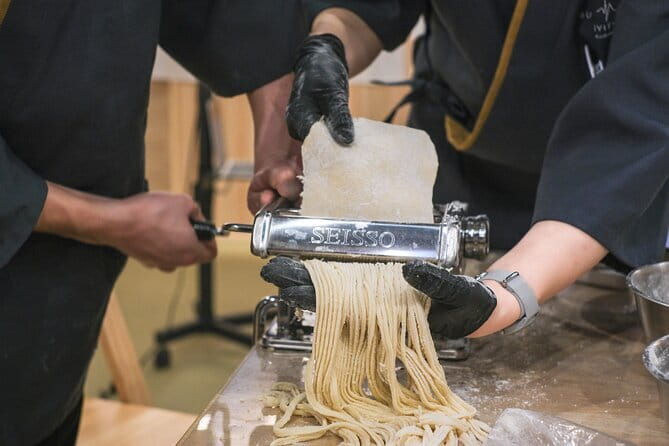
Fresh noodles are a major part of the lesson. You learn the process of preparing them rather than relying on dried noodles from a packet. The broth receives its own attention, and the class also covers the pork and other toppings needed for a Jiro-style bowl.
The result is lunch, included as part of the experience. Eating what you have prepared gives the class a clear payoff, but the value is not only in the meal. You also gain a better sense of the time, work, and coordination involved in a bowl of ramen served at a shop.
The English-speaking instructor is important here. Cooking terms, timing, and texture can be hard to communicate through gestures alone. Feedback on the instruction has been especially strong, with specific praise for the kitchen staff, clear English, and the chance to take part rather than simply watch.
Families can also find a good fit here. One family described the children as enjoying every part of making and preparing the ramen. The class has enough variety to keep younger participants involved, though parents should consider the 90-minute cooking period and the fact that the dish includes meat.
Other cooking classes in Tokyo



What Jiro-style ramen means for this class
The experience identifies the finished dish as Jiro-style ramen. That gives you a particular target rather than a vague promise to make generic noodles in soup.
The supplied details do not specify every recipe measurement or the exact toppings beyond chashu pork, so you should not expect a full written cookbook from the information available. What you can expect is practice with the core elements: noodles, broth, pork, and assembly.
That is enough to make the class worthwhile for a first cooking lesson. You learn a complete dish with several stages, not just one narrow technique. If you already make ramen regularly, you may find the class less useful as a technical masterclass, but it still combines food preparation with an Akihabara visit.
The class also gives you a meal at the end, which helps justify the length and price. You spend much of the time actively involved, rather than paying only for a short tasting.
Group size, guides, and the feel of the lesson
The maximum group size is 12. That is not a private lesson, but it is small enough to feel more personal than a large demonstration. The group limit should also make it easier to follow instructions and get help when handling the noodles, broth, or pork.
The named guides include Saori and Bunga for the Akihabara portion, while Kyoko and Hioroko are mentioned in connection with the cooking class. The roles may vary by date, so you should not assume that every named person will lead your specific session.
What matters is the overall structure: a neighborhood guide helps you through Akihabara and the supermarket, then cooking staff lead the class in English. Past feedback places strong emphasis on friendly interaction, clear communication, and a pleasant atmosphere. The class is not built as a silent technical workshop. You should expect conversation and shared activity as you cook.
That social side can be a plus for solo participants, couples, and families. The minimum booking requirement is two people, so you cannot reserve this activity as a one-person booking. The maximum of 12 keeps the group from becoming unwieldy.
Is the $123.55 price good value?
At $123.55 per person, this is not the cheapest way to eat ramen in Tokyo. A bowl at a restaurant will cost far less, and you can explore Akihabara on your own without paying for a guided walk.
The price makes more sense when you count what is included. You receive the Akihabara walking tour, the supermarket visit, the train transfer as part of the activity, the cooking experience, lunch, English-speaking instruction, and downloadable photos taken during the experience.
You are also paying for access to a kitchen studio and for the chance to make several components yourself. If you value a practical food lesson, the price is easier to justify than if you only want lunch.
I would see this as a good-value choice for someone who wants a structured half-day activity. It is less attractive for a visitor who is focused only on eating, shopping, or seeing as many Tokyo sights as possible. The 3.5-hour commitment is part of the cost, so make sure you want the class itself.
The fact that it is often booked about 52 days ahead suggests that you should not leave it until the last minute, especially if your Tokyo dates are fixed. A mobile ticket makes the booking simple, but it does not remove the need to check the meeting point and end location.
Who should book this experience?
I would recommend this class to:
- Families with children who enjoy practical activities and want more than a sightseeing walk.
- First-time Tokyo visitors who appreciate help navigating Akihabara and Japanese food shops.
- Ramen fans who want to learn how noodles, broth, pork, and toppings fit together.
- Couples and friends looking for a shared activity that ends with lunch.
- Home cooks who want a better understanding of Japanese ingredients and seasonings.
I would be more cautious if you are vegan or vegetarian, since those options are not available. I would also skip it if you dislike group cooking, have a very tight schedule, or want a private class with a custom menu.
The class requires a minimum of two people per booking. That works well for couples, families, and friends, but it limits the choice for solo visitors.
Timing, cancellation, and useful planning advice
The experience requires good weather. If poor weather forces a cancellation, you are offered a different date or a full refund. The same applies if the minimum number of participants is not met.
You can cancel for a full refund up to 24 hours before the start time. Changes or cancellations made less than 24 hours before the 11:00 a.m. start are not accepted for a refund, and all cutoff times use Tokyo local time.
Wear something comfortable for a cooking session and allow extra time to reach Akihabara Station. Since the activity ends somewhere different from the starting point, do not assume you will finish near Akihabara.
The downloadable photos are a pleasant extra rather than the main reason to book. They can be useful for families and couples, especially since the activity includes several distinct moments: the district walk, supermarket visit, and cooking class.
Final verdict: book it if you want to make your lunch
I recommend the Ramen Making from Scratch and Akihabara Tour if you want a hands-on food lesson with a bit of Tokyo sightseeing built in. Its strongest features are the real supermarket visit, the small group, and the chance to prepare a complete bowl rather than watch a demonstration.
Book it if you eat meat, enjoy practical classes, and can spare three and a half hours. Families, couples, and first-time visitors are likely to get the most from it.
Skip it if you need vegetarian food, want a private experience, or care more about visiting Akihabara’s shops than learning to cook. For everyone else, the price buys a useful and sociable introduction to Japanese ramen, with lunch at the end and a few cooking skills to carry home.
FAQ
Where does the ramen experience start?
It starts at Akihabara Station, at 1 Chome Sotokanda, Chiyoda City, Tokyo 101-0028, Japan.
What time does the activity begin?
The scheduled start time is 11:00 a.m.
How long does the experience last?
The full activity lasts approximately 3 hours and 30 minutes.
What food do you make?
You make Jiro-style ramen from scratch, including fresh noodles, broth, chashu pork, and toppings.
Are vegetarian or vegan options available?
No. Vegan and vegetarian options are not available.
How many people can join the class?
The activity has a maximum of 12 participants, and at least two people are required per booking.
More Cooking Classes in Tokyo
More Cooking Classes in Tokyo
More Akihabara & Anime Tours in Tokyo


More tours in Tokyo we've reviewed








Akihabara & Anime Tours, compared.
 ★ 5.0Official Street Go-Kart Tour – AkihabaraFrom $61
 ★ 5.0Tokyo Go Kart: Asakusa, Skytree, and Akihabara **IDP MUST**From $99
 ★ 4.7Tokyo: Asakusa, Skytree & Akhihabara Go-Kart City ExperienceFrom $961h 10m
 ★ 4.5Tokyo Studio Ghibli Museum and Ghibli Film Appreciation TourFrom $193
 ★ 5.0Akihabara Anime & Game Adventure Walking Tour (Group or Private)From $90
 ★ 5.0Tokyo: Gameboy Mod Workshop at AkihabaraFrom $3602 hours