
Reviewed · SHIBUYA TOURS
Shibuya Tokyo: Onigiri & Tamagoyaki Cooking Class
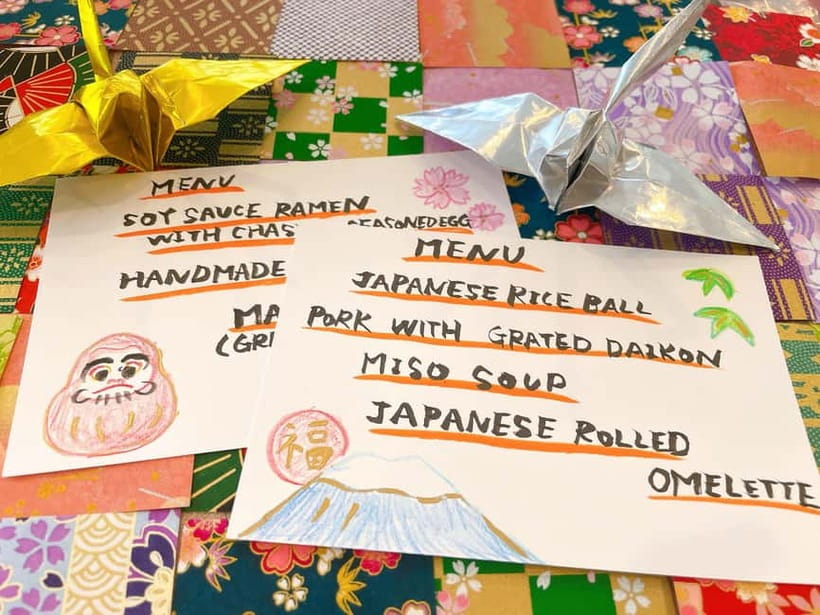
Onigiri looks simple, but good rice balls depend on small choices: the rice texture, the amount of seasoning, the pressure of your hands, and the way nori is wrapped. This 90-minute Sorisso class turns a familiar Japanese snack into a useful cooking lesson you can repeat at home.
I like the small group size, capped at eight, because it gives you room to ask questions and get help with shaping. I also like the practical finish: you make three rice balls and half a portion of rolled omelet, then take home recipes and a small souvenir.
The main consideration is the modest amount of food. You are learning and eating a light meal, not sitting down to a full Japanese feast. People with severe or life-threatening food allergies should not book, and children must be at least five years old.
In This Review
- Key points to know before booking
- Why onigiri makes a smart Tokyo food class
- Working with rice, salt, and texture
- Three rice balls, several ways to shape them
- Fillings from classic to vegetarian
- Rolling tamagoyaki in the same small kitchen
- A friendly English class for beginners
- What the 90-minute schedule feels like
- The small shop setting in Shibuya
- Is $49 a fair price?
- Who should book this Sorisso class?
- Should you book the onigiri and tamagoyaki class?
- FAQ
- How long does the cooking class last?
- How much does the class cost?
- What food will I make?
- Is the class taught in English?
- How large is the group?
- Do I need previous cooking experience?
- Are children allowed to join?
- Are ingredients and cooking tools included?
- Can I join with dietary restrictions or allergies?
Key points to know before booking
- Three onigiri per person: You make enough rice balls to practice different shapes and fillings.
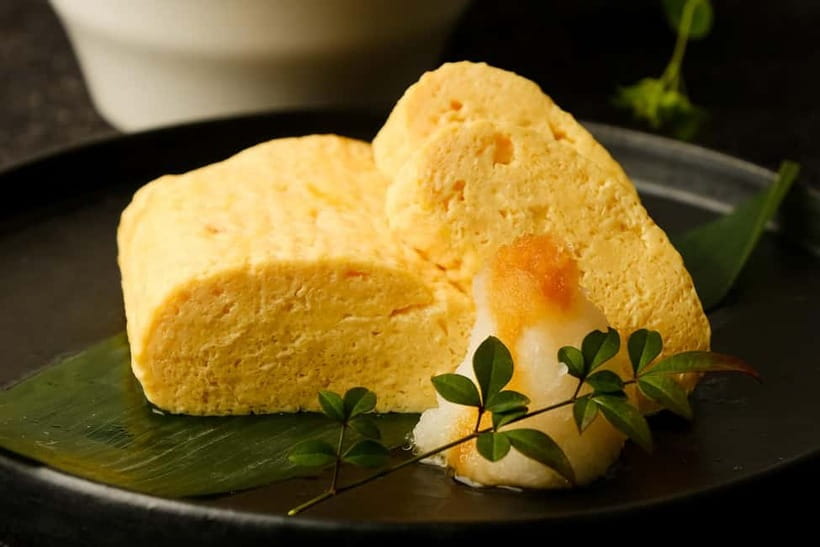
- Tamagoyaki included: The class also covers half a portion of Japanese rolled omelet.
- English instruction: The host explains each stage in English and guides beginners closely.
- Up to eight people: The compact group allows for personal help without making the class feel formal.
- Shibuya cooking stop: The class takes place in a small shop with a cozy kitchen setup that is easy to find.
- Flexible booking: You can cancel up to 24 hours before the class for a full refund or reserve now and pay later.
Why onigiri makes a smart Tokyo food class
Onigiri is one of Japan’s most useful foods. It is portable, filling, inexpensive, and found everywhere from home kitchens to convenience stores. Yet the best part of this class is that it shows you why a plain-looking rice ball can have so much character.
The lesson begins with rice. You learn how to choose the right type and how cooking affects the final texture. That matters because onigiri needs rice that holds together without becoming wet or heavy. If the grains are too loose, the shape falls apart. If they are pressed too hard, the rice turns dense.
This is a good lesson for anyone who has bought excellent Japanese rice but struggled to reproduce the same texture at home. The instructor focuses on practical handling rather than assuming you already know Japanese cooking terms or methods.
You also get to compare fillings. Traditional savory options are part of the class, but modern interpretations and vegetarian choices are included in the mix. The exact fillings can vary, so you should think of this as a chance to learn the method rather than a fixed tasting menu.
That flexibility is useful. Once you understand the rice and shaping, you can adapt onigiri to your own kitchen. A favorite filling, leftover vegetables, or a vegetarian combination can all work if the moisture level is right.
A few more Tokyo tours and experiences worth a look


Working with rice, salt, and texture
Rice is the foundation of this activity, and the class gives it more attention than a quick snack demonstration would. You learn about selecting and cooking rice for onigiri, then handle it while it is ready to shape.
The texture lesson is especially valuable for beginners. Onigiri should hold its form, but it should not feel like a compact block. Your hands need to apply enough pressure to create a stable shape while leaving the rice pleasant to eat.
The instructor guides you through the process rather than leaving you to guess. That is important in a small cooking class. With as many as eight participants, you should have a reasonable chance to check your technique and adjust before moving on.
You make three rice balls per person. That gives you more than one attempt, which is exactly what you want when learning a hands-on skill. The first may be uneven. By the third, you should have a clearer feel for how much rice to use and how firmly to shape it.
Three rice balls, several ways to shape them
Classic triangular onigiri is part of the lesson, along with other creative designs. The triangle is strongly associated with the food, but it is not the only practical shape. Different forms can suit different fillings and serving ideas.
Shaping is more than decoration. A well-formed rice ball keeps the filling in place and makes the food easy to hold. You learn how to create a firm outer layer while leaving enough room for the center filling.
The class supplies ingredients and utensils for three rice balls per person, so you can focus on your hands and the rice instead of shopping for equipment. An apron is also provided, a small detail that makes the session easier for anyone packing light.
Nori seaweed comes into play as both flavor and wrapping. The lesson covers traditional wrapping techniques, helping you understand how the seaweed fits around the rice and how to keep the finished piece neat.
If you enjoy Japanese convenience-store food, this part may be familiar in spirit, but the class gives you control over the result. You are not simply unwrapping a finished snack. You are learning how the shape, rice, filling, and nori work together.
Fillings from classic to vegetarian
The filling section keeps the class from becoming a lesson in plain rice. You explore savory ingredients, vegetarian choices, and more modern combinations. That range helps you see onigiri as a flexible home-cooking format instead of a single recipe.
Traditional fillings connect the snack to everyday Japanese food. Modern options show how the form can change while remaining recognizable. Vegetarian participants have options to consider, but you should tell Sorisso about dietary restrictions or allergies in advance.
The class may be able to provide gluten-free options on request. This is not guaranteed, and the activity is not suitable for anyone with severe or life-threatening food allergies. For less serious restrictions, advance notice gives the host the best chance to help.
The portions are hands-on rather than large. Three rice balls let you sample different combinations and practice the technique, but you should not book this as a replacement for lunch if you arrive hungry.
Rolling tamagoyaki in the same small kitchen
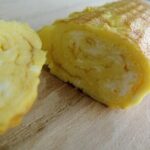
The second dish is tamagoyaki, the Japanese rolled omelet. Each person receives ingredients and utensils for half a portion, so it is a smaller part of the class than the onigiri work.
That balance makes sense. Onigiri is the main lesson, while tamagoyaki adds another basic Japanese cooking skill. You learn how a simple egg mixture becomes a layered roll through repeated cooking and folding.
A rolled omelet looks easy until the layers begin to move. The instructor’s English guidance is useful here because timing and handling matter. You need to work carefully without treating the egg as fragile or rushing the folds.
The portion is enough to understand the process and taste what you make. It also keeps the class within its 90-minute schedule. If tamagoyaki is your main interest, note that this is an onigiri class with an omelet component, not a dedicated egg-cooking workshop.
Other cooking classes in Tokyo
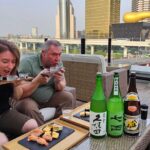
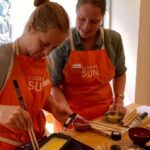

A friendly English class for beginners
No previous cooking experience is needed. The English-speaking host explains the steps clearly and keeps the session approachable, which is important when you are working with unfamiliar ingredients or techniques.
The strongest feature of the teaching style is the personal attention. With only three people in one reported session, the kitchen felt comfortable and each person had plenty of help. The official group limit is eight, so your experience may be a little less intimate when the class is full, but it remains much smaller than a large demonstration.
You can expect a practical class rather than a lecture. You handle the ingredients, shape the rice, wrap the onigiri, and prepare the omelet. The instructor’s role is to show, correct, and explain the small choices that affect the final result.
The atmosphere is friendly and encouraging. That matters for families and first-time cooks, especially when children or adults worry that their shapes will not look perfect. Onigiri is forgiving, and the class treats mistakes as part of learning.
Children under five cannot join. Older children may enjoy the shaping and filling work, though parents should consider how long their child can stay focused in a compact kitchen setting.
What the 90-minute schedule feels like
The class lasts about an hour and a half, which is long enough to learn the process without taking over your day in Tokyo. You should allow extra time before the start to reach the venue, since transportation to and from the class is not included.
The sequence centers on preparation, instruction, shaping, and eating what you make. First, you learn about the rice and ingredients. Then you work through the rice-ball shapes, fillings, and nori wrapping before preparing the tamagoyaki.
The cooking itself is the main event. This is not a class where you watch someone else prepare food and receive a sample at the end. You get ingredients and utensils to make three onigiri and half a portion of rolled omelet yourself.
The final meal adds a social note. You eat the food you made, and the compact setting makes it easy to chat with the other participants. That shared meal is a pleasant close, but keep your expectations sensible: the serving is a snack-sized meal, not a multi-course dinner.
A recipe booklet or recipe materials are provided at the end, along with a small souvenir. These extras have real value because they help you repeat the techniques after returning home. The class is much more useful if you plan to cook onigiri again rather than treating it as a one-time activity.
The small shop setting in Shibuya
The class takes place in a small shop with a cozy kitchen setup. It is not a polished restaurant classroom or a large culinary studio. That can be a plus if you want a close, informal setting where the instructor can watch your work.
There is enough room to work comfortably, but the compact layout is worth noting. If you prefer lots of personal space or a grand cooking facility, this may feel basic. For a short lesson, though, the small kitchen supports the class’s practical character.
The location is reported as easy to find, but the exact venue details are not included here. Check the meeting information carefully after booking and plan your route through Shibuya. Transportation is your responsibility, and busy Tokyo streets can make a short journey take longer than expected.
Because the class lasts only 90 minutes, arriving on time matters. A late arrival could mean missing the rice explanation or the first shaping demonstration, both of which support everything that follows.
Is $49 a fair price?
At $49 per person, this class sits in the reasonable range for a guided Tokyo food activity, especially for a small group with English instruction. The value is not in the quantity of food alone. You are paying for teaching, ingredients, utensils, apron rental, recipes, a souvenir, and the chance to make the dishes yourself.
The strongest value comes from repeatability. A restaurant meal gives you something delicious to eat, but this class gives you a method you can use later. Onigiri requires no elaborate presentation, and the recipes may fit easily into a home kitchen.
The price is less attractive if you only want to eat Japanese food or if you already make rice balls and tamagoyaki confidently. In that case, a casual meal may offer more food for less money.
For a first introduction to Japanese home-style cooking, the cost is easier to justify. The class combines a cultural staple, direct instruction, and a modest social setting without requiring a full day. Reserve now and pay later is also available, which helps if your Tokyo plans are still shifting.
Free cancellation is available until 24 hours before the class for a full refund. That is useful when planning around weather, shopping, or other Shibuya bookings.
Who should book this Sorisso class?
I would point this class toward food-focused visitors who want to do something active in Tokyo. It suits beginners, couples, solo participants, families with children aged five or older, and anyone curious about everyday Japanese food rather than only restaurant specialties.
It is also a good choice if you want an indoor activity with a clear time limit. The 90-minute format fits neatly between sightseeing plans, provided you include time for getting to and from the venue.
The class works especially well for people who enjoy taking a skill home. You will leave with recipes, basic shaping practice, and a better sense of how rice texture affects the finished food.
I would hesitate to recommend it to someone looking for a full meal, a broad Japanese cooking course, or a large menu of dishes. It is focused: three onigiri and half a portion of tamagoyaki, prepared in a small shop kitchen.
You should also contact Sorisso before booking if you have dietary restrictions or need gluten-free options. The host will do its best to accommodate requests where possible, but severe food allergies are a clear reason to choose another activity.
Should you book the onigiri and tamagoyaki class?
Book it if you want a friendly, hands-on lesson that explains a familiar Japanese snack from the rice outward. The small group, English instruction, clear teaching, and recipe materials make this more useful than a quick food demonstration.
The best reason to choose it is the chance to practice three rice balls rather than making one perfect sample under pressure. You get room to try different fillings, shapes, and nori wrapping, then eat the results with the group.
Skip it if you want a substantial lunch, a long cooking course, or a class devoted mainly to tamagoyaki. At $49, it offers solid value for instruction and participation, but its appeal depends on wanting to learn as much as wanting to eat.
FAQ
How long does the cooking class last?
The class lasts 90 minutes.
How much does the class cost?
The listed price is $49 per person.
What food will I make?
You will make three rice balls per person and half a portion of rolled tamagoyaki.
Is the class taught in English?
Yes. The activity includes guidance from an English-speaking host, and English is the listed language.
How large is the group?
The class is limited to eight participants.
Do I need previous cooking experience?
No. The class is designed for beginners, and no prior experience is required.
Are children allowed to join?
Children under five are not suitable for this activity. The provided information does not specify a maximum age.
Are ingredients and cooking tools included?
Yes. Ingredients and utensils for the three rice balls and half a portion of rolled omelet are included. An apron rental is also provided.
Can I join with dietary restrictions or allergies?
You should notify Sorisso in advance. Gluten-free options may be available on request, but the class is not suitable for people with severe or life-threatening food allergies.
More Cooking Classes in Tokyo
More Cooking Classes in Tokyo
More Shibuya Tours in Tokyo


More tours in Tokyo we've reviewed










Shibuya Tours, compared.
 ★ 5.0Official Street Go-Kart in ShibuyaFrom $76
 ★ 4.9Tokyo: Street Kart Experience in ShibuyaFrom $741 hour
 ★ 5.0Shibuya Meltdown Nightlife Tour: All-You-Can-Drink Bar HoppingFrom $106
 ★ 5.0Shibuya Official Street Go-Kart in Shibuya AnnexFrom $69
 ★ 5.0Tokyo: Shibuya Food Tour (13 dishes and 4 Eateries)From $77
 ★ 5.0Best of Shibuya Food TourFrom $217