
Reviewed · TEA CEREMONY & MATCHA
Tokyo 6 hr Private Guided Tour & Tea Ceremony Experience
Tokyo’s big attraction here is choice. Instead of racing through a fixed route, you select two or three places from a long menu, then add a traditional tea ceremony at Jidaiya. That lets you pair old Tokyo in Asakusa with modern Shibuya, or gardens with markets, depending on what matters most to you.
I like the private attention and the practical hotel pickup option within Tokyo’s 23 Special Wards. I also like the tea ceremony, which gives the day a cultural focus beyond photo stops. The main catch is pace: six hours goes quickly, and transportation, meals, and entrance fees are extra. One guide, Kris, was also described as slow with subway exits and difficult to understand, so the guide you receive can affect the day.
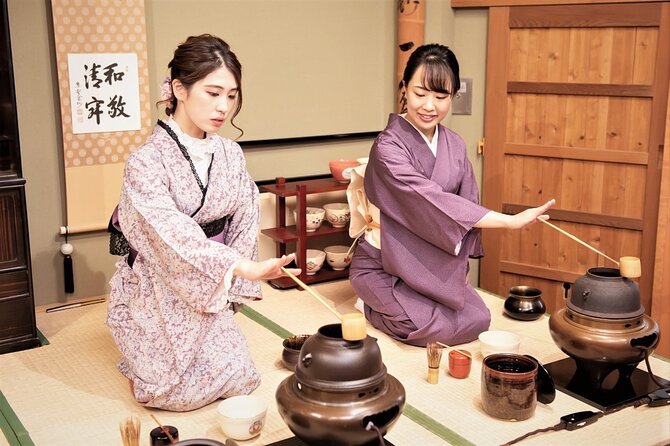
- Tea ceremony at Jidaiya: Spend about an hour taking part in a traditional Japanese culture program.
- Pick two or three sights: Choose from Asakusa, Meiji Shrine, Shibuya, gardens, markets, and more.
- Private guided format: You get the guide’s attention rather than sharing a large fixed group.
- Tokyo across eras: Combine Senso-ji and Imperial Palace views with Harajuku, Akihabara, or Shibuya.
- Six hours on foot and by city transit: Transportation is not included, so budget extra time and money for getting around.
- Good fit for first visits: The tour can help you get oriented while giving you a personal introduction to Japanese customs.
In This Review
- A flexible Tokyo day with tea at its center
- What $161.25 buys you
- Jidaiya and the one-hour tea ceremony
- Asakusa, Senso-ji, and old Tokyo
- Imperial Palace views without interior access
- Hamarikyu Gardens and Tokyo Bay scenery
- Shibuya Crossing and Harajuku’s Takeshita Street
- Meiji Jingu Shrine and a quieter Harajuku
- Akihabara, Tsukiji, and Shinjuku choices
- Tokyo’s gardens: Rikugien, Koishikawa Korakuen, and Shinjuku Gyoen
- The guide makes or breaks the six hours
- Pickup, transit, and timing
- Who should book this experience
- FAQ
- How long does the Tokyo private tour last?
- Is hotel pickup included?
- Is the tea ceremony included?
- How many sightseeing sites can I choose?
- Is transportation included?
- Are entrance fees included?
- Can I enter the Imperial Palace?
- Is kimono rental included?
- What is the cancellation policy?
- Should you book this Tokyo tour?
A flexible Tokyo day with tea at its center
This experience is best understood as a guided framework, not a sightseeing bus tour. You meet a licensed local English-speaking guide, settle on two or three sights, and spend the day moving through Tokyo with that plan.
The tea ceremony at Jidaiya is the fixed cultural piece. It lasts about one hour and is intended as an alternative to ordinary Asakusa sightseeing, with a chance to take part in a traditional Japanese practice. That matters because Tokyo can otherwise become a blur of temples, crossings, shopping streets, and train stations.
The sightseeing portion is more flexible. Your choices may include the old streets around Asakusa, Meiji Jingu Shrine, Shibuya Crossing, Tsukiji Outer Market, Akihabara, Shinjuku Golden Gai, or one of several Japanese gardens. You cannot fit all of these into six hours, and the tour is designed around two or three sites rather than a grand sweep of the entire city.
What $161.25 buys you
At $161.25 per person, the value depends on how many people are in your party and how much you want help with planning. You are paying for a licensed guide, a private or small-group format, a six-hour schedule, and the tea ceremony. For a couple or family that wants a personal introduction without building every detail alone, that can be reasonable.
The price does not cover transportation, lunch, entrance fees, or personal spending. There is no private vehicle, so you should expect to use Tokyo’s public transportation or walk between locations. The guide’s entry fees are covered only for sights specifically listed in the tour details, while Hamarikyu, Rikugien, Koishikawa Korakuen, and Shinjuku Gyoen show admission as extra.
Group discounts are offered, and the maximum group size is 10. The word private can therefore require a little care: the experience is designed around your chosen sights and guide attention, but you should confirm exactly how your booking will be handled if you are not booking the whole group.
A few more Tokyo tours and experiences worth a look

Jidaiya and the one-hour tea ceremony
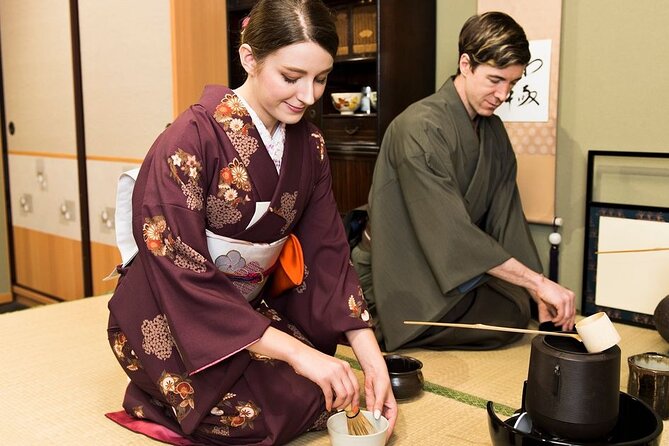
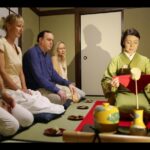
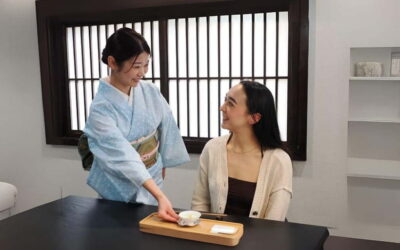
Jidaiya provides the most distinctive part of the day. The one-hour program gives you a chance to participate in a tea ceremony rather than simply look at a historic building or hear a short explanation of Japanese customs.
You should treat this as a cultural activity with its own pace. It is not a quick refreshment stop squeezed between major attractions. The ceremony gives you time to focus on etiquette, presentation, and the meaning behind a traditional Japanese practice.
The program is also useful if you want more than the standard Asakusa route. Jidaiya describes its culture programs as an alternative to ordinary sightseeing, aimed at people seeking a more substantial introduction to Japanese culture. Kimono rental is not included, so do not assume traditional clothing comes with the booking.
Because the tea ceremony takes about one-sixth of the total tour time, your sightseeing choices matter. Pick locations that are close enough to work together, or accept that the day will feel more like a focused introduction than a citywide sampler.
Asakusa, Senso-ji, and old Tokyo
Asakusa is one of the strongest choices for a first visit. It is the center of Tokyo’s old low-city district, where an older atmosphere survives among temples, shopping streets, and local activity.
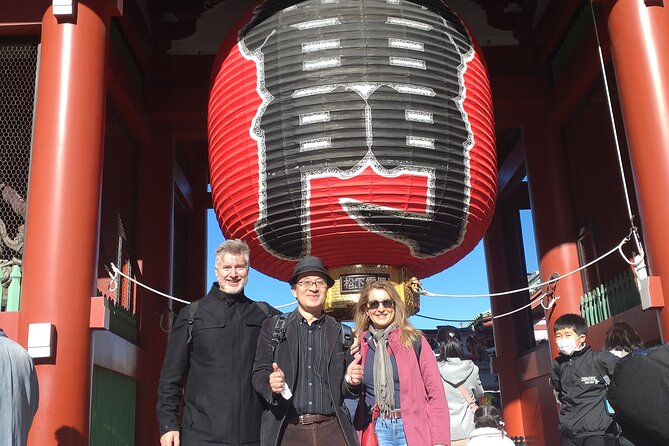
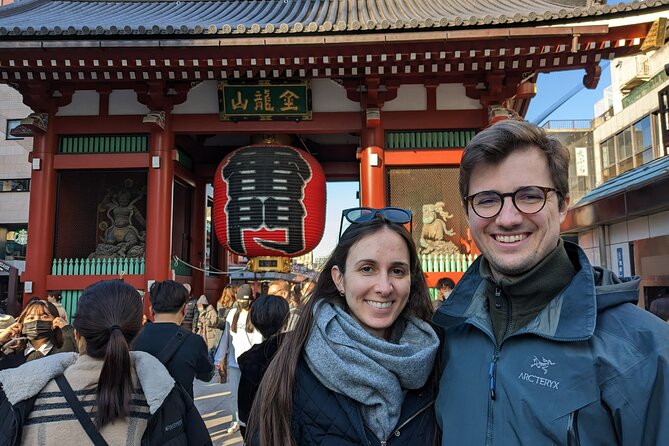
Senso-ji, also called Asakusa Kannon Temple, is the area’s main sight. Its colorful Buddhist temple setting gives you a clear introduction to Tokyo’s religious traditions and public ritual. The suggested schedule allows about 15 minutes at Senso-ji and 30 minutes for Asakusa, which is enough for a quick orientation but not a leisurely exploration.
That short timing is the key drawback. If you want to browse every lane, stop for snacks, and take your time around the temple grounds, you will need to ask the guide to keep the rest of the route tight. Pairing Asakusa with Jidaiya makes sense because both focus on traditional culture, but it leaves less room for modern Tokyo.
Imperial Palace views without interior access
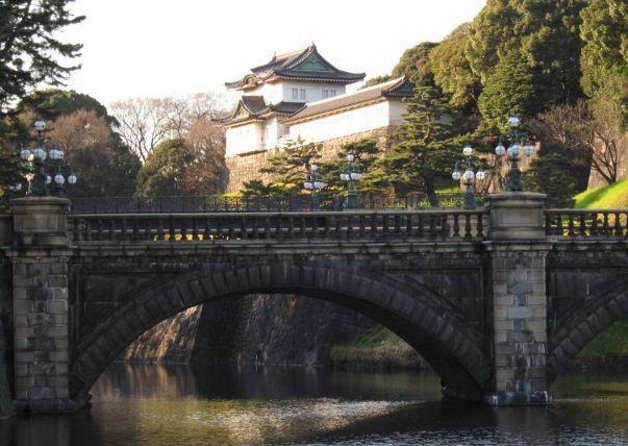
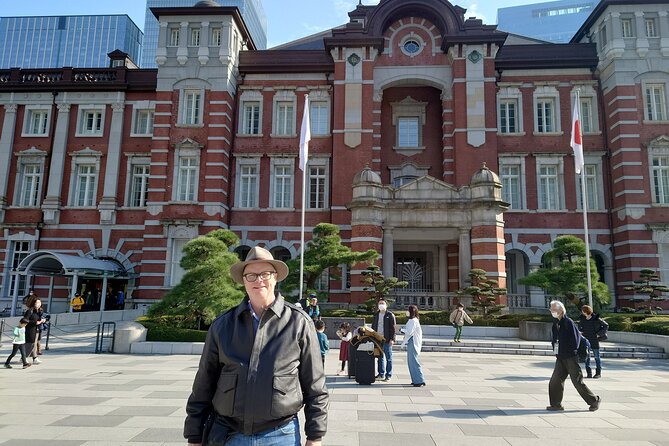
The Imperial Palace stop is about the former Edo Castle site and the large park area surrounded by moats and stone walls. The tour does not include access inside the Imperial Palace.
This is a useful stop for understanding Tokyo’s connection to the shogunal capital of Edo and the modern imperial city. It is also a good choice if you want open space and major civic sights rather than shopping districts.
Allow about 30 minutes. You will be seeing the palace area from permitted public viewpoints, not touring palace interiors. If entering the palace grounds is essential to you, this stop may disappoint, and you should choose another attraction instead.
Hamarikyu Gardens and Tokyo Bay scenery

Hamarikyu Gardens offers a calmer change of pace. This large garden beside Tokyo Bay includes seawater ponds whose levels change with the tides, along with a teahouse.
The garden is a sensible pairing with the tea ceremony because both give the day a quieter, more traditional feel. It also contrasts nicely with Tokyo’s dense commercial districts. The scheduled visit is only about 15 minutes, though, and admission is not included.
I would choose Hamarikyu only if you mainly want a brief look and some relief from city streets. A 15-minute visit will not allow much wandering through the garden. If you enjoy Japanese garden design, ask before booking whether the schedule can give this stop more time.
Other guided tours in Tokyo


Shibuya Crossing and Harajuku’s Takeshita Street
Shibuya Crossing is Tokyo’s famous intersection, positioned in front of Shibuya Station. It represents the city at its most modern and highly organized, with pedestrians moving across the junction from several directions.
The stop is not assigned a detailed duration in the supplied schedule, so you should clarify how long you will spend there. It works well for a quick look at contemporary Tokyo, especially if you want a contrast with Senso-ji or the Imperial Palace.
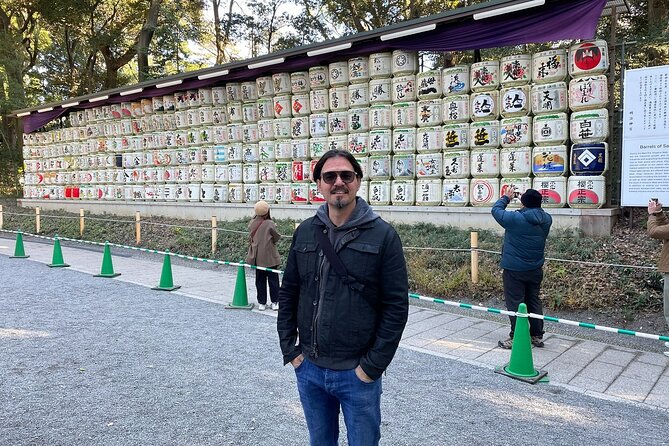
Nearby Harajuku offers a different kind of modern culture. Takeshita Street is known for teenage fashion and youth styles, while Harajuku itself also connects to Meiji Jingu Shrine. The suggested time for Takeshita Street is 30 minutes, enough for a first look but not a long shopping session.
Takeshita Street can feel like a sharp change from the tea ceremony. That contrast is part of the appeal, but you should not expect a quiet or reflective stop. Choose it if you want fashion, youth culture, and a look at Tokyo’s pop-oriented side.
Meiji Jingu Shrine and a quieter Harajuku
Meiji Jingu Shrine sits beside busy Harajuku Station but offers a very different setting. It is dedicated to the deified spirits of Emperor Meiji and Empress Shoken.
The suggested stop lasts about 30 minutes. That is enough to walk into the shrine area, observe the religious setting, and gain basic context from your guide. It is not enough for a slow visit with every path and detail.
Meiji Jingu is one of the most balanced choices on the list. You can connect it with Takeshita Street for a compact Harajuku visit, or pair it with Shibuya for a day focused on modern Tokyo and one major shrine. If the tea ceremony is already your main traditional experience, this combination gives you a broader city mix.
Akihabara, Tsukiji, and Shinjuku choices
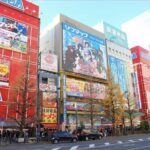
Akihabara is known for electronics shops and has become a center of Japanese pop culture. A 30-minute visit gives you an introduction to the district, but it will not support an extended shopping trip.
Tsukiji Outer Market occupies the area beside the former wholesale market site. The district has wholesale and retail shops, making it a useful choice if food culture and market streets interest you. The suggested duration is 30 minutes, and lunch is not included, so any food purchases are your responsibility.
Shinjuku Golden Gai began around 1950, when eating and drinking establishments moved into the area after the black market near Shinjuku Station shifted. Its narrow collection of small establishments offers a glimpse of a different side of the city. The proposed stop lasts 30 minutes, but the tour details do not say that food or drinks are included.
These three options serve different interests. Akihabara suits electronics and pop culture. Tsukiji suits market browsing and food. Golden Gai suits urban history and compact nightlife streets. Do not try to combine all three with the tea ceremony unless you are comfortable with very short visits.
Tokyo’s gardens: Rikugien, Koishikawa Korakuen, and Shinjuku Gyoen
Rikugien is considered one of Tokyo’s finest Japanese gardens, created around 1700 for the fifth Tokugawa shogun. The name refers to six forms of poetry, giving the garden a literary connection as well as a visual one.
Koishikawa Korakuen is another old Japanese garden, built in the early Edo period for the Mito branch of the ruling family. Both gardens charge admission, and the suggested visit is about 30 minutes at Rikugien and 15 minutes at Koishikawa Korakuen.
Those times are brief for gardens. You can get a taste of the design, but you will not have much room for a slow circuit or long pauses. If gardens are your main reason for booking, make one garden your priority rather than attempting both.
Shinjuku Gyoen offers spacious lawns, walking paths, and a quiet break near Shinjuku Station. The listed time is about 15 minutes, with admission extra. It is best used as a short reset during a busy city day, not as a full garden visit.
The guide makes or breaks the six hours
The strongest guide feedback concerns Taka, who planned a terrific itinerary, brought plenty of local knowledge, and added fun to the day. A stop at a 3D art café was part of that group’s outing, suggesting that a good guide can adjust the day to your interests rather than simply recite famous sights.
The more cautionary experience involved Kris. He was pleasant, but the pace was slow, subway exits caused confusion, and communication was sometimes difficult. Photo-taking was also a weak point. These details matter in Tokyo, where a six-hour plan can lose a surprising amount of time at stations and intersections.
You cannot control every part of the guide assignment, but you can help by stating your priorities clearly. Tell the guide whether you care most about temples, gardens, food, fashion, anime and electronics, or a balanced first look. Also confirm the walking pace and meeting arrangement before the day begins.
Pickup, transit, and timing
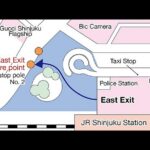
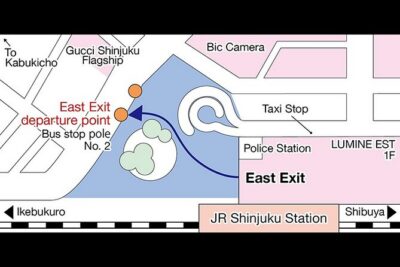
Pickup is offered from hotels in Tokyo’s 23 Special Wards, but the included details also describe meeting the guide on foot within a designated area. Confirm whether your hotel qualifies for pickup and where the day actually begins.
There is no private vehicle. Transportation fees are extra, so keep money available for trains, subways, or other city transit. The exact route will depend on your selected sites, and Tokyo’s station layouts can make transfers slower than expected.
The tour lasts about six hours, including the one-hour tea ceremony. A plan with Asakusa, Jidaiya, Shibuya, and Meiji Shrine is more realistic than one that tries to reach multiple gardens, Akihabara, Tsukiji, and Shinjuku as well.
Who should book this experience
I would recommend this tour to a first-time Tokyo visitor who wants help shaping a day and values direct contact with a local English-speaking guide. It also suits families or small groups with mixed interests, since the route can combine a temple, garden, market, or modern district.
It is less suitable if you want a fixed sightseeing route, a private car, long visits at each attraction, or a guaranteed expert photographer. It may also frustrate independent visitors who already understand Tokyo’s transit system and prefer to set their own pace.
The cancellation terms are fair: cancel at least 24 hours before the start time for a full refund. Changes or cancellations inside that window are not accepted for a refund. Most people can participate, and service animals are allowed.
FAQ
How long does the Tokyo private tour last?
The experience lasts approximately six hours, including the tea ceremony and visits to two or three selected sightseeing sites.
Is hotel pickup included?
Pickup is offered from hotels within Tokyo’s 23 Special Wards. The tour information also says you meet the guide on foot within a designated area, so confirm the exact arrangement for your hotel.
Is the tea ceremony included?
Yes. A tea ceremony experience at Jidaiya is included and takes about one hour.
How many sightseeing sites can I choose?
The included experience allows you to customize the tour around two or three sites from the listed choices.
Is transportation included?
No. Transportation fees are extra, and the tour does not include a private vehicle.
Are entrance fees included?
Not all entrance fees are included. Fees for Hamarikyu Gardens, Rikugien Garden, Koishikawa Korakuen Garden, and Shinjuku Gyoen National Garden are listed as not included.
Can I enter the Imperial Palace?
No. The tour does not include access inside the Imperial Palace.
Is kimono rental included?
No. Kimono rental is not included in the experience.
What is the cancellation policy?
You can cancel at least 24 hours before the local start time for a full refund. Cancellations or changes made less than 24 hours before the start time are not accepted for a refund.
Should you book this Tokyo tour?
Book it if you want a personalized introduction to Tokyo with a cultural activity built in. The tea ceremony gives the day purpose, while the flexible sightseeing menu lets you choose between old neighborhoods, gardens, markets, shrines, and modern districts.
Before paying, decide on your two or three priorities and ask about pickup, transit, admission costs, and walking pace. If you do that, the $161.25 price can be sound value for a small group that wants guidance without surrendering all control. If your priority is covering as much ground as possible, build a simpler route. In Tokyo, three well-chosen stops will serve you better than ten rushed ones.
More Private Tours in Tokyo


More Guided Tours in Tokyo
More Tea Ceremony & Matcha in Tokyo

More tours in Tokyo we've reviewed










Tea Ceremony & Matcha, compared.
 ★ 5.0Matcha Making Class in Tokyo with Authentic Japanese Sweets SetFrom $21
 ★ 5.0Tokyo: Traditional Tea Ceremony with a Tea MasterFrom $381 hour
 ★ 4.5Dynamic Tokyo: Tokyo Tower, Tea Experience, Bay Cruise Day TourFrom $99
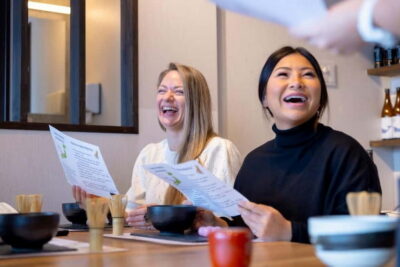 ★ 4.9Tokyo: Matcha Making Experience with Mochi Sweets in AsakusaFrom $221 hour
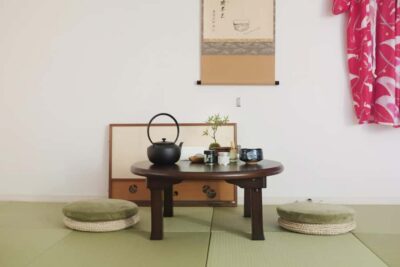 ★ 4.7Tokyo: Matcha and Kimono ExperienceFrom $57
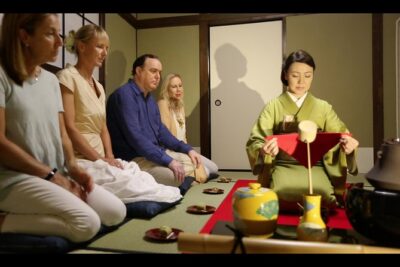 ★ 5.0Tea Ceremony Workshop in Tokyo by the Experienced InstrucorFrom $38