
Reviewed · TOKYO FOOD TOURS
Asakusa Historical And Cultural Food Tour With A local Guide
Asakusa is one of the best places in Tokyo to see the city’s older character, and this four-hour walk puts its temples, food stalls, craft shops, and local streets together in one manageable outing. You begin at the Asakusa Culture Tourist Information Center, then work through Nakamise Shopping Street, Sensoji Temple, Asakusa Shrine, and Hanayashiki Amusement Park.
I like the small group of up to 10 people, which should make it easier to hear the guide and ask questions. I also like that the food is part of the experience rather than an afterthought, with beef, sushi, tempura, soft drinks, water, snacks, and sweets such as dango and daifuku included. The main point to consider is the price: at $180 per person, this is not a cheap food walk, so you should book it for the guide’s local context and the range of included tastings, not simply for a quick meal.
In This Review
- Key details to know before booking
- Why Asakusa works so well for a food walk
- Meeting at the Asakusa Culture Tourist Information Center
- Nakamise Shopping Street and the first taste of Asakusa
- Sensoji Temple, Tokyo’s great Asakusa landmark
- Asakusa food stops: beef, sushi, tempura, and sweets
- Asakusa Shrine and the district’s religious contrast
- A second look at the tourist center
- Hanayashiki, Japan’s old amusement park
- Tokyo Skytree and what is not included in the timed route
- Is $180 a fair price for four hours?
- Who should book this Asakusa tour?
- Booking flexibility and basic practical details
- Should you book it?
- FAQ
- Where does the Asakusa food tour meet?
- How long does the tour last?
- Which languages are available?
- How many people can join the group?
- What food and drinks are included?
- Can I cancel for a full refund?
Key details to know before booking
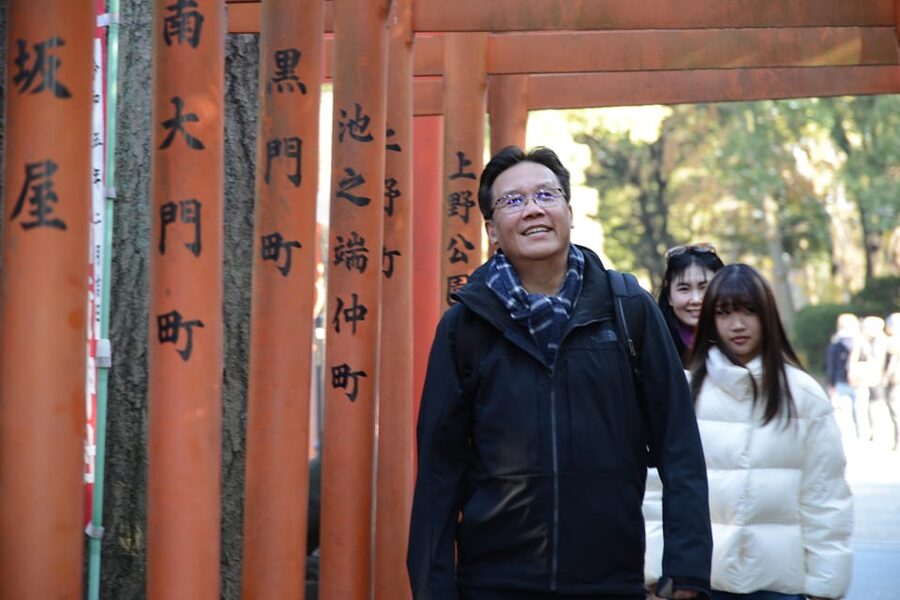
- Start at the Asakusa Culture Tourist Information Center: The meeting point is at 2-chōme-18-9 Kaminarimon, close to the main Asakusa sights.
- See Sensoji and Asakusa Shrine: The route covers both a major Buddhist temple and a Shinto shrine, giving you useful contrast within one historic district.
- Taste several Japanese foods: Beef, sushi, tempura, snacks, desserts, dango, and daifuku are part of the food experience.
- Keep the group small: No more than 10 participants are accepted, with live guiding in English or Japanese.
- Allow four hours on foot: The schedule moves between shopping streets, religious sites, food stops, and Hanayashiki.
- Meet a guide such as Adam: Adam is specifically associated with this experience and was praised for arriving on time, being polite, and offering plenty of useful insight.
Why Asakusa works so well for a food walk
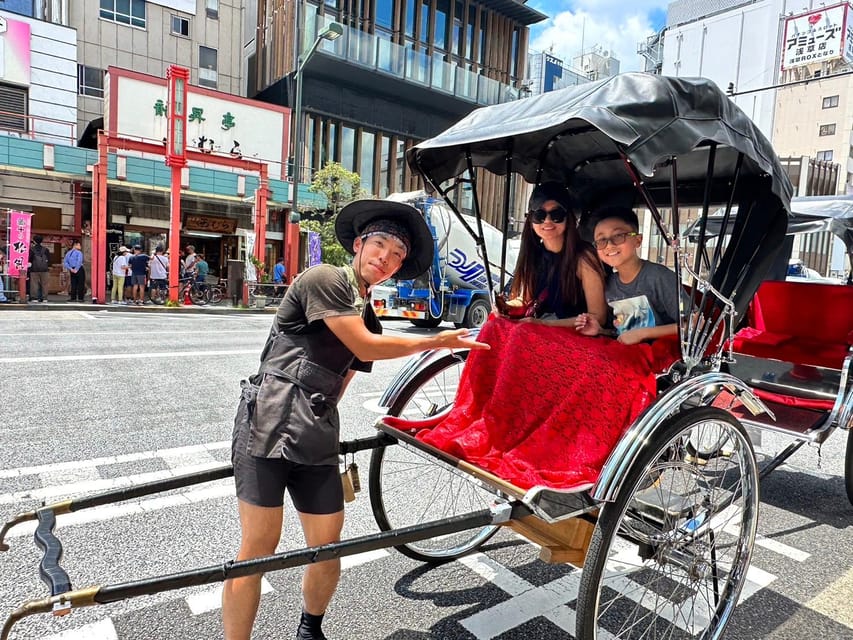
Tokyo can feel huge and hard to read at street level. Asakusa gives you a clearer starting point. Around Sensoji Temple, you find a mix of old-style shops, small food sellers, souvenir stalls, religious buildings, and modern city views. The area retains more of an old Tokyo feel than many central districts.
That contrast is the real appeal. You can look toward a traditional temple gate, then turn and find a sweet shop, a craft store, or a view toward Tokyo Skytree. Asakusa is not a museum frozen in time. It is a working neighborhood shaped by worship, food, shopping, festivals, and entertainment.
A guide adds value here because the streets can look like a string of shops unless someone explains what you are seeing. A local guide can help you understand the difference between a temple and a shrine, explain how the food fits into Japanese daily life, and point out why certain stops matter.
The tour is also useful early in a Tokyo visit. After four hours in Asakusa, you should have a better sense of how to return for more shopping, another meal, or a longer look at the temple grounds.
A few more Tokyo tours and experiences worth a look

Meeting at the Asakusa Culture Tourist Information Center
The tour begins at the Asakusa Culture Tourist Information Center, at 2-chōme-18-9 Kaminarimon in Taito City. This is a practical meeting point because the route returns there at the end, so you do not need to arrange a one-way meeting and a separate finish across town.
The center is also a good place to get your bearings. Asakusa has several major sights close together, but the flow of streets can still be confusing on a first visit. Arrive with enough time to locate the meeting point and settle in before the walking begins.
The published schedule gives about 30 minutes to the first shopping stop, followed by roughly 30 minutes at each major sightseeing point. Food tastings and short walks between locations use part of the four-hour period. You should think of this as a guided introduction to Asakusa, not a slow, private exploration of every temple hall and shop.
Nakamise Shopping Street and the first taste of Asakusa
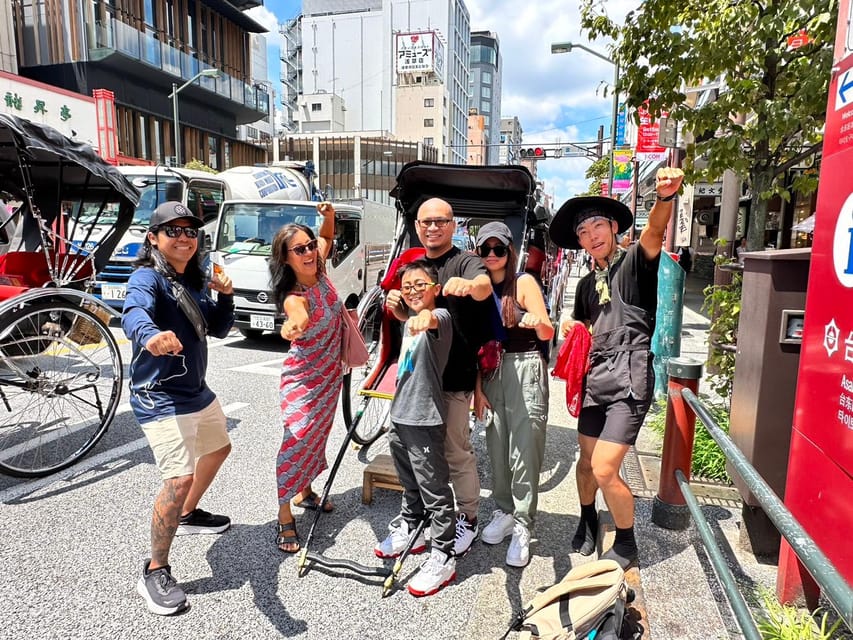
Nakamise Shopping Street leads toward Sensoji and is one of the district’s defining sights. The street is lined with shops selling traditional crafts, souvenirs, sweets, and small food items. It can be busy, so stay close to the guide and keep your attention on foot traffic as well as shop displays.
The 30-minute stop is enough to see the main stretch and get an introduction to the local food scene. It is not enough for careful shopping at every stall, so note anything you want to revisit later. That is one reason the return to the same general area is useful.
This is where the food side of the outing begins to make sense. Instead of treating Japanese food as a single category, the tour gives you several forms to try, from savory dishes to small sweets. Dango and daifuku are especially helpful for first-time visitors because they show how familiar ingredients can appear in simple, portable desserts.
Do not expect a full restaurant meal from the included food. The experience is built around samples and stops along the way. Beef, sushi, tempura, snacks, desserts, two soft drinks, and water are included, while alcoholic drinks cost extra.
Sensoji Temple, Tokyo’s great Asakusa landmark
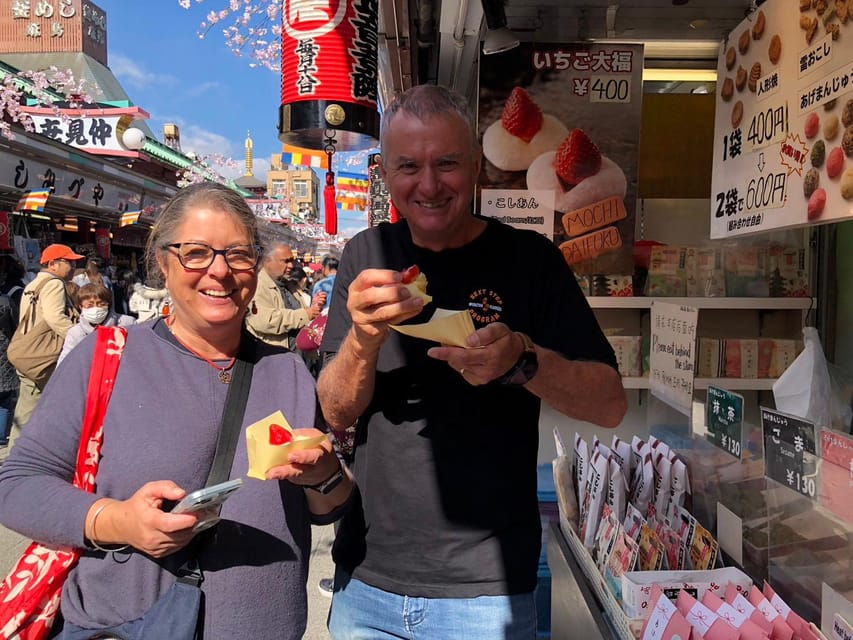
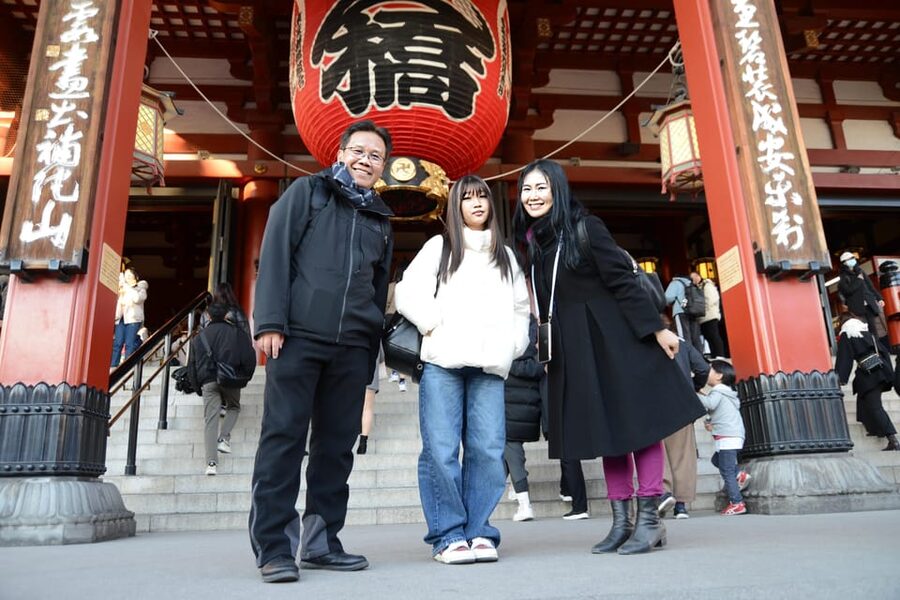
Sensoji is an ancient Buddhist temple and the most famous sight in Asakusa. It is also one of Tokyo’s most visited religious sites, so the first impression can be grand and crowded rather than quiet and reflective.
The scheduled 30 minutes gives you time to take in the main approach and temple area, but it is a short visit by temple standards. A guide can make that time count by explaining the site’s Buddhist role and helping you understand what belongs to the temple grounds.
I would pay attention to the transition from Nakamise Street into the temple area. The shopping street is commercial, while Sensoji is a place of worship. Seeing both together shows how religious sites in Japan can sit directly within everyday city life.
The main drawback is timing. If you want a long look at Sensoji, time for photographs, or a careful visit to every important building, you will need to return independently. This tour introduces the temple well, but it does not replace a dedicated temple visit.
Asakusa food stops: beef, sushi, tempura, and sweets
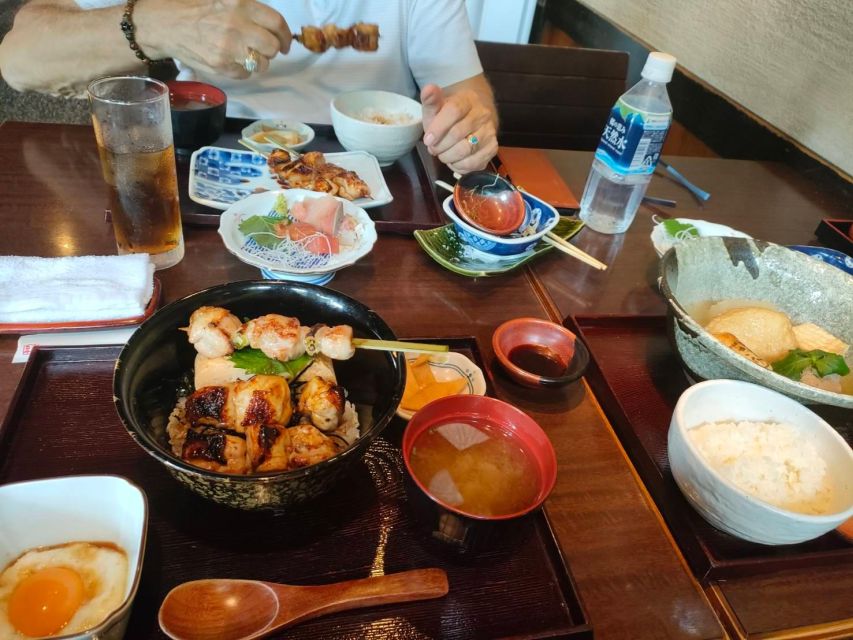
Food is the part of this experience that separates it from a standard sightseeing walk. You are not only looking at Asakusa’s streets. You are also trying several foods associated with the area and with Japanese eating culture.
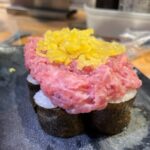
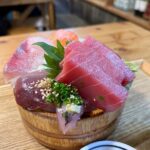
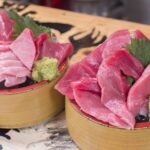
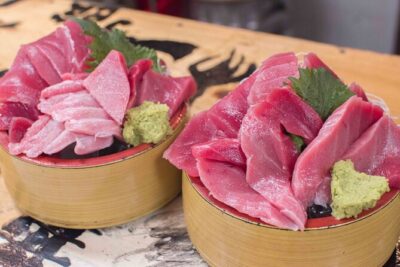
The included list covers beef, sushi, and tempura, along with snacks and desserts. That is a useful spread for someone who wants variety but does not want to plan several separate food stops. You also receive two soft drinks and water, which helps on a four-hour walk.
The sweets are likely to be the most approachable part for many people. Dango is a rice dumpling often served on a skewer, while daifuku is a soft rice cake wrapped around a sweet filling. The appeal is not only visual. These foods give you a taste of Japanese confectionery that differs from standard Western desserts.
The food element does come with a practical limit: the exact shops, portions, and order of tastings are not specified. That means you should expect a selection rather than a fixed restaurant menu. If you have allergies, dietary restrictions, or strong dislikes, ask before booking because the advertised food includes meat, seafood, and several prepared dishes.
A few more Tokyo tours and experiences worth a look


Asakusa Shrine and the district’s religious contrast
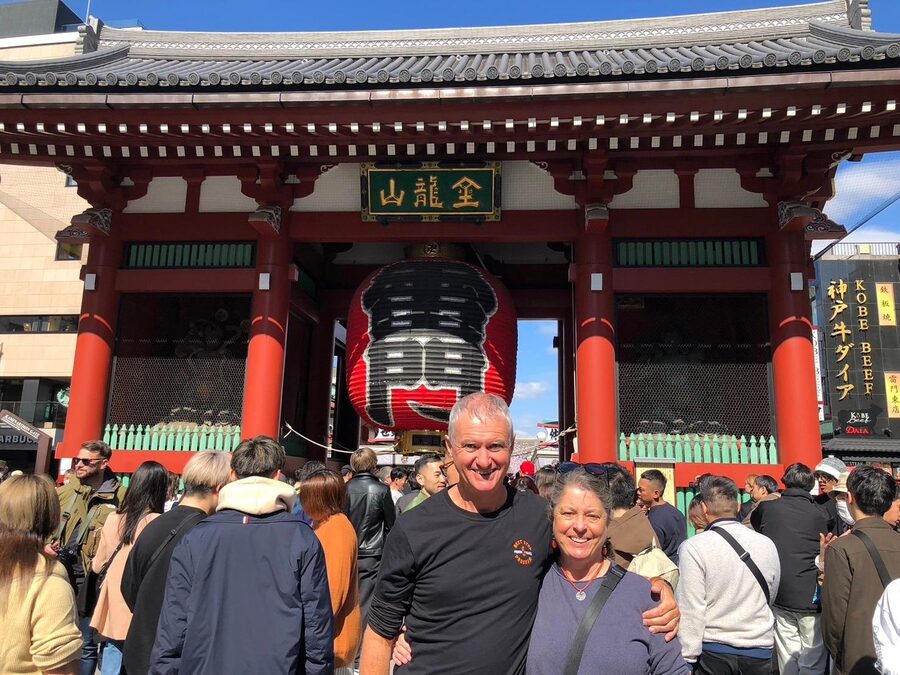
Asakusa Shrine follows the Sensoji visit in the planned route. It is a Shinto shrine located in the same district, making this a useful chance to see two Japanese religious traditions close together.
The distinction matters. Sensoji is Buddhist, while Asakusa Shrine is Shinto. You do not need a specialist background to appreciate the difference, but having a guide explain what you are looking at can make the stop more meaningful than a quick photograph.
The schedule allows about 30 minutes here. That is enough for a focused visit and an explanation of the shrine, though again, it is not a long period for quiet observation. If you enjoy religious architecture, rituals, and details, mark the location so you can return after the tour.
This stop also keeps the walking route from becoming only a shopping trip. The food and stores are a major draw, but the temples and shrine explain why Asakusa became such an important part of Tokyo.
A second look at the tourist center
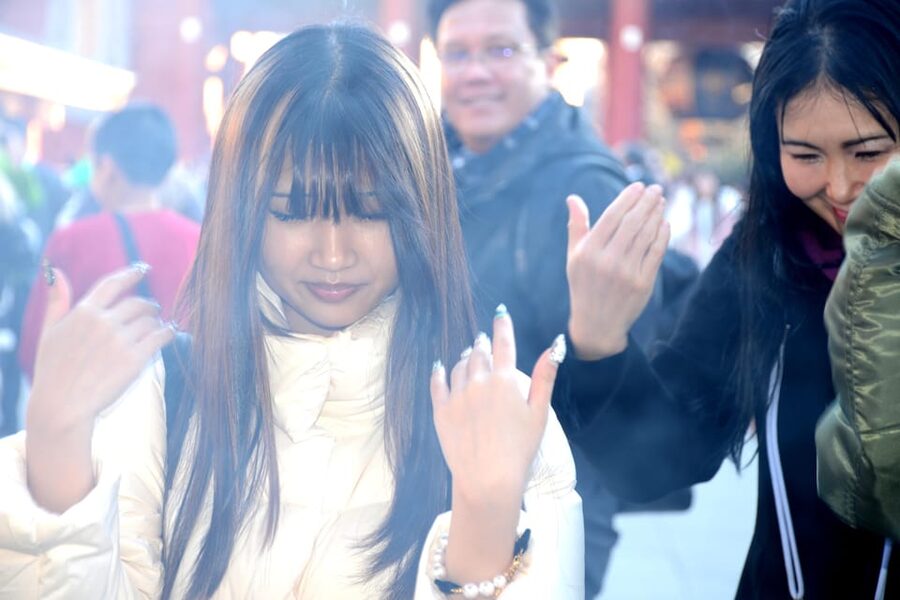
The route includes another visit to the Asakusa Culture Tourist Information Center before moving on to Hanayashiki and eventually returning there. On paper, this may seem repetitive, but the center works as a clear reference point in the district.
The stop can help break up the walking and give the guide a place to organize the next part of the tour. Since the listed itinerary assigns about 30 minutes to the center, the exact use of this time may depend on the guide and the day’s route.
For you, the practical benefit is simple: the tour is easy to follow. You start and finish in the same known place, rather than ending at an unfamiliar side street after a food walk.
Hanayashiki, Japan’s old amusement park
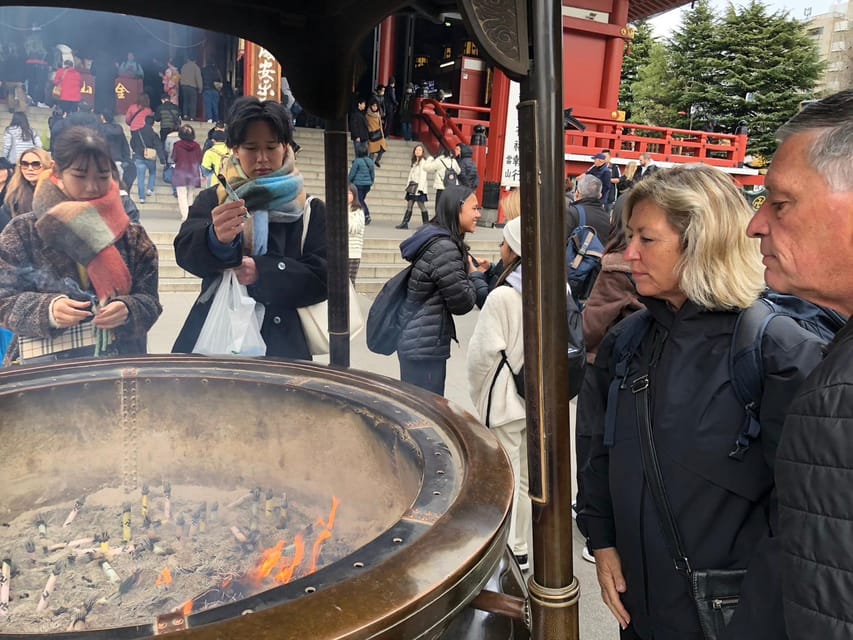
Hanayashiki adds a different side of Asakusa. The amusement park dates to the mid-19th century and includes rides and cafes. The planned stop focuses on sightseeing and walking, so you should not assume that ride tickets or extended amusement-park time are part of the $180 cost.
That distinction matters for families and anyone hoping for a full amusement-park visit. Here, Hanayashiki is one part of a wider neighborhood tour. You see how entertainment fits into Asakusa’s older city fabric, but the experience is not designed around rides.
The park also helps show that Asakusa is more than temples and snacks. Its identity includes leisure, local celebrations, shopping, and the Sumida riverside area. Kuritsu Sumida Park, nearby, hosts regular festivals and fireworks, though it is not listed as a dedicated stop on this route.
Tokyo Skytree and what is not included in the timed route
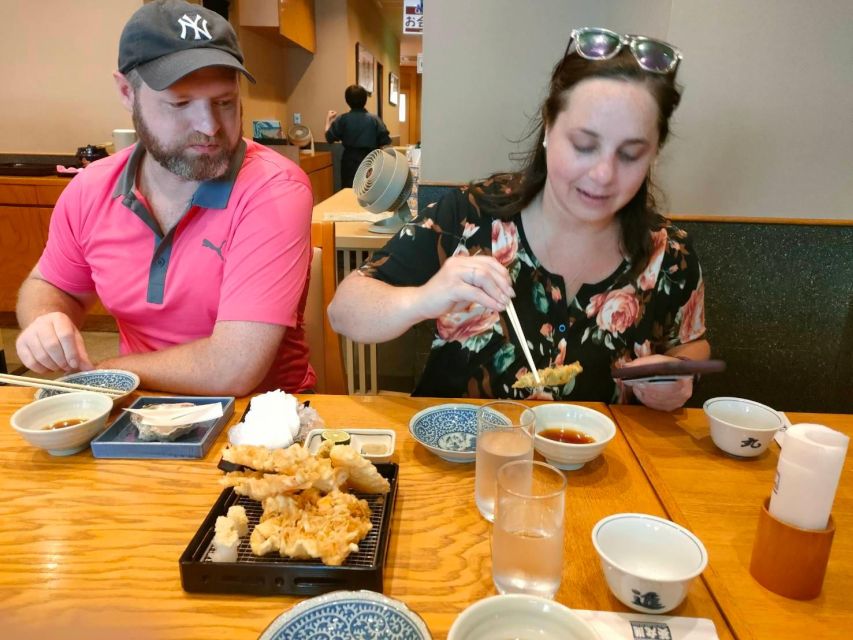
Tokyo Skytree is presented as an important Asakusa-area sight and offers wide views over Tokyo from its 634-meter tower. From above, you can grasp the scale and density of the city in a way that is difficult from street level.
However, Skytree is not listed among the timed stops in this four-hour walking route. Treat it as an area highlight you may see or visit separately, not as a guaranteed tower admission or observation-deck visit. No Skytree ticket is included in the stated package.
That is useful to know before booking. If your main goal is a high view of Tokyo, plan a separate visit. If your main goal is food, temples, and old Asakusa streets, the tower is a welcome visual contrast rather than the heart of the tour.
Is $180 a fair price for four hours?
At $180 per person, the cost is high compared with an ordinary self-guided walk through Asakusa. You can visit the public streets, Sensoji, and Asakusa Shrine without paying for a tour. You can also buy individual snacks as you go.
The price becomes easier to assess when you count what is bundled together: four hours with a live guide, a group limited to 10, several food categories, two soft drinks, water, snacks, and desserts. You are paying for structure and explanation as much as for food.
I would see this as better value for a first visit than for a repeat visit. If you already know Asakusa, speak some Japanese, and feel comfortable choosing food stalls on your own, the price may be hard to justify. If you want one organized introduction that combines sightseeing and eating, the convenience has more weight.
The guide can make or break that value. Adam is specifically praised for being on time, polite, and full of useful insight. Those are practical strengths on a walking tour, especially when the group is moving through crowded streets.
Who should book this Asakusa tour?
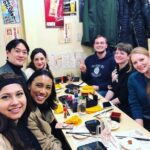
This experience suits you best if you want a guided first look at Asakusa without spending an entire day in the district. It is also a good match if you want to sample several foods but would rather not choose every shop yourself.
You will likely appreciate it if you enjoy:
- Historic temples and shrines
- Short walks between food and sightseeing stops
- Local sweets such as dango and daifuku
- A small group rather than a large coach tour
- Explanations in English or Japanese
- A planned route that begins and ends at the same place
It may not suit you if you want a quiet temple meditation, a long restaurant meal, extensive shopping time, or a guaranteed Tokyo Skytree admission. The schedule is active and divided into short stops, so the experience favors variety over depth at any single location.
The tour also involves four hours of walking. Comfortable shoes are a sensible choice, and you should be prepared for crowded shopping streets and busy temple grounds.
Booking flexibility and basic practical details
You can cancel up to 24 hours before the activity for a full refund. You can also reserve now and pay later, which helps if your Tokyo schedule is still changing.
The tour is offered with a live guide in English or Japanese. The group size is capped at 10 participants. Alcohol is not included, though it is available to purchase separately.
The experience provider is Washoku club city and food tours. The published rating is 5 out of 5 from three verified bookings, including the specific praise for Adam’s punctuality, courtesy, and insight. That is a small sample, so I would treat it as encouraging rather than final proof of every tour departure.
Should you book it?
Book this tour if you want a well-organized introduction to Asakusa that combines Sensoji, Asakusa Shrine, Nakamise Street, Hanayashiki, and a broad set of Japanese foods. The small group and guide-led format are the strongest reasons to pay the premium.
Skip it if you prefer to explore independently, already know the district, or mainly want Tokyo Skytree views. At $180, the tour needs to deliver more than snacks, and its real value lies in the guide’s explanations, the carefully linked route, and the chance to try several foods without planning each stop yourself.
FAQ
Where does the Asakusa food tour meet?
The meeting point is the Asakusa Culture Tourist Information Center at 2-chōme-18-9 Kaminarimon, Taito City, Tokyo 111-0034, Japan.
How long does the tour last?
The walking and food experience lasts four hours. Starting times vary, so you need to check availability when booking.
Which languages are available?
The tour has a live guide in English or Japanese.
How many people can join the group?
The group is limited to 10 participants.
What food and drinks are included?
The included food covers beef, sushi, tempura, snacks, and desserts, including items such as dango and daifuku. You also receive two soft drinks and water. Alcoholic drinks are not included but can be purchased.
Can I cancel for a full refund?
Yes. You can cancel up to 24 hours before the experience for a full refund. You can also reserve now and pay later.
More Food Experiences in Tokyo

More Tokyo Food Tours in Tokyo
More Asakusa Tours in Tokyo
More tours in Tokyo we've reviewed




Tokyo Food Tours, compared.
 ★ 5.0Tokyo: Shinjuku Food Tour (13 Dishes at 4 Local Eateries)From $86
 ★ 4.9Tokyo: Shinjuku Food Tour (15 Dishes and 4 Eateries)From $853 hours
 ★ 5.0Best of Shinjuku: Izakaya Food Tour (4 Stops, 14+ Tastings)From $92
 ★ 5.0Tokyo Night Foodie Tour in Shinjuku – Seasonal Sushi, Wagyu BeefFrom $111
 ★ 5.0Eat and Drink Like a Local: Tokyo Ueno Food Tour-Taverns&RamenFrom $95
 ★ 5.0Tokyo: Shibuya Food Tour (13 dishes and 4 Eateries)From $77