
Reviewed · SHIBUYA TOURS
Tea Ceremony Experience in a Private Tea Room in Shibuya
Shibuya is best known for giant screens, shopping, and the famous crossing. This experience takes you eight minutes from the station into a small, quiet tea room where Tatsuya explains the rituals, history, and craft behind matcha. You will watch a formal preparation, taste rare organic tea, then whisk your own bowl.
I like the personal teaching and the way the session connects tea to real family experience, since Tatsuya comes from two generations of tea farmers. I also like the excellent location: you can pair this calm cultural stop with Hachiko, Meiji Shrine, or the Pokémon Center without giving up half a day. The main consideration is the room’s size, and there is no toilet inside.
In This Review
- Key points
- A quiet turn off Shibuya’s main streets
- Meeting Tatsuya and learning why matcha matters
- The formal ceremony and the meaning of small gestures
- Premium matcha with traditional wagashi
- Making your own bowl of matcha
- Why the $30 price can make sense
- Who will enjoy this tea ceremony most
- Practical planning for your Shibuya day
- Should you book TEA ROOM KAKOI?
- FAQ
- Where does the tea ceremony meet?
- How do I identify the guide?
- How far is the tea room from Shibuya Station?
- What does the activity include?
- Who leads the experience?
- What languages are available?
- Are the sweets included?
- Can I buy matcha after the ceremony?
- Is there a toilet in the tea room?
- Can I cancel for a refund?
Key points
- A quiet room near Shibuya Station: Walk about eight minutes from the station, then leave the city noise behind.
- Tatsuya’s family connection to tea: His background includes two generations of tea farming, giving the lesson a personal angle.
- Rare organic matcha: The tea is described as premium organic matcha representing only about 2 percent of Japan’s total circulation.
- A ceremony plus hands-on practice: You watch the formal process, taste the tea with wagashi sweets, and prepare your own matcha.
- Traditional sweets from a 200-year-old shop: The sweets add an important Japanese food tradition to the tea tasting.
- Small-scale setting: The intimate room suits people who want conversation and close instruction, though it may feel tight for some.
A quiet turn off Shibuya’s main streets
The appeal here is the contrast. Shibuya Station puts you close to Hachiko Statue, Shibuya Scramble Crossing, Meiji Shrine, and the Pokémon Center. Yet the meeting point at The OneFive Tokyo Shibuya leads you to a tea room with a much slower mood.
You meet at the front entrance of the hotel at 1-8-11 Jinnan, Shibuya-ku. Look for the guide holding a sign marked TEA ROOM KAKOI. From there, the walk takes about eight minutes.
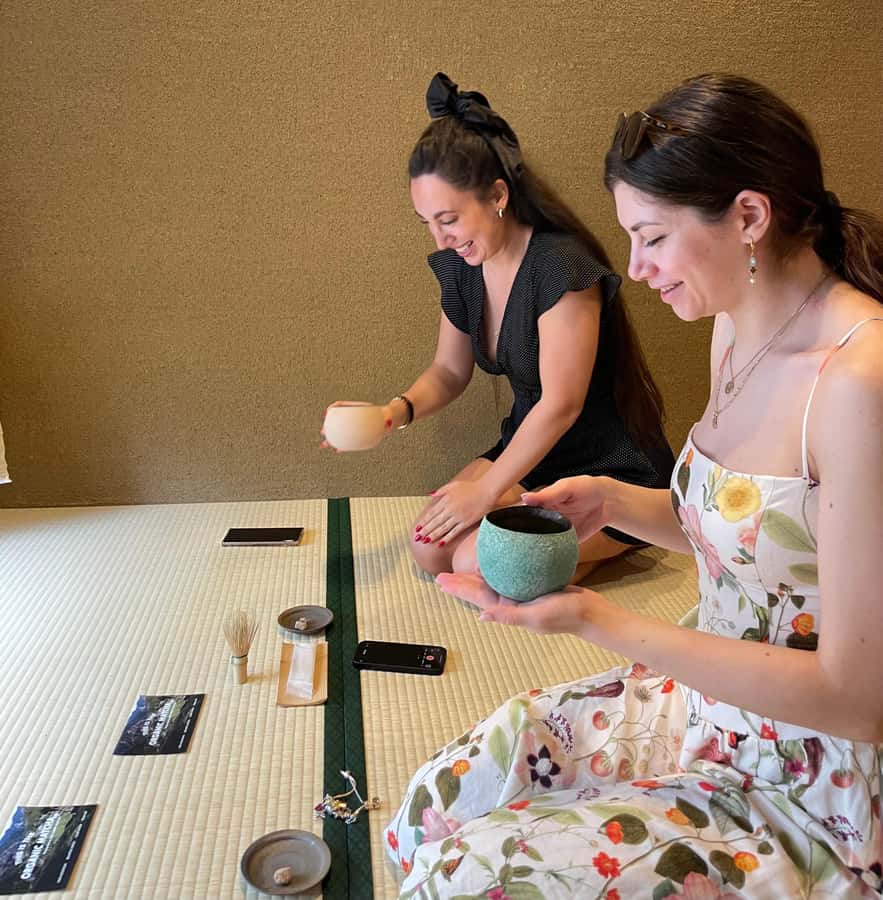
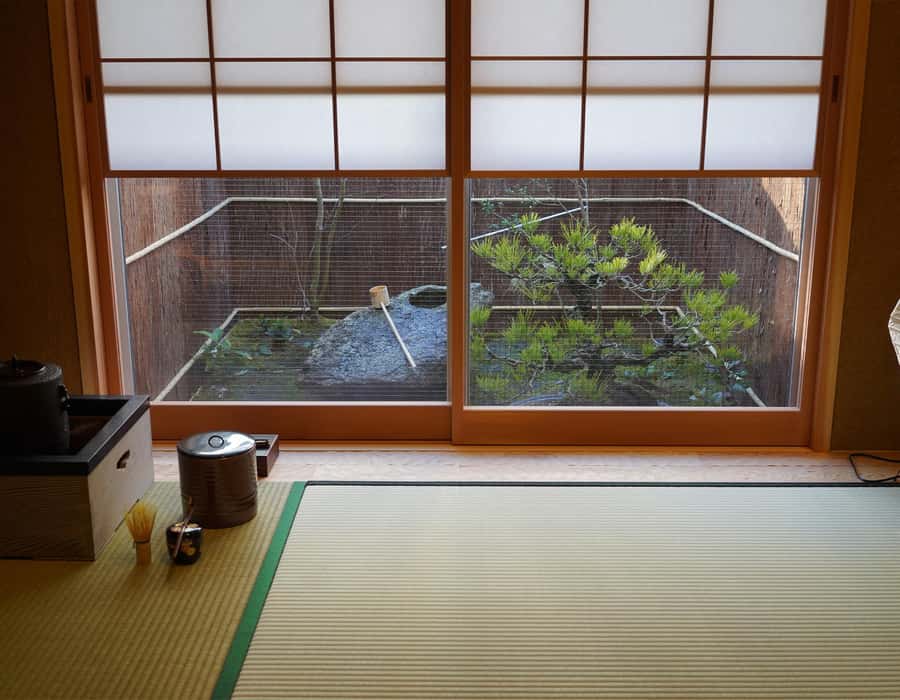
The tea room is in an apartment building, which may not sound promising at first. One person described feeling unsure about such a small room in the middle of an apartment complex, then finding that the space felt like a different world once inside. That is useful context. You are not entering a grand, historic teahouse with a large garden. You are entering a carefully arranged, compact room designed for a close lesson.
That setting has a practical advantage. You are near central Tokyo, but the room gives you a break from the noise and crowds outside. It also means the atmosphere depends on your comfort with a small space. If you prefer expansive rooms and formal architecture, this may feel modest. If you like personal instruction, the size works in your favor.
A few more Tokyo tours and experiences worth a look


Meeting Tatsuya and learning why matcha matters
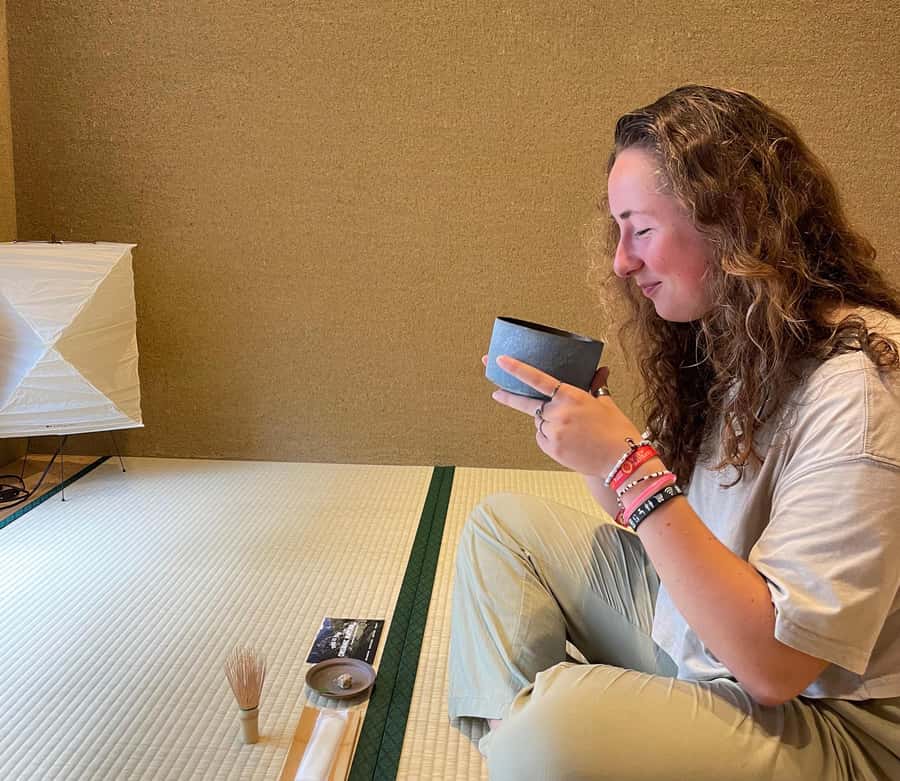
The session begins with an introduction to Japanese tea ceremony and matcha production. Tatsuya explains how matcha is made and why the powdered tea has become known around the world for its health benefits.
The history lesson is not treated as decoration before the real activity begins. It gives you a better sense of why the ceremony pays attention to every object, movement, and pause. You learn that the process is not simply a way to prepare a drink. It is a formal way to show care, respect, and attention.
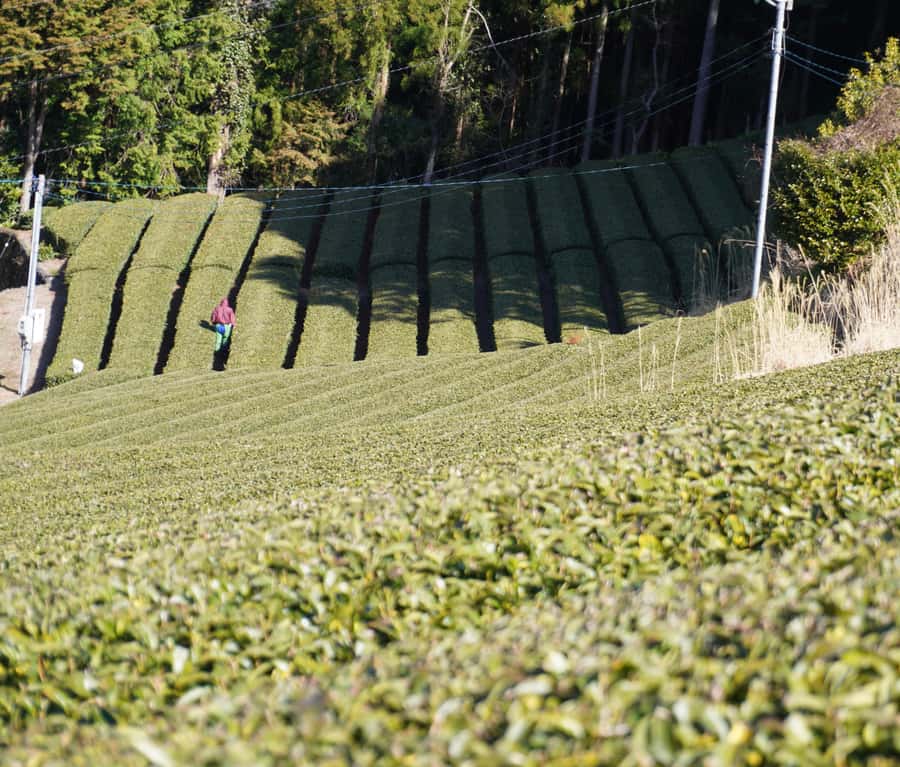
Tatsuya, also referred to as Tatsu in the activity feedback, brings a personal connection to the subject. His family has operated tea farms for two generations. That detail matters because he can speak about matcha as more than a fashionable Tokyo souvenir. He explains differences in matcha and the reasons quality varies.
His teaching style is one of the strongest reasons to book. The information is described as clear, thorough, patient, and easy to follow. He answers questions at the end, so you are not forced to understand every detail at once. The activity is offered in English and Japanese, which makes it suitable for many international visitors.
The formal ceremony and the meaning of small gestures
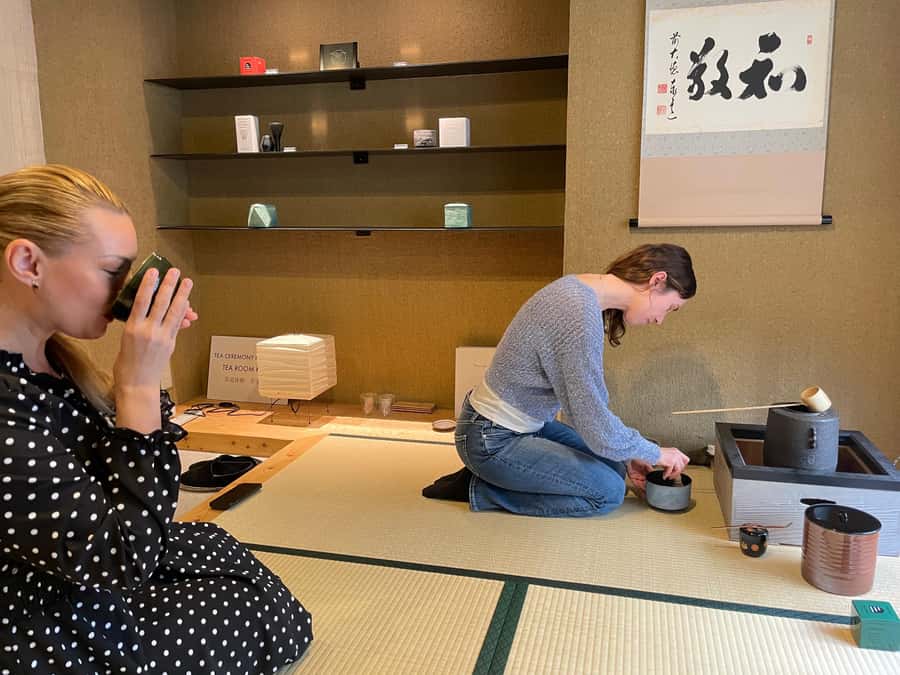
After the introduction, Tatsuya prepares matcha in the formal tea ceremony style and serves it to you. This is the part where the room’s quiet design becomes important. The ceremony asks you to pay attention to the bowl, the whisk, the tea, and the way each item is handled.
You are guided through the proper way to drink the tea. You also learn why respect is shown toward each object used in the ceremony. These details can seem fussy if you only want a quick cup of green tea, but they make sense once you see how much care is built into the custom.
I like that this activity does not assume you already know the rules. You do not need to arrive with any special preparation or experience. Tatsuya explains the steps and creates a relaxed mood, so you can take part without worrying about making a mistake.
The ceremony also gives you a chance to slow down. Shibuya can encourage quick decisions, quick meals, and quick photographs. Sitting quietly while the tea is prepared offers a different way to experience Tokyo. It is a modest pause, but a useful one.
Premium matcha with traditional wagashi
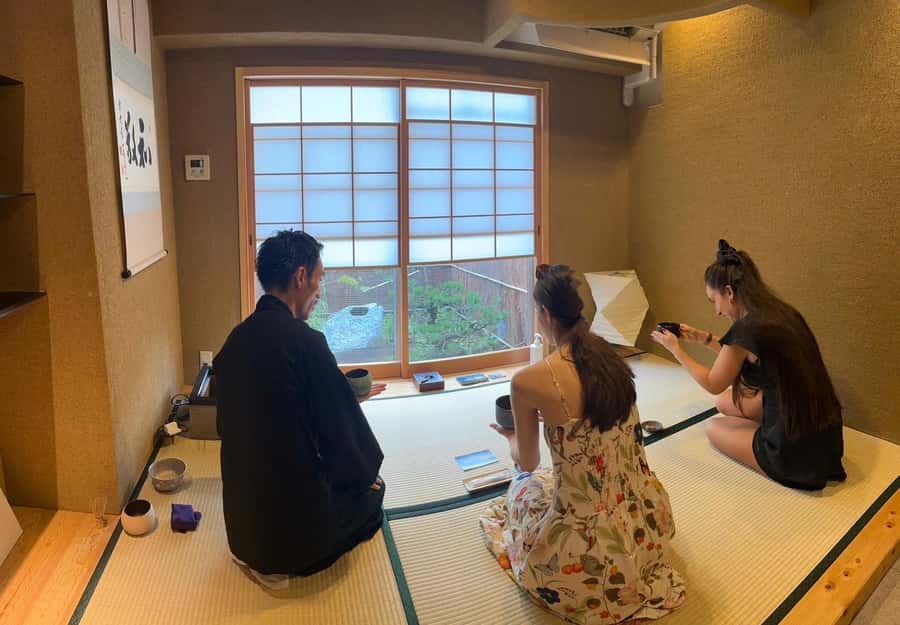
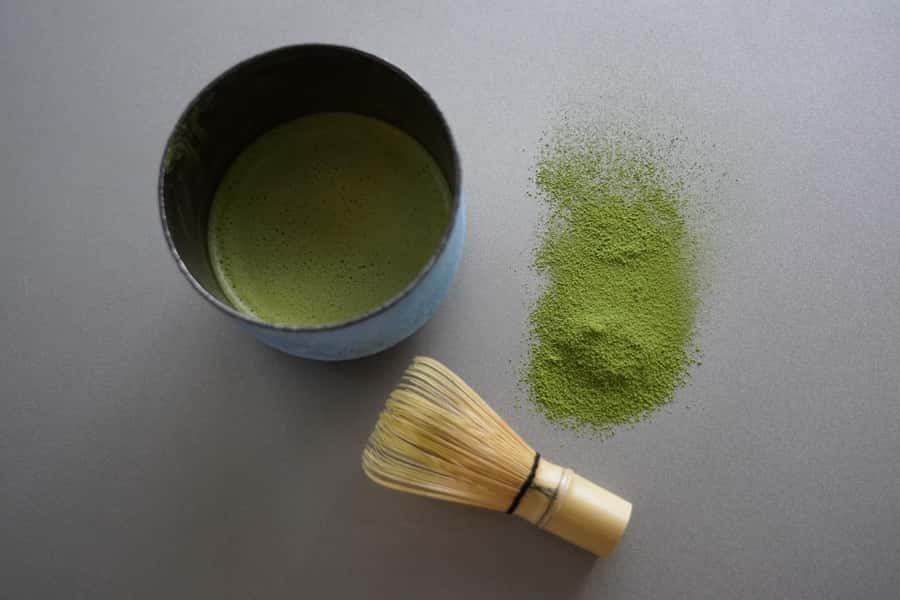
The matcha served here is supplied by EAST GREEN MATCHA, a Japanese premium organic matcha brand. The tea is described as rare and high grade, making up only about 2 percent of the total circulation in Japan.
That figure should not be treated as a guarantee that every visitor will identify the exact difference between this and another ceremonial matcha. Tea preferences vary, and matcha has a distinct grassy, savory taste that may be unfamiliar. Still, the chance to taste a carefully selected organic tea is a meaningful part of the price.
Matcha contains caffeine, so keep that in mind if you are sensitive to it or planning this activity late in the day. The flavor is served with traditional Japanese sweets, known as wagashi, from a long-established shop with more than 200 years of history.
The sweets are not just a sugary extra. Wagashi is designed to balance the flavor of matcha, and the pairing helps you understand how the tea is traditionally enjoyed. I would approach this as a tasting lesson rather than a snack stop. The quantity and exact type of sweets are not specified, so do not book it expecting a full meal.
Making your own bowl of matcha
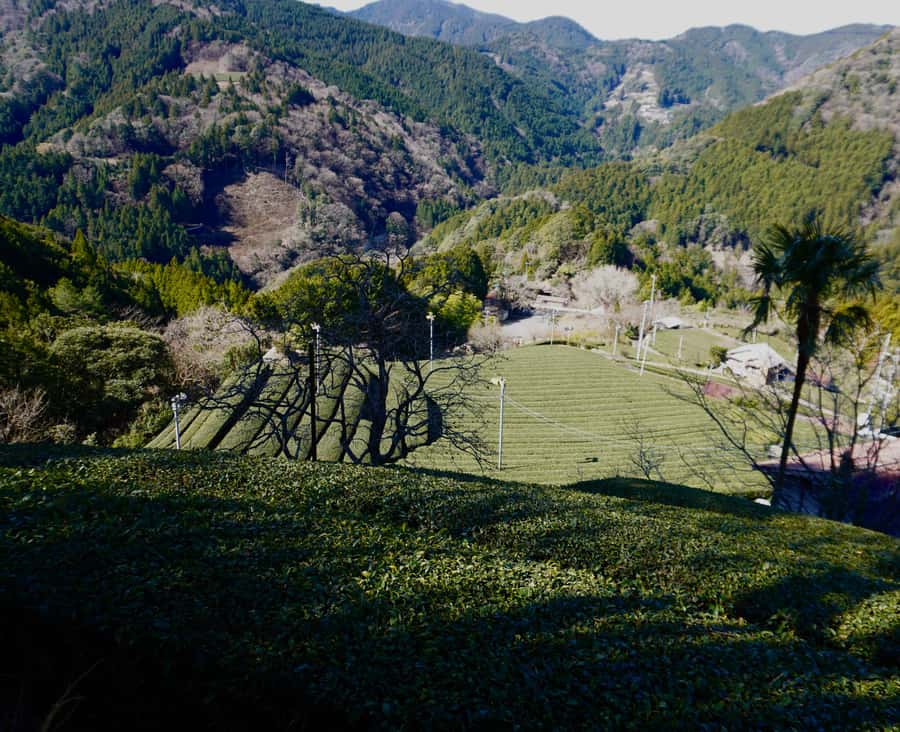
The hands-on portion follows the formal serving. Tatsuya shows you how to make your own matcha and guides you through the technique.
This is where the experience becomes more useful than a ceremony you only watch. You handle the tea tools, learn the basic whisking motion, and see how the preparation changes the texture and froth. The instruction is aimed at helping you understand both the technique and its significance.
The practical lesson also gives you something to take home beyond photographs. You can buy high-quality organic matcha and original tea tools at the end if you wish. You are not required to purchase anything, so the shopping option works best as a chance to replace a generic souvenir with something linked to what you have just learned.
I would ask questions during this stage. The final free time is specifically available for questions about matcha and tea ceremony, and the host’s family background gives you a good opening to ask about farming, quality, preparation, and differences between teas.
A few more Tokyo tours and experiences worth a look


Why the $30 price can make sense
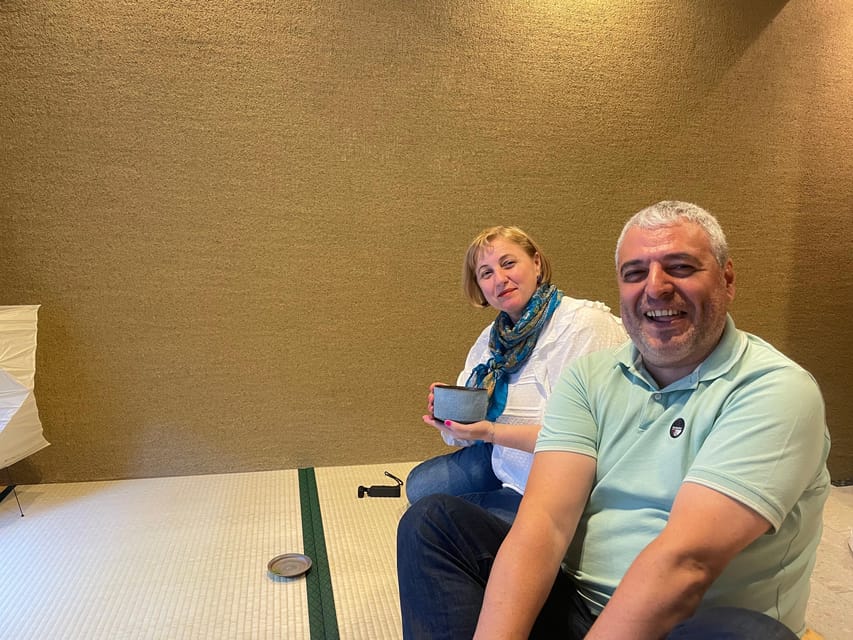
At $30 per person, this is a fairly accessible way to add a traditional cultural activity to a Shibuya day. The price includes the organic matcha, traditional sweets, the formal demonstration, your own matcha-making session, and the tools needed during the experience.
The value comes from the instruction as much as from the drink. You are paying for direct guidance in a private tea room, not simply for a bowl of matcha served in a cafe. The lesson gives context to the ceremony and lets you practice it yourself.
The price looks especially reasonable if you already plan to visit Shibuya. There is no long ride across Tokyo, and the meeting point is close to major sights. You can visit the crossing or Hachiko before the activity, then use the tea room as a change of pace.
There are limits. The tea room has no toilet, so use facilities before you enter. The room is small, and the exact length of the experience is not provided, so you should not build a tightly packed schedule around a precise end time. The activity ends back at the meeting point, which helps with planning but does not turn it into a full guided tour of Shibuya.
Who will enjoy this tea ceremony most
I would recommend it first to people who want a cultural experience with explanation rather than a quick photo opportunity. Tea lovers will get the most from the matcha tasting and preparation lesson, while first-time visitors can learn the basic manners without feeling lost.
It also suits anyone who wants a calm break during a busy Tokyo itinerary. The room’s peaceful character is a large part of the appeal, particularly if you have just spent time around Shibuya Station.
This is a good choice for adults and children aged 10 or older who can sit through a quiet cultural lesson. Children under 10 are not accepted. Babies under 1 year are not suitable for the activity, and the provider also lists pregnant women as unsuitable.
The experience is not suitable for pets. Assistance dogs are allowed. Since the tea contains caffeine, you may want to choose another activity if you need to avoid caffeinated drinks.
Practical planning for your Shibuya day
Meet at the front of The OneFive Tokyo Shibuya, not directly inside the tea room. Arrive with enough time to find the entrance and identify the guide’s TEA ROOM KAKOI sign.
The activity starts and ends at that meeting point. This makes it easy to continue sightseeing afterward. You are close to the Hachiko Statue and Scramble Crossing, while Meiji Shrine and the Pokémon Center are also named nearby attractions.
Wear something that lets you sit comfortably and handle tea tools. No special equipment is required because everything needed is included. The room is described as authentically arranged and beautifully decorated, so it is worth keeping your phone ready for photographs, while still giving the ceremony your full attention.
You can reserve now and pay later, which helps if your Tokyo plans are still changing. Cancellation is allowed up to 24 hours in advance for a full refund. Those policies are useful, but the bigger planning point is the meeting location and the lack of a toilet in the tea room.
Should you book TEA ROOM KAKOI?
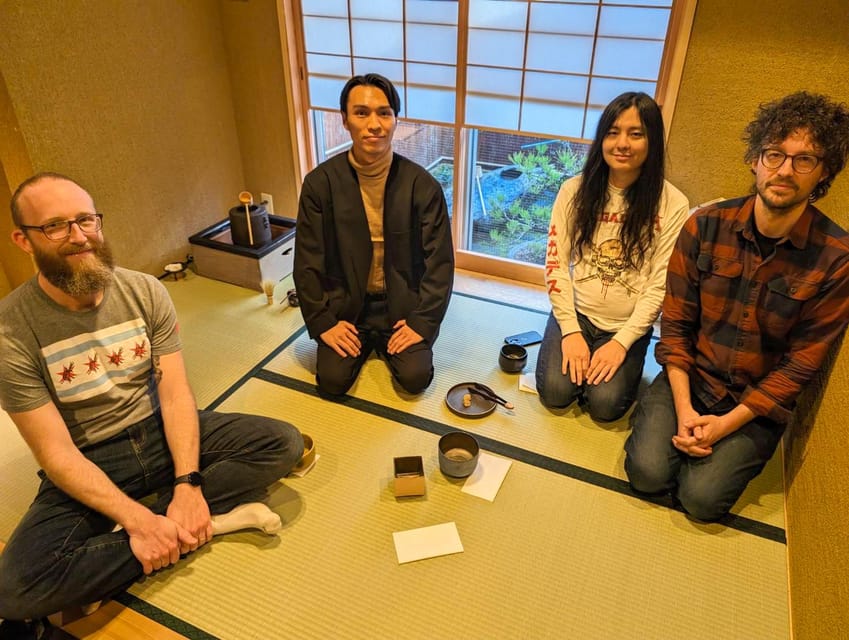
Book this if you want a personal, well-explained introduction to matcha and Japanese tea ceremony without leaving central Tokyo. The strongest features are Tatsuya’s clear teaching, his family connection to tea farming, the quiet apartment tea room, and the chance to make your own bowl.
Skip it if you want a large traditional house, a garden setting, a full meal, or a long formal performance. This is a compact indoor lesson, not an elaborate temple visit.
For $30, the combination of premium organic matcha, old-style wagashi, cultural context, and hands-on practice offers good value. I would place it on a Shibuya itinerary when you want something slower and more thoughtful than shopping or sightseeing.
FAQ
Where does the tea ceremony meet?
You meet at the front entrance of The OneFive Tokyo Shibuya, at 1-8-11 Jinnan, Shibuya-ku, Tokyo, 150-0041.
How do I identify the guide?
The guide will be at the hotel entrance holding a sign marked TEA ROOM KAKOI.
How far is the tea room from Shibuya Station?
The tea room is about an eight-minute walk from Shibuya Station.
What does the activity include?
It includes premium organic matcha, traditional Japanese sweets, a formal tea ceremony, a guided matcha-making session, and everything needed for the activity.
Who leads the experience?
The host is Tatsuya, also referred to as Tatsu in the activity information.
What languages are available?
The experience is available in English and Japanese.
Are the sweets included?
Yes. Traditional Japanese sweets from a wagashi shop with more than 200 years of history are included.
Can I buy matcha after the ceremony?
Yes. You can purchase high-quality organic matcha and original tea tools as souvenirs if you wish.
Is there a toilet in the tea room?
No. There is no toilet in the tea room, so plan to use facilities before the activity begins.
Can I cancel for a refund?
Yes. You can cancel up to 24 hours in advance for a full refund.
More Private Tours in Tokyo




More Tea Ceremony & Matcha in Tokyo
More Shibuya Tours in Tokyo



More tours in Tokyo we've reviewed








Shibuya Tours, compared.
 ★ 5.0Official Street Go-Kart in ShibuyaFrom $76
 ★ 4.9Tokyo: Street Kart Experience in ShibuyaFrom $741 hour
 ★ 5.0Shibuya Meltdown Nightlife Tour: All-You-Can-Drink Bar HoppingFrom $106
 ★ 5.0Shibuya Official Street Go-Kart in Shibuya AnnexFrom $69
 ★ 5.0Tokyo: Shibuya Food Tour (13 dishes and 4 Eateries)From $77
 ★ 5.0Best of Shibuya Food TourFrom $217