
Reviewed · AIRPORT TRANSFERS
Tokyo VIP Guided Private Car Tour with Optional Airport Transfer
Tokyo can feel like several cities stitched together: ancient temple lanes, neon shopping streets, quiet gardens, skyscraper views, and waterfront malls. This private car tour lets you connect those far-flung areas in about eight hours, with a guide shaping the day around your interests instead of sending you through a fixed group itinerary.
I especially like the comfort of a private minivan and the chance to ask for help with shrine customs, food stops, shopping, or family needs. Guides such as Masae, Ken, Sumiko, Taiji, and Miho have been praised for friendly service, clear language skills, and thoughtful planning. The main drawback is price: at $1,122.88 per group of up to eight, it is costly for one or two people, and Tokyo traffic can limit how much ground you cover.
In This Review
- Key points to know before booking
- A practical way to see Tokyo in one day
- Senso-ji, Asakusa, and Tokyo’s older face
- Shibuya Crossing and views from the city roof
- Tsukiji Jogai Market for food and atmosphere
- Imperial, political, and garden Tokyo
- Ueno, sumo, and Japanese culture
- Shinjuku, Kabukicho, and Tokyo after dark
- Odaiba, Gundam, and TeamLab Planets
- What the private car adds, and what it cannot fix
- Is $1,122.88 good value?
- Who should book this Tokyo tour?
- My booking advice
- FAQ
- How long does the Tokyo private car tour last?
- How many people can join the private tour?
- Is hotel pickup and drop-off included?
- Are admission tickets included?
- Can I choose which Tokyo sights to visit?
- What languages are available for the private guide?
- What happens if the weather or traffic affects the itinerary?
Key points to know before booking
- Choose four to six stops: The long list is a menu, not a promise to visit every place in one day.
- Private minivan comfort: Hotel pickup and drop-off, bottled water, and round-trip air-conditioned transport are included.
- Strong guide flexibility: Guides have adapted plans for children, older family members, food interests, shopping, and limited mobility.
- Great first-day format: You can combine old Tokyo, modern viewpoints, gardens, and shopping without learning the rail system immediately.
- Major admission fees are extra: Skytree, Shibuya Sky, Rikugien, TeamLab Planets, and similar attractions cost more.
- Airport transfer is available as an upgrade: This can make the tour useful at the beginning or end of a Japan trip.
A practical way to see Tokyo in one day
The strength of this tour is not the number of places on the program. It is the ability to link areas that are awkward to combine on foot. Asakusa, Shibuya, Tsukiji, Odaiba, Shinjuku, and Ueno each deserve time, but they are spread across a very large city.
You start at a time that suits your group, with morning departures available. Hotel pickup and drop-off are included, and an airport pickup or drop-off can be added. That makes this a useful choice for a first full day in Tokyo, a short visit, or a final day before a flight.
You should plan around four to six main stops. The full list includes far more than can fit into eight hours once driving, parking, meals, queues, and walking are counted. Ask the guide to build the day around your top priorities before you arrive.
The private format also helps if your group has mixed energy levels. One family with grandparents and young children used the flexibility to keep everyone comfortable, while another group with limited walking ability received extra care from the guide and driver. You still need to tell the operator about mobility concerns in advance, but the private setting gives the day room to breathe.
Other guided tours in Tokyo

Senso-ji, Asakusa, and Tokyo’s older face
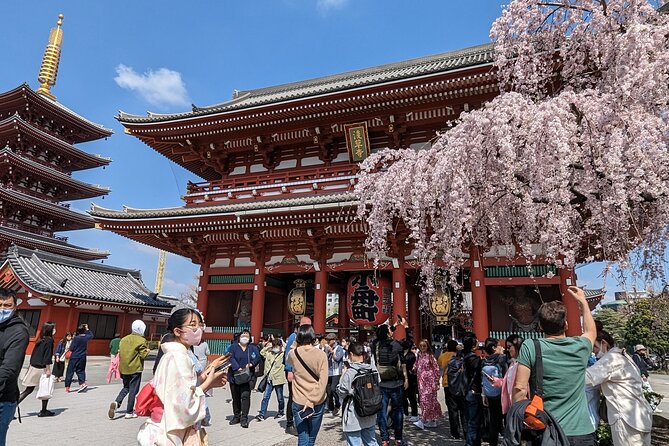
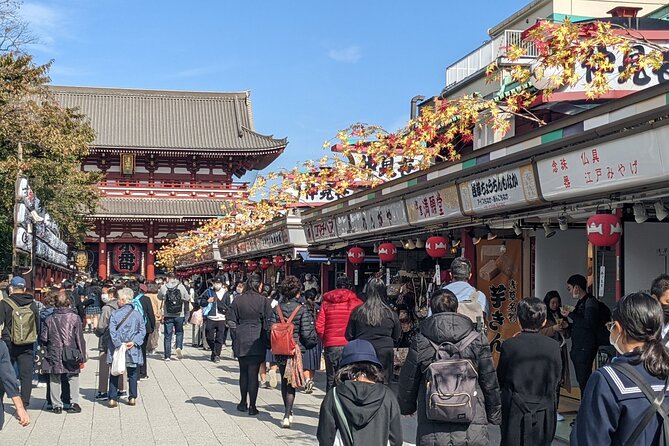
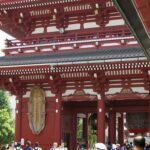
Senso-ji is the natural choice if you want Tokyo’s most familiar historic setting. The temple is free to enter, and the visit usually takes about 30 to 60 minutes. You will have time to walk through the approach, see the temple buildings, and browse for Japanese souvenirs.
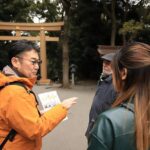
The nearby old-town atmosphere gives the stop more character than a quick photograph from the minivan. This is also a good place to ask your guide how to behave at a shrine or temple. Several guide accounts describe explaining customs and rituals, which is useful when you want to participate respectfully rather than simply point a camera.
The drawback is crowding, especially around the main approach. Your guide can help you focus on the most worthwhile parts, but this is not a quiet temple visit. If your priority is calm gardens, use your limited time elsewhere.
Tokyo Skytree can be added from this part of the city. You can take photographs outside or pay to go up. The listed visit can run from 45 minutes to two hours, and admission is not included. The stated admission fee is ¥3,000 per person, so a family of four adds ¥12,000 before any food or other tickets.
Shibuya Crossing and views from the city roof
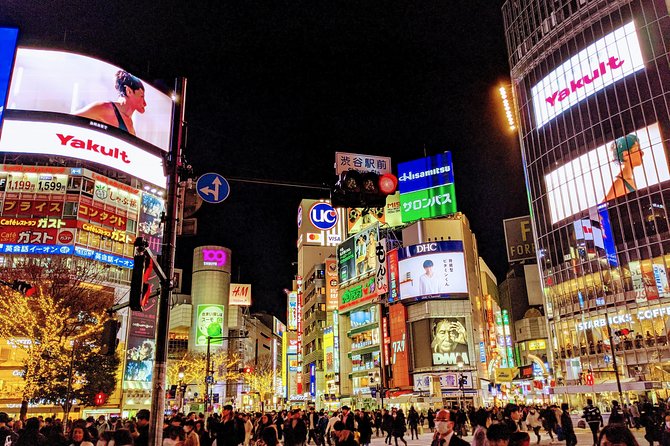
Shibuya gives you the famous modern Tokyo scene: a vast intersection, the Hachiko statue, fashion, signs, and constant movement. The Hachiko stop is brief, but it works well as part of a first introduction to the city.
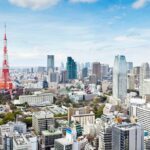
Shibuya Sky is the bigger time commitment. Its rooftop deck sits 229 meters above Tokyo, and the visit usually takes about 45 minutes. Admission is not included, with a stated price of ¥2,700 per person. The view is the point, so weather matters. On a clear day, you get a broad look across the city. In rain or low cloud, the value drops quickly.
If you want shopping, tell your guide how much time to allow in Shibuya or Harajuku. The itinerary also points toward Japan’s youth fashion and Kawaii culture. That can be a quick photo stop, or it can consume much of the afternoon if your group wants shops, character goods, and street food.
I would choose either Shibuya Sky or Tokyo Skytree in one day, not both, unless a high viewpoint is your main goal. Paying for two observation decks also pushes up the total price.
Tsukiji Jogai Market for food and atmosphere
Tsukiji Jogai Market is the practical food stop. The outer market has street food and many sushi restaurants, with about 30 to 60 minutes suggested if you want lunch.
This is one of the better places to let the guide shape the experience. You can ask for help with food choices, and dietary requests should be supplied when booking. A vegetarian option is available, though you should still state your needs clearly.
Keep the stop focused. A short market visit works well between temples and city views, but a full lunch can take longer than expected. Food and drinks are not included, so budget separately. If you want to eat here, tell the guide at the start rather than trying to squeeze lunch into the final hour.
Tsukiji also connects well with Hama Rikyu Gardens, a Japanese garden beside Tokyo Bay. The garden visit usually takes 45 minutes to an hour, though the listed itinerary allows about 30 minutes. Admission is extra. I would choose it when you need a quiet break from roads, shopping, and large crowds.
Imperial, political, and garden Tokyo
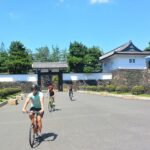
The Imperial Palace area offers a glimpse of the Emperor’s residence and the former Edo Castle grounds. Much of the appeal is the contrast between the central business district and the open historic spaces. You should not expect a long palace interior visit from the information provided. Treat this as a scenic and historical stop.
The National Diet Building is another short photo stop, listed at about 15 minutes with free admission. Its 1936 construction gives it a formal, historic look, but this is not a full museum visit. It makes sense only if you want a quick architectural stop or are already nearby.
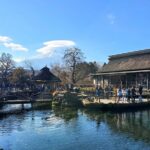
Rikugien Garden is a better choice for a slower visit. Built during the Edo period, it is described as a peaceful Japanese garden and usually takes about 30 minutes. Admission is ¥400 per person. The garden is especially useful when your group wants seasonal scenery and less city noise, but it competes for time with Shinjuku Gyoen and Hama Rikyu.
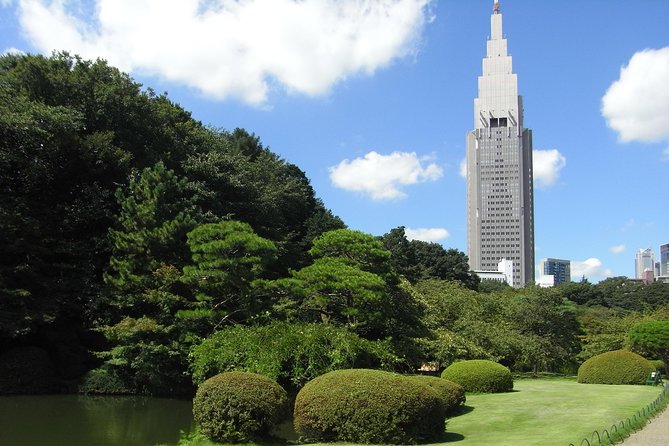
Shinjuku Gyoen National Garden mixes Japanese and Western garden styles and is known for seasonal flowers. Admission is listed as free in this program, with about 30 minutes suggested, though the full visit can take 45 minutes to an hour. If you are visiting during cherry blossom season or another flower season, you may want to give it more time.
Other private tours in Tokyo

Ueno, sumo, and Japanese culture
Ueno offers several choices, so it can be an excellent cultural half-day if you pick carefully. Ueno Toshogu Botanen is a subsidiary shrine associated with Nikko Toshogu and is known for its peony garden. The listed stop is only five minutes, with admission extra, so this is best treated as a quick addition rather than a main destination.
The Tokyo National Museum is the serious cultural stop. It gives you an overview of Japan from ancient times to today, and the suggested visit is one to two hours. Admission is not included. If you want art and history, this is one of the most worthwhile uses of your time, but you should not pair it with too many other major ticketed attractions.
The Sumo Museum is near the sumo stadium and is listed as a free, 30-minute visit. It is a compact stop that works well for people interested in Japan’s national sport. Since the program only specifies the museum, do not assume a live match or training session is part of the tour.
Nearby streets may also suit shoppers looking for an open-air market. Akihabara is another option if your interests run toward anime, manga, figurines, games, electronics, or maid cafes. The guides have built days around Akihabara and Nintendo shopping for visitors with strong subculture interests, so tell them early if this is a priority.
Shinjuku, Kabukicho, and Tokyo after dark
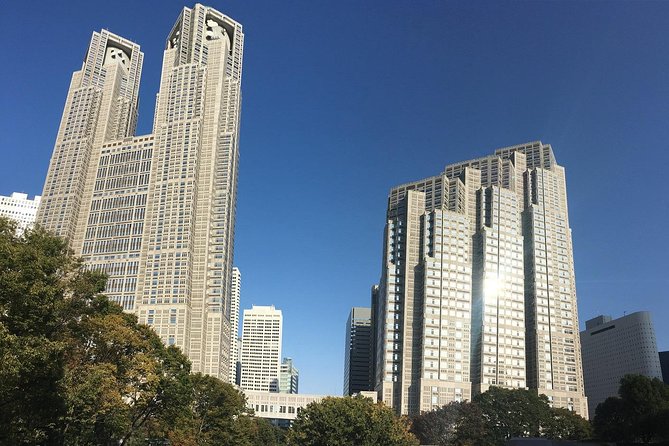
Shinjuku is a good area for city views and evening atmosphere. The Tokyo Metropolitan Government Buildings offer a free view from the 45th floor, about 200 meters high. The suggested visit is 30 minutes, making it a sensible alternative to a paid observation deck.
The surrounding district includes Kabukicho, Godzilla Road, and Omoide Yokocho. Omoide Yokocho is a narrow food area associated with Tokyo from the 1960s through the 1980s, while Kabukicho supplies the bright nightlife setting. You can request time for photographs, shopping, or food.
This part of the program needs clear expectations. The tour lasts about eight hours and may begin in the morning, so a late-night exploration is not guaranteed. Ask the guide if you want Shinjuku as the main final stop, especially if you hope to eat in Omoide Yokocho.
Odaiba, Gundam, and TeamLab Planets
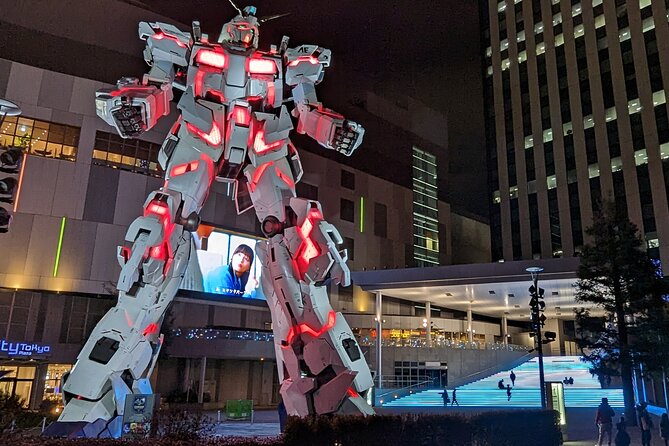
Odaiba brings a different side of Tokyo, with waterfront views, shopping centers, and large modern attractions. The area includes Aquacity, Venus Fort, and DiverCity, along with the life-size Unicorn Gundam statue.
The Gundam stop is brief, about 10 minutes, and free. The statue has an hourly light-up show, but your timing must match the schedule. It is a fun choice for families and anime fans, though it does not need to replace a temple or garden unless your group specifically wants it.
The nearby Statue of Liberty is a five-minute photo stop. It was permanently installed in 2000 as a symbol of friendship between Japan and France. It is an amusing comparison point, not a major attraction, and should be treated as a quick add-on.
TeamLab Planets TOKYO requires advance online tickets. The visit usually takes one to one and a half hours, and the stated admission is ¥4,000 per person. Since the tour cannot simply guarantee entry without your ticket, buy ahead and tell the operator before the day. TeamLab also works best when you protect enough time for it instead of treating it as a rushed stop.
What the private car adds, and what it cannot fix
The air-conditioned minivan is the main comfort feature. You avoid repeated train transfers, hot platforms, and the work of navigating an unfamiliar rail system. One family specifically valued avoiding public transportation in hot, humid weather, and another family had a car seat available.
The driver matters just as much. Several guide-driver pairs were praised for safe, courteous driving and for handling Tokyo traffic calmly. You will usually have a guide and driver working together, rather than asking one person to explain a site while also dealing with the road.
Still, a car does not make Tokyo traffic disappear. The schedule can change because of traffic or weather, and some views may be poor in bad weather. The activity is not cancelled or refunded simply because a sight is partly obscured. A private vehicle improves comfort and routing, but it cannot guarantee every planned stop.
The price stays the same with or without the vehicle, according to the supplied terms. That makes the vehicle a major part of the value for a larger group, but less attractive for a couple who is comfortable using trains.
Is $1,122.88 good value?
For eight people, the base cost works out to about $140 per person before admission fees, meals, and gratuity. For four people, it is about $281 each. For two people, the cost is high compared with using Tokyo’s excellent public transportation.
The calculation changes if you need airport transfer, have children, include older relatives, or want several distant areas in one day. You are paying for the guide’s planning, a private vehicle, hotel pickup and drop-off, language support, and the ability to change the route as the day unfolds.
The included bottled water is a small but useful touch. A DVD player is also listed in the minivan, though it should not be a reason to book. Gratuity is not included, with 5 to 20 percent suggested.
Guides are available in English, French, Spanish, Chinese, and Korean. Names connected with especially strong service include Masae, Ken, Sumiko, Taiji, Miho, Duke, Noriko, Mickey, and Akio. You may request a specific guide, but availability is not stated, so treat those names as examples rather than a guarantee.
Who should book this Tokyo tour?
I would choose this tour for a family group, a multigenerational party, or anyone with only one open day who wants help making sensible choices. It also fits visitors who want to combine temples, food, shopping, gardens, and city views without mastering Tokyo transportation immediately.
It is less convincing for a solo visitor or couple on a tight budget. You can see many central areas by train, and the tour price rises sharply once you add several admissions. It is also not ideal if your plan is to spend half a day in one museum or shopping district, since the private-car format works best when connecting several parts of Tokyo.
Book at least 24 hours before the start time if you need to cancel safely. The cancellation terms allow a full refund up to that point, but changes or cancellations inside 24 hours are not accepted for a refund.
My booking advice
Before confirming, send a short priority list with your top six choices, your food needs, walking limits, children’s ages, and any attraction requiring advance tickets. Ask the guide to rank the options by traffic, weather, and opening conditions.
For a first day, I would consider Senso-ji, Shibuya and Hachiko, Tsukiji, one garden, one viewpoint, and either Akihabara or Odaiba. For a culture-focused day, I would swap shopping for the Tokyo National Museum and Rikugien or Hama Rikyu.
Book it if comfort, personal planning, and family flexibility matter more than keeping costs low. Skip it if you enjoy trains, prefer slow neighborhood exploration, or only want one or two major sights. Used with a realistic four-to-six-stop plan, this is a practical way to get your Tokyo bearings fast without turning your first day into a transportation exercise.
FAQ
How long does the Tokyo private car tour last?
The tour lasts approximately eight hours. Morning start times are available, and the activity also offers a choice of two tour lengths, though the exact shorter duration should be confirmed when booking.
How many people can join the private tour?
The listed price covers one private group of up to eight people. Only your group participates in the activity.
Is hotel pickup and drop-off included?
Yes. Hotel pickup and drop-off are included, and an airport pickup or drop-off can be added as an upgrade.
Are admission tickets included?
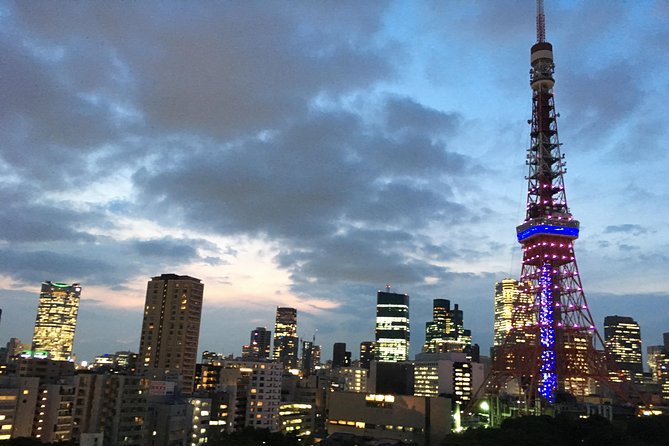
No. Admission to facilities is generally not included. Listed extra fees include ¥3,000 per person for Tokyo Skytree, ¥3,000 for Tokyo Tower, ¥2,700 for Shibuya Sky, ¥400 for Rikugien Garden, and ¥4,000 for TeamLab Planets TOKYO.
Can I choose which Tokyo sights to visit?
Yes. The long sightseeing list is a set of options, and you should select about four to six sites for the day. You can ask the guide for advice and suggestions after booking.
What languages are available for the private guide?
Professional guides are available in English, French, Spanish, Chinese, and Korean.
What happens if the weather or traffic affects the itinerary?
The schedule may change or be cancelled because of weather or traffic. The tour is not cancelled or refunded solely because some views or sights are not fully visible due to weather.
More VIP Experiences in Tokyo





More Private Tours in Tokyo
More Guided Tours in Tokyo

More tours in Tokyo we've reviewed






Airport Transfers, compared.
 ★ 5.0Private Arrival Transfer : Haneda Airport to Central Tokyo CityFrom $144
 ★ 4.5Shared Arrival Transfer : Haneda Airport to Central Tokyo CityFrom $62
 ★ 4.5Airport Shuttle Arrival Transfer : from Haneda Airport to Tokyo CityFrom $62
 ★ 4.5Airport transfer: Narita, Haneda (Tokyo), HND-NRT Airport shuttleFrom $224
 ★ 5.0Private Arrival Transfer : Haneda Airport to Yokohama CityFrom $172
 ★ 4.5Private Airport transfer Haneda Airport(HND) to Tokyo CityFrom $34