
Reviewed · PRIVATE
Private Tour – Thousands of lucky cats! Go by tram, Gotokuji Tour
The main event is Gotokuji Temple, where rows of maneki neko, Japan’s familiar beckoning-cat figures, gather in numbers that are hard to picture until you see them. But the temple is only the final piece of this 3.5-hour private walk through Setagaya, a quieter side of Tokyo reached by tram and local streets.
I like the personal format and the route’s variety. Your guide can adjust the pace, explain local customs in English, and give your group more attention than a large scheduled tour. I also like that the walk includes ordinary neighborhood life, from a small shopping district to a historic mansion, instead of rushing straight to the cat statues.
The main caution is that the route can change. The local history museum has closed unexpectedly before, forcing one group to walk there only to find the doors shut. Bad weather may also affect transportation, destinations, and walking routes. Bring cash, since some stops do not accept credit cards.
In This Review
- Key points to know before you book
- Why the cat-filled Gotokuji route works
- Starting at Shoin Shrine
- Browsing the Shoin Shrine shopping street
- Stepping into the Setagaya Daikan residence
- Putting the neighborhood in context at the museum
- Meeting the lucky cats at Gotokuji Temple
- The walk, tram, and one-way finish
- Who gets the most from this private tour
- Price, booking demand, and cancellation
- Should you book the Gotokuji cat tour?
- FAQ
- How long does the private Gotokuji tour last?
- Where does the tour start?
- Where does the tour finish?
- What transportation cost should I expect?
- Are admission fees included?
- Is lunch included?
- Can I cancel for a full refund?
Key points to know before you book
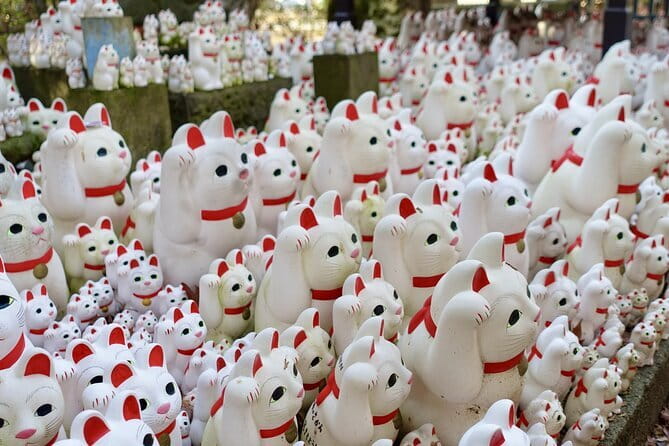
- Thousands of lucky cats at Gotokuji: The temple is the tour’s signature sight and a favorite stop for anyone curious about Japanese good-luck symbols.
- A private English-speaking guide: Only your group participates, so you can ask questions and request a different finishing point.
- Five distinct stops: The route links a shrine, shopping street, Edo-era mansion, local museum, and temple.
- A quiet Setagaya outing: You get a look at a residential part of Tokyo that feels far removed from central Tokyo’s neon and crowds.
- About 380 yen in extra costs: Transportation is estimated at 380 JPY per person, while admission fees and meals are not included.
- Strong family appeal: One 10-year-old stayed interested throughout, a useful sign for families who worry that a history walk may feel slow.
Why the cat-filled Gotokuji route works
Tokyo has no shortage of famous districts, but this tour takes you away from the usual central circuit. You begin at Sangenjaya Station and finish at Gotokuji Station, crossing Setagaya by tram and on foot. That one-way design is useful because you do not spend the final part of the outing retracing your steps.
I like the way the route builds toward Gotokuji Temple. You first see a shrine tied to a major local figure, pass through a shopping district, step into an old residence, and visit a museum before reaching the cats. The result is more than a quick photo stop. You get some context for the neighborhood and for the customs you see along the way.
The private format matters here. You are not locked into the pace of a large group, and you can ask your guide to explain details that catch your attention. The tour can also be customized to suit your needs, although any requested changes should be discussed with the guide rather than assumed.
At $68.64 per person, the price is not the cheapest way to visit Gotokuji. You are paying for a private guide, English-language explanations, and a planned route through several less-visited places. For a family or small group that wants an organized local outing, the cost can make sense. If your only goal is to see the cats, visiting the temple independently will cost far less.
Other private tours in Tokyo



Starting at Shoin Shrine
The tour begins at Sangenjaya Station, at 2 Chome-15 Taishido in Setagaya City. Your first stop is Shoin Shrine, dedicated to Shoin Yoshida, a 19th-century educator and philosopher. The visit lasts about 25 minutes and admission is free.
This is a good opening stop because it gives the day a calm start. You can look at the stone lanterns and the stage used for music offered to the gods, while your guide explains the shrine’s place in local history and religious life. The setting is described as peaceful, and that matters in Tokyo, where even a short break from traffic and crowds can change the feel of a day.
Do not expect a huge shrine complex or a long list of grand buildings. The appeal is the atmosphere and the chance to ask questions. A private guide can explain what you are seeing at a pace that suits your group, which is especially useful if Japanese shrine customs are new to you.
Families may find this stop easier if children have a simple question to pursue, such as why the lanterns are placed where they are or how music is used in a shrine setting. The 25-minute visit keeps the opening section from becoming too long.
Browsing the Shoin Shrine shopping street
Next comes the Shōei-kai shopping street near Shoin Shrine. Allow about 30 minutes here. This is not a grand department-store district or a famous market built for sightseeing. It is a local shopping area with long-established shops and small places that invite a closer look.
This part of the route gives you a useful change of pace. The shrine introduces formal religious surroundings, while the shopping street shows how the neighborhood works in everyday life. You may find interesting items in the smaller shops, but the exact stops can depend on opening hours and the group’s interests.
I would treat this section as an opportunity to observe rather than as a guaranteed shopping haul. The tour does not include food or drinks, and any purchases are your responsibility. Some places visited during the day do not accept credit cards, so cash is a sensible item to carry.
The private setup is helpful here. You can ask your guide about a shop, pause for a closer look, or move along if nothing catches your eye. A large group would have a harder time making those small decisions.
Stepping into the Setagaya Daikan residence
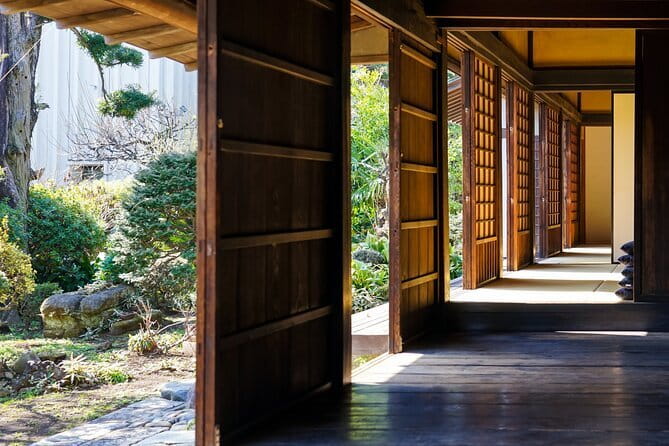
The Site of Setagaya Daikan’s Residence comes next, with roughly 20 minutes set aside for the visit. This traditional Japanese mansion belonged to a clan that ruled the area during the Edo era, a period described here as running from about 1700 to 1900.
This stop offers a more direct sense of domestic and local authority than a typical Tokyo temple visit. You are not just looking at a modern neighborhood. You are seeing a place connected to the people who governed the area and getting a feel for traditional Japanese residential design.
The short visit is a strength. Twenty minutes is enough to take in the setting and hear the main points without turning the tour into a long architecture lesson. Your guide can help you notice details that might otherwise pass without explanation.
Keep your expectations measured. The stop is about the historic residence and its atmosphere, not a full-day museum visit. It works best as part of the larger sequence, giving you a physical link to Setagaya’s past before you move on to the local history museum.
Putting the neighborhood in context at the museum
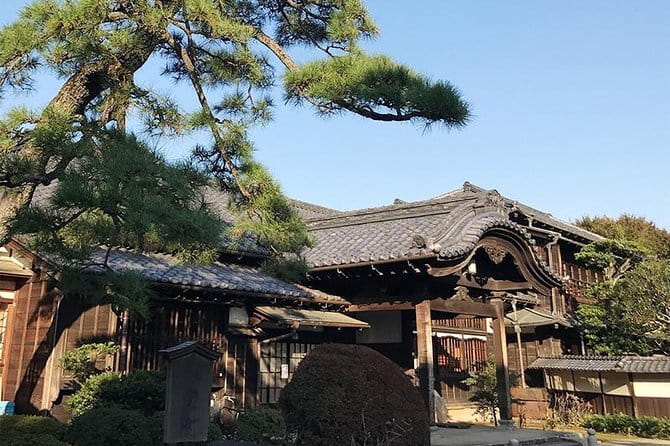
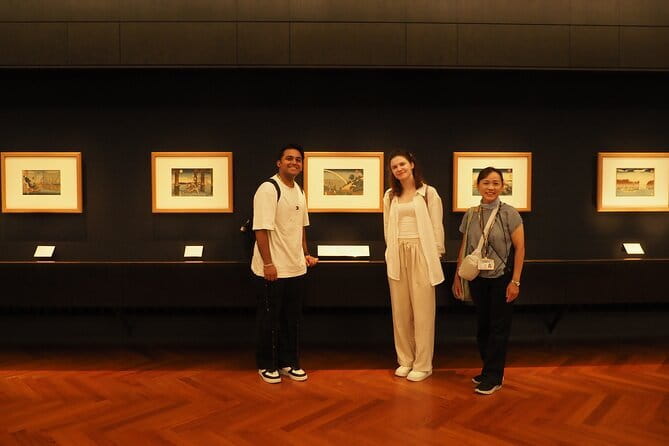
The Setagaya Local History Museum is next to the residence and receives about 20 minutes. It covers Setagaya’s past, including literature and paintings from the Edo era, along with other aspects of the area’s development.
I like having the museum placed beside the old mansion. The two stops can reinforce each other: one gives you a historic setting, while the other provides objects and information that help explain the district. This is the point in the tour where the neighborhood becomes more than a pleasant walk.
There is one practical warning. The museum has been closed for a holiday without the guide being informed in advance, so you could reach it only to find that the visit is unavailable. The operator says alternative stops may be used if a location closes temporarily, but you should still be prepared for a small change in the plan.
That possibility is less serious on a private tour than it would be on a fixed group itinerary. Your guide can explain the change and adjust the pace. Still, if the museum is especially important to you, ask about its opening status before the tour begins.





Meeting the lucky cats at Gotokuji Temple
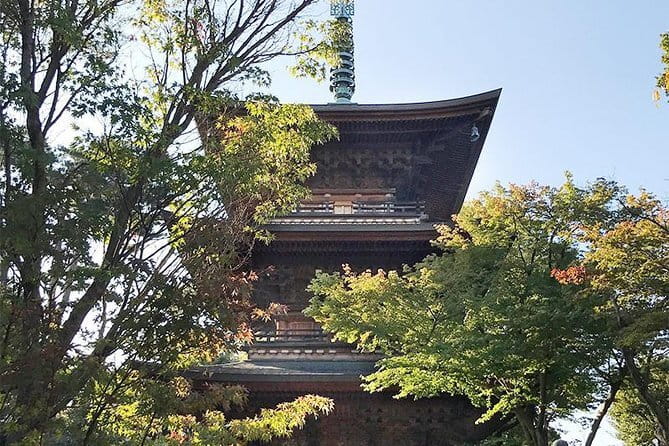
The final major stop is Gotokuji Temple, with about 30 minutes planned for the visit. This Zen temple has a history of roughly 600 years and is associated with the maneki neko, the raised-paw cat figurine linked with good luck and success in business.
The cats are the reason many people choose this outing. At Gotokuji, the figures are displayed together in such numbers that the sight has a strong visual effect. You can study the different sizes, take photographs, and ask your guide about the meaning of the raised paw and the custom connected with leaving the figures at the temple.
The half-hour visit is enough for a focused look, though you may wish it were longer if you enjoy photography. Your guide can point out the important areas and give the cats cultural context instead of leaving you to guess why they are there.
This is also where the route’s earlier stops pay off. After seeing a shrine, neighborhood shops, a traditional residence, and a museum, you reach the temple as part of a broader Setagaya story. You are not simply dropping in for one popular image and leaving.
Gotokuji is still a religious site, so a respectful manner is important. Keep the focus on observing and learning, not treating the cat displays as a theme park attraction. Your guide can help you understand where photographs are appropriate and how to behave at the temple.
The walk, tram, and one-way finish
The tour starts at Sangenjaya Station and ends at Gotokuji Station, at 1 Chome-43 Gotokuji. Transportation is estimated at 380 JPY per person. Admission fees are listed as free, but you must pay for any food, drinks, purchases, or other expenses at the stops.
The one-way route is practical. You finish in a different part of Setagaya from where you started, so the outing feels like a small journey rather than a round trip. It also means you should be comfortable navigating back to your next destination from Gotokuji Station.
The tour lasts approximately three hours and 30 minutes. That includes five stops, walking, and local transportation. You should wear comfortable shoes and leave enough room in your day for a relaxed pace. The experience is described as suitable for most people, but it is still a walking tour, not a seated sightseeing trip.
Bad weather can change the means of transportation, destinations, or route. The exact adjustments are not specified, so flexibility is part of the deal. If rain is forecast, bring suitable clothing and accept that the day may not follow the planned sequence.
Who gets the most from this private tour
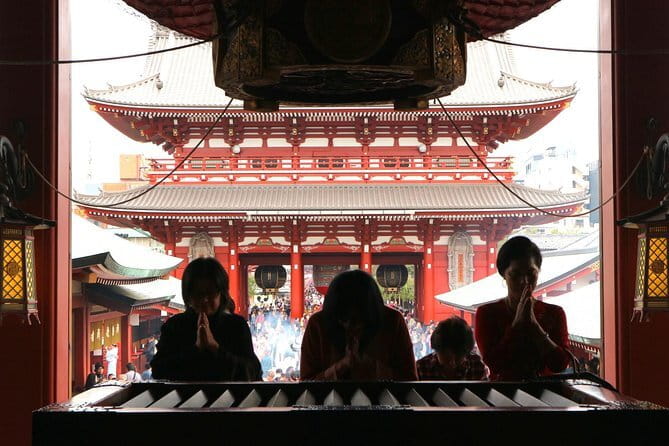
I would recommend this experience to first-time visitors who want to see a quieter side of Tokyo without planning every train, tram, and neighborhood stop themselves. It is also a good fit for repeat visitors who have already seen the central sights and want a local district with a slower rhythm.
Families should give it serious consideration. A 10-year-old remained interested throughout the outing, which suggests that the mix of cats, shrine details, shops, and physical places can work better for children than a long museum-only visit. The private guide also makes it easier to adjust explanations for younger members of your group.
The tour suits people who enjoy asking questions. You get more value from the guide when you want to know why a shrine is arranged a certain way, how a local residence functioned, or what the lucky-cat tradition means. If you prefer to wander silently and set your own route, an independent visit may suit you better.
The itinerary can be customized, but do not expect every stop to be guaranteed. Closures and weather can affect the plan, and the museum closure issue is a useful reminder to keep expectations flexible.
Price, booking demand, and cancellation
The listed price is $68.64 per person, with group discounts available. Since the tour is private, the total value improves when shared by several people who want the same experience. The estimated 380 JPY transportation cost per person is separate, while admission fees are listed as zero.
The tour is commonly booked about 72 days ahead, so popular dates may fill well before your visit. A mobile ticket and confirmation at booking make the practical side simple. The meeting point is near public transportation, and the tour ends at a different station.
You can cancel for a full refund up to 24 hours before the start time. Changes or cancellations made within 24 hours are not accepted for a refund, and the cut-off uses Tokyo local time.
Should you book the Gotokuji cat tour?
Book it if you want more than a quick temple visit. The strongest reason to choose this experience is the combination of private guiding and local context. You see the famous cats, but you also walk through a neighborhood, learn about Shoin Yoshida, browse a local shopping street, and connect an old residence with a history museum.
Skip it if your schedule is tight, your only goal is Gotokuji Temple, or you dislike plans that may shift because of closures or weather. You can visit the temple independently for less money.
For families, couples, and small groups who value a personal guide, the $68.64 price is reasonable. Bring cash, wear comfortable shoes, and ask about museum hours before setting out. With those precautions, this is a thoughtful way to spend half a day in Tokyo beyond the standard sightseeing route.
FAQ
How long does the private Gotokuji tour last?
The tour lasts approximately 3 hours and 30 minutes.
Where does the tour start?
It starts at Sangenjaya Station, at 2 Chome-15 Taishido, Setagaya City, Tokyo 154-0004, Japan.
Where does the tour finish?
It finishes at Gotokuji Station, at 1 Chome-43 Gotokuji, Setagaya City, Tokyo 154-0021, Japan. You can ask the guide about changing the finishing location.
What transportation cost should I expect?
Transportation is estimated at 380 JPY per person. This cost is not included in the tour price.
Are admission fees included?
Admission fees are listed as free for the planned stops. Any other costs at visited locations are paid by you.
Is lunch included?
No. Lunch and other food and drinks are not included.
Can I cancel for a full refund?
Yes. You can cancel at least 24 hours before the start time for a full refund. Cancellations or changes made less than 24 hours before the start time are not accepted for a refund.
More Private Tours in Tokyo

More tours in Tokyo we've reviewed






Private, compared.
 ★ 5.0Tokyo 6hr Private Tour with Government-Licensed GuideFrom $155
 ★ 5.0Private Tour to Mt. Fuji and Hakone (Fully Licenced Operator)From $497
 ★ 5.0Tokyo Customized Private Tour (Must See Places in 1 Day)From $145
 ★ 4.9Mount Fuji Full-Day Private Tour from Tokyo (Customizable)From $393
 ★ 4.8Tokyo: Private City Highlights Tour with Local GuideFrom $1064 - 8 hours
 ★ 5.0Private Custom Tour: Tokyo in a DayFrom $159