
Reviewed · COOKING CLASSES
Ramen Making from Scratch – Tokyo Ultimate Cooking Class
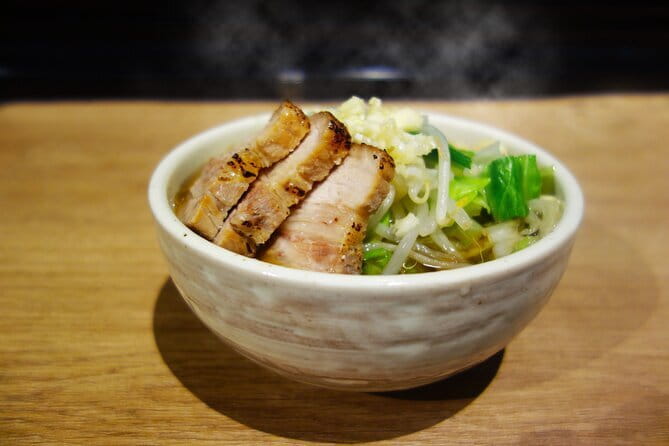
Jiro-style ramen is not shy food. You make thick noodles from flour, build a garlic-heavy soup, cook chashu pork, and finish with a generous pile of vegetables. The best part is that you create the whole bowl yourself, rather than simply watching a chef do the work.
I like the hands-on format and the useful recipe you take home. I also like the small maximum group of 12, which should give the cooking some personal attention without making the class feel too private or awkward for couples and families.
The main drawback is the narrow menu. Vegan and vegetarian options are not available, and pork is the standard topping unless you request chicken more than 48 hours ahead. At $91.45, this is also a purposeful food activity, not a cheap bowl of lunch.
In This Review
- Key points to know before booking
- Making a full Jiro-style bowl in two hours
- Starting with fresh noodles from flour
- Building garlic-infused soup and toppings
- The final bowl is also your lunch
- What the $91.45 price really covers
- Group size, meeting time, and the missing Akihabara walk
- A family-friendly way to share lunch
- What the positive feedback tells you
- Cancellation and weather details to keep in mind
- Who should book this ramen class
- Final call: a solid pick for hands-on food fans
- FAQ
- How long does the ramen-making class last?
- What type of ramen will I make?
- Is lunch included?
- Do I make the noodles from scratch?
- Can the pork be changed to chicken?
- Are vegan or vegetarian options available?
- How many people are needed to book?
- Does the class include an Akihabara walking tour?
- Is hotel pickup included?
- What is the cancellation policy?
- What happens if the class is canceled because of weather or too few bookings?
Key points to know before booking
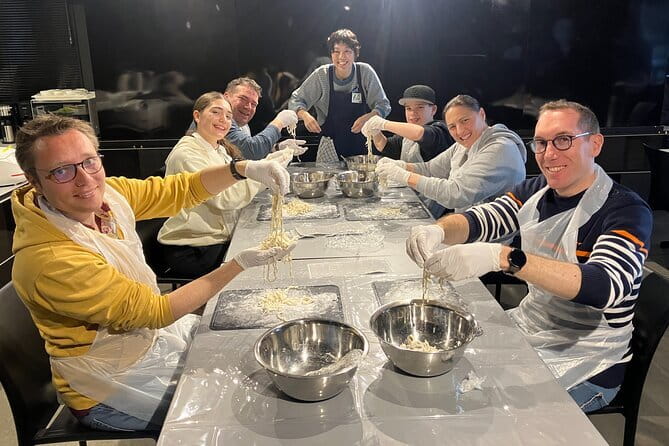
- You make the ramen from flour: The noodles are prepared during the class, giving you a practical skill you can repeat at home.
- Jiro-style means bold food: Expect thick noodles, strong garlic flavor, hearty soup, chashu pork, and plenty of vegetables.
- Lunch is included: You eat the ramen you prepare during the final tasting period.
- The class lasts about two hours: Meet at 12:20 pm, begin cooking at 12:30 pm, and move to tasting around 1:30 pm.
- Chicken is possible with advance notice: Ask for the pork replacement more than 48 hours before the class.
- The group is capped at 12 people: A minimum of two people is needed for each booking.
Making a full Jiro-style bowl in two hours
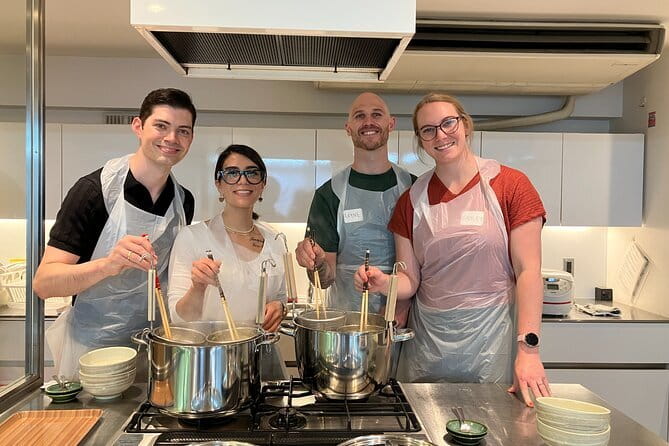
This class centers on a simple idea: ramen tastes more meaningful when you understand every part of the bowl. You prepare the noodles, soup, toppings, and final assembly instead of stopping at one small demonstration.
The focus is Jiro-style ramen, a particularly substantial style known for thick noodles, a strong garlic presence, rich soup, chashu pork, and a large serving of vegetables. This is not the delicate, restrained bowl you might picture when you hear the word ramen. It is filling, direct, and built for people who enjoy a hearty meal.
The roughly two-hour schedule is well judged for a cooking class. You meet at 12:20 pm, cooking begins at 12:30 pm, and tasting starts around 1:30 pm. The precise cooking sequence is not supplied, so you should expect the staff to guide you through the working order rather than assume every step takes place at the same pace.
The final stretch is your reward. You prepare your own finished bowl and eat it as lunch. Since the meal is included, the class does not end with a demonstration followed by an additional restaurant bill.
Other cooking classes in Tokyo
Starting with fresh noodles from flour
The noodle-making section is the most useful part for anyone who wants to repeat the dish at home. You begin with flour and learn how the noodles for this style of ramen are made. Thick noodles are central to Jiro-style ramen, so this is not a minor garnish or a quick side task.
Making noodles from scratch also changes how you judge a bowl of ramen. You see that the noodle is not just a carrier for soup. Its thickness affects the bite, the amount of broth it picks up, and the overall weight of the meal.
You will be given the method needed to recreate the dish later. That matters more than a one-time photo opportunity. A cooking class earns its price when you can use what you learned after returning home, and the take-home recipe gives you a clear starting point.
Still, you should set realistic expectations. The class lasts about two hours, so it is designed to teach the process and get you eating, not to provide a long professional noodle-making course. If you want an advanced culinary workshop, this may feel brief. If you want a practical introduction you can remember, the format makes sense.
Building garlic-infused soup and toppings
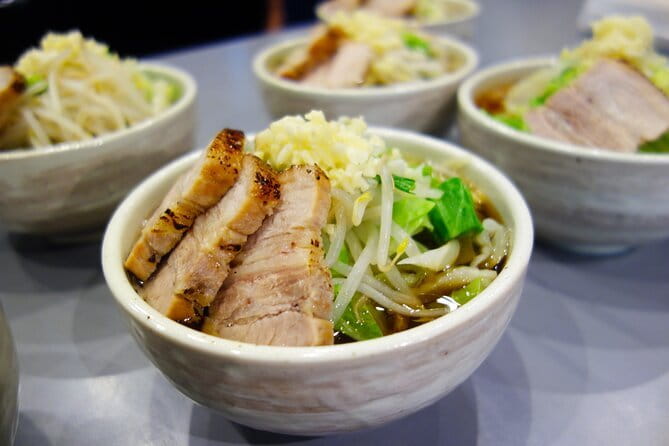
Soup is where this ramen gets its strongest character. The class includes preparation of the garlic-infused broth, so you are not simply boiling noodles and adding a ready-made seasoning packet.
The garlic flavor is an important consideration. It is part of the identity of Jiro-style ramen, and the finished bowl is intended to taste bold. If you prefer light soups or mild seasoning, this may not be your ideal cooking class. If you enjoy powerful flavors, the soup gives the lesson a clear purpose.
You also prepare the toppings. Chashu pork is included as the main meat, along with an abundance of vegetables. The combination makes the bowl heavy enough to function as a complete lunch rather than a tasting portion.
If you do not eat pork, contact the provider more than 48 hours before the start time to request chicken instead. The information provided does not promise other meat substitutions, so chicken is the practical alternative to ask for. Vegan and vegetarian versions are not available.
That restriction is worth considering before you pay. Food allergies and other dietary needs are not described, so you should not assume the kitchen can accommodate them. Ask before booking if your diet requires anything beyond the stated chicken swap.
The final bowl is also your lunch
Around 1:30 pm, the class moves into tasting time. You prepare and eat your own ramen, which gives the activity a satisfying finish and removes the need to find a separate lunch immediately afterward.
I like this structure because the meal connects directly to the lesson. You can see the noodles, soup, meat, and vegetables come together in one bowl, then judge the result while the steps are still fresh in your mind.
The tasting is not described as a separate restaurant meal or a long food tour. It is the final part of the cooking experience. That makes the class a good fit for a free midday slot, especially if you want one substantial activity rather than several small food samples.
The ramen itself is likely to be filling because the style uses thick noodles, generous meat, garlic-heavy soup, and many vegetables. You should plan the rest of your day with that in mind. A large lunch can be a welcome break before sightseeing, but it may not suit a schedule packed with several other food stops.
What the $91.45 price really covers
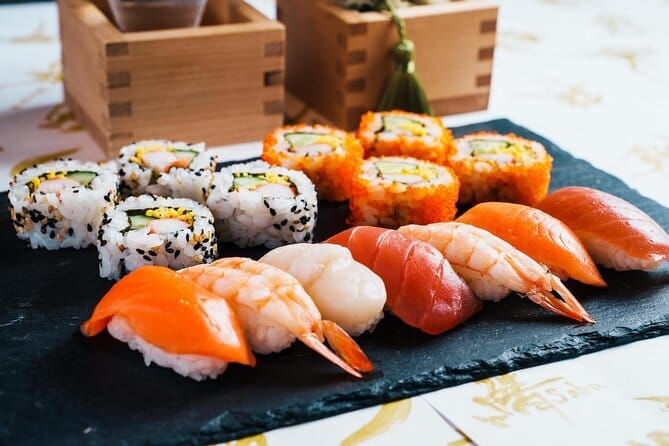
At $91.45 per person, the class is not priced like an ordinary lunch. You are paying for instruction, ingredients, the cooking space, the hands-on preparation, lunch, downloadable photographs, and a recipe you can use later.
The value is strongest if you care about learning the method. The recipe and noodle-making lesson give you something beyond the meal itself. The photographs are also available to download later, which can help you remember the process and share the experience without needing to take pictures during every step.
The value is weaker if you mainly want to eat ramen in Tokyo. You can find cheaper meals, and this class takes about two hours. You are paying for the activity, not just the bowl.
I would compare the price with other cooking classes rather than with restaurant ramen. For a couple or family that wants a shared activity, the cost covers both lunch and a practical lesson. For a solo diner seeking a quick midday meal, it is harder to justify, especially since each booking requires at least two people.
The booking pattern also matters. This class is booked an average of 46 days ahead, which suggests you should not leave it until the last part of your trip if the date matters. That is particularly useful for families or pairs working around a tight Tokyo schedule.
Other cooking classes in Tokyo




Group size, meeting time, and the missing Akihabara walk
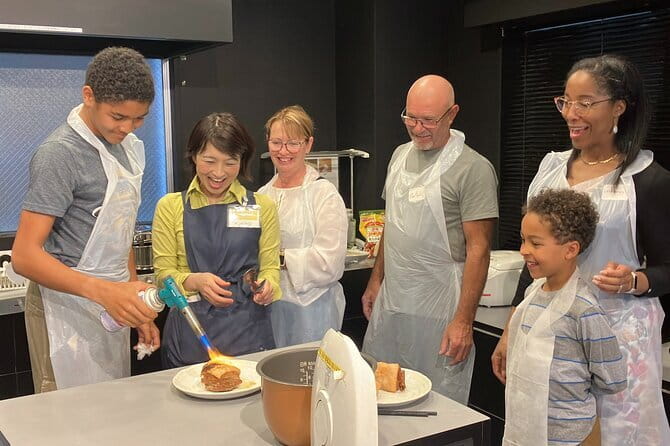
The class accepts a maximum of 12 people and requires a minimum of two per booking. That group size should feel manageable for a practical cooking session. It is large enough for a social atmosphere, but smaller than a mass-market demonstration.
The meeting point is listed simply as Tokyo, Japan, and the activity ends back at the meeting point. It is near public transportation, which helps, but you should confirm the exact meeting instructions before setting out. A mobile ticket is provided, so you can keep the booking details on your phone.
The start time is listed as 12:30 pm, with meeting time at 12:20 pm. Treat 12:20 pm as the real arrival deadline. Cooking classes work best when everyone begins together, and arriving at the last minute can make the opening instructions harder to follow.
Do not confuse this class with the separate package that includes an Akihabara walking tour and a supermarket visit. This ramen session does not include that walk. If you want both the cooking and Akihabara sightseeing, you need to book the specifically named combined experience instead.
That distinction is easy to miss when comparing Tokyo food activities. Check the title carefully before booking, especially if a supermarket visit or neighborhood walk is one of your main reasons for choosing the outing.
A family-friendly way to share lunch
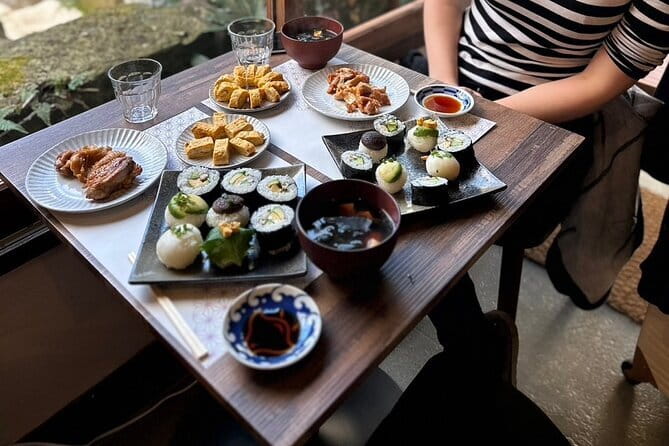
The class suits families particularly well when everyone in the group can eat the planned meal. Making the ramen together gives each person a role, and the meal at the end creates a natural shared finish.
The strongest praise has centered on the fun of cooking with family, the staff’s flexibility, and the delicious lunch. That combination tells you what this activity does best: it is social, practical, and food-focused. It is not built around a long lecture or a formal culinary examination.
The class also works for couples and small groups of friends. Since two people are required per booking, it is naturally better suited to a pair than to someone arriving alone. The maximum of 12 keeps the experience from becoming a huge workshop.
You should think carefully about children’s food preferences and the garlic flavor before booking for a family. The menu is fixed around Jiro-style ramen, and no vegan or vegetarian option is available. A chicken request can be made in advance, but the information does not describe broader substitutions.
What the positive feedback tells you

The experience has a 4.9 rating from 11 reviews, with 100 percent recommending it. That is a strong result, though the sample is small. I would read it as a clear sign that the class delivers well on its main promise, while still remembering that a limited number of ratings cannot answer every question.
The most praised elements are consistent: the class is fun, the staff are flexible and pleasant, and the lunch is enjoyable. One especially useful detail is the emphasis on making the bowl with your own hands. That hands-on feeling is the heart of the activity, not a side feature.
The staff’s flexibility is encouraging, but you should not treat it as a guarantee that every last-minute request can be met. The stated rule for changing pork to chicken is more than 48 hours in advance, and changes within 24 hours are not accepted.
Downloadable photographs add a small but useful extra. You can focus on the cooking rather than constantly documenting it, then access the images later. The experience provider is Patia’s Japanese Cooking Class, but no individual guide names are provided.
Cancellation and weather details to keep in mind
You can cancel for a full refund up to 24 hours before the experience starts. If you cancel less than 24 hours ahead, the payment is not refunded, and changes made within that period are not accepted.
The class also requires good weather, which is unusual for a cooking activity. If poor weather causes a cancellation, you are offered another date or a full refund. The same choice applies if the minimum number of people is not met.
Cut-off times use Tokyo local time. That matters if you are arranging the class from another time zone or making changes while still abroad.
You receive confirmation when booking, and the mobile ticket makes the practical side straightforward. The exact meeting location is not supplied in the details here, so check the confirmation carefully rather than relying only on the general Tokyo location.
Who should book this ramen class
Book it if you want to learn a recognizable Japanese dish and eat a substantial lunch at the end. It is especially suitable for couples, families, and small groups who enjoy making food together and want a recipe they can use back home.
It is also a good choice if you have already eaten plenty of restaurant ramen and want to understand what goes into the bowl. Fresh noodles, garlic soup, chashu pork, and vegetables give the lesson enough substance to feel like more than a quick garnish workshop.
Think twice if you need vegan or vegetarian food, dislike pork and cannot arrange chicken in advance, or want a broad survey of several Japanese dishes. This is a focused class with a strong flavor profile.
I would also skip it if your schedule only allows a short meal between major sights. Two hours, plus the need to reach the meeting point at 12:20 pm, makes this a planned activity. The cooking is the point, so rushing through it would defeat the reason to book.
Final call: a solid pick for hands-on food fans
I would book this class if you want a practical Tokyo food memory rather than another restaurant meal. The fresh noodles, garlic-infused soup, chashu pork, vegetables, included lunch, and take-home recipe give the $91.45 price a reasonable foundation for the right person.
The decision comes down to the menu and the schedule. You need at least two people, you must accept the Jiro-style flavor profile, and you should reserve well ahead, since bookings commonly happen about 46 days before the date.
For a pair or family that likes cooking, this is an easy choice. For vegetarians, solo diners, or anyone looking for an inexpensive bowl of ramen, choose another plan.
FAQ
How long does the ramen-making class last?
The activity lasts approximately two hours. Meeting time is 12:20 pm, cooking starts at 12:30 pm, and tasting begins around 1:30 pm.
What type of ramen will I make?
You will make Jiro-style ramen, known for thick noodles, garlic-infused soup, chashu pork, and abundant vegetables.
Is lunch included?
Yes. You eat the ramen you prepare during the tasting portion of the experience.
Do I make the noodles from scratch?
Yes. The class includes making the noodles from flour, along with preparing the soup and toppings.
Can the pork be changed to chicken?
Yes, but you must request the change more than 48 hours before the experience.
Are vegan or vegetarian options available?
No. Vegan and vegetarian options are not available.
How many people are needed to book?
A minimum of two people per booking is required. The maximum group size is 12 people.
Does the class include an Akihabara walking tour?
No. This activity does not include the Akihabara walking tour. A separate experience combines ramen making with an Akihabara walk and supermarket visit.
Is hotel pickup included?
No. Hotel pickup and drop-off are not included. The activity begins and ends at the meeting point in Tokyo.
What is the cancellation policy?
You can cancel at least 24 hours before the start time for a full refund. Cancellations or changes made less than 24 hours before the start time are not accepted for a refund.
What happens if the class is canceled because of weather or too few bookings?
You will be offered a different date or a full refund if poor weather or an insufficient number of bookings causes the cancellation.
More Workshops & Classes in Tokyo


More Cooking Classes in Tokyo
More Cooking Classes in Tokyo
More tours in Tokyo we've reviewed











Cooking Classes, compared.
 ★ 5.0Ramen & Gyoza Cooking Class in Tokyo with Local Supermarket VisitFrom $122
 ★ 5.0Ramen and Sushi Cooking Class with Sake Pairing Set in TokyoFrom $79
 ★ 4.9Tokyo: Wagyu and 7 Japanese Dishes Cooking ClassFrom $673 hours
 ★ 5.0Tokyo Washoku 4-hour Cooking Class: From Market to TableFrom $79
 ★ 5.0Professional Ramen & Gyoza with Ramen Chef in a restaurant!From $159
 ★ 5.0Small-Group Wagyu Beef and 7 Japanese Dishes Tokyo Cooking ClassFrom $72