
Reviewed · MT FUJI DAY TRIPS
Tokyo: Mt.Fuji & Lake Kawaguchiko 1-Day Bus Tour w/Optional Lunch
Mt. Fuji is the star here, but the best part is seeing it from several different angles in one day. You’ll climb to Chureito Pagoda, stroll beside Lake Kawaguchiko, photograph flowers at Oishi Park, and finish in a traditional thatched-roof village.
I like the simple central-Tokyo bus transfer and the strong mix of sights. I also like that guides such as Mitsuko, Omar, Chen, Eric, and Mizuki are praised for clear commentary, good humor, and practical photo tips. The main drawback is the long day and the fixed pace, especially if traffic clogs the road or Fuji disappears behind clouds.
In This Review
- Key points at a glance
- Why this Mt. Fuji day trip works from Tokyo
- Meeting the bus in Shinjuku
- Chureito Pagoda and the 398-step climb
- Lake Kawaguchiko, craft stalls, and lunch
- Oishi Park and seasonal flowers
- Saiko Iyashi no Sato Nenba: the day’s most atmospheric stop
- What the guides add to a fixed itinerary
- The real value of the $77.96 price
- Weather, crowds, and the best expectations
- Who should book this tour
- Should you book the Mt. Fuji and Kawaguchiko bus tour?
- FAQ
- Where does the tour depart and finish?
- Is hotel pickup included?
- How long does the tour last?
- Is lunch included?
- Is Mt. Fuji guaranteed to be visible?
- How difficult is the Chureito Pagoda stop?
- How much luggage can I bring?
- Can I cancel for a full refund?
Key points at a glance
- 398 stairs to the classic Fuji view: The Chureito Pagoda viewpoint takes effort, but rewards you with one of Japan’s most famous scenes.
- Four very different stops: You get a shrine-and-pagoda view, lakeside scenery, seasonal flowers, and a recreated traditional village.
- Optional lunch keeps the price flexible: The base price is $77.96, while lunch costs extra unless you select the meal option when booking.
- Central Tokyo departure and return: The bus leaves from the Shinjuku Post Office area and returns there, usually in time for dinner.
- Weather matters more than anything else: Mt. Fuji visibility is not guaranteed, even on a well-run tour.
- A large group is possible: The bus can carry up to 94 people, so this is designed for convenience rather than a small-group feel.
Why this Mt. Fuji day trip works from Tokyo
At $77.96 per person, this is a practical way to reach the Fuji Five Lakes area without piecing together trains, buses, local transfers, and admission tickets. The air-conditioned bus handles the long transport, while live commentary gives you background as you go.
That convenience has real value. Mt. Fuji sits well outside central Tokyo, and the trip can take much longer than expected when roads are busy. You do not have to study regional bus timetables or work out how to connect Arakurayama, Lake Kawaguchiko, Lake Saiko, and Shinjuku.
The tradeoff is control. You cannot linger at your favorite viewpoint or skip a stop that does not interest you. With around 9 to 10 hours on the road and a maximum group size of 94, this is a sightseeing sweep, not a quiet private outing.
Still, the route is well chosen for a first visit. Each stop offers something different, so the day does not become four versions of the same Fuji photograph.
A few more Tokyo tours and experiences worth a look
Meeting the bus in Shinjuku
You make your own way to the Shinjuku Post Office at 1-chōme-8-8 Nishishinjuku, in the Shinjuku Station West Exit area. This is the only departure and return point, and the bus will not go back to Shinagawa.
Arrive at least 10 minutes early. The guide holds the designated flag, checks names against the participant list, and assigns you to the correct bus. This is not a departure where arriving a few minutes late might be forgiven. The bus leaves on time, and missing it because you went to the wrong meeting place or arrived late does not qualify for a refund.
Keep the meeting point photo and QR code handy. The operator may not send another confirmation email before departure, so check your booking details carefully. If you need to change the meeting point or are uncertain about it, contact the operator at least two days before departure.
Hotel pickup and drop-off are not included. That is a minor inconvenience for anyone staying near Shinjuku, but it matters if you are carrying luggage or staying across town. One piece of luggage per person is allowed, provided it fits comfortably in the vehicle. Stored luggage is not available between stops, so keep medication, passports, cameras, and other valuables with you.
Chureito Pagoda and the 398-step climb
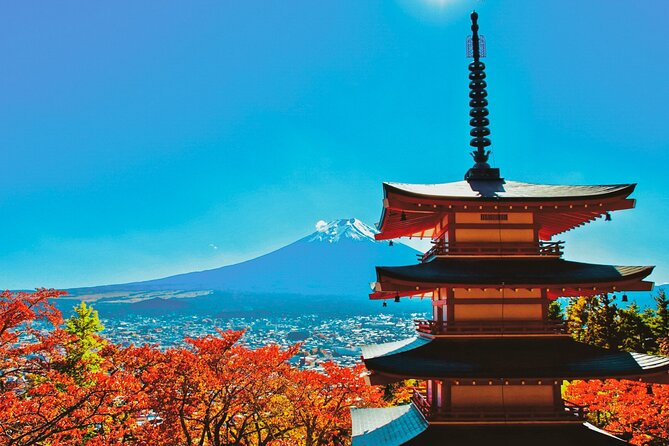
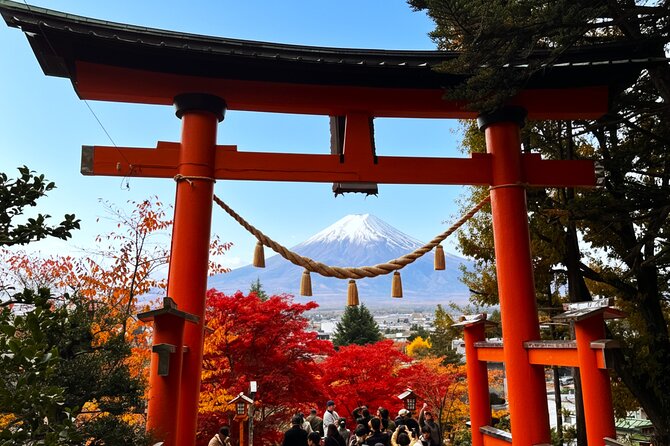
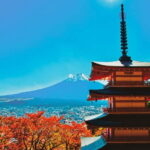
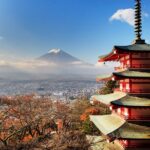
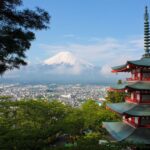
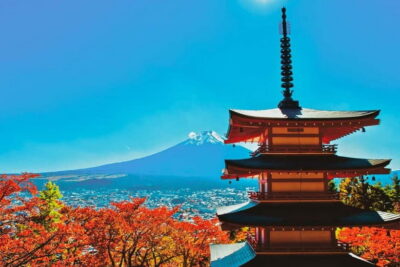
The first major stop is Arakurayama Sengen Park, home to the famous Chureito Pagoda view. You climb 398 steps to the observation area on Mt. Arakura, where the five-story pagoda frames Mt. Fuji in the distance.
This is the image many people associate with Japan: red pagoda, mountain, and, in spring, cherry blossoms. The view is especially rewarding when Fuji is clear. The pagoda itself is part of Shinkura Fuji Sengen Shrine, a historic shrine founded in 750.
The climb is the first important reality check of the day. You need a moderate level of fitness, and the stairs can feel demanding if you are tired, carrying a child, or dealing with a knee problem. Admission is free, but the effort is not. Wear shoes with a secure grip and avoid treating this as a quick roadside photo stop.
You have about an hour here. That gives you time to climb, take photographs, look around the shrine area, and return to the bus, but it does not invite a slow visit. Guides often point out the best photo angles and help with pictures, which is useful for solo travelers.
The view is not guaranteed. Clouds can hide Fuji while the pagoda remains perfectly visible. That is the risk of any Fuji day trip, not a fault unique to this one. The tour runs in poor weather unless the operator tells you otherwise, so book this experience for the broader day, not for a guaranteed mountain portrait.
Lake Kawaguchiko, craft stalls, and lunch
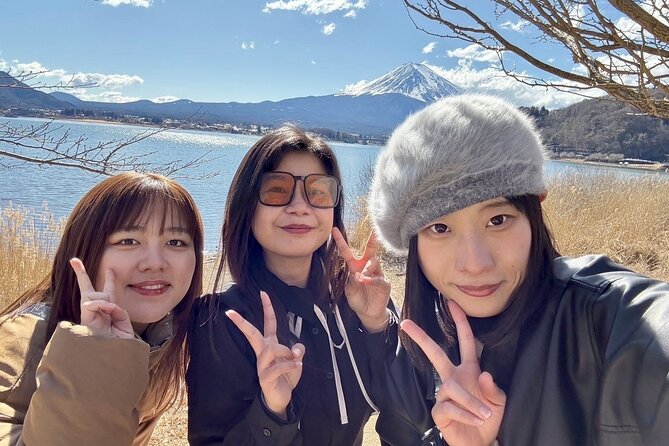
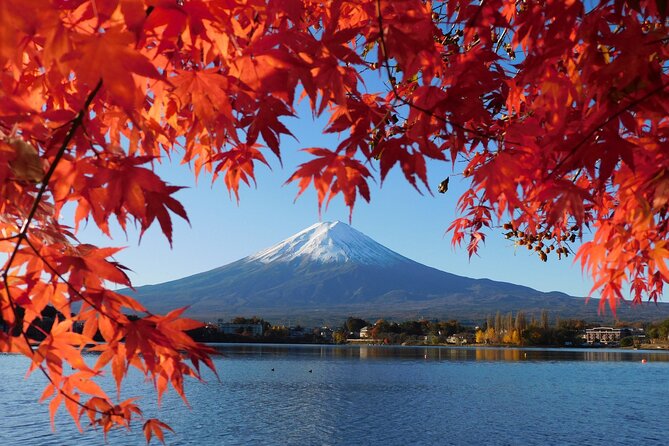
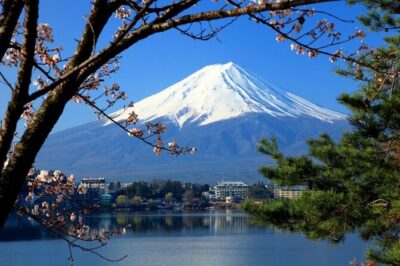
The route then reaches the northern side of Lake Kawaguchiko and Kawaguchiko Craft Park. This is a calmer section of the day, with the lake offering reflections of Fuji when the water and weather cooperate.
You have roughly two hours around the lake and craft park, including time for lunch. The craft setting gives the stop a local touch, although you should expect a tourist-friendly place with shopping and food rather than an untouched rural corner.
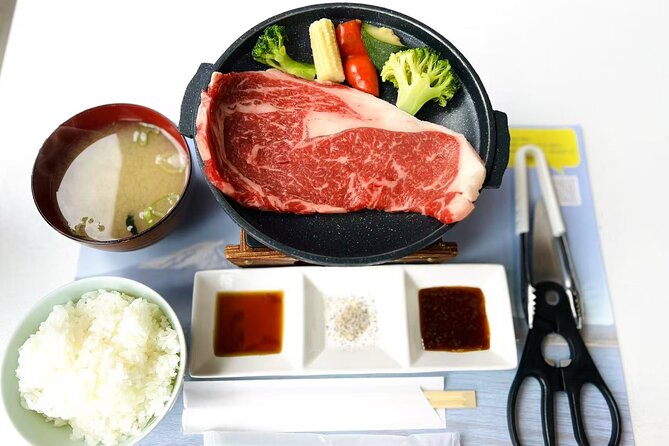
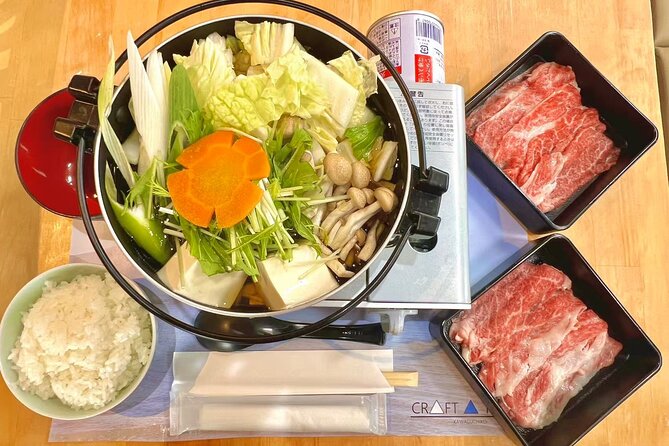
Lunch is optional. If you do not select the lunch option, you pay for your own meal. If you choose lunch in advance, several options are available, including wine options and Japanese meals. Beef choices, including Kobe beef, receive particularly warm praise, while some diners found portions on the small side.
My practical advice is simple: choose the included lunch if you want the easiest day. It saves you from deciding where to eat during a tight schedule. If you have strong dietary needs, want a larger meal, or prefer complete freedom, skip the upgrade and use the free time on your own.
The food is part of the experience, but it is not the main reason to book the tour. The value comes from combining lunch with a lakeside stop and transport between several scattered sights.
Oishi Park and seasonal flowers
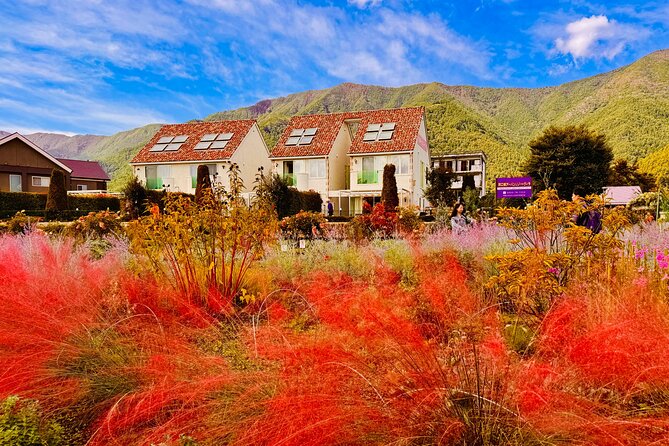
Oishi Park is one of the most photogenic stops. Its paths run beside Lake Kawaguchiko, with seasonal flowers adding color in the foreground and Mt. Fuji rising beyond the water when visibility is good.
You get about 30 minutes here. That is enough for a walk, a few photographs, and perhaps a quick look at the nearby shops, but not enough for a leisurely park visit. The short stay makes sense because the tour is trying to fit several locations into one day.
The park changes with the season. Flowers are present at different times of year, while November brings a special autumn adjustment to the route. After Kawaguchiko Craft Park, the bus may stop at a corridor lined with more than 400 maple trees, giving you a strong chance to see fall color.
Nearby attractions include the Kawaguchiko Natural Living Center, Fuji Oishi Hana Terrace, and shops selling blueberry goods and local souvenirs. The tour does not promise extended time at each one, so think of Oishi Park as a scenic pause rather than a full afternoon in the area.
This is one place where a guide’s local timing can help. Guides such as Chen, Omar, and Mizuki have been praised for steering people toward less crowded photo spots and helping them find good angles. That sort of small advice can matter when the main path is busy.
A few more Tokyo tours and experiences worth a look




Saiko Iyashi no Sato Nenba: the day’s most atmospheric stop
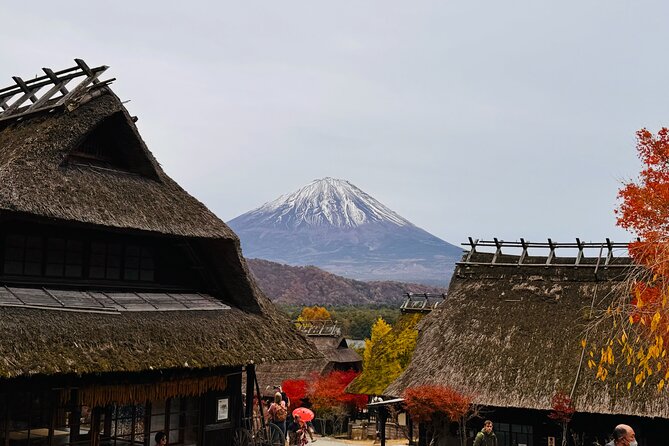
The final stop is Saiko Iyashi no Sato Nenba, a recreated village beside Lake Saiko. Its thatched-roof houses offer a look at older rural life and a change of mood from the more commercial lake stops.
You have about an hour to walk through the village. The houses contain shops, snacks, and attractive traditional goods, making this a useful place to browse for gifts without rushing through a large city market.
The village is also a strong photography stop. You may see Fuji from another angle, while the thatched roofs provide a distinctly Japanese foreground. Even if clouds cover the mountain, the village remains worth seeing because the buildings and setting carry the stop.
Some of the shopping here is clearly aimed at sightseeing groups. That is not necessarily a problem, especially if you want quality souvenirs, but shoppers seeking a quiet village with no commercial activity may find the presentation polished.
For many people, this is the most memorable stop after Chureito. The day begins with an iconic postcard view and ends with architecture, craft, and a closer sense of rural Japan.
What the guides add to a fixed itinerary
The guide can make or break a packed bus tour. Names that come up repeatedly include Mitsuko, Omar, Chen, Eric, Kogi, and Mizuki. Their strengths are clear explanations, friendly energy, help with photos, and careful time calls before each departure.
Mitsuko is praised for taking extra care with solo visitors and helping with photographs. Chen is noted for English and Chinese commentary, while Omar is known for humor and an easy way of explaining local culture. Eric receives credit for strong background information on Mt. Fuji and for helping the day feel well organized.
Language arrangements can vary. Depending on the number of people booked, English and Chinese commentary may be given on the same bus. That can mean useful multilingual support, though it may also make announcements take a little longer.
Live commentary is included, and it adds more than facts about mountain height. Mt. Fuji reaches 3,776 meters and is important not only as Japan’s tallest peak, but also for its cultural meaning. A good guide helps connect the mountain, shrines, pagodas, lakes, crafts, and village architecture into one understandable day.
The real value of the $77.96 price
The $77.96 starting price is fair for a full-day excursion from Tokyo, especially when you place a value on time and simple transport. The vehicle is air-conditioned, taxes and handling charges are included, and live commentary comes with the basic fare.
Admission to Saiko Iyashi no Sato Nenba is included. The other listed stops are free, so your main extra cost is lunch, drinks, snacks, and shopping.
The price is less attractive if you already know the Fuji area well or want long, unhurried visits. You are paying for transport and access to a broad route, not for a private guide or an intimate group. With up to 94 people, loading and unloading can take time, and the schedule may feel brisk.
Road traffic is another value issue. The journey can run late, and the operator warns against booking a restaurant, cruise, flight, or other time-sensitive activity immediately afterward. Return to Shinjuku is planned for the evening, but the exact time depends on traffic and weather-related changes.
Weather, crowds, and the best expectations
Mt. Fuji visibility is the biggest unknown. A clear morning can turn cloudy, or the mountain can hide for most of the day. You may still enjoy the lakes, pagoda, flowers, and village, but you should not book this tour expecting a guaranteed full-mountain view.
Season affects the character of the route. Spring can bring cherry blossoms around Chureito Pagoda. November may replace part of the regular plan with a maple-lined foliage corridor. Oishi Park offers seasonal flowers throughout the year.
The route is popular and can feel touristy, especially around photo points, craft areas, and souvenir shops. That is the price of seeing several famous places in one day. The advantage is that you get free time at each stop rather than being led continuously from one display to another.
December can be cold, and conditions around the lakes may differ from Tokyo. Bring layers and comfortable shoes. The stairs at Chureito and the walking time at the village make this a poor choice for anyone seeking a no-walking coach ride.
A special traffic warning applies to December 14, when the Mt. Fuji Marathon may cause delays near the mountain. The itinerary can also change without notice because of traffic, weather, or other unexpected problems.
Who should book this tour
I would choose this trip if you have limited time in Tokyo and want a first look at Mt. Fuji without handling regional transport yourself. It suits couples, families, solo visitors, and anyone who wants several photo opportunities in one day.
It is also a good fit if you enjoy variety. The route includes a shrine, pagoda, lake, craft center, flower park, mountain views, and traditional buildings. You get more than a single Fuji overlook.
I would hesitate if you dislike fixed schedules, large groups, shopping-oriented stops, or long bus rides. You may prefer an independent visit if your main goal is hiking, spending a full day at one lake, or waiting patiently for the perfect mountain photograph.
The optional lunch is useful for convenience, but do not expect a long restaurant experience. Some meals are described as delicious, while portions may be modest. Consider bringing a small snack if you tend to get hungry during a full day out.
Should you book the Mt. Fuji and Kawaguchiko bus tour?
Book it if you want a broad, easy introduction to the Mt. Fuji area from Tokyo. The combination of Chureito Pagoda, Lake Kawaguchiko, Oishi Park, and Saiko Iyashi no Sato Nenba gives you a lot of visual variety for the price.
Go in with sensible expectations. Fuji may be hidden, traffic may delay your return, and the group can be large. If you arrive early, wear good shoes, keep valuables with you, and leave your evening open, this is a strong choice for seeing more of Japan in a single day.
FAQ
Where does the tour depart and finish?
The tour departs from and returns to the Shinjuku Post Office at 1-chōme-8-8 Nishishinjuku, in the Shinjuku Station West Exit area. Shinjuku is the only available drop-off point.
Is hotel pickup included?
No. You must make your own way to the Shinjuku meeting point, and hotel pickup and drop-off are not included.
How long does the tour last?
The experience lasts approximately 9 to 10 hours, though traffic, weather, and other road conditions can affect the schedule and return time.
Is lunch included?
Lunch is included only if you select the lunch option when booking. Otherwise, lunch is at your own expense at the Kawaguchiko Craft Park area.
Is Mt. Fuji guaranteed to be visible?
No. Visibility depends on weather conditions and cannot be guaranteed. The tour operates in most weather and traffic conditions unless the local operator contacts you with a change.
How difficult is the Chureito Pagoda stop?
Reaching the viewing platform requires climbing 398 steps. A moderate level of physical fitness is recommended.
How much luggage can I bring?
One piece of luggage per person is allowed. Luggage stored in the trunk must not exceed 155 centimeters in combined height, width, and depth, and stored items cannot be accessed between stops.
Can I cancel for a full refund?
Yes, if you cancel at least 24 hours before the experience start time. Cancellations or changes made less than 24 hours before departure are not refunded or accepted.
More 1-Day Tours in Tokyo



More Lunch Experiences in Tokyo
More Mt Fuji Day Trips in Tokyo
More tours in Tokyo we've reviewed





Mt Fuji Day Trips, compared.
 ★ 5.0Mt Fuji and Hakone 1-Day Bus Tour Return by Bullet TrainFrom $163
 ★ 4.0Mt Fuji & Hakone Cruise, Drum Show Bullet Train 1 Day from TokyoFrom $149
 ★ 4.4Tokyo Mt Fuji 5th St & Hakone Cruise Bus Tour w/Bullet TrainFrom $15410 hours
 ★ 4.5From Tokyo: Mount Fuji Full-Day Sightseeing TripFrom $6810 hours
 ★ 4.7Tokyo: Mt. Fuji Tour, Hakone Ropeway, Owakudani, Lake AshiFrom $5410 hours
 ★ 4.4Tokyo:Mt.Fuji,Kawaguchiko Oishi Park,Arakurayama Sengen ParkFrom $5410 hours