
Reviewed · COOKING CLASSES
Japanese Cooking class in Tokyo
Japanese cooking makes more sense once you learn its building blocks. At Morimi’s Home Kitchen in Setagaya, you prepare dashi, the savory stock behind many Japanese dishes, cook rice in a regular pot, and use traditional tools such as a suribachi mortar and oshizushiki pressed-sushi mold.
I like the choice of three very different classes, especially the tofu course, which works for vegetarian, vegan, and gluten-free diets. I also like that this is a private home-kitchen activity, not a large room of strangers following a rushed demonstration. The main consideration is the fixed 10:30 am start at a residential address, with private transportation not included.
In This Review
- Key points to know before booking
- What happens at Morimi’s Setagaya kitchen
- The tofu course: the best fit for flexible diets
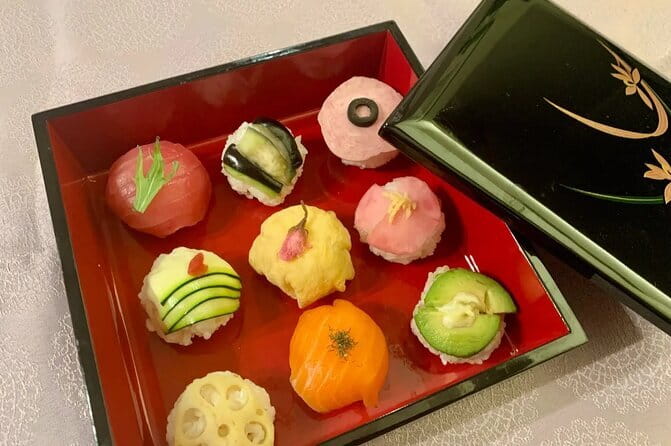
- The sushi course: six temari designs and pressed sushi
- The curry course: a filling lesson in Japanese comfort food
- Why the dashi and rice lesson adds real value
- Lunch, tea, sake, and wagashi
- What the $71 price means
- Getting there and planning your morning
- Who will get the most from this class
- Should you book Morimi’s Home Kitchen?
- FAQ
- Where does the cooking class start?
- What time does the class begin?
- How long does the experience last?
- Is transportation included?
- Is this a private class?
- Which courses can I choose from?
- Which course is suitable for vegetarian or vegan diners?
- Are gluten-free options available?
- What food and drinks are included?
- Can I cancel for a full refund?
Key points to know before booking
- Three distinct menus: Choose tofu dishes, colorful temari and pressed sushi, or Japanese curry with tonkatsu and fried shrimp.
- Dashi and rice are part of the lesson: You learn two basic skills that help many Japanese recipes taste right at home.
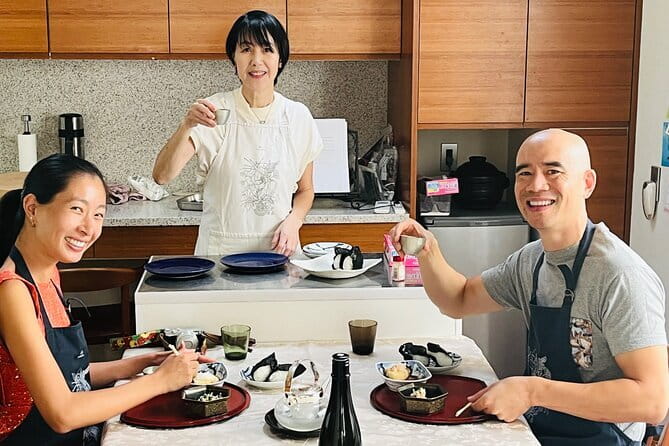
- Private home setting: Only your own group takes part, creating a more personal class with Morimi.
- English recipes included: You can repeat the dishes after returning home, using ordinary kitchen equipment where possible.
- Dietary choices are practical: The tofu course can accommodate vegetarian, vegan, and gluten-free diets. Gluten-free sushi is also available.
- Lunch and drinks are included: Your cooked meal, green tea, mineral water, and herbal tea are provided. Sake and wagashi cost extra.
What happens at Morimi’s Setagaya kitchen
The class lasts about three hours and begins at 10:30 am at Morimi’s Home Kitchen, 3-chōme-19-5 Matsubara, Setagaya City, Tokyo. The activity ends at the same point, so plan your afternoon from there rather than from central Tokyo.
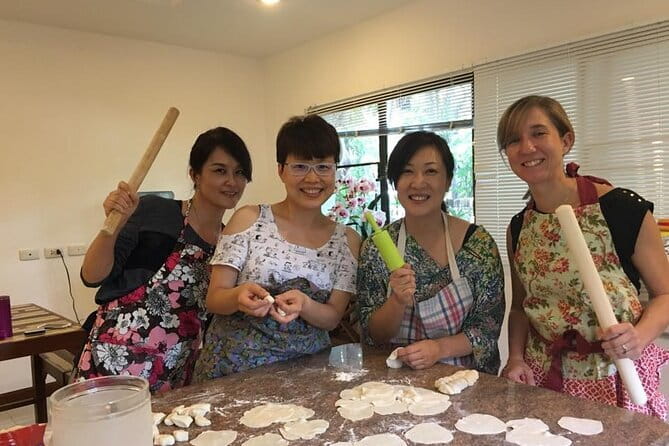
The home setting is important. You are not simply watching a chef plate food while a group crowds around a counter. You take part in the preparation, and the class is private to your own party. That makes this a good choice for couples, families, and small groups who want time to ask questions and work at a comfortable pace.
Morimi is a certified chef, and the teaching has a useful home-cooking focus. The goal is not to send you home with a list of rare ingredients and specialist gear. You learn techniques that can be repeated in an ordinary kitchen, including making rice in a regular pot.
The first lessons cover dashi and rice. Dashi is a central Japanese stock, used to give soups and other dishes a savory base. Learning it early helps you understand why Japanese cooking can taste full without relying on heavy sauces or spices. Cooking rice in a pot is also a worthwhile skill, especially if you do not own a rice cooker.
You are introduced to traditional tools along the way. A suribachi is a Japanese mortar used for grinding and mixing. An oshizushiki is a mold for pressed sushi. These tools are not just props for a demonstration. You use them, which gives the class a hands-on quality and helps explain how older Japanese cooking methods still fit into a home meal.
Other cooking classes in Tokyo
The tofu course: the best fit for flexible diets
The tofu course is the most adaptable option. You prepare tofu hamburgers, agedashi tofu, shiraae tofu salad, tofu soup, two rice balls, and rice. You also learn the dashi lesson and pot-cooked rice technique.
For vegetarians, vegans, and anyone seeking a gluten-free meal, this is the clearest choice. The kitchen can adjust the tofu course for those diets, but you should still report allergies and foods you cannot eat when booking. That early notice matters more than making a request on the morning of the class.
This menu also offers the widest spread of tofu techniques. Tofu hamburgers show how tofu can form the center of a substantial dish. Agedashi tofu introduces a fried preparation, while shiraae presents tofu in a salad. Together, these dishes give you more than one idea for using tofu at home.
The tofu soup connects back to dashi, and the rice balls make the lesson feel like a complete Japanese home meal. You are not leaving with only one finished dish. You prepare several small plates and learn how they can work together at lunch or dinner.
I would choose this course if your main interest is everyday Japanese cooking, plant-based food, or learning several recipes in one session. It is also a sensible option for families because the menu has variety without centering the meal on raw seafood.
The sushi course: six temari designs and pressed sushi
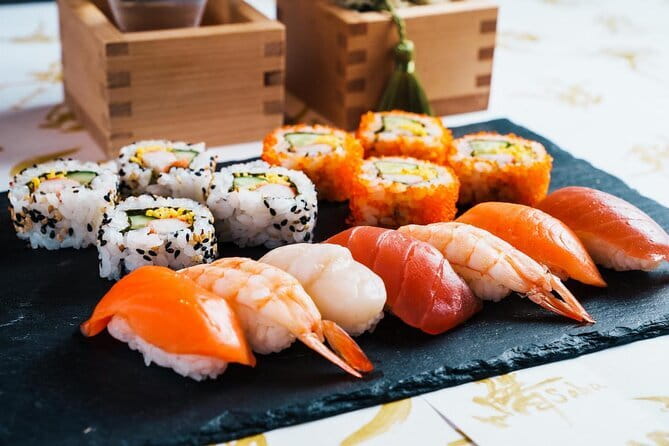
The sushi class begins with sushi rice. That is a smart place to start, since properly seasoned rice matters as much as the topping. You then choose sashimi and vegetables to make six temari sushi pieces of your choice.
Temari sushi is rounded sushi, often made in small decorative shapes. The format gives you room to combine colors and ingredients, and it is more approachable than trying to form long, uniform pieces by hand. You get a creative part of the class without losing the basic technique.
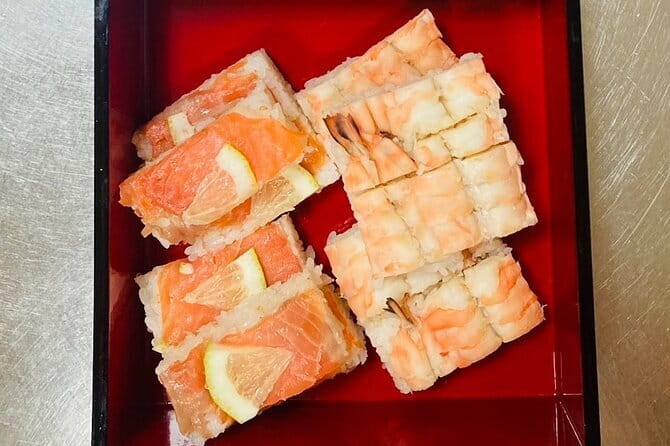
Each participant also makes one roll of oshizushi, or pressed sushi, using the traditional mold. The filling includes shrimp and smoked salmon. Using the oshizushiki is one of the most distinctive parts of the session because it shows a different way to shape sushi, rather than focusing only on hand-rolled or hand-formed pieces.
The sushi menu is a good match if you already enjoy Japanese seafood or want a class with a decorative element. It also works for a special occasion. One birthday couple chose the class as part of a trip, while another participant finally learned how to make sushi after wanting to do so for years.
Gluten-free sushi is available, but you should state your needs during booking. The course includes temari sushi and pressed sushi, along with soup. As with all three options, you eat what you prepare rather than receiving a separate restaurant-style meal.
The curry course: a filling lesson in Japanese comfort food
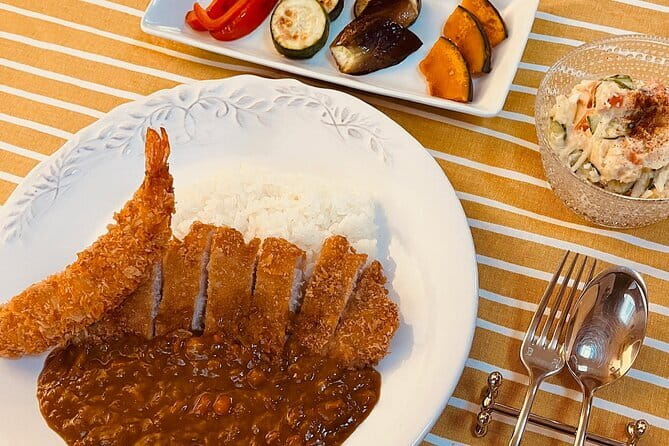
The curry class takes a different path. You prepare Japanese-style curry using roux, tonkatsu, ebi fry, Japanese potato salad, grilled vegetables, and rice. The finished meal includes curry, pork cutlet, fried shrimp, potato salad, grilled vegetables, and rice.
Japanese curry is not the same as Indian curry. The use of prepared Japanese roux and dashi gives it a milder, thicker style, with a flavor that many people associate with home cooking and casual restaurants in Japan. The class helps explain that difference through cooking rather than a short description.
The tonkatsu is a major part of the meal. You prepare the pork cutlet, along with fried shrimp, so the class includes several frying techniques and textures. The potato salad and grilled vegetables keep the plate from being only meat and curry.
I would pick this course if you want a substantial lunch, enjoy fried food, or are curious about a Japanese dish that is often overlooked by visitors focused on sushi. It is also a good choice for someone who wants to recreate a familiar Japanese comfort meal at home.
The tradeoff is simple: this course is less suitable for vegetarians and vegans than the tofu option. The available dietary notes specifically direct vegetarian, vegan, and gluten-free diners toward the tofu course, while gluten-free diners can also ask about the sushi course.
Why the dashi and rice lesson adds real value
A cooking class can be expensive if it only teaches you how to assemble attractive food for one meal. Here, the basic dashi and rice instruction gives the session more lasting value.
Dashi appears in the tofu course and connects with the curry course. It also helps explain the flavor of the soup served with the sushi menu. Once you understand the stock, you have a starting point for other Japanese soups, sauces, and simmered dishes.
The rice lesson is just as practical. Morimi shows you how to make delicious rice with a regular pot, not only with a dedicated rice cooker. That is useful for anyone returning to a kitchen that lacks Japanese appliances.
You also learn how traditional tools work in practice. A suribachi and oshizushiki may not be items you already own, but using them during class gives you a clearer idea of what they do and why they remain part of Japanese cooking. You can decide later if either tool deserves space in your own kitchen.
Other cooking classes in Tokyo



Lunch, tea, sake, and wagashi
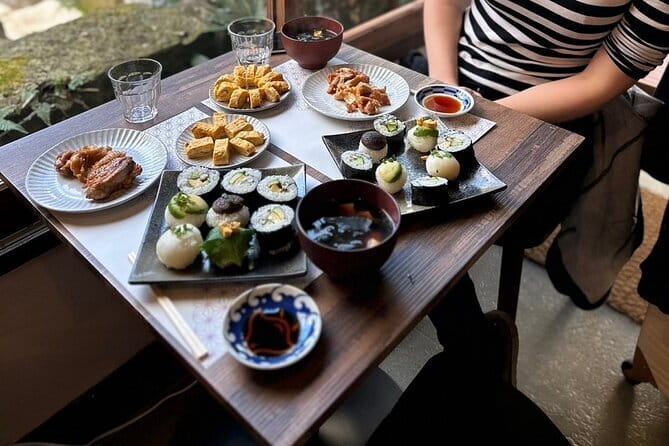
Your meal depends on the course you select. The tofu menu provides three tofu dishes, two rice balls, and soup. The sushi menu provides temari sushi, pressed sushi, and soup. The curry menu includes rice, curry, tonkatsu, fried shrimp, grilled vegetables, and potato salad.
Green tea and mineral water are available without limit, and herbal tea is also offered. Coffee or tea is included in the general description, with green tea specifically noted among the drinks. Sake is optional, so request it when making the reservation rather than assuming it is part of the base price.
Traditional wagashi, or Japanese sweets, are also available as an optional addition. Sake and wagashi can make the tasting portion feel more festive, but they add to the cost. If you are watching your budget, the included lunch and tea are enough to make the meal complete.
A small souvenir is given at the end. It is not a major reason to book, but it is a pleasant final touch and gives you a physical reminder of the class.
What the $71 price means
At about $71 per person, this is not a cheap lunch. It is also more than a short market demonstration because the price covers roughly three hours of instruction, hands-on preparation, a full meal, drinks, English recipes, and a souvenir.
The private format improves the value for couples and small groups. You are paying for a personal session in which only your party participates, rather than a large public class. That can matter if you have dietary needs, want to ask many questions, or are marking a birthday or another special occasion.
The value is strongest if you will use the recipes later. The English instructions, ordinary-pot rice lesson, and dashi basics give you tools to repeat the meal at home. If you only want to eat sushi or curry once, a restaurant will cost less and require less time.
You should also allow for optional sake and wagashi. They are not included in the listed price, so ask about the extra cost when booking if you want them.
Getting there and planning your morning
The meeting point is in Matsubara, Setagaya City, near public transportation. Pickup is offered in the experience details, but private transportation is not included, and the published start point remains Morimi’s Home Kitchen. Confirm the pickup arrangement and exact meeting instructions before you set out.
The fixed start time is 10:30 am. Since the class lasts about three hours and returns you to the same address, it should fit well into a morning and early afternoon plan. Do not place a major timed attraction across Tokyo immediately afterward unless you leave room for transport.
A mobile ticket is available, and booking confirmation is normally sent at once. If you book within two days of the activity, confirmation may take up to 48 hours and remains subject to availability.
The class is generally booked about 15 days ahead. That is useful planning guidance for a small private activity, especially if you have only a few days in Tokyo or need a particular course. Free cancellation is available up to 24 hours before the local start time. Cancellations or changes made inside that window are not refunded or accepted.
Who will get the most from this class
I would recommend the tofu course to anyone who wants plant-based Japanese food, several recipes in one sitting, or a calm introduction to home cooking. It is also the safest course for vegetarian, vegan, and gluten-free diners when arranged in advance.
The sushi course suits people who want a hands-on food project and enjoy choosing ingredients. The six temari sushi pieces and pressed sushi mold give you more variety than a basic roll-making class.
The curry course is best for diners who prefer cooked food and want a generous, filling meal. It also offers a useful lesson in the Japanese style of curry, which uses roux and dashi rather than the flavor profile many people expect from Indian curry.
This is less ideal if you want a fast activity, a central Tokyo location, or a purely observational food tour. The class takes three hours, begins in Setagaya, and expects you to take part in the cooking.
Should you book Morimi’s Home Kitchen?
Book it if you want to understand Japanese food through practical skills rather than simply taste it. The private home setting, certified chef, dashi and rice lessons, traditional tools, and English recipes make the $71 fee easier to justify, especially for couples or small groups.
Choose your course carefully. Tofu offers the best dietary flexibility, sushi gives you the most visual and hands-on shaping work, and curry provides the heartiest meal. Tell Morimi about allergies or foods you cannot eat before arrival, and confirm transport details for the 10:30 am meeting.
Skip it if you only have a short window in Tokyo or would rather spend your food budget at a restaurant. For anyone willing to give the morning to cooking and lunch, this is a personal, useful way to take a piece of Japanese home cooking back with you.
FAQ
Where does the cooking class start?
It starts at Morimi’s Home Kitchen, 3-chōme-19-5 Matsubara, Setagaya City, Tokyo 156-0043, Japan.
What time does the class begin?
The scheduled start time is 10:30 am.
How long does the experience last?
The cooking class lasts approximately three hours.
Is transportation included?
Private transportation is not included. Pickup is offered, but you should confirm the arrangement and meeting details when booking.
Is this a private class?
Yes. Only your own group participates in the activity.
Which courses can I choose from?
You can choose the Tofu Course, Sushi Course, or Curry Course when making your reservation.
Which course is suitable for vegetarian or vegan diners?
The Tofu Course can accommodate vegetarian and vegan diets. You should provide dietary information when booking.
Are gluten-free options available?
Yes. Gluten-free options are available with the Tofu Course or Sushi Course.
What food and drinks are included?
The cooked lunch depends on your selected course. Green tea, mineral water, and herbal tea are available, and English recipes are included. Sake and wagashi are optional additions.
Can I cancel for a full refund?
Yes, if you cancel at least 24 hours before the local start time. Cancellations or changes made less than 24 hours before the experience are not refunded or accepted.
More Workshops & Classes in Tokyo


More Cooking Classes in Tokyo
More Cooking Classes in Tokyo
More tours in Tokyo we've reviewed








Cooking Classes, compared.
 ★ 5.0Ramen & Gyoza Cooking Class in Tokyo with Local Supermarket VisitFrom $122
 ★ 5.0Ramen and Sushi Cooking Class with Sake Pairing Set in TokyoFrom $79
 ★ 4.9Tokyo: Wagyu and 7 Japanese Dishes Cooking ClassFrom $673 hours
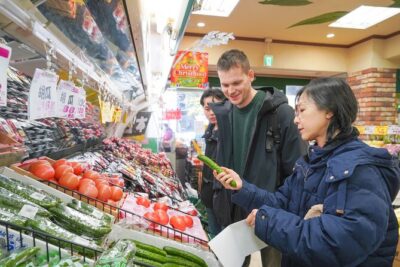 ★ 5.0Tokyo Washoku 4-hour Cooking Class: From Market to TableFrom $79
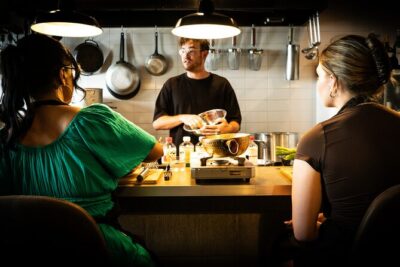 ★ 5.0Professional Ramen & Gyoza with Ramen Chef in a restaurant!From $159
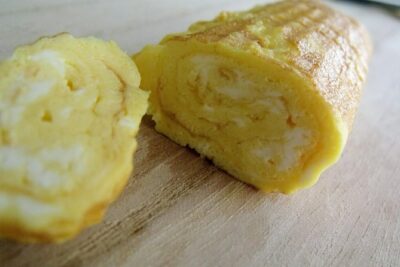 ★ 5.0Small-Group Wagyu Beef and 7 Japanese Dishes Tokyo Cooking ClassFrom $72