
Reviewed · IMPERIAL PALACE & SHOGUN TOURS
Private Tour – History, Art and Nature at the Imperial Palace
The most appealing part of this tour is its mix of imperial history, Japanese art, and open green space in one half-day outing. You begin at Tokyo Station and finish near Hanzomon Station, with a private guide connecting the palace grounds, Edo Castle remains, a modern art museum, and the tree-lined paths of Chidorigafuchi. I like the one-to-one format, and I like that the route gives you more than palace walls and formal facts. You also get fountains, gardens, lawns, and art.
The main catch is that the tour involves a lot of walking, and the palace grounds or planned route can change with weather and holidays. One guide did not know that a palace garden was closed on a holiday, leading to a last-minute switch to Meiji Shrine. That is a useful warning: confirm opening days before you go, especially if a particular garden matters most to you.
In This Review
- Key points to know before booking
- Why this private palace walk works well
- Starting at Tokyo Station’s Marunouchi square
- Wadakura Fountain Park and the palace approach
- East Gardens and the remains of Edo Castle
- The National Museum of Modern Art
- Lunch at Café 33 in Kitanomaru Park
- Kitanomaru Park and Chidorigafuchi
- What the $90.60 price really covers
- Who should book this experience
- Should you book the Imperial Palace history, art, and nature tour?
- FAQ
- How long does the tour last?
- Where does the tour begin?
- Where does the tour end?
- Is this a private tour?
- What is included in the price?
- Are admission fees included?
- Is lunch included?
- How much extra money should I budget?
- Is there much walking?
- Can the route change?
- Is cancellation free?
Key points to know before booking
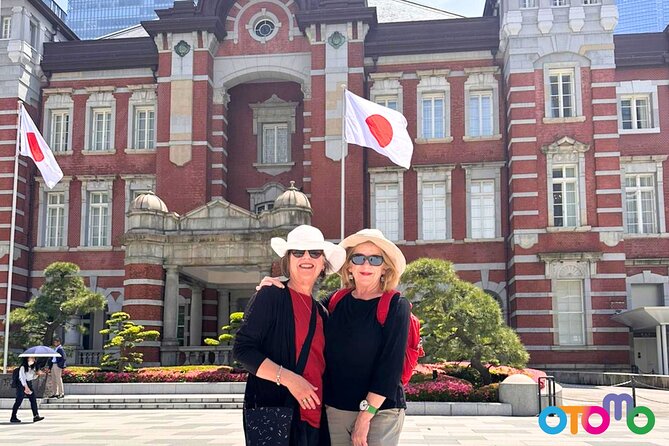
- Tokyo Station is the starting point: Meet at the central exit and take in the station’s handsome Marunouchi facade before walking toward the palace.
- A private guide shapes the day: Guides including Keiko, Yumi, Fumi, Sonoko, and Jinnosan have been praised for clear explanations and flexible pacing.
- The route covers seven distinct stops: You see fountains, palace gardens, Edo Castle remains, modern art, a cafe, Kitanomaru Park, and Chidorigafuchi.
- Museum and meal costs are extra: Budget about 1,500 Japanese yen per person, including roughly 500 yen for admission and 1,000 yen for food.
- The tour ends near Hanzomon Station: It is convenient for continuing around Tokyo after the four-and-a-half-hour walk.
- Seasonal timing matters: Cherry blossom season can add beautiful views, but holidays and bad weather may change the plan.
Why this private palace walk works well
Tokyo can feel hard to grasp at street level. One minute you are beside a major railway station, and the next you are looking across a moat, standing near an old castle foundation, or walking beneath trees in the middle of the city. This tour gives those changes a clear thread.
The private format is the key advantage. You are not trying to hear a guide over a large group, and you can ask about the parts that interest you most. If you care about imperial life, your guide can give more attention to that. If you prefer gardens, art, or Tokyo’s urban design, the day can bend in that direction.
The named guides have different strengths. Keiko has been praised for explaining both Tokyo Station and the palace before taking her group to a pleasant lunch spot. Yumi is described as patient and flexible, with a way of placing imperial life into a wider Japanese context. Jinnosan adjusted the tour as interests changed, while Sonoko found a way to include the West Garden for someone especially eager to see it.
That flexibility is useful, but you should not treat every stop as guaranteed. Palace access, opening days, weather, and time can affect the route. Ask at the start which areas are open that day.
A few more Tokyo tours and experiences worth a look
Starting at Tokyo Station’s Marunouchi square
The meeting point is Tokyo Station Marunouchi Station Square, at 1 Chome-9 Marunouchi. Exit through the station’s central exit and look toward the red-brick station building. The opening 15 minutes are free of admission charges and give your guide a natural place to explain Tokyo’s growth around the railway and the Marunouchi district.
This is a smart starting point because Tokyo Station is more than a transport hub. Its front facade gives you a strong visual introduction to the city: grand, formal, and modern at the same time. You will also want to be alert here, since Tokyo Station is large and its exits can be confusing.
From the square, the tour heads toward the Imperial Palace area. Transportation during the planned route is listed as zero yen, so the movement between stops is on foot. Wear shoes you can trust for several hours.
Wadakura Fountain Park and the palace approach
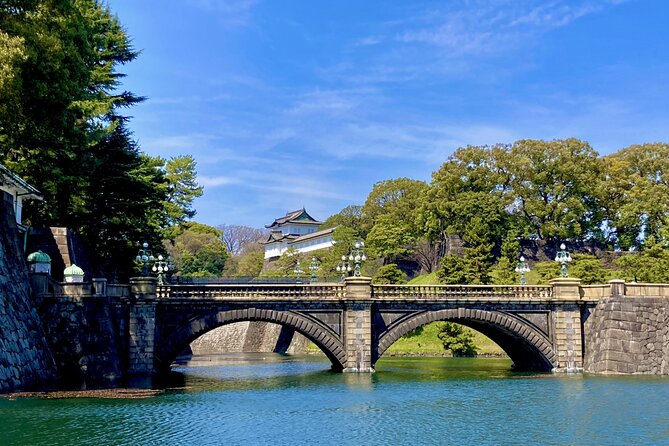
Wadakura Fountain Park sits within the Imperial Palace grounds and takes about 10 minutes. Its fountains were built to mark the marriage of the Emperor Emeritus and Empress Emerita, giving the stop a personal and ceremonial connection to the imperial family.
This is a short stop, but it helps you see how modern memorials and public spaces fit into the palace setting. The fountains also offer a change of mood after the traffic and station architecture.
Do not expect a long garden visit here. The value lies in the guide’s explanation and in the contrast between the carefully planned water features, palace grounds, and nearby city streets. If photography is important to you, use this moment for quick pictures rather than lingering too long.
East Gardens and the remains of Edo Castle
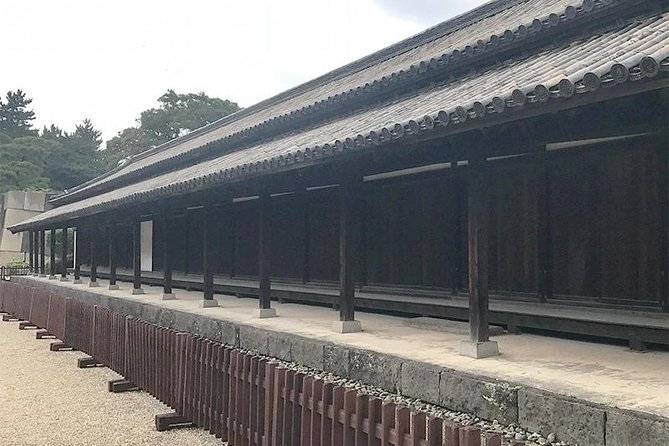
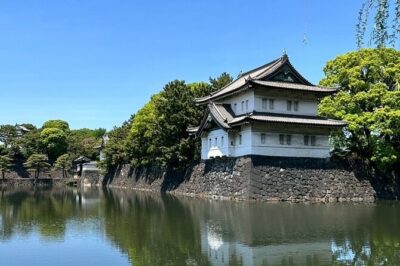
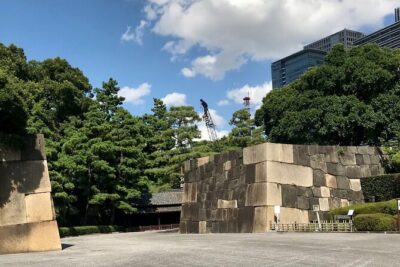
The East Gardens receive about 30 minutes and are the historical center of the walk. You can see seasonal plantings and remnants of the old Edo Castle, including the kind of stone and open spaces that point back to the site’s earlier military and political role.
The gardens are a good place to ask questions. Your guide can help separate the Imperial Palace as it exists today from the older Edo Castle site that shaped Tokyo’s development. The seasonal changes also matter. Plant growth, flowers, and colors vary across the year, so the same route may feel quite different in spring, summer, autumn, or winter.
Thirty minutes is enough for an introduction, not an exhaustive garden visit. If you want extended time for photographs or quiet walking, this schedule may feel brisk. On the other hand, the compact timing allows the tour to include art and two more outdoor areas.
Opening dates deserve attention. The palace grounds may close for holidays, and one planned visit was redirected when a garden was unexpectedly unavailable. If the East Gardens are your main reason for booking, check the day’s access with the operator and keep your plans flexible.
The National Museum of Modern Art
The National Museum of Modern Art, Tokyo takes about 40 minutes. It is described as Japan’s first national art museum, with works from around the 20th century in Japan and overseas. Admission is not included, with an estimated cost of 500 yen per person.
This stop changes the pace. After castle remains and formal gardens, you move into Japan’s modern artistic story. A private guide can make the museum more approachable by pointing out how Japanese artists responded to modern life and international influences, though the exact amount of gallery time depends on walking speed and conversation.
Forty minutes is enough for a focused look, but not for a full museum visit. If you already know you want to spend hours with the collection, consider returning independently. One guide, Fumi, was praised for the palace explanations, while the museum itself was seen as less essential by at least one participant. That is fair advice: the museum will suit you best if you want a short art stop tied to the day’s historical theme.
The tour description also refers to an art gallery and a crafts gallery, while the listed stop is the National Museum of Modern Art. Check the exact museum included when booking, especially if you have a particular collection in mind.
Other private tours in Tokyo


Lunch at Café 33 in Kitanomaru Park
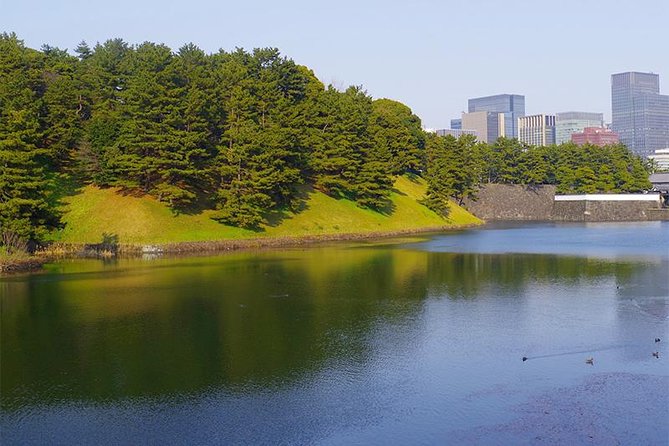
Café 33 is scheduled for about 40 minutes and is located in Kitanomaru Park. Food is not included. The estimated meal allowance is 1,000 yen per person, though your actual spending can vary.
The cafe gives you a useful pause. This is not simply a quick stop between attractions. You can sit near the park’s greenery, eat, and talk with your guide about what you have seen so far. Local ingredients from the Tohoku area and Tokyo are used, adding a regional touch to a practical lunch break.
Forty minutes is a reasonable amount of time for a simple meal, but do not expect a leisurely restaurant visit. If you have dietary needs or want a specific kind of meal, ask what is available before the tour begins. Keiko has been praised for choosing a pleasant lunch spot, but the exact food and seating experience are not guaranteed.
The lunch stop is also where the extra-cost structure becomes important. The tour price covers the private guide and the guide’s necessary expenses, but you pay your own admission, food, and drink costs.
Kitanomaru Park and Chidorigafuchi
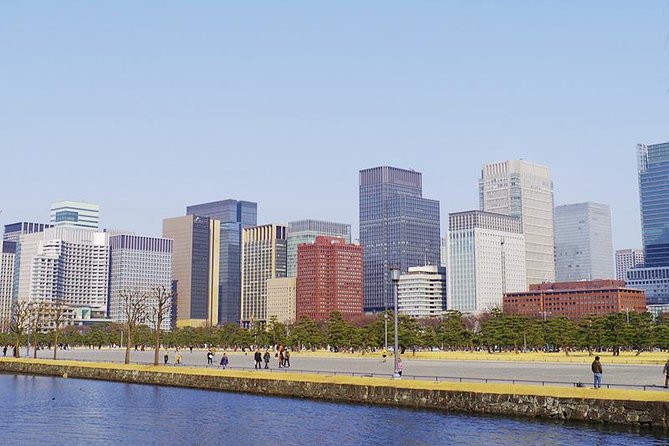
Kitanomaru Park receives about 20 minutes. Its broad lawn and varied plant life give you a welcome sense of space inside central Tokyo. The park’s mix of trees and open grass creates a softer setting than the formal palace areas.
This section is especially good for anyone who needs a break from museums and city streets. You can slow down, take pictures, and notice how much nature remains around the Imperial Palace. The short timing means you will not explore every path, but you get a clear taste of the park.
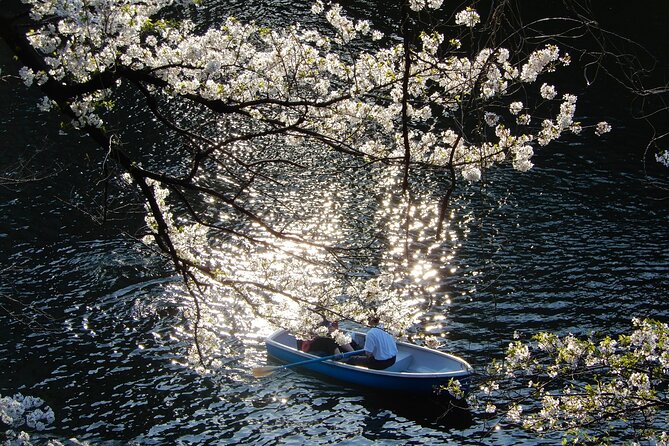
The final stop is Chidorigafuchi, also about 20 minutes. This road and moat-side area is one of the tour’s strongest photo stops, with a view that combines water, trees, and the city’s preserved historic edge.
Season matters here. During cherry blossom season, your guide may know particularly good viewpoints, as happened for one group at the start of the blossoms. Crowds can also increase at popular seasonal spots, so a private guide may help you make better use of the available time, but cannot remove the crowds.
The walk ends near Tokyo Metro Hanzomon Station, at 1 chome-6 Kojimachi. That makes it easy to continue sightseeing, return to your hotel, or connect with another part of Tokyo.
What the $90.60 price really covers
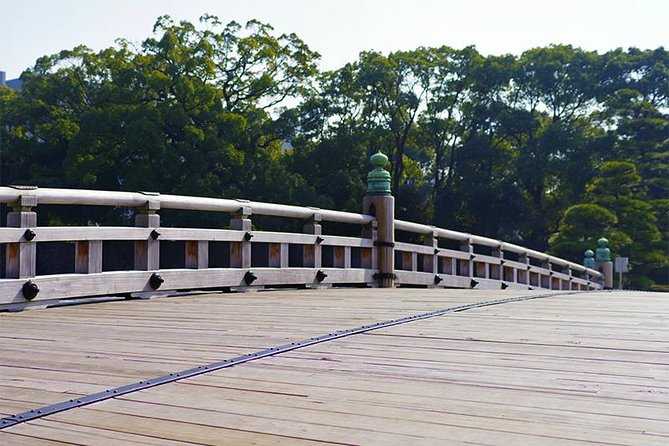
At $90.60 per person, this is not the cheapest way to see palace grounds. You are paying for a private guide rather than a large shared group, and that matters most if you value questions, personal pacing, and help with changes.
The listed estimated extra cost is 1,500 yen per person:
- About 500 yen for admission
- About 1,000 yen for a meal
- No expected transportation cost on the planned route
The guide’s own necessary expenses are included. Your food, drinks, admission fees, and other costs at the stops are not. Group discounts may be available, so the value can improve when several people share the private experience.
I think the price makes the most sense for first-time visitors who want an organized introduction to the palace district without planning each stop. It is less compelling for repeat visitors who already know the area, want a long museum visit, or prefer to wander at their own pace.
The tour averages 4.5 hours, which is long enough to orient you without consuming a full day. You get a broad sample rather than a detailed study of any single site.
Who should book this experience
I would point this tour toward you if you want history explained as you walk, prefer a private guide, and like having several types of sights in one outing. Families, couples, and small groups can benefit from the flexible format, especially if members have different interests.
It also suits a first day in Tokyo. The route gives you a sense of the city’s scale, the importance of the Imperial Palace, and the relationship between old sites and modern institutions. The guide can also help with directions after the tour. Fumi, for example, assisted with onward navigation to other points of interest.
You should think twice if you dislike walking, need a slow schedule, or want guaranteed access to a specific palace garden. The tour can change when a site closes or the weather turns bad. It is also not ideal if your main goal is a full museum day.
Confirmation arrives at booking, and the activity is near public transportation. Most people can participate, but the walking requirement is the practical issue to consider. Comfortable shoes are essential, not optional.
Free cancellation is available up to 24 hours before the local start time. Changes or cancellations inside that window are not accepted for a refund.
Should you book the Imperial Palace history, art, and nature tour?
Book it if you want personal guidance and variety more than a long, unhurried visit to one attraction. The private format, flexible guides, and route from Tokyo Station to Hanzomon create a useful first look at central Tokyo.
Skip it if the museum is your only priority, if you need guaranteed access to a particular palace garden, or if four-and-a-half hours of walking sounds tiring. Before booking, check the planned opening days and ask which palace areas are included on your date.
For the right visitor, this is a well-balanced introduction: castle remains for the past, modern art for the present, and gardens and moats that keep the city from feeling like concrete all day.
FAQ
How long does the tour last?
The tour lasts approximately 4 hours and 30 minutes.
Where does the tour begin?
It begins at Tokyo Station Marunouchi Station Square, near the central exit, at 1 Chome-9 Marunouchi, Chiyoda City.
Where does the tour end?
The tour ends near Tokyo Metro Hanzomon Station in Kojimachi, Chiyoda City.
Is this a private tour?
Yes. Only your group participates in the activity.
What is included in the price?
A tour guide, the private tour, and the necessary expenses for the guide during the tour are included.
Are admission fees included?
No. Admission fees are paid by you. The estimated admission cost is 500 yen per person.
Is lunch included?
No. Food and drinks are paid separately. The estimated meal cost is 1,000 yen per person.
How much extra money should I budget?
The estimated additional cost is 1,500 yen per person, covering about 500 yen for admission and 1,000 yen for a meal. Actual costs may differ.
Is there much walking?
Yes. The tour includes substantial walking between Tokyo Station, the palace grounds, the museum, Kitanomaru Park, Chidorigafuchi, and Hanzomon Station. Comfortable shoes are recommended.
Can the route change?
Yes. Bad weather may cause the destinations or route to change. Palace gardens can also be closed for holidays or other access restrictions.
Is cancellation free?
You can cancel for a full refund up to 24 hours before the experience’s local start time. Cancellations or changes made less than 24 hours before the start are not accepted.
More Historical Tours in Tokyo
More Private Tours in Tokyo
More Imperial Palace & Shogun Tours in Tokyo
More tours in Tokyo we've reviewed






Imperial Palace & Shogun Tours, compared.
 ★ 5.0Tokyo: Imperial Palace and Shogun Historical Walking TourFrom $22
 ★ 4.9Tokyo: Imperial Palace Japanese History Walking TourFrom $32
 ★ 4.9Tokyo: Imperial Palace and Shogun Walking TourFrom $162 hours
 ★ 5.0Imperial Palace East Garden and Edo Castle Walking Tour in TokyoFrom $25
 ★ 4.8Tokyo: Imperial Palace East Gardens Walking TourFrom $192h 30m
 ★ 4.5Tokyo: Imperial Palace, Sensō-ji Temple, & Tokyo Tower TourFrom $404 hours