
Reviewed · MT FUJI DAY TRIPS
From Tokyo: Mount Fuji and Hakone Full Customizable Trip
The clever part of this private Mount Fuji and Hakone trip is that you do not have to follow a rigid sightseeing script. Your driver-guide can shape the day around photo stops, shrines, lakes, shopping, or family needs. I like the hotel pickup and the comfortable van, and I like that the day can include both Mount Fuji and Hakone instead of forcing you to choose. The catch is simple: you cannot give every listed stop the attention it deserves in 10 to 11 hours, so agree on your priorities early.
I also like the practical touches: bottled water, tea, coffee, Wi-Fi, tolls, parking, and help with photos are included. Recent bookings specifically praise guides Abu and Javad for being punctual, flexible, and good with families. Just remember that the guide assigned to your group may be different, and Mount Fuji visibility is never guaranteed.
In This Review
- Key points to know before booking
- Why a private Fuji day trip makes sense
- Start at Chureito Pagoda and Arakurayama Sengen Park
- Oshino Hakkai brings food and village atmosphere
- Fuji’s 5th Station is the highest drive-up viewpoint
- Lake Kawaguchi offers your best Fuji backdrop
- Hakone adds shrines, water, and volcanic scenery
- Shrines give the day more meaning
- Narusawa Ice Cave is a short but unusual option
- Shopping at Gotemba Premium Outlets
- What the $354 group price really buys
- Timing, pickup, and comfort
- How to plan your custom route
- Should you book this Mount Fuji and Hakone trip?
- FAQ
- How long does the Mount Fuji and Hakone trip last?
- How many people can join the private tour?
- Where can pickup and drop-off take place?
- Are meals and entrance fees included?
- Can I customize the stops?
- What should I bring?
Key points to know before booking
- Private van from Tokyo: Your group of up to five gets hotel pickup, a private air-conditioned vehicle, and a return to an eligible Tokyo location.
- Choose your own focus: Combine Fuji viewpoints, Lake Kawaguchi, Oshino Hakkai, Hakone, shrines, shopping, or seasonal photo stops.
- Best value with five people: At $354 per group, the price works out to about $70.80 per person for a full group of five, before meals and entrance fees.
- Expect a long day: The advertised duration is about 10 to 11 hours, including substantial driving time from Tokyo.
- Weather matters: Clouds can hide Fuji, but the flexible schedule lets you spend more time at other sights if conditions change.
- A guide makes the difference: Abu and Javad are named in recent bookings, with praise for punctuality, smooth driving, photo help, and adapting plans for children.
Why a private Fuji day trip makes sense
Mount Fuji is close enough to Tokyo to visit in a day, but the sights around it are spread across a wide area. Public transport can get you there, but connecting a mountain station, lake, village, pagoda, shrine, and Hakone is a different matter.
This private trip solves that problem with door-to-door transport. You do not have to work out which train, bus, or cable car comes next, and you can leave a stop when your group has had enough. That freedom matters most if you are traveling with children, older relatives, or someone who does not want to spend the day changing vehicles.
The driver-guide speaks English, Hindi, Japanese, Punjabi, or Urdu, depending on the guide assigned. Abu and Javad are two names connected with recent bookings. Abu helped one group adjust when Fuji appeared only for part of the day, while Javad received praise for punctuality and handling a family with three young children.
Still, this is not a small countryside outing. Tokyo traffic and the distance to the Fuji and Hakone areas take time. The private van makes the journey easier, but it cannot remove the hours spent on the road.
A few more Tokyo tours and experiences worth a look
Start at Chureito Pagoda and Arakurayama Sengen Park
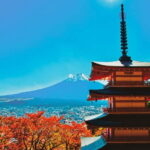
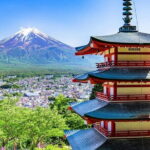
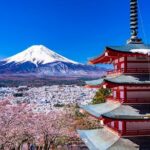
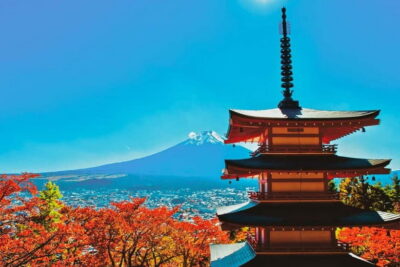
Chureito Pagoda is one of the area’s strongest photo stops. The classic view places the five-story pagoda and Mount Fuji in the same frame, with cherry blossoms in spring or autumn color adding seasonal interest.
The pagoda is reached by walking in Arakurayama Sengen Park. The schedule allows about an hour at Chureito Pagoda and another 40 minutes at the park, which gives you time for photos and a little sightseeing rather than a rushed roadside stop.
This is one place where comfortable shoes matter. The pagoda viewpoint involves a climb, so the stop may not suit everyone equally. If anyone in your group has mobility concerns, tell the operator ahead of time. The tour is described as wheelchair accessible, but the practical ease of each stop can vary.
The view also depends heavily on weather. A gray sky can turn the famous Fuji composition into a pagoda photo with a blank background. Your guide can help adjust the order of stops, but no schedule can guarantee a clear mountain.
Oshino Hakkai brings food and village atmosphere
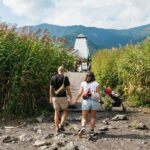
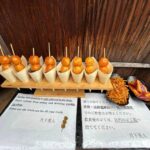
Oshino Hakkai gives the day a different rhythm. Instead of a grand viewpoint, you get a traditional village setting with clear ponds, older-style architecture, food stalls, and local snacks.
The ponds are the main reason to come. Their clean, transparent water gives the village its distinctive character, while the surrounding buildings and small shops make this a pleasant place to walk. You can sample local delicacies here, and the stop is scheduled for about an hour.
I would use Oshino Hakkai as a chance to slow down and eat something small, not as a full substitute for lunch. A separate local restaurant stop is listed for about 40 minutes, but meals are not included in the price. Ask your guide how much time is available before ordering a large meal, especially if you have several later stops in mind.
Oshino can feel more commercial than a quiet rural village, with food stalls and souvenir shopping near the ponds. That is not necessarily a flaw, but it helps to set expectations. You come here for the mix of water, traditional buildings, snacks, and easy walking.
Fuji’s 5th Station is the highest drive-up viewpoint
The 5th Station of Mount Fuji is the highest point included that you can reach by car. It offers broad views of the surrounding area and gives you a sense of the mountain’s scale without requiring a climb toward the summit.
You may also visit Komitake Shrine and walk nearby trails. The planned stop lasts about an hour, enough for photographs, a short walk, and a look around the shrine area.
Conditions can change at this altitude. Warm clothing is specifically recommended, even when Tokyo feels mild. The road to the 5th Station can also be affected by weather, so your guide may need to replace or reorder this stop if access or visibility is poor.
Do not confuse this visit with climbing Mount Fuji. This is a sightseeing stop at the drive-up station, not a summit excursion. For most people, that is the point: you get mountain scenery in a manageable day trip without turning the outing into a strenuous hike.
Lake Kawaguchi offers your best Fuji backdrop
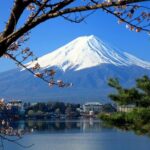
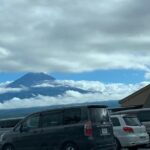
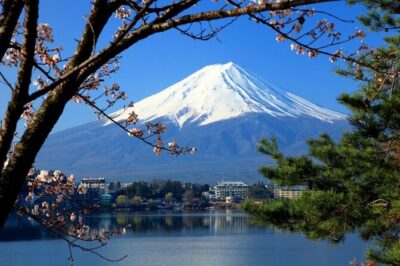
Lake Kawaguchi is one of the most flexible stops on the route. You can take a boat cruise, walk by the water, or simply settle in for views of Fuji across the lake.
The planned stop is about an hour, so you will need to decide what matters most. A boat ride uses much of that time but gives you a moving view. A lakeside walk gives you more control and may work better if you want photographs, coffee, or a quiet break.
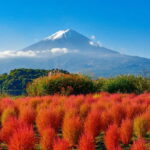
Oishi Park is another possible stop, with about 40 minutes set aside. It is especially useful for gardens, seasonal color, and open views toward the mountain. The Itchiku Kubota Art Museum is also listed as an optional cultural stop, featuring intricate kimono art.
Here, customization is genuinely useful. A family may prefer the lakefront and a short walk. Someone interested in Japanese textiles may choose the museum. A photographer may favor Oishi Park and extra time by the water. You should not attempt all three unless you are willing to shorten other stops.
A few more Tokyo tours and experiences worth a look
Hakone adds shrines, water, and volcanic scenery
Hakone gives this outing a second identity. Instead of spending the entire day around Fuji’s northern lakes, you can continue toward Lake Ashi and the hot-spring region’s better-known sights.
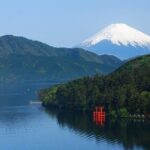
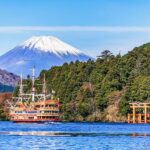
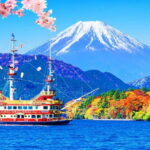
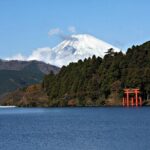
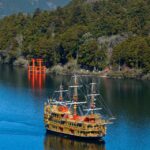
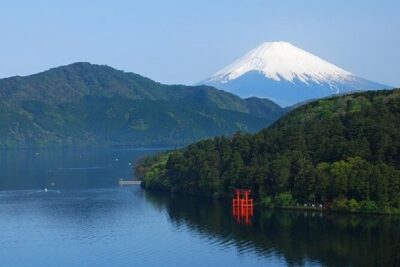
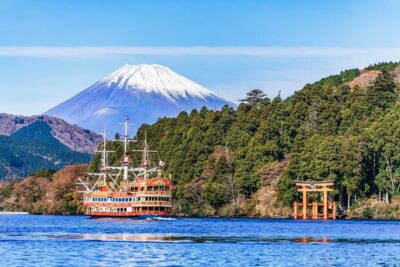
At Lake Ashi, you can take a boat cruise or enjoy free time near the water. The lake is also home to Hakone Shrine, famous for its torii gate standing at the water’s edge. The shrine stop is scheduled for about an hour, while Lake Ashi receives about 30 minutes.
The timing is tight if you want both a relaxed lake visit and a proper shrine visit. Ask your guide to clarify the plan. You may need to choose a short photo stop rather than a full visit to every part of the area.
Owakudani Valley offers a different scene, with volcanic features and a stop of about an hour. The Hakone Ropeway can add a cable car ride and another hour of sightseeing. These are appealing options, but they make the day longer and can leave less time for Fuji-area stops.
The key decision is not simply Fuji or Hakone. It is how much of each you want. If Lake Ashi, the shrine, Owakudani, and the Ropeway are your main goals, tell the guide at the start and accept that Chureito, Oshino, or the 5th Station may receive less time.
Shrines give the day more meaning
Kitaguchi-hongu Fuji Sengen Shrine is a quieter choice than the headline viewpoints. It is a historic religious site at the foot of Mount Fuji, associated with pilgrims beginning their ascent.
The scheduled visit lasts about 40 minutes. That is enough to walk through the grounds, pause at the shrine, and hear some background from your guide. I like this option because it adds a spiritual and local layer to a day otherwise dominated by scenic photos.
The shrine is also a good counterpoint to Chureito Pagoda. Chureito is about the iconic Fuji image. Kitaguchi-hongu Fuji Sengen Shrine is about the mountain’s place in Japanese religious tradition. If your group enjoys temples and shrines, preserve time for this stop.
Odawara Castle is another optional cultural stop, with about 40 minutes allowed. As with the other additions, it is best treated as a priority choice rather than something to squeeze in after everything else.
Narusawa Ice Cave is a short but unusual option
Narusawa Ice Cave is listed as a 40-minute stop. It offers a change from open lake views and shrine grounds, with a walk through a natural cave environment.
This is a good example of why you should discuss the route before departure. The cave may appeal to families and anyone who wants something less familiar than another viewpoint. On the other hand, a cave visit may be less appealing if your main aim is to photograph Fuji or spend time around Hakone.
The itinerary includes several stops of 40 minutes or less. Those shorter visits can work well for a private group because you are not waiting for strangers, but you still need time to park, walk, and gather everyone. A schedule full of brief stops can feel hurried.
Shopping at Gotemba Premium Outlets
Gotemba Premium Outlets is one of Japan’s largest outlet malls and offers another chance to see Fuji, conditions permitting. The planned visit lasts about an hour.
This stop makes the most sense if someone in your group wants branded goods or if you need a less active break late in the day. It is not an essential Fuji sight, so I would choose it only if shopping is part of your plan.
The outlet mall can also act as a practical buffer in a changing schedule. If clouds obscure Fuji, you still have a useful activity. If the group is tired, shopping may be easier than another climb or walking tour.
Do not expect the $354 price to cover purchases. Entrance fees and meals are not included, so budget separately for food, attractions, boat rides, ropeway tickets, and shopping.
What the $354 group price really buys
The price is $354 for a private group of up to five. With five people, that is about $70.80 per person. With only two people, the per-person cost is much higher, but you still receive the privacy and flexibility of a dedicated vehicle.
Included are hotel pickup and drop-off, fuel, parking, tolls, bottled water, tea, coffee, an in-vehicle Wi-Fi hotspot, and help taking photos and videos. Those extras reduce the small costs and hassles that can add up on a long day.
Meals and entrance fees are not included. That matters because several optional activities, including a boat cruise, the Ropeway, museums, castle visits, and some other attractions, may require separate payment.
I see the strongest value for families or groups of friends who would otherwise need several public transport connections or a taxi-heavy day. Solo visitors and couples should compare the private price with a smaller shared excursion, especially if they do not care about changing the route.
Timing, pickup, and comfort
Pickup is available from hotels and Airbnbs within Tokyo’s 23 wards, including Shinjuku, Shibuya, Shinjuku, Chiyoda, Minato, Shinagawa, Taito, Meguro, Setagaya, and the other listed wards. Pickup is not available from airports or ports.
You should give a clear meeting point, such as your hotel lobby or a named station exit, and arrive at least 10 minutes early. The driver may wait up to 60 minutes after the scheduled pickup time, but relying on that would reduce your sightseeing time.
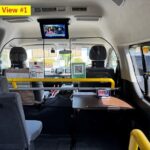
The vehicle is private, air-conditioned, and equipped with Wi-Fi. The long drive still makes this a demanding day, so wear shoes you can walk in and bring warm layers, sunscreen, and a camera.
Bad weather or an accident can lead to rescheduling at your preference. If pickup is delayed, extra time is provided at no additional cost, according to the tour details. These policies are useful, but they do not change the basic Fuji rule: clear views are a matter of luck.
How to plan your custom route
Before the vehicle leaves Tokyo, tell your guide your top three priorities. That one conversation can prevent a scattered day.
For a classic Fuji photo day, choose Chureito Pagoda, Oshino Hakkai, the 5th Station, and Lake Kawaguchi. Add Oishi Park if seasonal scenery and lake views matter more than a long stop elsewhere.
For a Fuji and Hakone combination, choose one or two Fuji-area stops, then focus on Lake Ashi, Hakone Shrine, Owakudani, or the Ropeway. Trying to visit every one of these along with Chureito, the cave, the outlets, and Odawara Castle will leave you with brief glimpses rather than satisfying visits.
For families, I would favor the private van, Oshino Hakkai, Lake Kawaguchi, and one major viewpoint. The flexibility helped Javad accommodate young children, and a private vehicle gives you more control over pauses than a large coach.
For photographers, put Chureito and the lakes near the top of the list, but keep expectations realistic. Fuji can vanish behind clouds for part of the day, as happened during Abu’s outing with one group. The best response is to enjoy the village, shrine, lake, or museum rather than chase the mountain at every turn.
Should you book this Mount Fuji and Hakone trip?
Book it if you want a private day, have up to five people, and care more about control than the lowest possible price. It is especially suitable for families, mixed-age groups, and anyone who wants Fuji and Hakone in one outing without managing a complicated transport plan.
I would hesitate if you want a slow, detailed visit to every sight, since the 10 to 11-hour schedule cannot support that. I would also think twice if you are traveling alone and mainly want one Fuji viewpoint, since the group price is designed to be shared.
For the best result, choose your priorities before pickup and allow the guide to adjust the order for weather and traffic. The strongest parts are the private transport, flexible routing, photo assistance, and the chance to combine major Fuji views with quieter cultural stops. The main limitation is not the service. It is the sheer size of the day.
FAQ
How long does the Mount Fuji and Hakone trip last?
The tour lasts approximately 10 to 11 hours, including travel time. Starting times depend on availability.
How many people can join the private tour?
The private group price covers up to five people.
Where can pickup and drop-off take place?
Pickup and drop-off are available from accommodations within Tokyo’s 23 wards and from listed areas including Odawara, Kanagawa. Pickup is not available from airports or ports.
Are meals and entrance fees included?
No. Meals and entrance fees are not included. Fuel, parking, tolls, bottled water, tea, coffee, and the private vehicle are included.
Can I customize the stops?
Yes. The route can be tailored to your interests, with options including the 5th Station, Lake Kawaguchi, Oshino Hakkai, Chureito Pagoda, Lake Ashi, Hakone Shrine, Owakudani, the Ropeway, Odawara Castle, and Gotemba Premium Outlets.
What should I bring?
Bring comfortable shoes, warm clothing, a camera, and sunscreen. Tell the operator in advance about mobility concerns or special accessibility needs.
More Hakone Day Trips in Tokyo
More Mt Fuji Day Trips in Tokyo
More tours in Tokyo we've reviewed





Mt Fuji Day Trips, compared.
 ★ 5.0Mt Fuji and Hakone 1-Day Bus Tour Return by Bullet TrainFrom $163
 ★ 4.0Mt Fuji & Hakone Cruise, Drum Show Bullet Train 1 Day from TokyoFrom $149
 ★ 4.4Tokyo Mt Fuji 5th St & Hakone Cruise Bus Tour w/Bullet TrainFrom $15410 hours
 ★ 4.5From Tokyo: Mount Fuji Full-Day Sightseeing TripFrom $6810 hours
 ★ 4.7Tokyo: Mt. Fuji Tour, Hakone Ropeway, Owakudani, Lake AshiFrom $5410 hours
 ★ 4.4Tokyo:Mt.Fuji,Kawaguchiko Oishi Park,Arakurayama Sengen ParkFrom $5410 hours