
Reviewed · MORNING
Private Tokyo Early Morning Tour with English-Speaking Guide
Tokyo is easier to understand when you move through it in a logical line, and this early start does just that. You meet at Hachiko Statue, cross Shibuya, walk through Meiji Jingu and Harajuku, then use public transport toward Kanda, Akihabara, Ueno, and Asakusa.
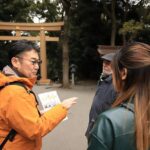
I like the private format because your guide can adjust the pace and explain how to behave at shrines and temples. I also like the timing: an early morning in Tokyo means cooler streets, clearer photos, and less waiting at major sights. The trade-off is that five hours covers a lot of ground, so you will see many places without having much time for shopping or long museum visits.
In This Review
- Key points to know before booking
- Why an early morning is the right way to see Tokyo
- Hachiko and Shibuya Crossing in 20 minutes
- Meiji Jingu gives the morning room to breathe
- Takeshita Street shows Harajuku’s youthful side
- Kanda Shrine connects tradition with modern Tokyo
- Akihabara in 30 minutes
- Ameyoko brings you into Ueno’s everyday shopping district
- Senso-ji is the strongest finish
- What the private format adds
- Is $97.22 a fair price?
- Walking, weather, and timing
- Who should book this Tokyo morning tour?
- Should you book it?
- FAQ
- How long does the Private Tokyo Early Morning Tour last?
- Where does the tour begin?
- Where does the tour finish?
- Is this a private tour?
- Is an English-speaking guide included?
- Are public transportation costs included?
- Are temple and shrine admission fees included?
- Is food included?
- What happens if I arrive late?
Key points to know before booking
- Start at Hachiko Statue: Meet near Shibuya Station and begin with one of Tokyo’s most recognizable public spaces.
- Seven major stops: The route includes Shibuya Crossing, Meiji Jingu, Takeshita Street, Kanda Shrine, Akihabara, Ameyoko, and Senso-ji.
- Private English-speaking guide: Only your group joins the tour, with a local guide such as Yukou providing personal help and explanations.
- Walking plus public transport: The tour is not a private car ride. Budget ¥900 per person for transportation and prepare for plenty of walking.
- Finishes in Asakusa: You end at Tokyo Cruise Asakusa Pier, close to Senso-ji, restaurants, and Tokyo Skytree.
- Photos are included: Professional photos are taken during the tour, giving you a useful record of the morning without stopping to manage your own camera constantly.
Why an early morning is the right way to see Tokyo
Tokyo’s famous sights can feel very different at 8 a.m. compared with midafternoon. Shibuya Crossing still has energy, but you avoid the thickest wave of pedestrians. Meiji Jingu is better suited to a quiet morning, when the forest paths give you a break from the traffic and tall buildings.
The early timing also matters in summer. One guest specifically praised starting early in July, before the heat and crowds built up. That is practical advice, not a minor detail. Tokyo’s humidity can make a long walking day feel harder than the distance suggests, so an early start gives you your best chance of finishing comfortably.
You should also understand what this tour is trying to do. It is a first-look tour, not a slow study of each neighborhood. You get a broad introduction to several parts of Tokyo in about five hours, with a guide helping you move between them. If this is your first morning in the city, that structure can save time and reduce the stress of figuring out trains and directions.
Other guided tours in Tokyo
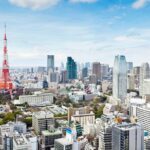
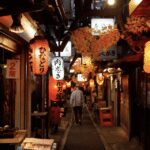
Hachiko and Shibuya Crossing in 20 minutes
Your meeting point is the Hachiko Statue, at 2 Chome-1 Dogenzaka near Shibuya Station. Hachiko is one of Tokyo’s standard meeting places, but the area can still be confusing if you have just arrived in the city. Give yourself extra time. The tour has a strict late-arrival rule, and missing the start means you cannot join later or receive a refund.
The first stop is Shibuya Scramble Crossing. When the traffic lights stop cars in every direction, pedestrians move across the intersection from several corners at once. It is a quick stop, only about 20 minutes, so you should expect time for photos and a short explanation rather than an extended neighborhood walk.
A guide helps here by showing you where to stand and how to see the crossing as part of the city rather than just a photo backdrop. You will not spend the morning waiting for the perfect empty moment, because the crossing is meant to be experienced with people moving around you. Early morning gives you a less crowded version, though it remains an active transport hub.
Meiji Jingu gives the morning room to breathe
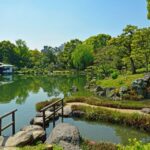
From Shibuya, the tour continues to Meiji Jingu Shrine for about an hour. This is one of the most worthwhile stops because it changes the mood completely. After the lights and screens of Shibuya, you enter a wooded shrine setting in central Tokyo.
Meiji Jingu is dedicated to Emperor Meiji and Empress Shoken. Your guide can help you follow basic shrine customs, including how to approach the grounds respectfully and what to do at the worship area. That assistance is useful if this is your first visit to a Shinto shrine and you do not want to copy other people without understanding the gestures.
The one-hour visit gives you enough time to walk through the grounds at a reasonable pace. Still, this is not a long nature walk. You are moving as part of a packed city route, and the guide will need to keep the group on schedule for the stops ahead.
Temple and shrine admission fees are included where applicable, which keeps the morning simple. Food and drinks are not included, so you should eat before the meeting or plan a meal after the tour.
Takeshita Street shows Harajuku’s youthful side
Takeshita Street is a short 20-minute stop in Harajuku. The street is known for youth fashion, unusual boutiques, colorful sweets, and a strong connection to Japanese pop culture.
You should treat this as a quick orientation rather than a shopping session. Twenty minutes is enough to see the street, take photos, and understand its character. It is not enough for careful browsing, trying several snacks, or making a serious purchase.
That limited time may be a drawback if Harajuku is your main interest. On the other hand, the short visit works well for people who want a sample of Tokyo’s youth culture without giving up the rest of the route. Your guide can point out what matters and help you decide if you want to return later on your own.
Kanda Shrine connects tradition with modern Tokyo
The next shrine is Kanda Shrine, also called Kanda Myojin. The visit lasts about 20 minutes and adds a different religious stop to Meiji Jingu.
Kanda Shrine is associated with prosperity and protection. It is particularly popular with businesspeople, and it also has a connection to anime fans. That mix captures something distinctive about Tokyo: old shrines are not cut off from modern city life. They continue to serve people who work, shop, create, and follow popular culture.
Because the stop is brief, you will get a compact visit rather than a full examination of the shrine grounds. This is another place where the English-speaking guide adds value. You can ask questions about customs, symbols, and why the shrine matters instead of simply passing through for a photo.
Other private tours in Tokyo

Akihabara in 30 minutes
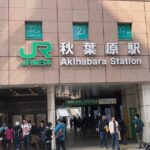
Akihabara is known as Tokyo’s electric town and is the route’s clearest stop for anime, gaming, electronics, and otaku culture. You will see an area built around shops selling gadgets, collectibles, and character goods, with maid cafés also part of its identity.
The 30-minute visit is useful for getting your bearings, especially if you have never been to Akihabara. It is not long enough to inspect several stores in detail. If you want to buy electronics, hunt for a particular game, or spend time with collectible shops, plan a separate visit.
I see this as one of the tour’s most practical choices for a first visit. Akihabara can feel scattered, and a guide can help you understand the area before you return independently. The private setup also gives you a chance to explain your interests. Someone focused on anime may want different advice from someone looking for electronics.
Ameyoko brings you into Ueno’s everyday shopping district
Ameya-Yokocho, usually shortened to Ameyoko, is a 20-minute stop in Ueno. The shopping street began as a postwar black market and now sells seafood, snacks, clothes, souvenirs, and other everyday goods.
This stop adds a more informal side of Tokyo to the route. The shrines and temples show ceremony and tradition. Ameyoko gives you food stalls, shop signs, practical goods, and the feel of a working commercial street.
Again, the timing is a sample. You can look around and get ideas for a later return, but you will not have much time to compare prices or sit down for a meal. Since food is not included, Ameyoko can be a good place to ask your guide for suggestions for after the tour, though your actual meal is your own expense.
Senso-ji is the strongest finish
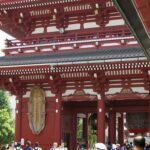
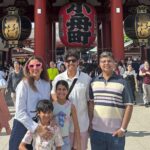
The final major stop is Senso-ji Temple in Asakusa, with about an hour set aside. Founded in the seventh century, Senso-ji is Tokyo’s oldest and most famous Buddhist temple. Its Kaminarimon Gate and Nakamise Street make it one of the city’s most recognizable sights.
The approach through Nakamise Street is lined with traditional shops, so this is both a temple visit and a chance to see a long-established tourist and shopping area. Your guide can explain the difference between the Buddhist temple and the Shinto shrines earlier in the day, as well as help with respectful behavior.
Senso-ji can be crowded, even in the morning. The early start improves your chances of a calmer visit, but you should not expect solitude at such a central landmark. The one-hour stop is enough to take in the main approach, temple grounds, and key photo points without making the tour feel rushed at the finish.
The tour ends at Tokyo Cruise Asakusa Pier, at 1 Chome-1-1 Hanakawado. That is convenient if you want to continue exploring Asakusa, find lunch, or consider a visit to nearby Tokyo Skytree. If you have another destination in mind, the guide can help you with directions.
What the private format adds
A private tour is most useful when you value questions and flexible attention more than a low group price. Only your group participates, so you are not waiting for a large party at every crossing or shrine gate.
The guide’s role is especially helpful during a route that uses public transportation. The tour includes plenty of walking and public transit, not a private vehicle. The transportation cost is separate at ¥900 per person, and you should include that amount when comparing the total price.
You also receive professional photos during the tour. That is a nice extra for a morning with several major stops. You can focus on the experience while the guide helps capture some images, though the exact number and delivery method of the photos are not specified.
The guide named in the available tour response is Yukou, who was described as friendly and pleased to receive feedback. You should confirm your assigned guide at booking, but the personal guide service is central to the experience.
Is $97.22 a fair price?
At $97.22 per person, this is not the cheapest way to see Tokyo’s landmarks. You are paying for a private English-speaking guide, a carefully connected five-hour route, help with public transportation, included temple and shrine admission, and professional photos.
The value improves if you are visiting Tokyo for the first time, have only a short stay, or feel uncertain about using the city’s train system. Seven stops across Shibuya, Harajuku, Kanda, Akihabara, Ueno, and Asakusa would take more planning on your own, especially if you want to understand what you are seeing rather than simply locate it.
The value is weaker if you already know Tokyo well, prefer long unstructured visits, or mainly want shopping time. The short stops at Takeshita Street, Akihabara, and Ameyoko are introductions, not full retail outings.
Group discounts may be available, so the price can make more sense for a small party. Remember to add ¥900 per person for public transportation, and budget separately for food and drinks.
Walking, weather, and timing
You need a moderate level of physical fitness for this experience. The tour is explicitly designed as a walking route with public transportation, so comfortable shoes are more important than stylish ones. You will be on your feet across several neighborhoods, with train or subway transfers between sections.
The early start can help with heat, particularly in July, but it does not remove the need to prepare for weather. Carry water, since drinks are not provided, and keep your schedule clear enough to arrive early at Hachiko Statue.
The five-hour duration is approximate. Each listed stop has a set time, but transit and city conditions can affect the rhythm. The route is efficient, yet you should not book a timed attraction immediately afterward unless you leave a generous cushion.
The booking confirmation arrives at the time of booking, and the tour is available with a mobile ticket. Free cancellation applies when you cancel at least 24 hours before the start time. Last-minute changes or cancellations are not accepted.
Who should book this Tokyo morning tour?
I would recommend it to first-time Tokyo visitors who want a structured introduction without joining a large group. It suits couples, families, and small groups who want to ask questions, move at a steady pace, and see both famous landmarks and more specialized districts.
It is also a smart choice if your trip is short. The route gives you a useful map of Tokyo’s different personalities: Shibuya’s crossing, Meiji Jingu’s calm grounds, Harajuku’s youth fashion, Kanda’s religious tradition, Akihabara’s pop culture, Ameyoko’s shops, and Asakusa’s temple district.
You may want something else if your main goal is deep shopping, long temple visits, or a relaxed neighborhood walk. Seven stops in five hours means some places will leave you wanting more. That is not a flaw if you see the tour as a well-organized first morning, but it matters when setting expectations.
Should you book it?
Book this tour if you want to cover a wide slice of Tokyo before the day gets hot and crowded, and if personal guidance is worth more to you than exploring entirely on your own. The best parts are the early timing, private attention, useful public-transport support, and strong finish at Senso-ji.
Skip it if you already have a detailed Tokyo plan or want to spend an entire morning in one district. For everyone else, this is a practical way to get oriented quickly, with enough cultural context to make your later independent sightseeing easier.
FAQ
How long does the Private Tokyo Early Morning Tour last?
The tour lasts approximately five hours.
Where does the tour begin?
It begins at the Hachiko Statue near Shibuya Station, at 2 Chome-1 Dogenzaka, Shibuya, Tokyo 150-0043, Japan.
Where does the tour finish?
It ends at Tokyo Cruise Asakusa Pier, at 1 Chome-1-1 Hanakawado, Taito City, Tokyo 111-0033, Japan.
Is this a private tour?
Yes. Only your group participates in the tour.
Is an English-speaking guide included?
Yes. A local English-speaking guide is included. Yukou is named in the available tour information as one guide associated with the experience.
Are public transportation costs included?
No. Public transportation costs ¥900 per person and are paid separately.
Are temple and shrine admission fees included?
Yes. Admission fees for the temples and shrines visited on the tour are included.
Is food included?
No. Food and drinks are not included.
What happens if I arrive late?
The tour has a strict meeting-time policy. If you are late, you cannot join the tour later and will not receive a refund.
More Morning in Tokyo

More Private Tours in Tokyo
More Guided Tours in Tokyo
More tours in Tokyo we've reviewed


Morning, compared.
 ★ 4.8Tokyo: Sumo Morning Practice Viewing TourFrom $8190 minutes - 2 hours
 ★ 4.4Tokyo: Sumo Morning Training VisitFrom $771 hour
 ★ 4.8Tokyo: Sumo Morning Practice Tour at Sumida CityFrom $1162 hours
 ★ 5.0Tokyo Sumo Morning Practice Tour at StableFrom $83
 ★ 4.5Tokyo Ryogoku Sumo Morning Practice + Photo Shoot with WrestlersFrom $98
 ★ 4.0Watch Sumo Morning Practice at Stable in TokyoFrom $95