
Reviewed · KAMAKURA & ENOSHIMA DAY TRIPS
Kamakura Heritage Bike or Walk Tour with ex-Rickshaw guide
Kamakura is easiest to understand when you connect its temples, shrines, old lanes, and coast in one moving route. This private tour with Ichi, a former rickshaw guide, gives you that connection by bike or on foot, with stops at the Great Buddha, Tsurugaoka Hachimangu, Hokokuji, Hasedera, and more.
I like the choice between cycling and walking, and I like that Ichi takes photos while you explore. The route also reaches both famous sights and quieter places, but four hours is a tight window for so many stops. You will see a lot, though some visits will be brief.
In This Review
- Key points to know before booking
- Why cycling or walking changes Kamakura
- Meeting Ichi near Kamakura Station
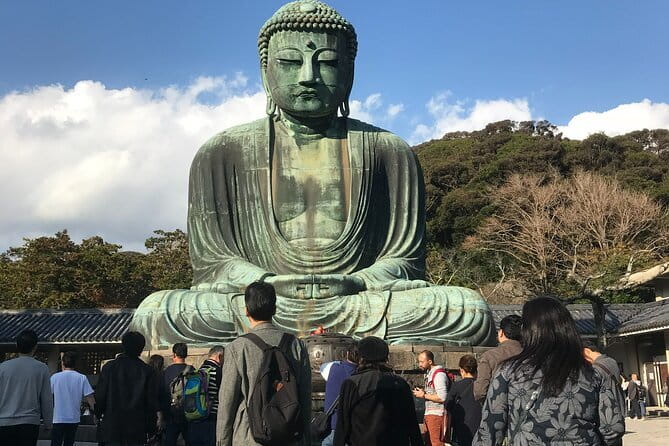
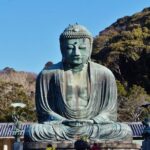
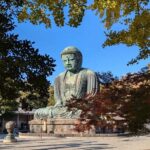
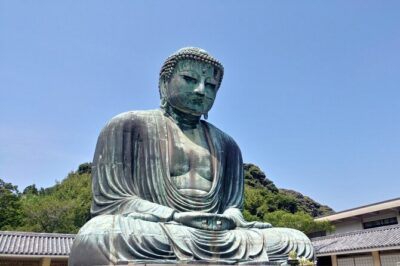
- The Great Buddha at Kotoku-in
- Tsurugaoka Hachimangu and the samurai story
- The graves of Minamoto no Sanetomo and Hojo Masako
- Hokokuji’s bamboo grove and matcha
- Yuigahama Beach and the seaside road
- Hasedera and the Kannon statue
- Egara Tenjin Shrine and the quieter side of town
- What the $150.24 price includes
- Who will enjoy this tour most
- Weather, cancellation, and practical details
- My call: book it for the connected story
- FAQ
- How long is the Kamakura Heritage Bike or Walk Tour?
- Where does the tour start and finish?
- Can I choose between biking and walking?
- Is this a private tour?
- Which admission fees are included?
- Is green tea at Hokokuji included?
- Is the tour suitable for children?
- What happens if the weather is poor?
Key points to know before booking
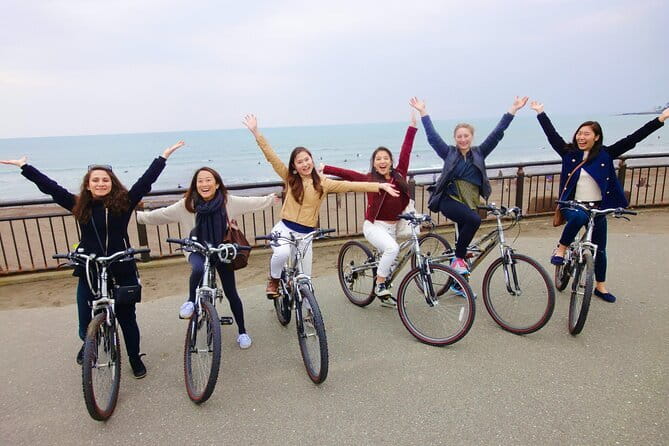
- Private route with two ways to explore: Choose a bike tour or a walking tour, then adjust your pace and sightseeing within the four-hour period.
- Guide Ichi knows the streets firsthand: His five years as a rickshaw driver guide give him useful local knowledge of Kamakura’s roads, landmarks, and lesser-known corners.
- Six major sightseeing stops: Expect the Great Buddha, Tsurugaoka Hachimangu Shrine, the graves of Minamoto no Sanetomo and Hojo Masako, Hokokuji, Hasedera, and Egara Tenjin Shrine.
- Beach scenery adds a change of mood: The route includes Yuigahama Beach and its seaside road, though summer brings more people.
- Good value for a private outing: The $150.24 price includes your guide, private group, and admission to the Great Buddha and Hokokuji, but not lunch or optional green tea.
- Weather matters: The tour needs good weather, and children under 13 who cannot ride an adult-sized bike are not recommended for the cycling option.
Why cycling or walking changes Kamakura
Kamakura is compact enough to explore on foot, yet spread out enough that a bike can save useful time. The Great Buddha and Hasedera are in the Hase area, while Tsurugaoka Hachimangu, Egara Tenjin, and Hokokuji sit farther inland. A bike lets you link these areas without spending your half-day waiting for transport or retracing your steps.
The walking version gives you more time to notice small details along the way. You can move at a calmer pace through temple grounds and old streets, and you do not have to think about traffic or parking a bicycle. The tradeoff is simple: walking may mean less time at each temple, especially if the full route is covered.
The tour is private, so the pace belongs to you and your group. That matters in Kamakura, where one person may want temple stories while another wants photos, gardens, or a quick look at the coast. You can also adjust the schedule during the four-hour period rather than follow a rigid group timetable.
Past customers specifically praised the bike format, and some had e-bikes, which made the longer route easier. Confirm the exact bike arrangement when booking, since the supplied details identify the experience as a bike or walking tour but do not promise a particular bicycle type.
A few more Kamakura tours and experiences worth a look
Meeting Ichi near Kamakura Station
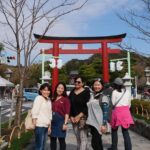
You meet at Kamakura Station, at 1-chome-1-15 Onarimachi, and return to the same meeting point at the end. The station location is practical because Kamakura is well connected by public transport, and you can reach the tour without arranging a separate pickup.
Ichi has five years of experience guiding by rickshaw through Kamakura. That background is useful here. A rickshaw guide works close to the street, not just inside the major temple compounds, so Ichi can explain how the city fits together as you move from one district to another.
His English is described as good, and the experience is designed for international visitors as well as local friends. The strongest praise centers on his clear explanations of Japanese history, customs, and the Kamakura shogunate. If you like context but do not want a long academic lecture, that balance should suit you.
The Great Buddha at Kotoku-in
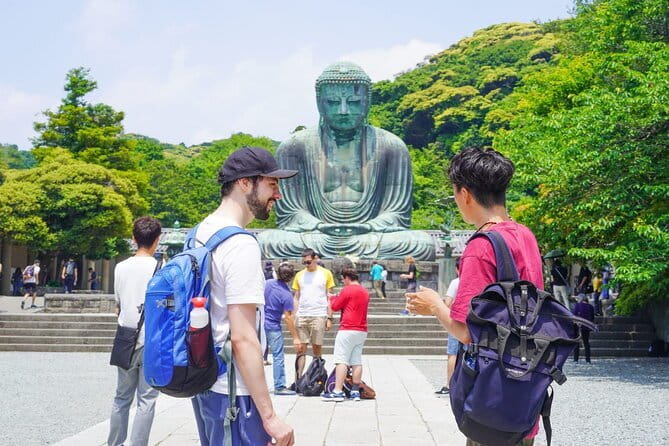
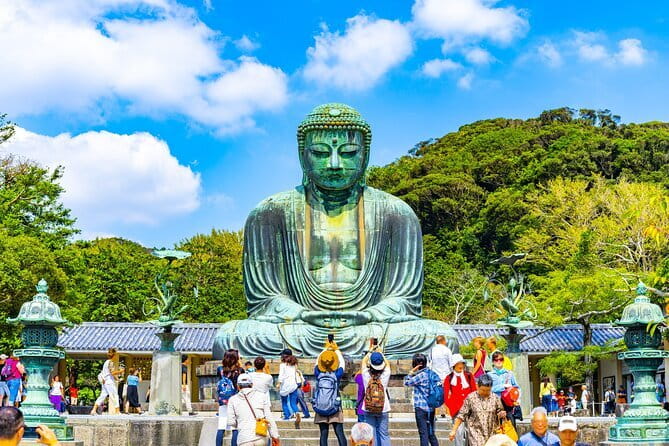
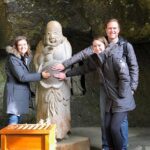
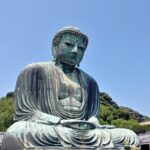
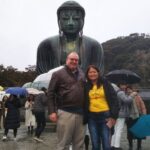
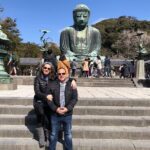
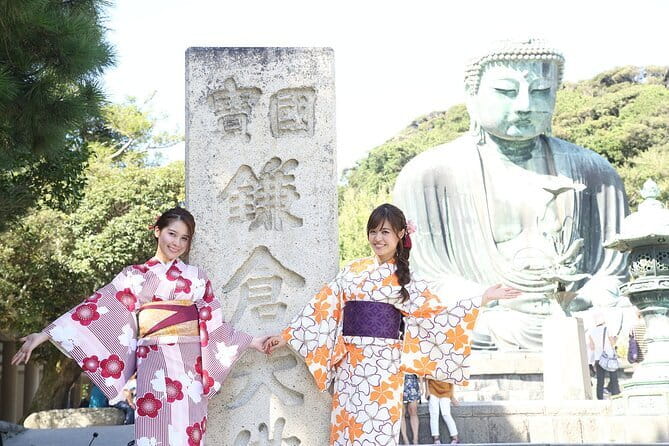
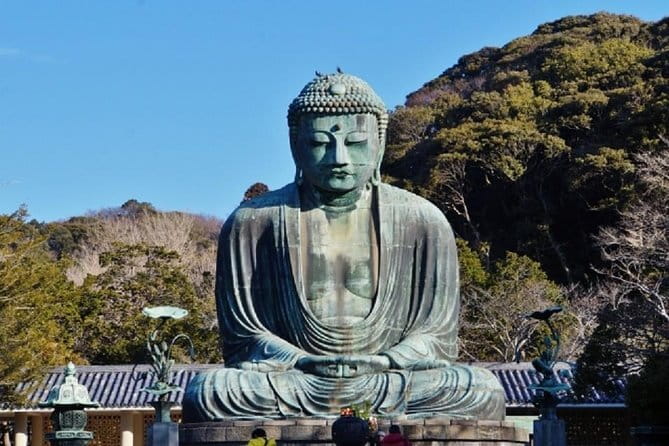
The first major stop is Kotoku-in, home of Kamakura’s Great Buddha. You have about 30 minutes here, and admission is included.
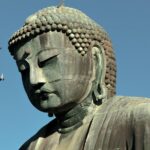
The bronze statue is the visual anchor of Kamakura. It is also a useful opening stop because it gives you an immediate sense of the city’s religious and political importance. Ichi can place the statue within the story of the Kamakura shogunate and explain why Kamakura became such an important center of power.
Thirty minutes is enough to see the statue, take photos, and hear the main explanation. It is not enough for a slow temple visit if you want to inspect every detail. Treat this as a focused introduction rather than a long, silent stay.
The Great Buddha is one of the stops where admission is covered by the tour price. That saves you a small separate payment and keeps the group moving.
Tsurugaoka Hachimangu and the samurai story
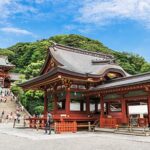
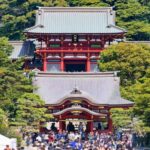
Tsurugaoka Hachimangu Shrine receives about 30 minutes of the schedule, with no admission charge. This is one of Kamakura’s most important Shinto sites and is dedicated to a deity connected with war and the samurai.
The shrine helps explain why Kamakura is more than a collection of pretty temples. Its broad grounds and formal approach connect religion with the power of the shoguns. Ichi’s explanations of the Bakufu, the military government that began in Kamakura, are especially useful here.
I like the contrast between this open shrine complex and the smaller temple gardens later in the tour. You get a sense of public ceremony here, then a quieter, more intimate side of Kamakura at Hokokuji and Hasedera.
Again, thirty minutes calls for focus. You will see the central grounds and hear the main story, but you may not have time to wander every path. If this shrine is your top priority, tell Ichi early so the timing can reflect that interest.
The graves of Minamoto no Sanetomo and Hojo Masako
The stop at the graves of Minamoto no Sanetomo and Hojo Masako lasts about 10 minutes and is free. It is short, but it adds political and personal detail to the larger Kamakura story.
Minamoto no Sanetomo was the third shogun of the Kamakura shogunate. Hojo Masako was a powerful figure in the same era, and seeing their memorial site gives you a more human connection to the names and events discussed at Tsurugaoka Hachimangu.
Do not expect a major sightseeing complex here. This is a quiet historical pause, best appreciated for its meaning rather than its scale. Ten minutes is likely enough for a brief explanation and a look around.
Hokokuji’s bamboo grove and matcha
Hokokuji Temple is one of the tour’s most peaceful stops. You have about 30 minutes, admission is included, and the optional green tea costs 500 yen, or about $3.
The bamboo grove gives the tour a welcome change from large religious landmarks. Tall bamboo creates a cool, enclosed setting, and the tea stop lets you slow down for a few minutes. The tea is not included, so bring a little cash if you want it.
Hokokuji is a strong reason to choose this tour instead of simply visiting Kamakura’s most famous sights on your own. Ichi can link the garden, temple setting, and local customs into the larger route, rather than leaving you to work out the significance alone.
The 30-minute allocation includes the temple visit and possible tea, so time can pass quickly. If you want to sit with your matcha rather than drink it quickly, you may need to shorten another stop.
Yuigahama Beach and the seaside road
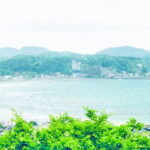
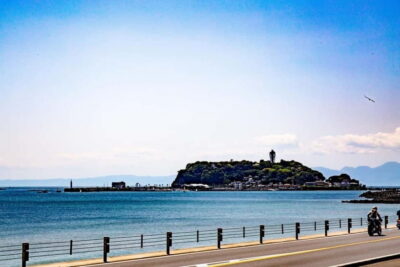
The route also reaches Yuigahama Beach, where you ride or walk along the seaside road. The supplied schedule does not give this stop a fixed duration, so the amount of time depends on the route and your interests.
This is an important change of scene. After shrines, graves, and temple grounds, the coast gives you open air and a broader view of Kamakura’s setting. You are not only visiting monuments. You are seeing the city as a place where historic districts meet the Pacific.
Summer is the busiest season at the beach. If you want the calmest possible coastal stretch, ask Ichi how the timing can work for your date. The tour description calls the atmosphere relaxing, but the beach is naturally more active in summer.
Hasedera and the Kannon statue
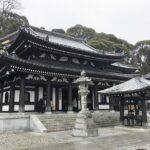
Hasedera Temple, also called Hase Temple, receives about 20 minutes. Admission is listed as free for this tour, and the temple is known for its gardens, coastline views, and a 9.18-meter wooden statue of Kannon, the Goddess of Mercy.
This stop packs several experiences into a short visit. You can see the large Kannon figure, look through the gardens, and take in views toward the coast. The site adds a different religious mood from the Great Buddha and Hokokuji.
Twenty minutes is the main limitation. Hasedera can reward a slower visit, especially if you want to linger in the gardens or stop for photos. If the statue and coastal view matter most to you, say so before the tour begins.
Egara Tenjin Shrine and the quieter side of town
Egara Tenjin Shrine is a 10-minute stop with admission included. It is dedicated to Sugawara no Michizane, a deity associated with scholarship and learning.
This shrine provides another useful contrast. Tsurugaoka Hachimangu connects with samurai power, while Egara Tenjin relates to study and academic success. The setting is described as calm and green, making it a good short pause near the end of a busy sightseeing loop.
Ten minutes will not allow a full, unhurried visit. Still, it can be enough to learn why the shrine matters and see its main setting. The short stop works best if you view it as part of the overall story rather than as a standalone destination.
What the $150.24 price includes
At $150.24 per person, this is not a bargain sightseeing ride. Its value depends on how much you want a private guide, a connected route, and help with the history.
Your price includes the professional guide, private tour, and entrance fees to the Great Buddha and Hokokuji Temple. Lunch is not included, and the 500-yen green tea at Hokokuji is optional. You should also be aware that personal damage caused by the customer is excluded.
For a group that would otherwise pay for several separate admissions, arrange transport between Kamakura districts, and research the historical background, the price can make sense. It is especially useful on a first visit when you want to cover both the central and Hase areas in one half-day.
The value is less convincing if you prefer to spend an hour or more at each temple. The schedule is active, and the tour favors range over long periods of quiet. You are paying for the guide’s route planning and interpretation, not simply four hours of admission tickets.
The tour is often booked well ahead, with an average booking time of 44 days in advance. That is a useful sign to plan early, especially if your Japan schedule has little flexibility.
Who will enjoy this tour most
I would choose this for a first visit to Kamakura, especially if you want the main sights explained in one clear route. It also suits friends or couples who want a private outing rather than a group tour with a fixed pace.
The bike option is best for people comfortable riding through town and hoping to cover the central temples, Hase area, and beach in four hours. The walking option is better if you want a slower rhythm or do not want to ride. Most people can take part, but children under 13 who cannot ride an adult-sized bike are not recommended for the cycling version.
This is also a good fit if you care about photos. Ichi takes plenty during the tour, and one person described receiving more than 20 good photos from the walking experience. You should still confirm the photo arrangements you want, but photography is clearly part of the guide’s approach.
People who prefer complete independence may find the private format unnecessary. Kamakura’s major sights can be visited without a guide, and the included time at each place is brief. The difference here is the connection between the stops and the stories that explain them.
Weather, cancellation, and practical details
The tour requires good weather. If poor weather causes a cancellation, you are offered another date or a full refund. You can also cancel for a full refund up to 24 hours before the start time.
Changes or cancellations made less than 24 hours before the start are not accepted for a refund. The cutoff follows local time in Japan, so check the exact start time before making changes.
Confirmation arrives within 48 hours of booking, subject to availability. The activity ends back at Kamakura Station, and it is near public transportation.
Because the route covers several districts, wear comfortable clothes and shoes. For the bike version, choose clothing that lets you ride safely. The supplied details do not state that helmets, bike sizes, rain gear, or storage are provided, so ask about those points before you commit to the cycling option.
My call: book it for the connected story
Book this tour if you want to see a broad slice of Kamakura in four hours and prefer a private guide who can explain the city as you move. Ichi’s former rickshaw work, clear English, photo help, and experience with both famous and quieter sites are the main reasons to choose it.
Choose the bike version if covering ground matters most. Choose walking if you care more about a relaxed pace and close attention to temple and shrine details. Either way, accept that the itinerary is full. You will gain variety, history, and the coast, but not extended time at every stop.
At $150.24, I see the best value for first-time visitors, small private groups, and anyone who wants Kamakura’s many pieces to make sense together. If you want only one temple and a long afternoon in one garden, explore independently instead.
FAQ
How long is the Kamakura Heritage Bike or Walk Tour?
The tour lasts approximately four hours.
Where does the tour start and finish?
It starts at Kamakura Station, at 1-chome-1-15 Onarimachi, Kamakura, Kanagawa 248-0012, Japan. It ends back at the same meeting point.
Can I choose between biking and walking?
Yes. You can choose a bike ride or a walking tour. The schedule can also be adjusted within the tour time to match your pace and interests.
Is this a private tour?
Yes. Only your group participates in the activity.
Which admission fees are included?
Admission to the Great Buddha at Kotoku-in and Hokokuji Temple is included. The tour also includes a professional guide and the private tour itself.
Is green tea at Hokokuji included?
No. Green tea is optional and costs 500 yen, or about $3. Lunch is also not included.
Is the tour suitable for children?
Most people can participate, but the experience is not recommended for children under 13 who cannot ride an adult-sized bike.
What happens if the weather is poor?
The tour requires good weather. If it is canceled because of poor weather, you can choose another date or receive a full refund. You can cancel up to 24 hours before the start time for a full refund.
More Walking Tours in Kamakura
More Kamakura & Enoshima Day Trips in Kamakura
More tours in Kamakura we've reviewed
Kamakura & Enoshima Day Trips, compared.
 ★ 4.5Tokyo: Kamakura & Enoshima Day Trip including Temple TicketsFrom $589 hours - 570 minutes
 ★ 4.5Tokyo: Mt. Fuji, Kamakura, Big Buddha, & Lake Ashi Day TripFrom $4910 - 11 hours
 ★ 4.5From Tokyo: Kamakura & Enoshima 1-Day Bus TourFrom $66
 ★ 5.0Kamakura Historical Walking Tour with the Great BuddhaFrom $98
 ★ 5.0Kamakura Private Tour: Temples, Nature, and the Great BuddhaFrom $98
 ★ 5.0Kamakura Walking Tour – The City of ShogunFrom $35